190,358 BOPD shut-in as of 12:30 p.m. ET today. Presumably, most of the shut-in production is associated with the major deepwater platforms mentioned in our previous post. Given the projected storm track, these shut-ins should be brief.

Posted in Gulf of Mexico, hurricanes, Offshore Energy - General, tagged BSEE, Gulf of Mexico, Hurricane Ian, shut-in production on September 27, 2022| Leave a Comment »
190,358 BOPD shut-in as of 12:30 p.m. ET today. Presumably, most of the shut-in production is associated with the major deepwater platforms mentioned in our previous post. Given the projected storm track, these shut-ins should be brief.
Posted in Offshore Energy - General, Regulation, tagged BOEM, BSEE, DC Court of Appeals, Lease Sales 250 and 251 on September 2, 2022| Leave a Comment »
The U.S. Court of Appeals for the D.C. Circuit ruled that BOEM “unreasonably refused to consider possible deficiencies in environmental enforcement” in their Supplemental EIS for Sales 250 and 251. The court found that BOEM did not adequately consider a 2016 Government Accountability Office (GAO) report that was critical of BSEE’s oversight of offshore activities.
More positively, the court chose not to vacate the sales or the EIS:
Moreover, vacatur would be highly disruptive for the lessees. They have paid millions of dollars to obtain their leases and have acted for some four years in reliance on them—including by investing substantial additional sums and by executing contracts with third parties. Moreover, any redo of the lease sales “would be tainted by prior publication of [the] lessees’ proprietary valuation of the leases” following the original sales.
Comments:
Posted in accidents, California, pipelines, Regulation, tagged alarms, Amplify, BSEE, DOT, Huntington Beach, lead detection, pipeline spill, plea agreement, USCG on August 30, 2022| Leave a Comment »
In addition to the penalty and reimbursement elements of the plea agreement, there are two Amplify commitments that may be of particular interest to BOE readers:
Also, given that the investigating agencies have still not issued their report on the October 2021 spill and no action has yet been taken against the shipping companies that caused the pipeline rupture, the congratulatory Coast Guard, EPA, FBI, and DOT quotes in the announcement seem rather premature and self-serving.
Two final thoughts:
Posted in accidents, CCS, decommissioning, Offshore Energy - General, pipelines, Regulation, tagged aban pearl, BSEE, CCS, flaring, Hogan and Houchin, Huntington Beach, incident data, offshore pipelines, Russell Peterson, Trinity Spirit, USCG on August 11, 2022| Leave a Comment »
Posted in energy policy, Offshore Energy - General, oil spill response, tagged BSEE, Costner, Lautenberg, MMS, ohmsett, Tennyson on July 13, 2022| Leave a Comment »
My involvement with Ohmsett dates back to the 1970s when EPA operated the facility and I was on the Ohmsett Interagency Technical Committee. The facility fell into disrepair in the late 1980s. Thanks largely to the vision and initiative of my Minerals Management Service (MMS) colleague Ed Tennyson and the enactment of the Oil Pollution Act of 1990, the MMS began restoring the facility in 1990 and resumed testing activities in 1992. Senator Frank Lautenberg (NJ) and a host of dignitaries participated in the grand reopening event.
The facility has lived up to the hype and the current BSEE leadership team seems committed to continuing the testing and innovation. For more information about testing at Ohmsett, including renewable energy concepts, check their website. For an excellent summary of Ohmsett activities from 1992-97, see this paper.
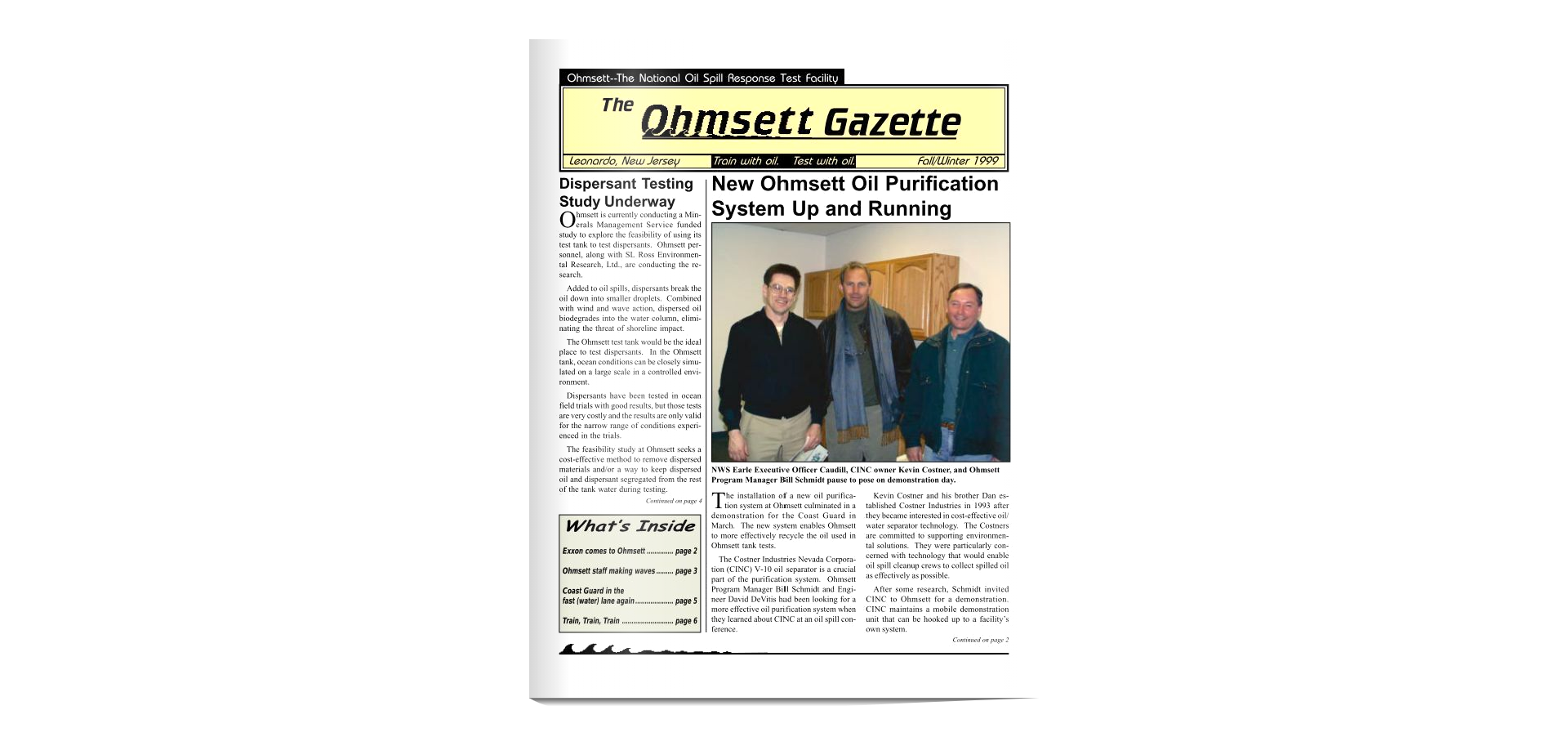
Among the many companies to test equipment at Ohmsett is one that was partially owned by actor Kevin Costner. See the article and photo below. If you build it (and maintain it), they will come!
Posted in accidents, Gulf of Mexico, tagged BSEE, fall prevention, injury, Safety Alert on June 29, 2022| Leave a Comment »
Posted in accidents, Gulf of Mexico, well control incidents, tagged BSEE, Gulf of Mexico, incident trends, Jason Mathews, safety alerts, violations on June 13, 2022| Leave a Comment »
Kudos to BSEE’s Gulf of Mexico Region for their timely safety alerts and comprehensive updates on offshore incidents, trends, and compliance issues. Their most recent update is linked below.
For the past 50 years. my main goal for US offshore operations has been a zero fatality year. Sadly, that goal has never been achieved and will not be achieved this year (see slide 15).
Many casualties are associated with activities that are not perceived to be of high risk. The message on slide 22 of Jason’s presentation is thus very important:
Perceived low risk activities can still result in impactful injuries. Continually risk assess the work being undertaken, no matter if it permitted or nonpermitted work.
Know your personal limits and stop before you reach your limit. Pause and ask for help before you are at your limit.
Jason Mathews, BSEE, 6/7/2022
Posted in energy policy, Gulf of Mexico, Offshore Energy - General, tagged Ballymore, BSEE, Chevron, offshore leasing, Shell, Vito on May 19, 2022| Leave a Comment »
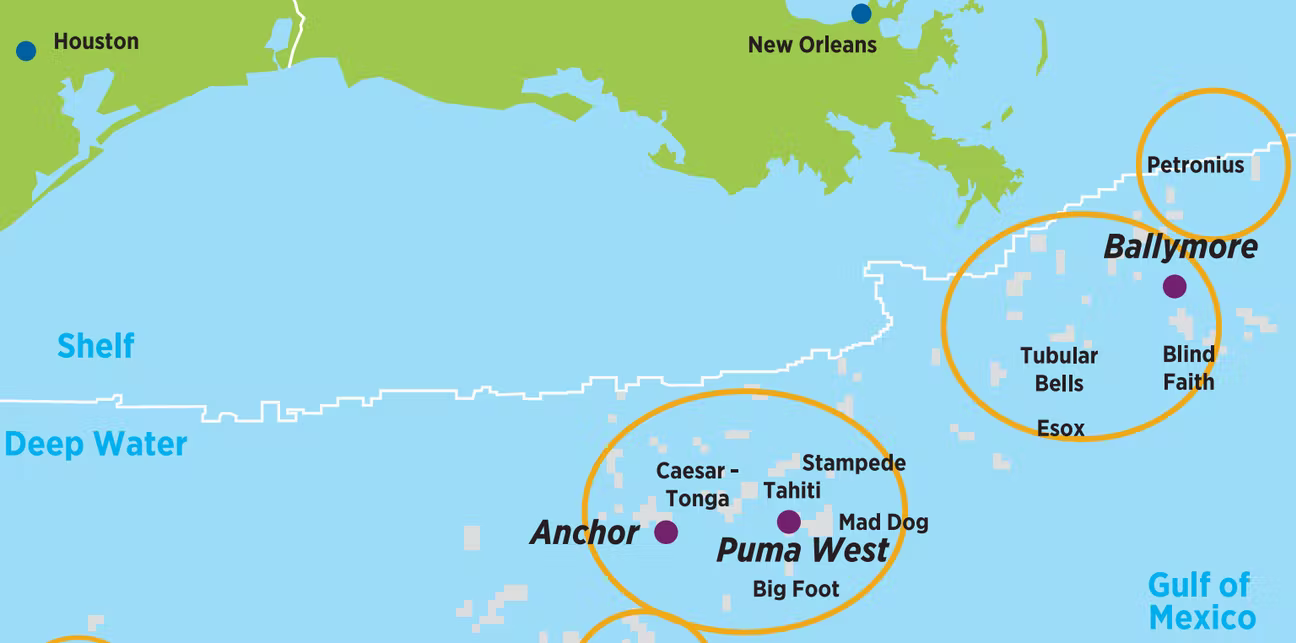
Ballymore will be produced with 3 seafloor wells (6540′ water depth) that are expected to transport 75,000 bopd via a three-mile subsea tieback to Chevron’s Blind Faith floating production unit. Per BOEM, the Ballymore field was discovered in December, 2017. First production is expected to be in 2025.
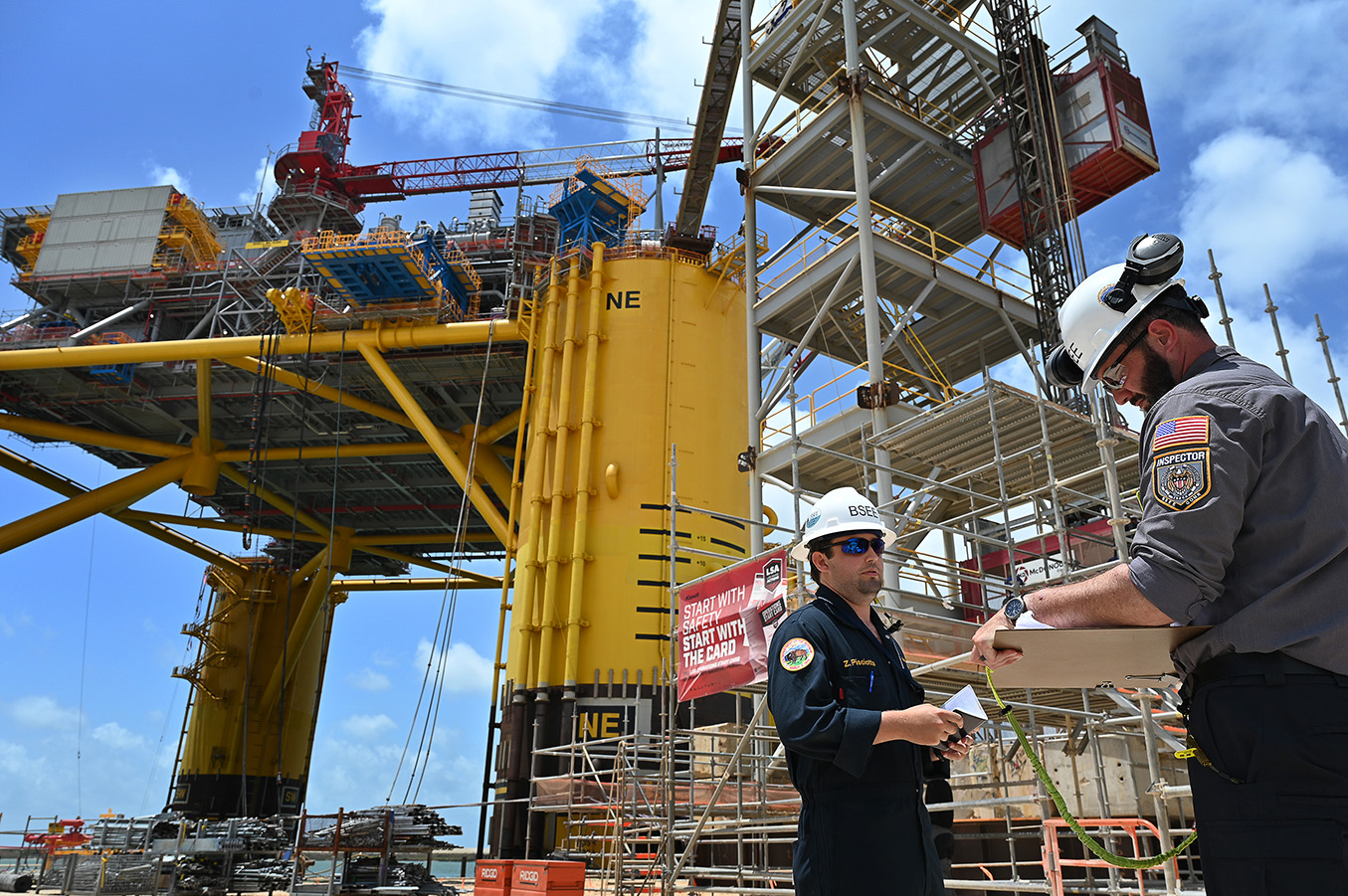
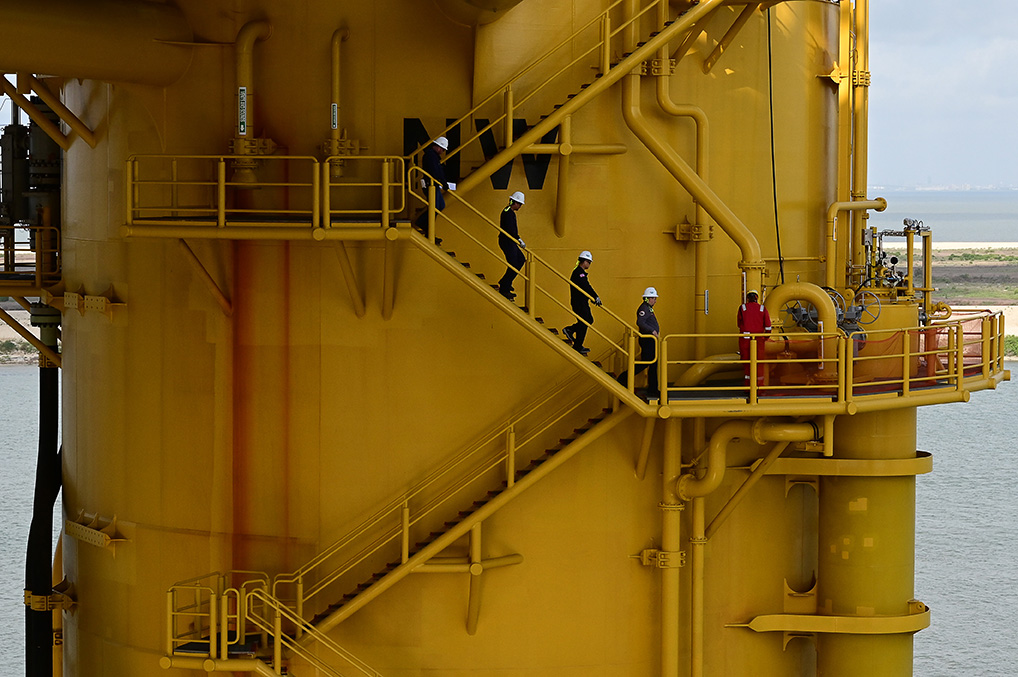
Shell’s Vito floating production unit was inspected last week by BSEE personnel. Vito is expected to begin production later this year or early next year and produce up to 100,000 bopd. Per BOEM data, the Vito field was discovered in 2010.
As these projects demonstrate, deepwater development takes time and is often dependent on related projects on other leases. This is why future production is dependent on regular, predictable lease sales.
Posted in accidents, drilling, Gulf of Mexico, hurricanes, tagged BSEE, Globetrotter II, Gulf of Mexico, Hurricane Ida, Noble, Shell on May 17, 2022| Leave a Comment »
BOE was troubled by this incident and the contractor’s statements that followed.
BSEE has posted a strong safety alert.
The BSEE investigation concluded that the operator and contractor representatives failed to promptly start the Temporary Abandonment (TA) procedures.
BSEE’s investigation report provides complete details on the incident.


Well Control Rule comments
Posted in drilling, Offshore Energy - General, Regulation, tagged BOP failure data, BSEE, comments, Well Control Rule on October 11, 2022| Leave a Comment »
Hopefully, the attached response is indicative of the quality of comments BSEE will receive on their proposed WCR revisions.
The comments, which were submitted by a retired engineer (always the best commenters 😉), express the opinion that BSEE should not remove the option for submitting failure data to BTS. While my comments will express a somewhat different opinion, I thought he made good arguments in support of his position.
The chart below is excerpted from the SafeOCS Dashboard cited in the comment letter:
Read Full Post »