Feeds:
Posts
Comments

Posts Tagged ‘BSEE’

Seconds matter – training, equipment maintenance, and effective leadership are critical!

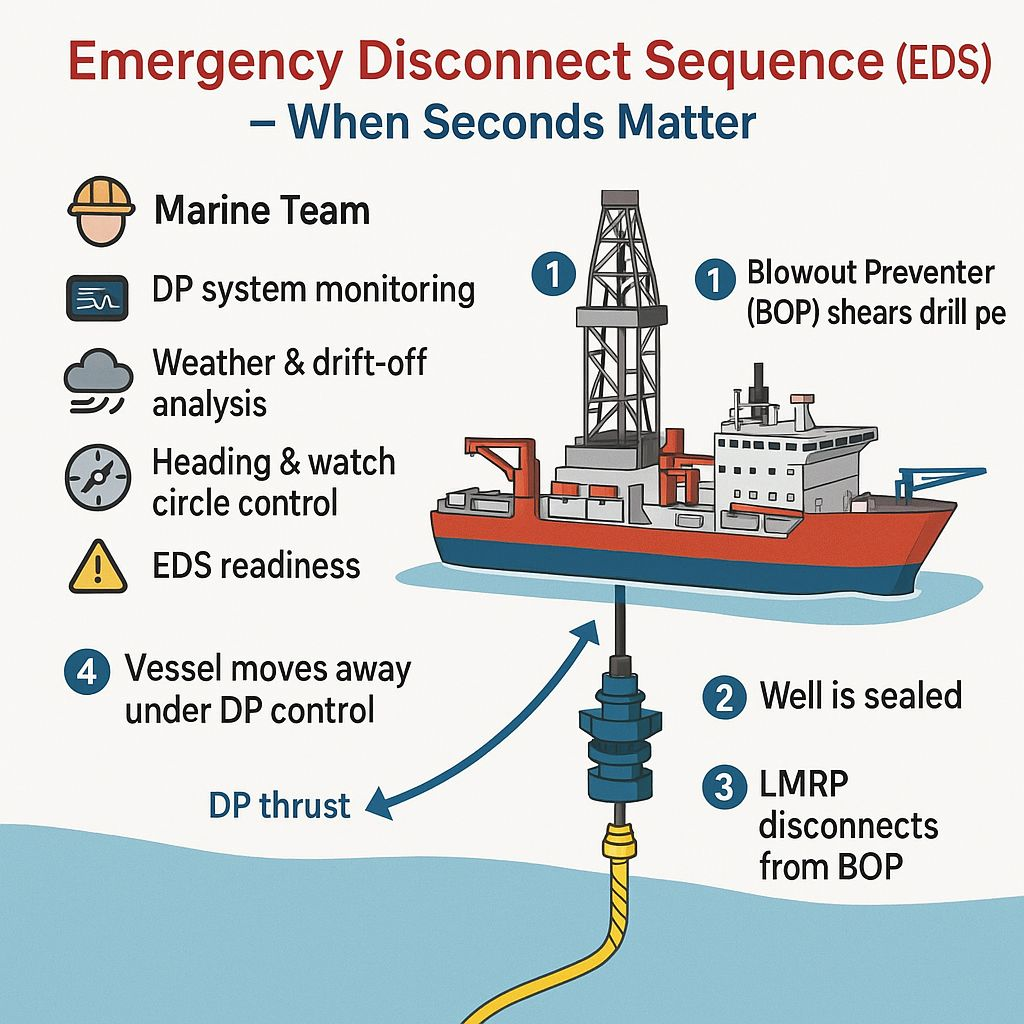
Several BSEE Safety Alerts have just been released. Of particular importance to those interested in deepwater drilling is the attached alert describing two separate Emergency Disconnect Sequence (EDS) incidents.

The EDS (see the diagram above) is a critically important safety protocol that ensures that a well is sealed and the riser and rig are disconnected from the blowout preventer in the event of a well control emergency, unforeseen weather/ocean conditions, loss of power, or positioning system malfunction. Note that the Macondo blowout could have been prevented if the Deepwater Horizon crew had activated the EDS in a timely manner.

The two EDS events cited in the Safety Alert were presumably the March 28, 2025 and March 5, 2024 incidents investigated by BSEE district offices. The drillships were the Stanley Lafosse and the Deepwater Poseidon The investigation reports provide detailed information on these incidents.

Unintended riser disconnects not associated with EDS activations are a related safety and pollution concern that necessitated the issuance of a 2000 Notices to Lessees that was subsequently updated:

Read Full Post »

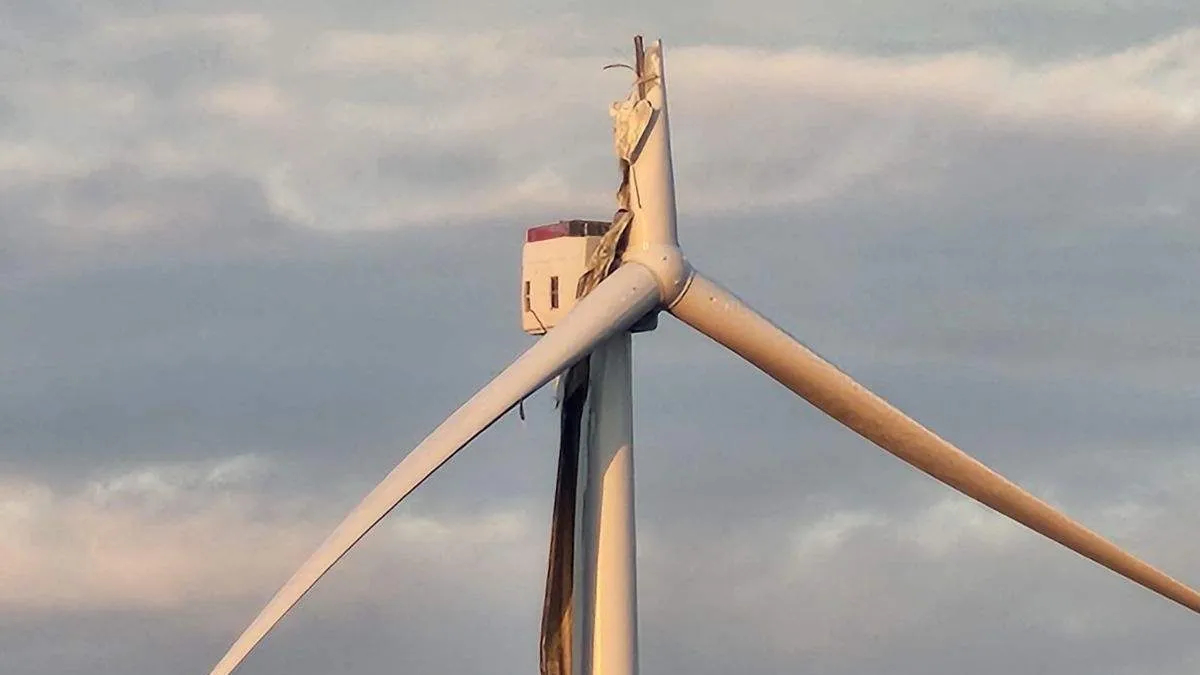
Vineyard Wind turbine blade that was damaged on July 13, 2024, captured by a New Bedford commercial fisherman. Photo courtesy of Anthony Seiger

Excellent New Bedford Light piece on the unacceptable delay in completing the blade failure investigation report.

The Town of Nantucket’s attorney, Greg Werkheiser of Cultural Heritage Partners, told The Light last month that “it’s taken far too long” to get a final report on the blade failure. 

It’s noteworthy that there have also been unacceptable delays in issuing panel reports for serious offshore oil and gas incidents:

ncident datereport dateelapsed time (months)incident type
5/15/202110/31/202329.5fatality
1/24/20217/24/202330fatality
8/23/20202/15/202330fatality
7/25/20202/15/202331spill

Read Full Post »

To date, BSEE has used carryover funds and offsetting collections from inspection, rental, and cost recovery fees to continue their priority permitting and inspection programs during the govt shutdown. However, these funds are limited.

At some point, BSEE will have to stop issuing new permits. If the shutdown continues, the next step could be to curtail drilling and production operations. Needless to say, this would not be completely unacceptable.

In the meantime, BSEE employees continue to work without pay. Flying offshore everyday to inspect operations is no picnic and can be hazardous. I lost a colleague in a helicopter crash and others have been injured. It’s shameful that these people are not being paid while members of congress are!

Read Full Post »

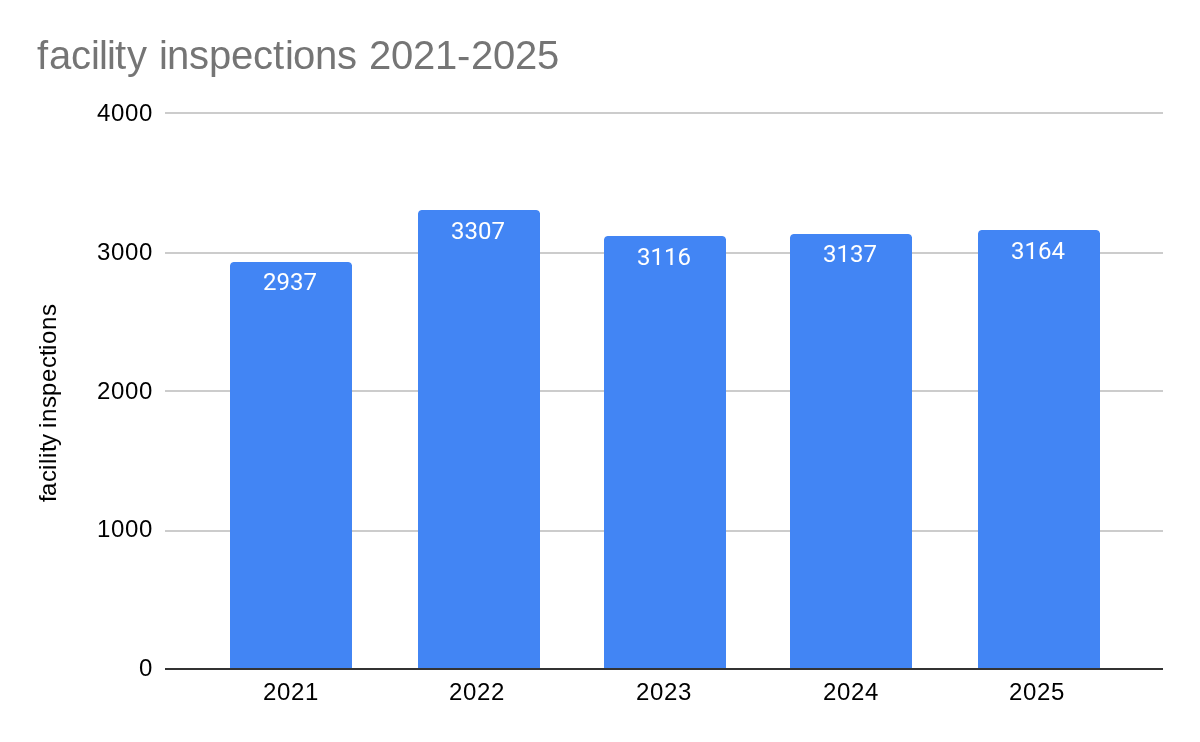
Good: OCS oil and gas permitting and inspections appear not to be significantly affected by the govt shutdown to-date. 14 planning documents were approved on Oct. 21, and 37 drilling permits have been approved in Oct. (through 10/21).

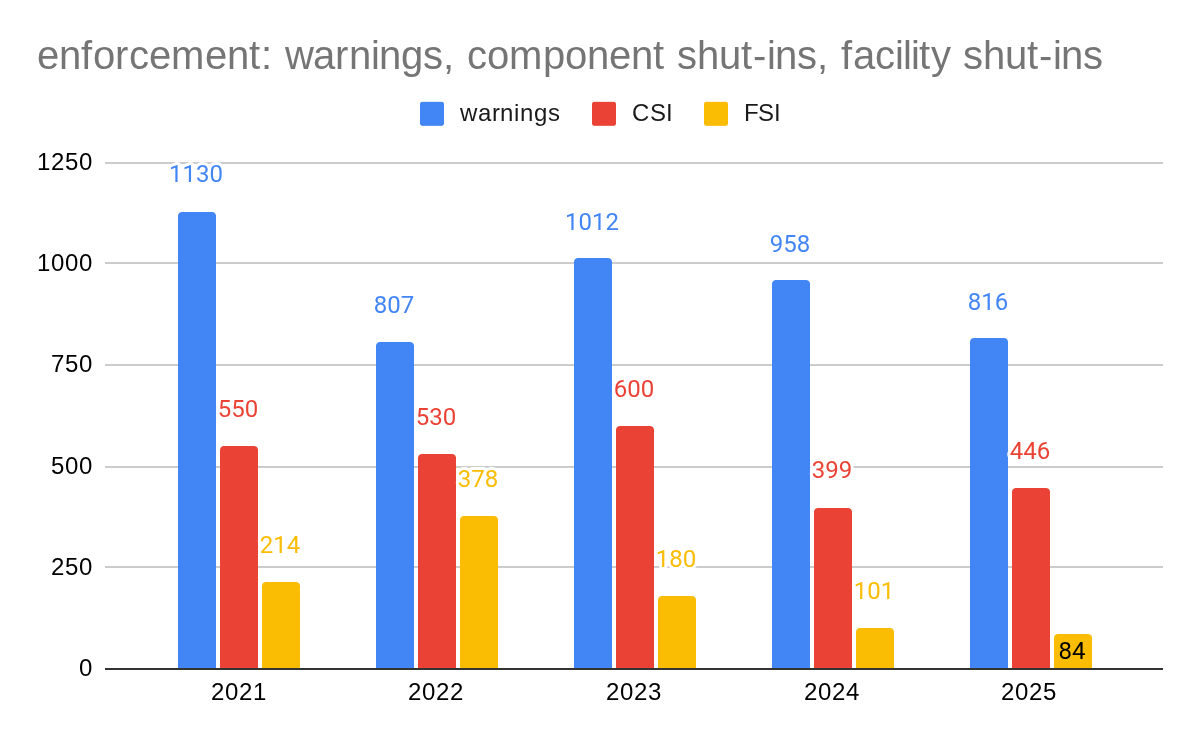
152 facility inspections were conducted from 10/1 through 10/19. Natural Resources Worldwide (NRW), which is currently the operator of just one Cox legacy platform, has the dubious distinction of being the Shutdown’s Shut-in Leader. 16 Incidents of Non-Compliance (9 warnings and 7 component shut-ins) were issued to NRW during a single facility inspection in October.

Bad: This level of effort is not sustainable given limits on offsetting funds from fees, rentals, etc.

Ugly: The personnel who are performing these duties are not being paid during the shutdown. The longer the shutdown drags on, the greater the hardship on those individuals and their families. Shameful!

Warren Buffett’s proposal would stop deficit spending and address the root cause of shutdowns:

Buffett: I could end the deficit in five minutes. You just pass a law that says that any time there’s a deficit of more than three percent of GDP, all sitting members of Congress are ineligible for re-election.

Read Full Post »

Attached is the Dept. of the Interior’s Semiannual Regulatory Agenda (9/22/2025). BSEE and BOEM decommissioning rules are excerpted below.

Of particular concern is the revised BOEM regulation (107) that “would reduce the amount of supplemental financial assurance required from oil gas, and sulfur lessees operating on the OCS.” See our previous post on this regulatory action. Note that a proposed rule is expected to be published by year end.

  1. REVISIONS TO DECOMMISSIONING REQUIREMENTS ON THE OCS [1014–AA53]
    Legal Authority: Outer Continental Shelf Lands Act, 43 U.S.C. 1331 to 1356a
    Abstract: This proposed rule would address issues relating to (1) idle iron by adding a definition of this term to clarify that it applies to idle wells and structures on active leases; (2) abandonment in place of subsea infrastructure by adding regulations addressing when BSEE may approve decommissioning-in-place instead of removal of certain subsea equipment; and (3) other operational considerations.
    Timetable:
    NPRM ……………… 07/00/26
    NPRM Comment Period End: 10/00/26
  1. RISK MANAGEMENT AND FINANCIAL ASSURANCE FOR OUTER CONTINENTAL SHELF LEASE AND
    GRANT OBLIGATIONS [1010–AE26]
    Legal Authority: 43 U.S.C. 1331, OCS Lands Act; E.O. 14154, Unleashing American Energy
    Abstract: This proposed rule would rescind BOEM’s final rule ‘‘Risk Management and Financial Assurance for OCS Lease and Grant Obligations.’’ The proposed rule would revise the criteria for determining whether oil, gas, and sulfur lessees, right-of-use and easement grant holders, and pipeline right-of-way grant holders are required to provide financial assurance above the current minimum bonding levels to ensure compliance with their Outer Continental Shelf (OCS) Lands Act obligations. This rule, if finalized, would reduce the amount of supplemental financial assurance required from oil gas, and sulfur lessees operating on the OCS and would support the goals of E.O. 14154; Timetable: NPRM ……………… 01/00/26

Read Full Post »

The table below captures the shorter public comments and provides links to the longer ones. They are listed in the order they were posted on Regulations.gov.

commentersummary/link
anonymousI recommend under no circumstance that we allow the onsite worker to approve the commingling of bore holes because there is extreme significant safety and environmental hazards that exist.
The best alternative is to have an environmental engineer and environmental scientist approve any commingling
Our Children’s Trust…your regulatory proposal is inconsistent with the federal law, the best available science on protecting the health and lives of children, and the legal mandate that agency decision-making does not deprive children of their fundamental constitutional rights…
E.P. DanenbergerSee BOE post
anonymousI support updating the regulations to align with the One Big Beautiful Bill Act, but I encourage BSEE to ensure that safety standards and environmental protections remain the highest priority in all commingling approvals. Clear guidance for industry compliance and transparent public reporting would also strengthen confidence in this rule.
Ananda FosterRegulations need to catch up with technology and we have not had a chance to do that yet. If you allow them on throttle access, they will destroy it. We all rely on the ocean, how can you do this to your own constituents?
APISupports direct final rule
bp AmericaSupports direct final rule

Legislatively dictating well construction, completion, or operational approvals is a redline for me, and I continue to strongly believe the downhole commingling rule should be published as a draft for public review and comment.

The only industry comments are from API and bp America. Both support the direct final rule, and I respect their position. My main quarrel is with the legislative action that put us in this position.

I have had many disagreements with API members over the years, but the dialogue has always been professional. Technical and policy disagreements are healthy for the OCS program, and I will continue to raise potential issues and concerns on this blog.

With regard to bp, I have been impressed by their commitment to the Gulf of America, as summarized in this excerpt from their comments:

Read Full Post »

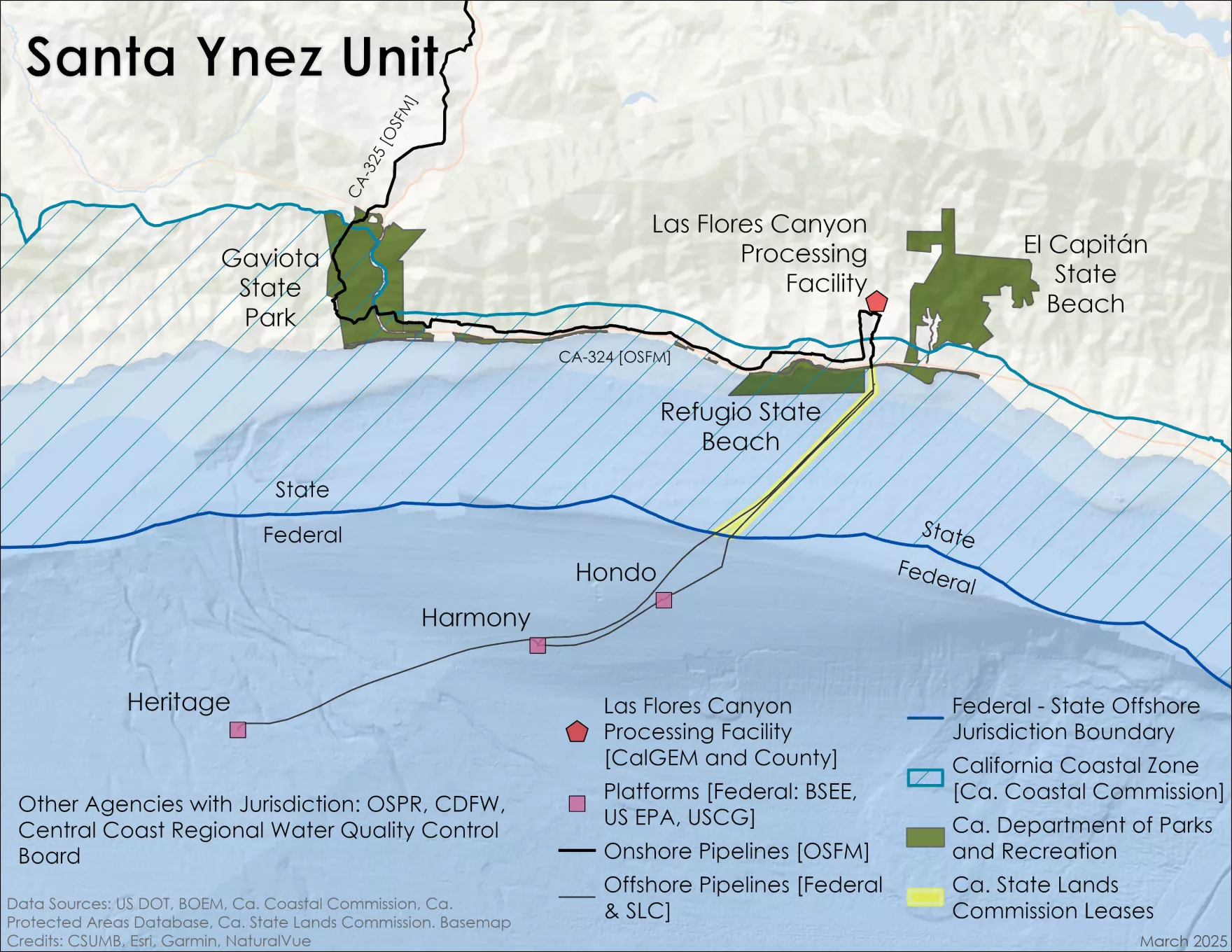
John Smith shared the attached letter from Senators Adam Schiff and Alex Padilla, and members of the California congressional delegation. The letter questions BSEE’s inexplicable announcement about the resumption of Santa Ynez Unit (SYU) production. That announcement boasted:

This is a significant achievement for the Interior Department and aligns with the Administration’s Energy Dominance initiative, as it successfully resumed production in just five months.

BSEE’s announcement, which has not been explained and is still featured on their homepage, served only to further complicate the resumption of production from the SYU, which has reserves in excess of 500 million barrels.

Read Full Post »

and should be an integral part of Job Safety Analyses!

According to BSEE, there is a recurring trend of equipment misuse contributing to fire and explosion hazards during offshore oil and gas operations in the Gulf of America.

Workers have used tools not rated for electrical work on live circuits (Figure 1) and mismatched hydraulic or pneumatic tools for high-pressure systems (Figure 2). In several cases, non-intrinsically safe hand tools were used in explosive atmospheres, including mudrooms and drilling floors.

The Safety Alert is attached.

Read Full Post »

The attached comments were submitted to Regulations.gov on 9/8/2025.

Legislatively dictating downhole commingling approvals, as per Section 50102 of the One Big Beautiful Bill, is a reckless precedent from both technical and regulatory policy standpoints. 

This type of legislative maneuver compromises the integrity of the OCS oil and gas program and the companies that participate in it. Shaving the maximum royalty rate was one thing; mandating well completion approvals is quite something else. Disappointing. ☹

Read Full Post »

See below. BOEM is reconsidering its approval of the Construction and Operations Plan (COP) for New England Wind 1 and 2. The operator, Avangrid (Spain), is also a partner in the troubled Vineyard Wind project.

If you are keeping score, the approval of these COPs is being reconsidered:

Other projects: Work has been stopped on the Revolution Wind project. Work was previously halted on the Vineyard Wind and Empire Wind projects, but has been allowed to resume. BSEE has still not published its report on the Vineyard Wind turbine blade failure that occurred on 7/13/2024. Other projects have been suspended by the owners at their own initiative (e.g. Atlantic Shores South, Gulf of Maine, Starboard Wind, Vineyard Wind 2, Beacon Wind). Meanwhile, litigation abounds!

Coastal Virginia Offshore Wind is the project with the most assured long-term future.

Read Full Post »

Older Posts »