“Stampede,” Gulf of Mexico: Hess 25% owner and operator, Chevron 25% owner
Most importantly, both companies have excellent safety and compliance records as evidenced by their Honor Roll achievements.
Hess is an attractive company with impressive assets. Were there other suitors?
Chevron is currently a partner on the Stampede, Esox, and Tubular Bells deepwater projects that are operated by Hess. There is thus an established deepwater development relationship.
The acquisition of Hess means that Exxon and Chevron will now be partners in Guyana. That should be interesting.
Chevron’s CEO Mike Wirth is quoted as saying “We’ve got too many CEOs per BOE, so consolidation is natural.” That comment seems a bit self-serving, but makes sense from the perspective of an acquiring CEO. Employees of the companies being acquired may have a somewhat different view.
In the Gulf of Mexico, will the combined company be greater than the sum of the parts in terms of lease acquisition, exploration, and development?
Will combining the companies limit the diversity of geological assessments and exploration strategies?
Consolidation affects participation in workshops and on committees engaged in assessing technology and developing standards. More limited participation in these activities, which are critical to offshore safety, was a justified concern of my former boss, the late Carolita Kallaur.
Add Hess to the list of important offshore operators that, for all intents and purposes, no longer exist. This list includes (among others): Amoco, Arco, Texaco, Getty, Gulf, Unocal, Sun, Anadarko, BHP, Mobil, Phillips (or Conoco), Noble Energy, Pennzoil, Kerr-McGee, and Newfield.
Consistent with the findings of their inspections and data gathering (as discussed further here), BSEE has published a safety alert (attached) that identifies significant shortcomings in medical evacuation planning and performance.
The findings suggest that a renewed focus on medevac preparedness should be an immediate industry priority. Note the evacuation time, supply, training, and other planning issues summarized in the BSEE alert. Also note the helideck safety issues that were identified. These issues are particularly troubling in light of last December’s fatal crash.
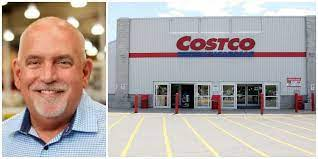
Costco’s new CEO Ron Vachris started in an entry level warehouse position at Costco 40 years ago. It’s nice to see that such stories, while less common, still exist.
Ron is a Costco veteran, with over forty years of service to the Company, starting as a forklift driver, and subsequently serving in every major role related to Costco’s business operations and merchandising activities.
Per our previous post on policy decisions that favor production in Iran and Venezuela over US offshore production, Senator Manchin made this statement:
“I also want to briefly express at the outset my strong concerns about the news last night that this administration has lifted most sanctions on Venezuelan oil for the next 6 months. On the heels of announcing the smallest 5-year offshore oil and gas leasing plan in decades, this administration is turning to Venezuela — they know I have a problem and I’m sure many of you will have feelings on this — one of the world’s dirtiest energy producers and an oppressor of its own people, to help make up the production that they refuse to allow in America. I understand that the administration believes this will encourage Venezuela to make democratic reforms, that has been tried, and we’ve failed before. It makes no sense at all to reward bad actors before they actually take the action you want. We tried that with Iran, and now here we are with Venezuela.” said Chairman Manchin.
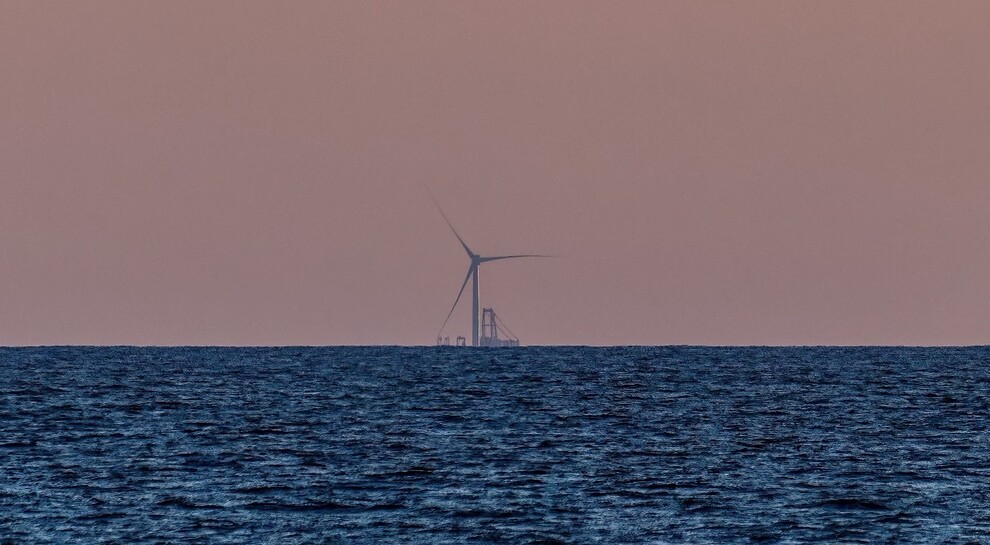
Additionally, the Maria Mitchell Association and the Nantucket Preservation Trust, co-signers on the Good Neighbor Agreement, canceled scheduled interviews despite the fact that the only thing rising quicker than the first visible wind turbine off Nantucket’s south shore is the local level of uneasiness associated with this eyesore.
In my opinion, the long-term sustainability of offshore wind farms simply doesn’t add up. Seaside communities like Nantucket will become the visual victims of the federal government’s desire to have 30 gigawatts of offshore wind production by 2030. Especially from a financial perspective, what sounded so good a few years ago doesn’t appear so rosy today.
The first Vineyard Wind turbine 15 miles off Nantucket. Photo by Charity Grace Mofsen
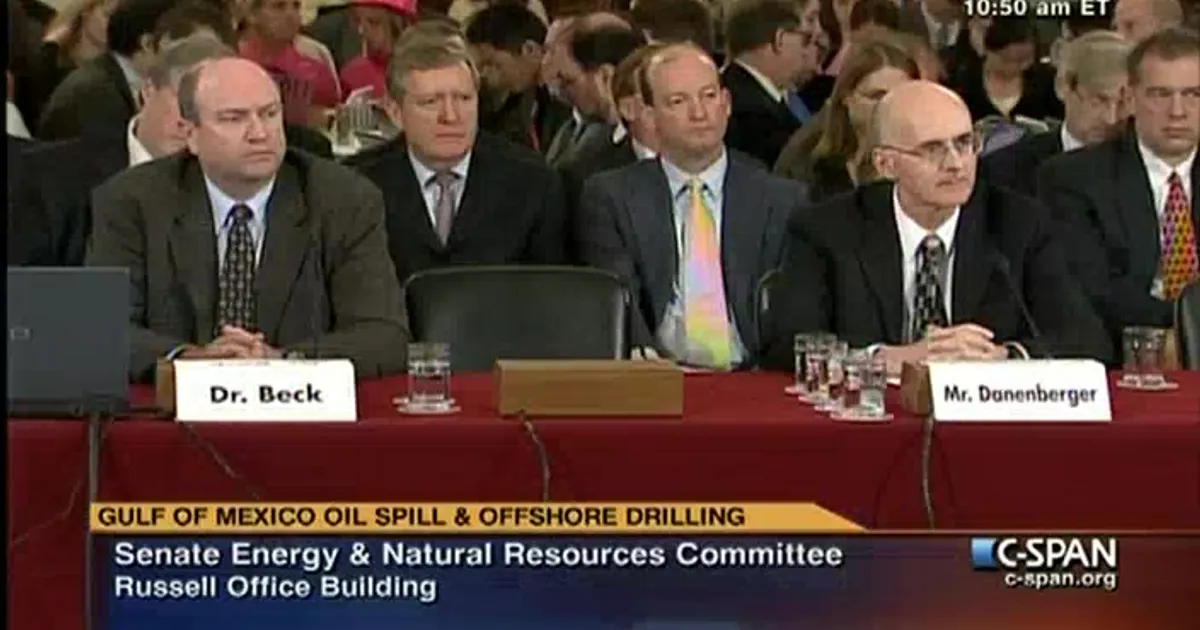
I was on the first panel to appear before a Senate committee during the Macondo blowout. All of the senators were respectful and professional with two exceptions, one of whom was Bob Menendez. Perhaps Senator Menendez’s penchant for political grandstanding was an indication of more significant character flaws.
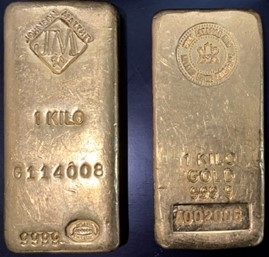
Robert Menendez Allegedly Agreed to Use His Official Position to Benefit Wael Hana, Jose Uribe, Fred Daibes, and the Government of Egypt in Exchange for Hundreds of Thousands of Dollars of Bribes to Menendez and His Wife Nadine Menendez, Which Included Gold Bars, Cash, and a Luxury Convertible
Last week, Sen. Menendez was cited for additional charges accusing him of accepting bribes from a foreign government and conspiring to act as a foreign agent.
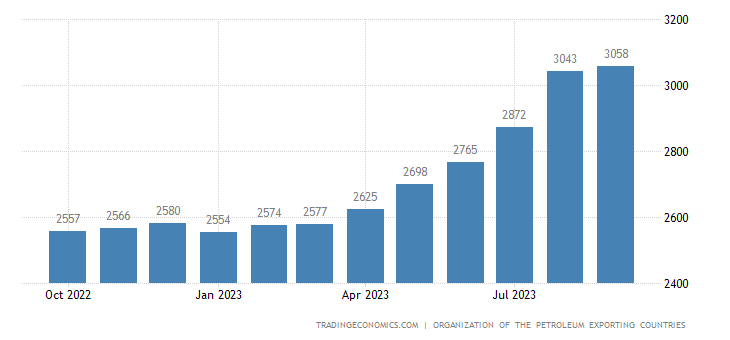
Given that further depletion of the SPR was no longer politically acceptable, a cynic might suggest that oil market considerations associated with the end of SPR withdrawals and OPEC tightening (Iran is currently exempt from OPEC quotas) factored into decisions regarding the relaxation of sanctions on Iran.
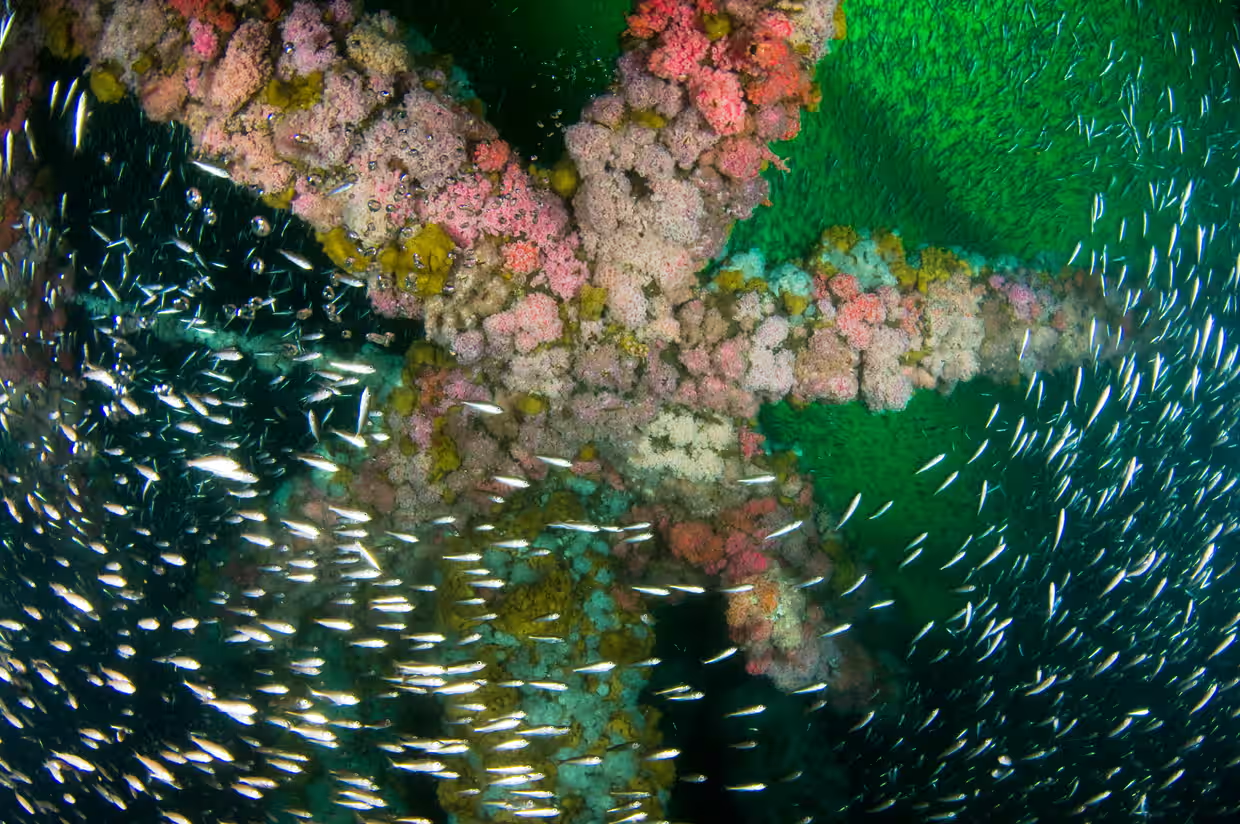
Guardian: Juvenile rockfish seen on an oil platform off the coast of Santa Barbara. For the scientists who study them, preserving these accidental marine ecosystems has become a moral issue. Photograph: Scott Gietler
Excellent Guardian article featuring my former colleague Dr. Ann Bull and Dr. Milton Love from the University of California at Santa Barbara.
According to a 2014 study they (Bull and Love) co-authored, the rigs were some of the most “productive” ocean habitats in the world, a term that refers to biomass – or number of fish and how much space they take up – per unit area. The research showed the rigs to be about 27 times more productive than the natural rocky reefs in California.
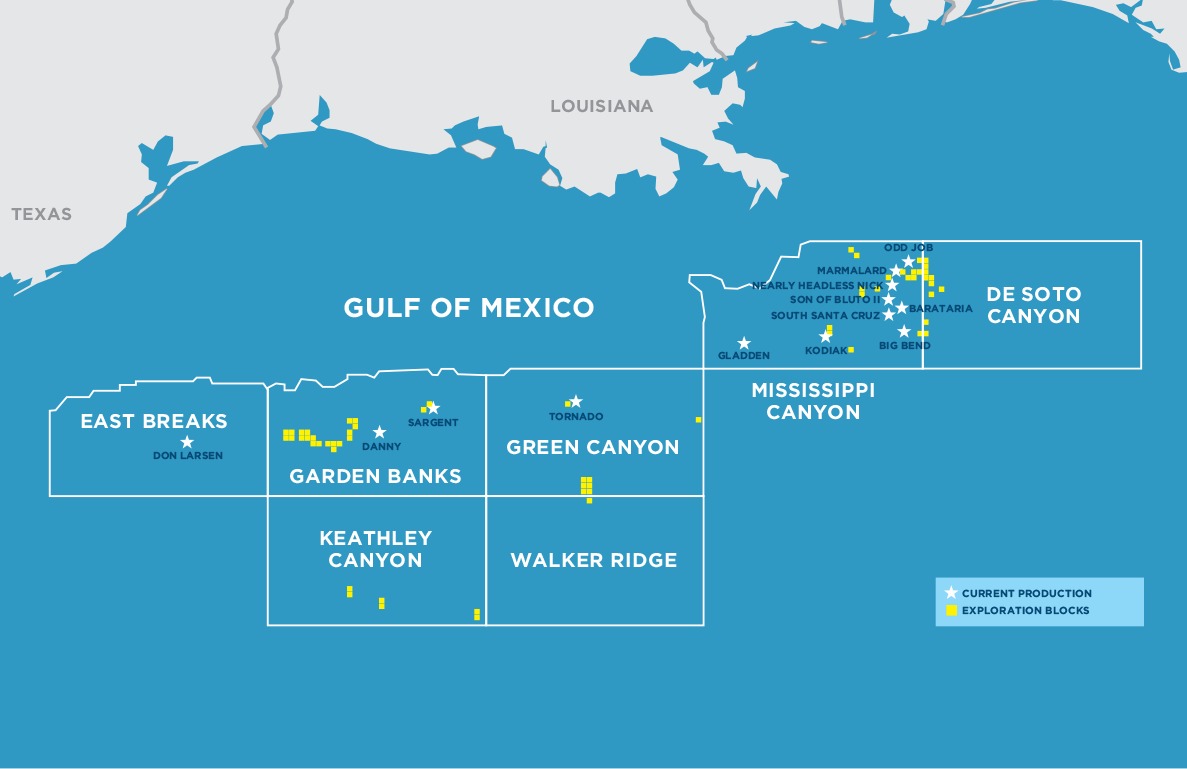
The Tiberius exploration well tested a four-way structural trap in the outboard Wilcox trend, located in Keathley Canyon Block 964. The well encountered approximately 250 feet (~75 meters) of net oil pay in the primary Wilcox target. Wireline logging has been completed and casing is currently being run to the target depth to enable the well to be used as a future oil producer. The Tiberius well is located in approximately 7,500 feet (2,300 meters) of water and was drilled to a total vertical depth of approximately 25,800 feet (7,800 meters).
BSEE data indicate that Kosmos has an excellent compliance record, having been cited for only 3 violations during 44 facility inspections (83 inspection types) since 1/1/2018.
One quibble: the Kosmos news release does not name the drilling unit or drilling contractor. The rig crew is the group most responsible for safely drilling the well.
Is it accurate to describe BOEM’s agreement with the Sierra Club as a “sue and settle” arrangement? a. If so, does BOEM intend to continue making decisions through “sue and settle” tactics? b. How can the Committee attain confidence that the BOEM is considering the interest of small businesses in its decision-making when its decisions are made behind closed doors with special interest groups?
Last week, the 5th Circuit heard arguments on the appeal by Earthjustice et al of Judge Cain’s decision to remove the Rice’s whale restrictions from Sale 261 leases. The sale is to be held on Nov. 8 per the 5th Circuit’s order.


 Bud's Offshore Energy (BOE)