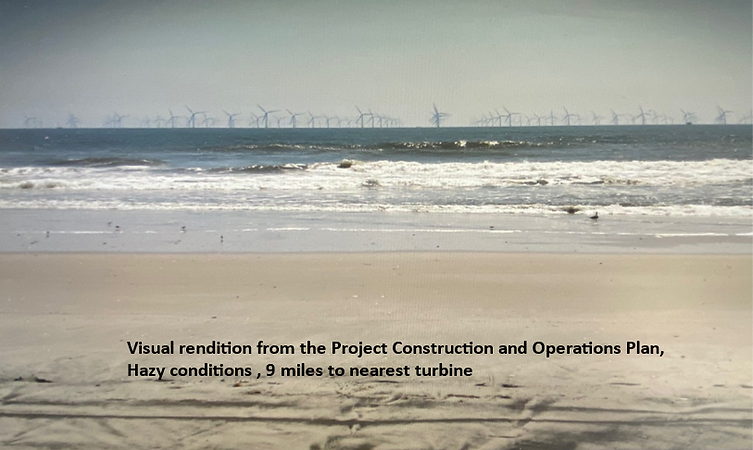
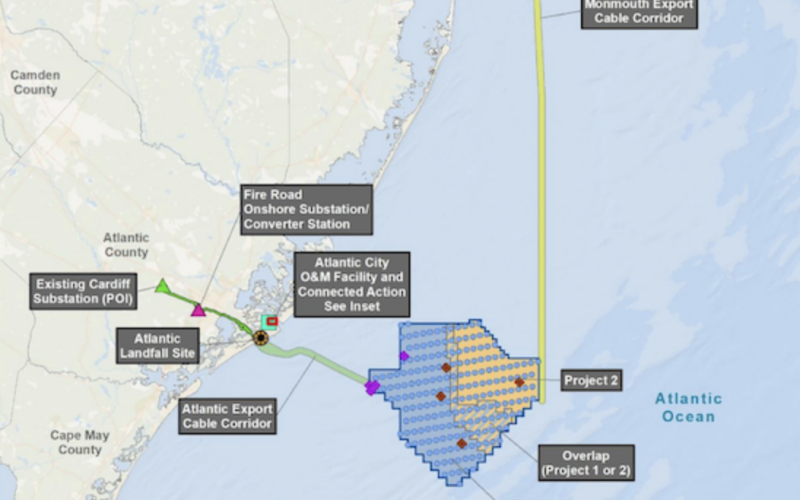
In their quarterly earnings report released on Jan. 30, Shell disclosed a $996 million impairment associated with their withdraw from the controversialAtlantic Shores wind project offshore New Jersey.
Shell is no longer a participant in any US offshore wind projects. This leaves Equinor (2/3 Norwegian govt ownership) as the only major oil company pursuing US offshore wind development.
Those Atlantic states that have linked their economic future to offshore wind better be reassessing their energy strategy.
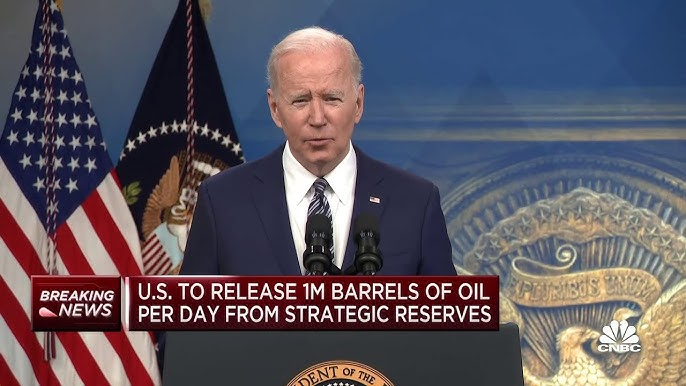
Closing the books on the Biden administration’s management of the Strategic Petroleum Reserve:
Incoming reserve as of 1/22/2021: 638.086 million bbls (This was also the max. volume during the Biden administration.)
Outgoing reserve as of 1/17/2025: 394.566 million bbls
Net loss: 234.520 million bbls
% loss: 38.2%
Cost to replace (assuming $70/bbl ave. oil price): $16.416 billion
Time required to refill at max. rate of 685,000 bopd: 342.5 days (Taking into consideration acquisition, operational, and maintenance delays, and concerns about oil price impacts, a more realistic estimate would be 5 years, and this would require a concerted effort.)
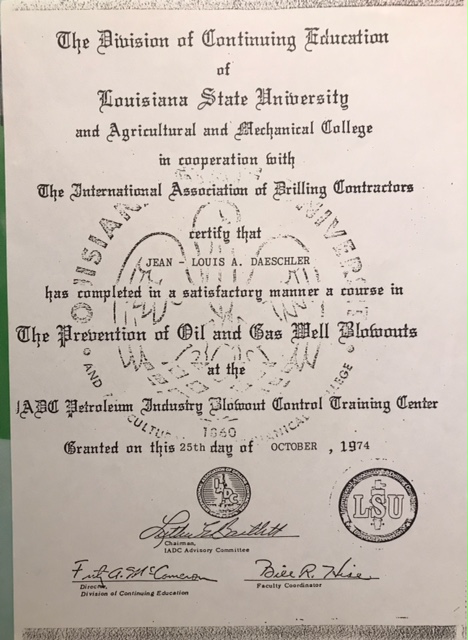
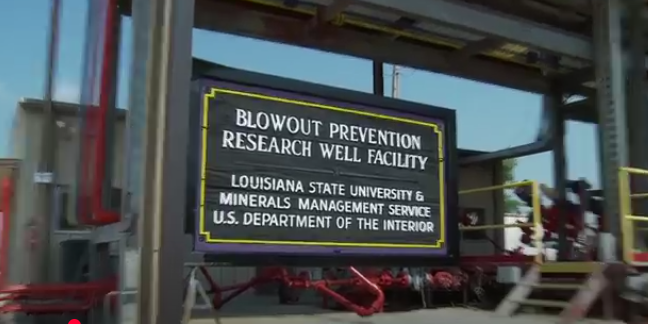
Pioneering offshore engineer J.L. Daeschler, a Frenchman who lives in Scotland and has worked on drilling rigs worldwide, shared his 1974 training certificate signed by Bill Hise, the first director of the Blowout Prevention and Well Control Training Center at LSU. JL recalls his training:
The LSU well control course was new and very well organized. Training options were limited at that time. LSU took a step forward and incorporated equipment donated by Cameron Iron Works, Armco Steel /National, VETCO, and others.
The course was split between indoor class room style and outdoor trainingon a live well to remind us of the real things, like hard hats, tally books, and safety shoes.
LSU had a 1200 ft vertical well and a small 2″ diameter gas injection line to create a bottom hole gas kick, using a nitrogen truck as the supply. (note: the live well was a first for any well control school.) You had a choice of several manual chokes. I selected the Cameron Willis choke to circulate the gas kick out with no increase in mud weight (drillers method).
The mud return level, kick detection, and general management of the operation were realistic as if on a rig. The gas would whistle and escape thru a vent line.
The training was simple and effective in that proper well control procedures were learned. In the process, there were many errors. Mud was seen flying out of the mud shaker/pits. School management would bring things under control and explain the errors that were made !!!
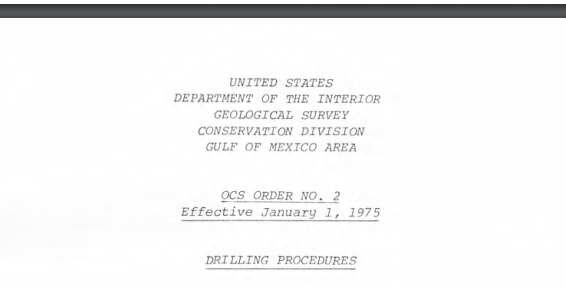
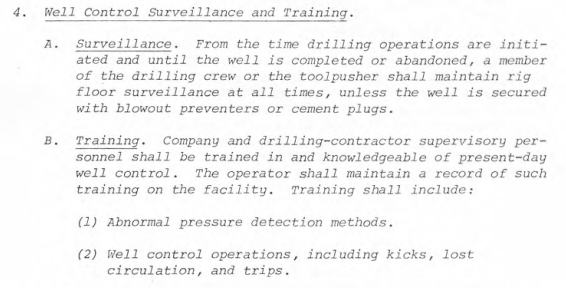
Given the importance of minimizing drilling risks, the Minerals Management Service (MMS) was the primary funder of the LSU facility. MMS predecessor, the Conservation Division of USGS, first established well control training requirements in 1975 (pasted below).
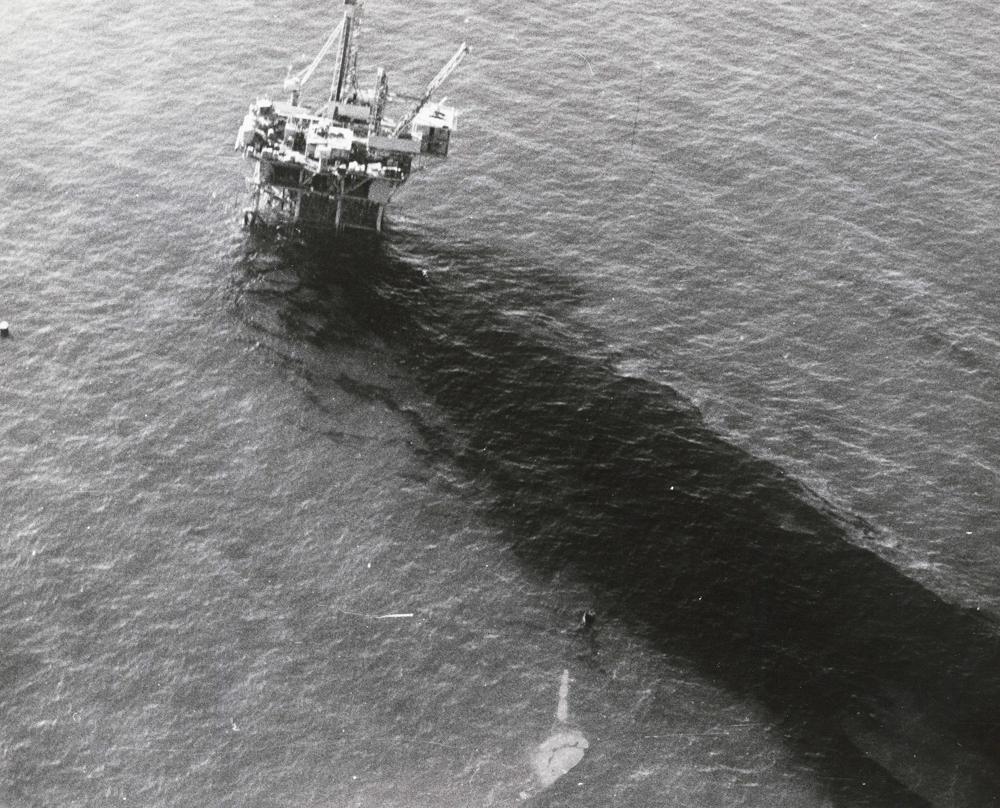
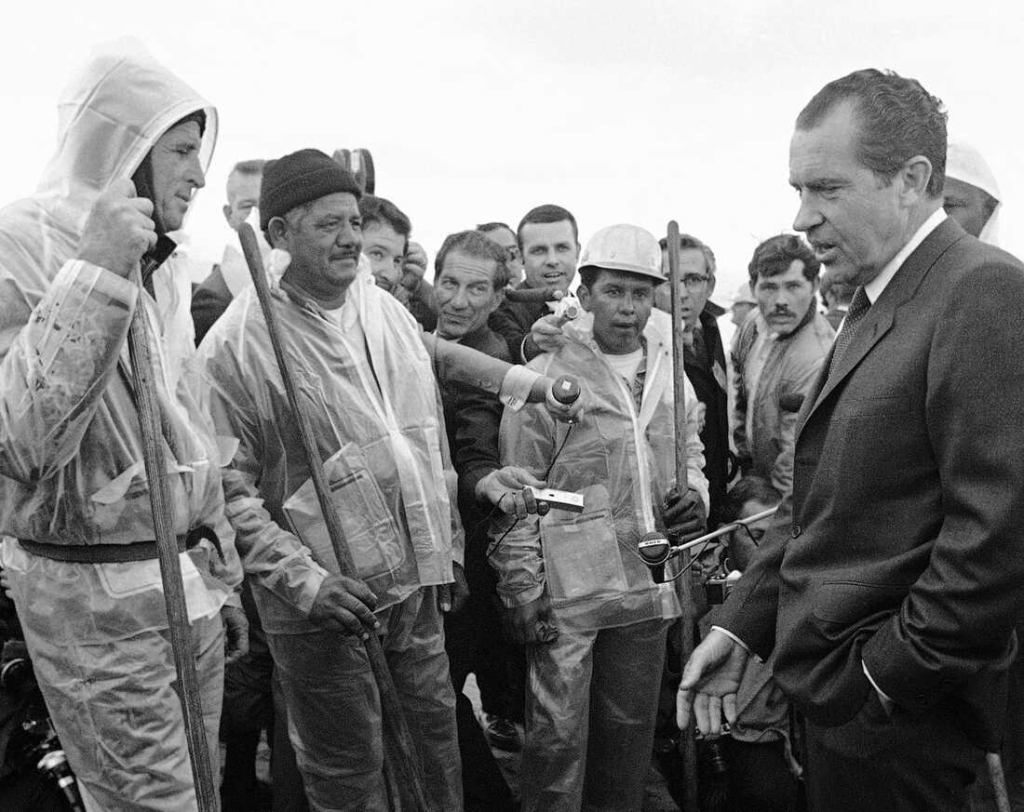
… Union Oil Company’s reckless well plan forever scarred the U.S. offshore program. Learn more about the details.
Santa Barbara blowout
Examinations of the Santa Barbara, Montara, and Macondo blowouts, the Piper Alpha fire, and other major incidents should be a part of every petroleum engineering curriculum, and should be mandatory for those who conduct and regulate offshore oil and gas operations.
There is no better learning experience than studying the failures that had such enormous human and economic consequences.
“In an age when energy policy is so often hostage to fierce partisanship, there is hope that geothermal can be the one clean energy solution that could satisfy climate change campaigners and the ‘drill baby drill’ lobby alike.”
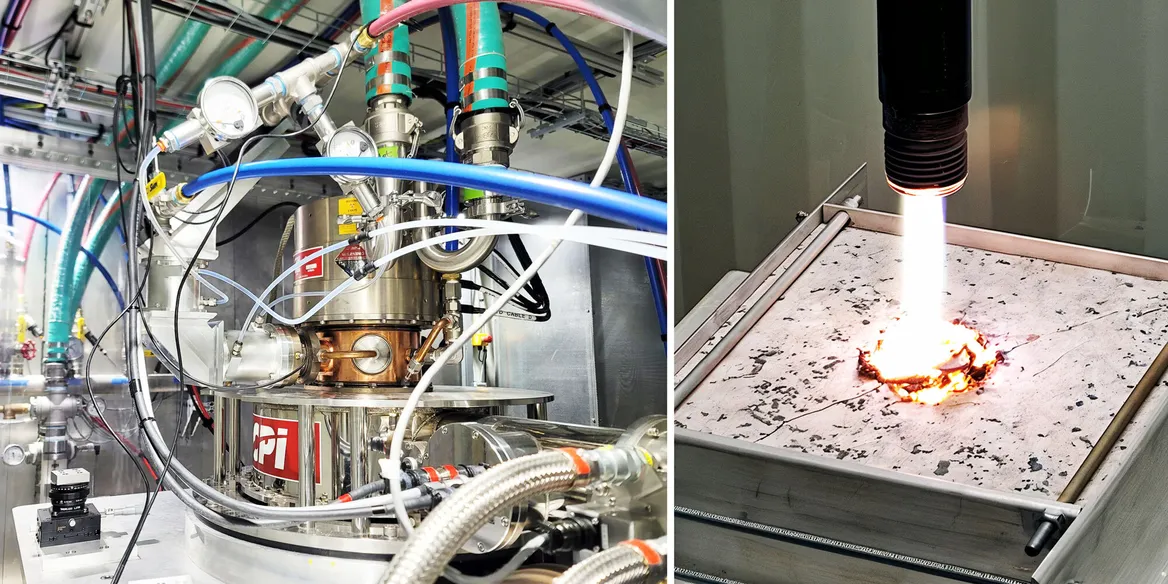
Updates on Quaise Energy’s highly anticipated gyrotron field test and related information:
“Lab-test data suggest that the gyrotron’s beam will lose only around 50% of its power at a depth of six miles. To put that into perspective, the attenuation of a rotating drill string at 10 kilometers can be 98%,” Araque said. “You only get 2% of the mechanical power down to the bit.”
Quaise’s field test will take place on a disused oil drilling pad in the northern exurbs of Houston. Next month, a gyrotron 100 times as powerful as the one in the laboratory will be pointed at the earth and switched on.
By spring, Quaise will have erected another platform in a disused quarry near Marble Falls, a city on the Colorado River northwest of Austin.
Quaise’s ultimate ambition is that its drills can be “dropped-in” to existing oil and gas wells.
By 2026, Quaise should be positioned to launch its first commercial venture. Within that short timescale, an answer to the question of whether superdeep geothermal can be truly transformative should come into clearer focus.
Quaise’s Araque: “Our civilization uses 25 terawatts, and it doubles every 25 years. By 2050 we need 50 terawatts. By 2100 we need 200 terawatts. When you look at those numbers, you realize that diffuse and intermittent renewables don’t have the scale. The externalities are too high.”
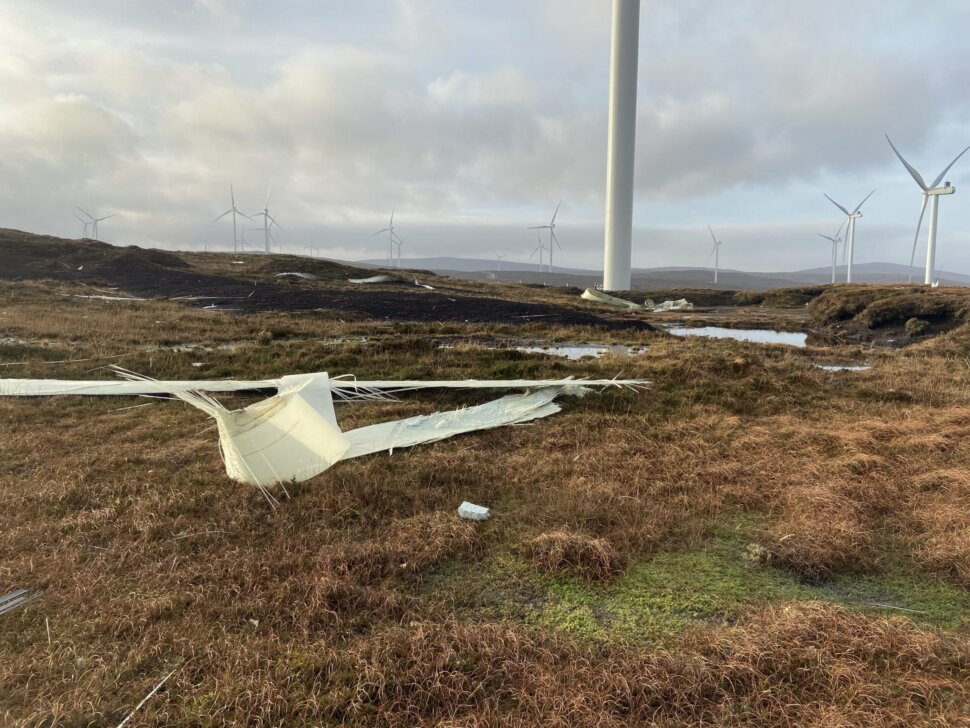
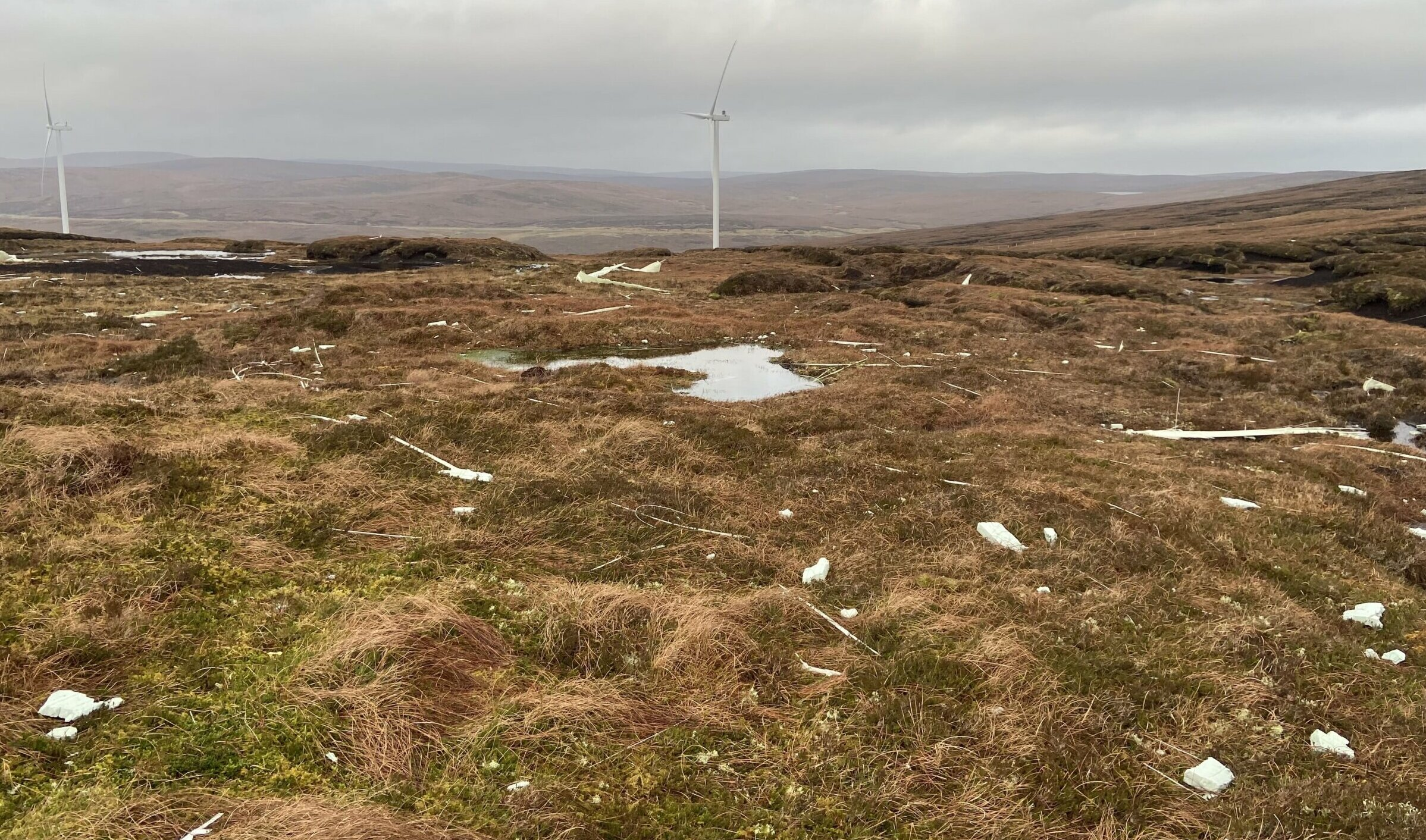
Shetland News received a number of photos from the site, with the person who sent them – who wished to remain anonymous – saying there was “truly a monumental mess of fibreglass and plastic blowing through the hills.”
They said “some of the debris was as far as 700m away from the turbine.”
Shouldn’t the operators have contingency plans (ala oil spill response plans) that provide for prompt and complete cleanup after turbine system failures?
“Debris can still be seen strewn around, some distance from the turbines.”
The attached bill not only nullifies most OCS leasing bans, but fundamentally changes the OCS Lands Act provision (Sec. 12(a)) that authorizes such Presidential withdrawals.
Revoke all Presidential leasing bans except for the 2020 withdrawals, which could presumably be reversed by President Trump.
Limit withdrawals to under 150,000 acres (the equivalent of 26 lease blocks of typical size) in total or contiguous with any other withdrawal.
Limit cumulative withdrawals to 500,000 acres (87 lease blocks) without congressional approval.
Sunset withdrawals after 20 years.
Require geological, economic, and security assessments for any future withdrawals.
Give Congress the authority to review and potentially overturn future withdrawals.
Ensure that future withdrawals do not contradict an approved Five-Year Offshore Oil and Gas Leasing Program.
Does this bill have a chance? Realistically, the prospects are probably not good. Although the bill currently has an impressive list of 24 sponsors, all are Republicans and none are from Florida. Absent support from Florida Republicans and some interior state Democrats, it will be difficult to gain traction.
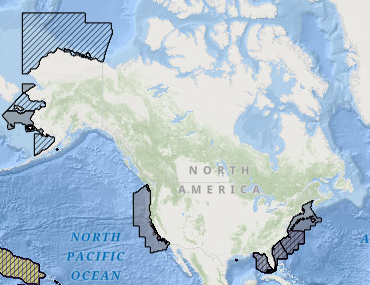
Interactive map showing OCS areas where oil and gas leasing is now prohibited (I.e everywhere but the Central and Western Gulf of Mexico and the Cook Inlet)
Career Minerals Management Service and BOEM stalwart Dr. Walter Cruickshank has been named Acting Secretary of the Interior pending the confirmation of Doug Burgum. Walter is a very bright guy with a balanced perspective on energy development. He has served capably on the senior management teams of both Democrat and Republican administrations. Bonus points for the Mineral Economics doctorate from Penn State and his keen interest in the Cape Cod Baseball League! 😉
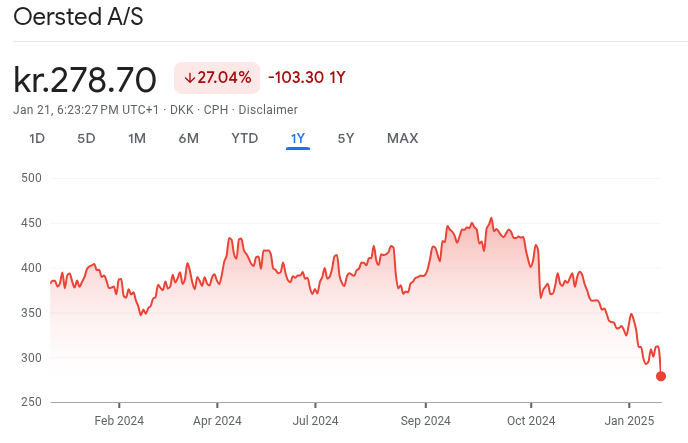
Equinor’s investment of over 26 billion kroner in the Danish wind power company Ørsted has so far been a financial disaster – and now it’s going from bad to worse.
“We are very negative about the whole green initiative, as the return on the investments they make is far too low. When they also buy minority stakes in other green companies that we cannot count on, such as Ørsted, it means that we would rather own other oil companies.” Gaute Eie, Eika Kapitalforvaltning
The market has long been concerned that Equinor will throw money at renewable projects with low or no profitability.
In a recent note, Pareto analysts Tom Erik Kristiansen and Olav Haugerud point out that the Ørsted writedown does not bode well for Equinor’s own US projects either. They foresee a writedown of up to $1.1 billion, given that Equinor faces the same type of challenges as Ørsted.
Eie believes there is no reason why Equinor in particular should have a green initiative:
Aker BP is not doing green, Vår Energi is not doing green, and all the big oil companies are going back on this. Then we’ll see if Equinor has the guts to buy even more Ørsted shares, because now it’s 35 percent cheaper. If they do, we’ll have even fewer Equinor shares.
Sissener believes Equinor should rather focus on dividends and concentrate on oil and gas projects.
– We generally stay away from companies where the state is a major owner, because there you have to be so politically correct all the time. What we need are shareholder-friendly board representatives who know how to run a business and maintain control. In a broader perspective, this helps to destroy trust in Norwegian business.
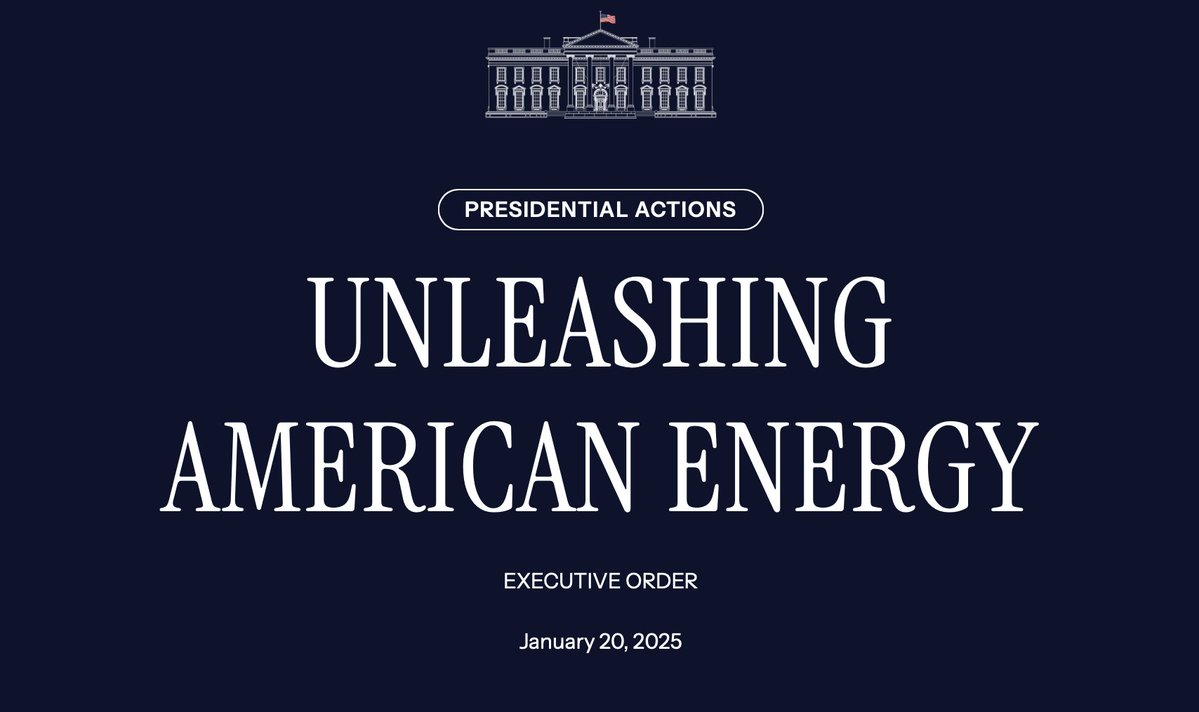
Withdrawal from the Paris Climate Change Agreement:The US Ambassador to the UN shall immediately submit formal written notification of the US withdrawal from the Paris Agreement under the United Nations Framework Convention on Climate Change.
Regulatory Freeze: Agencies may not propose or issue a rule until approved by a Presidential appointee. OMB may exempt emergency or urgent rules (déjà vu for regulators 😉).
Alaska: Withdraws a Secretarial Order intended to halt ANWR oil and gas leasing. Rescinds cancellation of ANWR leases.
Encourage energy exploration and production on Federal lands and waters, including on the Outer Continental Shelf.
Eliminate the electric vehicle (EV) mandate.
Requires immediate review of actions that could burden the development of energy resources.
Develop and begin implementing action plans to suspend, revise, or rescind all unduly burdensome agency actions.
Revoke climate change and “clean energy” EOs.
Terminate all activities, programs, and operations associated with the American Climate Corps (RIP 😉).
Expedite and simplify permitting processes.
Facilitate the permitting and construction of interstate energy transportation and other critical energy infrastructure, including pipelines.
Disband the Interagency Working Group on the Social Cost of Greenhouse Gases.
Terminate the Green New Deal.All agencies must immediately pause the disbursement of funds appropriated through the Inflation Reduction Act of 2022 (Public Law 117-169) or the Infrastructure Investment and Jobs Act (Public Law 117-58).
The Secretary of Energy is directed to restart reviews of applications for LNG export projects as expeditiously as possible.


 Bud's Offshore Energy (BOE)