Title: Temporary Withdrawal of All Areas on the Outer Continental Shelf from Offshore Wind Leasing and Review of the Federal Government’s Leasing and Permitting Practices for Wind Projects
Main points:
New leases: Immediately withdraws all OCS areas from wind leasing
Existing leases: Secretary of the Interior shall conduct a comprehensive review of the ecological, economic, and environmental necessity of terminating or amending any existing wind energy leases, identifying any legal bases for such removal, and submit a report with recommendations to the President
Review of Leasing and Permitting Practices: The Secretary of the Interior, the Secretary of Agriculture, the Secretary of Energy, the Administrator of the Environmental Protection Agency, and the heads of all other relevant agencies, shall not issue new or renewed approvals, rights of way, permits, leases, or loans for onshore or offshore wind projects pending the completion of a comprehensive assessment and review of Federal wind leasing and permitting practices.
A senior administration official who is familiar with the executive actions and authorized to brief Fox News Digital said Trump on day one will end “Catch and Release;” pause all offshore wind leases; terminate the electric vehicle mandate; abolish the Green New Deal; withdraw from the Paris Climate Accord; and take several major steps to assert presidential control over the federal bureaucracy.
The senior official told Fox News Digital that the energy executive order deals with “every single energy policy,” andaddresses liquid natural gas, ports, fracking, pipelines, permitting and more, while also terminating President Biden polices he said “have constrained U.S. energy supply.”
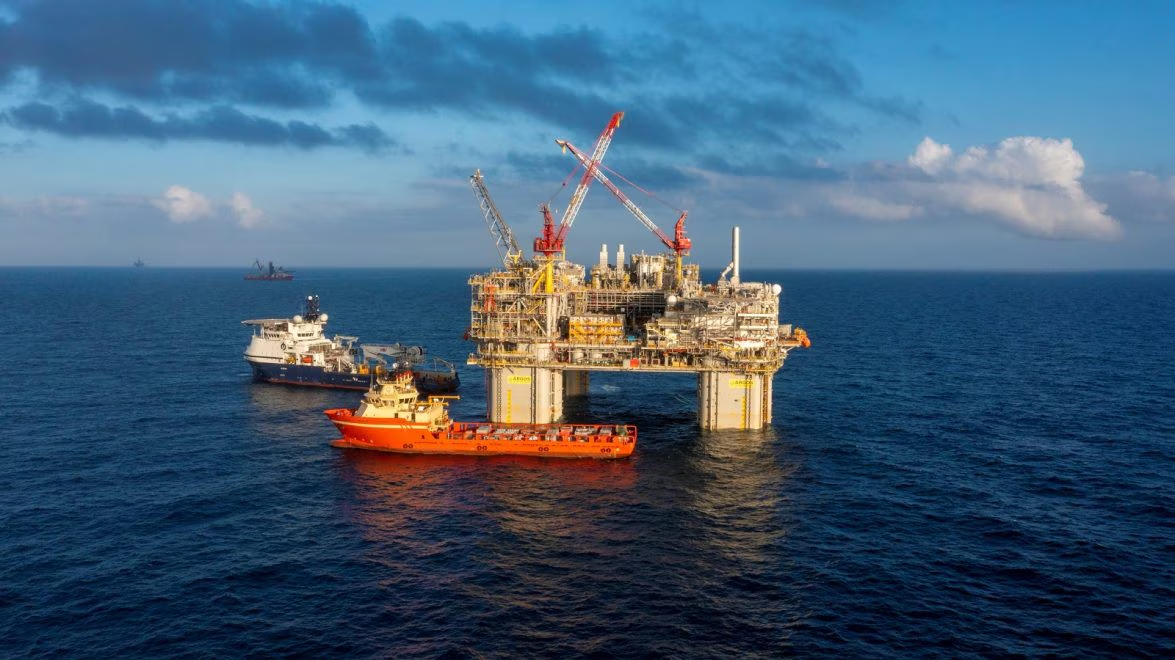
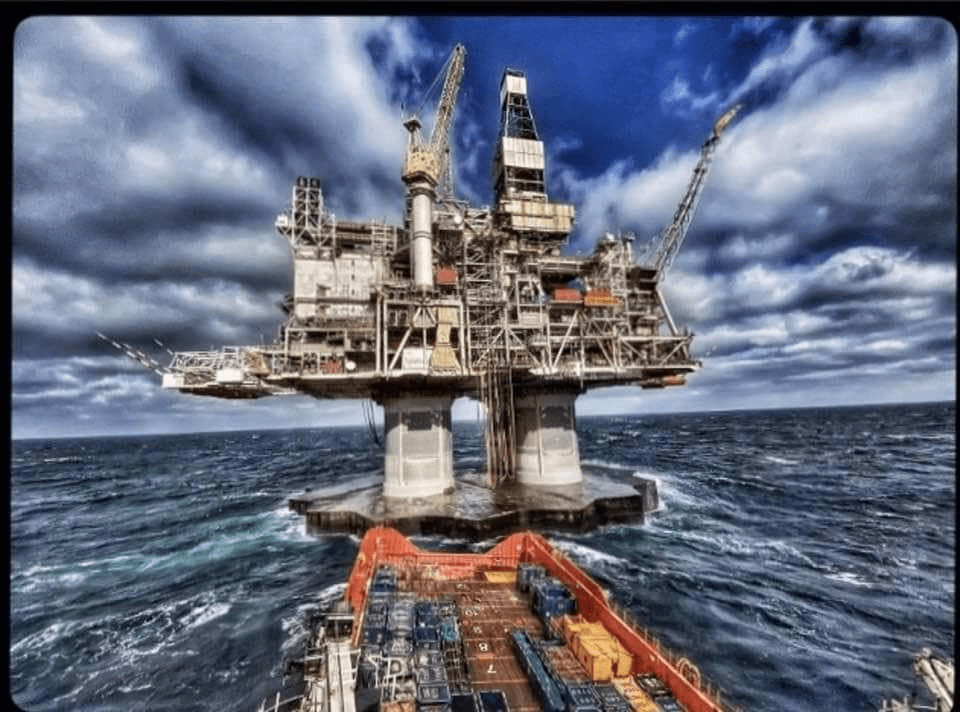
estimated peak production:100,000 barrels of oil equivalent per day (boe/d)
water depth – 8600 ft
200 miles south of Houston
estimated recoverable resource: 480 million boe.
first oil only 7.5 years after discovery (includes COVID delay)
Vito clone: replicates 99% of the hull design and 80% of the topsides from Vito.
high efficiency gas turbines and compression systems
~ 30% lower greenhouse gas (GHG) intensity over its life cycle than the already efficient levels being achieved at Vito. (Why the push to run electric cables from shore to North Sea platforms with ample gas production?)
This is all good, but what is next? Will technological advances once again sustain GoM production? The short answer appears to be yes!
The efficiencies achieved with the simpler platform designs combined with the high pressure (>15,000 psi) technology developed over the past 2 decades will facilitate production from the highly prospective Paleogene (Wilcox) deepwater fans. (For those interested in learning more about the geology, see the excellent presentation by Dr. Mike Sweet, Univ. of Texas, that is embedded in this post.)
Burgum on offshore oil and gas lease sales: “The fact that during the current administration the lease sales have been so unpredictable and disruptive, and the fact that they’re projecting forward to have among the fewest we’ve ever had, almost would guarantee that we would see a decline in energy production in offshore in the years ahead because of the lead times.”
50 wells were drilled in the Atlantic between 1975 and 1985. The drilling followed the oil embargoes, gas lines, and price surges in the 1970s. Waiting for similar turmoil to overturn the leasing bans would not be prudent given the time that is needed to issue, explore, and develop leases. The optimal approach would be limited, staged leasing to better assess the resource potential in these areas.
The NTSB has still not issued a final report, which is troubling. However, the detailed Operations Group Factual Report (including attachments) can be accessed in the case docket This and other items in the docket should be of interest to those involved with offshore operations and helicopter safety.
From the factual report, below are graphics showing the helideck damage and assumed final position of the helicopter.
Excerpts from the testimony of a worker at the platform who was part of an attempted search and rescue operation in the platform’s Whitaker escape capsule:
Chevron is not buying the Stabroek share; they are buying the company that holds that share. Hess is to be part of Chevron and there would be no change of control from the standpoint of the partnership.
As an offshore operator, Exxon has been highly responsible from a safety standpoint. However, the company is not reluctant to stretch the envelope when it comes to contract rights. The most recent example was their acquisition of 163 GoM oil and gas leases for carbon disposal purposes, contrary to the terms of the sale notice and lease contracts.
Interestingly, Exxon’s partner in this dispute is state-owned China National Offshore Oil Corporation. CNOOC acquired their 25% Stabroek share when they purchased Nexen, a Canadian company (sound familiar?). Both the Canadian and US governments had reservations about this acquisition and nearly nixed the deal. Would either government bless that acquisition today?
An International Chamber of Commerce arbitration panel will hear the Stabroek case in May 2025, and the final decision is expected by September 2025.