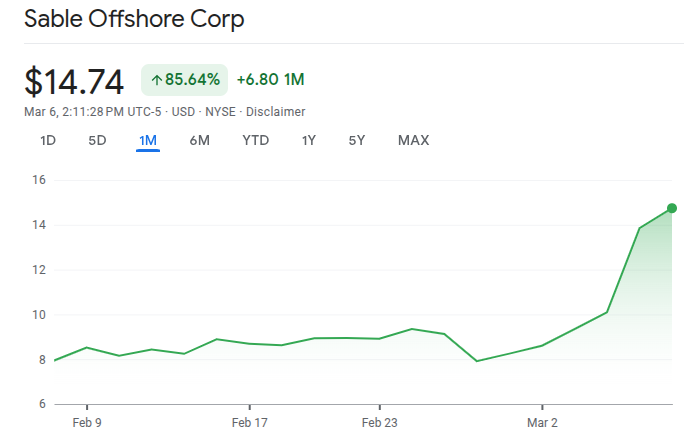
Big move by SOC following the issuance of the DOJ opinion. Justified optimism or irrational exuberance?
Posted in California, energy policy, Offshore Energy - General, pipelines, Regulation, Uncategorized, tagged Dept. of Justice, irrational exuberance, legal opinion, Sable Offshore, Santa Ynez Unit on March 6, 2026| Leave a Comment »
Big move by SOC following the issuance of the DOJ opinion. Justified optimism or irrational exuberance?
Posted in California, energy policy, Offshore Energy - General, pipelines, Regulation, tagged 9th circuit, DOE, DOJ Opinion, DPA, Federal supremacy, PHMSA, Sable Offshore, Santa Ynez Unit, SCOTUS on March 6, 2026| Leave a Comment »
Attached is an opinion prepared by the Assistant Attorney General, Office of Legal Counsel, for the General Counsel, Dept. of Energy. This opinion may boost prospects for Santa Ynez Unit (SYU) production, either by Sable Offshore or a successor.
BOE SYU watchers see this State-Federal battle ultimately ending up in the Supreme Court, perhaps following the 9th Circuit’s ruling on PHMSA’s preemption of State authority over the onshore pipeline segments.
A few key excerpts from the DOJ opinion (emphasis added):
p. 1: You have asked whether an order issued under the Defense Production Act of 1950 (“DPA” or “Act”), Pub. L. No. 81-774, 64 Stat. 798 (codified as amended at 50 U.S.C. § 4501 et seq.), to Sable by the President or his delegee would preempt the California laws currently impeding Sable from resuming production and operating the associated pipeline infrastructure. We conclude that it would.
p. 6: As the Supreme Court has explained, executive orders “may create rights protected against inconsistent state laws through the Supremacy Clause,” especially when such orders are issued pursuant to “congressional authorization.”
p. 20: State law, we have been advised, is not currently the only impediment to Sable’s ability to resume production and transportation of oil. A consent decree entered in United States v. Plains All American Pipeline L.P., No. 20-cv-02415 (C.D. Cal. Oct. 14, 2020), Dkt. 33 (“Consent Decree”), “currently vests authority over resumption of transportation through the onshore portions of the Santa Ynez Pipeline System with the California Office of the State Fire Marshal.” Sable Letter at 9. We have been advised that, in addition to the United States and various State of California entities, Sable is a party to the Consent decree as a result of an acquisition. You have asked whether an executive order under the DPA would displace these provisions of the Consent Decree, even though there are both federal- and state-law claims at issue in that case. For three reasons, we think it would.
Posted in California, energy policy, Offshore Energy - General, pipelines, Regulation, tagged $408 million loss, Exxon, Sable Offshore, Santa Ynez Unit on March 5, 2026| Leave a Comment »
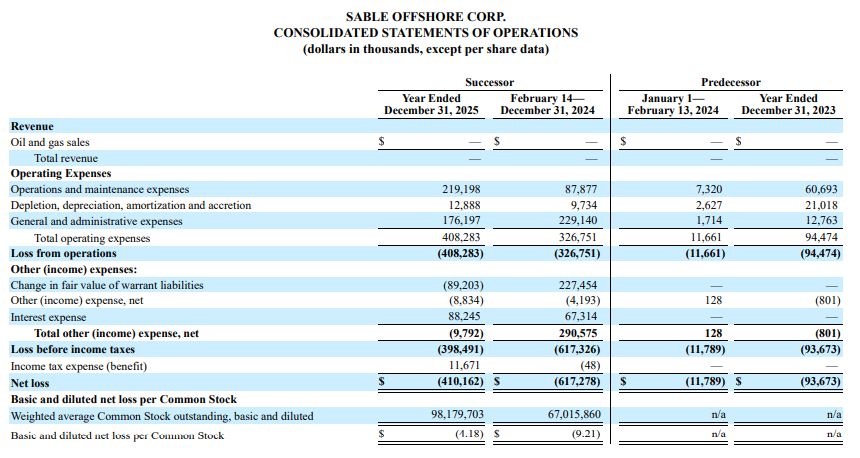
The potential rewards are great – 500+ million barrels of oil, 3 major production platforms, associated pipelines, onshore processing facilities – but can Sable survive the costly legal and administrative challenges? What is Exxon’s plan for the Santa Ynez Unit if Sable should fail?
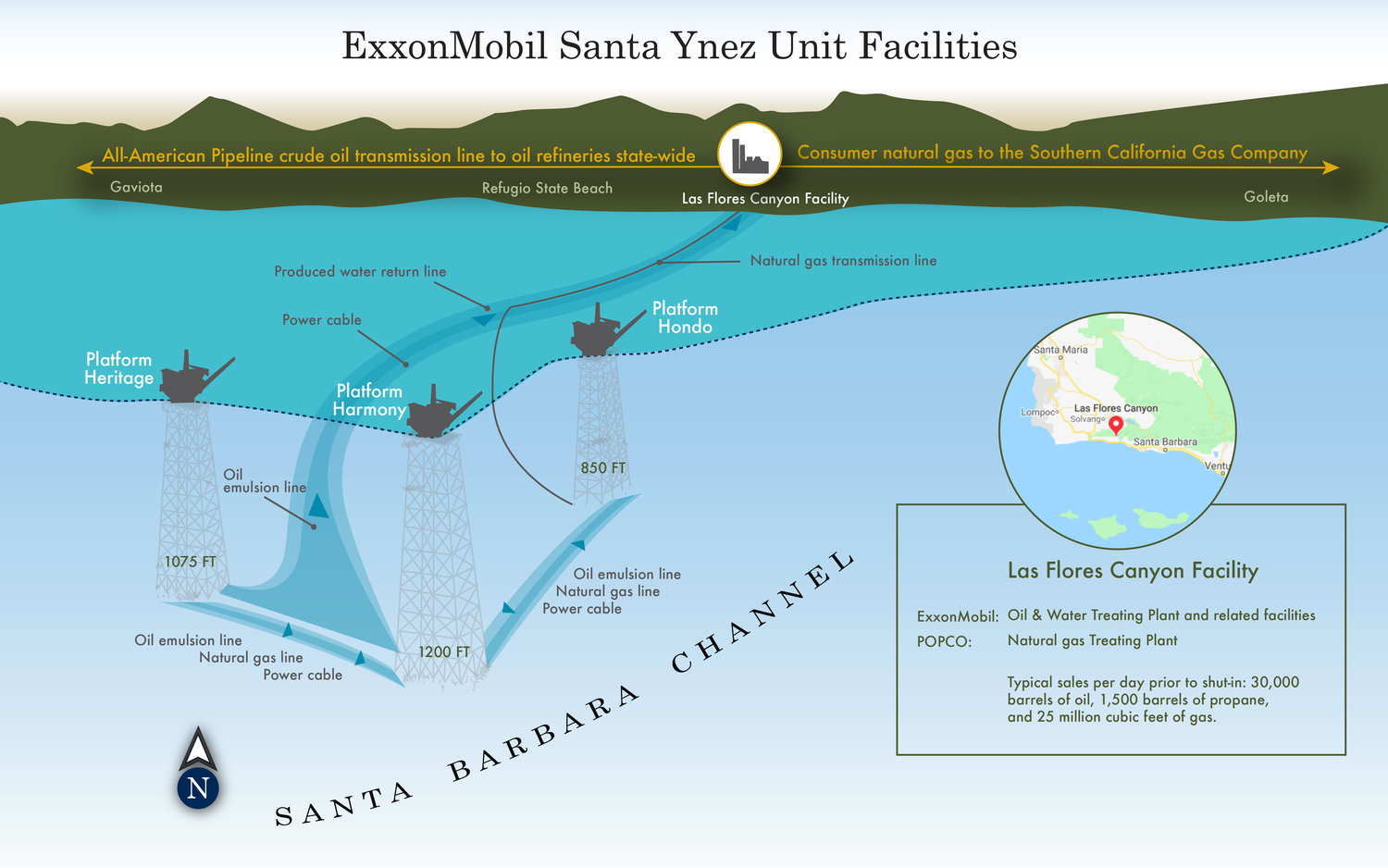
Posted in California, energy policy, Offshore Energy - General, pipelines, Regulation, tagged FourWorld Capital Management, Judge Geck, NInth Circuit, Sable Offshore, Santa Ynez Unit on March 2, 2026| Leave a Comment »


On Friday, California Superior Court Judge Donna Geck upheld the restraining order that blocks Sable Offshore from restarting Santa Ynez Unit production. She scheduled a followup court hearing for June 27. Meanwhile, the Ninth Circuit Court of Appeal’s hearing on PHMSA’s assertion of Federal jurisdiction over the onshore pipeline segments is scheduled for July.
Can Sable survive financially until those hearings are concluded?
Contradictorily, we learn that FourWorld Capital Management just purchased 8 million shares of Sable. Is that the financial equivalent of Pickett’s Charge or does FourWorld have good reasons for their optimism?
Posted in California, energy policy, Offshore Energy - General, pipelines, Regulation, tagged environmental assessment, PHMSA, pipeline, Sable Offshore, Santa Ynez Unit, special permit on February 26, 2026| Leave a Comment »
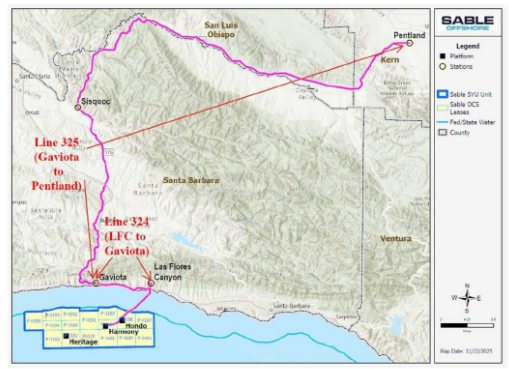
John Smith has shared the Environmental Assessment (attached) associated with PHMSA’s Special Permit for segments 324 and 325 of Sable’s Santa Ynez Unit (SYU) pipeline system. The document is an interesting read for those following Sable’s attempt to restart production from the SYU.
Posted in Offshore Energy - General, California, Regulation, energy policy, pipelines, tagged PHMSA, Sable Offshore, Santa Ynez Unit, onshore pipeline, special permit, public notice on February 25, 2026| Leave a Comment »
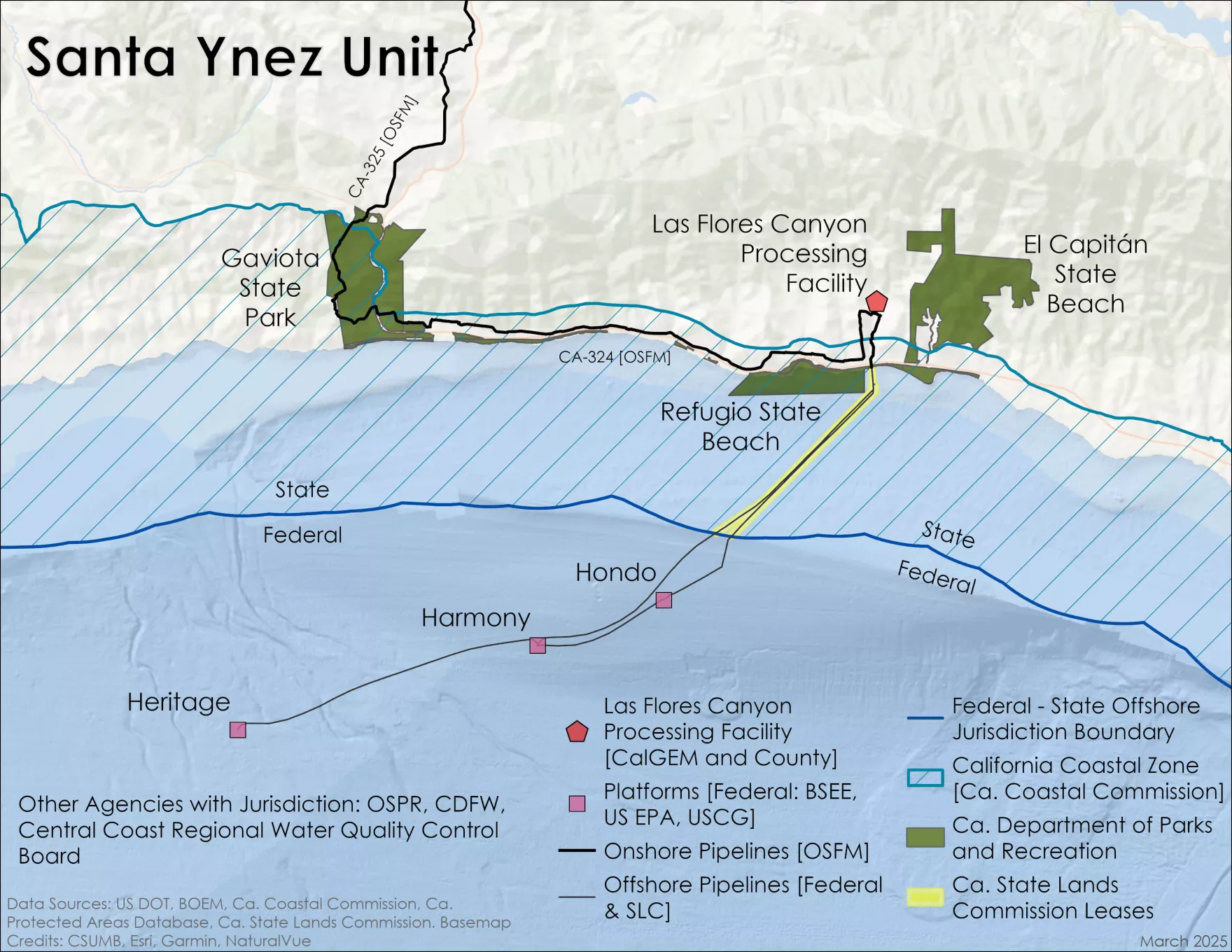
PHMSA’s public notice (attached) is required because Sable’s Emergency Special Permit expired on 21 FEB. Comments are due by 26 MAR. More background.
“PHMSA is publishing this notice to solicit public comments on a request for a special permit submitted by Sable Offshore Corp. (Sable). Sable is seeking relief from compliance with certain requirements in the Federal pipeline safety regulations. PHMSA has proposed conditions to ensure that the special permit is not inconsistent with pipeline safety. At the conclusion of the 30-day comment period, PHMSA will review the comments received from this notice as part of its evaluation to grant or deny the special permit request.“
Posted in California, energy policy, pipelines, Regulation, tagged Bloomberg Law, California, consent decree, Fire Marshal, Hannah Wiseman, Kruti Shah, PHMSA, pipeline jurisdiction, Sable Offshore, Santa Ynez Unit on February 19, 2026| 2 Comments »
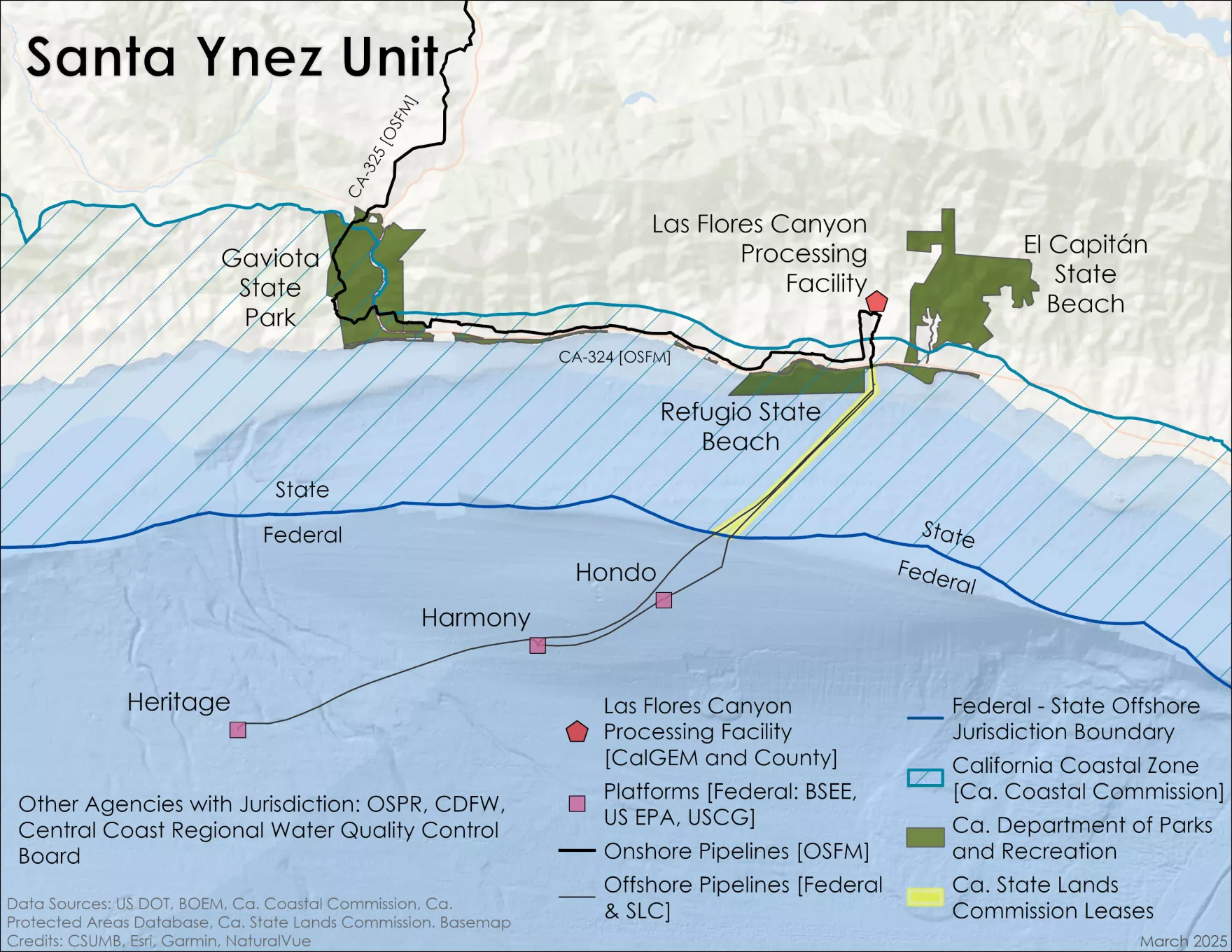
As posted on 9/10/2025 (prior to PHMSA’s assertion of jurisdiction): Given that the Sable pipeline will carry OCS production, it would seem to fundamentally be an interstate line (Federal jurisdiction), as it was when owned by Plains. Could DOT reverse the 2016 letter agreement? That is conjecture for the attorneys and courts to consider.
A new Bloomberg Law article explains PHMSA’s position after a challenge by the California AG:
PHMSA said state-based hurdles are preempted by federal authorizations in the emergency permit notice letter the agency sent to Sable last year. Because the pipeline originates on the Outer Continental Shelf, the system automatically comes under federal oversight, the agency said.
A law professor adds the following:
The administration is invoking interstate commerce to classify the pipeline as a federal issue, “arguing that this is between a place in a state and outside that state,” said Hannah Wiseman, a professor at the Penn State Dickinson Law.
They are claiming this under their interpretational authority, as opposed to the actual language of the Pipeline Safety Act,” she said.
The language of the law only assigns PHMSA jurisdiction over oil operations that run outside or between state lines, but here the agency is arguing the pipeline’s start point is on the OCS, not at the onshore processing facility, she said.
Not mentioned in the article but pertinent:
Meanwhile, Kruti Shah cleverly summarizes the Santa Ynez Unit story in a series of posts on X. Click on the post below to get the full thread. Great read for Sable/SYU followers:
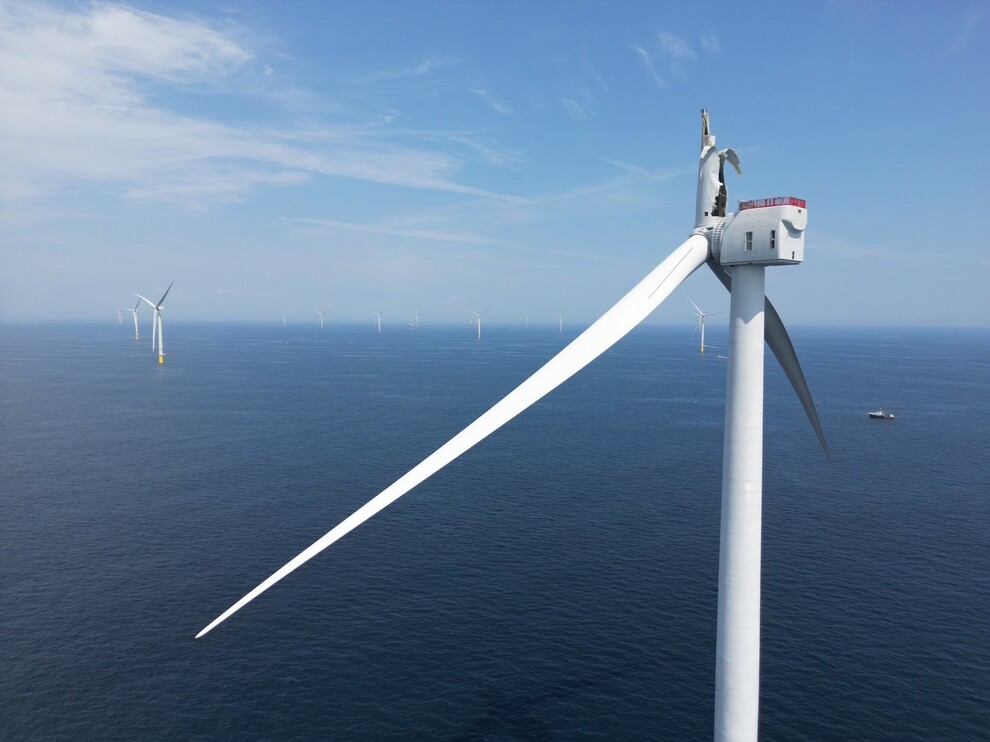
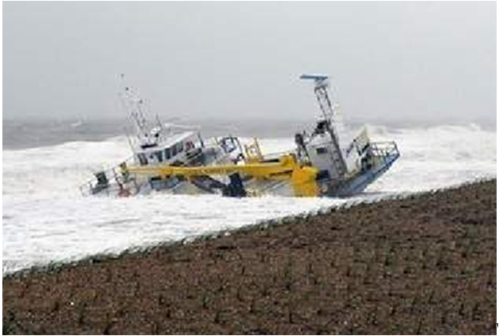
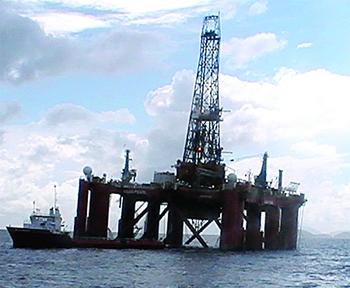
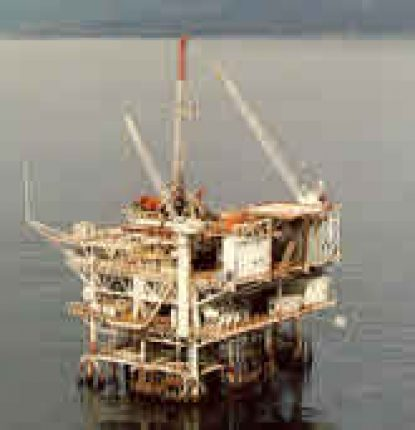
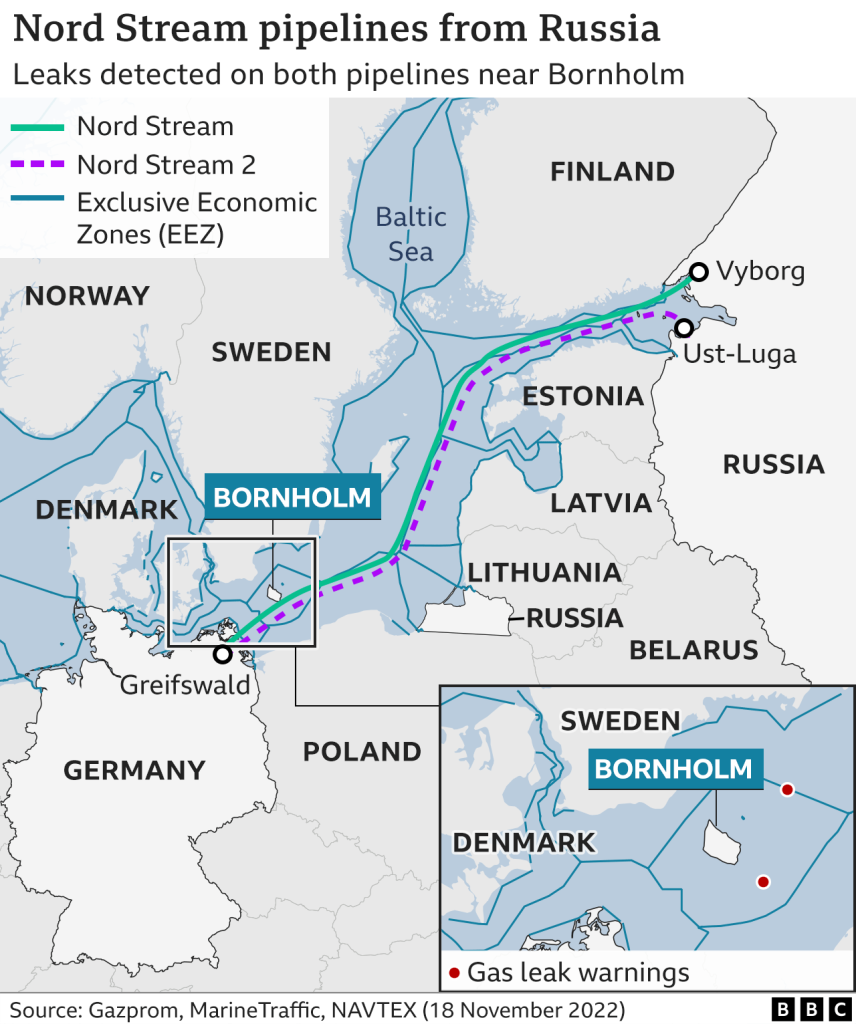
Posted in accidents, decommissioning, energy policy, Offshore Energy - General, pipelines, Regulation, tagged aban pearl, California, decommissioning, investigation, liftboat, Nord Stream sabotage, OCS incident data, Offshore Wind, pipeline regulation, Platforms Hogan and Houchin, Russell Peterson, turbine blade, Vineyard Wind on February 18, 2026| Leave a Comment »
Important and long overdue:
Posted in Gulf of Mexico, Offshore Energy - General, Regulation, tagged 2025, Array Petroleum, Cox Operating, Greyhound Energy, INCs, Natural Resources Worldwide, Renaissance Offshore, Sanare Energy Partners, violations on February 12, 2026| 1 Comment »

On February 12, 2024, the bankruptcy court approved the sale of certain Cox Operating assets to Natural Resources Worldwide LLC (NRW), a company that had no prior offshore experience. NRW contracted with Array Petroleum to operate 154 Cox legacy platforms (per BOEM data). NRW is listed as the operator of just one platform.
In 2025, NRW/Array operations accounted for 486 incidents of non-compliance (INCs), 36.2% of the Gulf of America total. Array and NRW had INC/facility inspection rates of 2.1 and 7.0 respectively, well above the Gulf average of 0.42 and the top performers’ rates of 0.05 to 0.13.
In Array’s defense, their violations declined sharply in the second half of 2025. However, the number of inspections of their facilities declined even more sharply, so the INCs/facility inspection ratio actually increased in the second half.
For the 2025 data in the table below:W=warning, CSI=component shut-in, FSI=facility shut-in. The 3 numbers for Array in each box are full year 2025 data (top), first half 2025 (middle), and second half 2025 (bottom)
| operator | W | CSI | FSI | total INCs | Facility Insp. | INCs/isp |
| Array | 352 311 41 | 93 46 47 | 6 6 0 | 451 363 88 | 218 184 34 | 2.1 2.0 2.6 |
| NRW | 10 | 24 | 1 | 35 | 5 | 7.0 |
Three other companies had more than 10 shelf platforms and INC/facility inspection ratios >1.0: Greyhound Energy (23 platforms), Renaissance (21 platforms) and Sanare Energy (38 platforms).
| operator | W | CSI | FSI | total INCs | facility insp | INCs/ fac. insp |
| Greyhound Energy | 32 | 1 | 0 | 33 | 23 | 1.4 |
| Renaissance Offshore | 26 | 19 | 3 | 47 | 44 | 1.1 |
| Sanare Energy | 60 | 20 | 2 | 82 | 75 | 1.1 |
The table below provides 2025 oil and gas production through Oct (with Gulf of America rank) for the 5 companies mentioned in this post. In determining rankings, subsidiaries and affiliates were counted as a single company (e.g. Chevron, Unocal, and Hess counted as one company).
| oil (bbls) | oil rank | gas (MCF) | gas rank | |
| Renaissance | 729,904 | 19 | 1,220,433 | 19 |
| Array | 416,267 | 21 | 1,197,915 | 20 |
| Sanare | 246,845 | 25 | 1,763,552 | 18 |
| Greyhound | 182,658 | 27 | 280,423 | 26 |
| NRW | 101,110 | 29 | 104,025 | 30 |
Posted in California, energy policy, Offshore Energy - General, pipelines, Regulation, tagged Can Sable survive?, John B Smith, litigation table, Sable Offshore on February 10, 2026| 1 Comment »
Attached is John Smith’s updated Sable litigation table. John is a BOEM retiree who has been closely monitoring Sable’s legal and regulatory challenges. His summary:
“Sable Offshore Corp. is involved either directly or indirectly in no less than 12 lawsuits that have been filed by environmental groups, state and county regulatory agencies, and the Attorney General of California, all of whom are committed to stopping Sable from restarting Santa Ynez Unit (SYU) oil and gas production. All of the lawsuits are active and many are likely to result in prolonged judicial proceedings extending over several years. Will Sable have the will and financial resources to continue these legal battles indefinitely? – that’s a multi-million dollar question.”
 Bud's Offshore Energy (BOE)