“The long-term nature of OCS oil and gas development, such that production on a lease can continue for decades makes consideration of future climate pathways relevant to the Secretary’s determinations with respect to how the OCS leasing program best meets the Nation’s energy needs.“
Basing offshore leasing decisions on “future climate pathways” is a high risk strategy that may be inconsistent with the recent SCOTUS decision in West Virginia vs. EPA. A planned or phased shutdown of the offshore oil and gas program would dramatically increase economic and security risks, and has not been authorized by legislation.
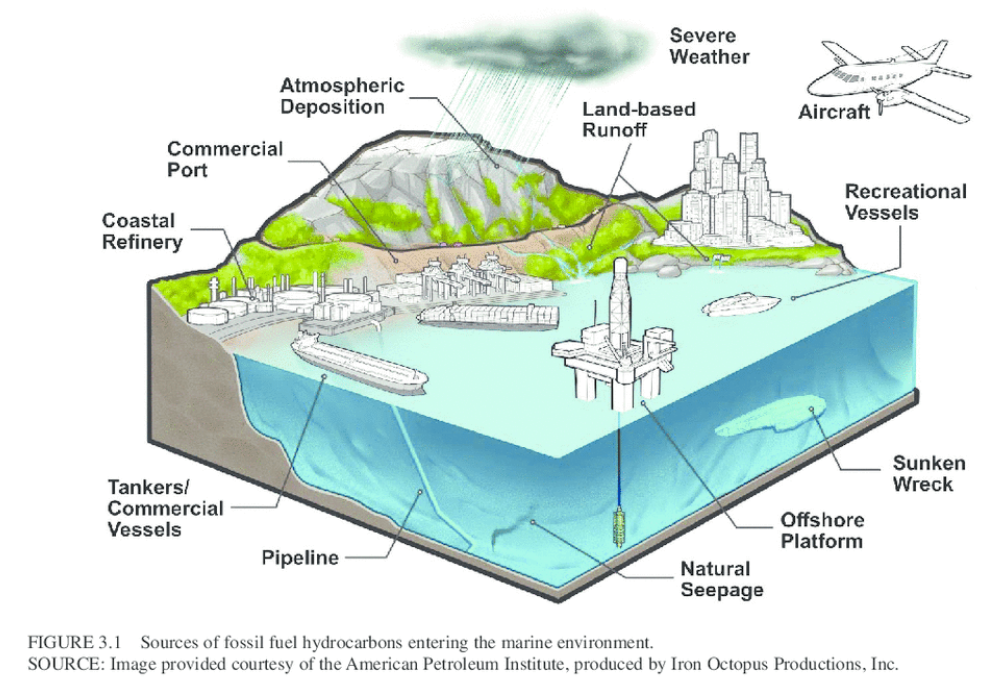
The National Academies have released Oil in the Sea IV, which updates estimates of oil entering North American seas. This is the third update since the publication of Oil in the Sea in 1985.
The updated inputs and seeps summary tables are pasted below. Some comments:
The Oil in the Sea reports are important in that they provide perspective on natural inputs and those associated with man’s activities. The estimates generate informed discussion about the relative significance of the various inputs.
The estimate for land-based sources, which far outweigh all other sources, increased dramatically from the previous report.
The oil seepage estimate was reduced by 37.5%, owing to methodology.
The difference between the itemized seepage total in Table 3.2 (109,000 mta) and the seepage total in Table 3.1 (100,000 mta) is not explained.
The estimate for platform spills (excluding Macondo and the MC-20 seepage) was significantly and inexplicably increased from the previous report, and is well above what BSEE data indicate for that period. No data or justification are provided.
The statement (p. 58) that “spills occurred more frequently in offshore waters than nearshore waters” is puzzling and unsubstantiated.
-The government has decided to implement measures to strengthen preparedness related to infrastructure, land facilities and installations on the Norwegian continental shelf.
-Part of the background for the increased preparedness is reports of increased drone activity on the Norwegian continental shelf that we have seen in recent weeks. It concerns drones of various sizes. Activity has been increasing, especially in September.
Circumstances where drones have violated safety zones around facilities are now being investigated by the police. We refer to Sør-Vest Police District for questions about this.
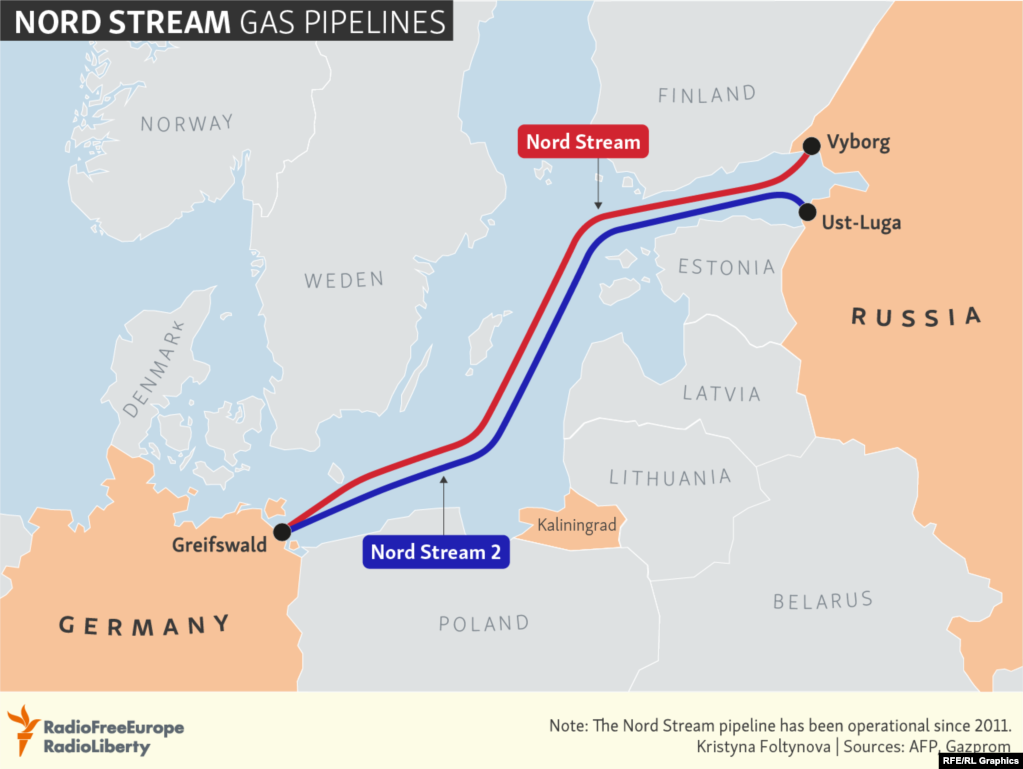
-On Tuesday, it became known that the Nord Stream 1 and 2 gas pipelines were damaged, probably due to sabotage. The Norwegian Petroleum Safety Authority does not want to speculate on who is behind it, or other circumstances related to the incident.
-On Thursday 29 September, we invited the parties in the oil and gas industry to an extraordinary meeting in the Security Forum to discuss the ongoing events
Nord Stream AG has started mobilization of all necessary resources for a survey campaign to assess the damages in cooperation exchange with relevant local authorities. Currently, it is not possible to estimate a timeframe for restoring the gas transport infrastructure. The causes of the incident will be clarified as a result of the investigation.
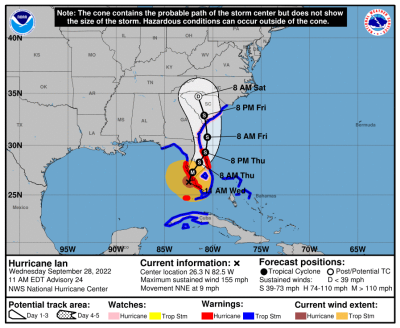
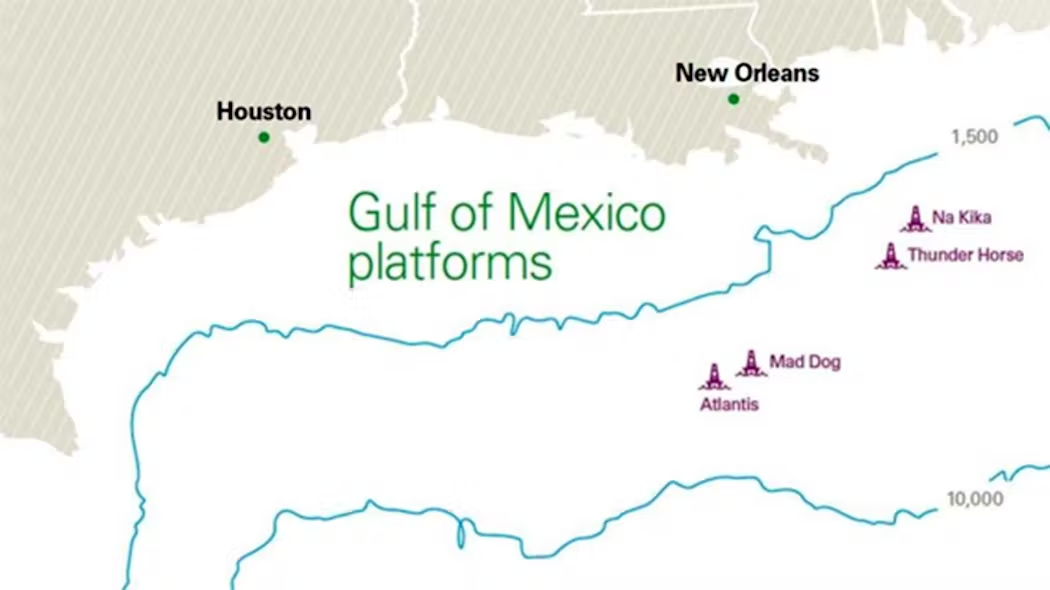
190,358 BOPD shut-in as of 12:30 p.m. ET today. Presumably, most of the shut-in production is associated with the major deepwater platforms mentioned in our previous post. Given the projected storm track, these shut-ins should be brief.
Meloni at the rally said Italy should exploit gas resources in the Adriatic Sea and not just look to buy gas from countries like Algeria, as Draghi has done, to wean Italians from supplies from Russia, given that country’s war against Ukraine.
Sept 22 (Reuters) – Talos Energy Inc (TALO.N) said on Thursday it will buy EnVen Energy Corp, a private producer in the deepwater U.S. Gulf of Mexico, in a $1.1 billion deal including debt.
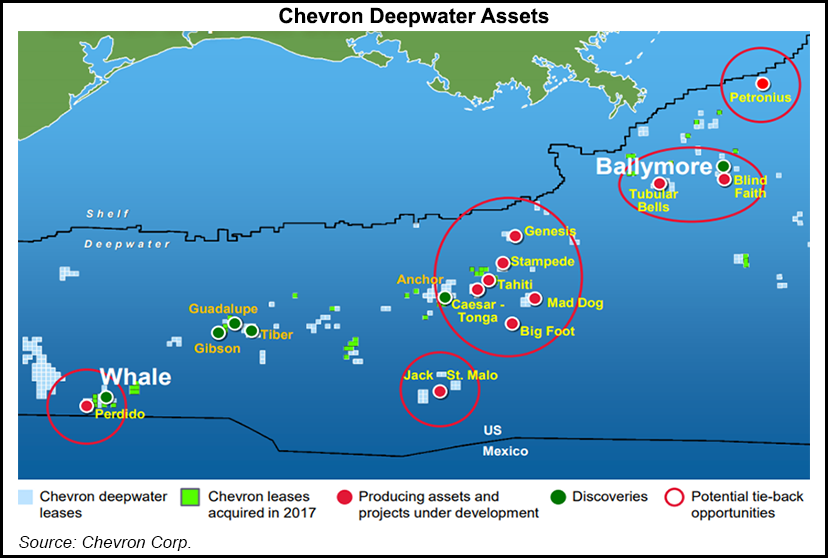
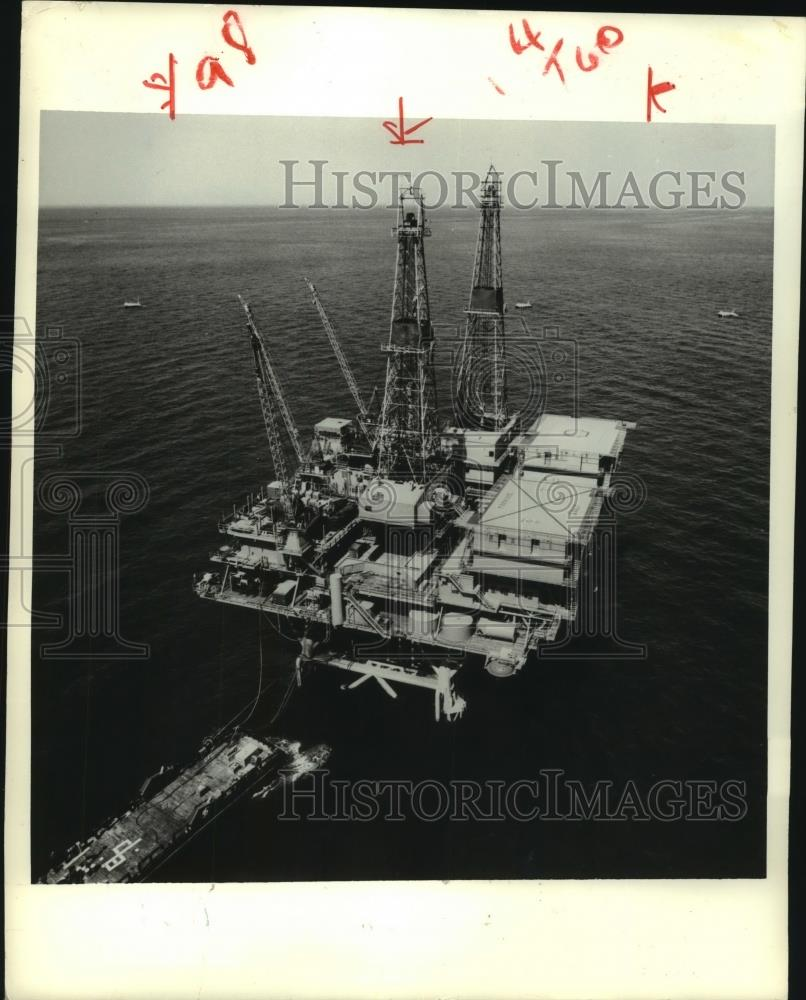
As the data below demonstrate, this is a significant merger from a regional perspective. In 2021, the combined company would have been the sixth largest GoM producer of both oil and gas. The two companies are operating 105 platforms, and their 8 deepwater (>1000′) platforms are 14% of the GoM total. Their compliance records, while not at Honor Roll levels, are better than the GoM average based on INCs/inspection. Some major decommissioning projects loom (see the second table below), and the extent to which the merged company is financially prepared for these obligations is unknown. Particularly noteworthy is the Cognac platform, which was the world’s first platform installed in >1000′ of water.
EnVen
Talos
2021 Oil (MMbbls)
9.6
17.5
GoM oil rank
13
7
2022 Gas (Bcf)
12.6
34.8
GoM gas rank
16
9
2021/2022 well starts
8
8
platforms: total
14
91
platforms >1000′
4
4
BSEE inspections
37
176
2022 INCs (W, CSI, FSI)
12/4/1
38/23/10
INCs/inspection
0.46
0.40
INC=incident of noncompliance; W=warning; CSI=component shut-in; FSI=facility shut-in





 Bud's Offshore Energy (BOE)