Feeds:
Posts
Comments

Archive for August, 2024

Reuters has published an interesting article on the Exxon/CNOOC vs. Chevron/Hess dispute scheduled for arbitration next year in Paris. According to Reuters (emphasis added):

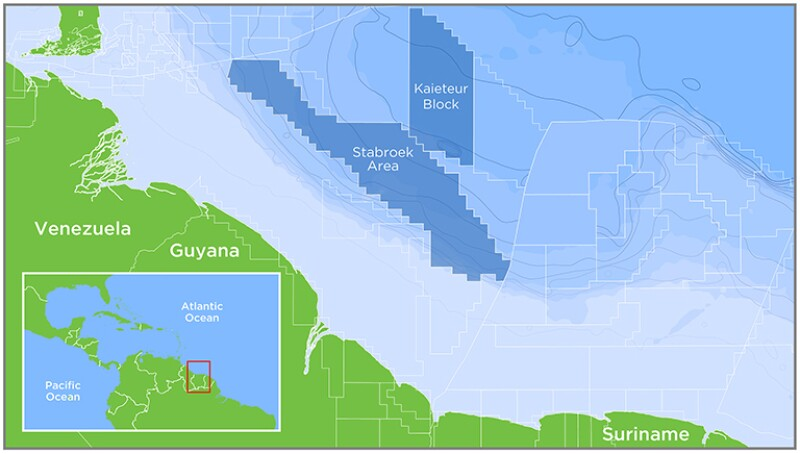
Getting the panel to consider the appraised value is central to Exxon’s claim that the deal is an asset acquisition disguised as a merger. Exxon believes the Guyana asset is so valuable that the merger would trigger a change of control and give Exxon and CNOOC a right of first refusal to the asset sale, the people said.

The Exxon argument implies that Hess’s only major asset is its share of Stabroek, which is hardly the case. Hess’s 30% Stabroek share is without question an important asset with great long-term potential, but Hess is also a major player elsewhere, most notably in the Bakken formation in North Dakota and the Gulf of Mexico. Implying that Hess was a single asset acquisition is thus misleading:

  • In Q4 of 2023, Hess produced 194,000 boepd in the Bakken formation vs. a Stabroek share of 128,000 bopd.
  • In 2023, Hess produced 20 million barrels of oil in the GoM and 40 bcf of gas making them the 8th highest oil producer and 7th highest gas producer.
  • Hess acquired 20 GoM leases in Sale 261, ranking first in total high bids ($88 million) among all participants.
  • Chevron and Hess GoM assets have significant potential for synergy. The combined company would be the 3rd largest GoM oil producer (behind Shell and bp) and the second largest gas producer (behind only Shell).

Exxon’s ally in this dispute is state owned China National Offshore Oil Corporation. CNOOC acquired their 25% Stabroek share when they purchased Nexen, a Canadian company (sound familiar?). Both the Canadian and US governments had reservations about this acquisition and nearly nixed the deal.

This dispute will continue to smolder given the delay in the arbitration hearings until May 2025. As previously mentioned, I believe the Government of Guyana should have intervened. I’m all for companies settling their disputes privately, but this dispute is over Guyanese resources, and the protracted delay could have implications for Guyana.
Read Full Post »

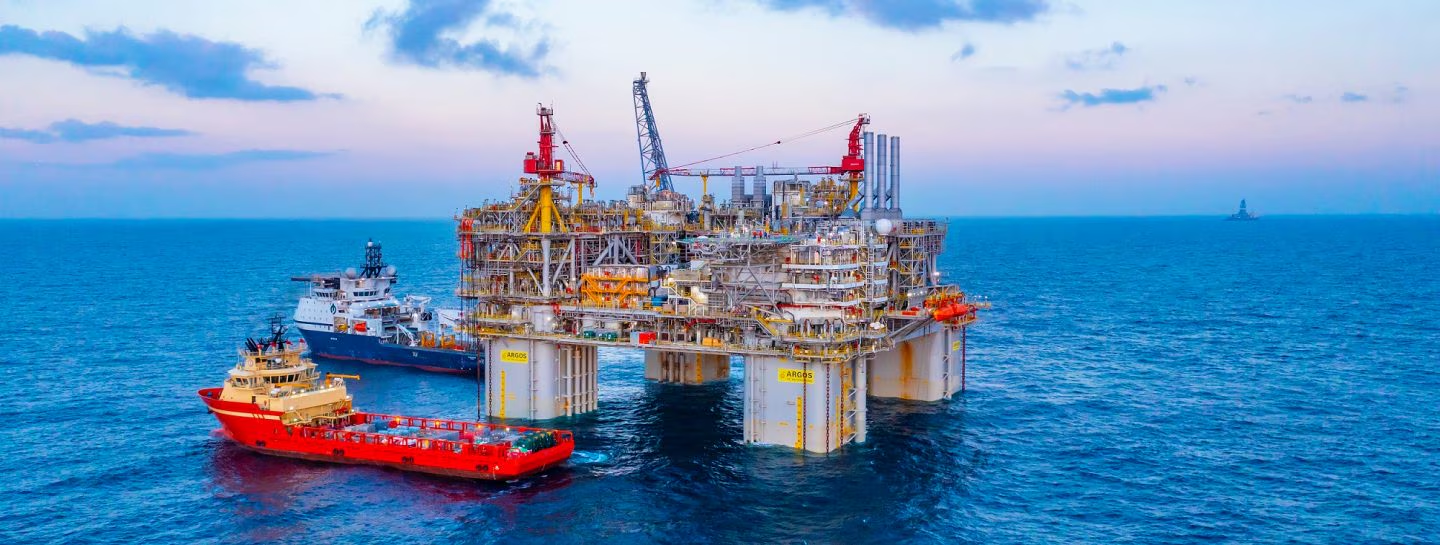
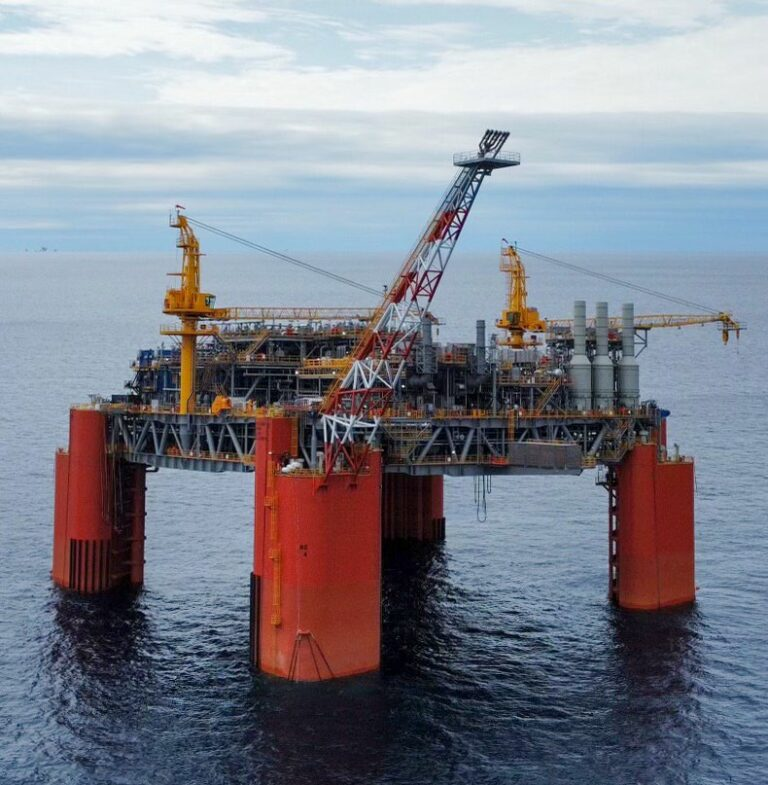
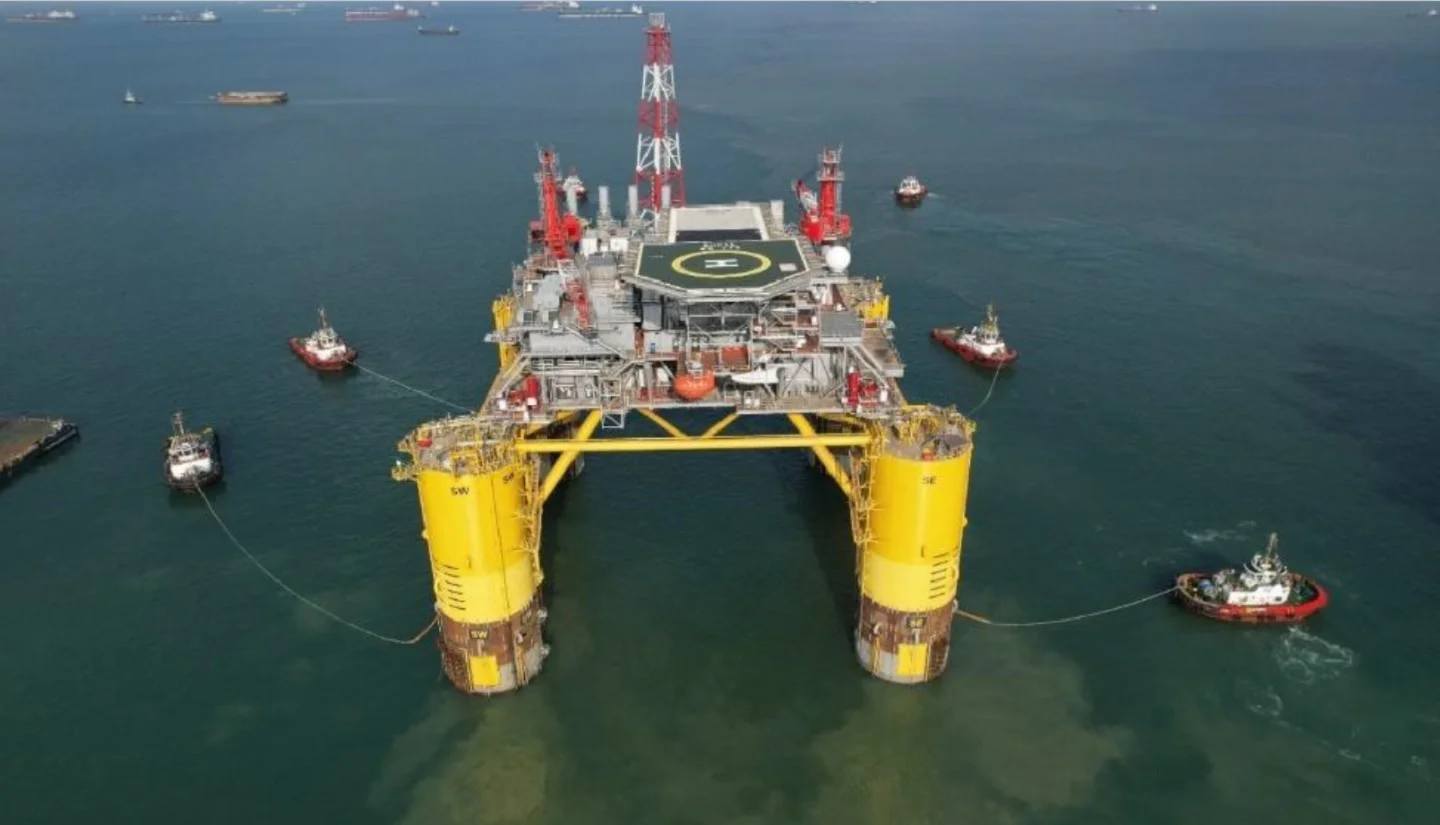
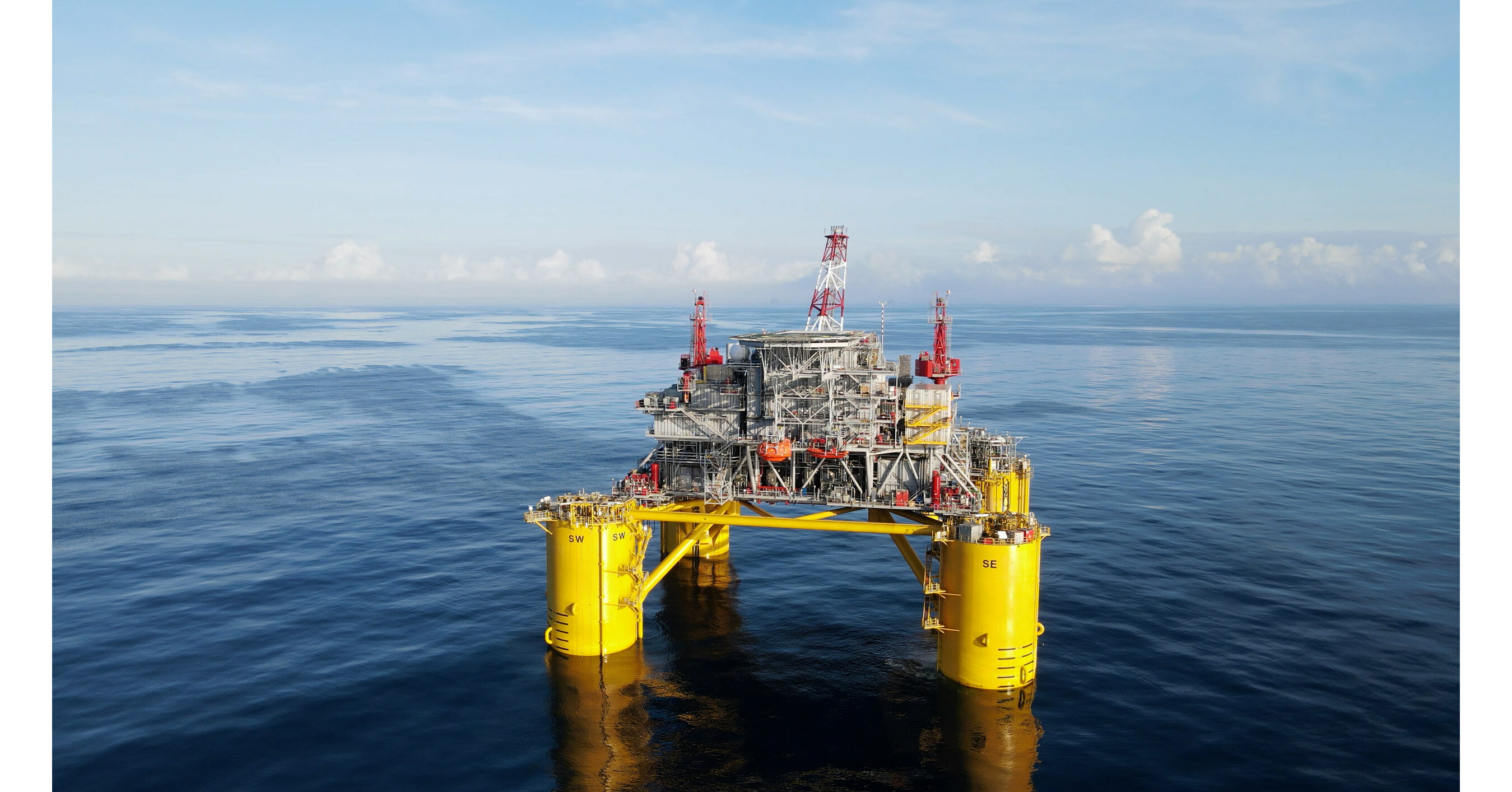
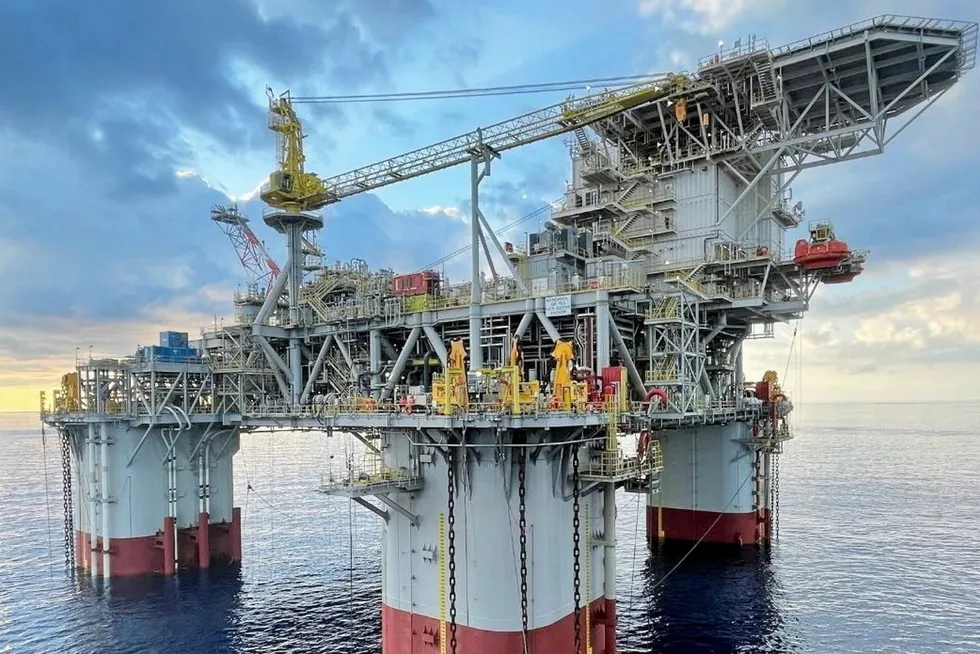
Four of the five simpler, safer, greener deepwater platforms featured on this blog are now producing. The 5th platform (Whale) is on location and scheduled to begin production later this year.

platformoperatorfirst production
King’s QuayMurphyApril 2022
VitoShellFeb 2023
ArgosbpApril 2023
AnchorChevronAug 2024
WhaleShelllate 2024

These platforms are in 4000 to 8600′ of water, are expected to reach peak production rates of 100-150,000 boe/day, and have favorable emissions characteristics on a per barrel basis.

This is all good, but what is next? Will technological advances once again sustain GoM production? The short answer appears to be yes!

The efficiencies achieved with the simpler platform designs combined with the high pressure (>15,000 psi) technology developed over the past 2 decades will facilitate production from the highly prospective Paleogene (Wilcox) deepwater fans. (For those interested in learning more about the geology, see the excellent presentation by Dr. Mike Sweet, Univ. of Texas, that is embedded below.)

Chevron’s Anchor is the first deepwater, high-pressure development. Three similar deepwater hub platforms (table below) will begin production over the next 5 years. These host platforms will also facilitate additional production from nearby fields. Each will have production capacities of approximately 100,000 boe/day. Note the long lead times in achieving first production given the technological issues that had to be evaluated and addressed.

platformoperatordiscovery datefirst production
Kaskidabp20062029
SpartaShell20122028
ShenandoahBeacon20092025

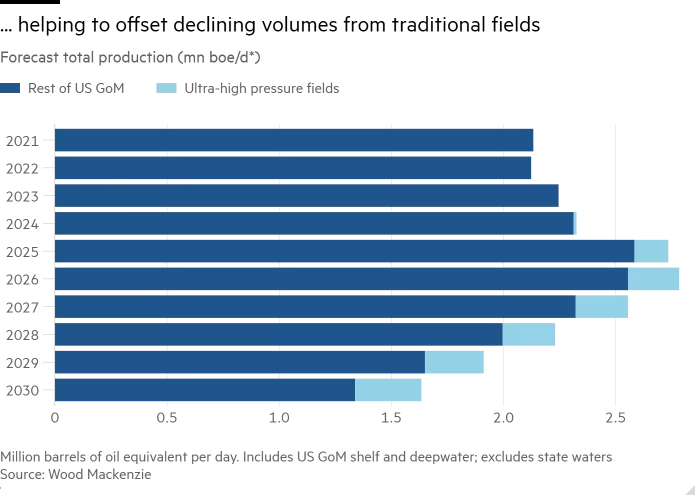
Wood Mackenzie sees these high pressure projects as the key to sustaining GoM production rates. Their projections for 2024 and 2025 seem optimistic based on 2024 YTD data, which adds to the importance of the projected new production.

Related: Movin’ on up to 20,000 psi BOP equipment

Read Full Post »

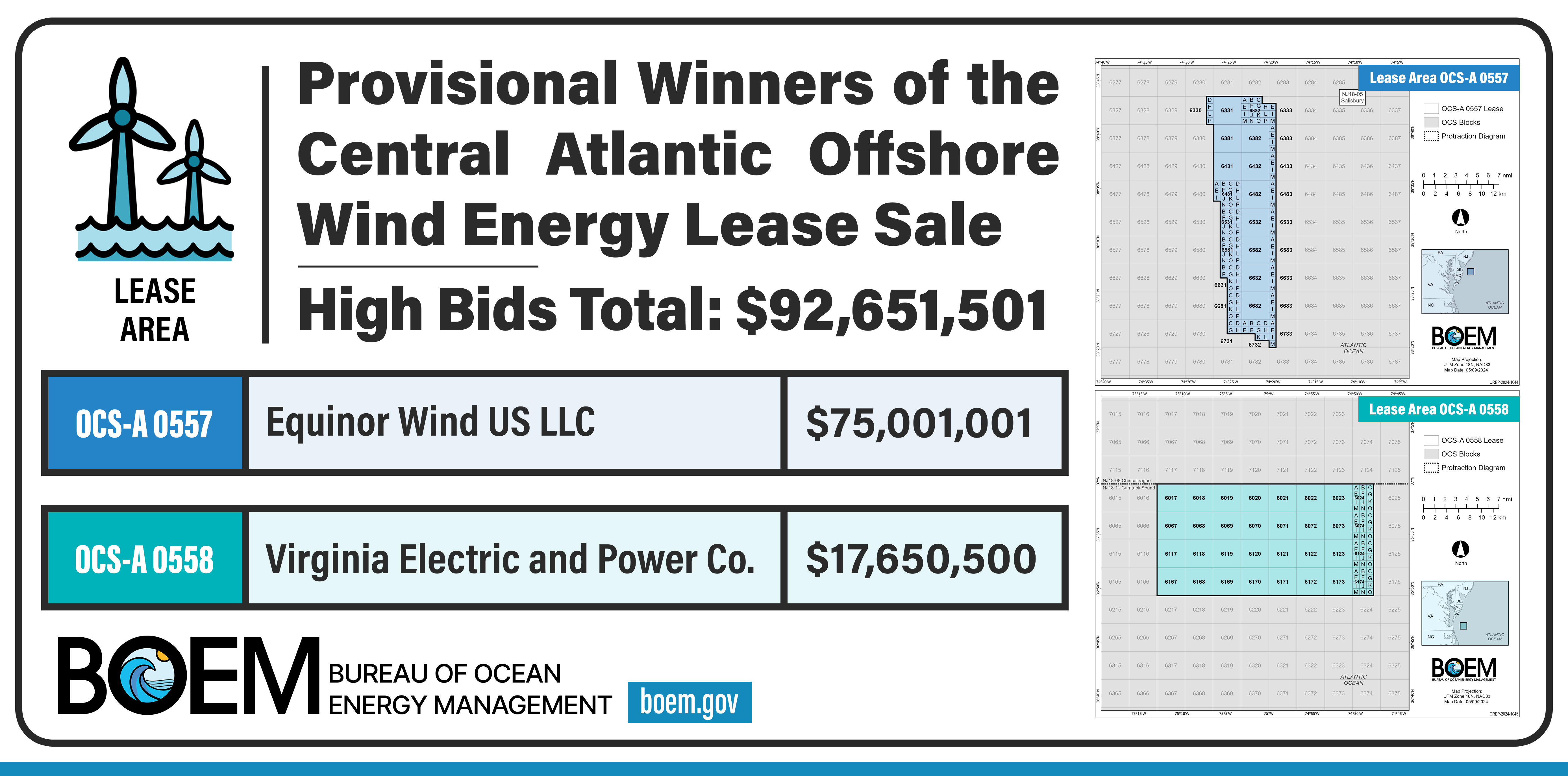
In the wake of last week’s lackluster Atlantic wind lease auction (summarized above), an excellent Renewable Energy World article documents the sharp decline in participation and bidding since the massive February 2022 sale of 6 leases offshore NY and NJ. That sale garnered bids ranging from $285 million to an astounding $1.1 billion, with total high bids of $4.37 billion! The sale was touted as the “nation’s highest grossing competitive energy lease sale in history.” The extravagant bidding, which made little sense then, seems downright irrational now.

Even the December 2022 California offshore lease sale, where development will be dependent on more expensive floating turbines, attracted substantially higher bids for leases (5) smaller than those auctioned last week.

The highly promoted Gulf of Mexico wind auctions were busts with the first sale receiving only one bid for $6.5 million and the second being cancelled due to lack of interest.

Major oil companies like bp and Shell seem to have exited the market for new US offshore wind leases. That leaves Equinor (2/3 Norwegian govt ownership) as the only major oil company pursuing US offshore wind leases.

In just 2 years, cost increases, coastal resident opposition, a troubling blade failure, and developer uncertainty have dramatically changed the outlook for US offshore wind. Nonetheless, the Administration’s wind advocates continue to sing from the same song sheet:

“Today’s lease sale reflects the forward momentum we are seeing to power millions of American homes with clean energy and create good-paying, climate jobs,” said White House National Climate Advisor Ali Zaidi. “With nine commercial-scale projects approved in the last three years and more to go, we are using every available tool to grow the American offshore wind industry as we strengthen the nation’s power grid and tackle the climate crisis.”

Read Full Post »

The 45 day payment period, that the President of Guyana believes is unnecessarily long, is actually shorter than the 60+ days required by many large companies. It’s unfortunate that these companies have to be jawboned into paying contractors in a timely manner.

Making money from the “float” at the expense of small contractors makes poor business sense as well as poor social sense. Successful companies understand the importance of small business partners in growing production, innovating, expanding supply options, and garnering local and national support. Do the financial gains associated with delayed payments justify alienating the individuals and small businesses that should be the strongest proponents of your company and your industry?

Read Full Post »

Read Full Post »

Rystad Energy projects a 10% annual compound growth rate for the subsea market from 2024 to 2027, with total spending anticipated to exceed $42 billion by the end of this period.

Brazil dominates the subsea umbilical risers and flowlines (SURF) market. Unsurprisingly, the US is lagging given the absence of a robust offshore leasing program and the dearth of deepwater discoveries in recent years.

Read Full Post »

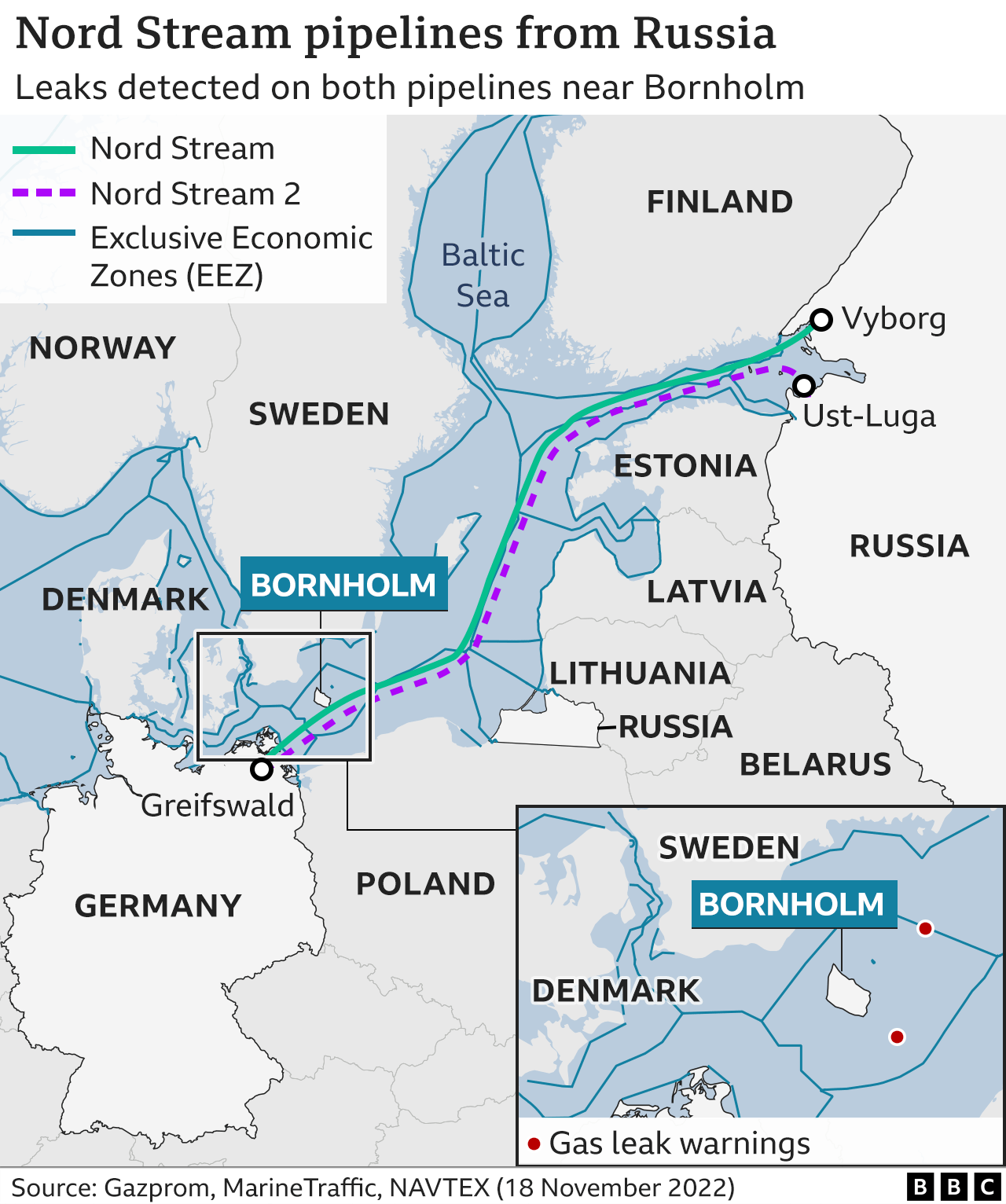
Skepticism about these charges is running high given the apparent political convenience of the “private Ukrainian citizens” sabotage scenario. The German govt has been under pressure to identify the responsible party following the decisions by Denmark and Sweden to drop their investigations.

Many of us are waiting for responses from the insurers, Seymour Hersh, Erik Andersson, and other private parties who have been actively investigating the Nord Stream sabotage.

Read Full Post »

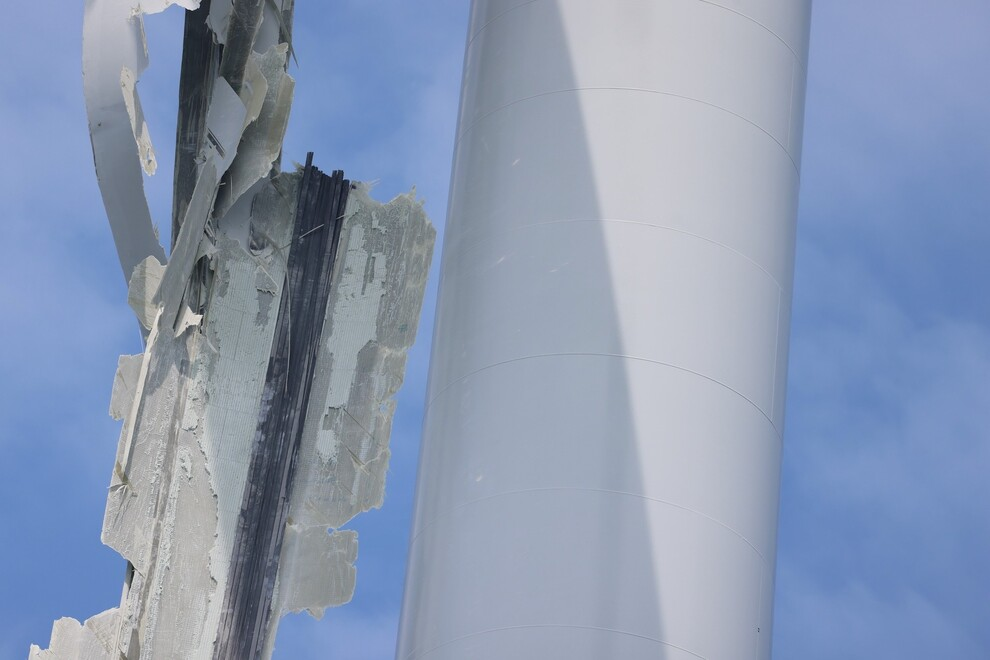
A close-up of the damaged GE Haliade-X turbine blade at the Vineyard Wind farm in late July. Photo by Burton Balkind

From the Nantucket Current:

Additionally, ultimate authority over the wind farm remained unclear, with various federal agencies claiming responsibility over different portions of the permitting, licensing, review, and operation of the wind farm.

“Sometimes I have a hard time figuring out, who do we talk to? Who is going to keep us safe? Who is the responsible boss here? Who is going to make the hard decision?” Select Board member Matt Fee asked.

As previously discussed, regulatory fragmentation is a safety and environmental risk factor.

Causes of regulatory fragmentation:

  • Separate legislation granting redundant or overlapping authority to different departments or agencies.
  • Legislation that is non-specific, assigning broad authority to the President or cabinet level level officials, leaving it up to the bureaus to resolve.
  • Bi- and multi-lateral agreements like MOA’s and MOU’s, which are intended to “coordinate the redundancy,” often cause more confusion than they prevent, creating gaps in the process.
  • “Fixing” problems by adding redundancy.

The Dept. of the Interior’s division of responsibilities for offshore wind, which was finalized in January 2023, inexplicably assigns review and approval of Construction and Operations Plans to the Bureau of Ocean Energy Management (i.e. the land manager, lessor, and wind energy promoter) rather than the Bureau of Safety and Environmental Enforcement (i.e. the principal regulator of the activities described in those plans).

More significantly, the offshore wind responsibilities of the 2 bureaus are so intertwined (as is also the case for offshore oil and gas), that attempts to separate the functions have, at a minimum, created inefficiencies and increased regulatory and operational costs.

FTR, the idea that having the BOEM and BSEE functions combined in a single bureau, as was the case with the predecessor bureau (MMS), had anything to do with the Macondo blowout is a complete fallacy. Regarding the accusations that were made toward MMS, the Chief Counsel for the national commission that investigated the tragic incident found no evidence that ethical lapses on the part of MMS employees played any role in causing the blowout. 

There were important regulatory changes made after the Macondo blowout. These included capping stack requirements, mandatory safety management systems, and updated rules and standards for cementing/zonal isolation and blowout preventer systems. None of these improvements were precipitated by or dependent on the division of MMS into two bureaus.

Read Full Post »

API is challenging the Dept. of the Interior’s 5 year oil and gas leasing plan, which includes the fewest lease sales in program history. That challenge was filed on 12 February, 60 days after Secretary Haaland approved the 5 plan and the first day appeals could be filed pursuant to 43 U.S. Code § 1349.

18 weeks after the API suit was filed, the Supreme Court overturned the Chevron Doctrine. That doctrine (described above) instructed judges to defer to agency interpretations when the language in a law was unclear.

Interior’s 5 year OCS oil and gas leasing plan provides for the fewest (3) lease sales in history and may not have included a single sale were it not for legislation prohibiting the issuance of offshore wind leases unless an offshore oil and gas lease sale was held during the prior year.

This unprecedented oil and leasing decision was based on “the need to confront the climate crisis through reducing greenhouse gas emissions” and on achieving “net zero pathways.” Neither of those objectives is articulated in the OCS Lands Act or other governing legislation.

Extending the Secretary’s general safety and environmental authority for OCS operations to include global climate considerations is a stretch and the type of interpretive administrative decision that the Supreme Court struck down.

Read Full Post »

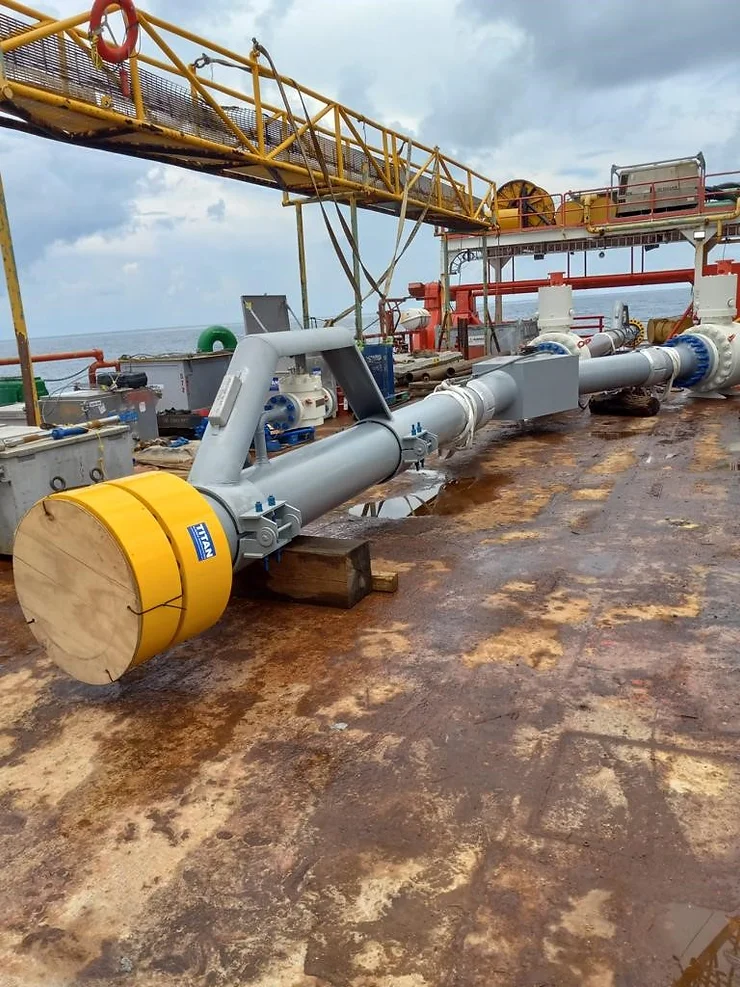
Above: Pigable Y connector for the 6.5-mile 18-inch pipeline extending from a subsea connection in MP289 to a subsea connection with MPOG in MP268 with a capacity of up to 80,000 barrels per day.

A colleague shared his research on the November 2023 Main Pass Oil Gathering (MPOG) connector leak in the Gulf of Mexico. Given the extraordinary amount of time it takes to produce accident reports these days, it may be a while before we see the NTSB report. (Keep in mind that we are still waiting for their final report on the December 2022 helicopter crash at the West Delta 106 A platform.)

The pipeline associated with the leak is BSEE Segment No. 11015, an 18” oil line permitted under Panther Operating Company, LLC . MPOG and Panther are owned by Third Coast ( MAIN PASS OIL GATHERING PROJECT COMPLETION (third-coast.com) . Information on this company website shows that a project was completed for the installation of a new segment 20793 and the new line placed in service on August 20, 2022.

The picture shown in the website for this project (pasted above) shows what looks like a subsea pigable Y connection, which means the main line had to be cut for this connector to be installed. The location of this subsea tie-in for the new segment is in MP 268 and the approximate distance from the Mississippi River delta is 44 miles.

As for other subsea connections, the nearest to shore is in MP 144 about 27 miles from the delta. The report on the leak says that it occurred 19 miles from delta, so not sure if there are any connectors. This distance from the delta would be in the vicinity of MP 72 and mapping information shows no connections in this area, only pipeline crossings. See attached map for PSN 11015.

Read Full Post »

« Newer Posts - Older Posts »