“The order comes as the bureau continues its oversight and investigation into the July 13, 2024, turbine generator blade failure. The order continues to prohibit Vineyard Wind 1 from generating electricity from any of the facilities or building any additional wind turbine generator towers, nacelles, or blades. This order also requires Vineyard Wind 1 to submit to BSEE an analysis of the risk to personnel and mitigation measures developed prior to personnel boarding any facility. Vineyard Wind 1 is not restricted from performing other activities besides those specifically directed for suspension or additional analysis. For example, Vineyard Wind 1 is still permitted to install inter-array cables and conduct surveys outside of the damaged turbine’s safety exclusion zone.”
BSEE also advises that they are conducting their own investigation, and promises to release the findings to the public.
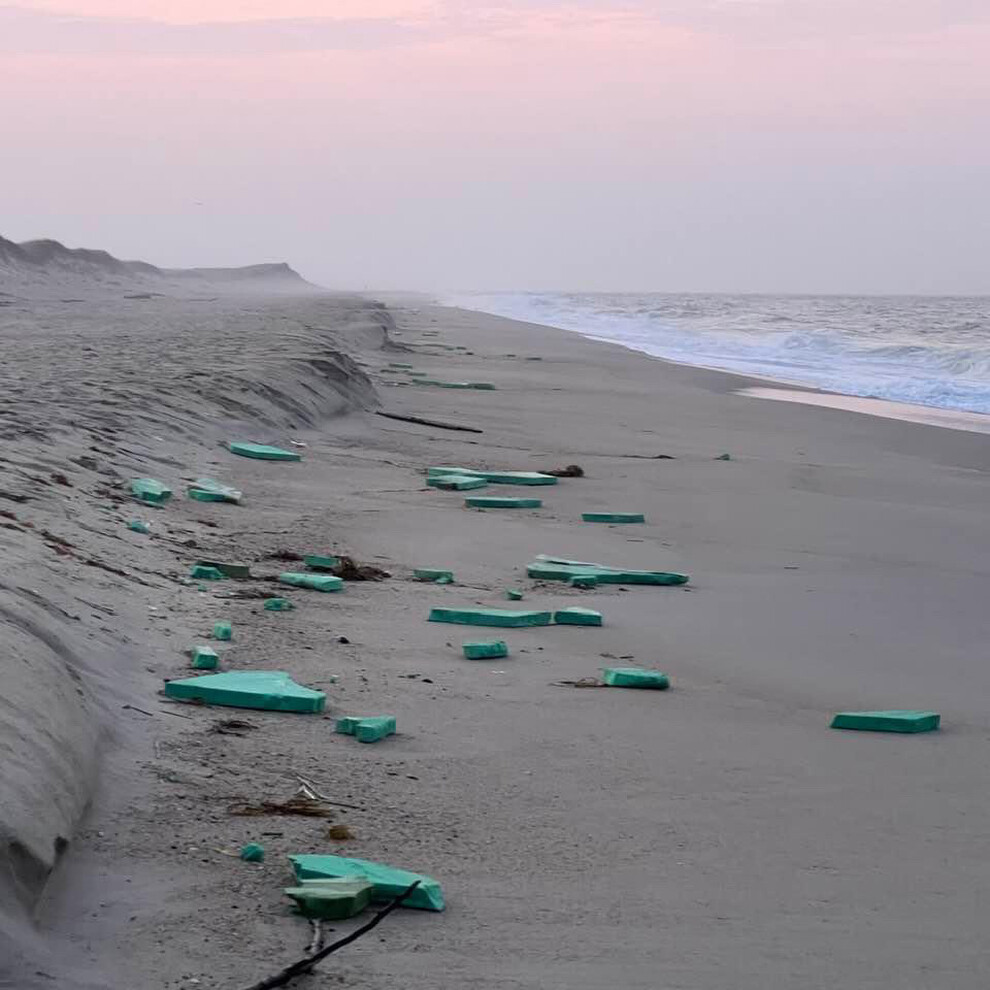
The Vineyard Wind turbine incident, which littered Nantucket beaches, has also tarnished the US offshore wind program. BSEE has prudently halted Vineyard Wind operations and construction pending an investigation into the blade failure.
Offshore wind development is structure rich, so public confidence in the design of turbines and support platforms is critical. BOEM lists 37 active wind leases on the US OCS. Most of these leases have not yet reached the construction phase. A hold on the approval of any Construction and Operations Plans would seem to be appropriate pending completion of the Vineyard Wind investigations.
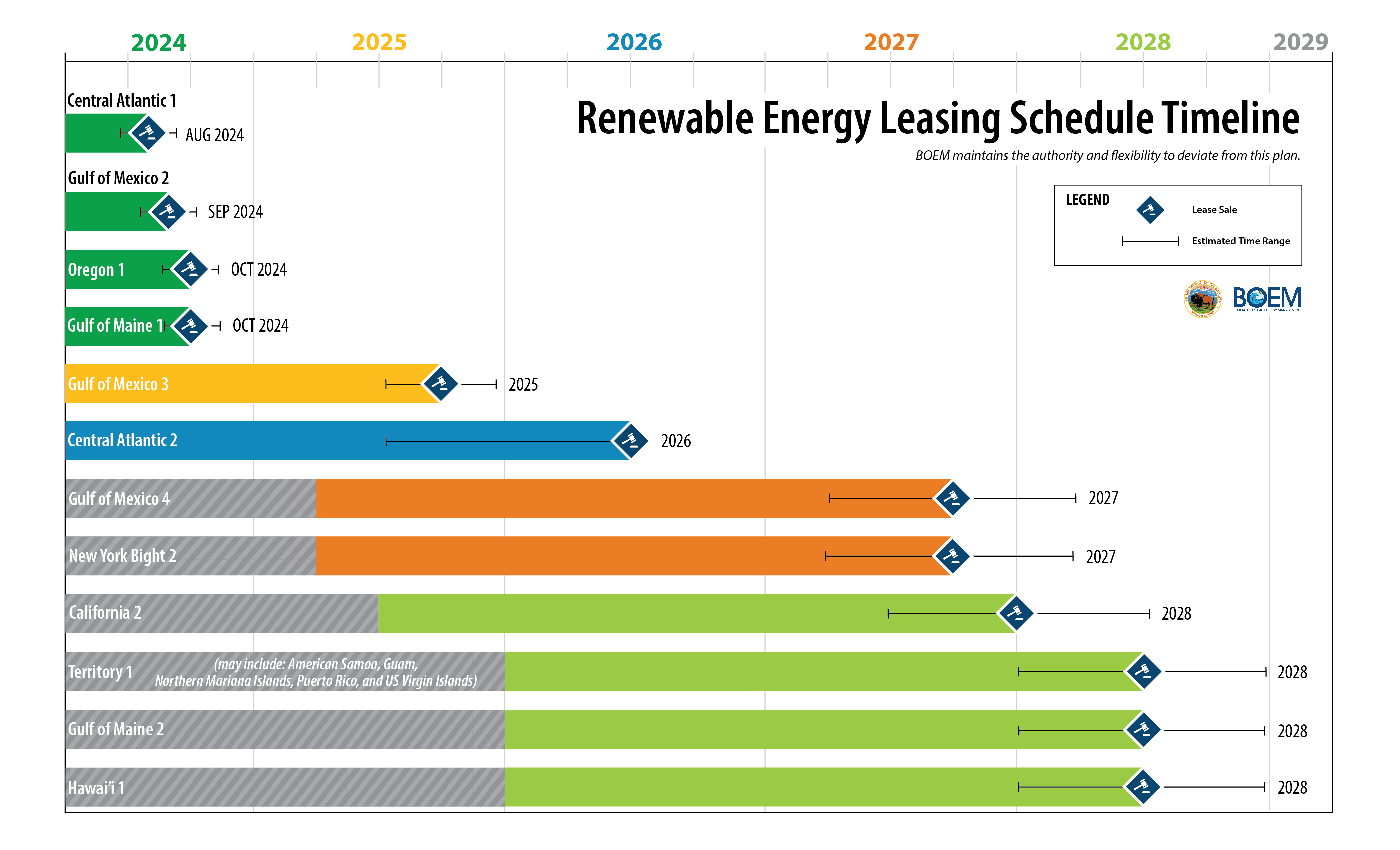
Per the leasing schedule below, BOEM intends to hold 4 wind sales during the remainder of 2024, all within a 3 month period. Only 1 sale is scheduled for each of the following 2 years. Deferring the 2024 sales until the investigations are complete would assist potential lessees by ensuring that the issues of concern were fully understood.
Unfortunately, BOEM’s failure to conduct a 2024 oil and gas lease sale has boxed in the wind program. The Inflation Reduction Act prohibits BOEM from issuing wind leases unless an oil and gas sale has been held within the previous year. Lease Sale 261 was held on 12/20/23 meaning that no wind leases may be issued after 12/20/24. BOEM has compressed the wind leasing schedule, presumably to beat the legislative deadline. It would have been better for both the oil and gas and the wind programs if at least one oil and gas sale had been held in 2024 as has been customary since the 1950s.
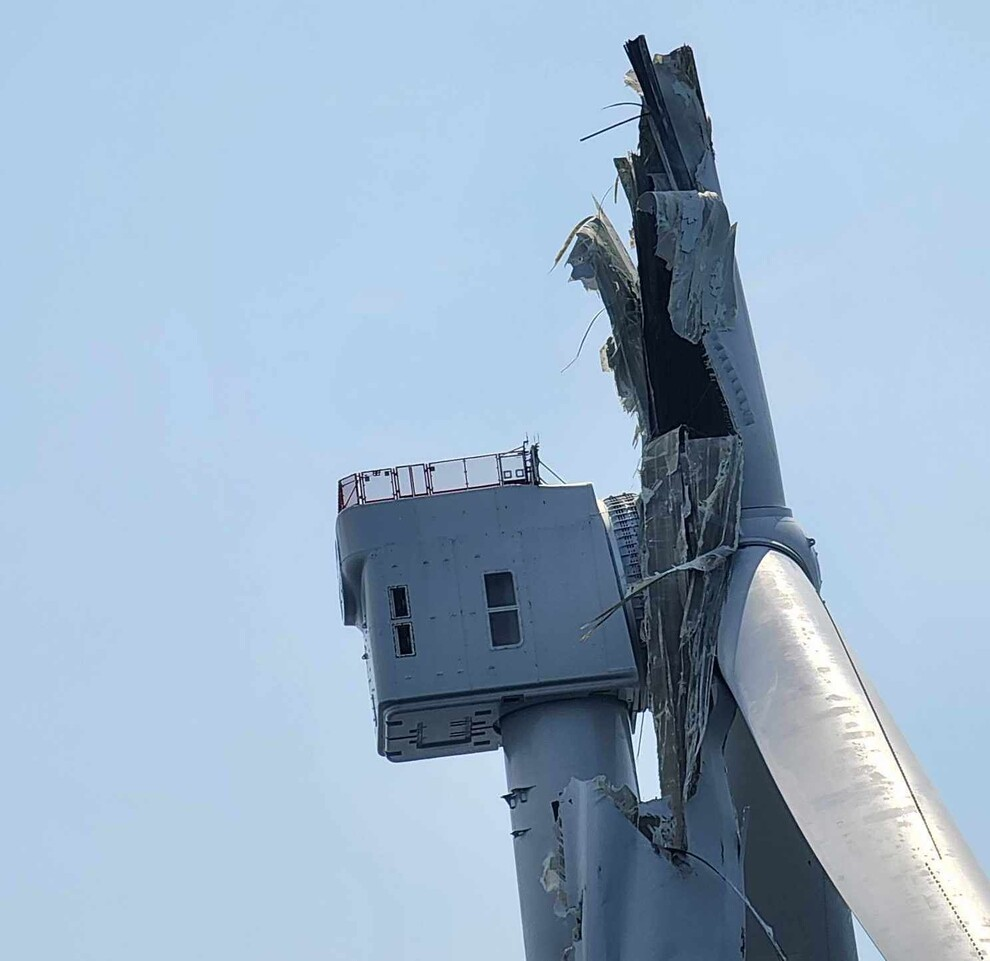
Nantucket Current photo: Vineyard Wind turbine AW38 with a damaged blade that has caused thousands of pieces of debris to wash ashore on Nantucket since Tuesday.
“This morning, a significant part of the remaining GE Vernova blade detached from the turbine. Maritime crews were onsite overnight preparing to respond to this development, though current weather conditions create a difficult working environment.”
“We are staying apprised of GE Vernova’s efforts to manage the situation, including the removal and recovery of the remaining blade attached to the turbine.”
Staying apprised? As operator, Vineyard Wind is fully responsible. This is their situation to manage.
BSEE has ordered Vineyard Wind to suspend power production and wind turbine generator construction.
Kudos to BSEE for their decisive and timely action. They need to better understand what happened before allowing operations and construction to continue.
Imagine the pressure on the regulator if the project was providing a significant portion of the region’s electricity.
BSEE’s comment that there has been “no harm to any marine resources or mammals from the incident” is premature given the extensive marine debris and the associated risks to mammals.
What about the CVA?
The regulations at 30 CFR § 285.707-712 assign important responsibilities to Certified Verification Agents (CVAs), independent third parties with established technical expertise. These responsibilities include detailed reviews of the design, fabrication, and installation plans.
Oddly, the CVA’s “Statement of Qualifications” and “Scope of Work and Verification Plan” have been redacted in their entirety from Vineyard Wind’s Construction and Operations Plan (COP) (see Appendix I-C and I-D).
Who was the CVA and why was that important information redacted?
Were any of the CVA requirements waived per 258.705?
Will BOEM, the lessor and Federal wind program manager, be making a statement? Will they be reassessing their COP review procedures?
BOEM should temper their over-the-top promotion of offshore wind. The complete shutdown of the first utility scale offshore wind farm heightens public concerns about the intermittency of this power source, and the need for reliable backup sources.
“A team of BSEE experts is onsite to work closely with Vineyard Wind on an analysis of the cause of the incident and next steps,” the agency said in a statement.
On Sunday (7/14), Capt. Carl Bois, of the fishing charter Topspin out of Nantucket, told the Current he noticed a significant amount of debris in the Vineyard Wind lease area.
“There was so much debris at the wind farm,” Bois said. “We covered many miles and only saw the debris at the wind farm site: big sheets of fiberglass with foam core and lots of loose foam.”
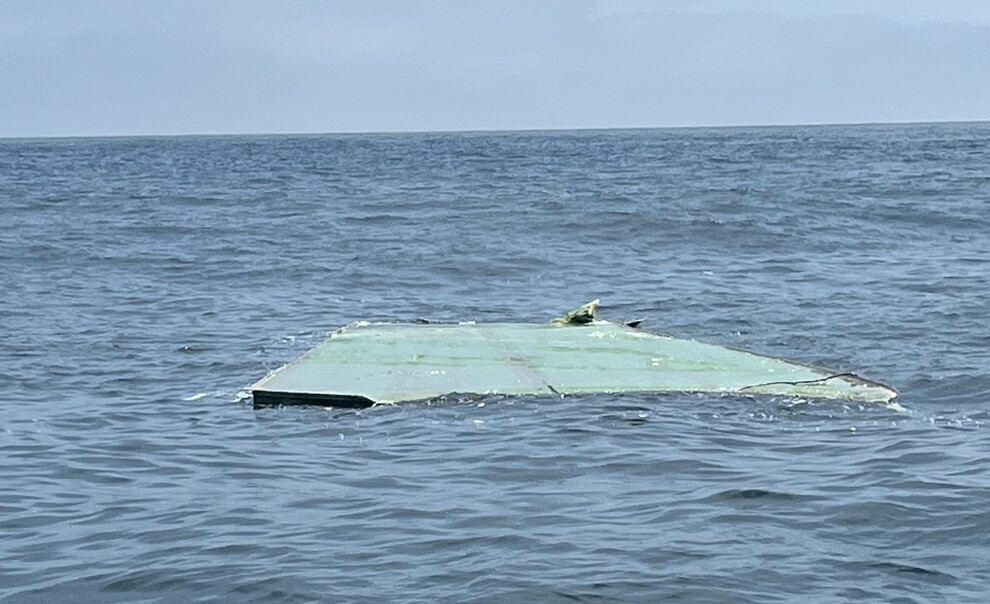
On Saturday night (7/13) the Coast Guard warned Mariners as follows: “Coast Guard received a report of 03 floating debris 10 meters by 2 meters in the vicinity of approximately 26 NM SE of Marthas Vineyard and 22 NM SW of Nantucket in position 40 59.559N 070 25.404W. All marines are requested to use extreme caution while transiting the area.“
On Monday (7/15), Vineyard Wind confirmed that a turbine blade incident occurred on 7/13: “On Saturday evening, Vineyard Wind experienced blade damage on a wind turbine in its offshore development area. No personnel or third parties were in the vicinity of the turbine at the time, and all employees of Vineyard Wind and its contractors are safe and secure.”
On 7/16, Vineyard Wind issued another statement advising that they were deploying teams to Nantucket to clean up debris from the incident.
Comments:
Not a good look for the first large-scale offshore wind project in the US.
It’s unclear what the status of operations was at the time of the incident.
Vineyard Wind seems to be passing the buck a bit when they note that “GE, as the project’s turbine and blade manufacturer and installation contractor, will now be conducting the analysis into the root cause of the incident.” While GE’s findings are critical, Vineyard Wind, as operator, is fully responsible and accountable for the incident and should be leading the analysis.
Was their a third party review of the turbine design?
Was the incident reported to BSEE, the safety regulator for offshore wind? State and local government?
BSEE and the Coast Guard should ensure that Vineyard Wind’s findings and their own independent report are made publicly available in a timely manner. Ditto for Safety Alerts.
What other incidents have occurred during offshore wind facility construction and operations?
Secret Service being scrutinized following assassination attemptHeroic volunteer fire chief Corey Comperatore, who died shielding his family at the Trump rally
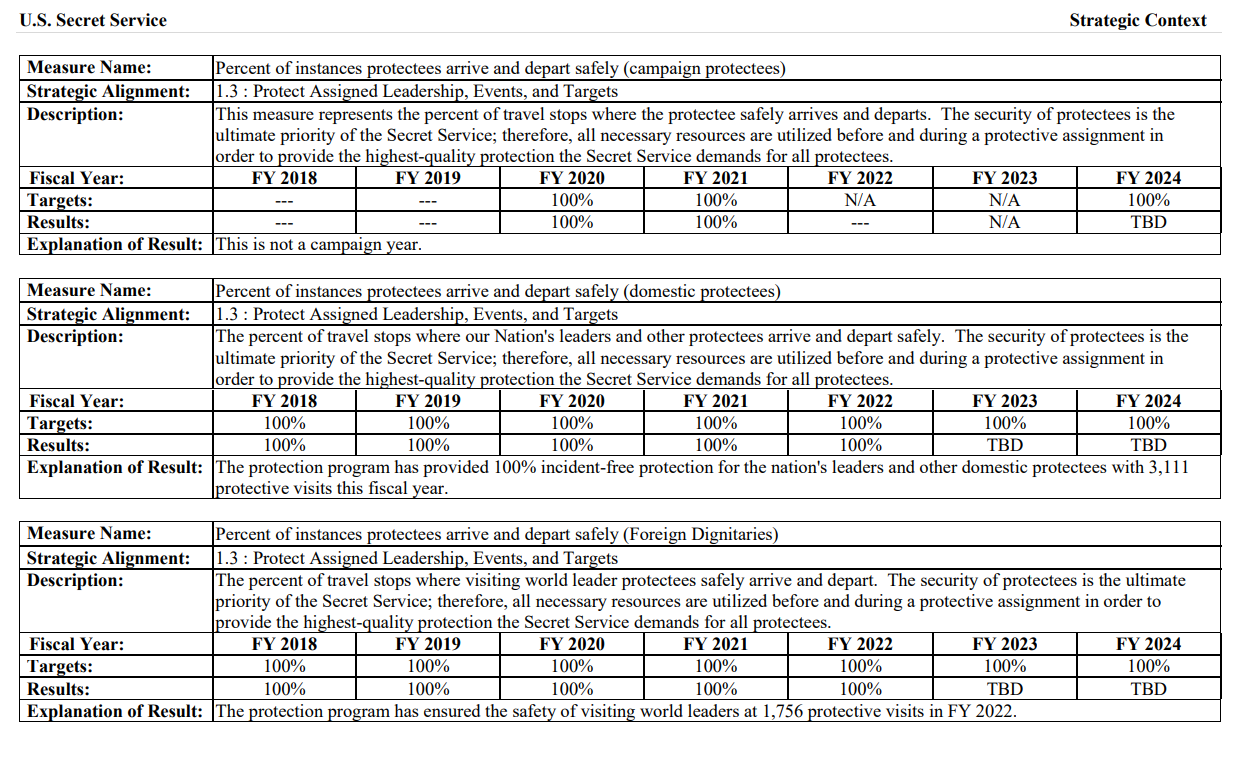
As is the case with many Federal and corporate entities, the Secret Service website is long on promotion and short on substantive details and performance data. The limited “Measurable Impact” statistics on their webpage advise that the Secret Service protected 6623 foreign and domestic visits “without incident” in Fiscal Year 2022, which ended 22 months ago.
Their 2024 budget request overview includes a bit more information (pasted below). The Secret Service gives themselves a perfect score if protectees arrive and depart safely. When your scores are always 100%, your performance measures are clearly inadequate.
Like drilling blowouts, assassinations are low frequency, high consequence events. Prevention requires gathering data on lesser events, identifying leading indicators, and tracking high-potential precursors. You don’t prevent high consequence events by only tracking high consequence events.
Inspections are also critical. Does the Secret Service inspect events to assess protective measures such as verifying that the surrounding areas are cleared and being observed? If so, what do those numbers look like.
For decades, Gulf of Mexico operators have reported facility evacuation and production curtailment data to MMS/BSEE as tropical storms or hurricanes approached. Requirements for this reporting are found in the regulations (30 CFR 250.192(a)) supplemented by NTL 20I5-G02.
Operators must submit reports by 11:00 a.m. (CT) daily throughout the period of evacuation and shut-in with the understanding that BSEE will post the compiled data by 1 pm CT. This reporting has been diligently accomplished for decades and MMS/BSEE posted the data each day, including weekends and holidays, without fail. Everyone in industry and government understood the importance of safely evacuating personnel, shutting down production, and ensuring that these hurricane data were made available to the public each day. (All of the daily updates for 2011 onward can be found here.)
On Wednesday, July 3, Shell informed the media that they had begun evacuating non-essential personnel and shutting-in production at certain facilities. Both Shell and Chevron issued general statements on the status of their operations on Thursday, July 4. Both companies no doubt submitted the required reports to BSEE, as did other companies with operations near the projected path of the storm.
BSEE failed to post any evacuation and shut-in data on any date from July 3 through today (July 8).
Beryl missed the heart of the Gulf of Mexico basin, but Shell and other companies with facilities in the more westerly areas evacuated personnel and curtailed production. BSEE’s unprecedented failure to post this information needs to be addressed before more significant storms threaten offshore personnel and production in the Gulf.
Shell evacuated non-essential personnel and shut-in production at Perdido (pictured)
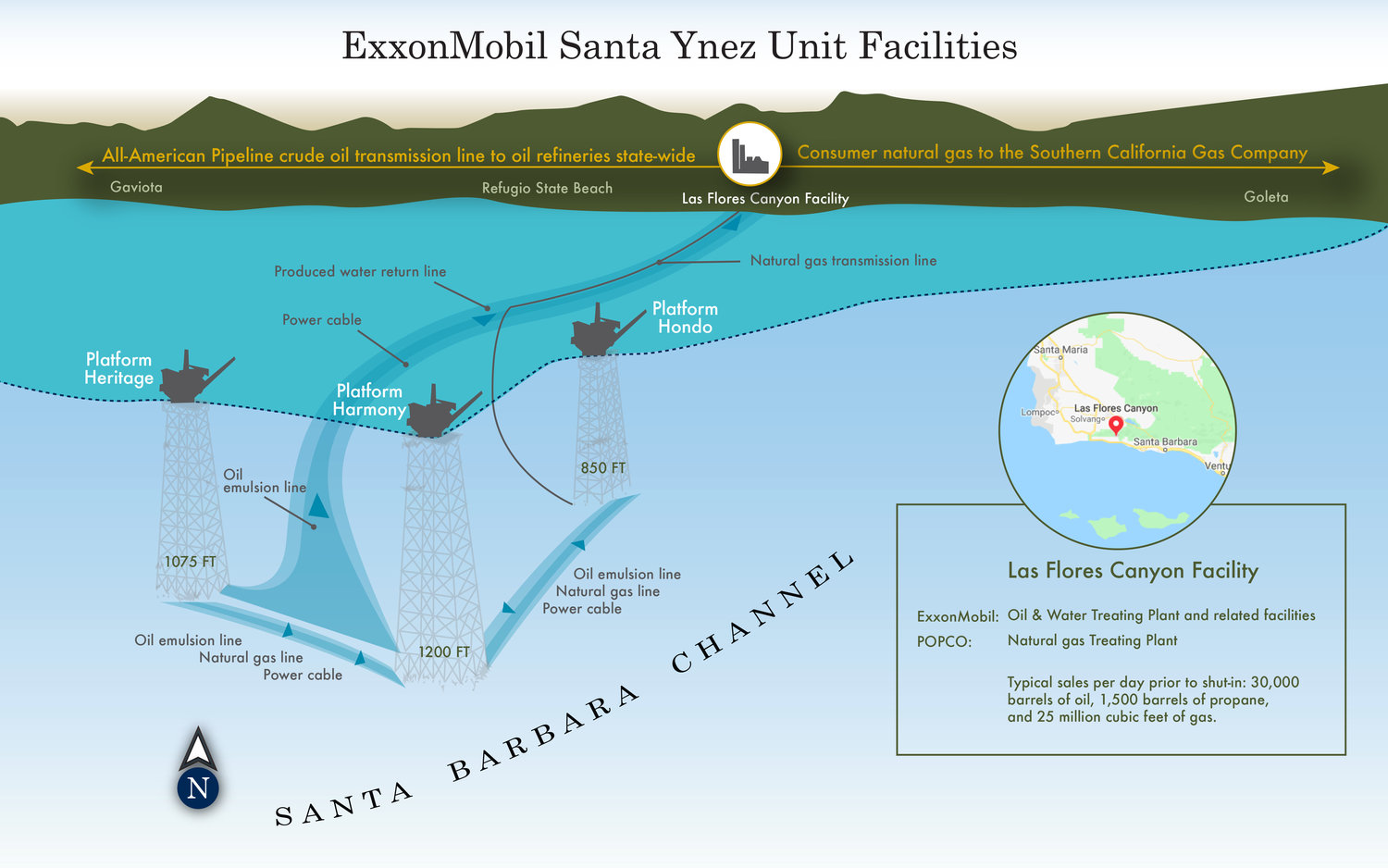
Followers of the US OCS oil and gas program have observed some impressive chutzpah over the years, but a new law suit challenging the extension of Santa Ynez Unit leases raises the bar.
Groups that helped block every attempt to resume production in the Santa Ynez Unit are now suing to terminate the leases for non-production.Brilliant!🥇
“Without these extensions, each of the leases would have expired and ExxonMobil would have been required to permanently cease its oil and gas operations, plug its wells, and decommission its other infrastructure.”See the full text of the law suit.
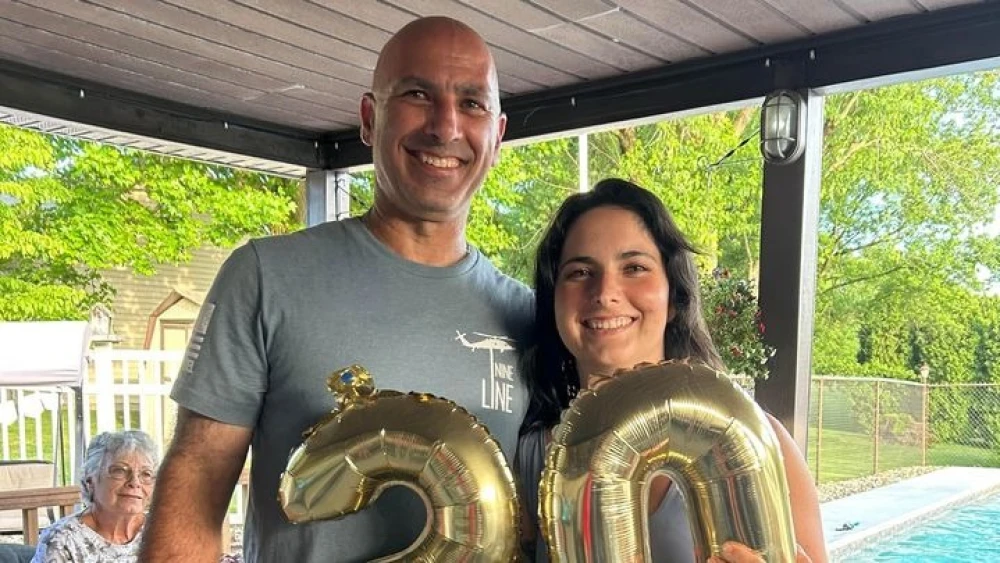
I had the pleasure of working with Jason Mathews when he was a young MMS engineer. He truly cared about our safety mission and has taken that commitment to the next level at BSEE. Jason shared this important, heartfelt message on the anniversary of the Macondo blowout.
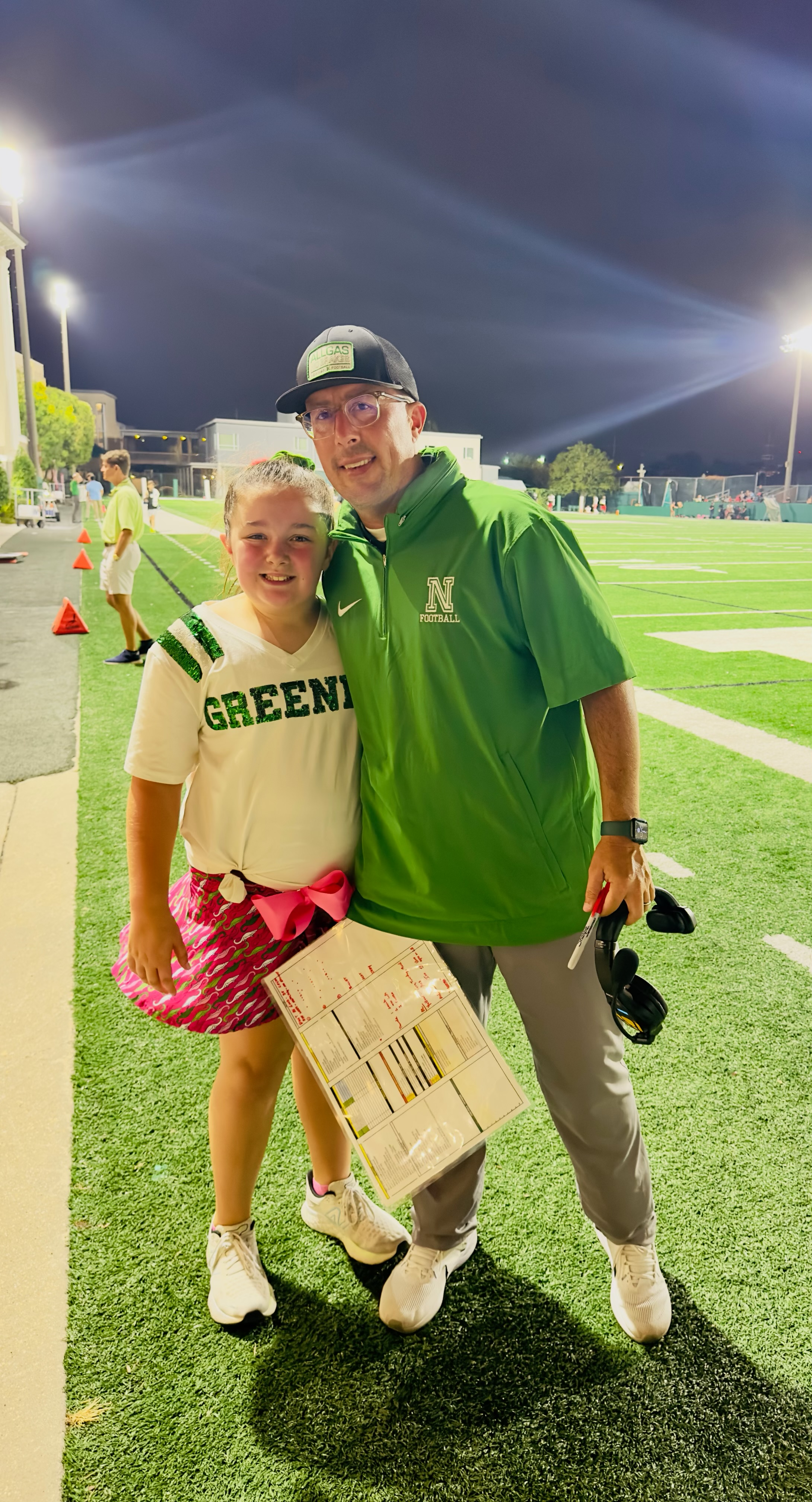
One of the greatest gifts I ever received in life is having a little girl and having the opportunity to go home every evening and spending time with her at cheer, softball, doing homework, etc. I have a great deal of respect for the men and women who work offshore and put their lives on hold for 14-28 days to deliver much needed OCS production to meet US demand. Undoubtedly, they are better / tougher people than me.
Over the last year, my team has seen multiple incidents that had a high potential severity that could have led to a fatal / serious injury or major incident in the GOM. Although we can sit and debate the causal factors for hours, one that jumps to the top of the discussion is the Human Factor – Complacency. Of all the things a leader should fear, complacency heads the list. There is no doubt success breeds complacency, and complacency breeds failure.
To this day, I am still shook by the mindset and complacency of many onboard the Deepwater Horizon prior to the incident. During testimony in the public hearings, John Guide, the BP well team leader for the Horizon, believed that the rig crew had become “too comfortable” because of its good track record for drilling difficult wells. Ross Skidmore, a BP contractor on the rig on April 20, testified that the crew became complacent after completing drilling because “when you get to that point, everybody goes to the mindset that weʹre through, this job is done.” To me, the complacency on the Deepwater Horizon could be attributable to the crew not having access to all of the well data (OptiCem reports – cement job risk) available to BP personnel onshore and the well site leaders on the rig. Our investigation concluded, the overall complacency of the Deepwater Horizon crew was a possible contributing cause of the kick detection failure.
As regulators, we have special roles in the GOM as it relates to safety:
Driving the avoidance of complacency and risk-free mindsets of the offshore employees
Understanding we can’t be selfish – Our success is not our individual personal growth / gains, but it is being unwavering in your promotion of offshore safety to ensure all offshore employees return home to their families safely
Holding each other (internally) and industry (externally) accountable when necessary
In order to achieve greatness offshore, we ,as a regulator, have to believe we can, and never sit still until we achieve it.
Everyone on this email has a very critical function and role. Never underestimate the value of what you do, have the proper mindset, and avoid complacency.
Do whatever it takes to ensure the people offshore are gifted the same gift we receive every day – going home to our families.
All In –
Jason P. Mathews, Petroleum Engineer, Field Operations – OSM
Friday Night LIghts: Coach Mathews and his daughter