Feeds:
Posts
Comments
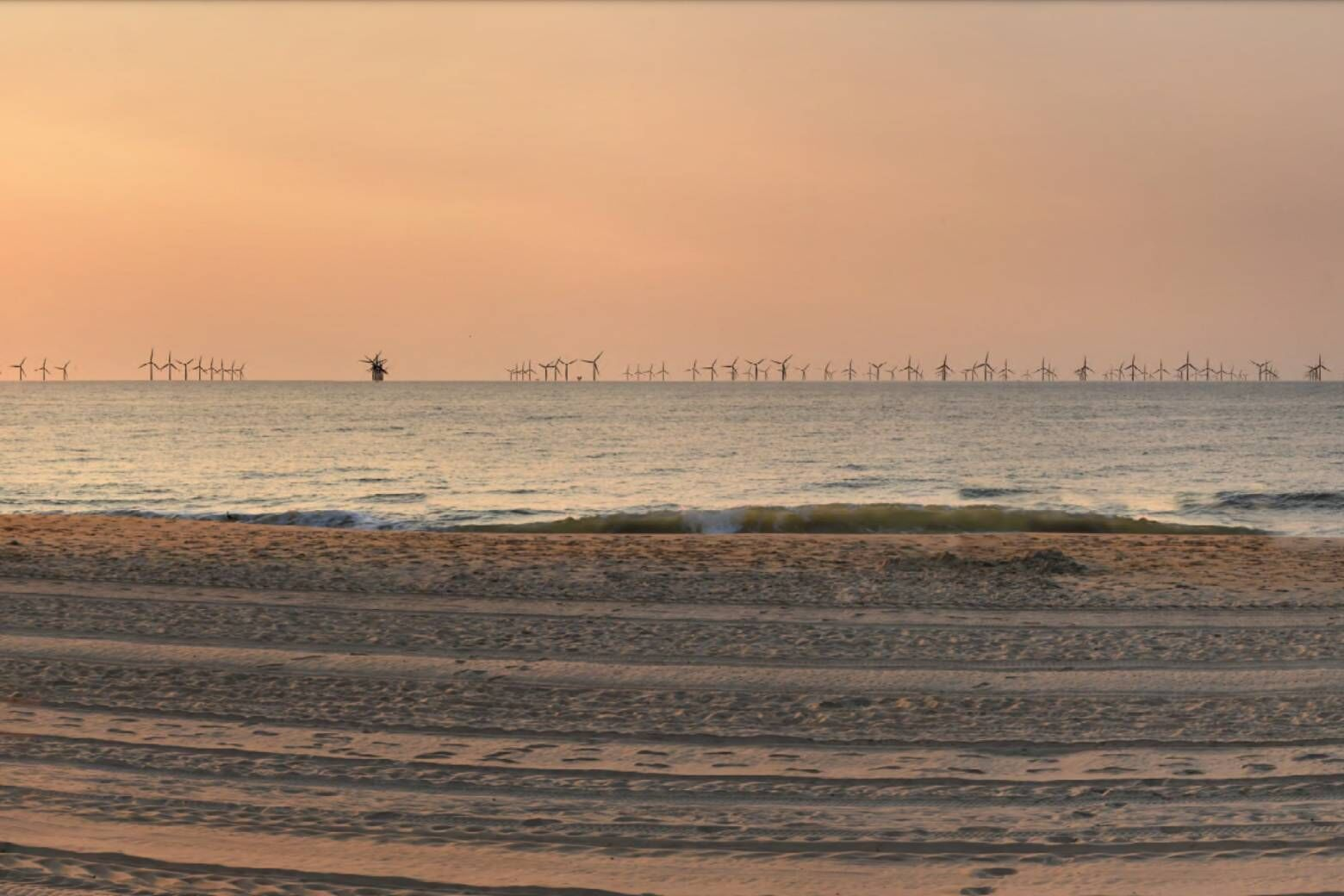
Rendering of Ocean City MD morning view per US Wind project plan submitted to BOEM
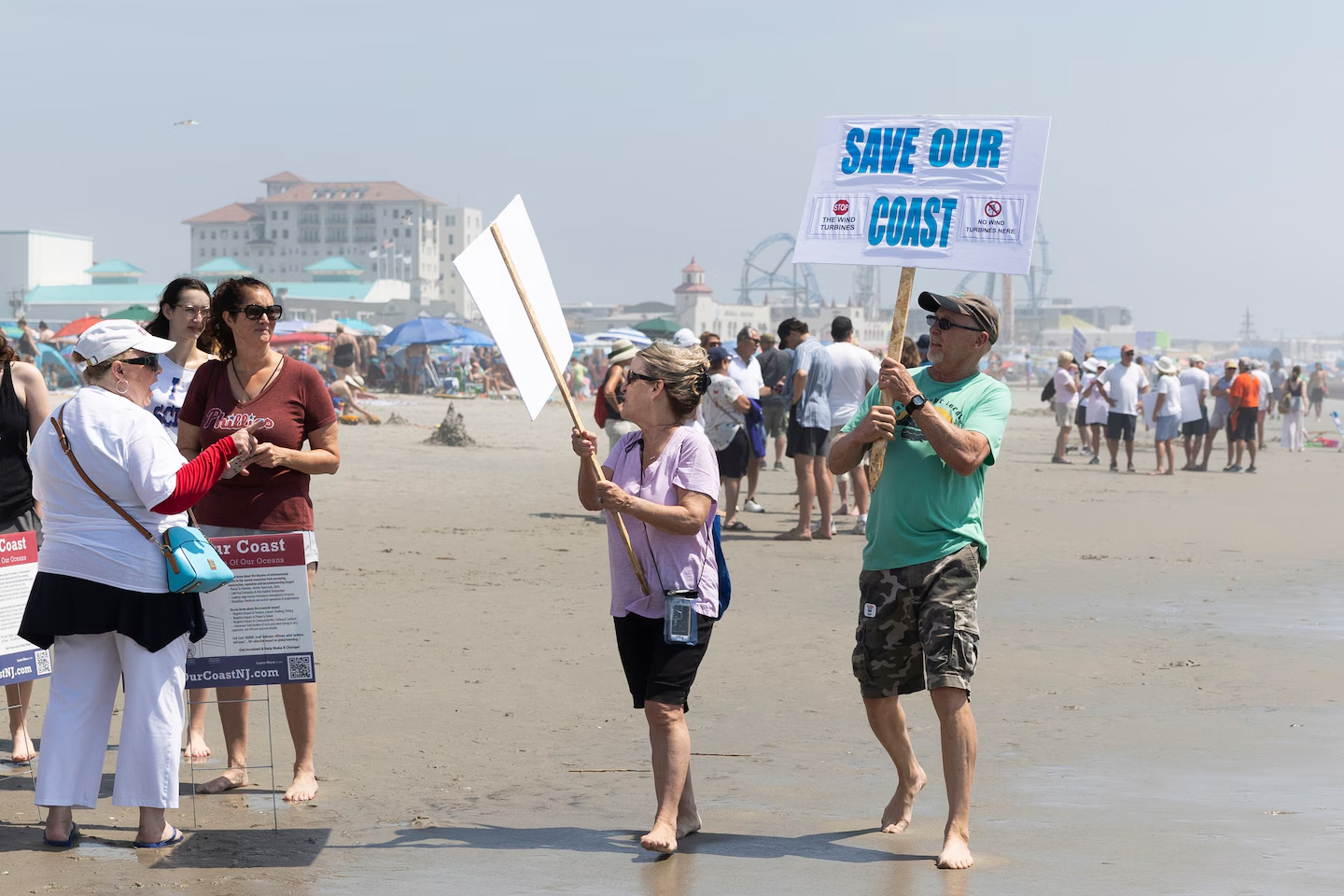
Ocean City NJ offshore wind protest

To those of us from Philly, Ocean City is in New Jersey. To those living in the DMV, Ocean City is in Maryland. These popular beach resorts have distinct personalities, but both are heavily dependent on tourism. They are also aligned against offshore wind development.
OCNJ and surrounding Cape May County have been called the epicenter of resistance to offshore wind. They sued the Federal government over the approval of the Construction and Operations Plan and issuance of the Incidental Harassment Authorization for the Ocean Wind 1 project. Orsted has since elected not to pursue that project, but somehow the leases have remained in effect.

On Aug. 5, Ocean City MD Mayor Rick Meehan said the town has hired a law firm, and will join several local co-plaintiffs in suing BOEM if it issues a federal permit to US Wind to construct the US Wind project offshore Maryland. Exactly one month later (9/5/2024), BOEM approved the project. (The 2 US Wind leases have been consolidated, and the project is now known as the Maryland Offshore Wind project).

Halting Atlantic wind projects has been a difficult proposition for local governments, tribes, and grass roots environmental groups given that the wind industry, State and Federal govt, and the large environmental NGOs have been firmly aligned against them. Indeed, the Federal govt considers wind developers to be their partners.

Disputes between State and local governments regarding offshore wind policy are becoming increasingly strident. Such disconnects are not common for offshore oil and gas given that State and local govts are typically aligned either for or against.

The growing level of discord is neither in the best interest of wind developers nor their opponents. Unfortunately, election year politics probably stand in the way of a pause in wind leasing that would facilitate open and unpressured collaboration with coastal residents, power customers, tribes, and fishing organizations on the best path forward.
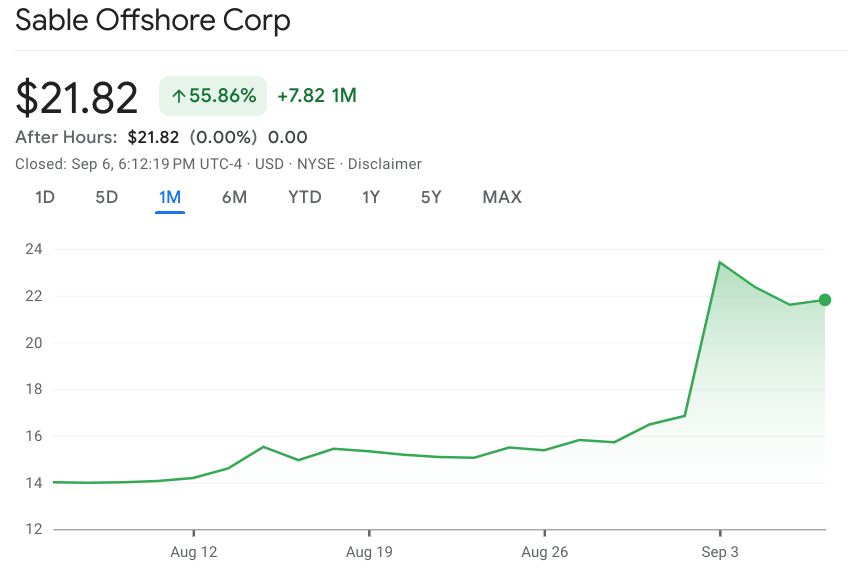
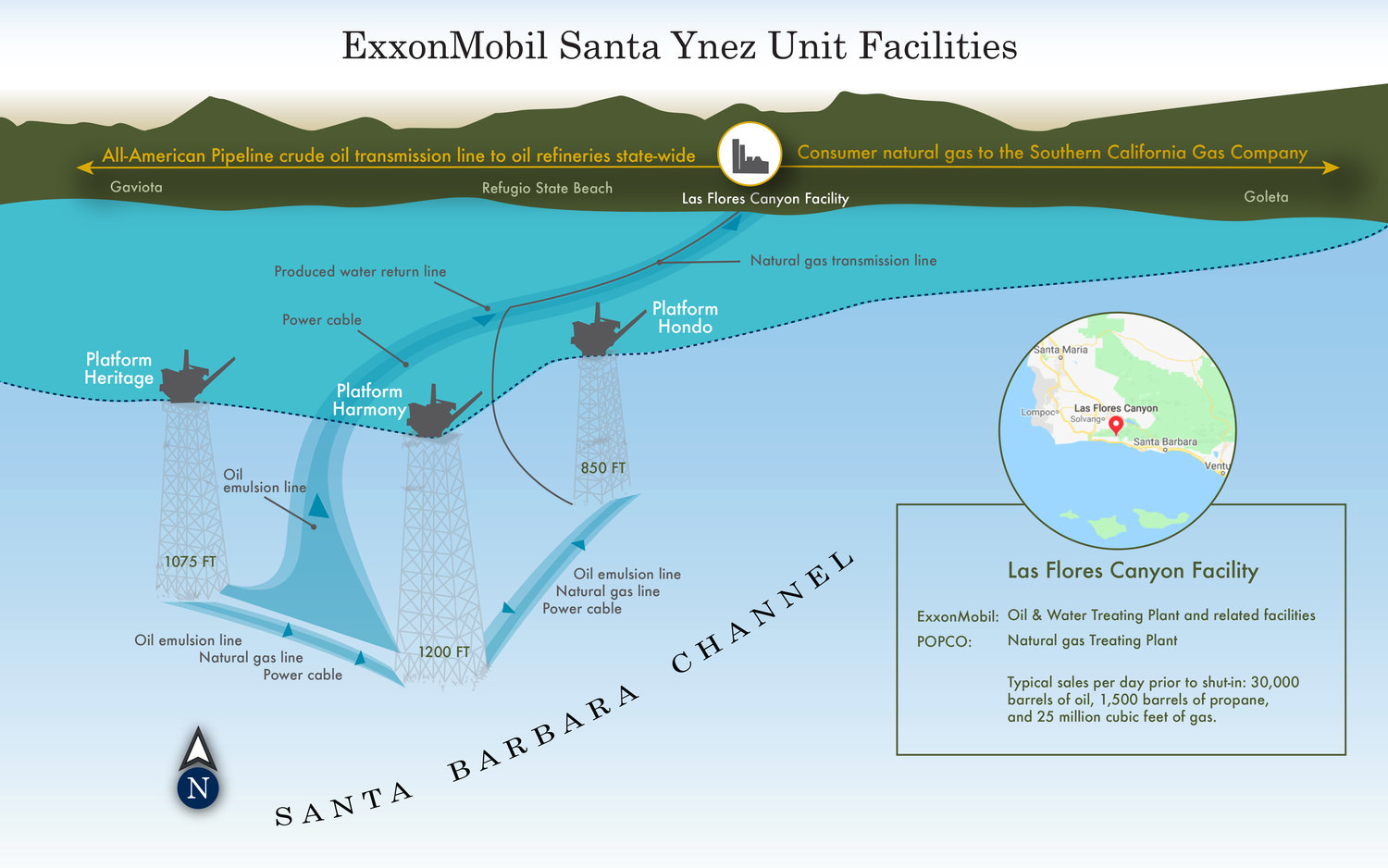
Sable’s stock price soared after the company reached an agreement with Santa Barbara County that will allow them to comply with the California Fire Marshall’s requirement to install shutdown valves on the onshore pipeline that failed in 2015. That pipeline is necessary to transport production from the Santa Ynez Unit, which is currently operated by Sable.

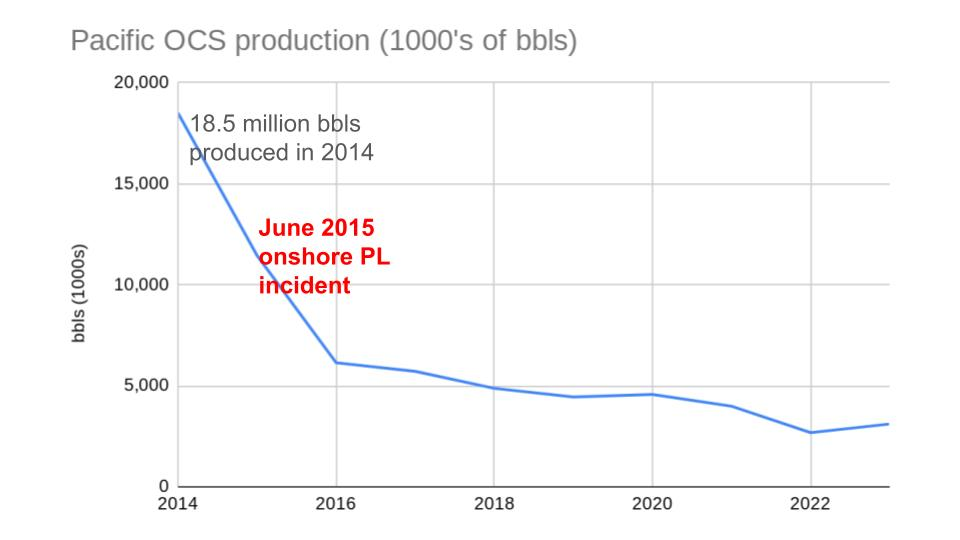
The significance of a resumption of SYU production is illustrated in the chart below. The 3 SYU platforms accounted for more than 2/3 of Pacific OCS production before the Refugio pipeline spill in June 2015.

This agreement with the County is a major step forward, but there are still regulatory and legal hurdles to clear before production resumes.

In the SEC filing that announces the agreement with Santa Barbara County, Sable affirms their 2024 restart expectations. However, a resumption of production in 2024 is highly unlikely given the administrative challenges that remain. A restart in 2025 would be a major accomplishment and a very good outcome for Sable.

Pasted below is the full text of the SEC filing (emphasis added):

Santa Barbara County (the “County”), on August 30, 2024, acknowledged that the County does not have jurisdiction over Pacific Pipeline Company’s (“PPC”) installation of 16 new safety valves in the County along PPC’s Las Flores Pipeline System (the “Pipeline”) in accordance with Assembly Bill 864. The County’s acknowledgement was delivered in the form of a conditional settlement agreement dated August 30, 2024 (the “Safety Valve Settlement Agreement”) among the County, PPC and PPC’s parent company Sable Offshore Corp. (“Sable”), and a subsequent acknowledgement by the County’s planning and development staff.

The Safety Valve Settlement Agreement is predicated upon a prior settlement agreement between PPC’s predecessor in interest, Celeron Pipeline Company, and the County in a federal case styled Celeron Pipeline Company of California v. County of Santa Barbara (Case No. CV 87-02188), which was executed in 1988.

Pursuant to the Safety Valve Settlement Agreement, PPC agreed to the following additional surveillance and response enhancements in the County:

i. PPC will create a Santa Barbara County-based Surveillance and Response Team, trained in PPC’s Tactical Response Plan, which will be responsible for timely initial incident response and equipped with key resources to deploy in early containment, particularly for those regions of the Pipeline between Gaviota and Las Flores Canyon;

ii. PC will provide Santa Barbara first responders with additional training and equipment to assist in PPC’s incident response efforts; and

iii. PPC will undertake the following Pipeline system enhancements: (1) install and operate and maintain primary and secondary Operations Control Centers in Santa Barbara County, and (2) refurbish the Gaviota pump in its existing station.

PPC, Sable and the County have further agreed, in the Safety Valve Settlement Agreement, to file a stipulation to dismiss the pending lawsuit, Pacific Pipeline Company and Sable Offshore Corp. v. Santa Barbara County Planning Commission and Board of Supervisors (Case No. 2:23-cv-09218-DMG-MRW) within 15 days of final installation of all 16 underground safety valves in the County.

Sable affirms that initial restart of production from Sable’s Santa Ynez Unit is expected in fourth quarter 2024.

Photo: GUANGDONG NEWS

Chevron slide: Advances in seismic imaging help characterize deepwater development opportunities

A new JPT article features comments from BOE contributor Lars Herbst on advances in HPHT technology, control systems, sensors and transmitters, and automation that are facilitating the next era of deepwater development.

Well capping technology, which provides a tertiary well control capability, is an essential element of post-Macondo exploration and development. Lars points to the importance of BSEE’s unannounced drill program to verify that capping stacks can be transported and installed in a timely manner. Chevron expresses pride in leading a team that deployed and installed a capping stack in 6,200 feet of water in a drill monitored by BSEE. During that drill, a remotely operated vehicle (ROV) closed 10 valves to shut in a simulated well.

Exxon’s Jayme Meier aptly characterizes the challenge and excitement of deepwater development:

“You are floating on a surface, and you have to be able to pinpoint exactly where you’re going to land subsea hardware, exactly where you’re going to moor an FPSO and hit target boxes that are a few feet by a few feet, and they’re 6,000 ft below you,” she said. “It is the most exciting thing that I’ve ever been involved in. And it involves technology, technical know-how, and an ability to really plan the base plan and the contingency plan.”

Advances in deepwater technology are indeed impressive, but continuous improvement must always be the objective. In that regard, Lars rightfully emphasizes the importance of sustaining research through the industry’s up and down cycles.

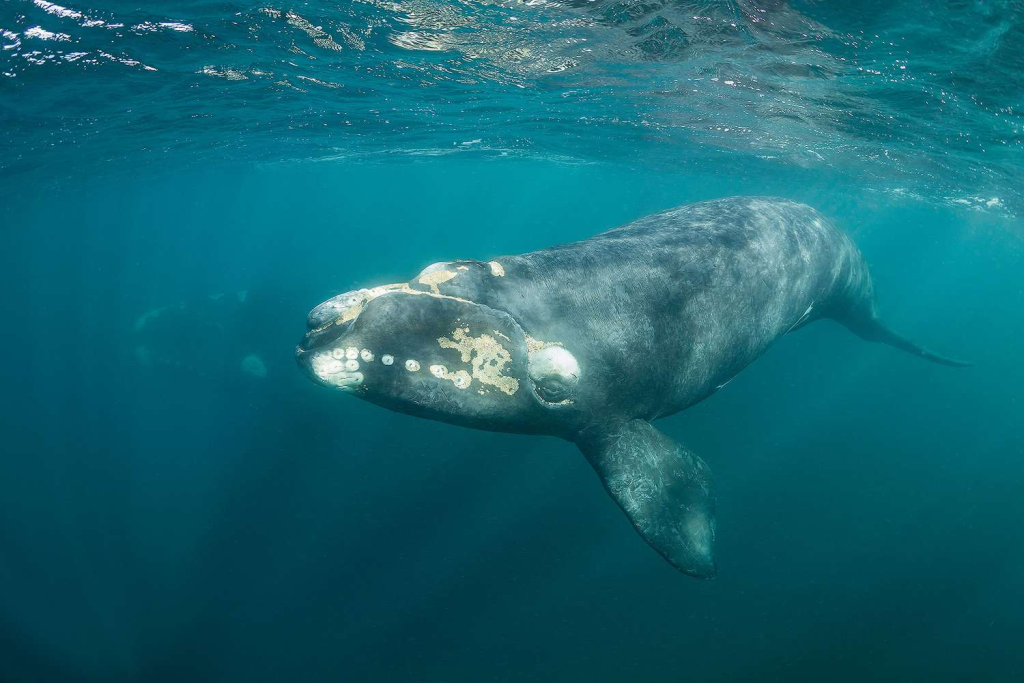
North Atlantic Right Whale

A new NOAA biological opinion finds that that pile-driving noise associated with the Vineyard Wind project is likely to adversely affect, but not likely to jeopardize, the continued existence of whales, fish or sea turtles listed under the Endangered Species Act (ESA).

This opinion was predictable. On the one hand, denying the adverse effects from extensive pile driving would have been unacceptable to NOAA scientists. On the other hand, a jeopardy finding would have been unacceptable to their political leadership.

If you are wondering how NOAA managed to thread that needle, you will have to wait until their report is publicly available. On Aug. 23, NOAA said the opinion would be available in their library in about 10 days, but the opinion has still not been posted. How do you announce such significant findings without, at the same time, releasing the report?

Understandably, the Nantucket environmental organization ACK for whales is not pleased with either NOAA’s announcement or their failure to release the report:

We are disappointed NOAA announced the conclusions of its bi-op on the Vineyard Wind 1 construction without releasing the report or the data on which it relied,” ACK For Whales stated. “NOAA’s own data show that in 2023, there were 151 marine mammal strandings in Massachusetts alone with 75 occurring from Jun 2023 to Dec 2023, the months that pile driving was active. This compares to 77 strandings for all of 2015, before OSW activity started – essentially a 100 percent increase. Most of those strandings in 2023 (n=55) occurred from Oct to Dec when VW was racing to get foundations installed. Out of the 47 bases installed in 2023, 68 percent were installed in the last three months of the year.”

In January, BOE raised concerns about the collaborative BOEM-NOAA-wind industry strategy to protect the right whale. Per that strategy, BOEM and NOAA view themselves as partners with the wind industry. Is this biological opinion an example of NOAA working with their partners in accordance with their joint strategy? While regulator-industry collaboration is essential for effective offshore development, be it wind or oil and gas, regulators and operating companies have distinctly different missions and responsibilities, and should not be viewed as partners.

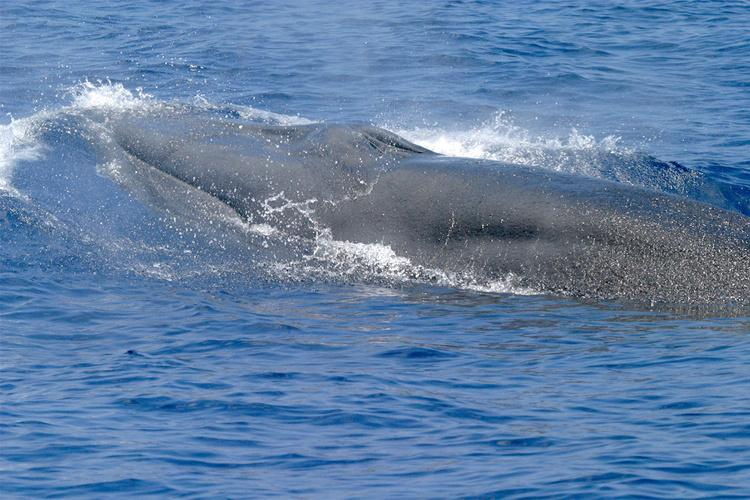
The sharp contrasts between the operating restrictions for the right whale (Atlantic wind) and the Rice’s whale (Gulf of Mexico oil and gas) demonstrate the inconsistencies in ESA regulation. Are major energy companies partners when developing wind projects and adversaries when producing oil and gas?

Lastly, a letter from NOAA’s Lead Biologist that is attached to that post further points to a disconnect between scientific concerns and wind energy regulatory policy, and is thus germane to this discussion.

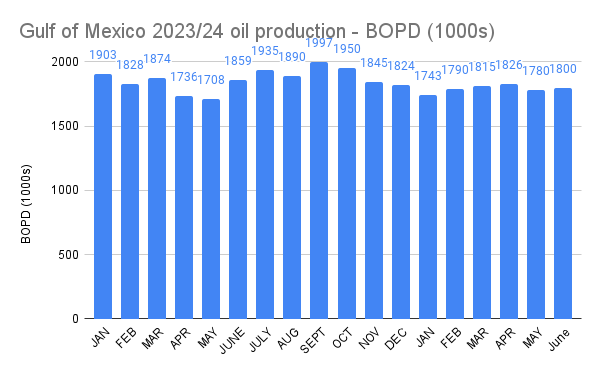
EIA has posted the June 2024 US production data. Gulf of Mexico production was remarkably flat from February through June, with a maximum deviation of only 2.0% (FEB vs. APR) and a deviation of only 0.5% from the beginning of this 5 month period to the end. Looking at the historical EIA data, this is about as stable of a 5 month period as I could find. Presumably, production from the new deepwater facilities is offsetting declines elsewhere as anticipated.

Unfortunately, the production growth forecasted by BOEM is not being realized. BOEM’s 2024 production forecast of 2.013 million bopd will likely be more than 200,000 bopd too high. Their forecast of >2 million bopd through 2027 is increasingly doubtful.  These production forecasts contributed to (or were an excuse for) unprecedented leasing policies intended to prevent production from rising too high for too long.

Per ONRR data, the Gulf of Mexico continued to be the top oil producer for Federal lands in 2023. An additional 72.7 million bbls were produced on Native American lands. New Mexico, which has experienced significant Permian basin production growth, ranked second. The Texas Permian was the dominant US oil producer, but that production is almost exclusively on private lands (a big factor in the Permian success story).

Location (Federal lands)2023 production (bbls)
Gulf of Mexico680,548,975
New Mexico409,987,014
Wyoming47,232,043
North Dakota43,225,104
Other33,635,796

In response to a lawsuit filed by the Sierra Club et al, a Federal judge in Maryland vacated a 2020 biological opinion by the National Marine Fisheries Service (part of NOAA) that addressed risks to endangered species, most notably Rice’s whale, from oil and gas operations in the Gulf of Mexico. The decision by Federal Judge Deborah Boardman, who was appointed to her position in 2021, is attached.

Judge Boardman’s ruling is effective on Dec. 20, 2024. After that date, no new GoM leases may be issued and no new operating plans may be approved pending a new biological opinion. Existing GoM operations could also be affected. In other words, the ruling could have unprecedented effects on the OCS oil and gas program. (If you wonder how a Maryland judge can issue a ruling that could have major consequences for Louisiana and Texas, it is presumably because NOAA’s headquarters office is in Silver Spring, MD.)

The biological opinion process will likely be lengthy given the political considerations in an election year and the prospects for related litigation.

The judge’s ruling could also affect wind leasing in a manner that was perhaps unforeseen. Offshore wind leasing, which the plaintiffs strongly support despite the risks to the critically endangered North Atlantic Right Whale, could be delayed. Per a provision in the “Inflation Reduction Act,” no offshore wind leases may be issued after 12/20/2024, the one year anniversary of the last oil and gas lease sale (no. 261). Ironically, this is the same date as the effective date of the judge’s ruling.

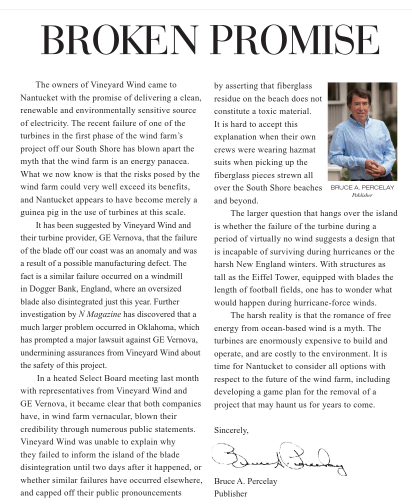
The judge’s decision will likely further delay the next oil and gas lease sale (no. 262) well into 2025 or later, and extend the pause in issuing wind leases that begins on 12/20/2024. Perhaps with that in mind, BOEM has been forging ahead with wind auctions despite the troubling Vineyard Wind blade failure, economic challenges for the wind industry, and growing opposition from coastal residents. An editorial by the publisher of Nantucket Magazine expresses concerns that should not be overlooked in the rush to auction wind leases.

(More on a new biological opinion related to the Right Whale in a future post.)

wsj article

On Labor Day 2024, BOE is proud to salute the thousands of dedicated offshore professionals, in the US and around the world, who work in remote locations under challenging conditions to support economic growth and prosperity.

The overwhelming majority of offshore workers do their jobs skillfully and conscientiously, and are committed to protecting their colleagues and the environment.  It is their lives that are threatened, their “back yard” that is polluted, and their jobs that are at stake if accidents occur.

Fortunately for us, energy exploration and production doesn’t stop on holidays. BOE wants offshore workers to know that their important contributions to society are greatly appreciated, on Labor Day and throughout the year.

Happy Labor Day!

Excerpts from US Dept. of the Interior Announcement

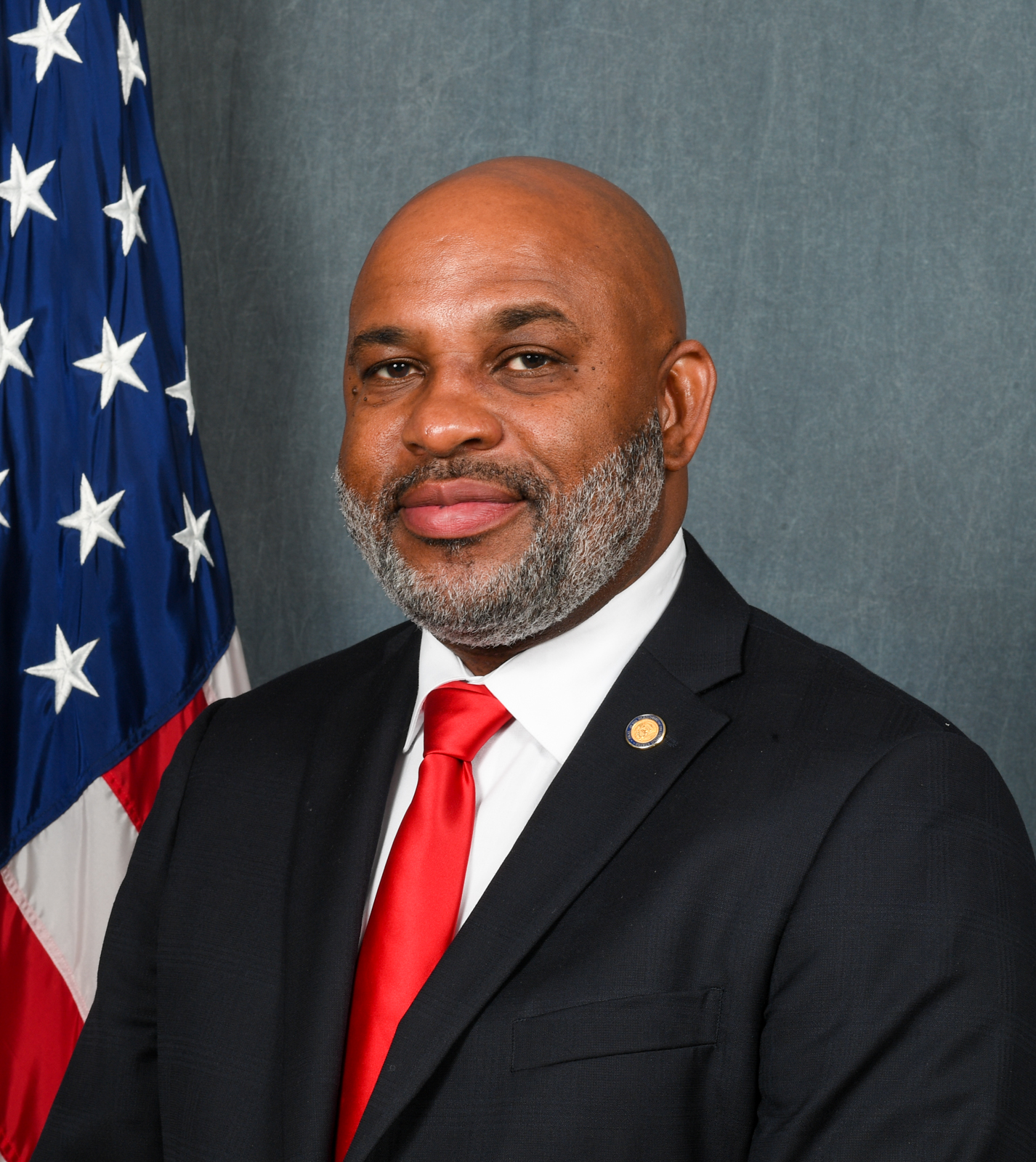
WASHINGTON — The Department of the Interior today announced that Bureau of Safety and Environmental Enforcement (BSEE) Director Kevin M. Sligh will depart his position effective September 6, after serving in the role for the past two and a half years. Kathryn (Kati) E. Kovacs, who serves as Deputy Assistant Secretary for Land and Minerals Management, will assume leadership of the bureau.

A cornerstone of Director Sligh’s tenure was a focus on the enhancement of BSEE’s emergency response capabilities. This included the first capping stack exercises in a decade, critical high-stakes operations designed to demonstrate the bureau’s readiness to rapidly seal off uncontrolled well blowouts on the Outer Continental Shelf (OCS). In addition, BSEE implemented improvements to its capabilities at its National Oil Spill Response Research and Renewable Energy Test Facility (Ohmsett), where new technologies and training are helping the United States and the international community better plan for and respond to oil spills and advance new renewable energy science and technologies. These efforts were essential in testing and proving BSEE’s ability to manage potential offshore incidents effectively, ensuring that the bureau and industry responders are equipped to act swiftly and efficiently if needed.

In her current role, Kovacs has had oversight over BSEE, focusing on their regulatory agenda. Thanks to both Kovacs’ and Sligh’s leadership during the Biden-Harris administration, the Department made significant progress in expanding its oversight of renewable energy sources, including the enactment of a final rule that transferred safety and environmental compliance responsibilities for offshore renewable energy from the Bureau of Ocean Energy Management (BOEM) to BSEE. The rule recognized that the scopes of the bureaus’ roles and responsibilities had matured since they were created more than a decade ago following the Deepwater Horizon tragedy and supports the Department’s commitment to independent regulatory oversight and enforcement in the renewable energy program.

Prior to joining the Department in April 2022, Kovacs was a professor of law at Rutgers University. Kovacs’ public service career also includes 12 years in the Department of Justice’s Environment and Natural Resources Division, Appellate Section and service as a senior advisor to the director of the Bureau of Land Management in 2016. Kovacs also served in the Baltimore City Law Department as an attorney and clerked for former Chief Judge of the Maryland Court of Appeals Robert C. Murphy. She is a graduate of Yale University and the Georgetown University Law Center.  

Interestingly, on 18 Sept., Ms. Kovacs will be making a presentation at the Case Western Reserve School of Law entitled Regulating Energy and Land Management at the Department of the Interior. There is no charge to register.

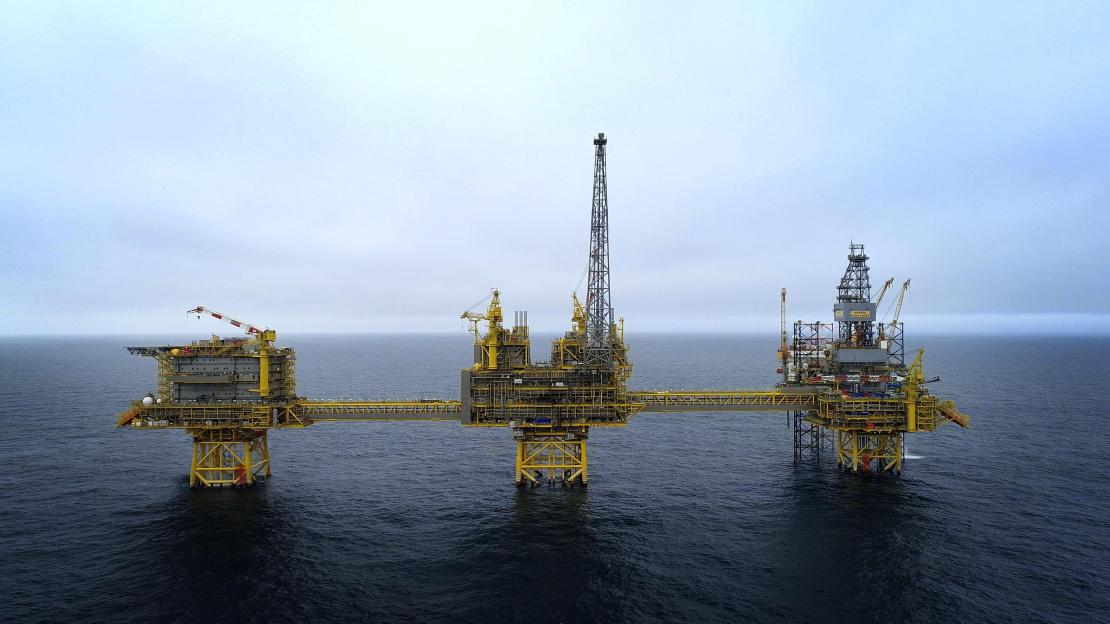
Culzean facilities

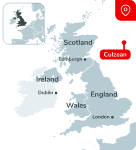
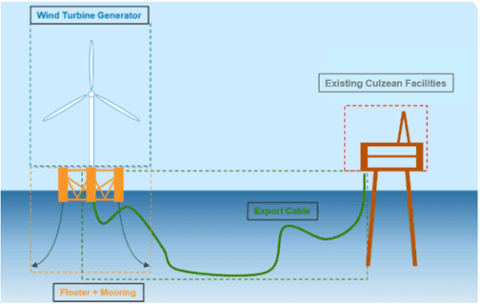
Total has announced plans to install a 3 MW floating wind turbine 2 km west of the Culzean platform, 220 km off the coast of Scotland. This turbine, expected to be fully operational by the end of 2025, will supply around 20% of Culzean’s power requirement. This project is interesting from an R&D standpoint, but makes little sense otherwise. Here’s why:

  • Culzean is a gas condensate field that is capable of meeting 5% of the UK’s gas demand. There is thus ample produced gas to reliably and economically power the platform.
  • Gas will be required to meet 80% of the power requirement even after the wind turbine is operating.
  • In light of installation, maintenance, and decommissioning costs for the floating turbine, the cost of the intermittent wind power will no doubt be much higher than the cost of the power generated by platform gas.
  • Some tax benefits may be associated with adding the wind turbine, but this won’t affect the real costs, other than to perhaps make them higher.
  • In addition to affecting profitability, higher operational costs could reduce the ultimate recovery of gas and condensate from the field.
  • Gas not consumed at the offshore facilities will be marketed and consumed onshore, so there is essentially no net reduction in global CO2 emissions.
  • As JL Daeschler reminds me, the floating turbine complicates operations and could create safety issues: obstruction for helicopters and supply boats to avoid, trenching and installing power cable in a spare “J” tube, and feeding power to an electrical distribution system in accordance with standards and platform specifications. As JL notes, “I think we have plenty to do offshore already!”
  • And what if there are mooring failures and the turbine drifts toward the platforms? Turbine blade failures?
  • Bottom line: adding costs and risks for no apparent benefit.

See a related post on platform electrification in Norway.