Feeds:
Posts
Comments

Among the more important workstreams of the International Regulators’ Forum, a group of offshore safety regulators, are country performance data which provide a means of measuring and comparing offshore safety performance internationally. As we near the midpoint of 2023, the last data posted are for 2020. This lag makes it difficult to assess current trends and risks.

In addition to more timely updates, there are significant holes in the IRF data sets. For example, per IRF guidelines fatalities associated with illnesses or “natural causes” are not counted; nor are helicopter incidents that are not in the immediate vicinity of an offshore facility. Also, incidents associated with geophysical surveys, many pipeline segments, and (inexplicably) subsea wells and structures are excluded (see excerpts below).

Excerpts from IRF Performance Measurement Guidelines:

  • Exclude Geophysical and Geotechnical surveying and support vessel operations not directly associated with activities at an Offshore Installation
  • Exclude horizontal components associated with incoming and outgoing pipelines and flowlines beyond either the first flange at the seabed near an Offshore Installation or a 500 meter radius, whichever is less.
  • Exclude helicopter operations at or near an Offshore Installation
  • Exclude mobile or floating Offshore Installations being transported to or from the offshore location.
  • Exclude subsea wells and structures.
  • Do not include Fatalities and Injuries that are self-inflicted.
  • Do not include Occupational Illnesses in Fatality or Injury counts.
  • Do not include fatalities that are due to natural causes.

Perhaps the IRF can consider these and other data collection and publication issues at their next conference. Because voluntary incident reporting schemes have always suffered from incomplete or selective reporting, the regulators have to drive incident data collection and transparency.

Parallel US concerns about offshore incident data: After a review of BSEE fatality data provided in response to a Freedom of Information Act request, WWNO reported that “nearly half of known offshore worker fatalities in the Gulf of Mexico from 2005 to 2019 didn’t fit BSEE’s reporting criteria.” They noted that 24 of the 83 known offshore worker fatalities during that period were classified as “non-occupational.” (As previously posted, the rash of “natural cause” deaths (12) at Gulf of Mexico facilities in 2021 and 2022 is particularly troubling and warrants further investigation.)

Oil and Energy Minister Terje Aasland takes over the constitutional responsibility for the Petroleum Safety Authority with effect from 11 May 2023. Labor and Inclusion Minister Marte Mjøs Persen previously held responsibility. With this, the government wishes to strengthen comprehensive and good management of HSE, safety and preparedness on the Norwegian continental shelf.

The transfer of responsibility to the Ministry of Oil and Energy (OED) is in line with the main principle in Norwegian administration that one ministry and one cabinet minister have the constitutional responsibility for the sector as a whole.

press release

The Petroleum Safety Authority and the Norwegian Petroleum Directorate, the resource management agency, now report to the same ministry. Prior to a December 2003 decree that established the PSA, both the safety and resource functions were administered by the NPD.

Could this be the start of a trend toward better coordination of regulatory and resource management functions? If so, that would be a positive development. Fragmented oversight is neither in the best interest of safety nor resource management. (More on this in an upcoming post.)

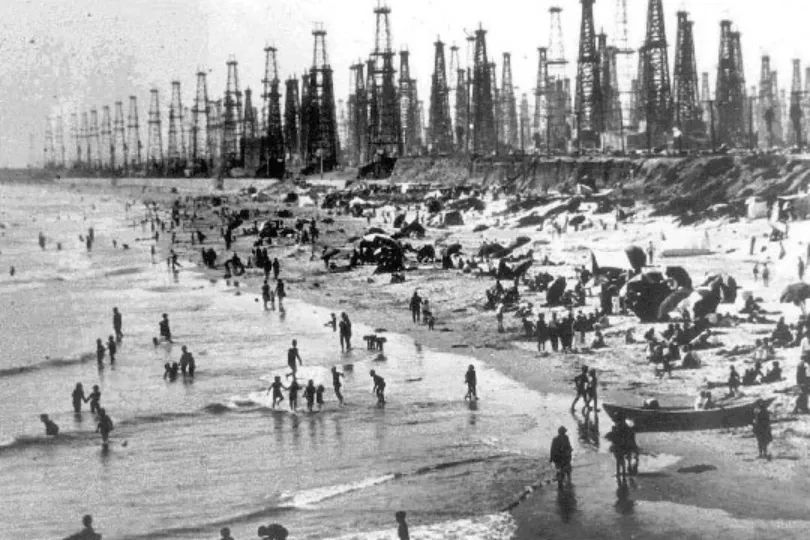
Huntington Beach athletic teams are still known as the “Oilers,” despite calls for change.

The Way We Were Photos

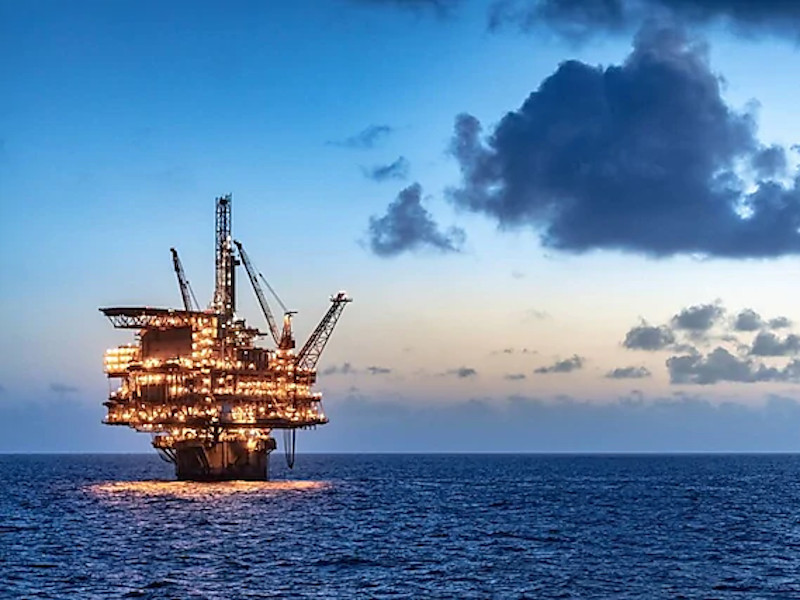
Exploration and development have improved dramatically over the past 100 years, and have become much more efficient. Only 57 platforms are producing about 1.7 million barrels/day in the deepwater Gulf of Mexico. Still work to do and continuous improvement must always be the objective.

Perdido Platform, Gulf of Mexico, 7835′ water depth, 320km south of Freeport, Texas

The subject Nature Energy paper is helpful in that it contributes to the important dialogue on the financial aspects of offshore decommissioning. There have been numerous posts on that topic on this blog. The use of Federal funds to cover well abandonment expenses for OCS wells, although rather limited to date, is a major disappointment for those of us who have worked hard to prevent such an outcome.

The data in the paper appear to be reasonably accurate. However, there is one glaring error regarding Pacific operations, and the reference to the Macondo blowout in the environmental discussion is rather provocative and misleading.

Per the authors:

California wells are drilled in relatively shallow water—mostly less than 100 feet—while GoM wells can be in up to 10,000 feet of water.

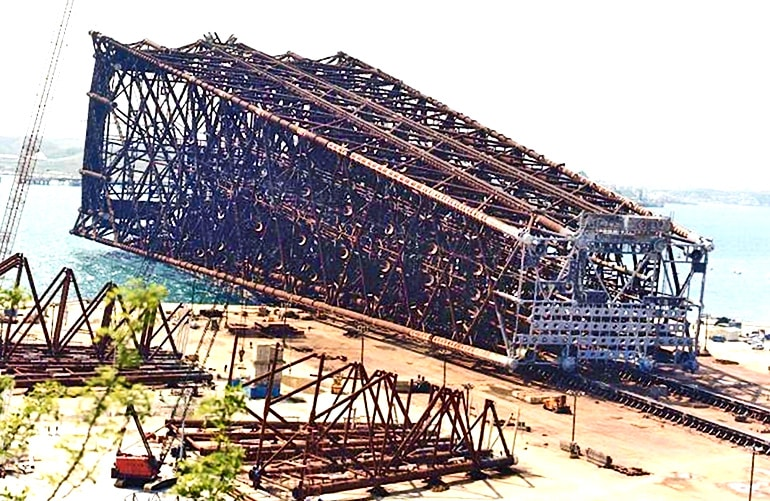
California’s fault block shelf drops off very quickly, and deepwater drilling activity has been common for decades. Of the 23 platforms in Federal waters, only Platform Gina is in <100′ of water (95′). The other platforms are in water depths of 154 to 1178′. Six of the platforms are in >600′ of water and 2 are in >1000′. Platform Harmony (jacket pictured below) is one of the world’s largest and heaviest steel tower platforms. Relative to the numbers of facilities, the decommissioning challenges offshore California are more daunting and complex than those in the Gulf. This includes the financial liability aspects.

Jacket for Platform Harmony

With regard to the environmental risks, the Nature Energy paper’s reference to the Macondo blowout, while muted, is what some media outlets embraced. Per the authors:

Releases from improperly abandoned wells will probably be chronic and small compared with Macondo, but the underlying biochemical and ecological processes that influence the ecological impacts have many similarities.

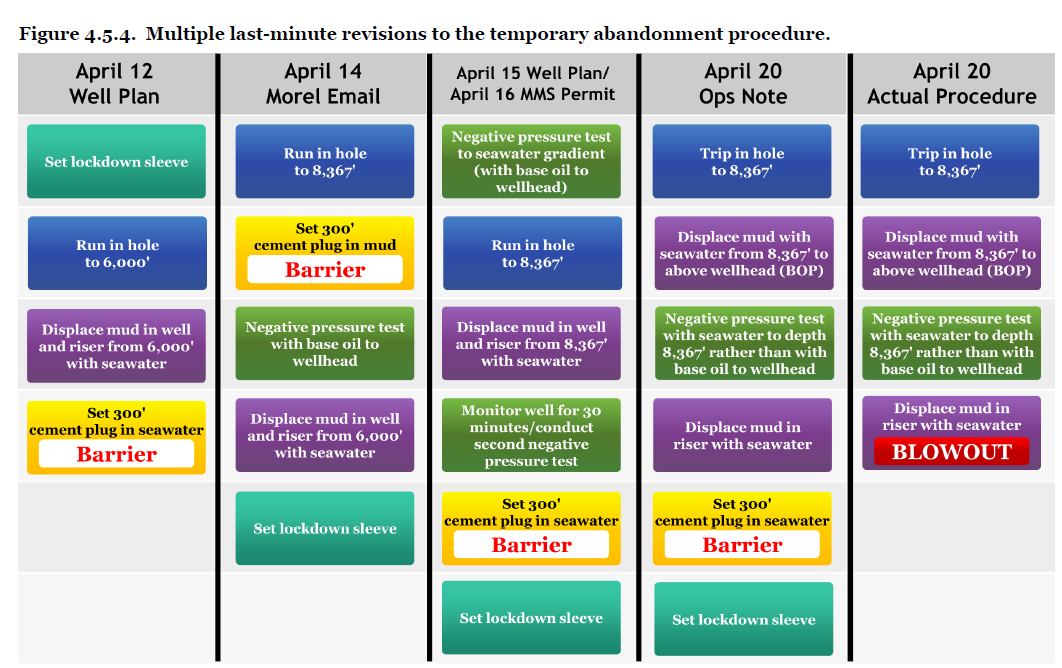
The Macondo well blew out while it was being suspended in preparation for subsequent completion operations. Ill advised changes to the well suspension plan were among the primary contributing factors to the blowout (see diagram below). The Macondo well was entirely different from the depleted end-of-life wells that are the subject of the paper.

Some media outlets ran with the Macondo angle, weak as it was. This ABC news piece featured numerous Macondo pictures. Other outlets noted that Macondo was a temporarily abandoned well, which it was not. The Macondo well never got to that point.

National Commission, Chief Counsel’s Report, p. 132

There are a number of recent articles related to the Guyana Supreme Court ruling on Exxon’s financial assurance obligations. An Oil Now piece (quoted below) is the most informative. It seems that the Supreme Court decision is based on a provision of Exxon’s EPA permit and that EPA is siding with Exxon in this dispute.

The Guyana government and the Environmental Protection Agency (EPA) are set to appeal a recent Guyana Supreme Court ruling that determined that the EPA and ExxonMobil affiliate, Esso Exploration and Production Guyana Limited (EEPGL), breached the terms of the Liza 1 environmental permit. The permit was revised and granted to EEPGL last year for operations in the Stabroek Block, offshore Guyana.

Justice Sandil Kissoon granted several declarations, including that the EPA failed to enforce compliance by EEPGL of its Financial Assurance obligations to provide an unlimited Parent Company Guarantee Agreement and/or Affiliate Company Guarantee Agreement to indemnify and keep indemnified the EPA and the Government of Guyana against all environmental obligations of the Permit Holder (EEPGL) and Co-Venturers (Hess and CNOOC) within the Stabroek Block.

While acknowledging the court’s ruling, the Government of Guyana, as a major stakeholder, maintained in a statement that the Environmental Permit imposes no obligation on the Permit Holder to provide an unlimited Parent Company Guarantee Agreement and/or Affiliate Company Guarantee Agreement. The government believes that Justice Kissoon erred in his findings and that the ruling could have significant economic and other impacts on the public interest and national development.

OIlNow

Unlimited liability is a rather daunting and open-ended obligation that would trouble permittees in any industry.

In the US, the liability for oil spill cleanup costs is unlimited for offshore facilities, but there is a liability cap for the resulting damages. That cap is currently $167.8 million after a recent inflation adjustment. BP, of course, paid far more than that for damages associated with the Macondo blowout. BP’s costs, which amounted to an astounding $61.6 billion, were both voluntary and compulsory as a result of agreements and settlements. Keep in mind that the damage liability limit was only $75 million at the time. One can imagine what would have happened if a company with less financial strength or more inclination to fight had been responsible for the spill.

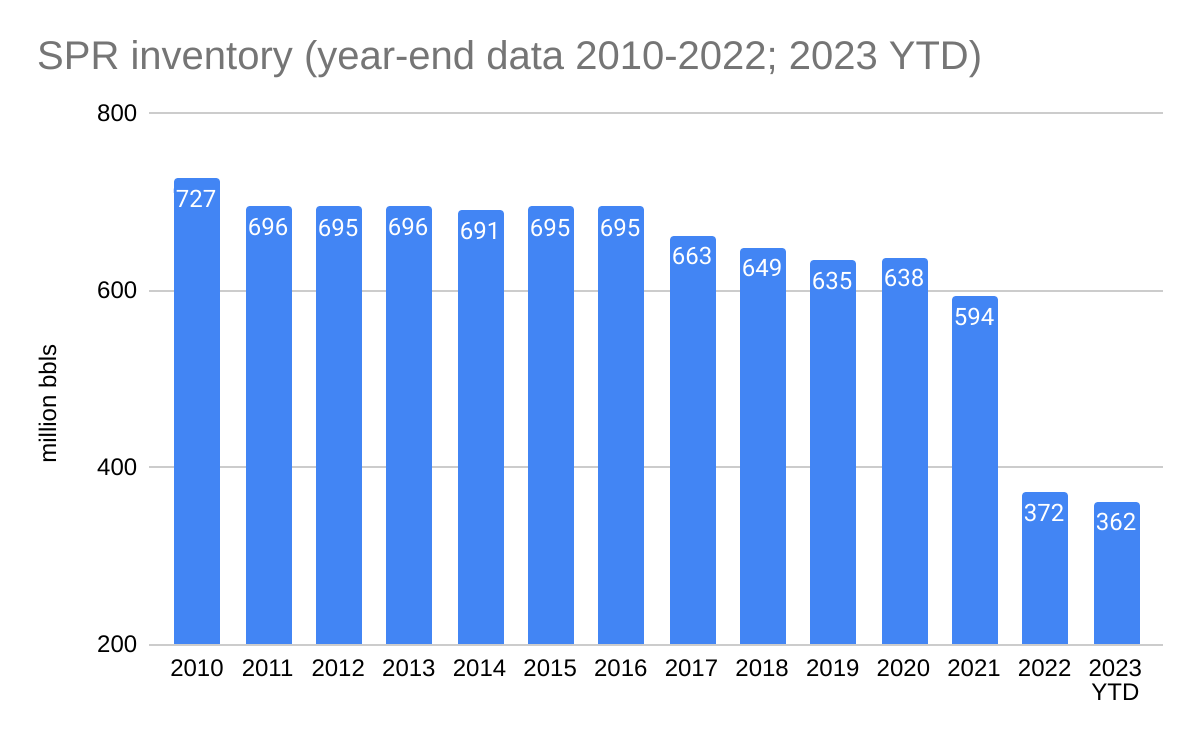
Per Bloomberg, DOE says they could begin refilling the reserve this fall “if the price is right.” What if it isn’t?

Keep in mind that the maximum refill rate is 685,000 bopd. A complete refill at the maximum rate would thus require 533 days, not counting acquisition, operational, and maintenance delays. Filling the reserve to its 727 million barrel capacity was a 28 year process.

Lastly, when will DOE conduct the strategic SPR review called for by the General Accountability Office (GAO) in 2018, well before DOE began rashly withdrawing oil to moderate prices? DOE concurred with GAO’s priority recommendation for periodic strategic reviews of the SPR that would be submitted to Congress. DOE told GAO that they “would complete a SPR Long-Term Strategic Review by the end of fiscal year 2021–5 years from the last review in 2016.” That review has still not been completed.

Update: Yesterday, members of Congress asked GAO to evaluate DOE’s management of the SPR and conduct an audit of the SPR modernization program.

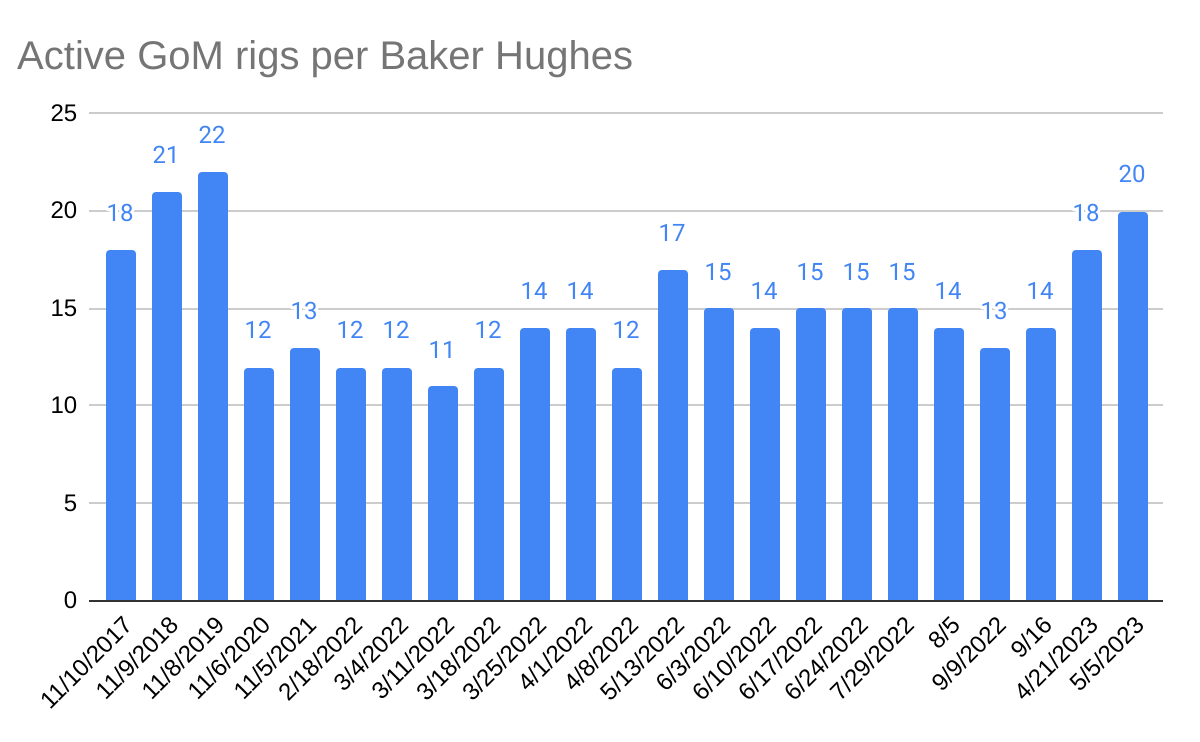
The Gulf rig count is up to 20, the highest since 2019, as the total US rig count falls by 7 to 748.

Dr. Malcolm Sharples, a leading marine engineer and offshore safety advocate, brought this Supreme Court’s decision and the resulting regulatory confusion to my attention.

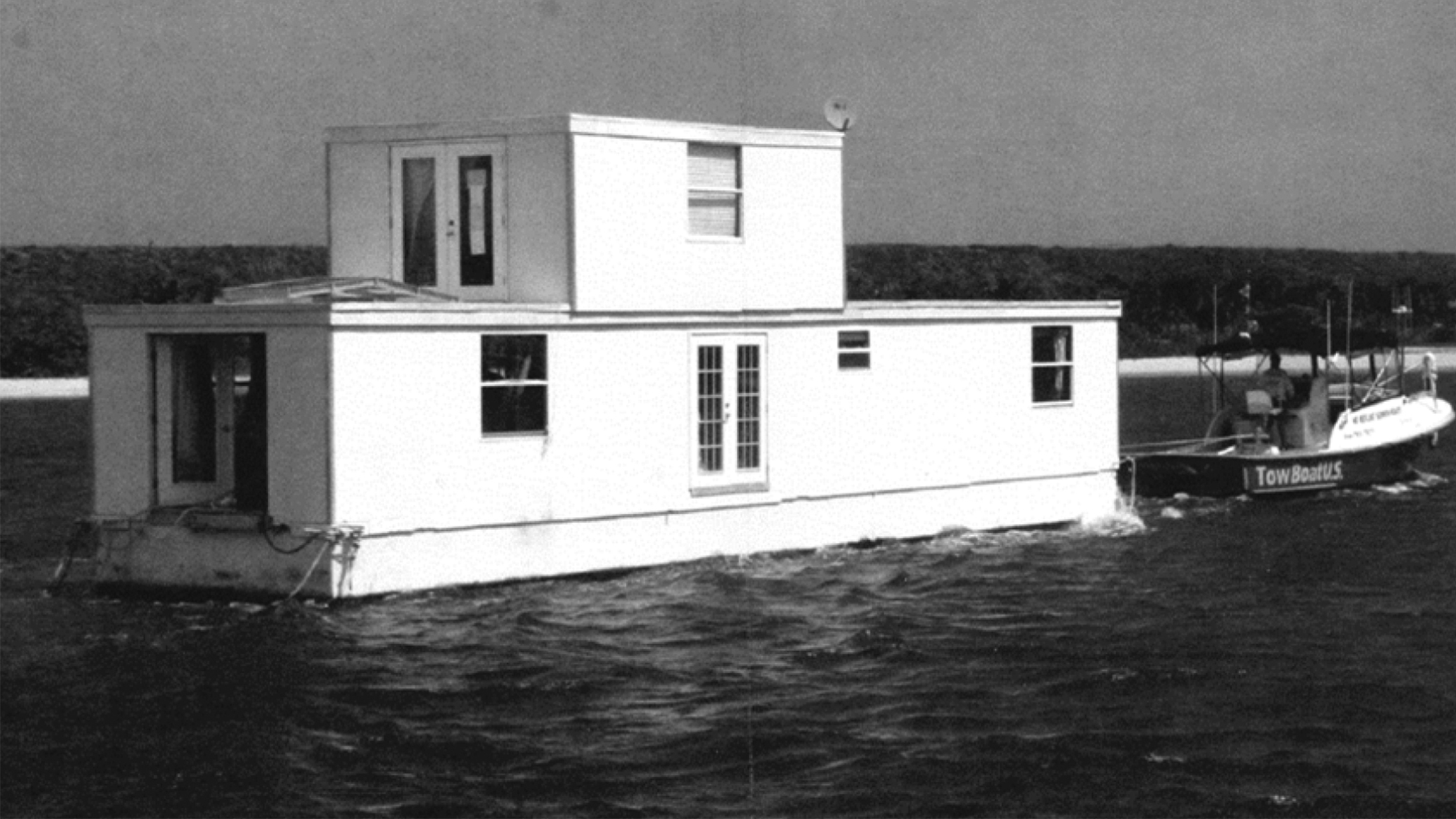
It turns out that the SOCTUS decision about this houseboat…..

has created regulatory uncertainty for floating production facilities like this:

In a 7-2 decision, the court ruled that a gray, two-story home that its owner said was permanently moored to a Riviera Beach, Florida, marina was not a vessel, depriving the city of power under U.S. maritime law to seize and destroy it.

Reuters

The floating production facilities are still subject to Coast Guard regulation and inspection pursuant to separate authority under the OCS Lands Act. The extent to which Coast Guard approval and inspection practices will change is not entirely clear. The Coast Guard will issue new certificates of inspection for these floating facilities, and new policy guidance is being developed.

Attached are answers that the Coast Guard provided to questions from the Offshore Operators Committee.

This may be a good warmup for an upcoming post on regulatory fragmentation.

That would appear to be the case now that the US Court of Appeals for DC dismissed litigation challenging the sale.

Meanwhile, challenges to Cook Inlet Sale 258 (humble as it was with only one bid) and GoM Sale 259 continue. It’s a great country (if you like endless litigation)!

In addition to Lease Sale 257, the IRA also required Interior to offer three other lease sales in Alaska and the Gulf that it previously declined to hold. Lease Sale 258, in Alaska’s Cook Inlet, was held in December but received only one bid. Earthjustice is challenging that sale. Earthjustice is also challenging Lease Sale 259, in the Gulf of Mexico, which was held in March. Lease Sale 261, also in the Gulf, will be held by September of this year. 

EarthJustice