Yesterday, the California Coastal Commission voted 8-3 to fine Sable Offshore $18,022,500 for performing pipeline repairs necessary to minimize operating risks and comply with the FIre Marshall’s requirements.
“We have not gotten a foothold with Sable, and we’ve not gotten a foothold with Santa Barbara County either. So, we are where we are, and because of this absolute failure of communication and Sable’s, to be frank, absolute failure to follow the law, this hearing has become necessary,” Harmon said.
We’ll see how this gets sorted out in the courts. Sable appears to have a strong case against the Commission, but litigation in California courts is not exactly ideal for oil companies.
BSEE incident investigations are another window into OCS safety performance.
Panel reports are published for the most significant OCS incidents (e.g. fatalities, serious injuries, significant pollution). Unfortunately, these reports have been unacceptably delayed in recent years. Status reports are not provided leaving the public in the dark as to what is being investigated and why.
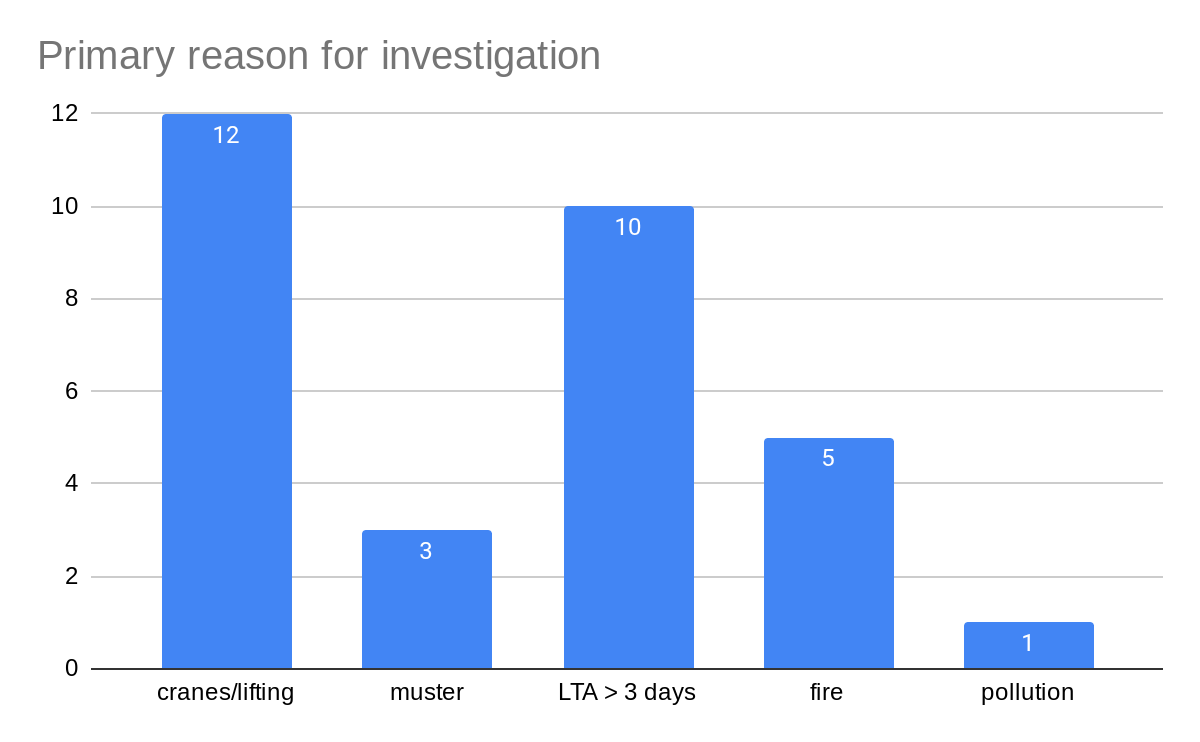
The more common investigations, conducted by BSEE’s district offices, are timely and informative. The Districts typically investigate lost time (>72 hours) injuries, crane and lifting equipment incidents, small fires, pollution events, property damage > $25k, gas releases, and other incidents requiring workers to muster for possible evacuation.
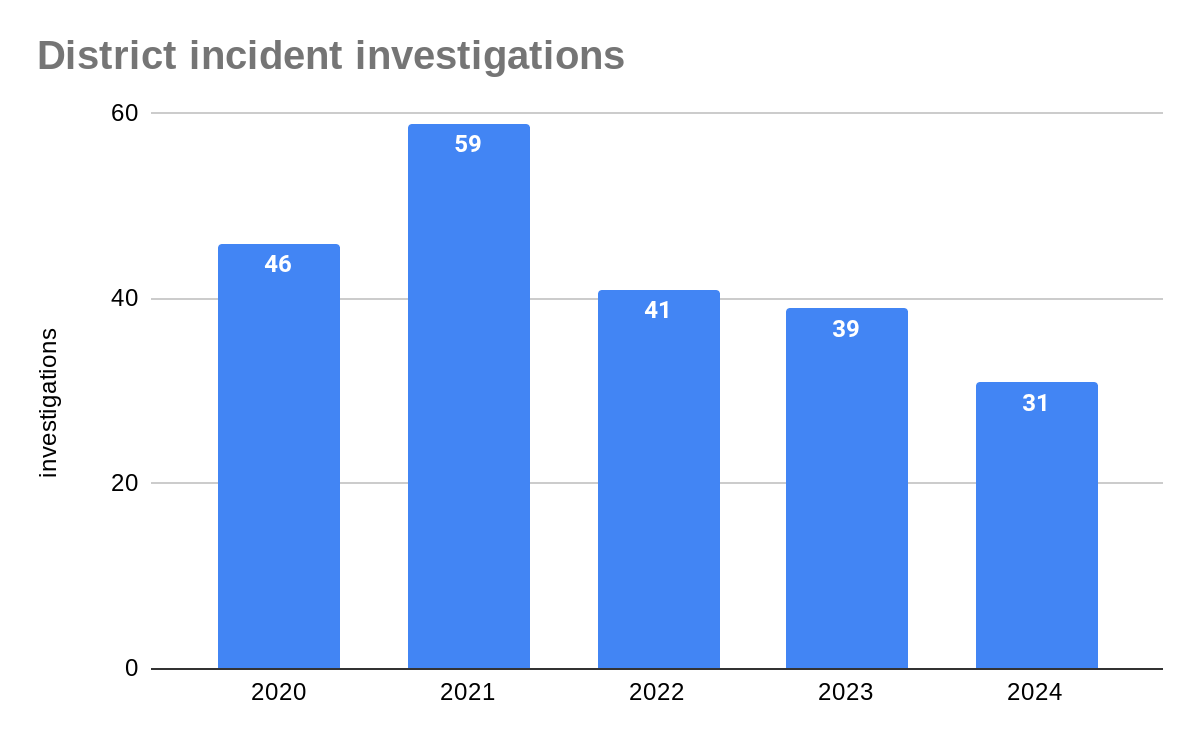
The number of District investigations in 2024 declined significantly to 31, one-third fewer than the average of 46.25 for the past 4 years.
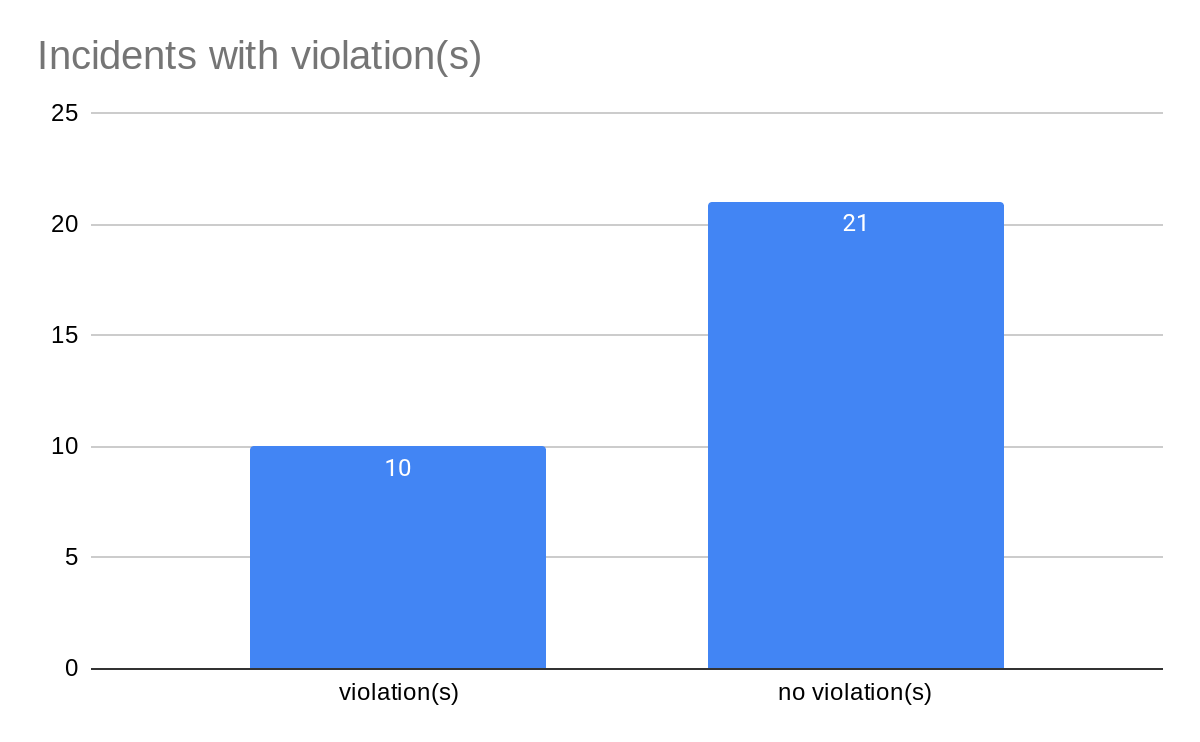
Violations were not identified for 2/3 of the incidents.
A complete list of the 2024 District investigations follows. Hyperlinks are provided for those who want to review the reports.
BOE contributor John Smith has shared (attached) his highlighted version of the 89 page California Coastal Commission staff report recommending imposition of a $15 million fine.
John finds it noteworthy that the report documents that Santa Barbara County did not concur with the CCC, and that the California State Lands Commission approved the span remediation work. John thinks this raises legitimate questions as to whether the CCC is overreaching in terms of asserting permitting authority for the repair and maintenance work.
John thinks it will be interesting to see how the Courts rule on this and expects an appeal regardless of the outcome. He points to the Court ruling against the CCC on Pismo Beach offroading case as being pertinent to the Sable-CCC dispute. (“Is the Friends of Oceano Dunes court victory a good omen for Sable?“)
In particular, note the text John has highlighted in green. These issues will likely be central to the Court deliberations.
The 2024 Gulf of America Safety Compliance Leaders are ranked below according to the number of incidents of non-compliance (INCs) per facility inspection. To be ranked, a company must:
operate at least 2 production platforms
have drilled at least 2 wells during the year
average <1 INC for every 3 facility inspections (0.33 INCs/facility inspection)
average <1 INC for every 10 inspections (0.1 INCs/inspection). Note that each facility inspection may include multiple types of inspections (e.g. production, pipeline, pollution, Coast Guard, site security, etc). In 2024, there were on average 3.4 inspections for every facility inspection.
District investigation reports are more timely and provide additional insights into safety performance. Impressively, Hess had no incidents warranting a District investigation, and was the only ranked operator with this distinction. I will comment more on the District reports in a future post
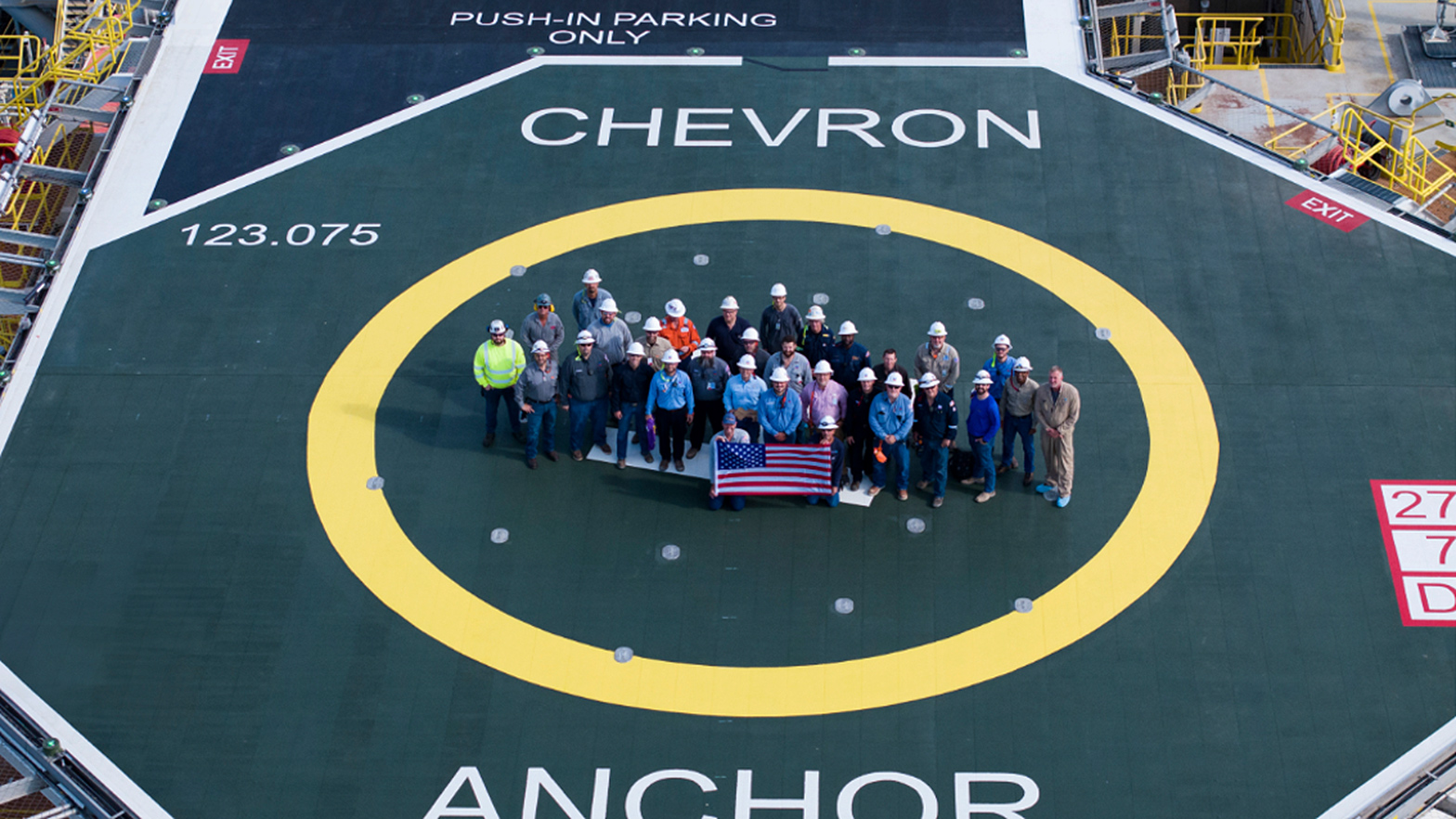
Chevron’s 2024 compliance record was among the best in the history of the US OCS oil and gas program. Was it the absolute best? Were it not for the FSI INC at a Unocal (Chevron) facility, one could unequivocally assert that it was. Further evaluation of that INC would be helpful. However, details on specific INCs are not publicly available, so the significance of that violation cannot be evaluated.
operator
W
CSI
FSI
total INCs
facility insp
INCs/ fac insp
insp
INCs/ insp
Chevron
1
0
1
2
117
0.02
311
0.006
BP
2
3
0
5
93
0.05
251
0.02
Anadarko
8
9
1
18
143
0.13
344
0.05
Hess
2
3
0
5
26
0.19
67
0.07
Walter
6
4
1
11
50
0.22
161
0.07
Shell
23
17
5
45
199
0.23
495
0.09
Cantium
24
8
0
32
123
0.26
537
0.06
Murphy
8
9
1
18
70
0.26
191
0.09
Arena
29
28
3
60
189
0.32
803
0.07
Gulf-wide
957
398
109
1464
3133
0.47
10664
0.14
Notes: Numbers are from published BSEE data; INC=incident of non-compliance; W=warning INC; CSI=component shut-in INC; FSI=facility shut-in INC; INCs/fac insp= INCs issued per facility inspection; each facility-inspection may include multiple types of inspections (e.g. production, pipeline, pollution, Coast Guard, site security, etc), in 2024, there were on average 3.4 inspections for every facility inspection
Not meeting the production facilities requirement to be ranked among the top performers, but nonetheless noteworthy, was the compliance record of BOE Exploration & Production (no relation to the BOE blog 😀). See their impressive inspection results below:
W
CSI
FSI
total INCs
facility insp
INCs/ fac insp
insp
INCs/ insp
BOE
1
1
0
2
21
0.1
48
0.04
Transparency on inspections and incidents is important for a program that is dependent on public confidence. For independent observers to better evaluate industry-wide and company-specific safety performance, publication of the following information should be considered:
quarterly updates of the incident tables, as was once common practice
posting of violation summaries for inspections resulting in the issuance of one or more INCs
“The State Fire Marshal stated on February 25 — during a packed-house meeting at La Cumbre Junior High School — that he would not issue Sable authorization to restart production at the Santa Ynez Unit until all outstanding permit issues between Sable and the eight state agencies with oversight authority are resolved.“
Although Sable has a good defense against the Coastal Commission’s accusations, that statement by the Fire Marshal is ominous.
More bad news for Sable: The Center for Biological Diversity suit challenging the Federal government’s extension of the 16 Santa Ynez Unit leases is not going well. The government requested a voluntary remand of BSEE’s 2023 approval because “BSEE plans to reconsider its decision in light of Plaintiffs’ claims and conduct additional analysis, as warranted, under OCSLA and NEPA.”
In the attached decision, shared by John Smith, the judge denied the Federal government’s request. This does not bode well for the Federal government’s case going forward.
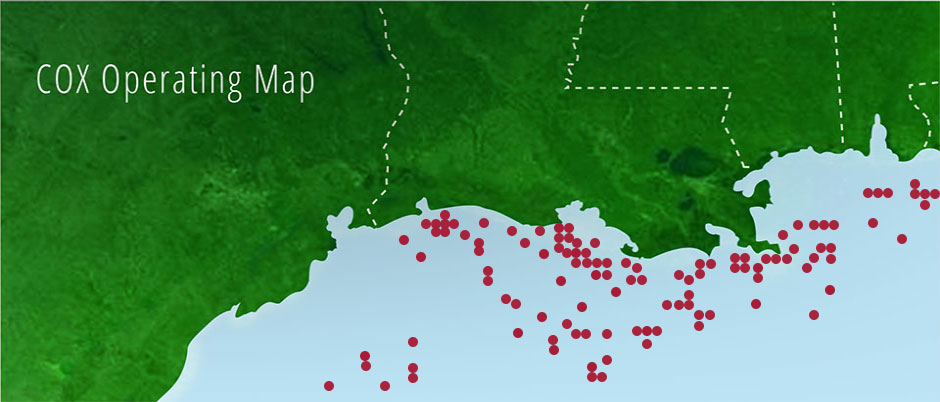
In June 2023, Cox and affiliates operated 435 platforms in the Gulf.That number is now only 46, all of which are on relinquished or terminated leases.
Cox Operating LLC and affiliates were once again the violations leaders in 2024 accounting for 50% (479/957) of the warnings, 12% (47/398) of the component shut-ins, and 7.3% (8/109) of the facility shut-ins.
All but 3 of the Cox enforcement actions were during the first half of the year. This is presumably because of the termination of Cox operations and the ongoing divestiture of their assets.
According to BOEM’s platform data base, Cox (43) and affiliates Energy XXI (3) and EPL (0) now operate only 46 platforms. This is a big decline from Sept. 2024 and June 2023 when the Cox companies operated 243 and 435 platforms respectively. All of the remaining Cox platforms are non-producing and are on relinquished or terminated leases.
The curtailment of Cox operations is no doubt an important factor in the sharp decline in Gulf of America violations in the second half of 2024. Per the data below, total GoA wide violations declined by 58% (1031 vs. 433) in the second half of 2024 as Cox violations essentially disappeared:
Gulf of America inspection data
warnings
component shut-ins
facility shut-ins
facility inspections
first half 2024
725
243
63
1586
2nd half 2024
232
155
46
1546
reduction
493 (68%)
88 (36%)
17 (27%)
40 (2.5%)
Cox companies inspection data
warnings
component shut-ins
facility shut-ins
facility inspections
first half 2024
478
46
7
404
2nd half 2024
1
1
1
174
Some Cox assets have been acquired by W&T and Natural Resources Worldwide. BOEM records indicate that 8 record title assignments and 3 operating rights assignments from Cox to W&T were approved in the first half of 2024. W&T currently operates 116 platforms, but it’s unclear how many are former Cox facilities.
The acquisition of Cox properties does not appear to have significantly affected W&T 2024 inspection results, which were respectable:
W&T insp. data
warnings
component shut-ins
facility shut-ins
facility inspections
first half 2024
12
31
0
83
2nd half 2024
17
14
2
105
Additional record title and operating rights assignments to Natural Resources Worldwide (NRW) were approved in 2025, but NRW does not appear to be operating any platforms.
Ironically, NRW was cited for 1 warning and 1 facility shut-in without a single inspection. Presumably, these violations were the result of administrative issues.
Online data are insufficient to account for the 435 platforms that were on the Cox ledger in June 2023 or determine the remaining decommissioning liabilities. Per the platform database, no Cox, Energy XXI, or EPL platforms were removed in 2023, 2024, or 2025.
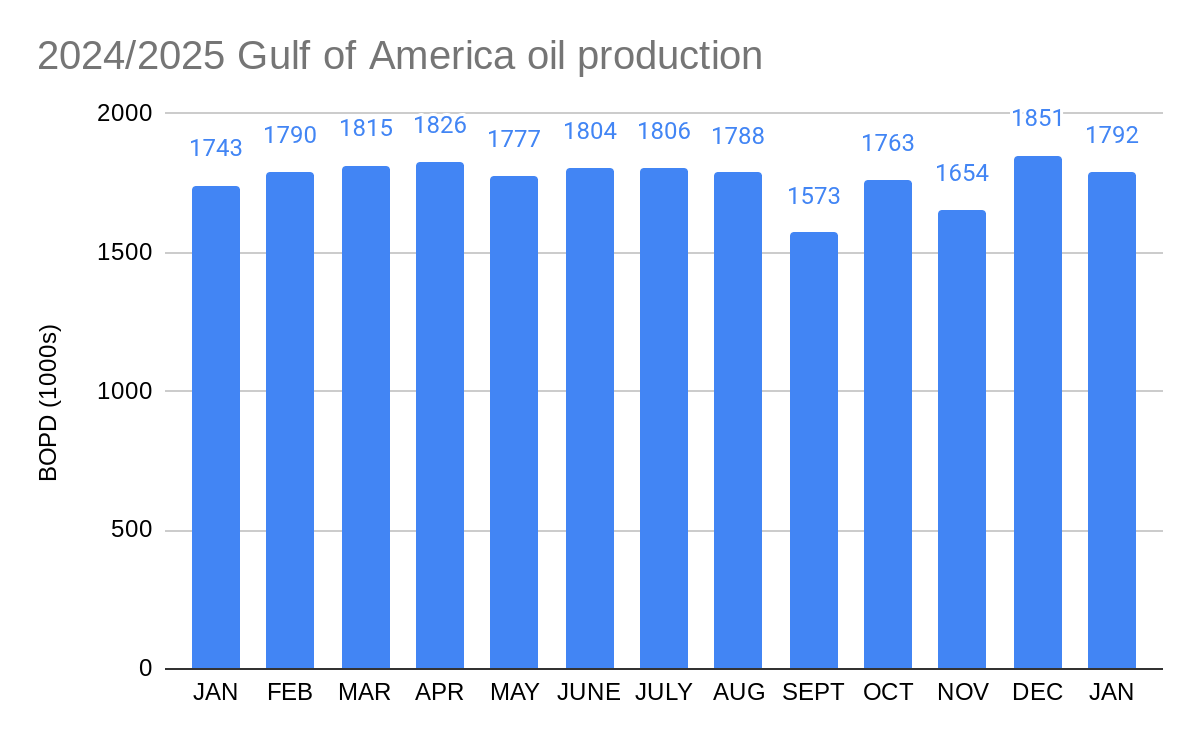
On a more positive note, most GoA operators had good safety and compliance records in 2024. One major producer had a historically significant record. More on that to follow.
Sustaining or preferably increasing production rates will be dependent on a reliable schedule of lease offerings and a consistent regulatory regime based on best safety management principles and continuous improvement in technology, practices, and culture. Poorly considered operating restrictions imposed by activist judges are a major risk to both safety and production.
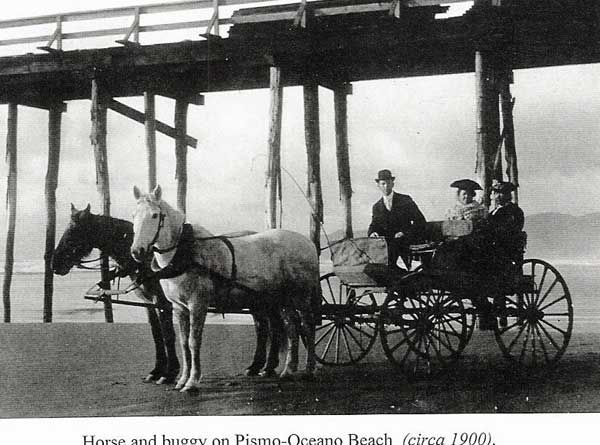
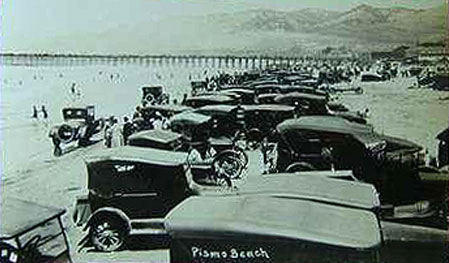
The organization Friends of Oceano Dunes is determined to preserve the long history of off-road vehicle use on Pismo-Oceano beach. See the video below and the historic photos from Bob2000.com.
The Coastal Commission, which dislikes off-road vehicles as much as they dislike offshore oil and gas operations (well maybe not quite that much! 😉) lost a court case with some similarities to the suit filed by Sable Offshore.
Noozhawk: In an opinion filed Monday, the Second Circuit Court of Appeals found that the commission’s attempt to ban off-road vehicles at the Dunes contradicts the language of the Local Coastal Plan put in place by San Luis Obispo County.
The Court ruled that the decision to open or close the Dunes to vehicles fell under the jurisdiction of the county, not the Coastal Commission.
Sable’s dispute with the Commission is similar in that Sable contends that their pipeline repair and maintenance activities are in compliance with Santa Barbara County’s Coastal Zoning Ordinance, Local Coastal Program (LCP), and the Coastal Act. Will Sable also be victorious in Court?
In February, EPA Region 2 asked the agency’s Environmental Appeals Board to remand Atlantic Shores’ air emissions permit back to the Region for reconsideration. That remand (attached) was granted on 14 March over the objections of Atlantic Shores Offshore Wind.
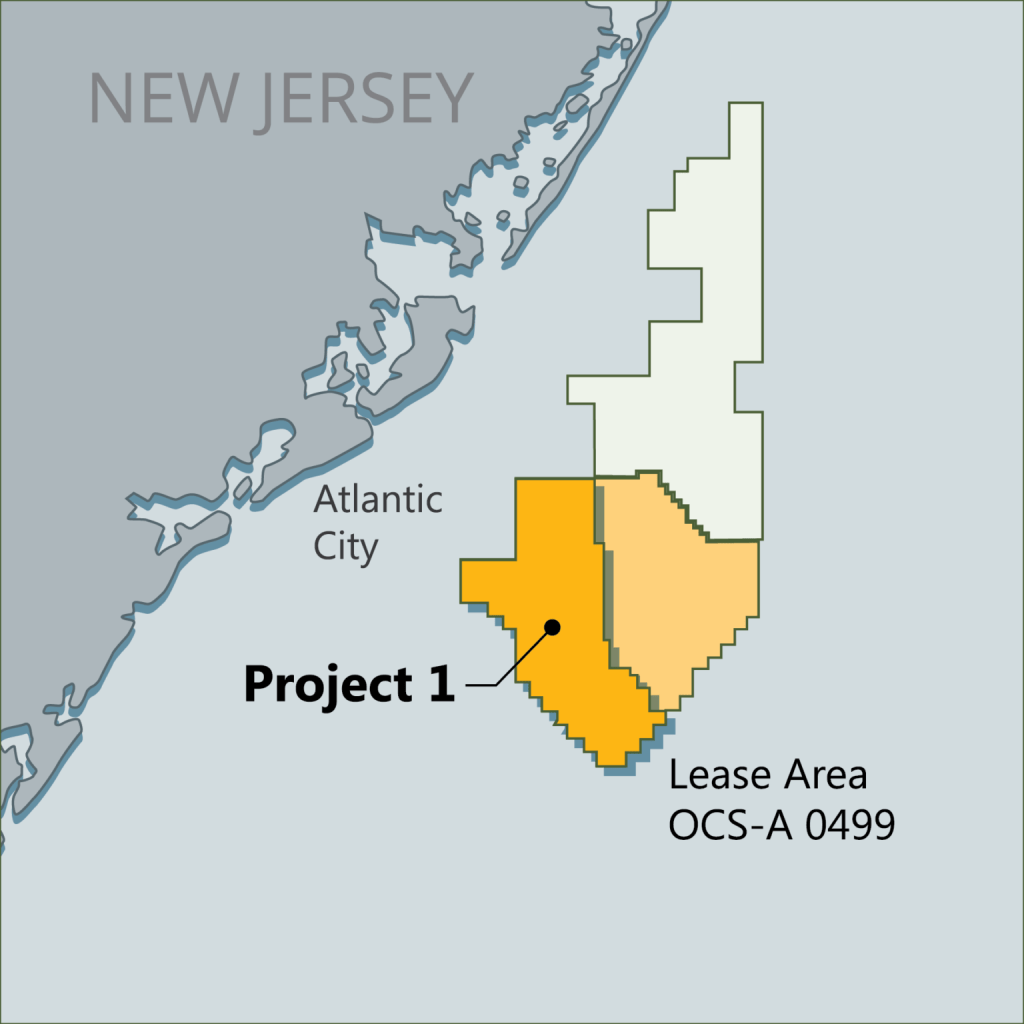
Atlantic Shores Offshore Wind still exists despite the exit of 50% partner Shell and a $940 million write down by the remaining owner EDF. The diagram depicts Atlantic Shores South (0499) and North (0549) lease areas.
EDF intends “to preserve the company and its future development.” Whether or not they can hold the leases indefinitely without pursuing development remains to be seen. BOEM’s diligence regulations for offshore wind projects are vague, and neither the Construction and Operations Plans nor BOEM’s Record of Decision (Atlantic Shores South) include work schedules.
Does EDF have the right to sit on the lease until the financial and regulatory environment is attractive? That is not allowed for oil and gas leases, and rightfully so. (See a related post on Total’s wind lease.)
The analysis does account for emissions related to and resulting from blade failures, which would warrant emergency repairs or replacement activities.
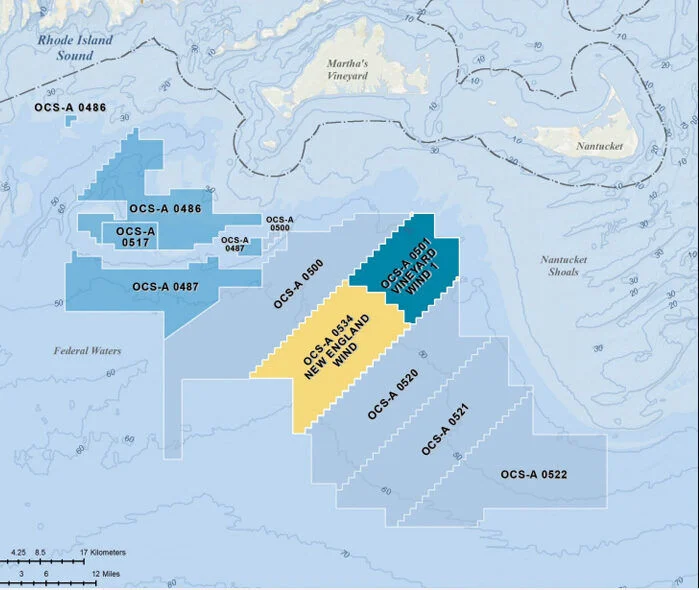
The decision to group Vineyard Wind 1, New England Wind 1 and New England Wind 2, as a single stationary source is both legally questionable and could have the effect of masking localized emission spikes.
Insufficient consideration of cumulative vessel emissions could lead to 1-hour NO₂ exceedances.
The emissions from pile driving are not adequately modeled in isolation or synergistically.
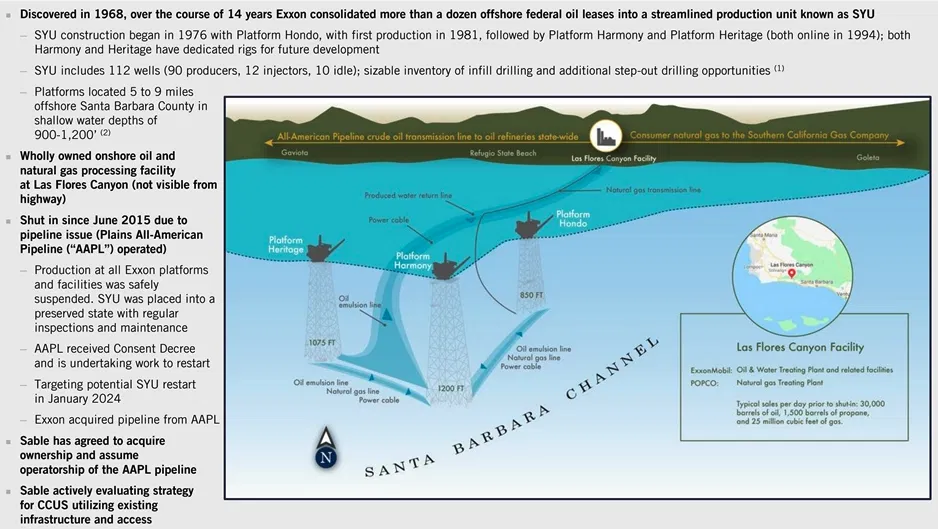
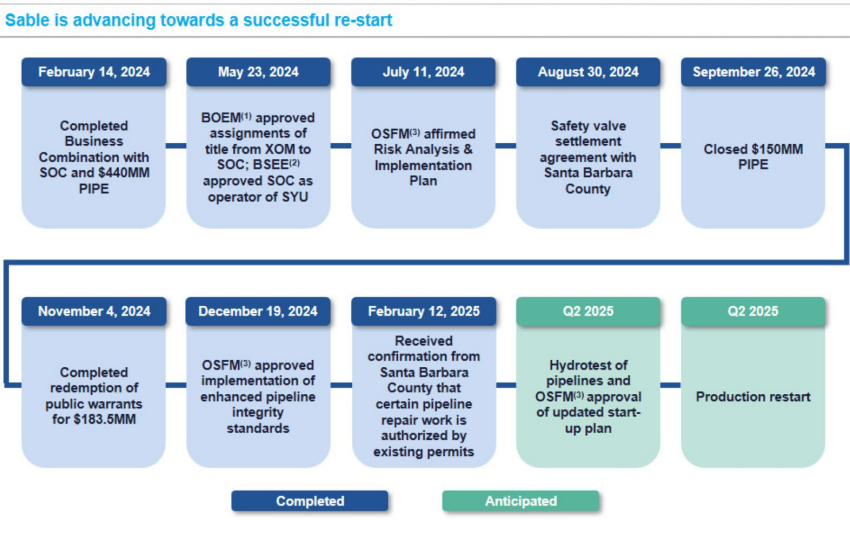
Attached is a recent Sable Offshore presentation for investors. Notably, Sable is now projecting to resume Santa Ynez Unit production in Q2 2025 (see slide below). John Smith thinks this is unrealistic, and I have to agree.
It’s tough for an offshore producer to succeed in California, but Sable is making a strong effort. Exxon must agree, because they have extended Sable’s first production deadline to 3/1/2026, which reflects a more plausible Q1 2026 restart. Additional extensions seem likely if necessary given that Exxon’s other options aren’t very attractive.


 Bud's Offshore Energy (BOE)