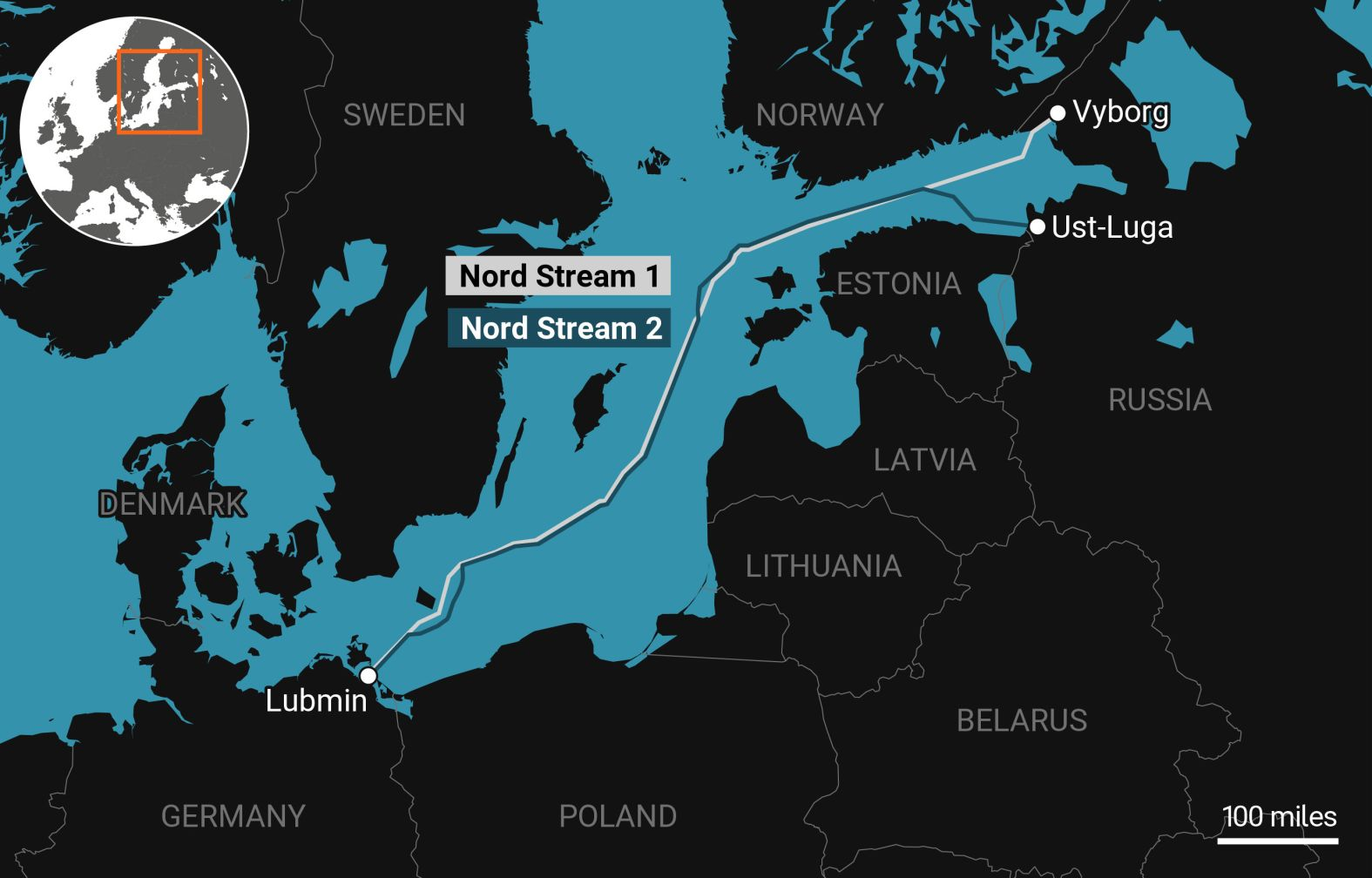
“A civilian diving instructor, she was the sole woman on the team—and perhaps the reason that one of the greatest acts of sabotage in modern history was carried out successfully, according to individuals involved in its planning and German police who investigated it.”
Meanwhile, the California Coastal Commission notified Sable Offshore that it intends to issue a cease and desist order aimed at shutting down crude oil extraction in the Santa Barbara Channel.
Sable responds:“Sable Offshore Corp. (“Sable”) through its subsidiary, Pacific Pipeline Company (“PPC”), continues to lawfully operate through its existing coastal development permits which were issued in 1986.”
Judge Stephen V. Wilson, US District Court for the Central District of California ruled that Sable’s pipeline doesn’t imminently harm Gaviota Park. Judge Wilson said the state “is grasping at straws,” for evidence of real environmental harm, and the federal consent decree governing the terms of the system’s restart is controlled by the California Office of the State Fire Marshall, not the parks department.
The judge didn’t rule on the larger question of whether the Defense Production Act order to restart the Las Flores pipeline system was lawful.
California Attorney General Bonta asks the Court to stay Energy Secretary Wright’s Order directing Sable, under the Defense Production Act to restart production and preliminarily enjoin Defendants, and all those acting in concert with Defendants (i.e. Sable), from enforcing or relying on it. See the attached Federal Court filing.
The AG’s irreparable harm and public interest arguments seem particularly weak, and this may not be the best time to attempt to halt a 20+% increase in California oil production.
(1) For the reasons set forth herein, the motion of real parties in interest Sable Offshore Corp. and Pacific Pipeline Company to dissolve or modify the preliminary injunction issued in this case is denied.
(2) The application of petitioners for issuance of an order to show cause why real parties should not be found in contempt and to enter additional orders is continued to May 22, 2026.
The Judge concluded:
The court is mindful that there are many moving judicial and administrative parts relating to the restart of the Las Flores Pipelines. (understatement of the year candidate? 😉)
Sable has not persuaded the court that the DPA (Defense Production Act) Order renders compliance with Federal Consent Decree unnecessary.
The Federal Consent Decree requires approvals from the OSFM (Office of the State Fire Marshal), which in turn must comply with state procedures in granting such approvals.
Sable has not met its burden to show that the preliminary injunction should be dissolved or modified. Sable’s motion will therefore be denied.
On May 22, Judge Geck will consider whether Sable should be held in contempt for not complying with the preliminary injunction.
If you haven’t been keeping up 😉:
Subsequent to Judge Geck’s preliminary injunction, the Pipeline and Hazardous Materials Safety Administration (PHMSA – a simpler agency name is long overdue!) asserted that the Las Flores Pipelines constitute an interstate pipeline subject to PHMSA’s exclusive jurisdiction.
PHMSA issued their own approvals and an emergency special permit.
The PHMSA approvals are the subject of proceedings in the Ninth Circuit Court of Appeals, which has not issued a final ruling.
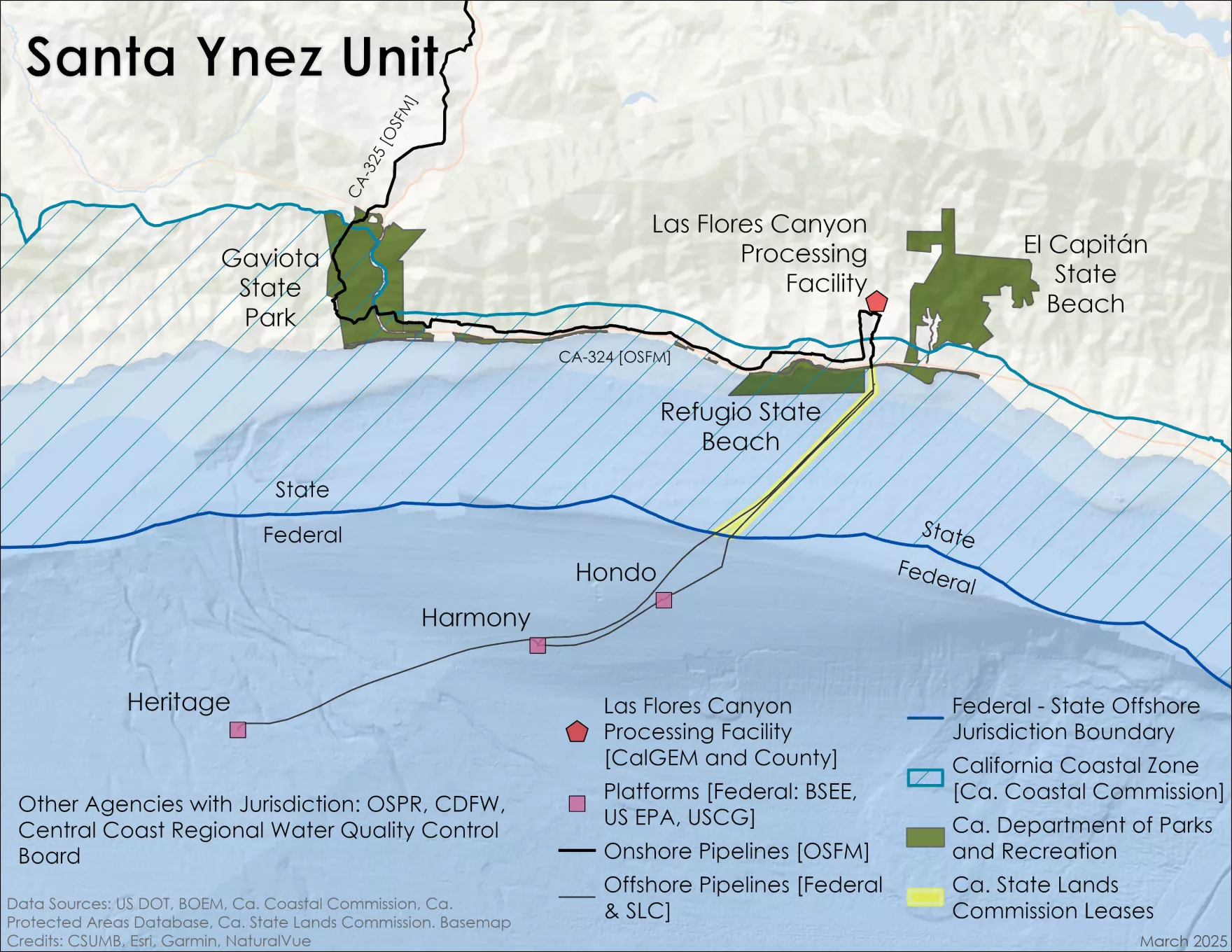
The 40 wells currently online at Platform Harmony and Platform Heritage are producing an average of 750 gross barrels of oil per day per well. Once all 74 production wells on these two platforms are online, Sable expects the average production per well to be approximately 700 gross barrels of oil per day.
Sable expects Platform Hondo to come online in June 2026 with an estimated fully ramped production rate of approximately 10,000 gross barrels of oil per day.
Hence, Sable production is estimated to reach ~60,000 bopd in June, which is about 6 times total California OCS production prior to the Sable restart!
“First, PHMSA is without authority to grant such a special permit because Lines CA-324/325 are intrastate pipelines and California regulators have sole regulatory oversight over any attempt to restart these Lines and issue state waivers. Second, California has vested interests in ensuring Lines CA-324/325 operate safely and PHMSA’s proposed special permit would dilute the higher state safety standards that were imposed on Sable and therefore it is inconsistent with pipeline safety. 49 C.F.R. § 190.341(d). Third, given the fact Line CA-324 already failed and caused a catastrophic oil spill in 2015 in Santa Barbara County, even if PHMSA had authority to issue a special permit (which it does not), a more robust environmental analysis needs to be performed. Fourth, PHMSA unlawfully invokes the Endangered Species Acts’s emergency consultation procedures and has given no indication that it will consult with the National Marine Fisheries Service, in violation of the Act. Finally, Secretary Wright’s March 13, 2026, order (“DPA Order”) does not change anything about the propriety of the Application, because the DPA Order itself is unlawful.”
Summary of Sable’s position (screenshot):
You can sample the other public comments, some of which are quite good, by visiting the Regulations.gov docket.
Sable Offshore Corp. (3/30/2026) today announced that on March 29, 2026, Sable initiated oil sales. The Santa Ynez Pipeline System was filled from Las Flores Canyon to Pentland Station at a rate in excess of 50,000 barrels of oil per day.
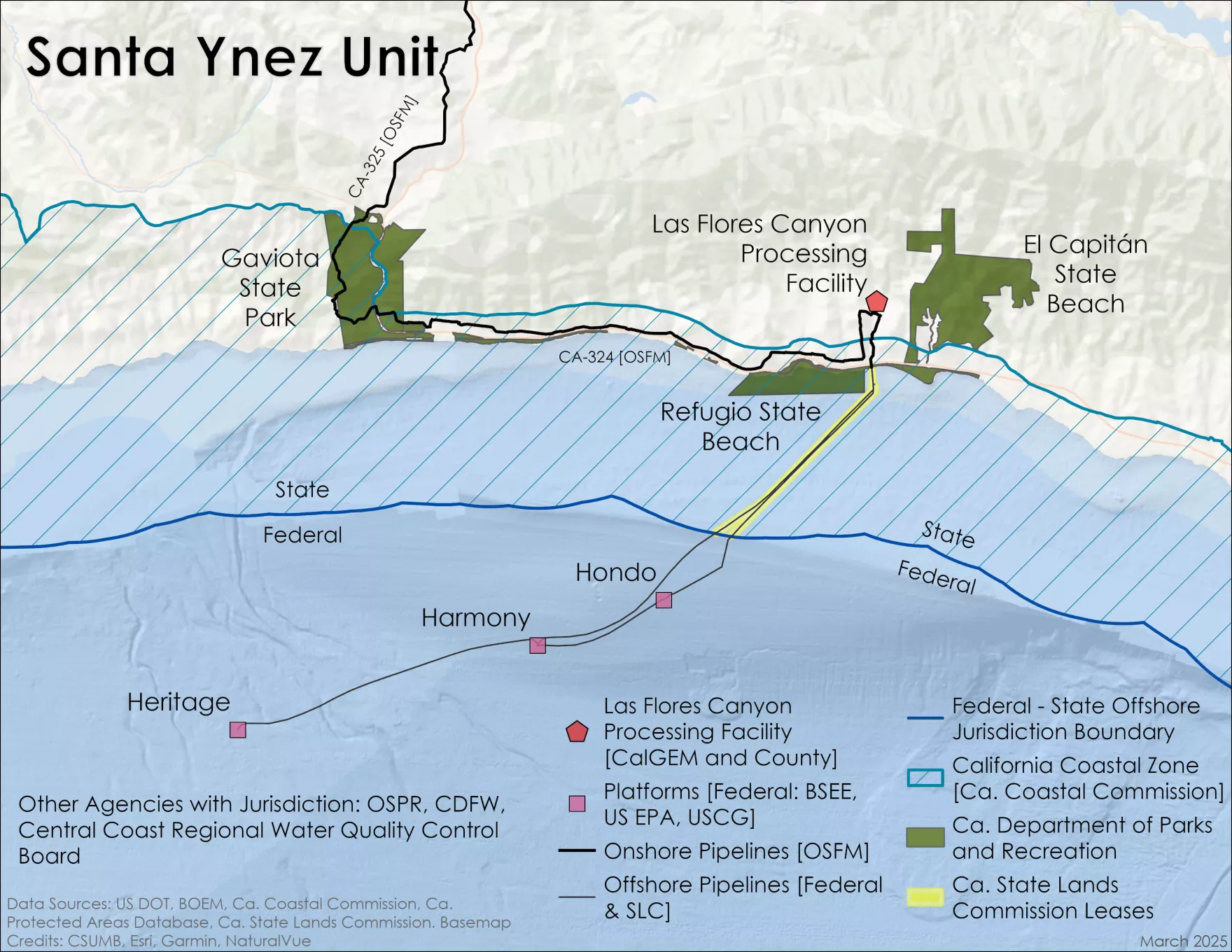
At the Santa Ynez Unit, Platform Harmony is currently producing approximately 22,000 gross barrels of oil per day. Additionally, the United States Department of the Interior’s Bureau of Safety and Environmental Enforcement has completed its final pre-restart inspection of Platform Heritage. Sable plans to commence production restart at Platform Heritage today at an expected total rate of over 30,000 gross barrels of oil per day. We expect Platform Hondo to be online by the end of the second quarter of 2026 at a rate in excess of 10,000 barrels of oil per day.
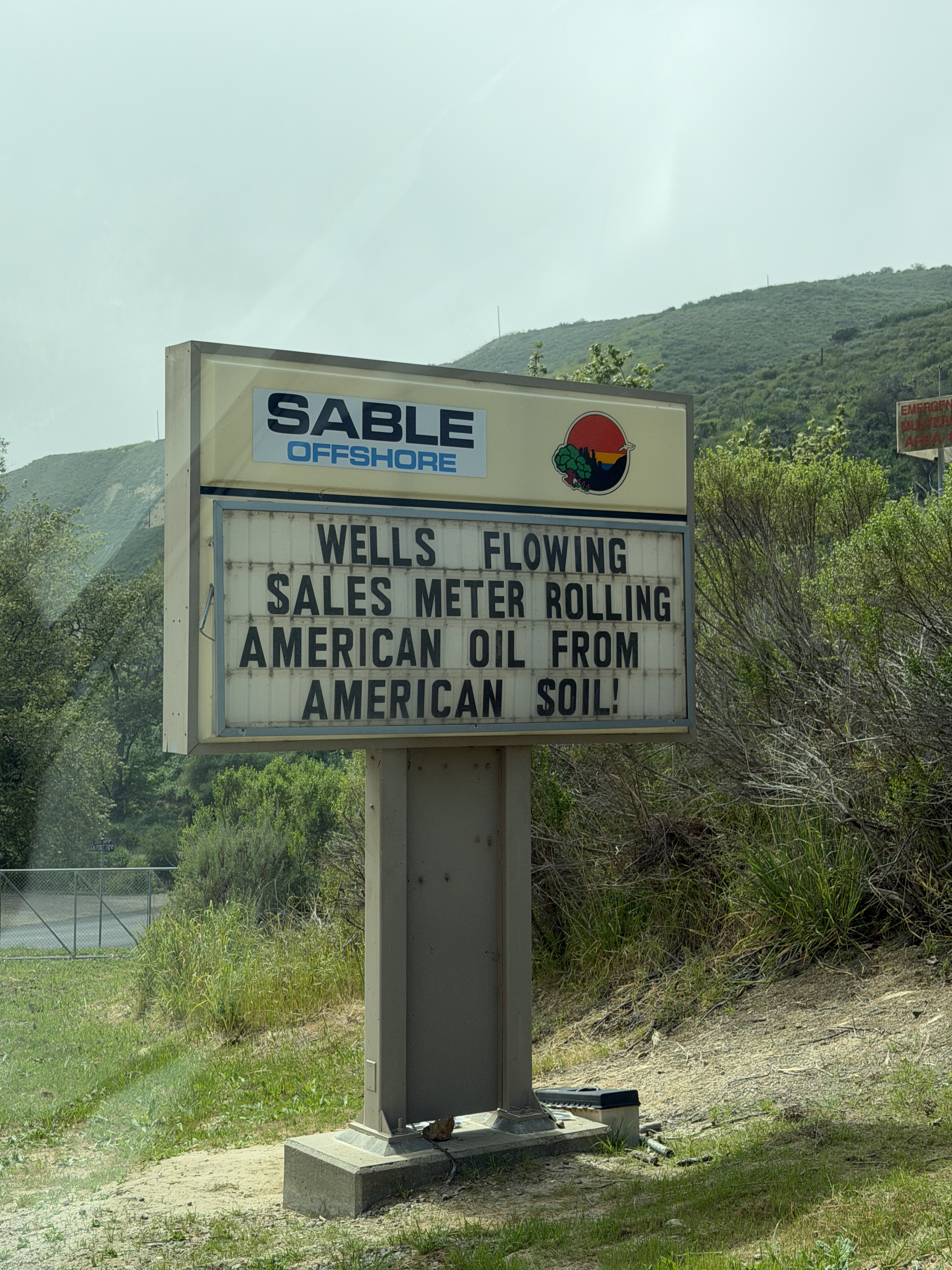
Sable Chairman and Chief Executive Officer, Jim Flores, said “Sable is proud to announce oil sales through the Santa Ynez Pipeline System to Chevron. In doing so, we are providing American oil from American soil through an American pipeline to an American refinery for American consumers and the United States military.
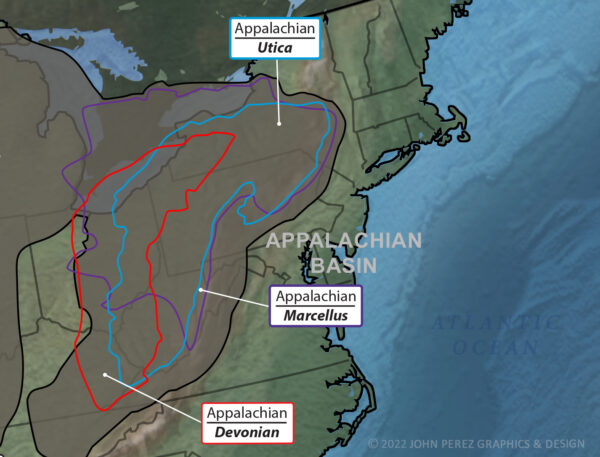
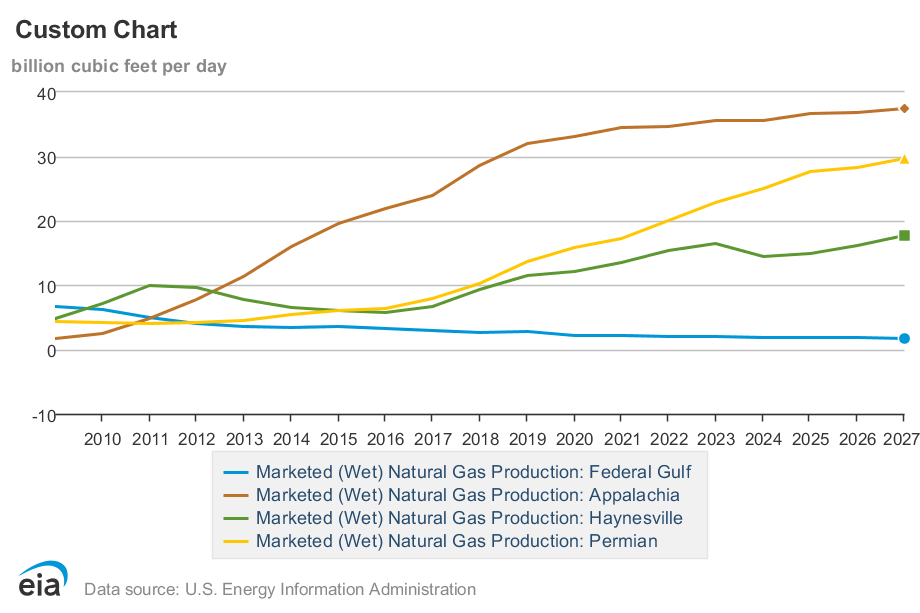
In 2025, more natural gas was produced in the Appalachia region of the Northeast than in any other US region, accounting for 31% of marketed natural gas production. (See the chart below.) Were it not for pipeline capacity limitations, recent growth in Appalachia production would have been greater.
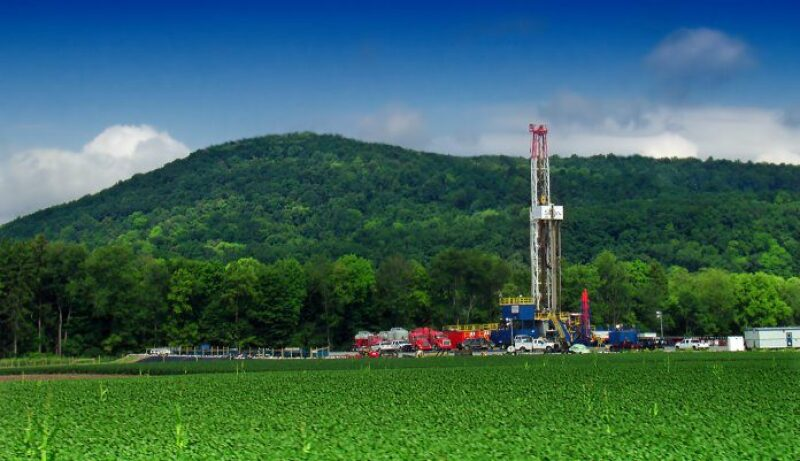
Appalachia production is primarily from the Marcellus and Utica shales in PA, WV, and Ohio.
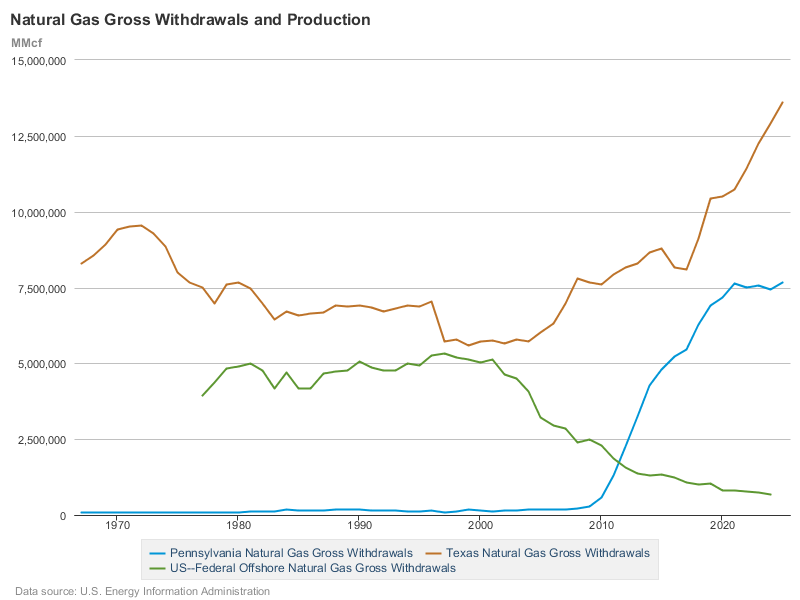
OCS gas production, 80% of which is now associated gas from deepwater oil wells, continues to lag the shale basins. This is a big change from 25 years ago when the OCS produced more gas than any state but Texas. (See the chart below.) Interest in ultradeep (subsurface) OCS shelf gas prospects remains scant despite favorable demand forecasts and technological advances.
Add the unprecedented events of the last two weeks to the long and troubled history of the Santa Ynez Unit dating back to the Offshore Storage & Treatment facility days.There are no parallels in the history of the US OCS program.
To date in March:
3/3/2026: The Dept. of Justice issues an opinion asserting that, under the Defense Production Act of 1950 (DPA), an order issued by the President or his delegee would preempt California laws currently impeding Sable from resuming production and operating the associated pipeline infrastructure.
3/13/2026: Secretary of Energy Chris Wright issues an order to Sable invoking the DPA to immediately prioritize and allocate pipeline transportation services for hydrocarbons from the SYU through the Santa Ynez Pipeline System (SYPS).
3/14/2026: Sable resumes the transportation of Santa Ynez Unit oil through the SYPS from Las Flores Canyon (LFC) to Pentland Station. Prior to resuming hydrocarbon transportation from LFC to Sable’s sales point at Pentland Station, Sable had approximately 540,000 barrels of processed crude oil in storage at LFC, representing more than the line fill volume for the SYPS between LFC and Pentland Station.
3/16/2026: Sable resumes oil production at anticipated rate of 50,000 bopd and expects first sales by April 1, 2026. Production ramp-up is anticipated to proceed with full production resumption at Platforms Harmony and Heritage this month and Platform Hondo in June 2026






Comments from the California AG and Sable Offshore on the special permit application to PHMSA
Posted in California, energy policy, Offshore Energy - General, pipelines, Regulation, tagged California AG, comment letters, PHMSA, pipeline, Rob Bonta, Sable Offshore, Santa Ynez Unit, special permit on April 8, 2026| 2 Comments »
I’m attaching the complete comment letters from Sable Offshore and their main antagonist, California Attorney General Bonta, in response to PHMSA’s public notice and request for comments on Sable’s special permit application.
Summary of the California AG’s assertions:
“First, PHMSA is without authority to grant such a special permit because Lines CA-324/325 are intrastate pipelines and California regulators have sole regulatory oversight over any attempt to restart these Lines and issue state waivers. Second, California has vested interests in ensuring Lines CA-324/325 operate safely and PHMSA’s proposed special permit would dilute the higher state safety standards that were imposed on Sable and therefore it is inconsistent with pipeline safety. 49 C.F.R. § 190.341(d). Third, given the fact Line CA-324 already failed and caused a catastrophic oil spill in 2015 in Santa Barbara County, even if PHMSA had authority to issue a special permit (which it does not), a more robust environmental analysis needs to be performed. Fourth, PHMSA unlawfully invokes the Endangered Species Acts’s emergency consultation procedures and has given no indication that it will consult with the National Marine Fisheries Service, in violation of the Act. Finally, Secretary Wright’s March 13, 2026, order (“DPA
Order”) does not change anything about the propriety of the Application, because the DPA Order itself is unlawful.”
Summary of Sable’s position (screenshot):
You can sample the other public comments, some of which are quite good, by visiting the Regulations.gov docket.
Read Full Post »