Feeds:
Posts
Comments

Archive for the ‘oil spill response’ Category

Test results came back from the Office of Spill Prevention and Response – part of the Department of Fish and Wildlife – indicating the natural oil source, said Richard Uranga, US Coast Guard public affairs specialist.

“From the first initial stages, they were tracking that from the samples,” he said. “The oil rig samples were not the same as the oil that was gathered from the oil sheen.”

LA Daily News

So why did the LA Times report shortly after the sheen was detected that it was not from natural causes, and attribute that finding to the Coast Guard? It was too soon for the lab results to be back. Was a platform spill the desired narrative?

Keep in mind that up to several hundred barrels of oil per day seep naturally into Southern California waters.

Read Full Post »

Coast Guard photo

According to the LA Times, the Coast Guard said the sheen was not from natural causes, but the Coast Guard press releases don’t say that. One of the nearby platforms could have been the source as could a pipeline or vessel. We’ll see what, if anything, the investigators find.

Read Full Post »

from EIA data

Reports in Nov. indicated that ~60,000 bopd were shut-in as a result of the presumed Main Pass Oil Gathering system pipeline leak. The Coast Guard subsequently reported that other pipelines in the area were shut-in as the search for a leak continued. The bulk of the Nov./Dec. production decline of ~80,000 bopd (from Oct. levels) was probably attributable to those pipeline system shut-ins.

Read Full Post »

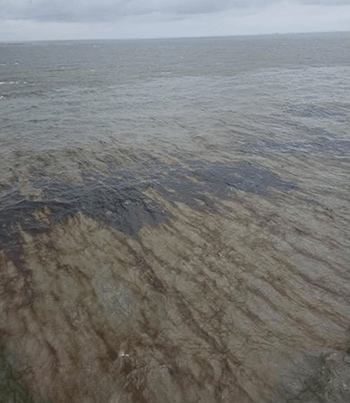
After 3 months of investigation, only a small connector leak has been identified in or near the Main Pass Oil Gathering system. According to the Coast Guard, that leak was not the source of the large November spill (pictured). The absence of findings raises many questions:

  • Is the Main Pass Oil Gathering system still being implicated? Surrounding pipelines?
  • Was a vessel or some other source responsible?
  • Were sheen samples fingerprinted and are those results definitive?
  • Given that the source has not been identified, what was the basis for the large (and rather sensational) spill volume estimate? The sheen was not indicative of a spill of that magnitude.
  • How much production has been shut-in since the slick was first identified? November production data indicate a GoM-wide oil production decline of ~80,000 bopd decline from September.

Given the public claims that were made about the size and potential implications of this spill, the authorities need to be more forthcoming regarding their findings to date.

Read Full Post »

Still waiting for:

Read Full Post »

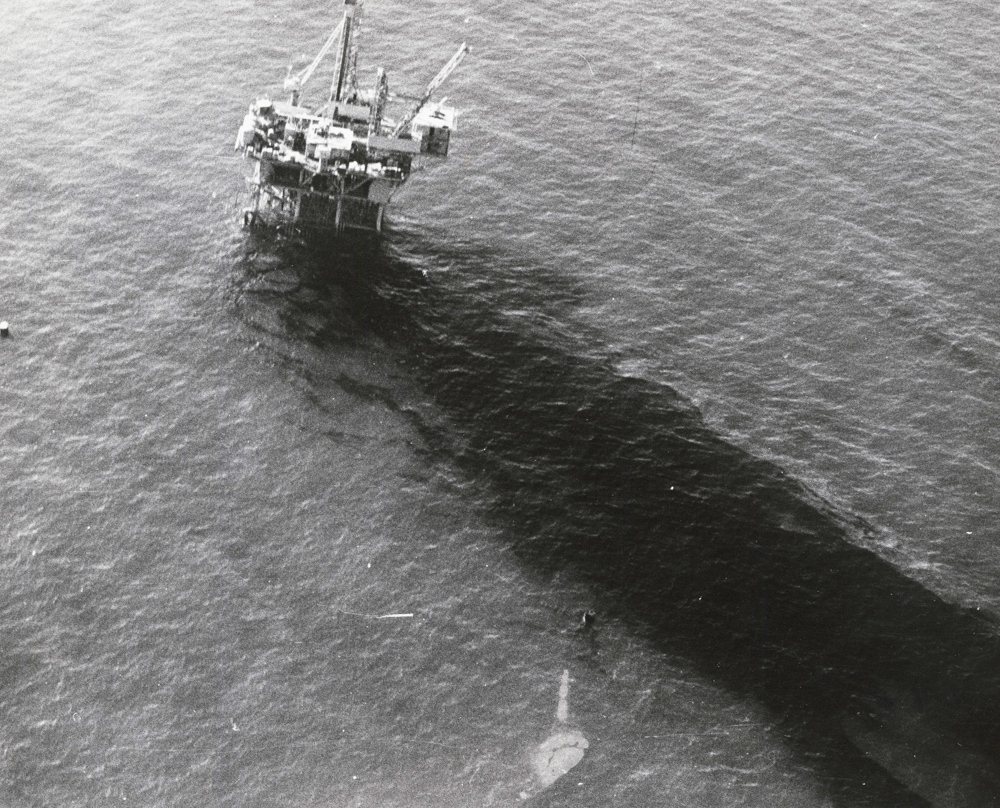
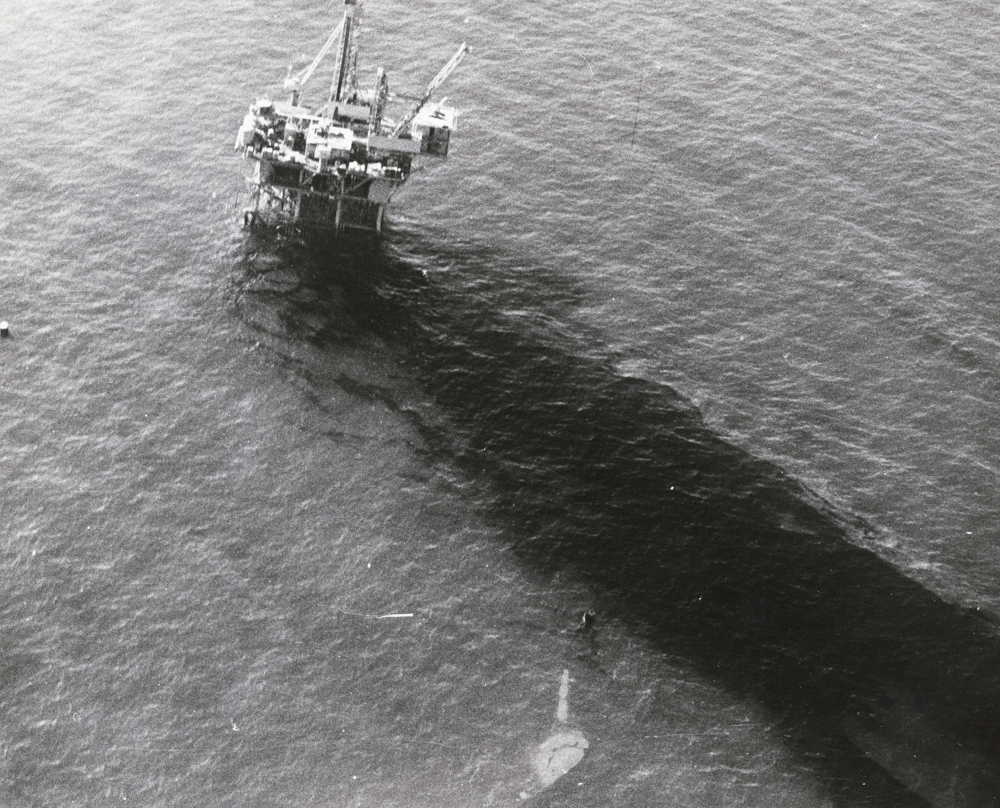
On January 28, 1969, well A-21, the 5th well to be drilled from Union Oil Company’s “A” platform began flowing uncontrollably through fractures into the Santa Barbara Channel.

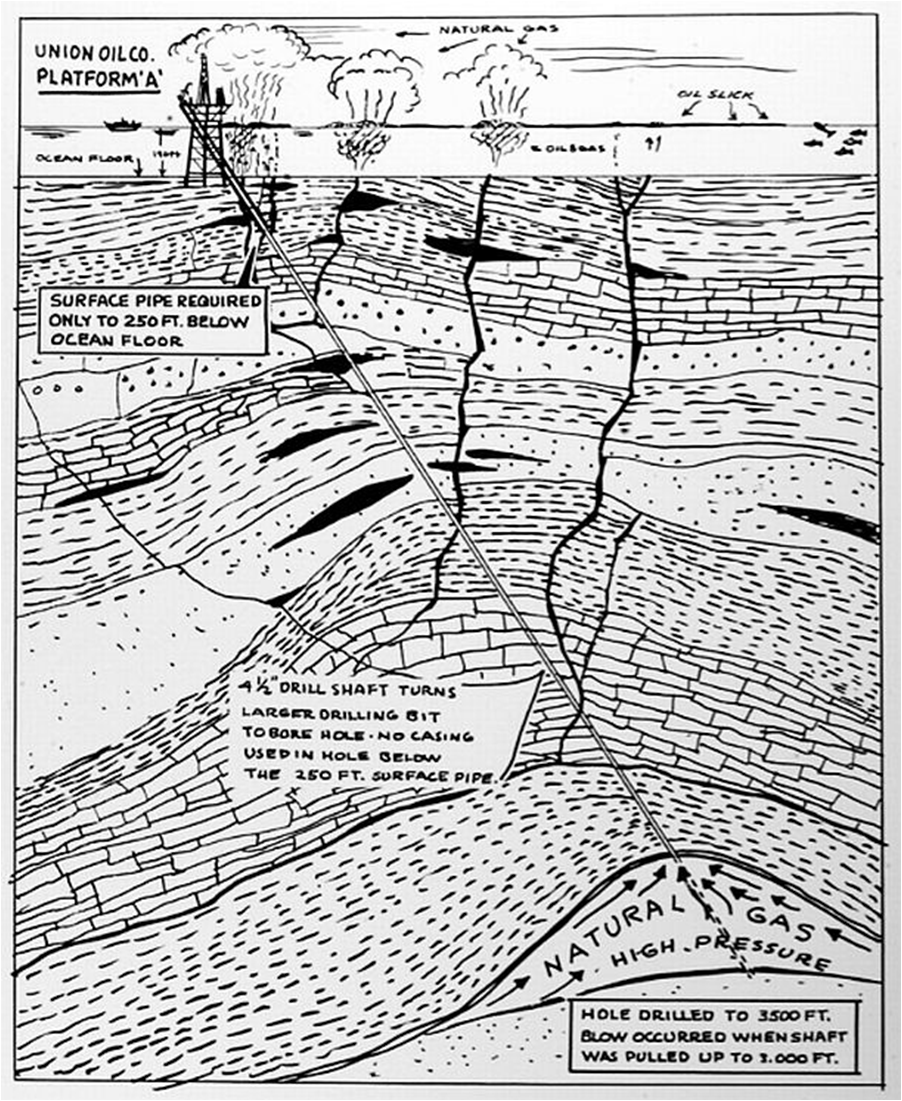
The absence of any well casing to protect the permeable, fractured cap rock meant that the operator couldn’t safely shut-in a sudden influx of hydrocarbons into the well bore (i.e. a “kick”). Shutting-in the well at the surface would create well bore fractures through which oil and gas could migrate to shallow strata and the sea floor. The probability of an oil blowout was thus essentially the same as the probability of a kick (>10-2). Compare this with the historical US offshore oil blowout probability (<10-4) and the probability of <10-5 for wells with optimal barrier management.

Here, in brief, is the well A-21 story:

  • Well drilled to total depth of 3203′ below the ocean floor (BOF).
  • 13 3/8″ casing had been set at 238′ BOF. The well was unprotected from the base of this casing string to total depth.
  • Evidence of natural seeps near the site suggested the presence of fracture channels
  • The well was drilled through permeable cap rock and a small high pressured gas reservoir before penetrating the target oil sands.
  • When the well reached total depth, the crew started pulling drill pipe out of hole to in preparation for well logging.
  • The first 5 stands of drill pipe pulled tight; the next 3 pulled free suggesting the swabbing of fluids into the well bore..
  • The well started flowing through the drill pipe. The crew attempted to stab an inside preventer into the drill pipe, but the well was blowing too hard. The crew then attempted unsuccessfully to stab the kelly into the drill pipe and halt the flow.
  • The crew dropped the drill pipe into the well bore and closed the blind ram to shut-in the well.
  • Boils of gas began to appear on the water surface. Oil flowed to the surface through numerous fracture channels. The above sketch by former colleague Jerry Daniels (RIP) depicts the fracturing, which greatly complicated mitigation of the flow.

Here is the link to an excellent US Geological Survey report from 1969 that describes the geologic setting, well activities, and remedial measures after the blowout.

We need to continue studying these historically important incidents, not just the technical details but also the human and organizational factors that allowed such safety and environmental disasters to occur. The idea is not to shame, but to remember and better understand.

Read Full Post »

There are a number of recent articles related to the Guyana Supreme Court ruling on Exxon’s financial assurance obligations. An Oil Now piece (quoted below) is the most informative. It seems that the Supreme Court decision is based on a provision of Exxon’s EPA permit and that EPA is siding with Exxon in this dispute.

The Guyana government and the Environmental Protection Agency (EPA) are set to appeal a recent Guyana Supreme Court ruling that determined that the EPA and ExxonMobil affiliate, Esso Exploration and Production Guyana Limited (EEPGL), breached the terms of the Liza 1 environmental permit. The permit was revised and granted to EEPGL last year for operations in the Stabroek Block, offshore Guyana.

Justice Sandil Kissoon granted several declarations, including that the EPA failed to enforce compliance by EEPGL of its Financial Assurance obligations to provide an unlimited Parent Company Guarantee Agreement and/or Affiliate Company Guarantee Agreement to indemnify and keep indemnified the EPA and the Government of Guyana against all environmental obligations of the Permit Holder (EEPGL) and Co-Venturers (Hess and CNOOC) within the Stabroek Block.

While acknowledging the court’s ruling, the Government of Guyana, as a major stakeholder, maintained in a statement that the Environmental Permit imposes no obligation on the Permit Holder to provide an unlimited Parent Company Guarantee Agreement and/or Affiliate Company Guarantee Agreement. The government believes that Justice Kissoon erred in his findings and that the ruling could have significant economic and other impacts on the public interest and national development.

OIlNow

Unlimited liability is a rather daunting and open-ended obligation that would trouble permittees in any industry.

In the US, the liability for oil spill cleanup costs is unlimited for offshore facilities, but there is a liability cap for the resulting damages. That cap is currently $167.8 million after a recent inflation adjustment. BP, of course, paid far more than that for damages associated with the Macondo blowout. BP’s costs, which amounted to an astounding $61.6 billion, were both voluntary and compulsory as a result of agreements and settlements. Keep in mind that the damage liability limit was only $75 million at the time. One can imagine what would have happened if a company with less financial strength or more inclination to fight had been responsible for the spill.

Read Full Post »
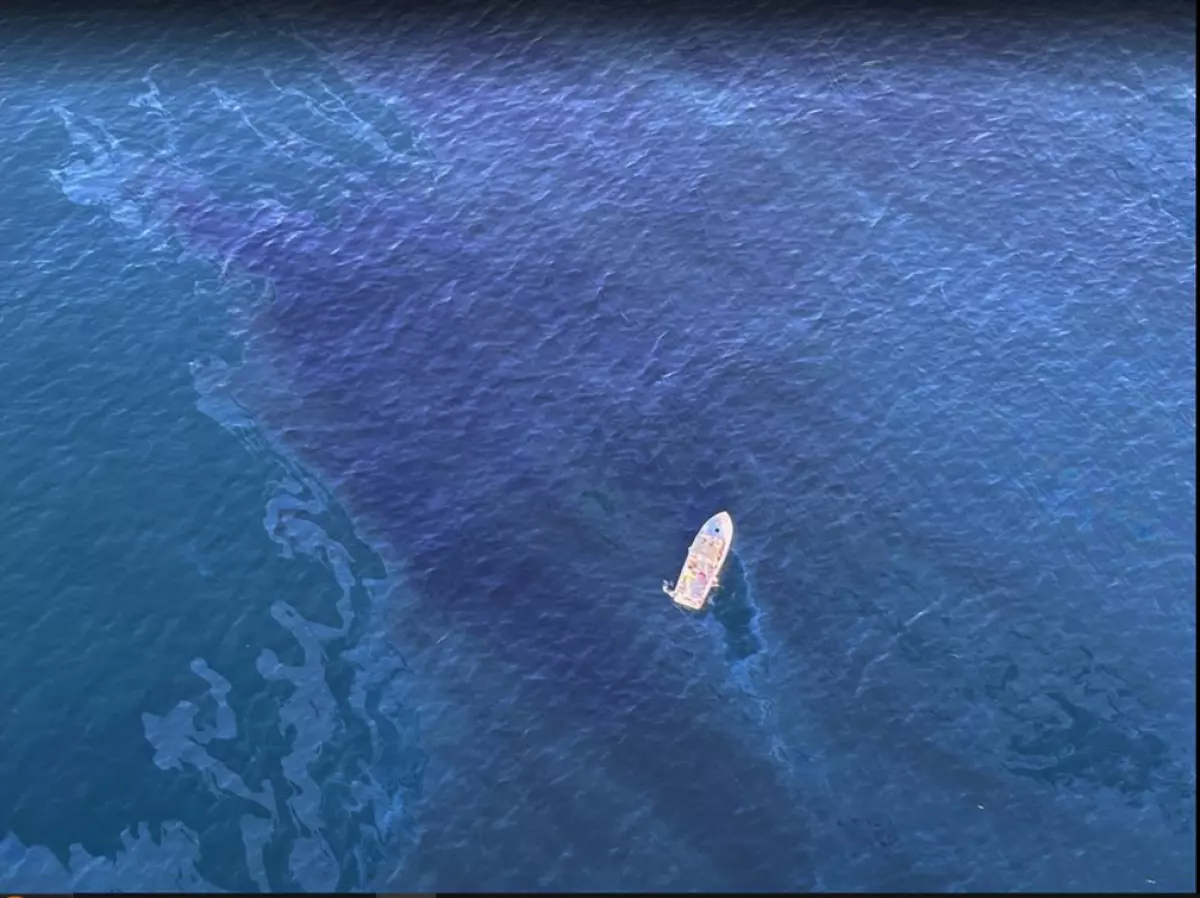
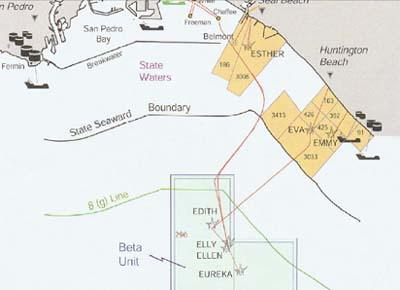
HOUSTON, April 10, 2023 (GLOBE NEWSWIRE) — Amplify Energy Corp. (“Amplify” or the “Company”) (NYSE: AMPY) today announced that it has received the required approvals from federal regulatory agencies to restart operations at the Beta Field. Initial steps to resume full operations will involve filling the San Pedro Bay Pipeline with production, a process which commenced over the past weekend and is expected to take approximately two weeks to complete. Following the line fill process, the pipeline will be operated in accordance with the restart procedures that were reviewed and approved by the Pipeline and Hazardous Materials Safety Administration (PHMSA).

Amplify Energy

Odd that the news release didn’t mention BSEE, the agency which would have had to approve the resumption of production.

18 months after the pipeline spill near Huntington Beach, settlements have been reached, fines have been paid, and production from the Beta Unit has resumed, but the Federal investigation report is still unavailable. Why?

Also, per our 10/6/2021 post:

One would hope that this spill will lead to an independent review of the regulatory regime for offshore pipelines. Consideration should be given to designating a single regulator that is responsible and accountable for offshore pipeline safety (a joint authority approach might also merit consideration) and developing a single set of clear and consistent regulations.


Read Full Post »

Cheryl Anderson took oil spill data analysis to a level worthy of a world class offshore program. In my opinion, Cheryl was the top analyst in the history of the OCS program, a true Hall of Famer. Regardless of the politics of the day, she always stuck to the facts and resisted “spin,” and that was a trait her colleagues greatly admired.

Cheryl retired at the end of 2010 and her final update, with assistance from 2 other OCS program icons, Melinda Mayes and Bob LaBelle, was published in June 2012. That update is attached.

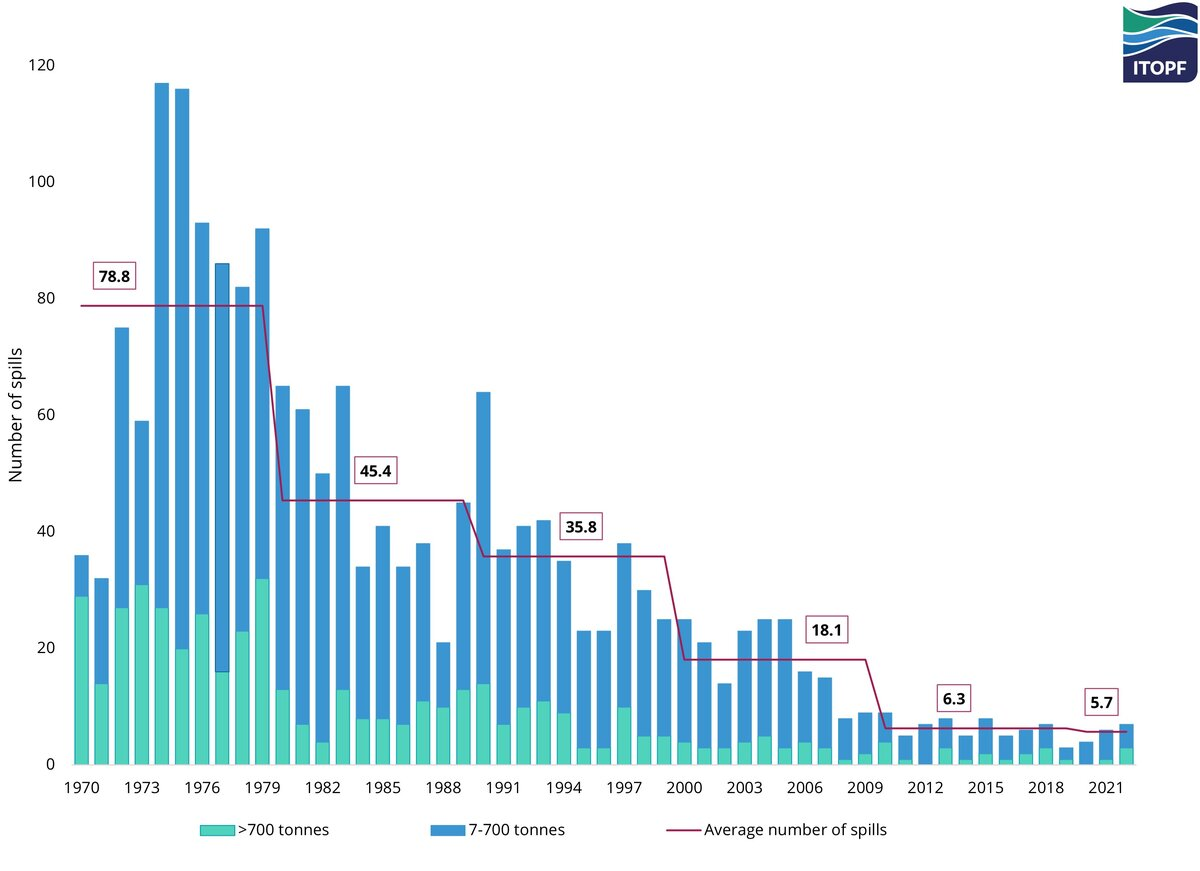
ITOPF also deserves mention for their comprehensive tanker spill data. A recent chart is pasted below. ITOPF’s data are nicely presented on their website. No such data are available for international offshore production.

Read Full Post »

Details on the Santa Barbara blowout from last year’s BOE post.

Read Full Post »

« Newer Posts - Older Posts »