Archive for the ‘Offshore Energy – General’ Category
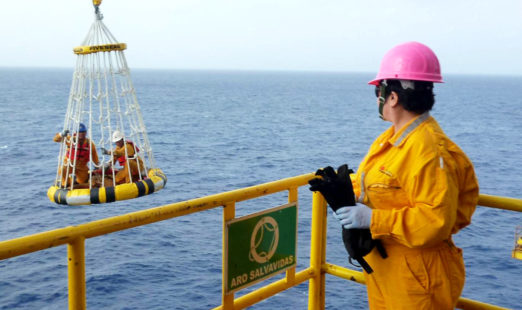
Happy Mothers’ Day to offshore moms and the mothers and wives of offshore workers!
Posted in Offshore Energy - General, Uncategorized, tagged Mothers Day, Offshore Moms on May 14, 2023| Leave a Comment »
Picture of Huntington Beach during the 1920s oil boom
Posted in California, Gulf of Mexico, Offshore Energy - General, tagged deepwater Gulf of Mexico, Huntington Beach, Oilers, Perdido on May 12, 2023| Leave a Comment »
Huntington Beach athletic teams are still known as the “Oilers,” despite calls for change.
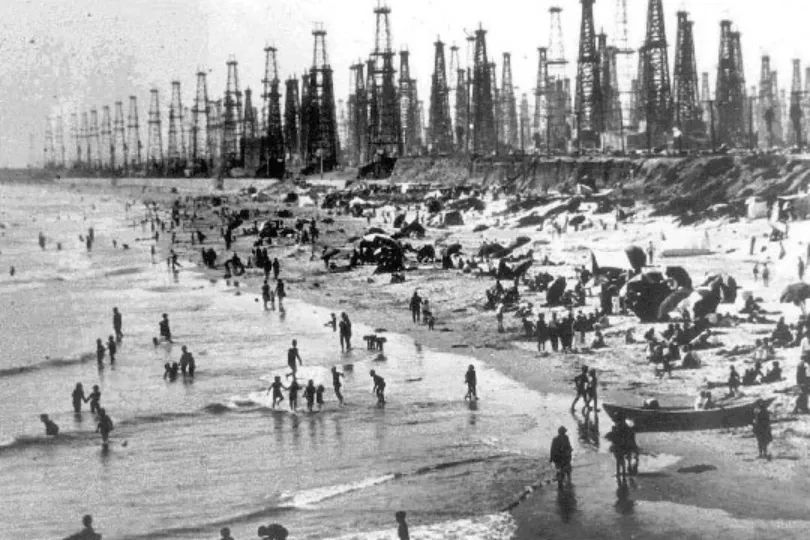
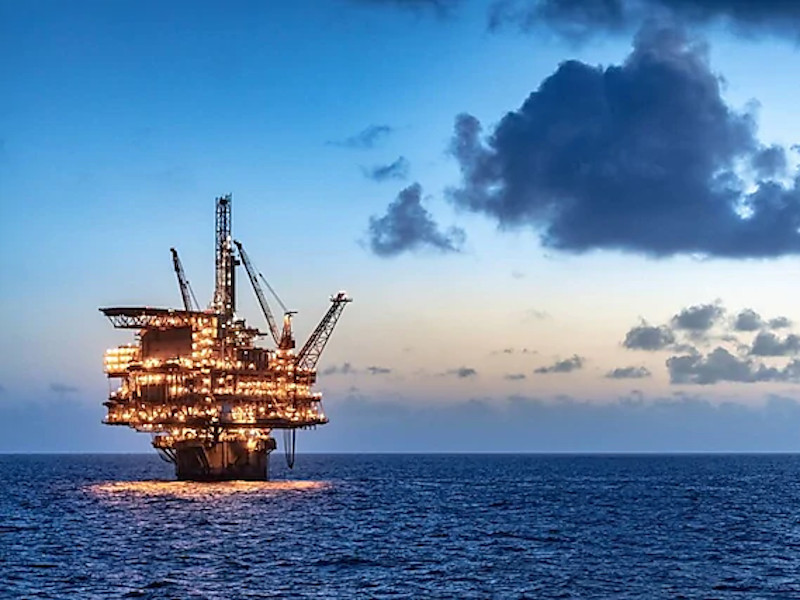
Exploration and development have improved dramatically over the past 100 years, and have become much more efficient. Only 57 platforms are producing about 1.7 million barrels/day in the deepwater Gulf of Mexico. Still work to do and continuous improvement must always be the objective.
“Financial liabilities and environmental implications of unplugged wells for the Gulf of Mexico and coastal waters”
Posted in California, climate, decommissioning, Gulf of Mexico, Offshore Energy - General, tagged California, decommissioning, financial responsibility, Gulf of Mexico, macondo, Nature Energy, well plugging and abandonment on May 11, 2023| Leave a Comment »
The subject Nature Energy paper is helpful in that it contributes to the important dialogue on the financial aspects of offshore decommissioning. There have been numerous posts on that topic on this blog. The use of Federal funds to cover well abandonment expenses for OCS wells, although rather limited to date, is a major disappointment for those of us who have worked hard to prevent such an outcome.
The data in the paper appear to be reasonably accurate. However, there is one glaring error regarding Pacific operations, and the reference to the Macondo blowout in the environmental discussion is rather provocative and misleading.
Per the authors:
California wells are drilled in relatively shallow water—mostly less than 100 feet—while GoM wells can be in up to 10,000 feet of water.
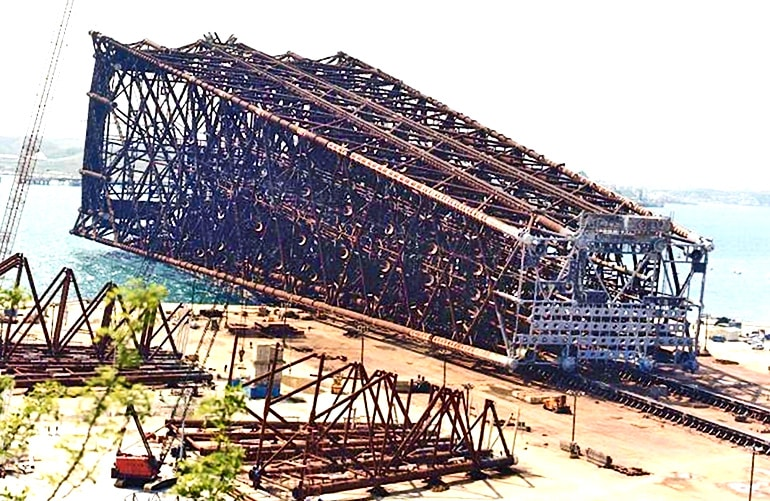
California’s fault block shelf drops off very quickly, and deepwater drilling activity has been common for decades. Of the 23 platforms in Federal waters, only Platform Gina is in <100′ of water (95′). The other platforms are in water depths of 154 to 1178′. Six of the platforms are in >600′ of water and 2 are in >1000′. Platform Harmony (jacket pictured below) is one of the world’s largest and heaviest steel tower platforms. Relative to the numbers of facilities, the decommissioning challenges offshore California are more daunting and complex than those in the Gulf. This includes the financial liability aspects.
With regard to the environmental risks, the Nature Energy paper’s reference to the Macondo blowout, while muted, is what some media outlets embraced. Per the authors:
Releases from improperly abandoned wells will probably be chronic and small compared with Macondo, but the underlying biochemical and ecological processes that influence the ecological impacts have many similarities.
The Macondo well blew out while it was being suspended in preparation for subsequent completion operations. Ill advised changes to the well suspension plan were among the primary contributing factors to the blowout (see diagram below). The Macondo well was entirely different from the depleted end-of-life wells that are the subject of the paper.
Some media outlets ran with the Macondo angle, weak as it was. This ABC news piece featured numerous Macondo pictures. Other outlets noted that Macondo was a temporarily abandoned well, which it was not. The Macondo well never got to that point.
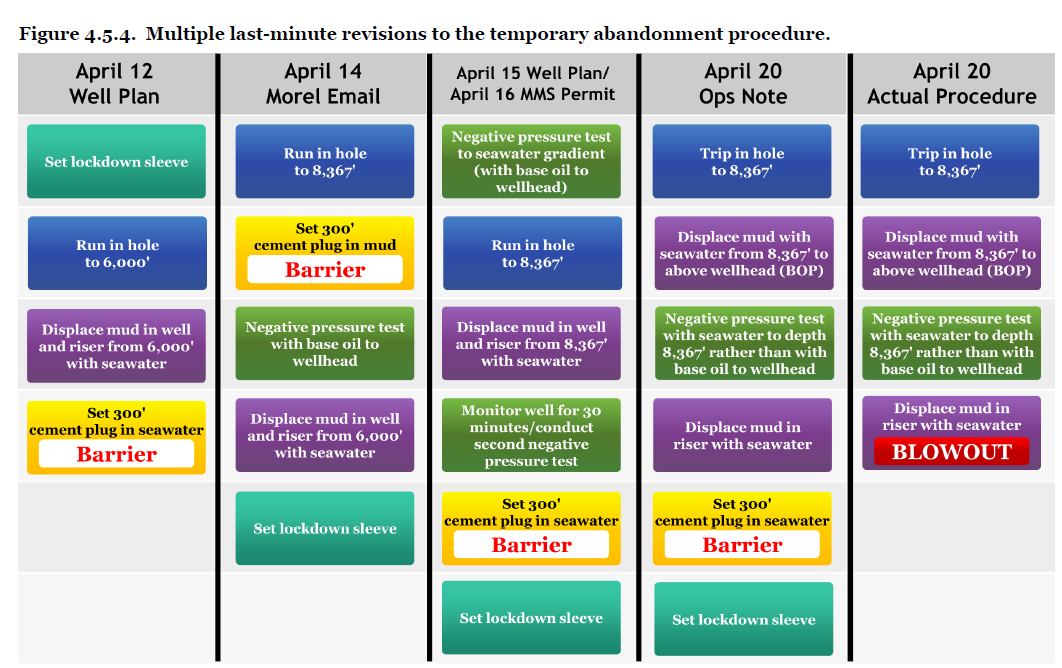
National Commission, Chief Counsel’s Report, p. 132
Guyana: Interesting oil spill liability battle
Posted in accidents, Guyana, Offshore Energy - General, oil spill response, Regulation, well control incidents, tagged bp, Exxon, Guyana, macondo, oil spill iiability, Supreme Court on May 10, 2023| 6 Comments »
There are a number of recent articles related to the Guyana Supreme Court ruling on Exxon’s financial assurance obligations. An Oil Now piece (quoted below) is the most informative. It seems that the Supreme Court decision is based on a provision of Exxon’s EPA permit and that EPA is siding with Exxon in this dispute.
The Guyana government and the Environmental Protection Agency (EPA) are set to appeal a recent Guyana Supreme Court ruling that determined that the EPA and ExxonMobil affiliate, Esso Exploration and Production Guyana Limited (EEPGL), breached the terms of the Liza 1 environmental permit. The permit was revised and granted to EEPGL last year for operations in the Stabroek Block, offshore Guyana.
Justice Sandil Kissoon granted several declarations, including that the EPA failed to enforce compliance by EEPGL of its Financial Assurance obligations to provide an unlimited Parent Company Guarantee Agreement and/or Affiliate Company Guarantee Agreement to indemnify and keep indemnified the EPA and the Government of Guyana against all environmental obligations of the Permit Holder (EEPGL) and Co-Venturers (Hess and CNOOC) within the Stabroek Block.
While acknowledging the court’s ruling, the Government of Guyana, as a major stakeholder, maintained in a statement that the Environmental Permit imposes no obligation on the Permit Holder to provide an unlimited Parent Company Guarantee Agreement and/or Affiliate Company Guarantee Agreement. The government believes that Justice Kissoon erred in his findings and that the ruling could have significant economic and other impacts on the public interest and national development.
OIlNow
Unlimited liability is a rather daunting and open-ended obligation that would trouble permittees in any industry.
In the US, the liability for oil spill cleanup costs is unlimited for offshore facilities, but there is a liability cap for the resulting damages. That cap is currently $167.8 million after a recent inflation adjustment. BP, of course, paid far more than that for damages associated with the Macondo blowout. BP’s costs, which amounted to an astounding $61.6 billion, were both voluntary and compulsory as a result of agreements and settlements. Keep in mind that the damage liability limit was only $75 million at the time. One can imagine what would have happened if a company with less financial strength or more inclination to fight had been responsible for the spill.
Gulf of Mexico bucks declining US rig count trend
Posted in drilling, Gulf of Mexico, Offshore Energy - General, tagged Baker Hughes rig count, drilling, Gulf of Mexico on May 8, 2023| Leave a Comment »
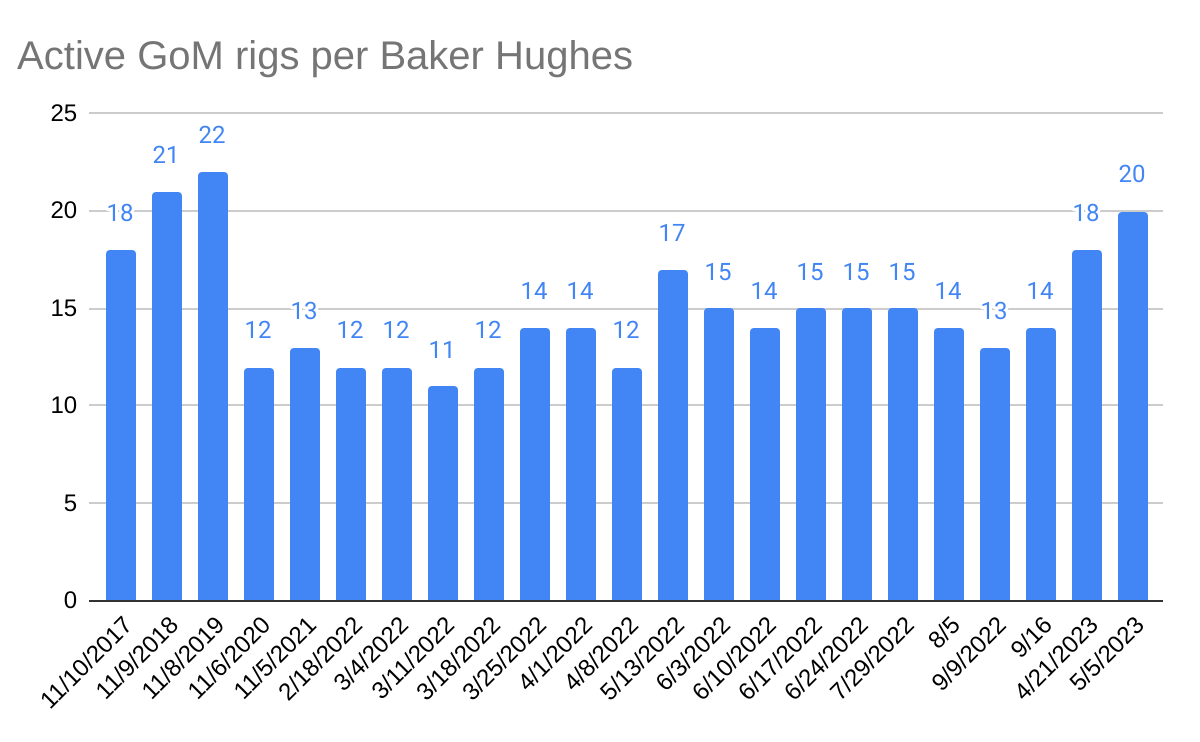
The Gulf rig count is up to 20, the highest since 2019, as the total US rig count falls by 7 to 748.
A 2013 Supreme Court houseboat decision applies to massive floating production units
Posted in energy policy, Gulf of Mexico, Offshore Energy - General, Regulation, tagged Coast Guard, floating production units, OOC, SCOTUS, vessel definition on May 8, 2023| Leave a Comment »
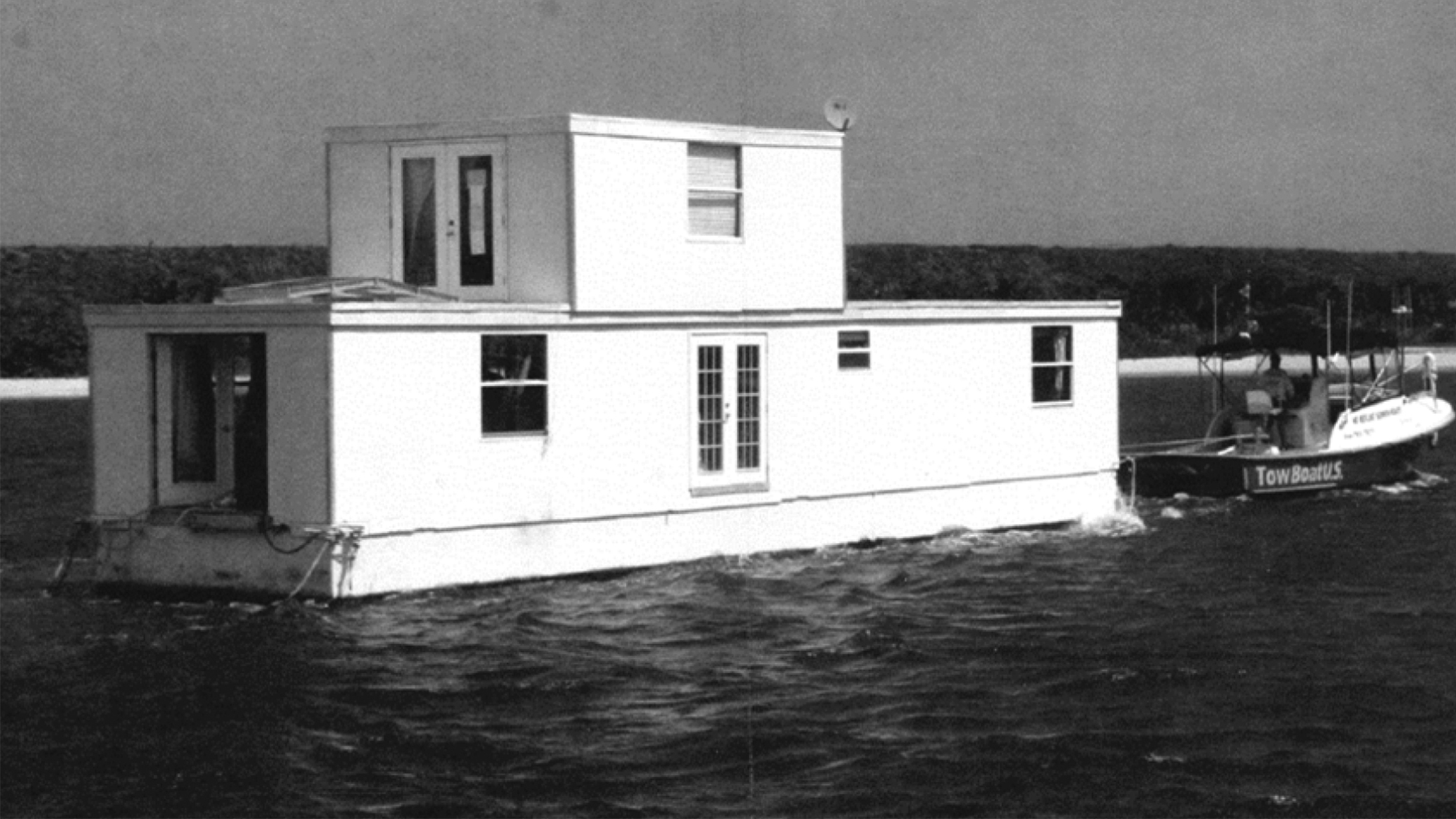
Dr. Malcolm Sharples, a leading marine engineer and offshore safety advocate, brought this Supreme Court’s decision and the resulting regulatory confusion to my attention.
It turns out that the SOCTUS decision about this houseboat…..
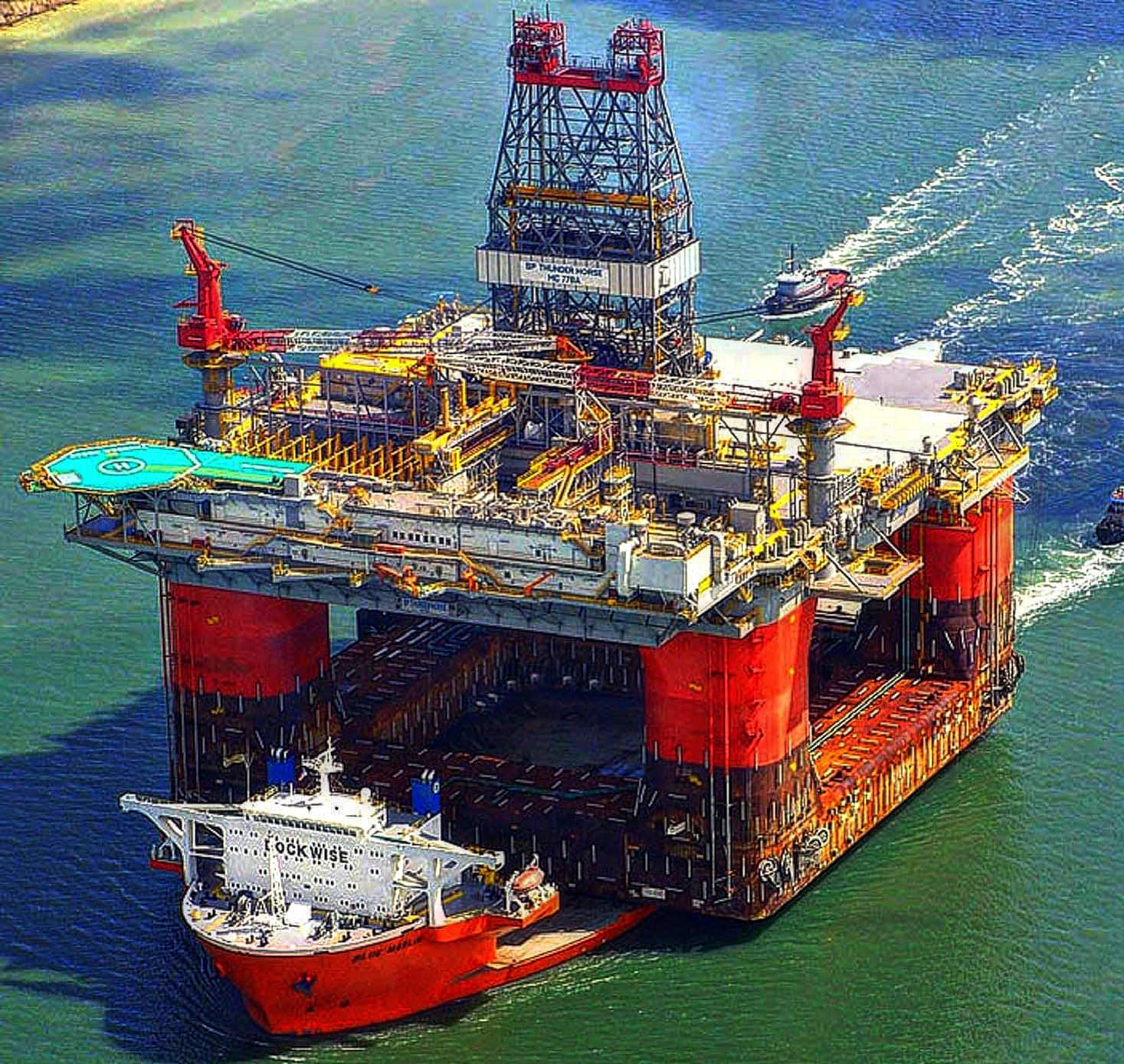
has created regulatory uncertainty for floating production facilities like this:
In a 7-2 decision, the court ruled that a gray, two-story home that its owner said was permanently moored to a Riviera Beach, Florida, marina was not a vessel, depriving the city of power under U.S. maritime law to seize and destroy it.
Reuters
The floating production facilities are still subject to Coast Guard regulation and inspection pursuant to separate authority under the OCS Lands Act. The extent to which Coast Guard approval and inspection practices will change is not entirely clear. The Coast Guard will issue new certificates of inspection for these floating facilities, and new policy guidance is being developed.
Attached are answers that the Coast Guard provided to questions from the Offshore Operators Committee.
This may be a good warmup for an upcoming post on regulatory fragmentation.
Lease sale 257 challenges finally over?
Posted in Alaska, Gulf of Mexico, Offshore Energy - General, tagged Cook Inlet, Gulf of Mexico, Lease Sale 257, Lease Sale 258, Lease Sale 259, litigation on May 5, 2023| Leave a Comment »
That would appear to be the case now that the US Court of Appeals for DC dismissed litigation challenging the sale.
Meanwhile, challenges to Cook Inlet Sale 258 (humble as it was with only one bid) and GoM Sale 259 continue. It’s a great country (if you like endless litigation)!
In addition to Lease Sale 257, the IRA also required Interior to offer three other lease sales in Alaska and the Gulf that it previously declined to hold. Lease Sale 258, in Alaska’s Cook Inlet, was held in December but received only one bid. Earthjustice is challenging that sale. Earthjustice is also challenging Lease Sale 259, in the Gulf of Mexico, which was held in March. Lease Sale 261, also in the Gulf, will be held by September of this year.
EarthJustice
Supreme Court will review the “Chevron doctrine”
Posted in energy, energy policy, Offshore Energy - General, Regulation, Uncategorized, tagged Chevron Doctrine, offshore energy, Regulation, Supreme Court on May 4, 2023| Leave a Comment »
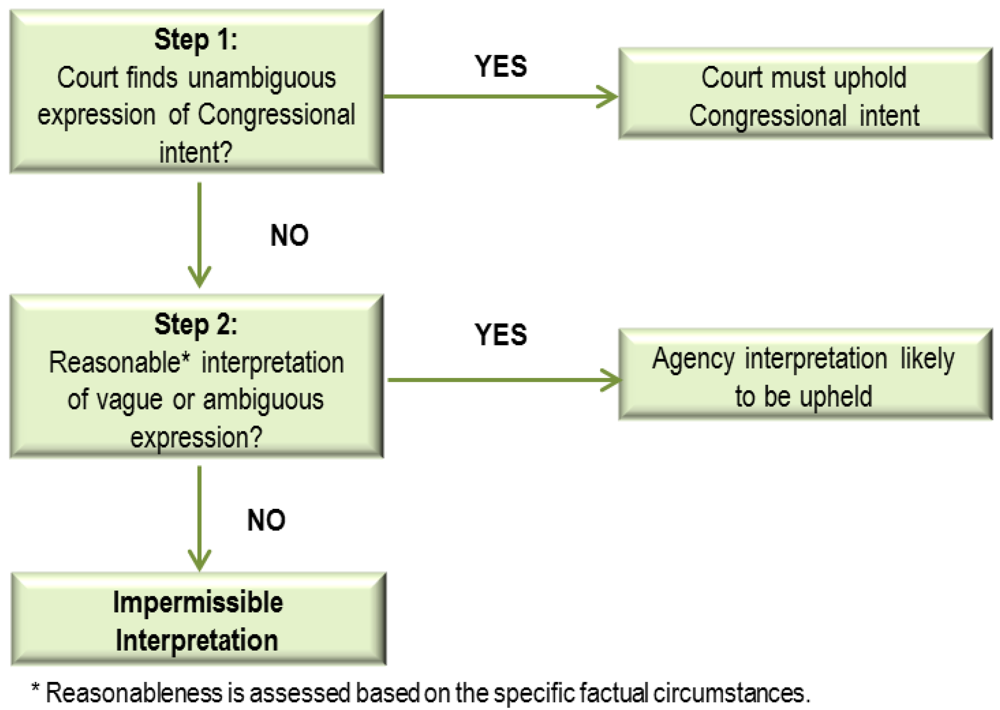
The Supreme Court will hear a case that could significantly scale back federal agencies’ authority, with implications for regulations affecting the US offshore program. The court could overturn a precedent known as the “Chevron doctrine” that instructs judges to defer to federal agencies when interpreting ambiguous federal laws.
Few Supreme Court doctrines have been stretched more by regulators and lower-court judges than Chevron deference, which says judges should defer to regulators’ interpretations when laws are supposedly ambiguous. The High Court agreed Monday to give Chevron a much-needed legal review.
WSJ
One of the most important principles in administrative law, the “Chevron deference” was coined after a landmark case, Chevron U.S.A., Inc. v. Natural Resources Defense Council, Inc., 468 U.S. 837 (1984). The Chevron deference is referring to the doctrine of judicial deference given to administrative actions. In Chevron, the Supreme Court set forth a legal test as to when the court should defer to the agency’s answer or interpretation, holding that such judicial deference is appropriate where the agency’s answer was not unreasonable, so long as Congress had not spoken directly to the precise issue at question.
Cornell Law
More flaring discussion
Posted in climate, flaring and venting, Gulf of Mexico, Offshore Energy - General, tagged EIA, flaring, gas-well gas, Gulf of Mexico, oil-well gas, ONRR, venting on May 3, 2023| Leave a Comment »
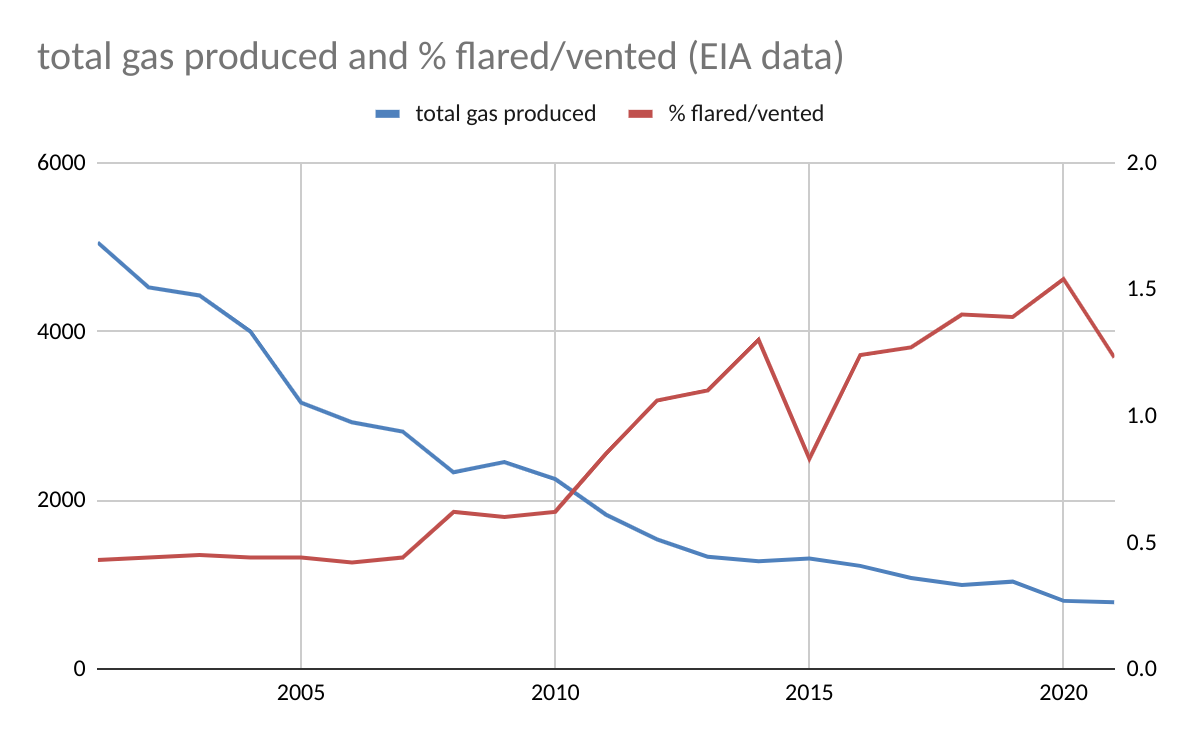
According to EIA data for 2001-2021, Gulf of Mexico flaring and venting volumes peaked in 2001 at 21.6 bcf, 2.25 times the volume flared or vented in 2022 (ONRR data for 2022). However, gas production in 2001 was 5.05 tcf, 6.4 times higher than in 2022. The % of the produced gas that was flared or vented in 2001 was thus 0.4%, less than 1/3 the 2022 rate of 1.22%.
Points to consider:
- In 2001, gas production was mostly from gas wells, which have lower flaring/venting rates. As gas production declined because of lower gas-well gas (GWG) production, flaring/venting rates increased (see the chart below). This would account for some of the difference in flaring/venting rates (2001 vs. 2022). However, in recent years, the % of gas-well gas flared or vented has been between 0.3 and 0.5% which is comparable to the rate for all gas production (0.4%) in 2001. So the reduction in GWG production is not the entire reason for the higher flaring/venting rates in recent years. Hence the need for more transparency on flaring/venting performance.
- Oil-well gas (OWG) production alone in 2001 (923 bcf) was higher than total gas production (784 bcf) in 2022. If the oil-well gas (OWG) flaring/venting rate was the same as the recent rate for OWG (1.2-1.5%), the volume of gas flared or vented from OWG alone (only 18% of total gas production in 2001) would have accounted for 11.1 – 13.8 bcf or 51-64% of the total volume flared/vented in 2001.
- Better measurement and reporting in recent years may, of course, be an important consideration. The PNAS paper suggests reporting issues for shelf facilities in recent years, and given the much higher shelf production 20+ years ago, accurate reporting may have been an even more significant issue then. Also, MMS updated the regulations in 2010 to require metering of flared and vented gas at facilities processing >2000 bopd. This has no doubt improved flaring/venting measurement. However, better measurement and reporting does not explain the trend toward higher flaring/venting rates in recent years.
- The differences between EIA and ONRR flaring data need to be resolved.
GoM flaring and venting increased in 2022. Cause for concern?
Posted in climate, flaring and venting, Gulf of Mexico, natural gas, Offshore Energy - General, tagged flaring, gas-well gas, Gulf of Mexico, oil-well gas, ONRR, venting on May 2, 2023| Leave a Comment »
From ONRR OGOR B data:
| 2021 | 2022 | |
| OWG flared | 5919 | 6987 |
| OWG vented | 1405 | 1638 |
| GWG flared | 311 | 213 |
| GWG vented | 548 | 722 |
| total flared and vented | 8183 | 9559 |
| total gas prodution | 791,983 | 784,238 |
| % flared or vented | 1.03 | 1.22 |
Observations:
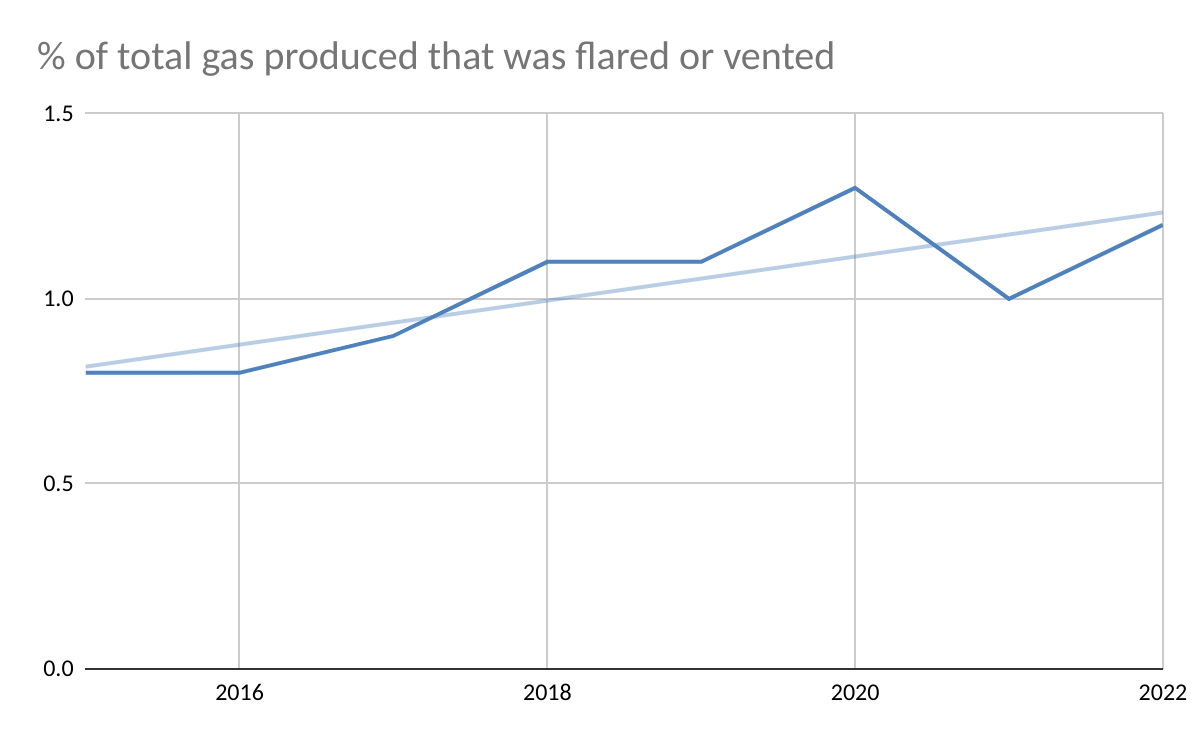
- Of the 784 bcf produced, 9.6 bcf (1.2%) were either vented or flared (vs. 1.03% in 2021). With the exception of 2020 (1.3%), this is the highest % of gas flared/vented from 2015-2022.
- The % of gas produced that is flared or vented is trending upward (first chart below).
- Both the gas flaring and venting volumes were higher in 2022 (vs. 2021) despite lower gas production.
- Assuming oil-well gas (OWG) production of 600 bcf (final 2022 volume not yet available), approximately 1.4% (8.6/600) of the OWG was flared or vented.
- 2022 OWG flaring volume increased by 18% vs. 2022 despite nearly identical total oil production
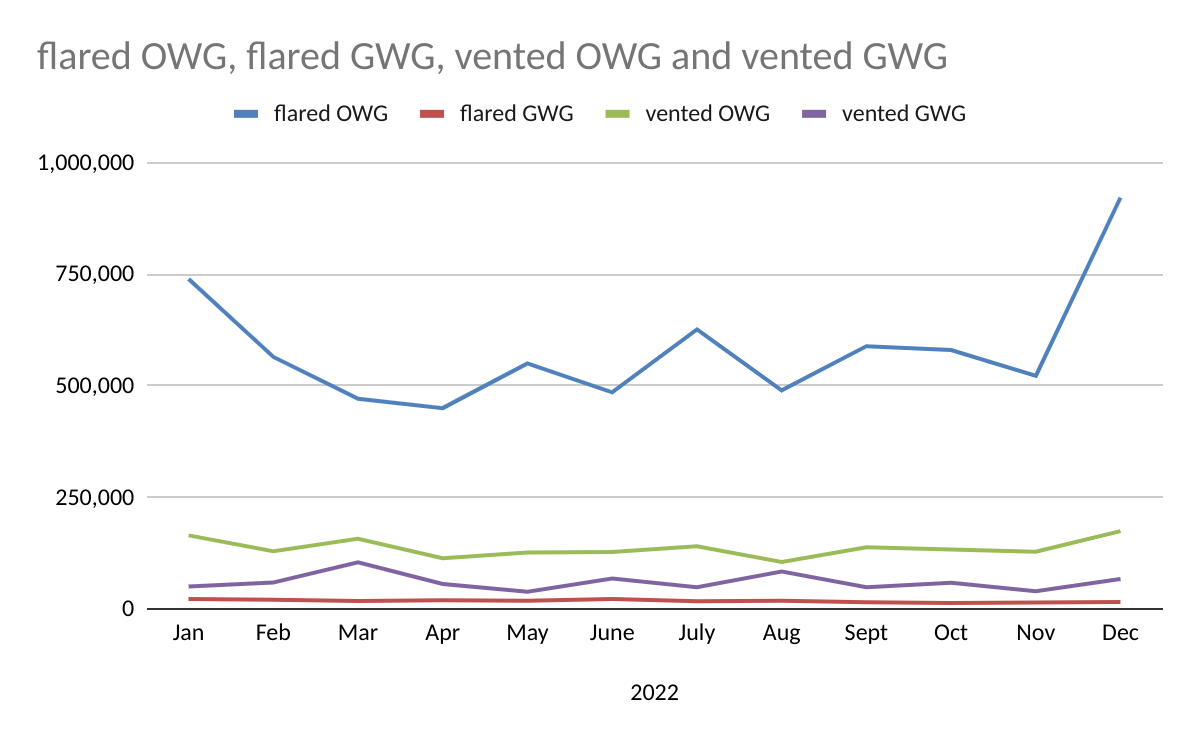
- A very large increase in OWG flaring in December skewed the 2022 data (921 million cu ft vs 522 million in November, see 2nd chart below). OWG vented and gas-well gas (GWG) vented also spiked in December (third chart). Were these spikes associated with production startups, major compressor issues, administrative/accounting corrections, or other issues?
- Although total venting increased by 407 million cu ft (21%) in 2023 vs. 2022, the overall venting trend is still favorable (last chart).
- The previously noted inconsistencies in flaring data sets remain a concern.
- Kudos to ONRR for posting the flaring/venting data.
- More regulator/industry transparency on flaring episodes is needed, particularly in light of the PNAS paper and the June 2022 Inspector General Report.


related:
 Bud's Offshore Energy (BOE)