Feeds:
Posts
Comments

Archive for the ‘Offshore Energy – General’ Category

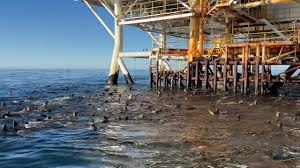
During a recent dive survey at Platform Holly off California’s coast, scientists from the University of California, Santa Barbara (UCSB) had to pause fieldwork because dozens of sea lions took shelter around the structure.

The reason? A pod of killer whales had been spotted hunting near another offshore platform in federal waters.

These real-time encounters reveal more than marine drama. They highlight the ecological role that offshore platforms can play as part of the seascape. UCSB’s work is part of our ongoing study, Understanding Biological Connectivity Among Offshore Structures and Natural Reefs, which explores how marine life moves among natural and manmade habitats.
See Rigs-to-Reefs+++

Read Full Post »

Thinking of those who gave their lives to protect our freedoms, including workers who died providing the energy needed to power our economy.

Read Full Post »

Part VIII, Offshore OIl and Gas Leasing, is a good read for those interested in OCS leasing policy. This cleverly crafted part of the bill specifies leasing schedules, streamlines the leasing process, and minimizes litigation risks. Highlights:

  • Minimum royalty rates return to 12.5% from 16.67% post-IRA. (This is good for small, shelf producers.) The maximum rate remains 18.75%.
  • Requires a Gulf of America lease sale by 8/15/2025, a sale by 3/15 and 8/15 in each of the following 14 years (2026-2039), and a sale by 3/15/2040. 80+ million acres must be offered at each sale unless that amount of acreage is no longer available for leasing.
  • The lease form, lease terms, economic conditions, and stipulations 4 through 10 must be the same as for Lease Sale 254 (3/18/2020). Stipulations 1-3 may be updated.
  • Requires seven 1+ million acre (if available) Cook Inlet lease sales from 2026 – 2032. Beginning in 2035, 90% of the revenues go to the State of Alaska.
  • The required lease sales may be in addition to the lease sales held under the 2024-2029 National Outer Continental Shelf Oil and Gas Leasing Program.
  • Adherence with the Biological Opinion shall satisfy the Secretary’s obligations under the Endangered Species Act of 1973 and the Marine Mammal Protection Act of 1972
  • Previous EIS’s for the Gulf of Mexico shall satisfy the Secretary’s NEPA obligation.
  • Consistency determinations prepared by BOEM for Lease Sale 261 for the States of Texas, Louisiana, Mississippi, Alabama, and Florida will satisfy the Secretary’s CZMA obligations.
  • The Secretary may waive any requirement under the Outer Continental Shelf Lands Act that the Secretary determines would delay issuance of a lease.
  • A lease must be issued to the highest responsible qualified bidder not later than 90 days after the sale date.
  • The Secretary shall establish a process through which a Governor may nominate for leasing under a lease sale held under this section an area of the OCS that is adjacent to the waters of the State; and is unleased and available for leasing. If the Governor of a State nominates an area, the Secretary shall include the area in the next scheduled sale. (It appears that this provision applies only to the Gulf of America. Objective?)
  • G&G surveys must be approved within 30 days after a complete application is received.
  • A lease awarded under Lease Sale 259 or Lease Sale 261 shall not be set aside, vacated, enjoined, suspended, or cancelled except in accordance with section 5 the Outer Continental Shelf Lands Act (43 U.S.C. 1334). Also, new terms or conditions may not be added to these leases. (This protects lessees from pending litigation related to these leases).
  • Any action to approve, require modification of, or disapprove any exploration plan, development and production plan, bidding procedure, lease sale, lease issuance, or permit or authorization related to oil and gas exploration, development, or production, or any inaction resulting in the failure to hold a lease sale shall be subject to judicial review only in a United States court of appeals for a circuit in which an affected State is located.

Read Full Post »

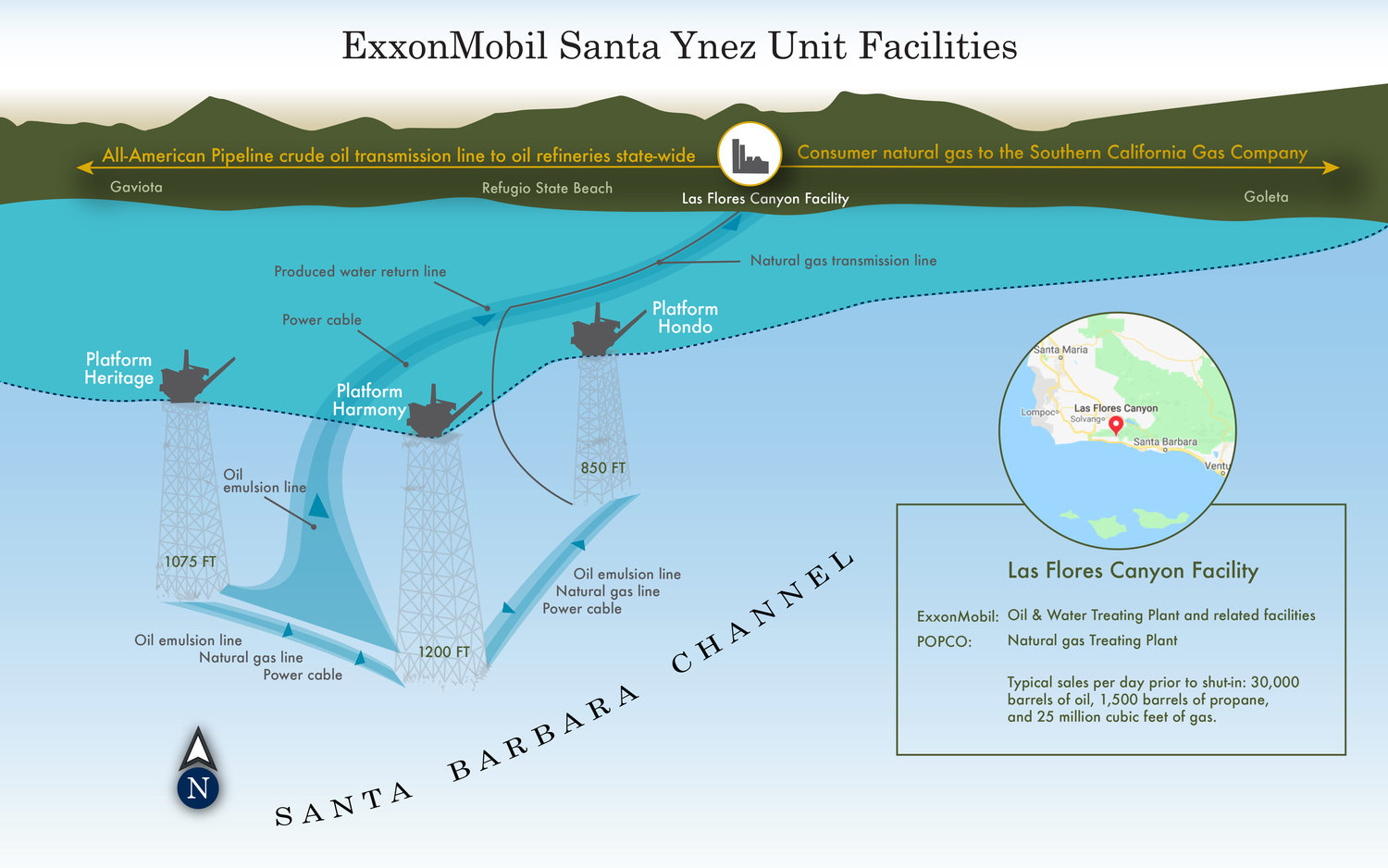
John Smith’s excellent decommissioning presentation at the recent Western States Petroleum Assoc. luncheon in Santa Barbara is attached. John used an amended version of Bob Byrd’s OTC powerpoint, adding slides on the proposed California Marine Legacy Act amendments.

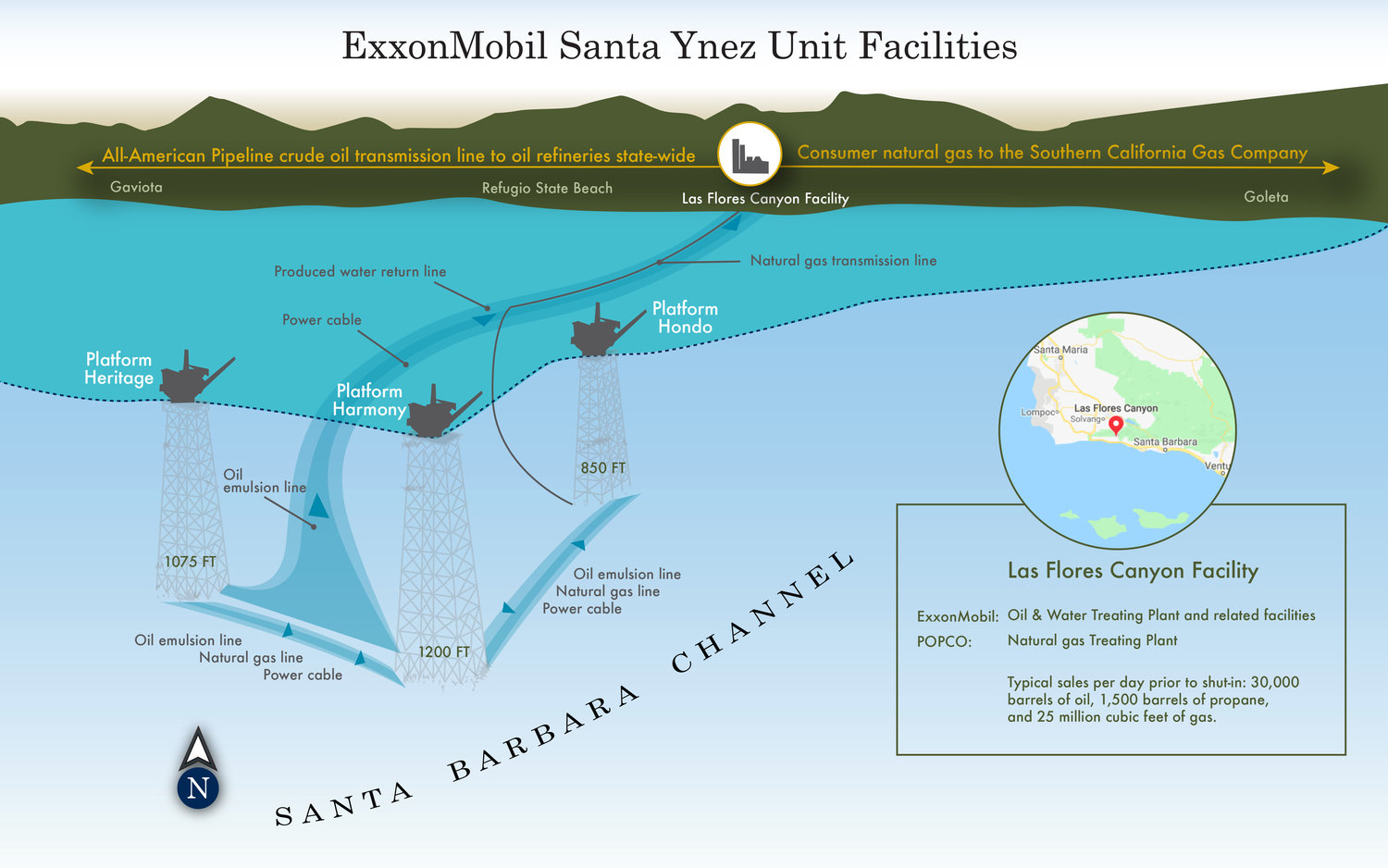
For those who have been following the Santa Ynez Unit story, Harmony, Heritage, and Hondo are the platforms in that unit. Platform Harmony, where production resumed on the date of John’s presentation (5/15), is in 1198′ of water and is one of the world’s largest offshore structures.

Read Full Post »

Read Full Post »

05/19/2025

HOUSTON–(BUSINESS WIRE)— Sable Offshore Corp. (“Sable,” or the “Company”)(NYSE: SOC) today announced that as of May 15, 2025, it has restarted production at the Santa Ynez Unit (“SYU”) and has begun flowing oil production to Las Flores Canyon (“LFC”). Additionally, with the completion of the Gaviota State Park anomaly repairs on the Las Flores Pipeline System (the “Onshore Pipeline”) on May 18, 2025, Sable has now completed its anomaly repair program on the Onshore Pipeline as specified by the Consent Decree, the governing document for the restart and operations of the Onshore Pipeline.

Seven of the eight sections of the Onshore Pipeline have been successfully hydrotested. Sable will complete the final hydrotest in order to meet the final operational condition to restart the Onshore Pipeline as outlined in the Consent Decree. Sable expects to fill the ~540,000 barrels of crude oil storage capacity at LFC by the middle of June 2025 and subsequently recommence oil sales in July 2025.

Production Restart

  • On May 15, 2025, Sable initiated the flow of oil production from six wells on Platform Harmony of the SYU to LFC at a rate of ~6,000 barrels of oil per day.
  • Sable has been testing wells on Platform Harmony throughout May 2025 and the well tests have performed consistently stronger than they did at the time of shut-in on May 19, 2015 when the SYU produced approximately 45,000 barrels of oil equivalent per day.
  • Approximately 30% of the 32 producing wells at Platform Harmony have been tested as of May 18, 2025 with the remaining Platform Harmony wells projected to be tested over the course of the next several days.
  • Sable expects to initiate production from the additional 44 wells on Platform Heritage and the additional 26 wells on Platform Hondo in July 2025 and August 2025, respectively.

Read Full Post »

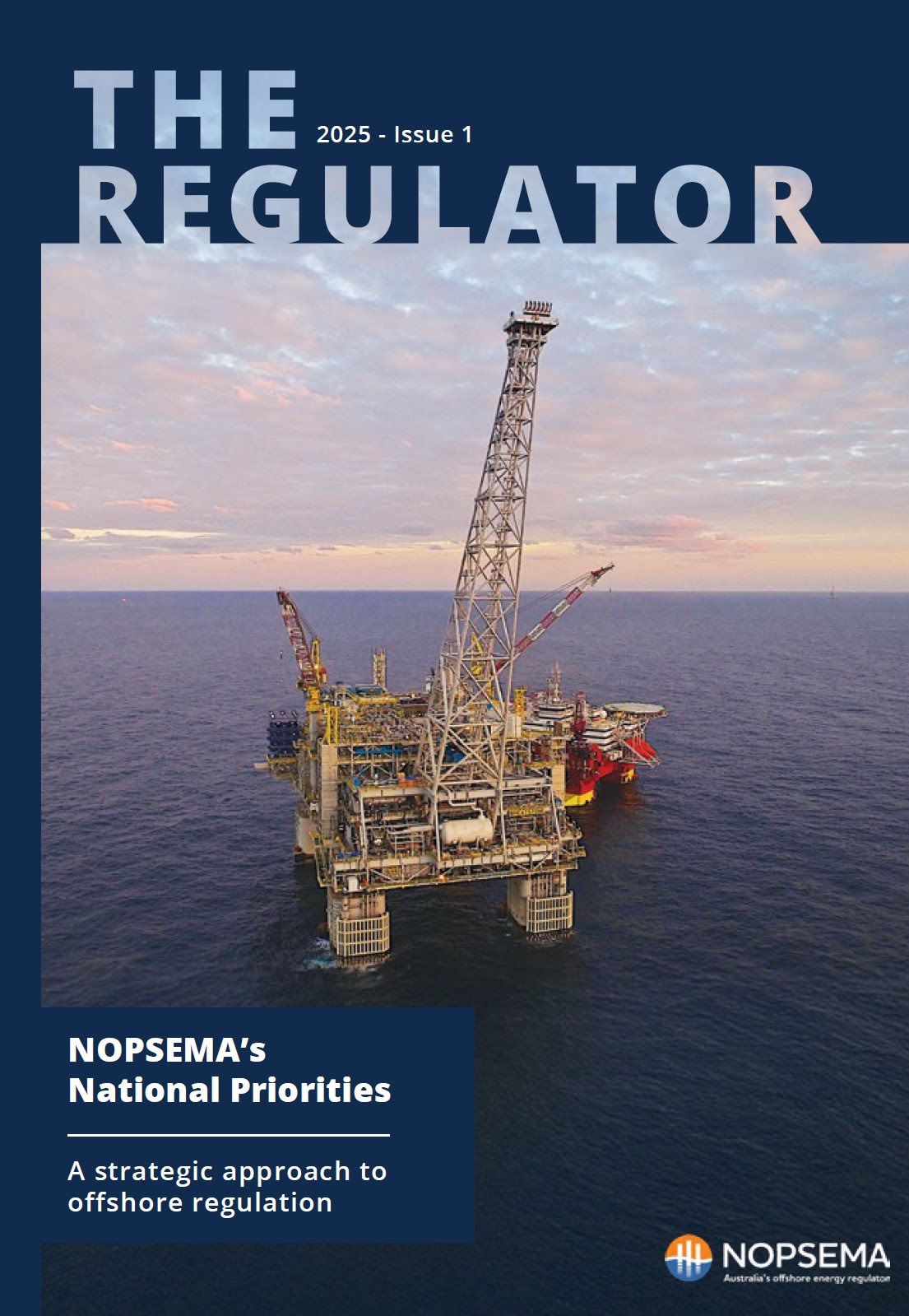
The Regulator

Firstly, BOE applauds NOPSEMA for being the only offshore safety regulator to publish a newsletter on a regular basis.

Their latest issue identifies and explains their five National Priorities. These priorities could apply worldwide:

  • Structural integrity – Ensuring offshore assets remain safe and well maintained.
  • Addressing redundant wells – Strengthening oversight to ensure wells are decommissioned responsibly.
  • Psychosocial health – Protection of worker mental health and well being.
  • Control of work – Promoting effective systems to ensure work is carried out safely and we learn from incidents to continually improve.
  • Leadership and management – Sharing how decision-making impacts safety and environmental outcomes on offshore facilities

I also strongly support their commitment to investigating non-work related fatalities at offshore facilities. These incidents should not simply be classified as non-occupational with no further explanation. NOPSEMA’s investigation of these fatalities involves the following steps:

  • Identify the circumstances of the reported death.
  • Assess the immediate response to the reported death.
  • Identify any work related causal factors present prior to the reported death.
  • Identify the cause of death as provided by the relevant Coroner or medical practitioner

Lastly, I like the name of their newsletter, which shows pride in being an offshore safety regulator. Safety regulators facilitate offshore energy development by identifying and mitigating safety and environmental risks. With few exceptions, they perform their legislatively mandated duties effectively and efficiently. I’m proud to have been an offshore safety regulator for many years.

Related: One of our pioneering offshore regulator newsletters (1981) from the US North Atlantic drilling days.

Read Full Post »

A good Nick Welsh, Santa Barbara Independent article has been brought to my attention by John Smith. Bonus points for the baseball analogy:

In baseball, ties famously go to the baserunner, but in county government it’s forced a legal fight in the courts.”

The oil company Sable Offshore is insisting that when the County Board of Supervisors voted 2-2 on whether or not to allow another oil company, Exxon, to transfer its permits to Sable, the tie goes to Sable.”

Accordingly, Sable — much in the limelight recently — just filed a lawsuit against the Santa Barbara County Board of Supervisors in federal court to make that point. Joining Sable in this dispute is ExxonMobil, the oil giant that sold Sable its three offshore platforms, its 120-mile pipeline, and its onshore oil storage and processing facilities known as the Santa Ynez Unit two years ago.”

Because the Planning Commission had voted  3-1 to allow the transfer, Sable argues that the 2-2 Supervisors vote upholds the Planning Commission decision.

Never a dull moment in the Santa Ynez Unit restart doneybrook. More on the tie vote here and here.

Read Full Post »

John Smith reports that Sable has cleared another significant hurdle in its attempt to restart production in the Santa Ynez Unit. The California DEPARTMENT OF PARKS AND RECREATION has determined that no permit is required for the pipeline anomaly digs in Gaviota State Park (see attached).

The reasons for the exemption are that the project consists of repairs to an existing facility with no expansion of use, and the footprint of the pipeline remains the same.

Maybe the SYU restart is not Mission Impossible after all.

Read Full Post »

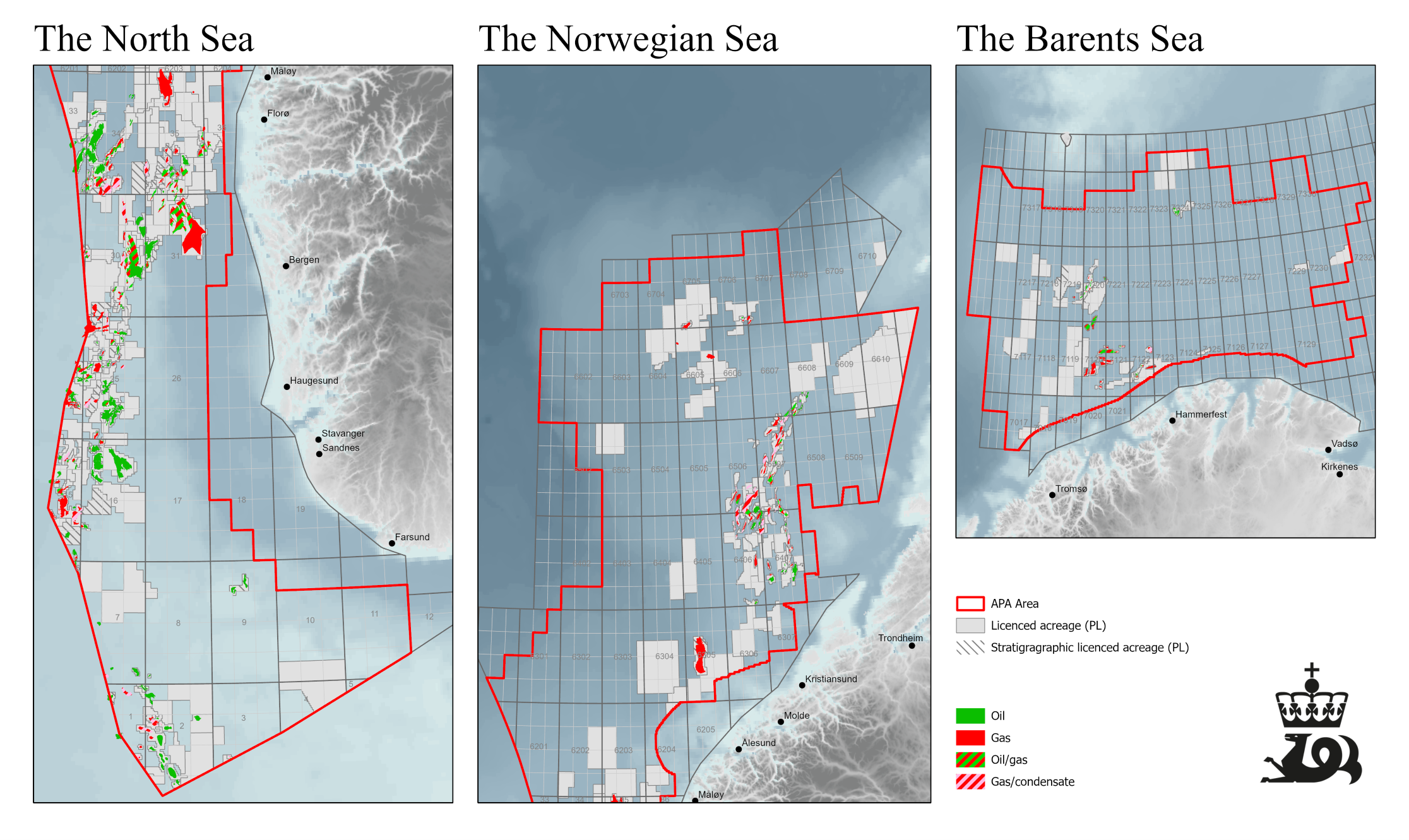
We will explore more, find more and extract more. Therefore, it is important to ensure that companies have stable access to exploration areas. Never before has a larger area been advertised in a licensing round. It is good for Norway and for Europe,” Energy Minister Terje Aasland said in a statement.

Further exploration and more discoveries are crucial to limiting the decline in production on the continental shelf after 2030. The expansion this year gives companies access to significant new acreage in the Barents Sea and we are thus even better positioned to clarify the resource base in the north,” added Aasland.

Comments:

  • This is a prudent policy decision that underscores Norway’s commitment to sustaining oil and gas production.
  • This should be good news for Equinor, which is 2/3 Norwegian govt owned and has made some ill-advised offshore wind investments.
  • Based on the Energy Minister’s quotes (above), one senses that Equinor’s wind investments, particularly those in the US, may not be fully aligned with Norwegian policy.
  • Is this a bit embarrassing for the UK, which has essentially been sanctioning its own offshore oil and gas industry? Only last week, Aasland met with his UK counterpart Ed Miliband and entered into a “green industrial partnership” (photo below).
from Upstream: NTB/SCANPIX photo

Read Full Post »

« Newer Posts - Older Posts »