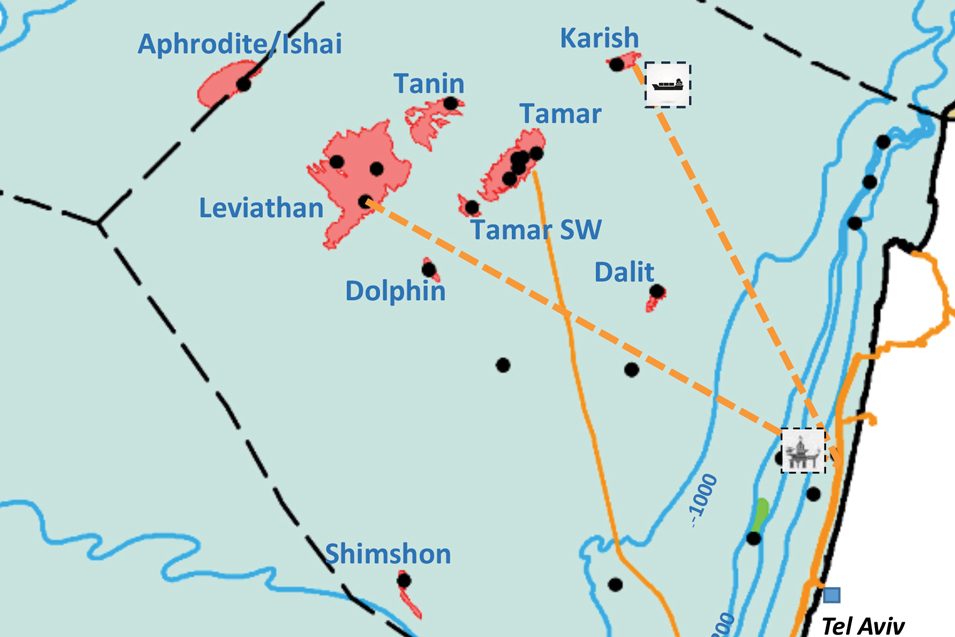
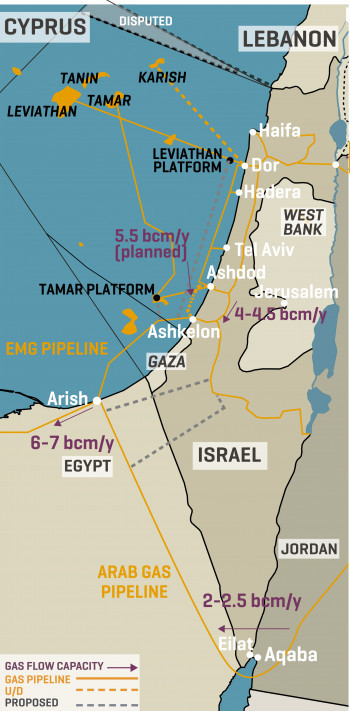
Argus reports that Israel’s energy ministry has instructed Chevron and Energean to suspend production at their offshore Leviathan and Karish gas fields.
Although, the Israeli facility shut-ins will result in the curtailment of exports, Egypt has implemented a backup plan to ensure adequate supply.
There is no indication that Chevron’s Tamar field has been shut-in.
Summary table:
field (operator)
2024 production (billion cubic meters) (% of Israel’s total)
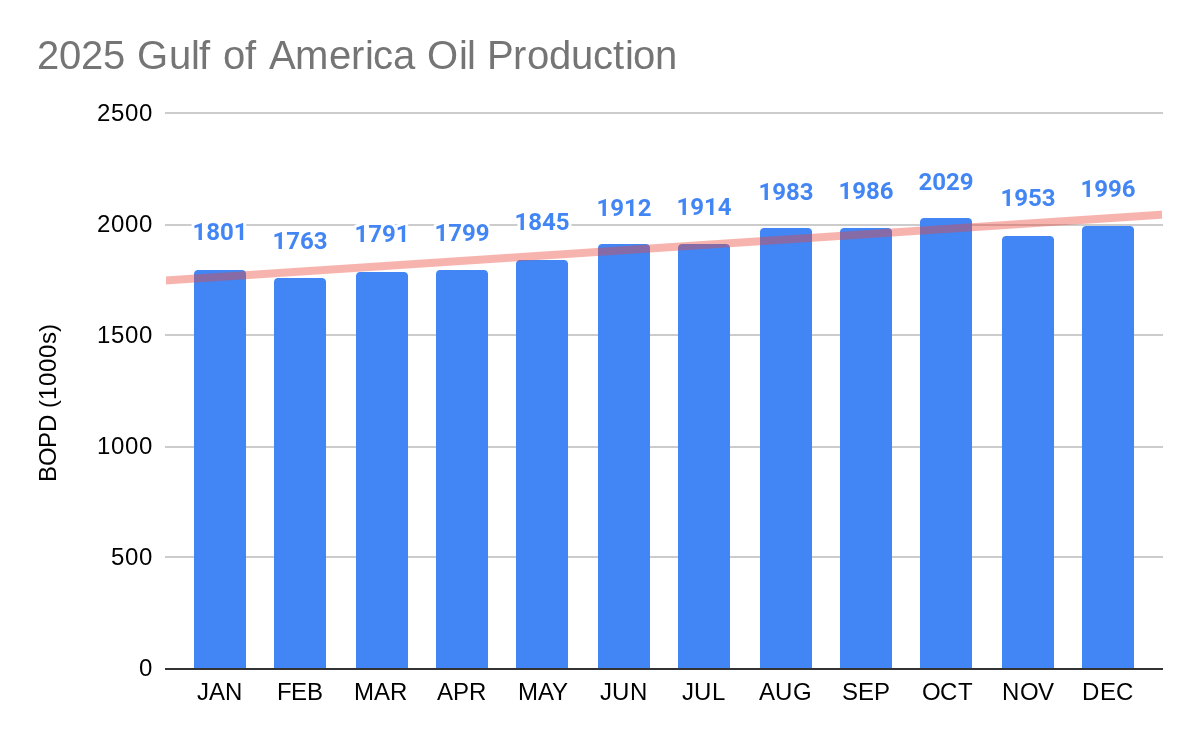
December 2025 Gulf oil production had to average 1.993 million bopd for 2025 to match the 2019 record. It exceeded that mark by 0.003 million bopd. However, October and November production were revised slightly downward resulting in a near dead heat annual average.
A closer look at the numbers (table below) shows that 2025 edged 2019 by a mere 250 bopd. Amazing!
Major caveat: The Nov and Dec 2025 figures will likely be revised slightly when EIA releases the next update at the end of January. Fingers crossed!😀
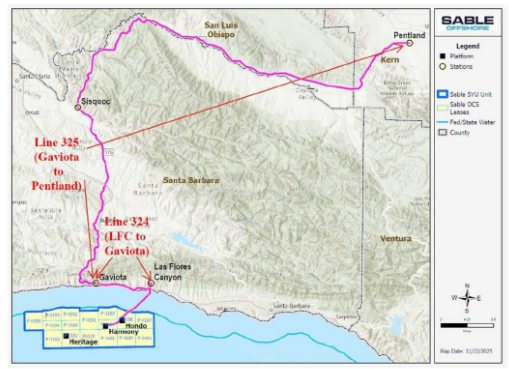
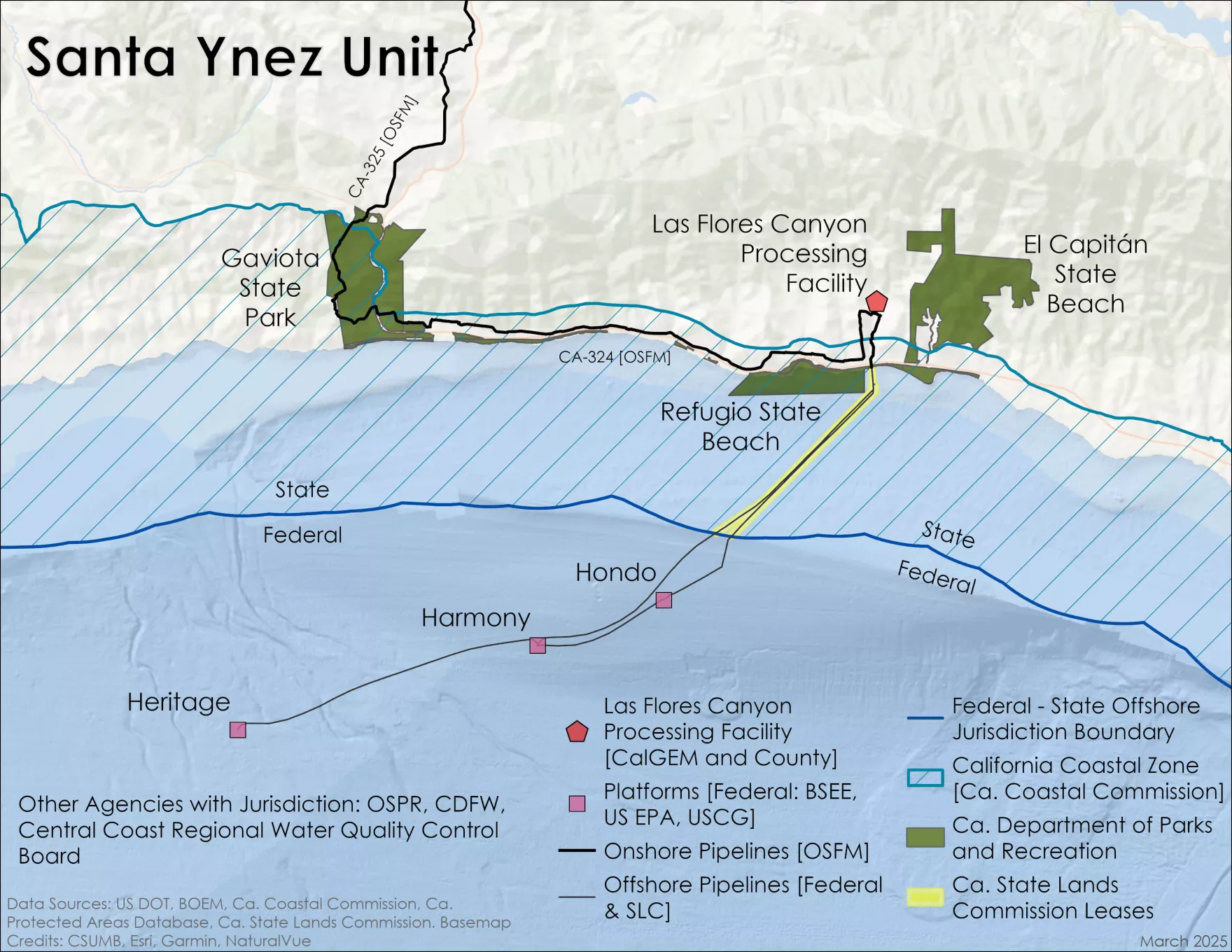
John Smithhas shared the Environmental Assessment (attached) associated with PHMSA’s Special Permit for segments 324 and 325 of Sable’s Santa Ynez Unit (SYU) pipeline system. The document is an interesting read for those following Sable’s attempt to restart production from the SYU.
PHMSA’s public notice (attached) is required because Sable’s Emergency Special Permit expired on 21 FEB. Comments are due by 26 MAR. More background.
“PHMSA is publishing this notice to solicit public comments on a request for a special permit submitted by Sable Offshore Corp. (Sable). Sable is seeking relief from compliance with certain requirements in the Federal pipeline safety regulations. PHMSA has proposed conditions to ensure that the special permit is not inconsistent with pipeline safety. At the conclusion of the 30-day comment period, PHMSA will review the comments received from this notice as part of its evaluation to grant or deny the special permit request.“
The Danish government will “initiate a process” to look at possibly extending one or more production licences in the Danish North Sea until 2050, to contribute to European energy security and independence, it said.
The government has asked the Danish underground consortium (DUC) — which operates the Tyra hub — to “explore an extension” beyond the current 2042 expiry.
Europe is in dire need of energy independence, and while renewables expansion can help the bloc achieve that goal, natural gas will still play a significant part of the energy mix in the coming year, the Danish government said. “Europe must stand on its own two feet,” Danish industry and trade minister Mortern Bodskov said
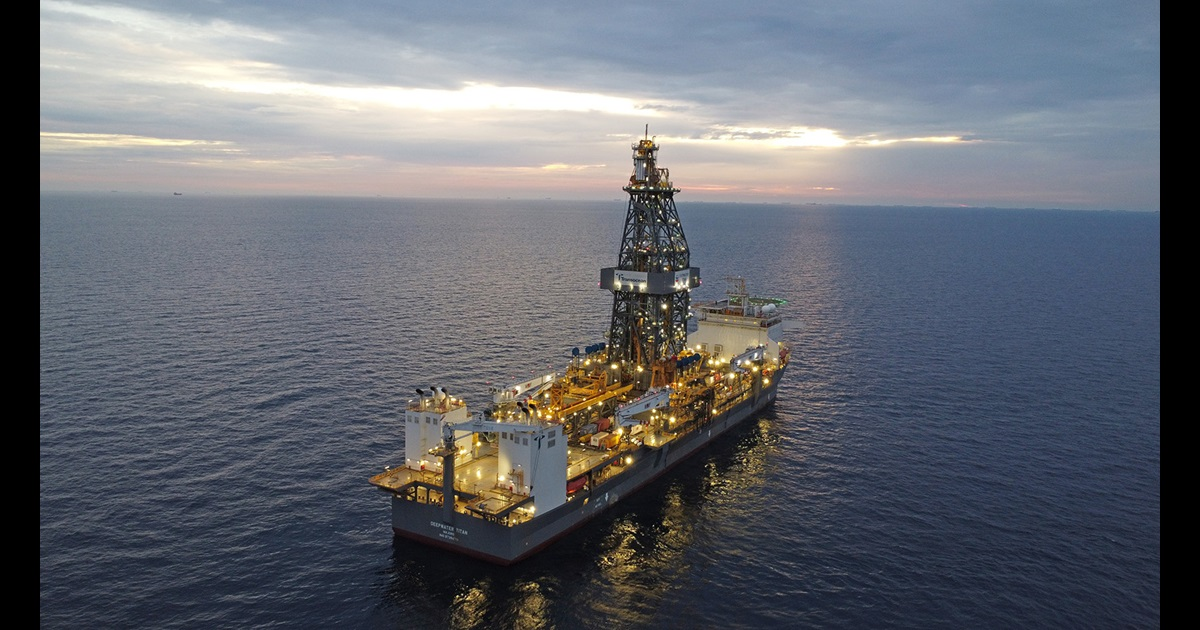
Per Baker Hughes, the latest (2/20/2026) Gulf of America rig count (2/20/2026) slipped to 9. The count was 10 the previous week and 12 a year ago. In 2023 and 2024, the BH rig count was a more healthy 15-20.
8 of the 9 rigs currently drilling are at high potential deepwater locations: 3 in the Mississippi Canyon Area, 3 in Green Canyon, 1 in Walker Ridge, and 1 in Alaminos Canyon. One rig was drilling on the shelf in the Eugene Island Area.
Per MMS data,the active Gulf rig count in 2001 was 148. The 2001 count was not a one year blip; the number of rigs active in the Gulf exceeded 100 for the ten year period from 1994-2003.
Although drilling and production have become more efficient with improved exploration technology, modern well completion practices, high pressure/temperature equipment, and enhanced recovery programs, drilling activity must still be sufficient to replace reserves and sustain production over the longer term.
2025 may have been a record production year for the Gulf; we’ll find out at the end of this week. However, that level of production is not sustainable without increased drilling activity.
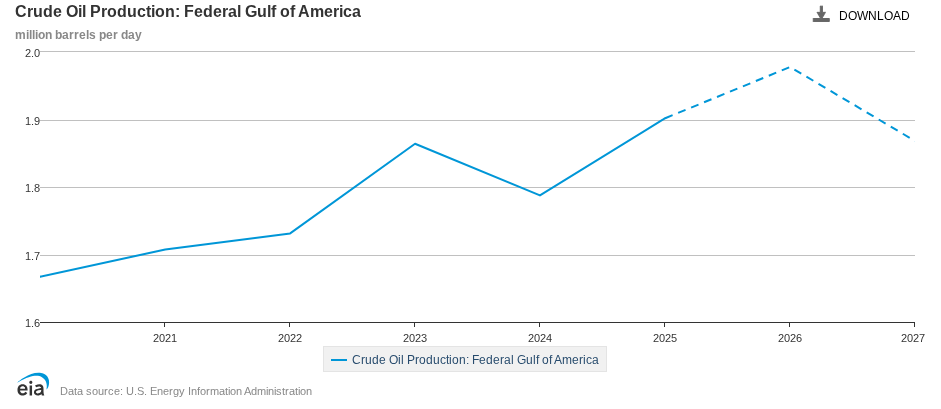
The EIA (chart below) is forecasting another banner year for Gulf oil production in 2026. However, they are pointing to a decline in 2027, when new production is not anticipated to be sufficient to offset natural declines. The decline in production is likely to continue beyond 2027 absent increased drilling.
BH rig count criteria: To be counted as active a rig must be on location and be drilling or ‘turning to the right’ for 4 out of 7 days during a week. A rig is considered active from the moment the well is ‘spudded’ until it reaches target depth or “TD”. Rigs that are in transit, rigging up, or being used in non-drilling activities such as workovers, completions, or production testing, are NOT counted as active.
Updatedincident tables for OCS oil and gas operations. The most recent data are for 2023! Providing timely details on incidents is a fundamental responsibility of a safety regulator.
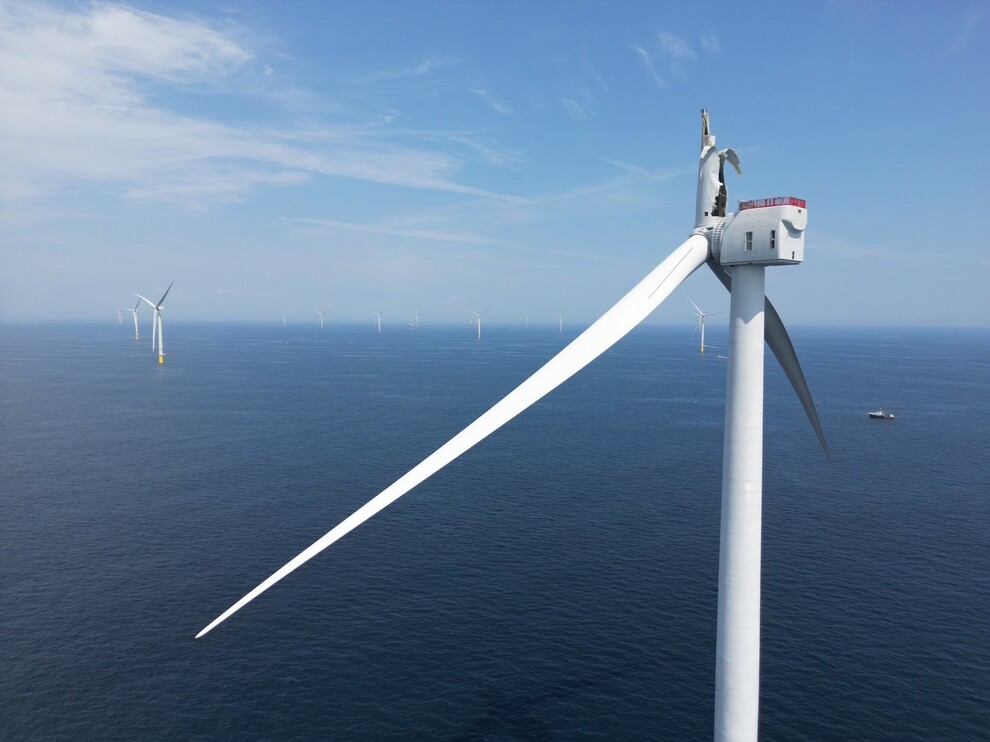
A summary of incidents associated with the OCS wind program. From press reports, we know about the fatality during Empire Wind construction. What other incidents have occurred to date?
Information on the mysterious sinking of the Aban Pearl semi-submersiblein May 2010. An investigation was conducted, but the report was never shared. In the interest of offshore safety, the new regime in Venezuela should release this report.
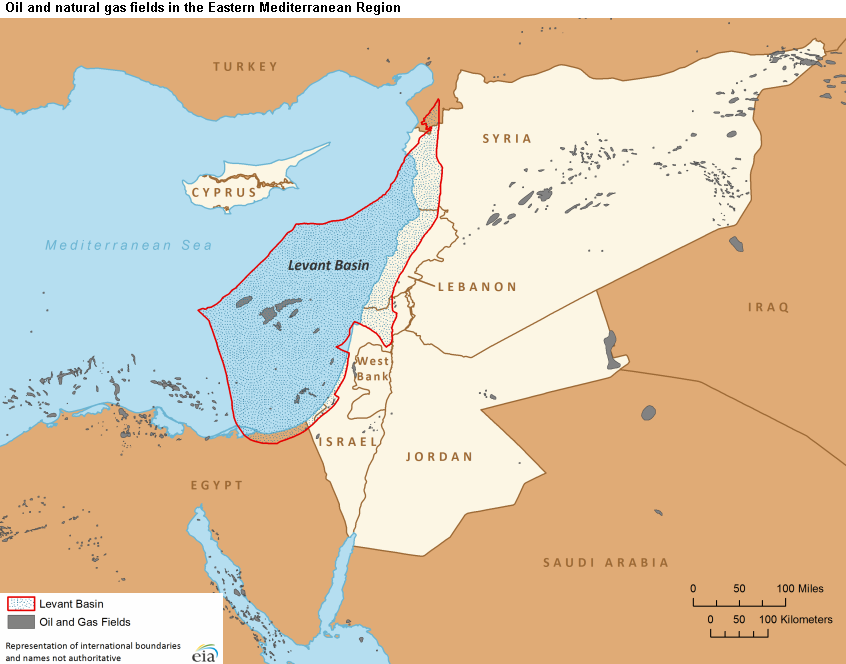
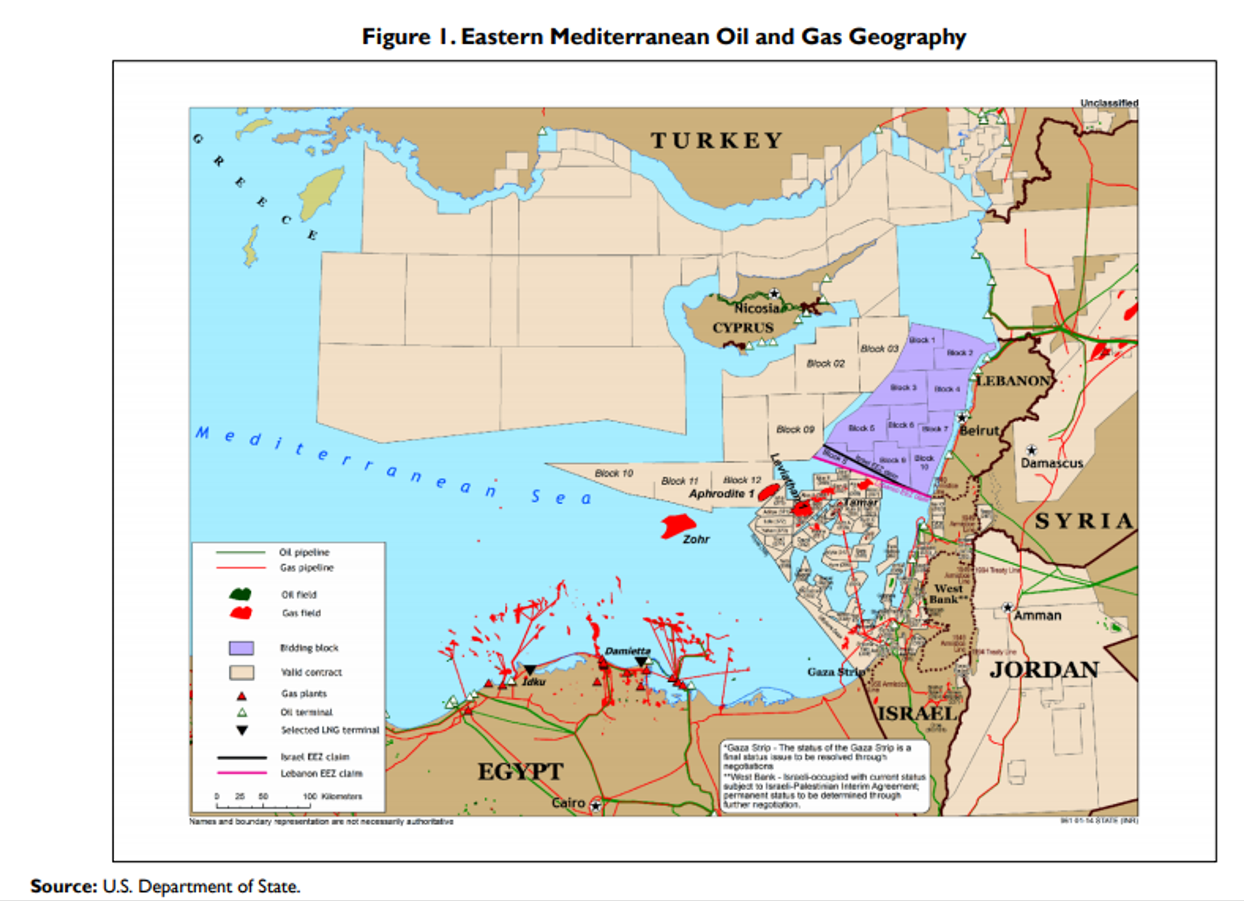
Thirty years ago, when industry majors shied away from exploration offshore Israel, Noble Energy (then Samedan) boldly stepped forward and partnered with the Delek Group to explore the Eastern Mediterranean.
Exploration success was accompanied by national security, legal, and regulatory challenges. Nonetheless, Israel’s gas production has grown rapidly and is expected to exceed 3 bcf/day in 2026, which is > current gas production in the Gulf of America.
Chevron is now the main operator in Israel, having purchased Noble’s assets in 2020. The company has taken another major step by signing an MOU with Syrian Petroleum Co. and Qatar-based Power International Holding. The document is not currently accessible online, but appears to be substantive based on press reports.
The agreement focuses on preliminary cooperation for exploring and developing offshore oil and gas resources offshore Syria. It’s noteworthy that the MOU will only remain in effect for two months, after which “formal contracts and operational work are expected to follow.”
Having done some work for Noble Energy in the 2010s, I’m very impressed by the progress that has been made given the geopolitical challenges.
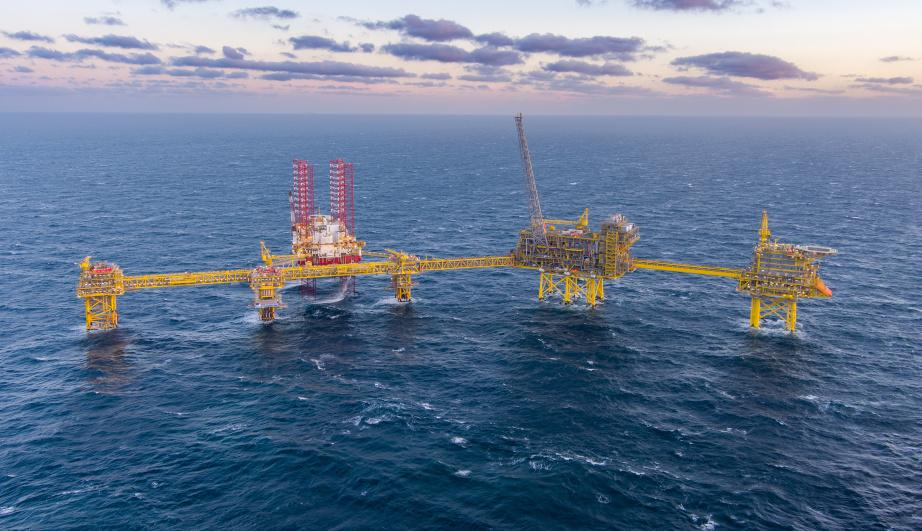
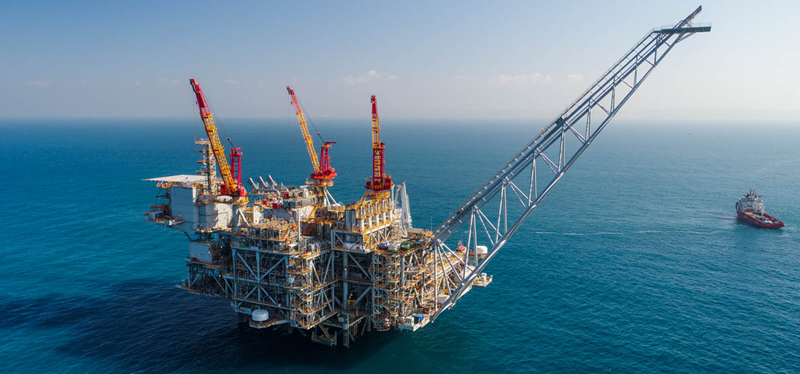
Production at Chevron’s Leviathan, a giant gas field offshore Israel
The EIA’s Eastern Mediterranean overview is attached.
This video reports on the United Oil and Gas geochemical exploration program. At the 3 minute mark, Jamaican Energy Minister Daryl Vaz does a good job of expressing optimism about Jamaica’s prospects while downplaying expectations and warning about uninformed rumors.
More difficult to understand is why the Jamaican govt granted 3 license extensions to a company that doesn’t have the financial strength to drill an exploratory well. Would it not have made more sense for the govt to deal directly with stronger companies that want full ownership, not just a share?
“The company is also operating under financial constraints. It currently has no producing assets and remains reliant on equity raises and a successful farm-out to fund future activity, according to its latest annual report. That reality makes low-cost, high-information work programmes particularly important.”
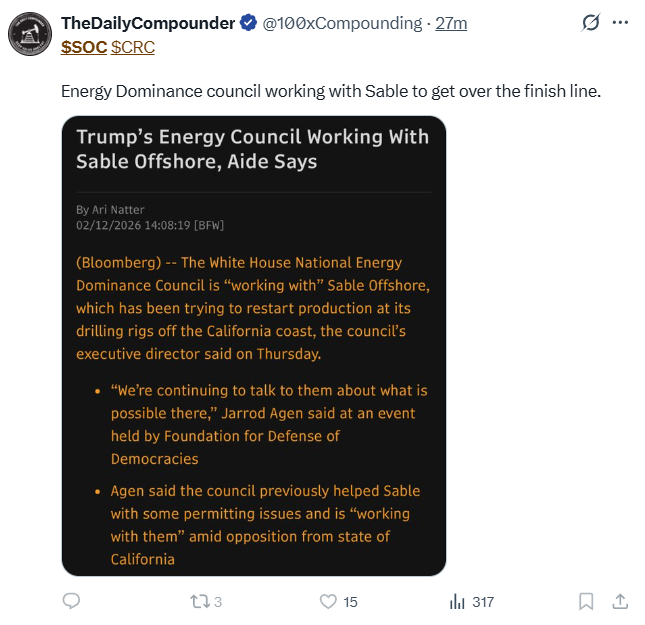
Jarrod Agen is Deputy Assistant to the President and Executive Director, National Energy Dominance Council. A question about Sable Offshore’s Santa Ynez Unit project was raised at a Foundation for Defense of Democracies (FDD) event on “The State of American Energy Dominance.” See the Bloomberg blurb and X post below. The full event video is here.
Here is the extent to which the Trump administration is helping $SOC, from a talk w Trump lackey Jarrod Agen. Sounds convincing lol pic.twitter.com/1NrCmyY6jt
 Bud's Offshore Energy (BOE)