- Gulf of Mexico Lease Sale 257 was vacated on 1/27/2022 because DC Federal Court Judge Contreras ruled that BOEM failed to consider the “positive” effect that higher prices (the logical result of lower production) would have on reducing foreign consumption and the associated GHG emissions. Think about that in the context of the timing and magnitude of this ruling. Why did the court fail to consider the other logical consequences of tight oil supplies and higher prices – increased coal consumption and energy poverty? To avoid the latter, India, the world’s second largest coal producer and consumer, is boosting coal production to record highs.
- The Administration, which had only proceeded with Sale 257 because a prior court ruling invalidated the President’s leasing pause, chose not to appeal the decision by Judge Contreras. Why appeal a decision that is consistent with your agenda?
- The legislatively mandated 5 year leasing program, without which no Federal offshore leases sales may be conducted, expires at the end of June. This is why last week’s cancellation of the 3 remaining sales in the current 5 year program was rather meaningless. Despite bipartisan congressional support for prompt completion of a new 5 year plan, this does not appear to be a high priority for the Department of the Interior. The only hope for a sale this year might be a successful appeal by Lousisiana and API of Judge Contreras’s Sale 257 ruling.
Archive for the ‘Offshore Energy – General’ Category
As energy prices soar, remember these 3 things…
Posted in climate, energy policy, Gulf of Mexico, Offshore Energy - General, tagged 5 year leasing plan, DC Federal Court, India coal, Lease Sale 257, oil prices on May 18, 2022| Leave a Comment »
Rigs-to-Rest-Retirement-RIP-Respect
Posted in drilling, Offshore Energy - General, rigs-to-reefs, Uncategorized, tagged Dalmore, rigs-to-reefs, rigs-to-rest, Scotland, transocean on May 17, 2022| Leave a Comment »
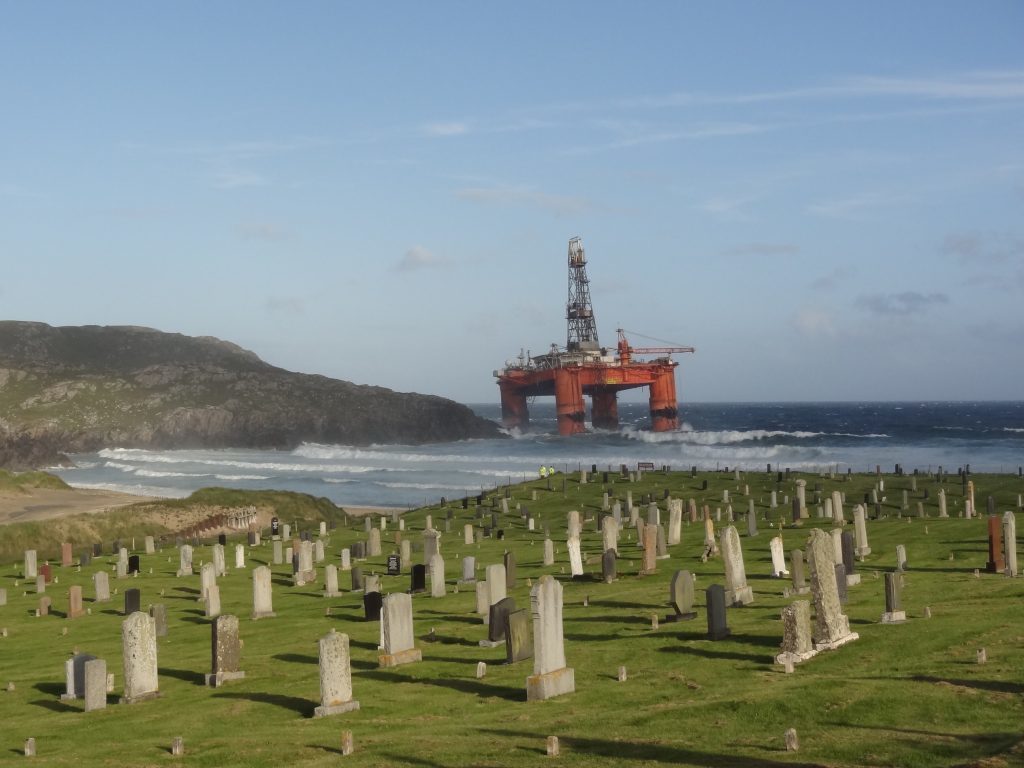
In 2016, this old Transocean semisubmersible was being towed from Norway to Malta prior to being scrapped in Turkey. The rig broke free and grounded at Dalmore, Scotland. This picture, with a Scottish cemetery in the foreground, is a fitting tribute to old rigs, the wells they drilled, the storms they endured, and the people they served.
The picture and title will be added to our world-famous Rigs-to-Reefs+++ page. Many thanks to those who have contributed to this important resource over the years.
Good advice to industry execs from Congressman Donalds
Posted in climate, energy policy, Offshore Energy - General, Uncategorized, tagged bullying, Byron Donalds, Congress, JustSayNo on May 16, 2022| Leave a Comment »

The video below is from 6 months ago but is even more relevant today. Those who produce nothing but insults shouldn’t be dictating corporate strategy.
Amen Byron!
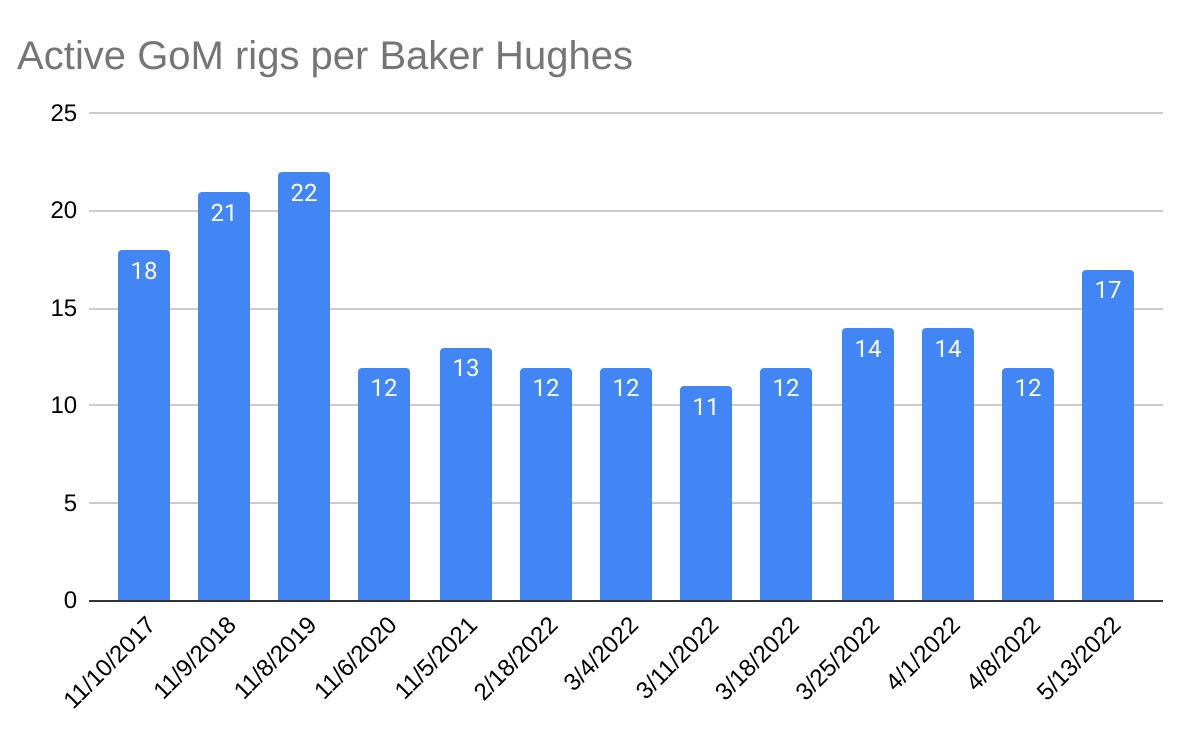
Whenever oil and gas prices rise, we hear the non-producing leases shtick
Posted in energy policy, Offshore Energy - General, Regulation, tagged deja vu, DOI, leasing, non-producing leases, Yogi Berra on May 13, 2022| Leave a Comment »

Department of the Interior spokesperson: “there are 10.9 million acres of offshore federal waters already under lease to industry,” and “of those, the industry is not producing on more than three-quarters (75.7% or 8.26 million acres).”
Fox Business
As if the preventable expiration of the 5 year leasing program wasn’t bad enough, we get to hear the non-producing leases bit yet again. This pitch was popularized during the oil embargoes in the 1970’s and resurfaces whenever it is deemed to be politically helpful.
New comments:
- As of May 1, 24.5% of the active leases were producing. This is relatively high by historical standards.
- To have producing leases, you have to have active leases, and the number of active leases is the lowest in at least 40 years.
- The decline in the number of producing leases since 2011(62%) has been less than the decline in the number of active leases (71%).
- DOI’s primary concern should be the preventable decline in active leases.
Old comments:
- 539 days since the last US offshore oil and gas lease sale
- 182 lease sales since 1954, but none since 2020
- Only 0.5% of US offshore land is leased for oil and gas exploration and production (assuming commercial quantities of oil and gas are discovered).
- When you acquire a lease, you are not purchasing oil and gas. You are acquiring the right to explore for, and hopefully produce, those resources. Most leases will never produce.
- Drilling strategies are linked to geophysical data and geologic information obtained in drilling other wells in the area and region.
- Leases expire if they are not producing by the end of the lease term, which is 5 to 10 years depending on location.
- You pay bonuses for all leases and annual rental fees for non-producing leases. None of these payments are returned if no discoveries are made.
- US offshore leases are among the smallest in the world, only a fraction of the sized of those offered by most other nations with offshore oil and gas programs. This complicates exploration and often makes development contingent on the acquisition of additional tracts at future sales.
- Oil is where you find it, not where you or the government think it is or want it to be.
Thank you US Coast Guard….
Posted in Offshore Energy - General, Regulation, tagged BOEM, Brad Butman, BSEE, Conservation Division, Georges Bank Monitoring Program, Mike Bothner, MMS, Subchapter N, US Coast Guard, USGS on May 11, 2022| Leave a Comment »
….for continuing to recognize the Conservation Division of the Geological Survey (USGS) as the US offshore safety regulator, even though 40 years have passed since that was the case and there have been 3 successor bureaus. 😀
33 CFR § 140.4 Relationship to other law. (current text excerpted from Coast Guard Subchapter N regulations)
(a) Design and equipment requirements of this subchapter for OCS facilities, including mobile offshore drilling units in contact with the seabed of the OCS for exploration or exploitation of subsea resources, are in addition to the regulations and orders of the U.S. Geological Survey applicable to those facilities.
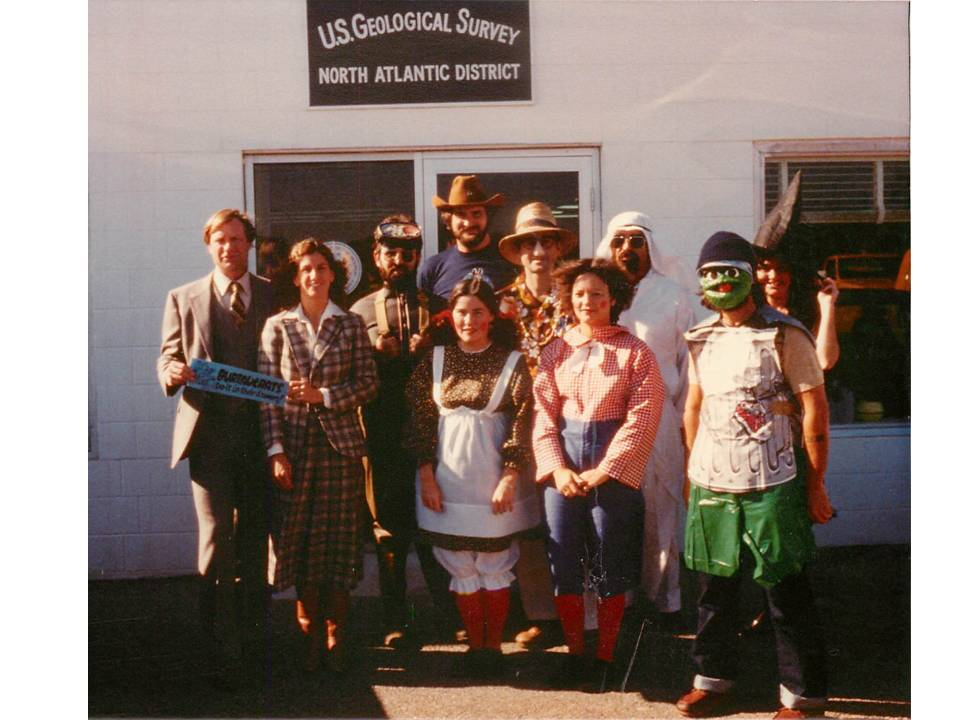
Most of us old-timers think the best regulatory framework for the offshore program was in the USGS days (pre-1982). Some of this may be nostalgia, but there are some good reasons for this thinking:
- USGS was/is an internationally acclaimed scientific organization that was always headed by a renowned geologist. The regulatory program was thus somewhat insulated from political pressures. Vince McKelvey, Bill Menard, and Dallas Peck were the Directors when I worked for USGS. Their credentials are linked. Bill and Dallas visited our Hyannis office (not at Halloween 😀) and were very supportive.
- The Conservation Division was responsible for onshore operations on Federal lands as well as offshore activity. This facilitated information sharing and offered diverse career opportunities. My first bosses in New Orleans had worked previously in the Farmington and Roswell, NM offices.
- We had excellent synergy with the other USGS divisions. The Marine Science Center in Woods Hole was an incredible resource for our Hyannis office. The Woods Hole office, particularly Mike Bothner and Brad Butman, had a critical role in the Georges Bank Monitoring Program, the best ever (in my biased opinion) environmental study of exploratory drilling operations in a frontier area.
- The USGS Conservation Division had a very small and supportive headquarter’s staff, which minimized the potential for conflict with field offices.
- Prior to the formation of the Minerals Management Service (MMS) in 1982, the Bureau of Land Management was responsible for leasing, but all regulatory functions were under USGS. This included resource evaluation/conservation, plan review and approval, permitting, inspections and enforcement, and investigations. The division of MMS responsibilities, most notably the assignment of plan approval to the leasing bureau (BOEM) rather than the regulatory bureau (BSEE), complicates the work of both bureaus and is a prescription for inefficiency, confusion, overlap, and conflict.
Gulf of Mexico scoreboard
Posted in drilling, Gulf of Mexico, Offshore Energy - General, tagged AnadarkoOxy, Arena, bp, Cantium, Chevron, exploration, Exxon, Gulf of Mexico, Hess, INCs, LLOG, Murphy, natural gas production, oil production, Shell, violations, well starts on May 10, 2022| Leave a Comment »
- Operating companies that produced >1 million bbls of oil or >1 BCF of gas in 2021 are listed in descending order based on oil production.
- Both the total number of well starts and the number of exploratory wells are indicated
- An INC is an Incident of Noncompliance (i.e. a violation). W=warning, CSI=component shut-in, and FSI=facility shut-in are the enforcement actions.
- All of the below data are publicly available on the BSEE-BOEM websites.
| 2021 oil (MMbbls) | 2021 gas (BCF) | 2021/22 well starts total-expl | 2021/22 INCs W-CSI-FSI | |
| Shell | 149.8 | 190.8 | 28-12 | 11-14-4 |
| bp | 114.0 | 82.7 | 5-2 | 6-3-4 |
| Chevron | 83.7 | 42.2 | 8-8 | 1-1-3 |
| Anadarko (Oxy) | 67.7 | 57.8 | 8-6 | 8-5-1 |
| Hess | 27.5 | 61.7 | 2-2 | 7-4-0 |
| Murphy | 25.1 | 50.0 | 7-7 | 4-8-1 |
| LLOG | 20.4 | 29.0 | 3-0 | 1-1-1 |
| Talos | 17.7 | 23.0 | 5-0 | 25-26-14 |
| BHP | 14.5 | 5.9 | 3-2 | 2-3-0 |
| Exxon | 13.2 | 2.3 | – | 1-1-1 |
| Beacon | 10.5 | 15.7 | 1-0 | 0-0-0 |
| Fieldwood | 10.4 | 24.7 | – | 685-235-91 |
| EnVen | 9.6 | 12.6 | 6-0 | 2-6-3 |
| Kosmos | 9.4 | 8.4 | 1-1 | 1-0-0 |
| Arena | 8.6 | 27.9 | 32-0 | 68-45-19 |
| Walter | 8.1 | 36.2 | 2-2 | 3-1-2 |
| Cox | 6.2 | 30.3 | – | 237-169-3 |
| Eni | 4.7 | 13.6 | 2-0 | 8-0-2 |
| W&T | 5.0 | 27.2 | 1-0 | 65-40-7 |
| Cantium | 4.5 | 5.5 | 18-0 | 23-15-2 |
| QuarterNorth | 4.2 | 8.3 | – | no data |
| GoM Shelf | 2.3 | 4.8 | – | 52-5-2 |
| ANKOR | 1.4 | 2.5 | – | 0-0-1 |
| Byron | 1.0 | 4.4 | – | 5-8-2 |
| Renaissance | 0.7 | 1.6 | – | 20-9-3 |
| Sanare | 0.3 | 4.5 | – | 38-20-3 |
| Helis | 0.2 | 1.2 | – | 1-0-2 |
| Contango | 0.03 | 5.0 | – | 4-0-0 |
| Samchully | 0.02 | 1.2 | – | no data |
Comments:
- “Energy transition” companies Shell and bp still love the Gulf of Mexico, which is a good thing for them and us. Together they accounted for 42.4% of the 2021 oil production.
- The top 4 producers, Shell, bp, Chevron (includes Unocal), and Anadarko accounted for 2/3 of GoM oil production, nearly all of which was from deepwater leases.
- Those are impressive production numbers for Anadarko (Oxy). No wonder Warren Buffett likes Oxy stock.
- The relative number of deepwater exploratory wells is mildly encouraging given our concerns about sustaining production.
- Exploratory well determinations are rather subjective and may not be entirely consistent.
- Understandably, no exploratory wells were drilled by Arena or Cantium, the companies responsible for most well operations on shelf (shallow water) leases.
- Overall, the INC numbers are impressively low for the deepwater operators, with Chevron and LLOG standing out. BSEE does not post the specific violation information (more on this in an upcoming post), so it’s difficult to properly assess a company’s compliance record.
- Unfortunately, incident data could not be included on the scoreboard. BSEE’s incident tables are badly out of date, and no 2021/2022 summaries have been posted.
- Fieldwood’s disturbing INC numbers were discussed earlier this year. High INC rates for 3 other operators have also were noted last month.
- Exxon production is limited to the Hoover Diana spar, which was installed 22 years ago. The largest US oil company has only drilled one GoM exploratory well (2018) in the past 5 years. Currently, their main GoM interest seems to be the sequestration (disposal) of onshore emissions. (More on this topic in an upcoming post.)
Say no to NOPEC
Posted in energy policy, Offshore Energy - General, tagged NOPEC, OPEC on May 9, 2022| Leave a Comment »
The Senate Judiciary Committee (with bipartisan support no less) has passed the old, stale, hypocritical, and insulting “No Oil Producing and Exporting Cartels Act” or “NOPEC”. Congress is again engaging in what it does best – blaming others. When oil prices are high, OPEC, nonproducing leases, and price gouging are the targets of choice.
Note the NOPEC language pasted below, particularly the highlighted text. Our government has proven quite capable of limiting production without OPEC’s help. This is especially true for the US offshore sector, which could be responsibly producing at least 1 million more BOPD with fewer access restrictions and timely leasing. Less than 0.5% of the US OCS is currently open to exploration and development.
Other than for grandstanding purposes, how is this bill helpful? Haven’t we been pleading with OPEC to increase production? Even the White House seems to think NOPEC is a bad idea:
White House spokesperson Jen Psaki said the administration has concerns about the “potential implications and unintended consequences” of the legislation, particularly amid the Ukraine crisis. She said the White House is still studying the bill.
Reuters
NOPEC Bill – SEC. 7A. OIL PRODUCING CARTELS.
“(a) In General.—It shall be illegal and a violation of this Act for any foreign state, or any instrumentality or agent of any foreign state, to act collectively or in combination with any other foreign state, any instrumentality or agent of any other foreign state, or any other person, whether by cartel or any other association or form of cooperation or joint action—
“(1) to limit the production or distribution of oil, natural gas, or any other petroleum product;
“(2) to set or maintain the price of oil, natural gas, or any petroleum product; or
“(3) to otherwise take any action in restraint of trade for oil, natural gas, or any petroleum product,when such action, combination, or collective action has a direct, substantial, and reasonably foreseeable effect on the market, supply, price, or distribution of oil, natural gas, or other petroleum product in the United States.
Another East Mediterranean gas discovery
Posted in natural gas, Offshore Energy - General, tagged Athena, Eastern Mediterranean, Energean, Israel on May 9, 2022| Leave a Comment »
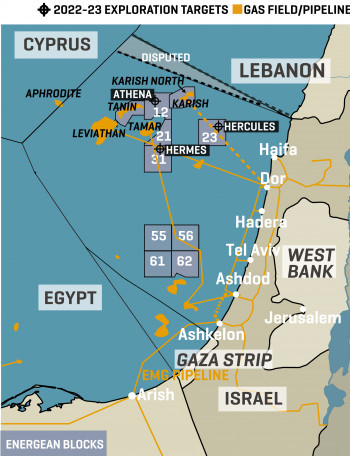
- Announced by Energean (see details)
- Athena gas well
- 283 bcf
- De-risks other nearby prospects
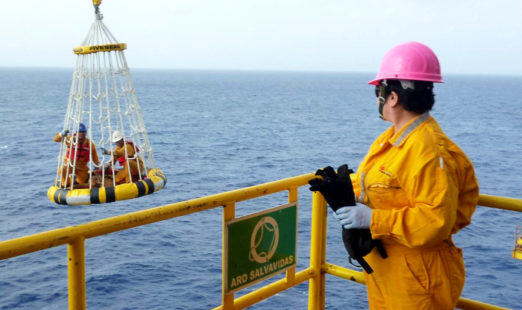
Happy Mothers’ Day to offshore moms and the mothers of offshore workers!
Posted in Offshore Energy - General, tagged Mothers' Day, Offshore Moms on May 8, 2022| Leave a Comment »
 Bud's Offshore Energy (BOE)