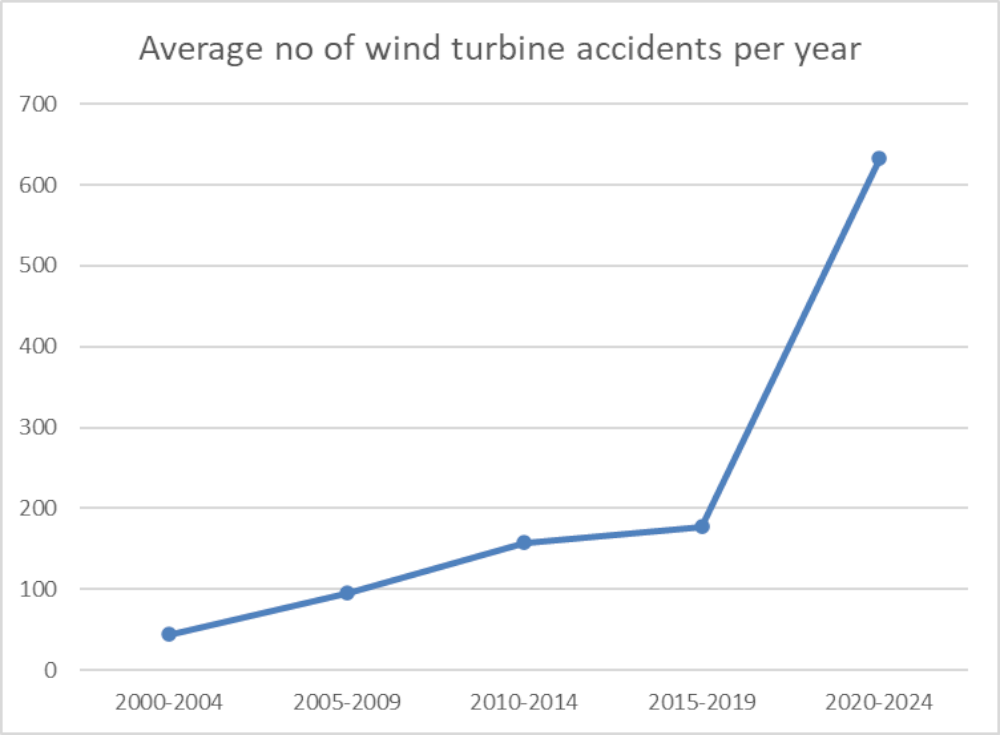
The SAS data indicate that the number of wind turbine incidents has risen sharply in recent years (see chart below). The increased number of turbines worldwide, and perhaps better news coverage of incidents, presumably contributed to the sharp increase. Nonetheless, the growing number of incidents is disconcerting, as is the absence of industry and government summaries and reports.
SAS acknowledges that their list, which is dependent on publicly available reports, is merely the “tip of the iceberg.” For example, the list does not include the June 2, 2025, Empire Wind project fatality.
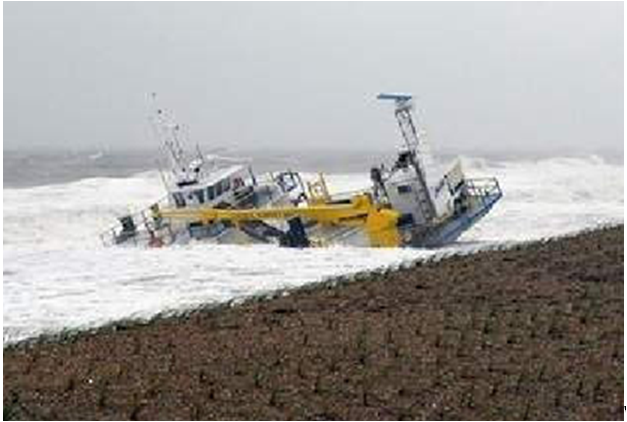
The SAS list does capture the 2018 collapse of the Russell Peterson liftboat, which was collecting data offshore Delaware for a wind project. One worker died and another was seriously endangered. The Coast Guard never issued a report on this tragic incident. Serious questions remain about the positioning of a liftboat in the Mid-Atlantic for several months beginning in March when major storms are likely, the liftboat’s failure mechanisms, the operator’s authority to be conducting this research, and the actions that were taken in preparation for storm conditions.
Updatedincident tables for OCS oil and gas operations. The most recent data are nearly 2 years old. The public has a right to timely information on the type of incidents that are occurring, the operating companies, and the resulting casualties, pollution, and property damage.
A summary of incidents associated with the OCS wind program. From press reports, we know about the fatality during Empire Wind construction. What other incidents have occurred to date?
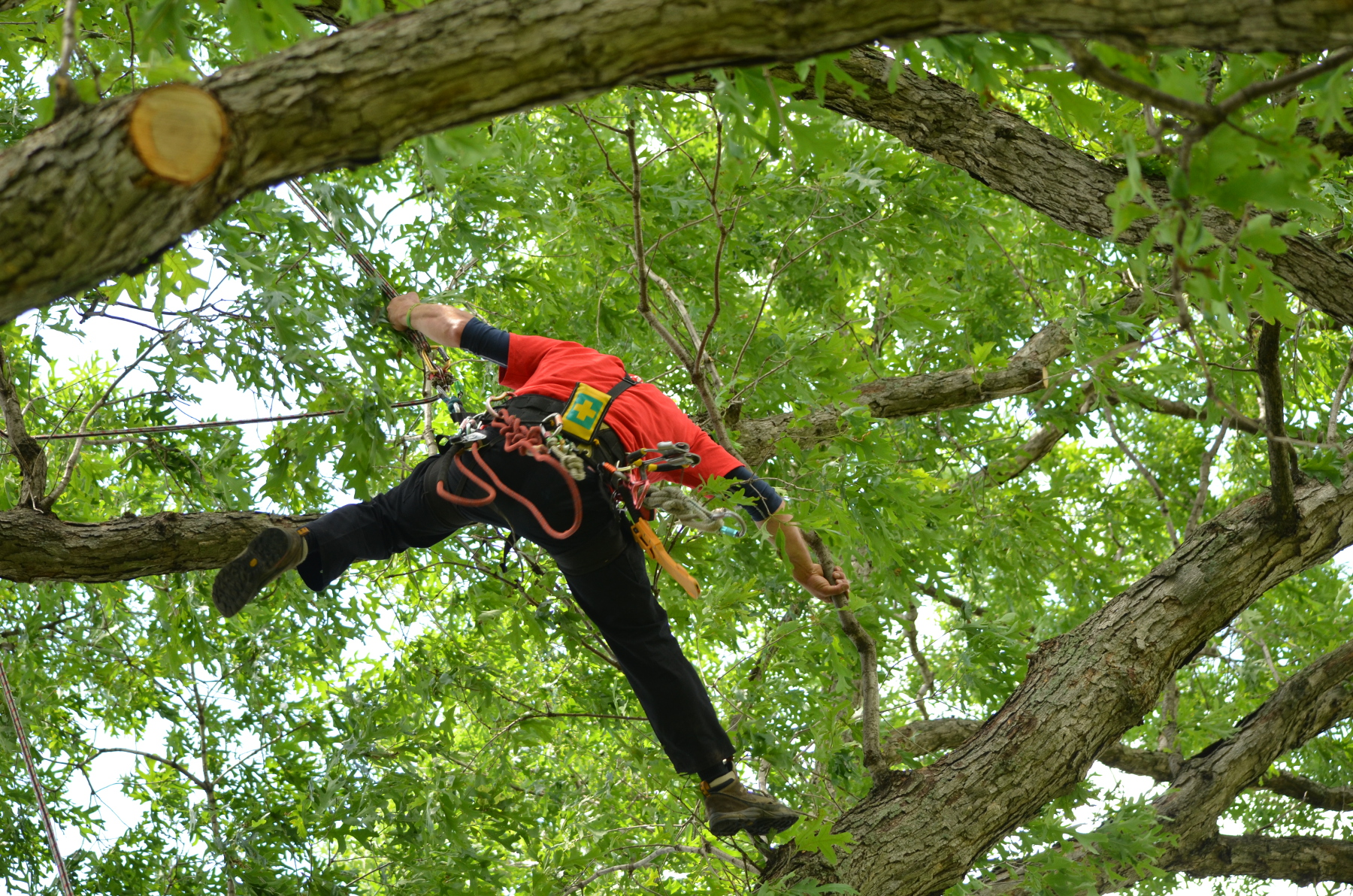
Earlier this week a tree service company was removing some large branches in our backyard. The 2 young workers stopped the job before they finished. They knocked on our door and told me that their foreman was off and they were uncomfortable tackling a large, high branch without him and a crane operator. They would come back with a full crew.
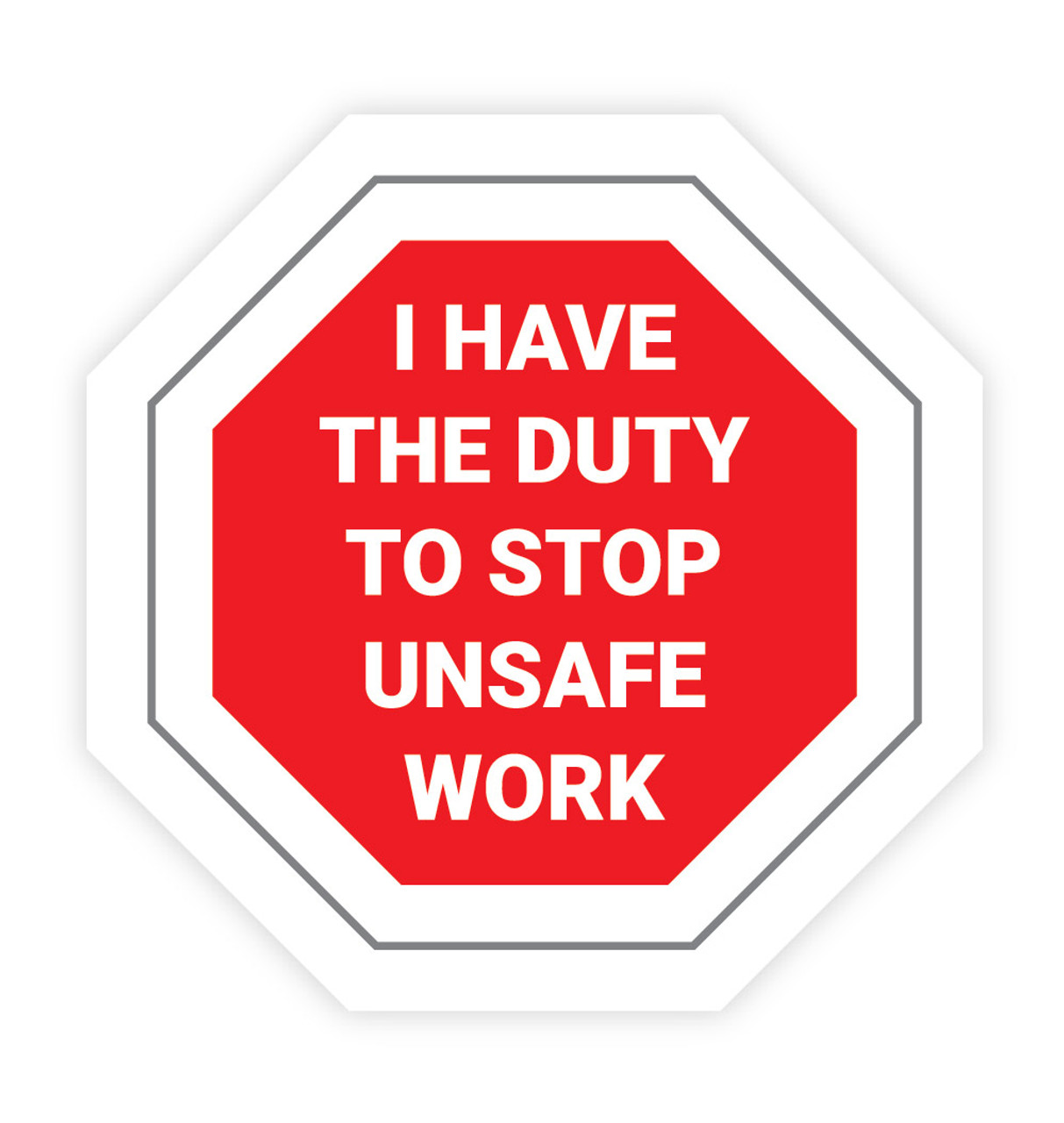
I congratulated them and told them they did exactly the right thing. I told them I was involved with offshore safety and many serious incidents would have been prevented if workers, with their employers encouragement, had been more assertive in stopping work. Developing that type of culture takes time and requires strong leadership and consistent, unambiguous messaging. Leadership matters, both at the site and in the office!
The Macondo well is a worst case example on many fronts, including the reluctance or inability of management and workers to stop taking actions that increased well control risks. Given the narrow pore pressure/fracture gradient, the prudent decision would have been to set a cement plug in the open hole and carefully assess next steps. However, delays and cost overruns were the overriding concerns, and well construction continued despite the long list of issues described here. Sadly, we know how that worked out.
Even after the well started to flow, the crew had time to actuate the emergency disconnect sequence and avert disaster. However, some combination of deficient training, uncertain authority, and fear of repercussions prevented that from happening.
Be it a small tree service company or a major oil company, safety culture development is a journey that has no end point and requires continuous leadership from everyone in the organization.
…and should be an integral part of Job Safety Analyses!
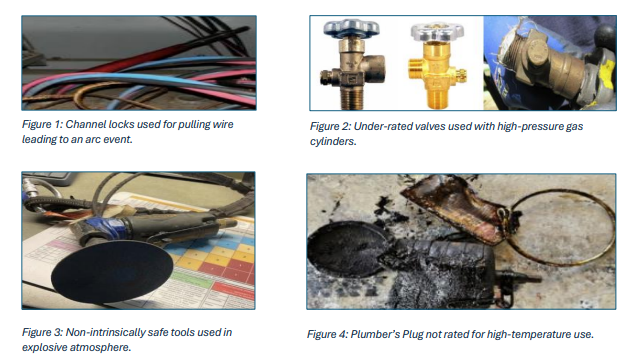
According to BSEE, there is a recurring trend of equipment misuse contributing to fire and explosion hazards during offshore oil and gas operations in the Gulf of America.
Workers have used tools not rated for electrical work on live circuits (Figure 1) and mismatched hydraulic or pneumatic tools for high-pressure systems (Figure 2). In several cases, non-intrinsically safe hand tools were used in explosive atmospheres, including mudrooms and drilling floors.
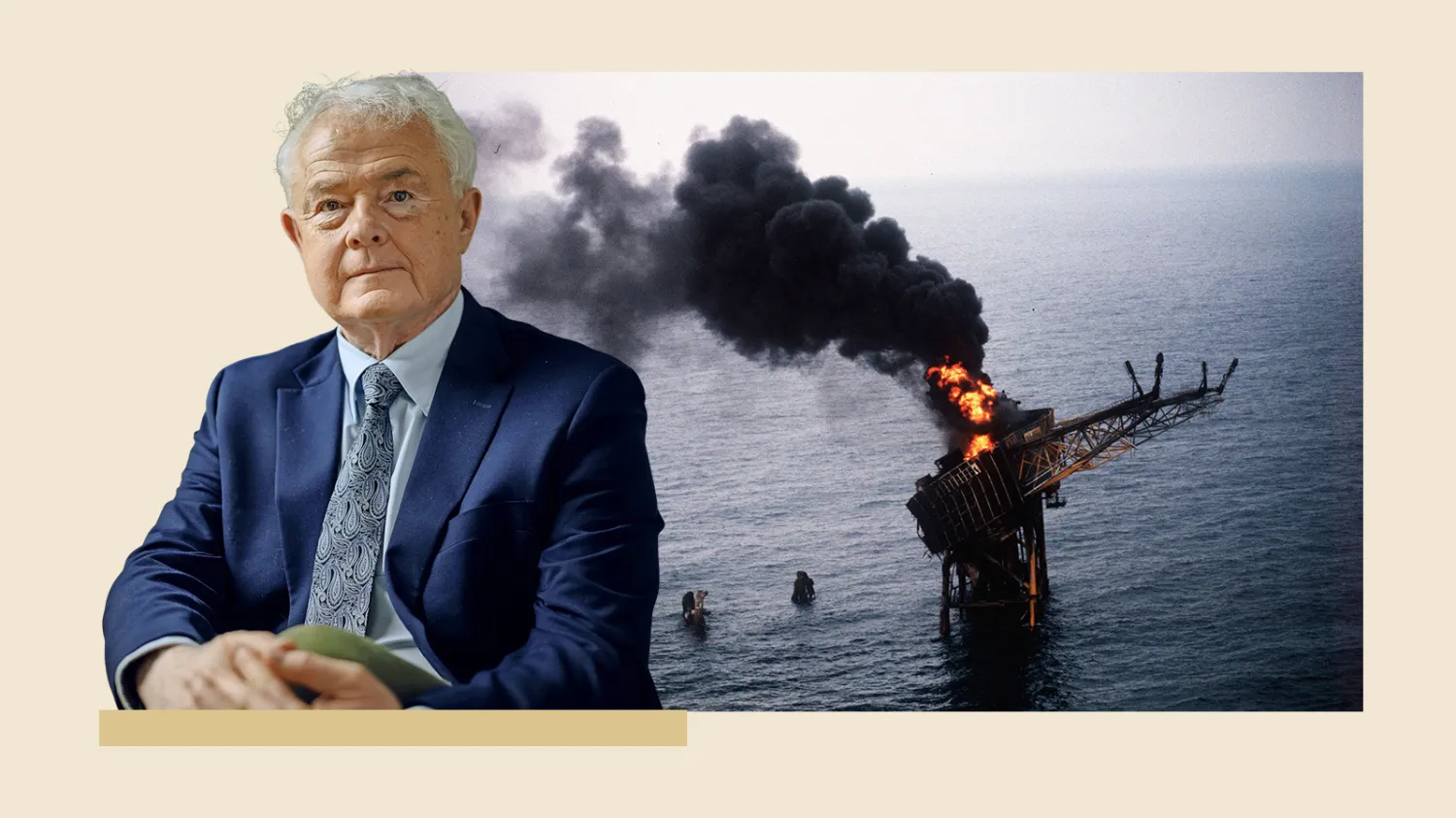
JL Daeschler shared a London Sunday Times piece about the Piper Alpha fire that killed 167 workers, the worst tragedy in the history of the offshore industry. We were troubled by the headline, because it seems inconceivable that any UK offshore worker could call July 6, 1988, the best day of their life. However, Punchard helped a number of workers escape the fire, so his mixed message is somewhat understandable.
Lord Cullen’s comprehensive inquiry into the Piper Alphatragedy challenged traditional thinking about regulation and how safety objectives could best be achieved, and was perhaps the most important report in the history of offshore oil and gas operations. That report and the US regulatory response to the tragedy are discussed in this post.
BSEE’s new downhole commingling rule, which responds to a Congressional mandate, is contrary to Cullen’s Safety Case principles in that it puts the burden of proof on the regulator to conclusively demonstrate that a potentially hazardous operation is unsafe.This is exactly the opposite of the approach recommended by Cullen. It’s also the first time in the history of the OCS program that Congress has dictated approval of complex downhole operations. More on this in a later post.
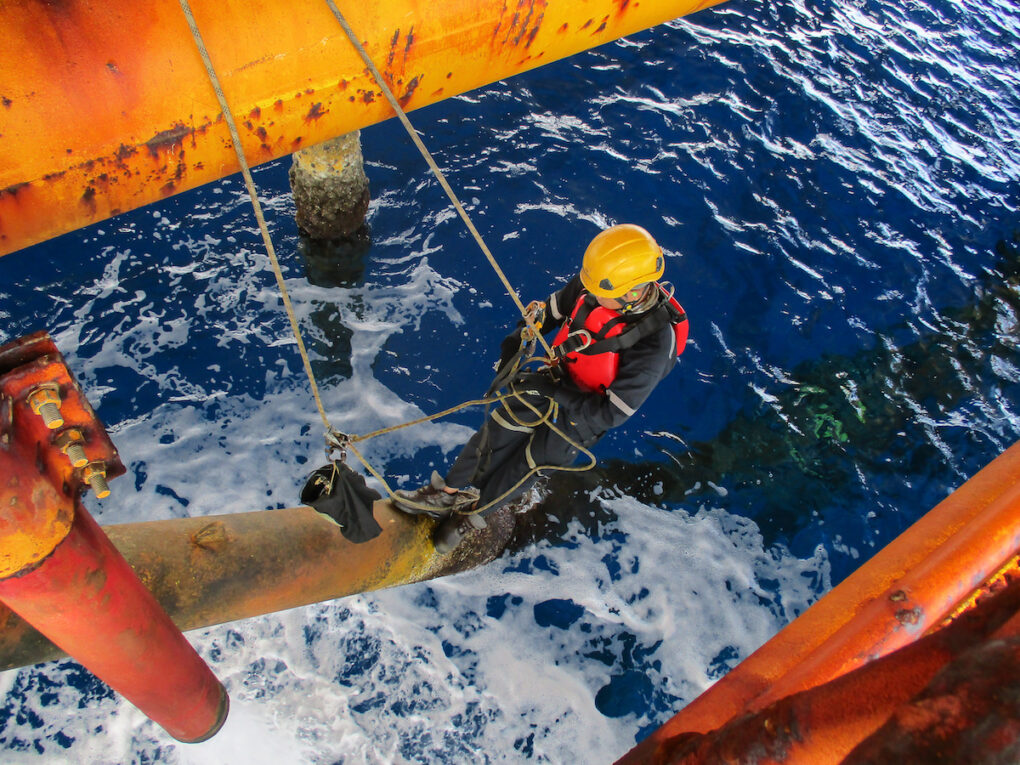
I never liked the label “slips, trips, and falls” (STFs) because the words “slips and trips” trivialize the most common cause of serious offshore casualties. Perhaps, the name of this category should be simplified to “falls,” because that is the consequence of concern.
Unfortunately, STFs persist at an unacceptably high rate. In the attached Safety Alert, BSEE informs that between May 2024 and April 2025, 22% of all injuries were attributed to STFs. Many of these injuries were classified as major.
BSEE conducted focused inspections of 19 facilities (17 different operators) to better assess the STF problem. They found common deficiencies in training, hazard identification, and other preventive measures. These deficiencies and the associated safety management recommendations are listed in the Safety Alert.
Kudos to BSEE for their excellent Safety Alert program. Unfortunately, unacceptable delays in updating their incident tables and OCS performance measures data make it difficult to assess industry wide safety performance trends. The most recent data are for 2023, and some of those data raise concerns. For example, the number of fires (152) was the highest in the history of the performance measures data set (dates back to 1996) by some margin. What happened in 2024 and the first half of 2025? These data should be readily available and posted in a timely manner. No offshore facility fire is trivial.
NRW contracted with Array Petroleum to operate the former Cox Assets. Array subsequently sued NRW, asserting that NRW received $78,000,000 in revenue, but disbursed only about $48,000,000 to pay Array’s invoices and those of the subcontractor.
The court filing claimed that NRW failed to pay Array $2.5 million, the subcontractors $10.7 million, and the United States $12 million. A large share of the subcontractor costs were probably for well operations given that 21 Array workover applications were approved in 2024 and 2025. The $12 million due to the Federal government is reportedly for royalty payments. Were any revenues set aside for decommissioning liabilities?
Array’s lawsuit was dismissed by the court on January 3, 2025, after a joint motion to dismiss was filed by the defendants. Information on the reasons for the dismissal is not publicly available.
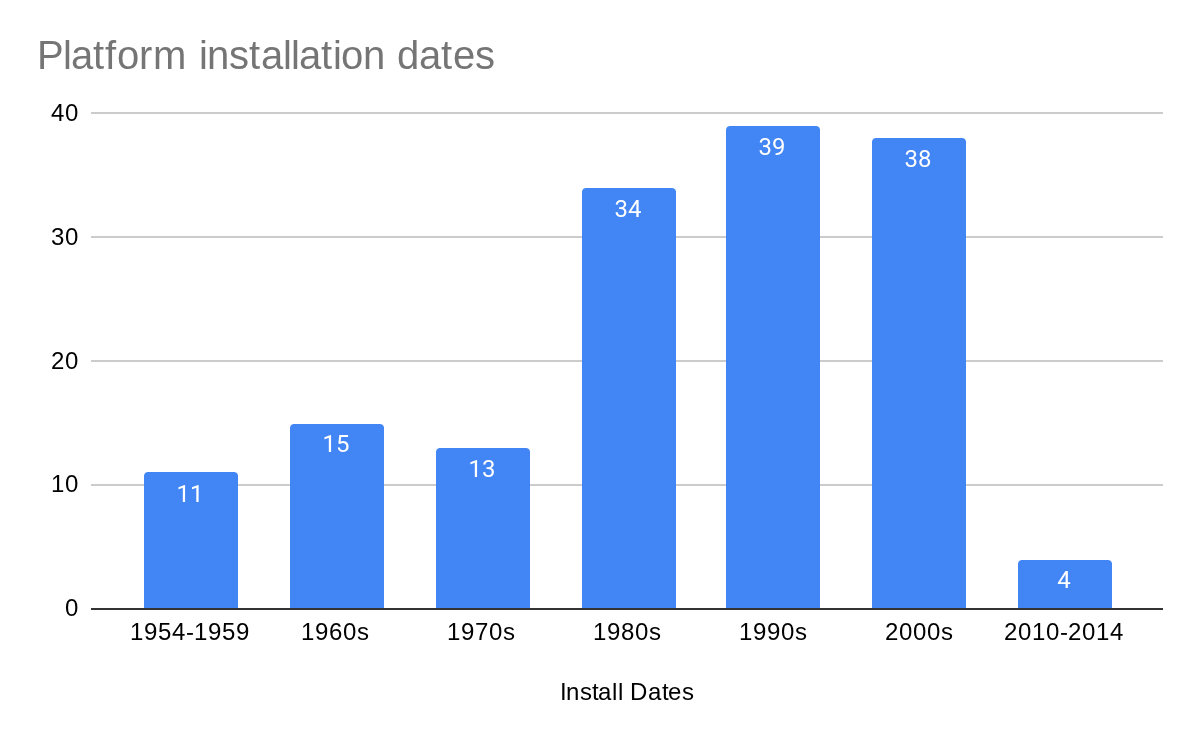
Old platforms: According to BOEM records, Array operates 154 platforms previously owned by Cox. These platforms are in the Ship Shoal, South Marsh Island, and West Delta areas of the Gulf of America. Most are >30 years old and four are more than 70 years old (see chart below). 41 are classified as major structures including 15 of the 26 platforms installed in the 1950s and 1960s. 44 are manned on a 24 hour basis. 79 have helidecks. Massive decommissioning liabilities loom.
Violations: NRW/Array ranks 37th out of 42 companies in GoA oil production (2025 YTD) and 36th out of 42 companies in gas production, but leads the pack in Incidents of Noncompliance (INCs):
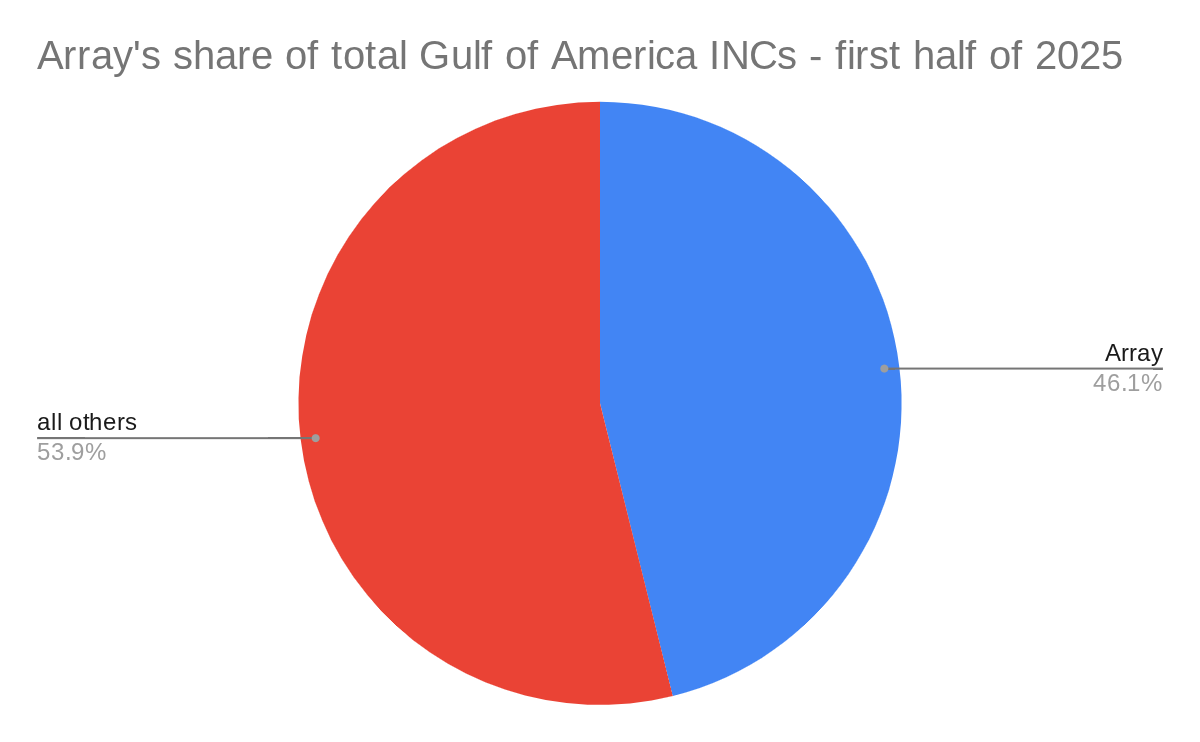
Array accounted for nearly half of all GoA INCs issued in the first half of 2025 (chart below).
Array was issued 9 times more warning INCs (311) than any other operator. Apache was second with 34.
There are many small and mid-sized companies that are responsible operators. Their participation in the OCS program should be encouraged. However, others have demonstrated, by their inattention to financial and safety requirements, that they are not fit to operate OCS facilities.
The growth of Fieldwood, Cox, Signal Hill, and Black Elk was in part facilitated by lax lease assignment and financial assurance policies.
Operating companies should have to demonstrate that they can operate safety and comply with the regulations before they are approved to acquire more properties.
Expect the ultimate public cost of the Cox bankruptcy, in terms of decommissioning liabilities and the need for increased oversight, to be large.
The Federal govt (Justice/Interior) should strongly oppose bankruptcy court asset sales that increase public financial, safety, and environmental risks.
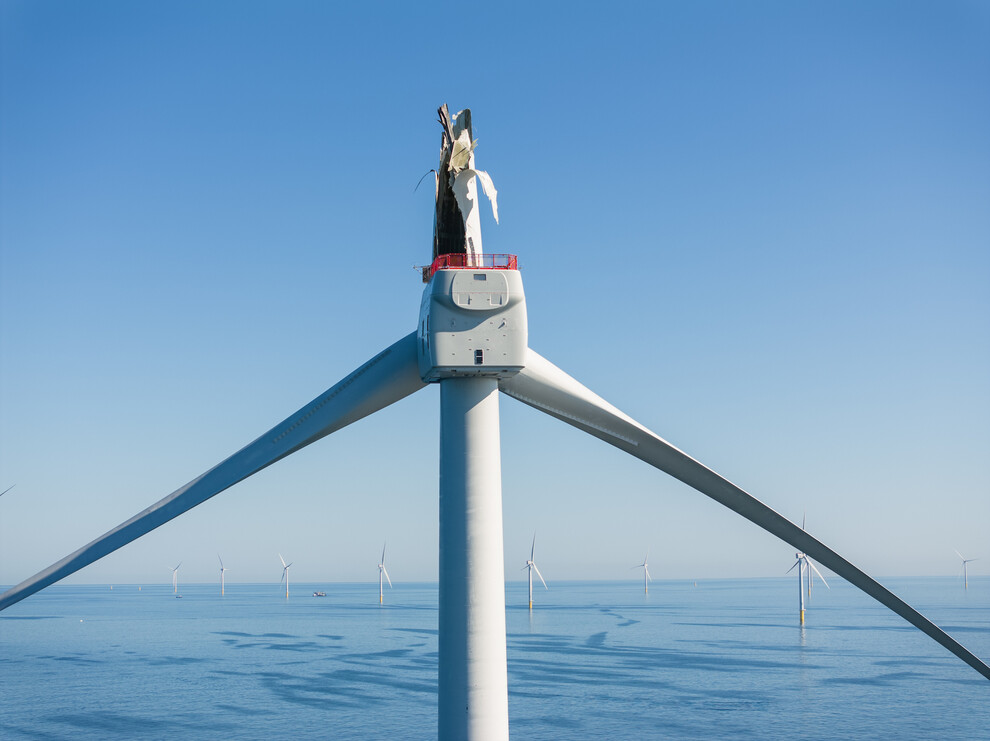
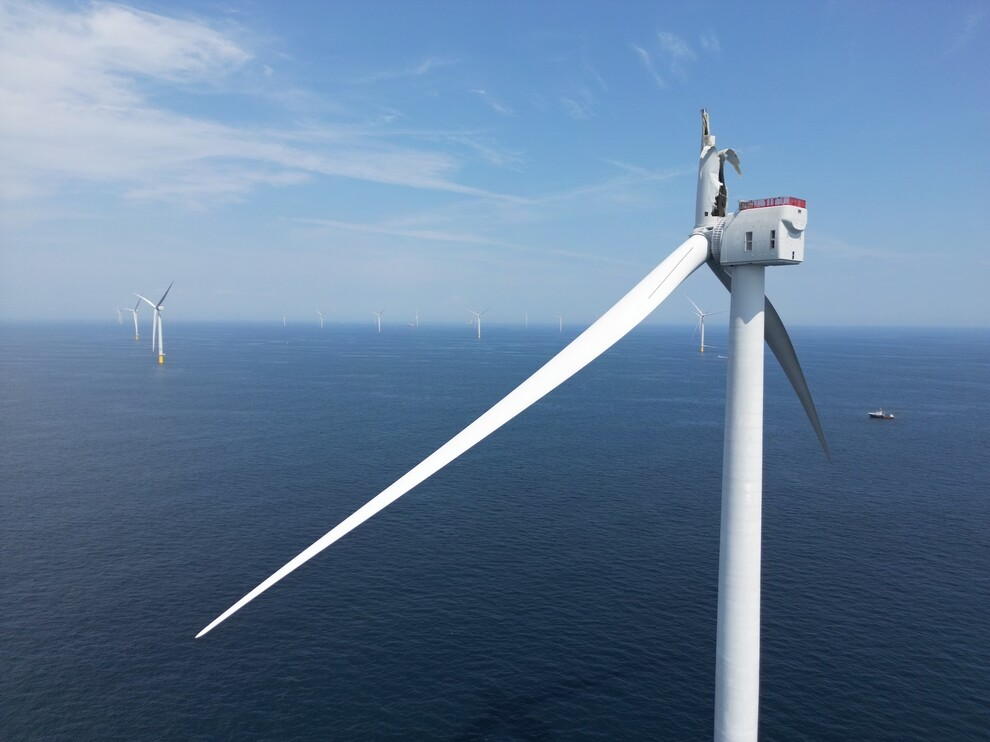
Nantucket Current:Nantucket officials and attorneys will hold a press conference next Tuesday, July 29th, at 9:30 a.m. regarding “Vineyard Wind’s failure to meet its legal and public commitments to the community.”
“BSEE’s comprehensive and independent investigation is ongoing,” an agency spokesperson wrote in an email to the Current on Tuesday. “There is no timetable for the completion of the investigation, as BSEE focuses on ensuring that the investigation is thorough and complete.”
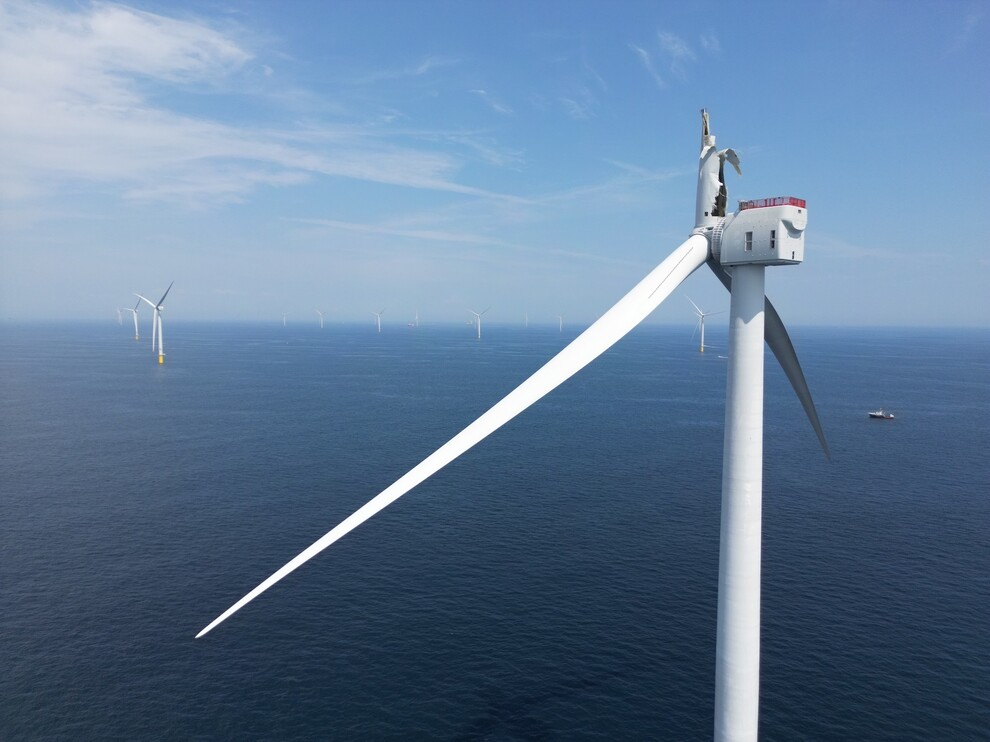
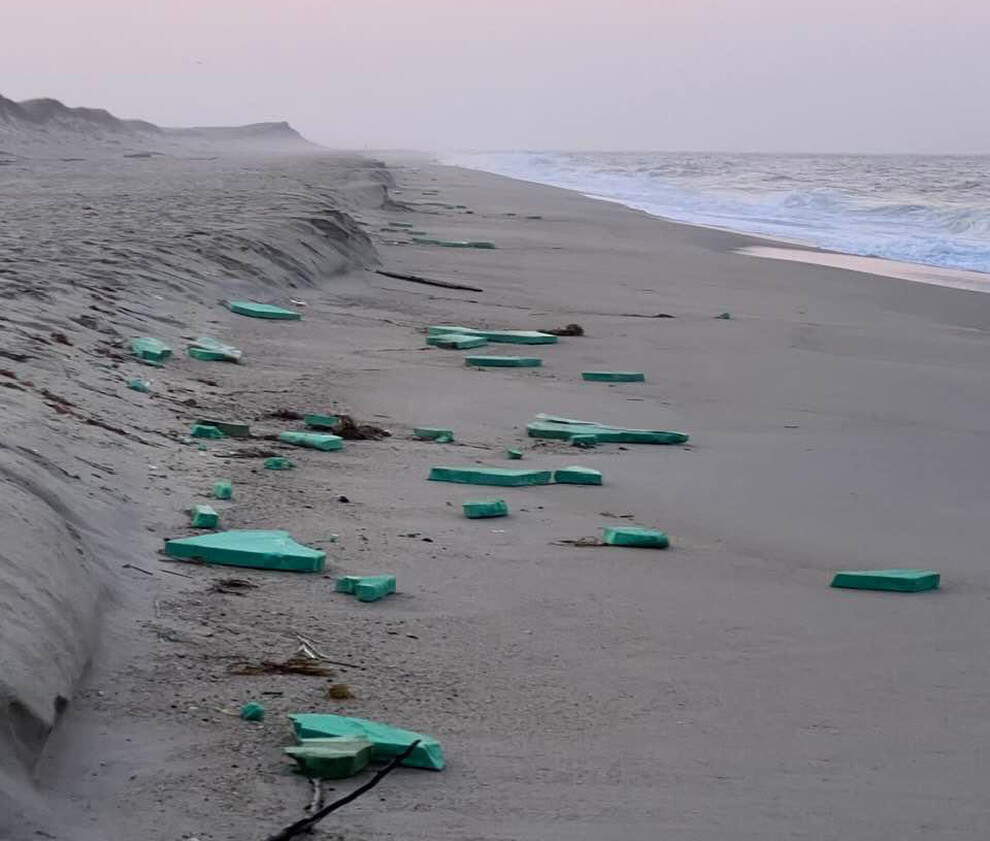
Debris from the failed Vineyard Wind blade littering the south shore of Nantucket in July 2024. Nantucket Current photo.
Nantucket reached a settlement agreement (attached) with turbine manufacturer GE Vernova (GEV), praising that company while criticizing Vineyard Wind (VW), the lessee and operator:
“The Town of Nantucket commends GE Vernova for its leadership in reaching this agreement. By contrast, the Town has found Vineyard Wind wanting in terms of its leadership, accountability, transparency, and stewardship in the aftermath of the blade failure and determined that it would not accept Vineyard Wind as a signatory to the settlement,”the town stated Friday morning.
Comments:
For a relatively modest sum ($10.5 million) paid by the contractor (GEV), the agreement further limits the Town’s ability to hold Vineyard Wind, the lessee and operating company, accountable. See sections 4, 5(a), and 9 of the agreement.
The Town’s ability to challenge the project was already compromised by their unpopular “Good Neighbor Agreement.”
What ever happened to operator responsibility? This fundamental tenet of the OCS oil and gas program also applies to offshore wind. Vineyard Wind should be the party that is fully accountable for the damages associated with their project. VW can seek compensation from GEV, but VW is the accountable party.
Can you imagine if BP had attempted to stay on the sidelines while Transocean and other contractors settled claims associated with the Macondo blowout? Unthinkable!
Nantucket should have insisted on VW’s participation, rather than excluding them.
What does the lessor, the Federal govt, have to say about damage compensation? Are civil penalties forthcoming? When will we finally see the BSEE investigation report!
Given the investigation’s significance, not only for Vineyard Wind, but for other offshore wind projects planned or under construction, how is the delay in issuing the report acceptable?
Keep in mind that the lengthy and complex National Commission, BOEMRE, Chief Counsel, and NAE reports on the Macondo blowout were published 6 to to 17 months after the well was shut-in.

 Bud's Offshore Energy (BOE)