Next week, BOE will rank the 2025 Gulf of America Safety Compliance Leaders according to the number of incidents of non-compliance (INCs) per facility inspection.
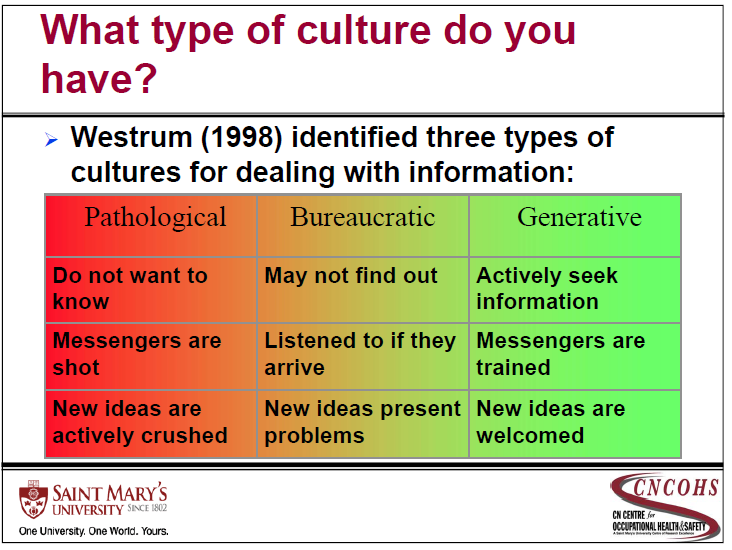
How is your company’s safety culture?
Posted in accidents, Gulf of Mexico, Offshore Energy - General, Regulation, tagged 2025 safety compliance, fewest violations, Gulf of America, safety culture, safety leaders, top operating companies on January 30, 2026| Leave a Comment »
Next week, BOE will rank the 2025 Gulf of America Safety Compliance Leaders according to the number of incidents of non-compliance (INCs) per facility inspection.
How is your company’s safety culture?
Posted in Uncategorized, tagged safety culture on October 11, 2025| Leave a Comment »
Posted in accidents, Offshore Energy - General, well control incidents, tagged macondo, offshore drilling, safety culture, safety leadership, stop work authority, tree service on September 25, 2025| Leave a Comment »
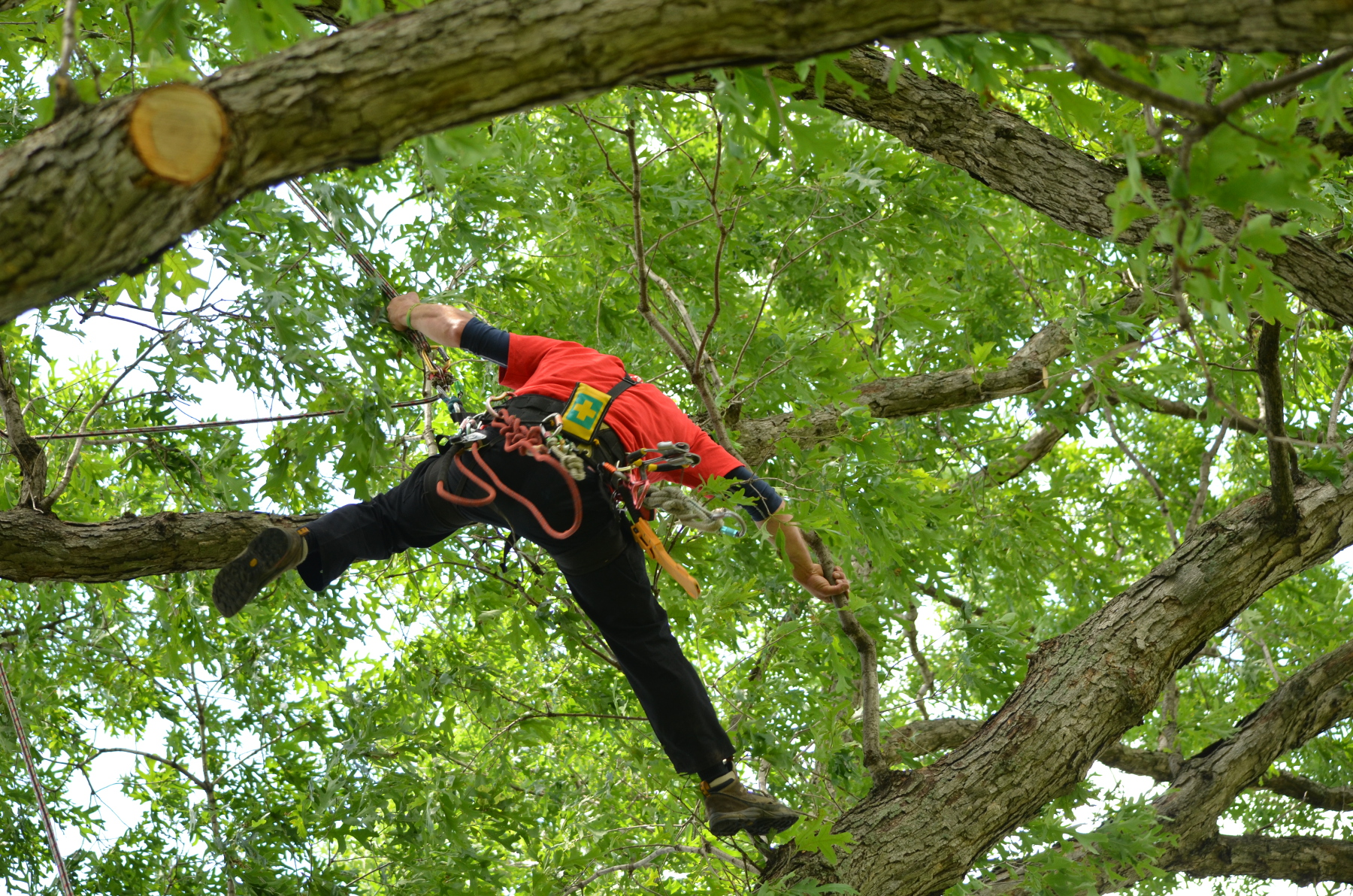
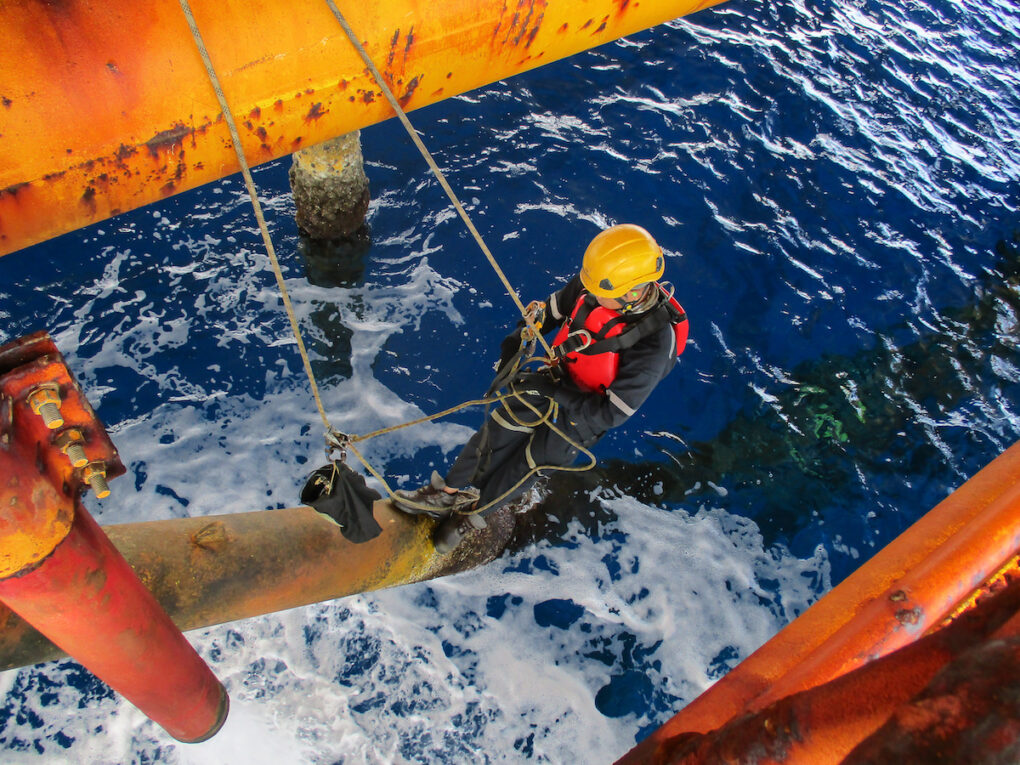
Earlier this week a tree service company was removing some large branches in our backyard. The 2 young workers stopped the job before they finished. They knocked on our door and told me that their foreman was off and they were uncomfortable tackling a large, high branch without him and a crane operator. They would come back with a full crew.
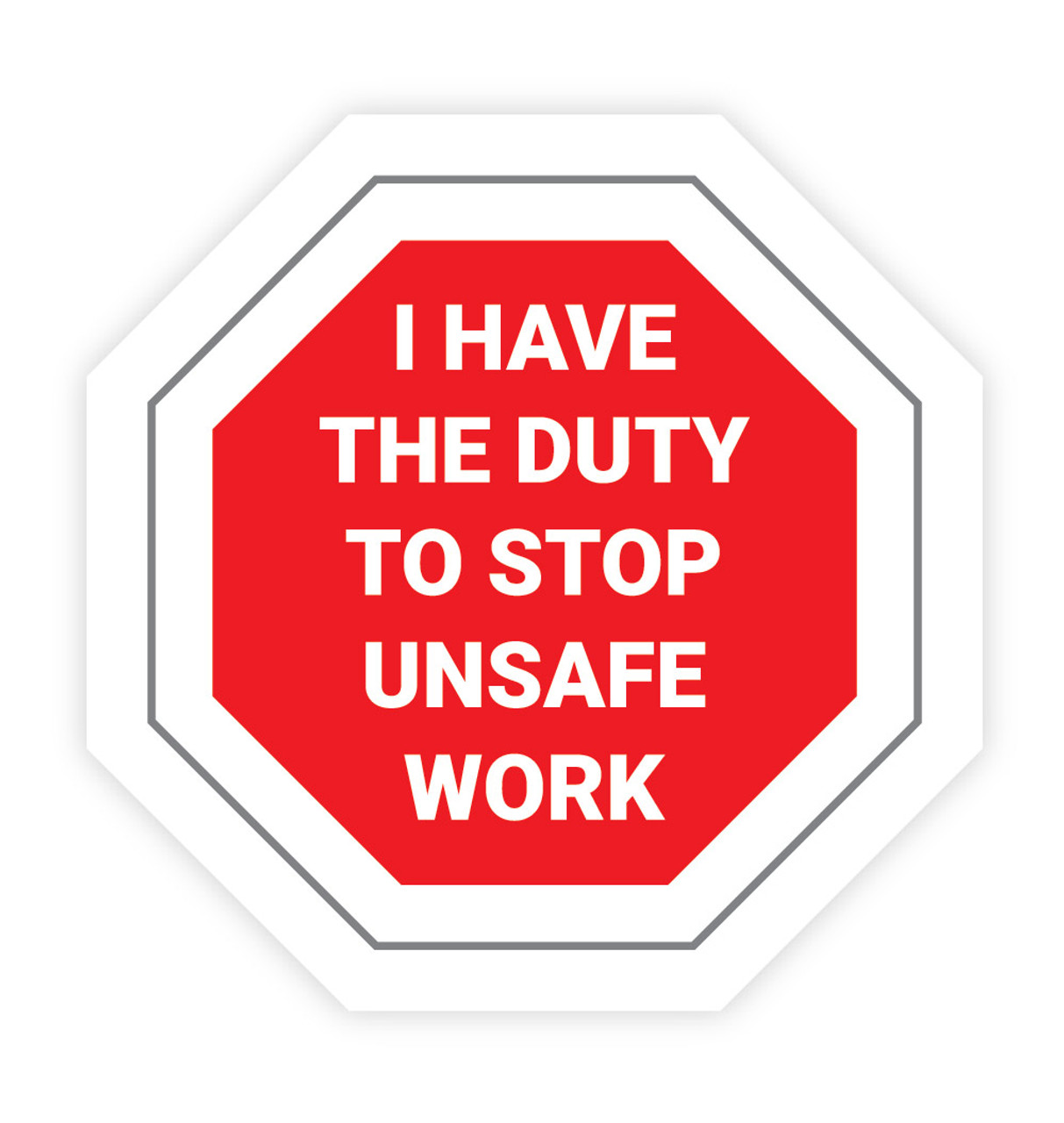
I congratulated them and told them they did exactly the right thing. I told them I was involved with offshore safety and many serious incidents would have been prevented if workers, with their employers encouragement, had been more assertive in stopping work. Developing that type of culture takes time and requires strong leadership and consistent, unambiguous messaging. Leadership matters, both at the site and in the office!
The Macondo well is a worst case example on many fronts, including the reluctance or inability of management and workers to stop taking actions that increased well control risks. Given the narrow pore pressure/fracture gradient, the prudent decision would have been to set a cement plug in the open hole and carefully assess next steps. However, delays and cost overruns were the overriding concerns, and well construction continued despite the long list of issues described here. Sadly, we know how that worked out.
Even after the well started to flow, the crew had time to actuate the emergency disconnect sequence and avert disaster. However, some combination of deficient training, uncertain authority, and fear of repercussions prevented that from happening.
Be it a small tree service company or a major oil company, safety culture development is a journey that has no end point and requires continuous leadership from everyone in the organization.
Posted in accidents, energy policy, Offshore Wind, Regulation, tagged BOEM, GE Vernova, Norway, Offshore Wind, quality control, safety culture, Siemens Gamesa, turbine blade failure, Vestas, Vineyard Wind on August 8, 2024| 1 Comment »
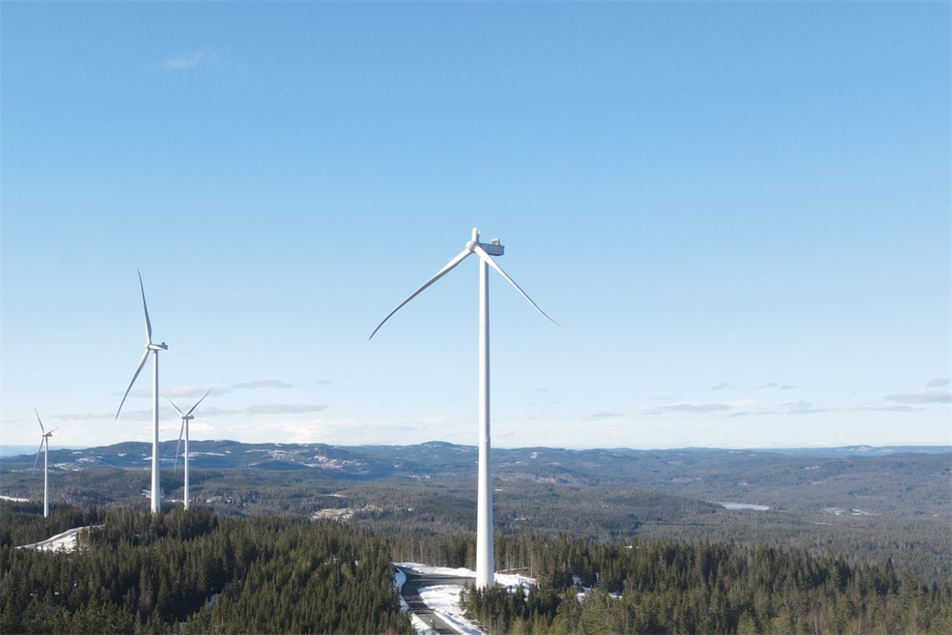
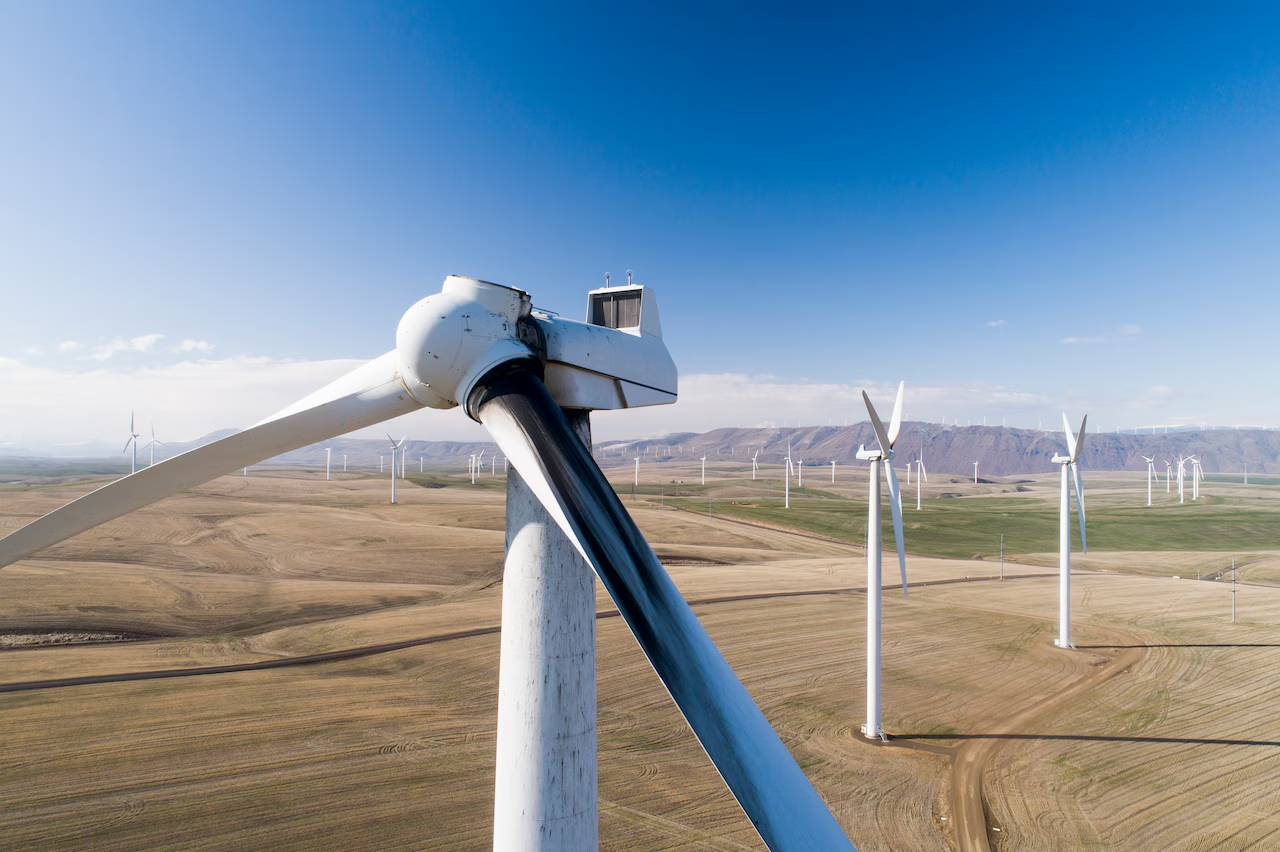
As the above examples illustrate, turbine blade failures, like the Vineyard Wind incident near Nantucket, are not unique to GE Vernova. GE’s rivals, Siemens Gamesa and Vestas, have also experienced serious quality control issues.
Per ReviewEconomy (2023), “Unexpected and increasing wind turbine failure rates, largely in newer and bigger models, are savaging the profits of some of the world’s biggest manufacturers, as Siemens Gamesa, GE and Vestas report heavy repair and maintenance losses.”
All 3 manufacturers will be providing turbines for US Atlantic wind development. The table below lists the manufacturers for active projects with approved Records of Decision (RODs).
In light of the manufacturing challenges, all 3 companies report increased emphasis on quality control. Why has quality control to date been inadequate and how will the past problems be corrected?
Has the wind industry’s sense of entitlement, as evidenced in their tax credit, rate increase, and departure expectations, affected their safety and quality culture? Has industry and governmental wind energy promotion rushed development and compromised design and fabrication decisions? It’s time for wind developers, manufacturers, and regulators to make sure their priorities are in order.
| project | turbine towers | manufacturer |
| Coastal VA Offshore Wind | 202 | Siemens Gamesa |
| Revolution Wind | 100 | Siemens Gamesa |
| Sunrise Wind | 94 | Siemens Gamesa |
| Atlantic Shores South | 200 | Vestas |
| Ocean Wind 1 | 98 | GE Vernova |
| Vineyard Wind 1 | 100 | GE Vernova |
| Empire Wind 1 & 2 | 147 | Vestas |
| New England Wind (phases 1&2) | 150 | Vestas |
Posted in accidents, Norway, Offshore Energy - General, tagged Havtil, Norway, offshore safety, risk assessment, RNNP, safety culture on May 2, 2024| Leave a Comment »
As promised, the Norwegian petroleum safety regulator (Havtil) has posted their risk trend report (RNNP) for 2023 in English.
Havtil prioritizes risk assessment and publishes their comprehensive annual analysis of safety trends in a timely manner. The 2023 RNNP was posted in Norwegian earlier this year and the summary report is already available in English. RNNP reports are an important safety resource that should be reviewed and discussed wherever oil and gas operations are conducted.
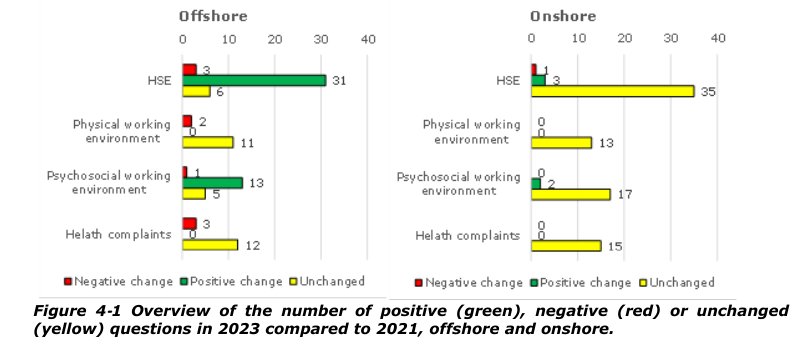
As an example of the breadth of these reviews, the two sets of charts below convey data that are not typically documented by offshore safety regulators. The first set documents near-misses that did not result in injuries, but did expose workers to that risk.

The second set of charts is a summary of worker responses to a survey, a means of assessing the safety culture. The big jump in favorable responses to the HSE questions is encouraging. In particular, the report notes (p. 14) that responses to a question about being pressured not to report incidents has moved in a positive direction in the last two surveys. Hopefully, this is an industry-wide trend.
Posted in accidents, drilling, Gulf of Mexico, Offshore Energy - General, well control incidents, tagged BSEE, complacency, Deepwater Horizon, Jason Mathews, macondo, MMS, offshore safety, safety culture on April 19, 2024| 1 Comment »
I had the pleasure of working with Jason Mathews when he was a young MMS engineer. He truly cared about our safety mission and has taken that commitment to the next level at BSEE. Jason shared this important, heartfelt message on the anniversary of the Macondo blowout.
One of the greatest gifts I ever received in life is having a little girl and having the opportunity to go home every evening and spending time with her at cheer, softball, doing homework, etc. I have a great deal of respect for the men and women who work offshore and put their lives on hold for 14-28 days to deliver much needed OCS production to meet US demand. Undoubtedly, they are better / tougher people than me.
Over the last year, my team has seen multiple incidents that had a high potential severity that could have led to a fatal / serious injury or major incident in the GOM. Although we can sit and debate the causal factors for hours, one that jumps to the top of the discussion is the Human Factor – Complacency. Of all the things a leader should fear, complacency heads the list. There is no doubt success breeds complacency, and complacency breeds failure.
To this day, I am still shook by the mindset and complacency of many onboard the Deepwater Horizon prior to the incident. During testimony in the public hearings, John Guide, the BP well team leader for the Horizon, believed that the rig crew had become “too comfortable” because of its good track record for drilling difficult wells. Ross Skidmore, a BP contractor on the rig on April 20, testified that the crew became complacent after completing drilling because “when you get to that point, everybody goes to the mindset that weʹre through, this job is done.” To me, the complacency on the Deepwater Horizon could be attributable to the crew not having access to all of the well data (OptiCem reports – cement job risk) available to BP personnel onshore and the well site leaders on the rig. Our investigation concluded, the overall complacency of the Deepwater Horizon crew was a possible contributing cause of the kick detection failure.
As regulators, we have special roles in the GOM as it relates to safety:
In order to achieve greatness offshore, we ,as a regulator, have to believe we can, and never sit still until we achieve it.
Everyone on this email has a very critical function and role. Never underestimate the value of what you do, have the proper mindset, and avoid complacency.
Do whatever it takes to ensure the people offshore are gifted the same gift we receive every day – going home to our families.
All In –
Jason P. Mathews, Petroleum Engineer, Field Operations – OSM
Posted in accidents, energy policy, Offshore Energy - General, Uncategorized, tagged Marine Board, Martha Grabowski, MMS, NAE, risk management, safety culture, safety management on February 8, 2024| Leave a Comment »
As the Minerals Management Service’s liaison to the Marine Board of the National Academies and subsequently as a Marine Board member, I had the privilege of working with many outstanding engineers on matters related to offshore safety and environmental protection. Dr. Martha Grabowski was a clear standout because of her exceptional leadership and communications skills, modest ego, and willingness to assist.
Dr. Grabowski excels in analyzing and mitigating operational risks including those associated with human and organizational factors. As such, she was a great resource in our work on safety management and culture.
Congratulations to Dr. Grabowski!
Posted in Australia, Uncategorized, tagged Australian Open, safety culture, safety management, SempCheck on January 19, 2024| 1 Comment »
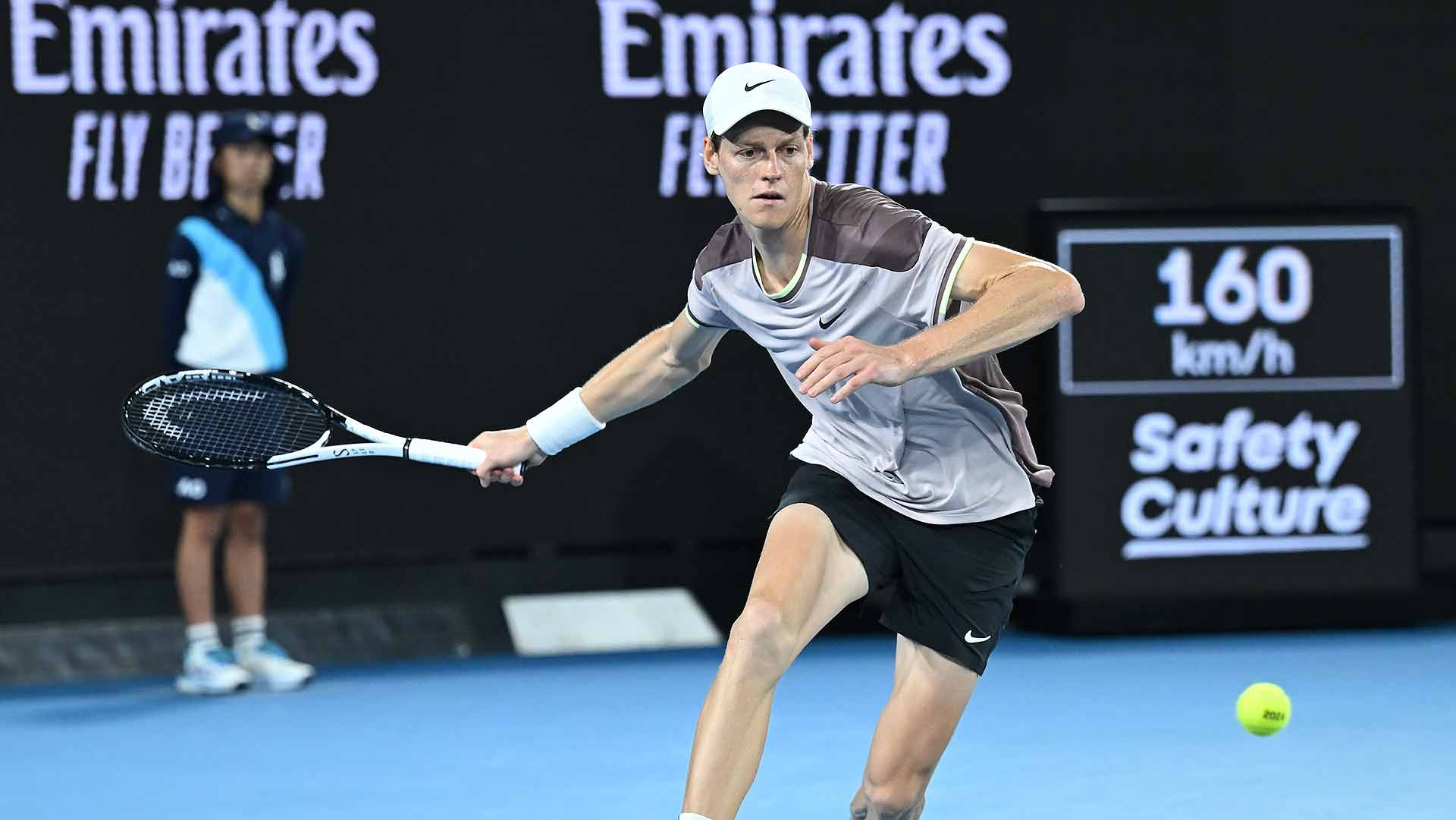
Below is the promotional video produced by SafetyCulture for the tournament. Their products seem to be similar to the safety management software used by offshore operators and contractors. SEMPCheck was a pioneer in that regard.
Posted in accidents, Gulf of Mexico, Offshore Energy - General, tagged 2023, Gulf of Mexico, Safety Alert, safety culture, serious incidents, US OCS, zero fatalities on January 3, 2024| Leave a Comment »
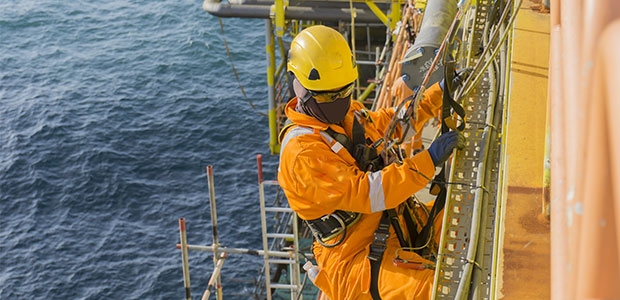
The 3rd quarter update by Jason Mathews and a followup inquiry confirm that there were no work-related fatalities associated with US OCS oil and gas operations in 2023! This major achievement deserves public recognition given that the zero fatality goal has long eluded offshore operators, contractors, and regulators.
In a proper safety culture, continuous improvement is the primary goal, and both good and bad outcomes must be carefully assessed. The 2023 zero-deaths milestone is thus tempered by life threatening incidents such as those described in the attached safety alert and investigation report. Address these issues, identify other potential problem areas, and continue to drive the culture forward. Be proud and confident through training, planning, and achievement, but be wary!
Posted in accidents, drilling, Gulf of Mexico, Offshore Energy - General, tagged BSEE, falls, Pacific Khamsin, Safety Alert, safety culture, struck by equipment on March 13, 2023| Leave a Comment »
The most common causes of offshore fatalities and serious injuries, falls and being struck by equipment, receive little media attention because there is no blowout, oil spill, or fire. However, these are often the most difficult types of incidents to understand and prevent. Human and organizational factors predominate, and prevention is dependent on a strong culture that emphasizes worker engagement, awareness, teamwork and mutual support, effective training and employee development, risk assessment at the job, facility, company, and industry levels, stop-work authority, innovation, and continuous improvement.
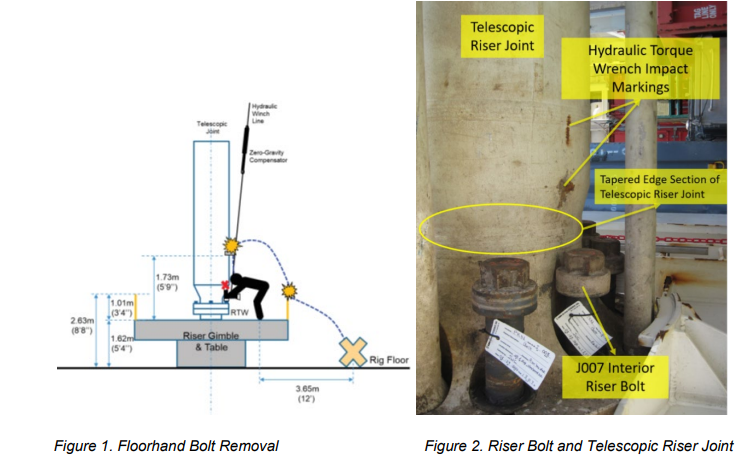
This new BSEE Safety Alert addresses such a fatal incident on the Pacific Khamsin drilling rig, and makes recommendations that have widespread applicability.
Incident summary:
While unlatching the lower Marine Riser Package from the Blowout Preventor in preparation for ship relocation, a crewmember was lifted into the air after being struck by a hydraulic torque wrench (HTW), hitting a riser clamp approximately six feet above the elevated work deck before falling to the rig floor. The crew member was given first aid and transported to the drillship’s hospital, where he was later pronounced deceased.
In an upcoming post, BOE will provide historical fatality data by cause and operations category.
 Bud's Offshore Energy (BOE)