Feeds:
Posts
Comments

Posts Tagged ‘Gulf of Mexico’

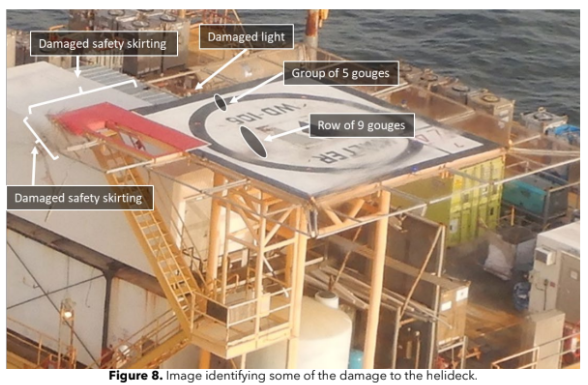
The NTSB has finally issued their report (attached) on the 12/29/2022 helicopter crash that resulted in 4 fatalities at Walter’s West Delta 106 A platform. The NTSB report on the Huntington Beach pipeline spill took a comparable amount of time (26 months) to complete. By comparison, the lengthy and complex National Commission, BOEMRE, Chief Counsel, and NAE reports on the Macondo blowout were published 6 to to 17 months after the well was shut-in.

The gist of the NTSB’s findings is pasted below.
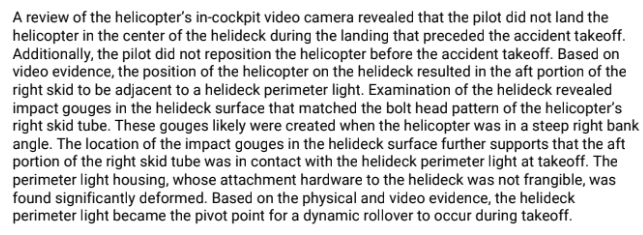
The report summarizes operations standards, but does not consider the associated operator/contractor safety management systems that are intended to prevent such incidents. The report notes that:

Was the contractor/operator aware of these deviations from company policy? Should they have been?

The report implies that human (pilot) error was the cause of the dynamic rollover, but fails to assess the organizational controls that are intended to prevent such errors. How was a pilot with 1667.8 flight hours (1343.8 as the PIC), who had made 23 trips to this platform, repeatedly making fundamental positioning and takeoff errors?

The report also notes that:

This is interesting wording given that the perimeter light was identified as the pivot point, one of the 3 requirements for a dynamic rollover. Why wasn’t that violation observed by the operator/contractor and corrected? What helideck inspection procedures were in place? Did NTSB consider the fragmented regulatory regime for helicopter safety, particularly with regard to helidecks?
Read Full Post »

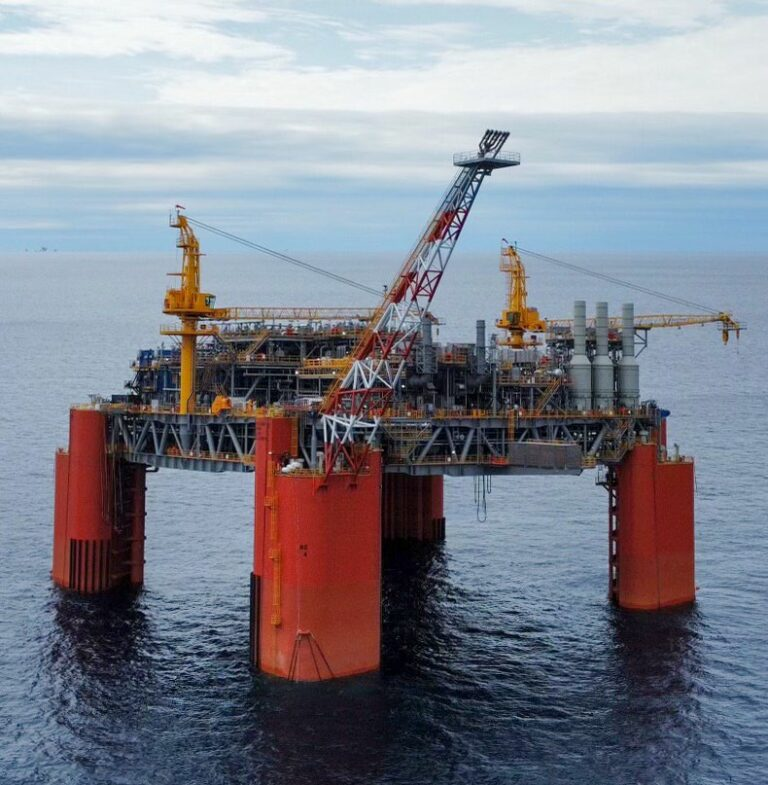
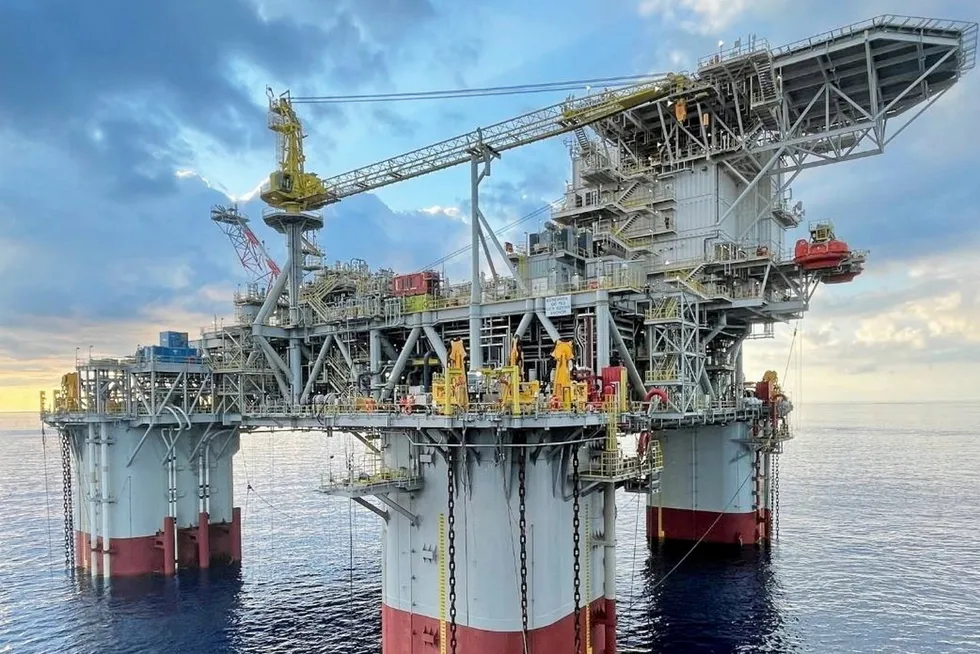
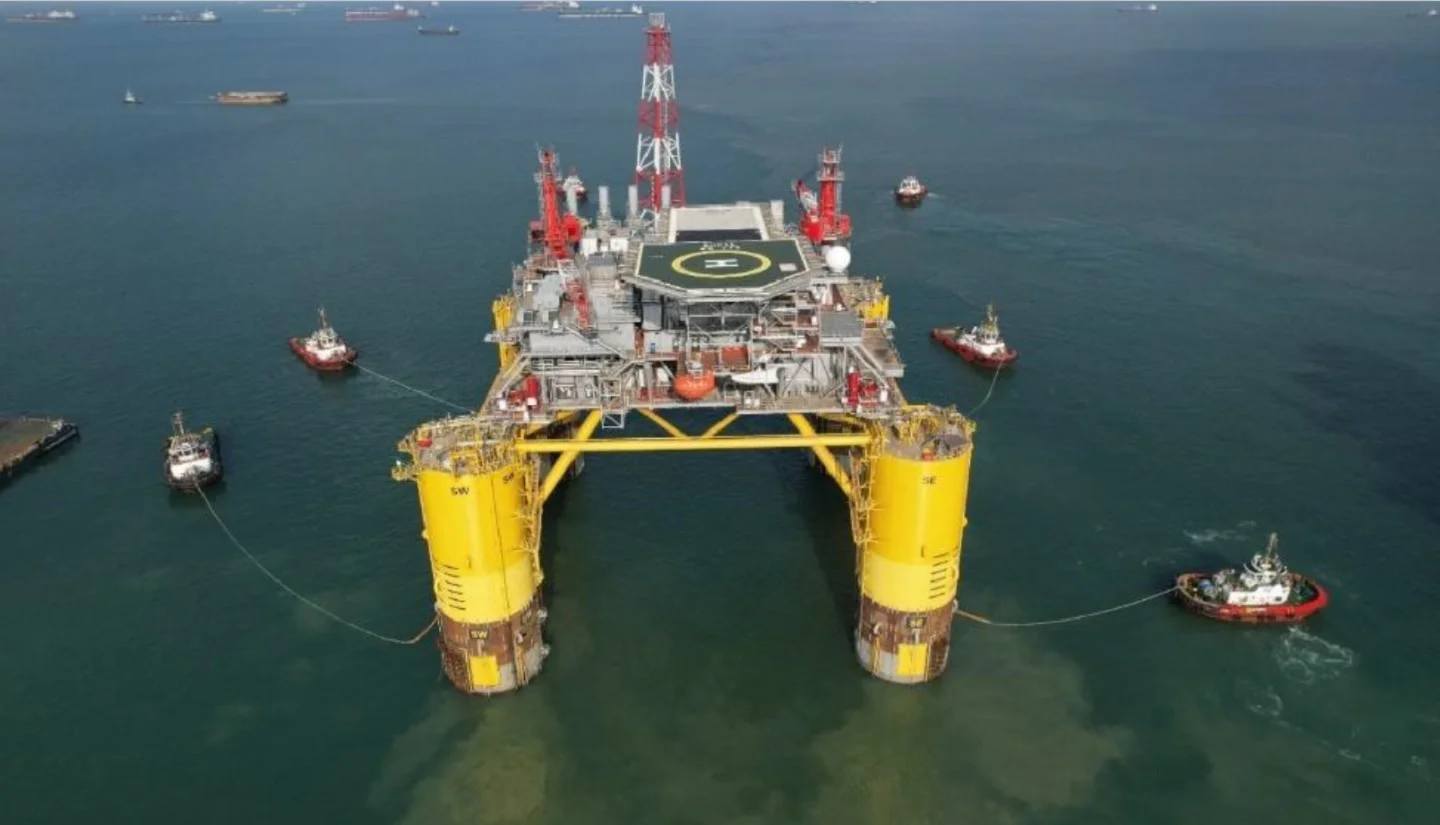
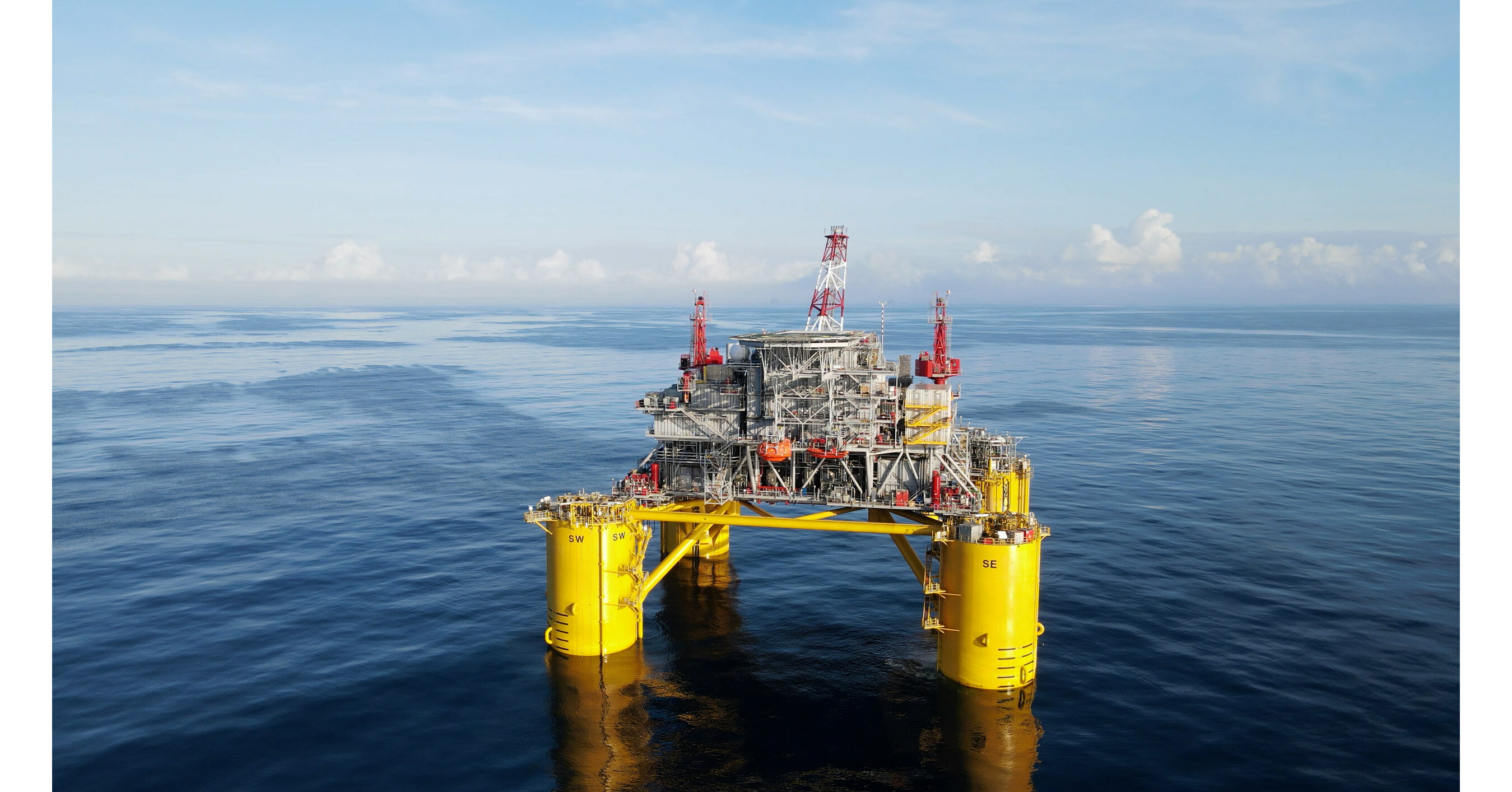
Shell’s Whale floating production unit began producing this month:

  • estimated peak production:100,000 barrels of oil equivalent per day (boe/d)
  • water depth – 8600 ft
  • 200 miles south of Houston
  • estimated recoverable resource: 480 million boe.
  • first oil only 7.5 years after discovery (includes COVID delay)
  • Vito clone: replicates 99% of the hull design and 80% of the topsides from Vito.
  • high efficiency gas turbines and compression systems
  • ~ 30% lower greenhouse gas (GHG) intensity over its life cycle than the already efficient levels being achieved at Vito. (Why the push to run electric cables from shore to North Sea platforms with ample gas production?)

All 5 of the new simpler, safer, greener floating production units are now online:

platformoperatorfirst production
King’s QuayMurphyApril 2022
VitoShellFeb 2023
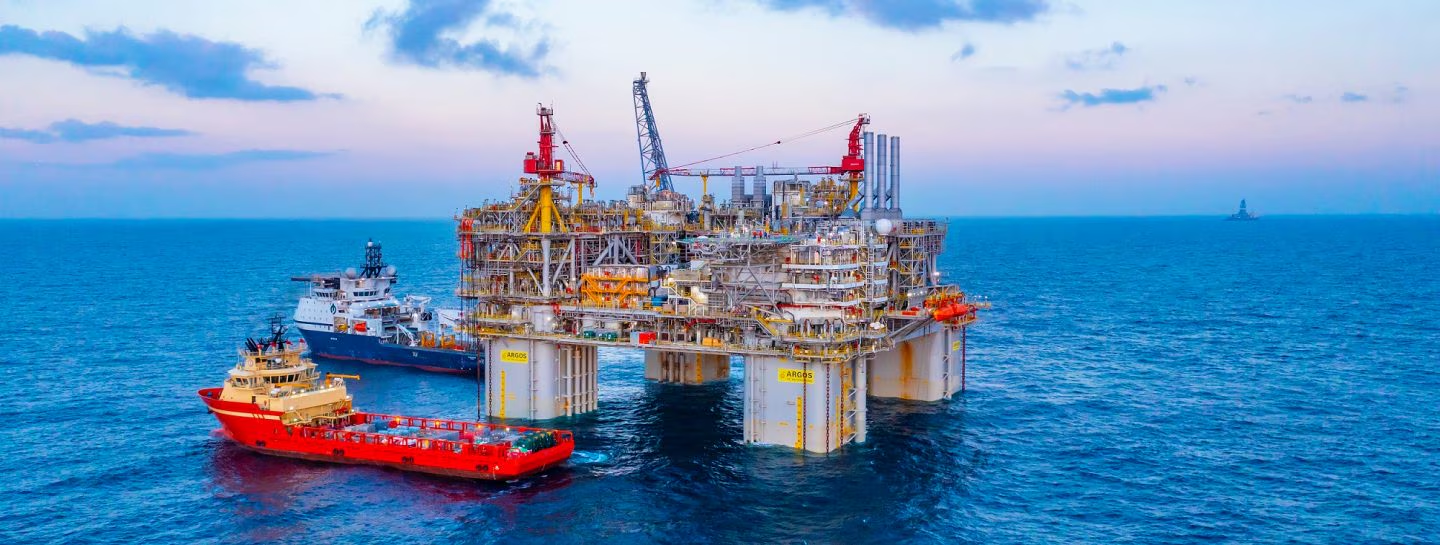
ArgosbpApril 2023
AnchorChevronAug 2024
WhaleShellJan 2025

This is all good, but what is next? Will technological advances once again sustain GoM production? The short answer appears to be yes!

The efficiencies achieved with the simpler platform designs combined with the high pressure (>15,000 psi) technology developed over the past 2 decades will facilitate production from the highly prospective Paleogene (Wilcox) deepwater fans. (For those interested in learning more about the geology, see the excellent presentation by Dr. Mike Sweet, Univ. of Texas, that is embedded in this post.)

Three major high-pressure projects, ala Chevron’s Anchor, are anticipated:

platformoperatordiscovery datefirst production
Kaskidabp20062029
SpartaShell20122028
ShenandoahBeacon20092025 Q2

The Gulf still has high production potential if properly managed with consistent lease sales.

Will Florida budge by supporting the lifting of the EGOM leasing moratorium? Here is why they should.

Read Full Post »

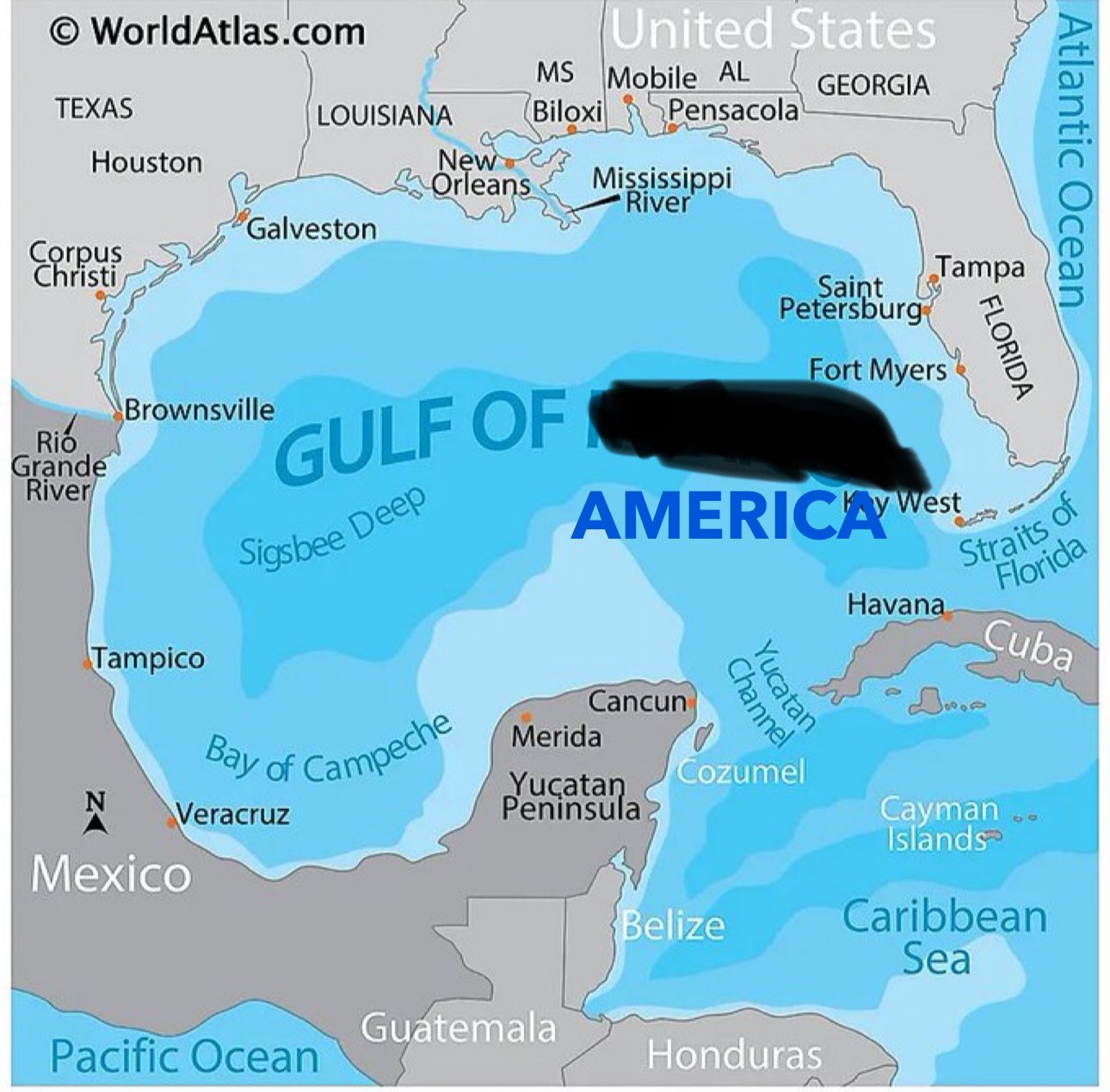
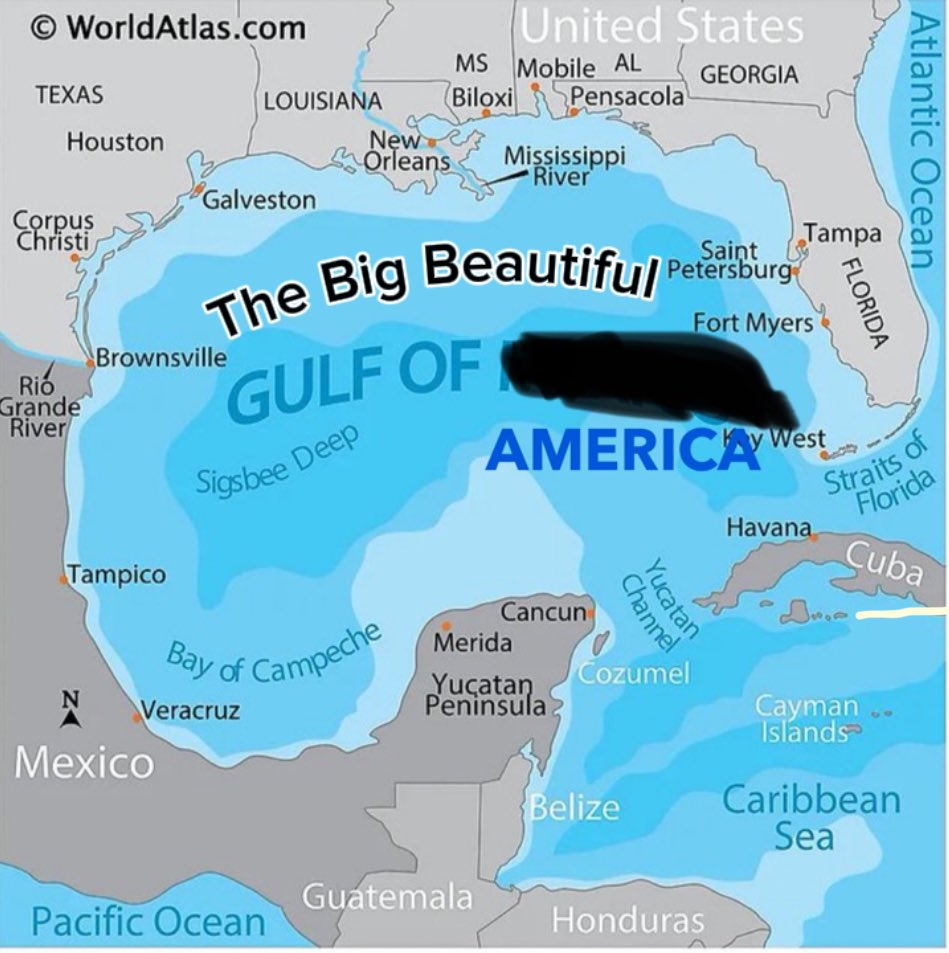
New name, short form:

full name:

This may be a bit of an adjustment for us older folks. 😉

Also, keep in mind that Greenland is geographically part of North America. Just sayin’ 😉

Read Full Post »

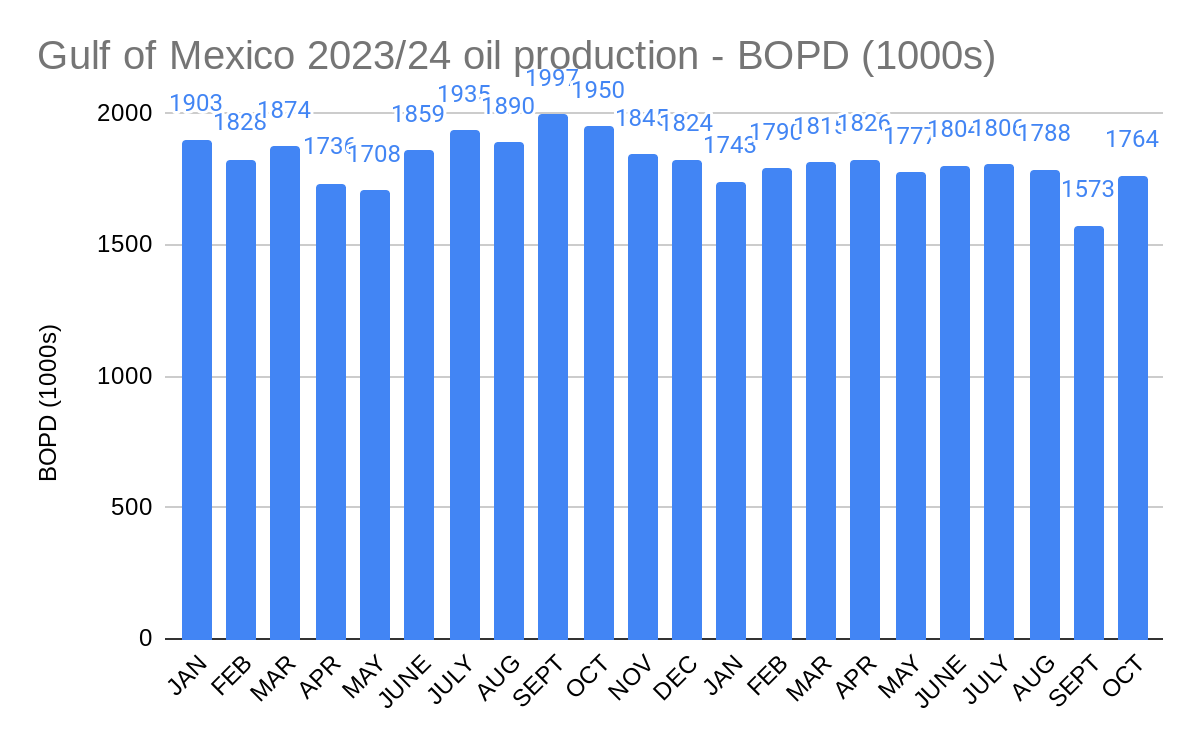
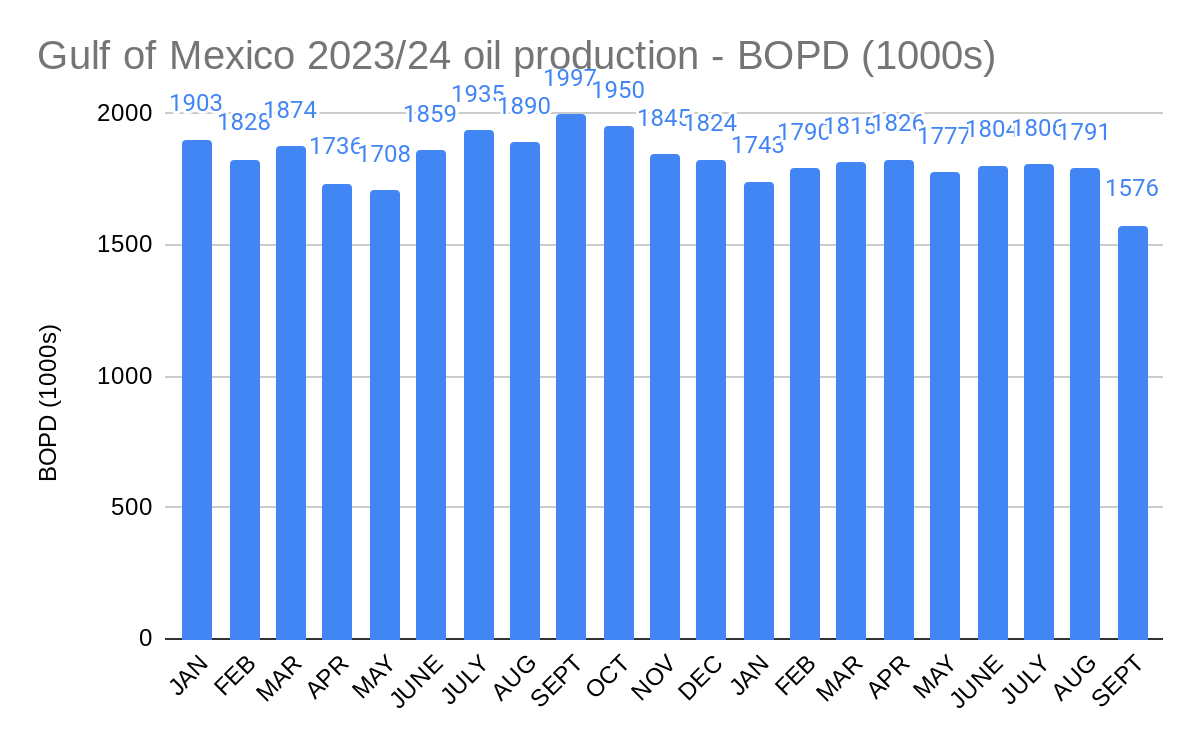
Following the 200,000 bopd decline in Sept. because of Tropical Storms Francine and Helene, Oct. GoM oil production was once again in the normal range for 2024. With the exception of Sept., average 2024 production has been remarkably consistent from month to month.

Read Full Post »

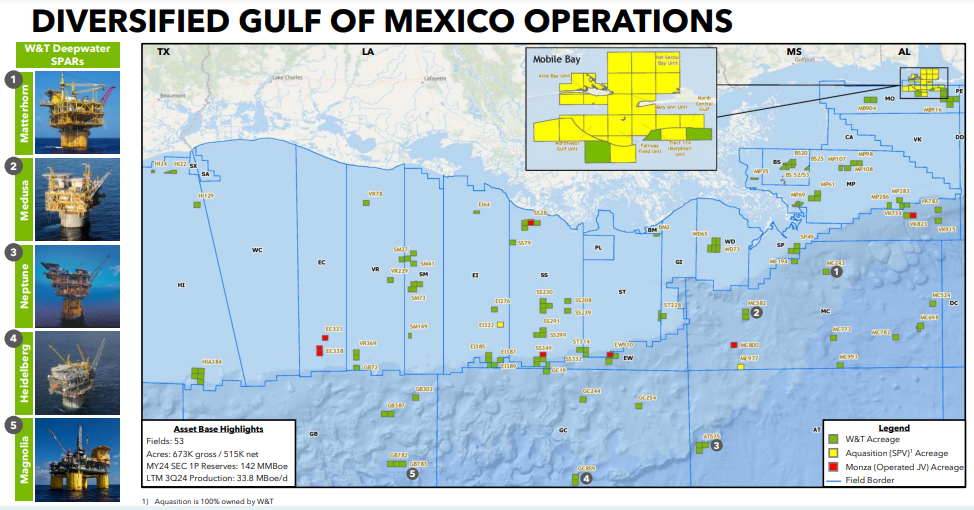
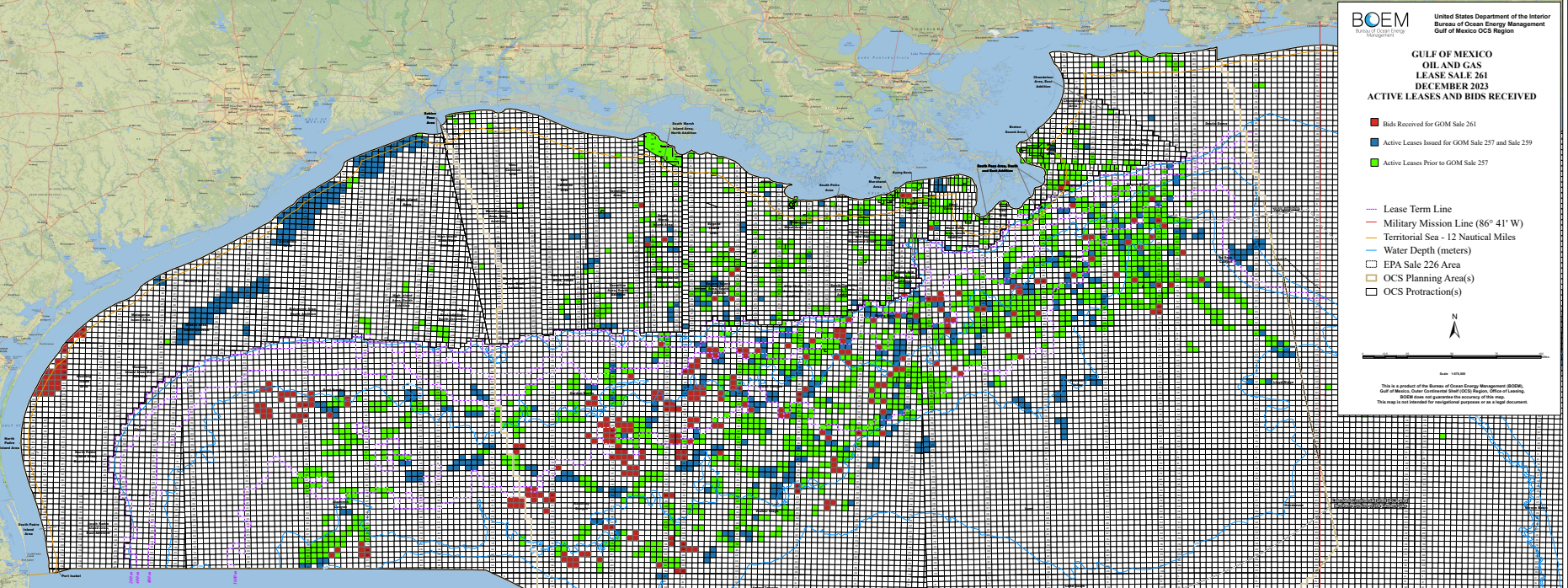
W&T (lease and facility map above) claims that insurers have colluded to damage the company by jointly demanding additional collateral and premiums.

Comments on excerpts from the W&T press release follow:

At the heart of the dispute are rules from the federal Bureau of Ocean Energy Management – BOEM – which require energy producers in the Outer Continental Shelf to provide a bond to pay for well, platform, pipeline and facilities cleanup if the operating company fails to do so.”

Comment: Despite disagreeing with aspects of the BOEM financial assurance rule, this blog has defended the rule against unfair criticism. Better solutions are achievable, but that will require industry leaders from all factions to come to the table with a commitment to reach a balanced agreement that protects the public interest.

“These insurance companies and their unreasonable demands for increased collateral pose an existential threat to independent operators like W&T.”

Comment: If insuring offshore decommissioning is so risk-free and lucrative, why aren’t other companies entering the market?

Several states, including Texas, are challenging the BOEM rule and in one case they specifically cite W&T as an example of how the rule could be misused to irreparably harm energy producers.

Comment: As previously posted, the concerned States should propose alternative solutions that would promote production while also protecting taxpayer interests. Arguing that decommissioning financial risks are not a problem is neither accurate nor a solution.

“In over 70 years of producer operations in the Gulf of Mexico, the federal government has never been forced to pay for any abandonment cleanup operations associated with well, platform facility, or pipeline operations.”

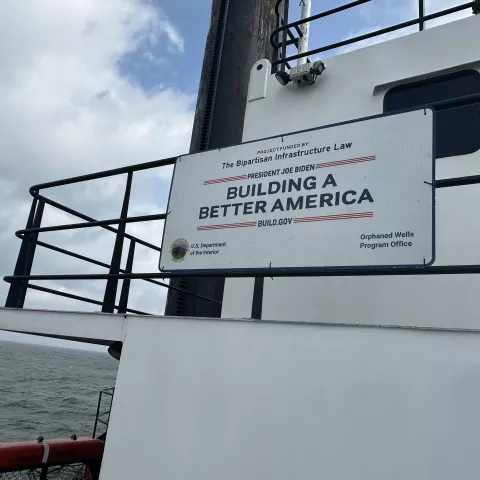
Comment: Shamefully, from the standpoints of both the offshore industry and the Federal government, that statement is no longer true. The taxpayer has now funded decommissioning operations in the Matagorda Island Area offshore Texas (BSEE photo below) and more significant decommissioning liabilities loom.

Other thoughts:

Read Full Post »

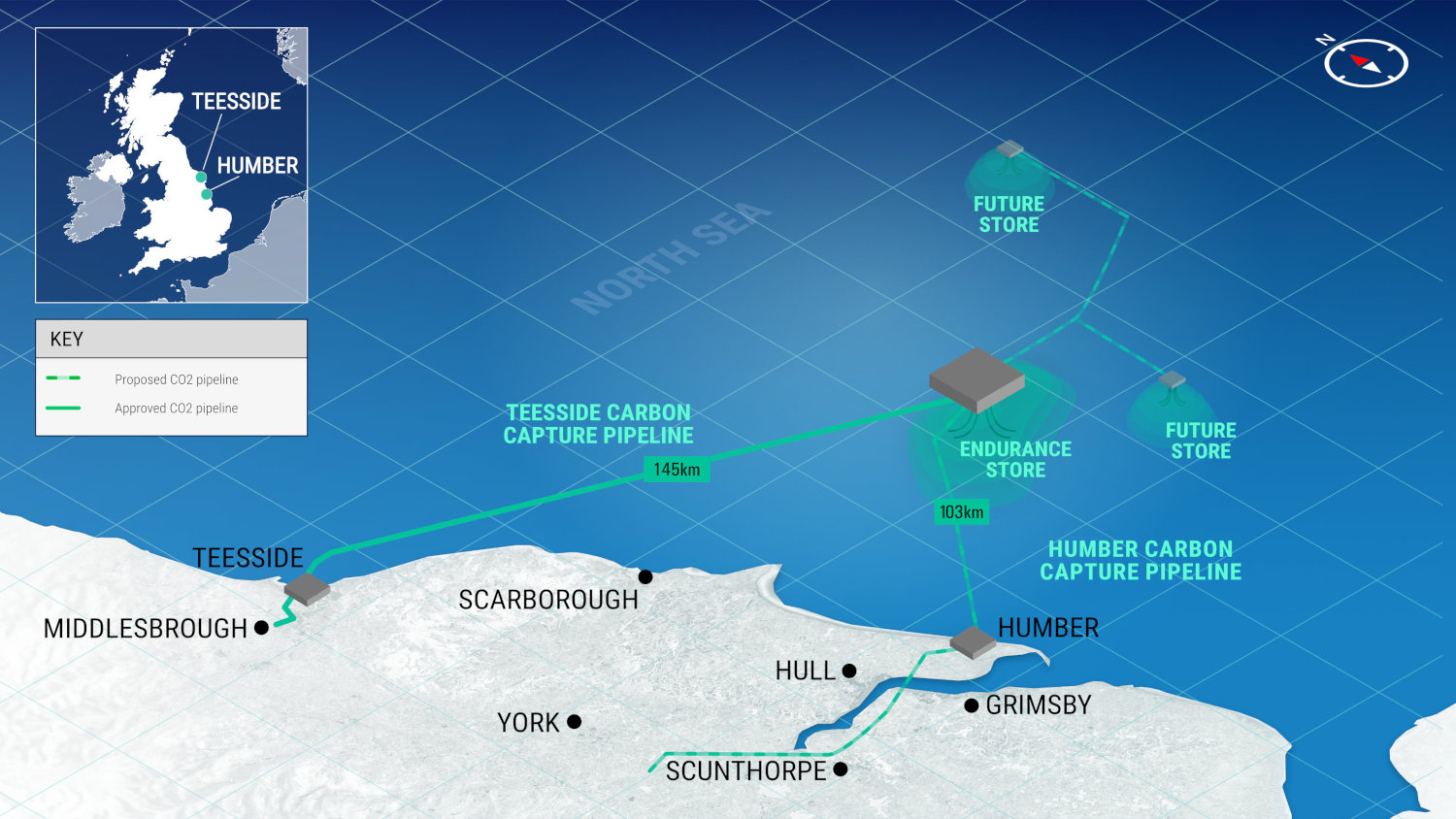
Northern Endurance Partnership (bp, Equinor, and Total) has been awarded the UK’s first permit to “store” CO2 beneath the North Sea. NEP plans to begin construction in the middle of 2025 with start-up expected in 2028 (bet the over!). Climate solution or costly virtue signaling at the public’s expense?

Fortunately, from the standpoint of US consumers and taxpayers, the push for carbon disposal in the Federal waters of the Gulf of Mexico has stalled, perhaps permanently. Oct.1 marked the 2 year anniversary of the 94 leases improperly acquired by Exxon at Sale 257 for carbon disposal purposes. Those leases will expire in 33 months (with the remaining 105 rogue leases expiring 1-2 years later) barring another legislative maneuver by industry advocates.

All of the previously posted questions about carbon disposal in the Gulf of Mexico remain, and most apply elsewhere. In particular, detailed cost-benefit analyses and risk assessments for these projects have not been provided. The intended permanency of offshore, subsurface carbon disposal raises complex monitoring, maintenance, liability, and decommissioning issues.

What are the carbon disposal proponents selling and why should governments be buying? If CO2 emissions are a significant threat to society (and informed opinions differ), is carbon disposal a cost effective solution? Policy decisions on subsidies for carbon disposal will be a good indication of how serious the new administration is about cutting Federal spending.

199 GoM oil and gas leases were wrongfully acquired for carbon disposal purposes. At Sale 261, Repsol acquired 36 nearshore Texas tracts in the Mustang Island and Matagorda Island areas (red blocks at the western end of the map above). Exxon had acquired 163 nearshore Texas tracts (blue in map above) at Sales 257 (94) and 259 (69).

Read Full Post »

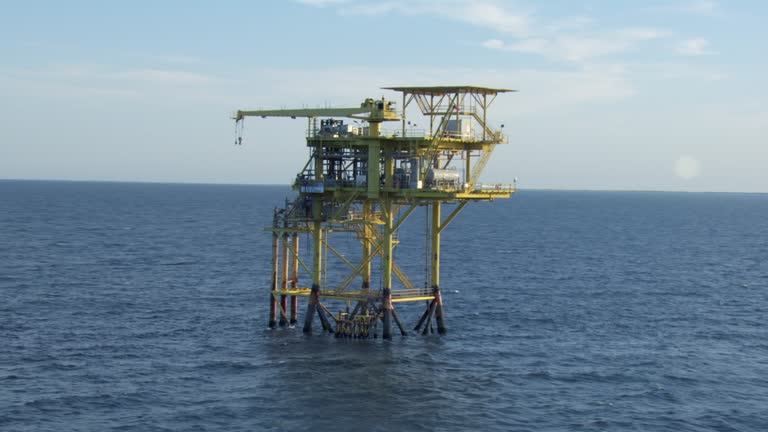
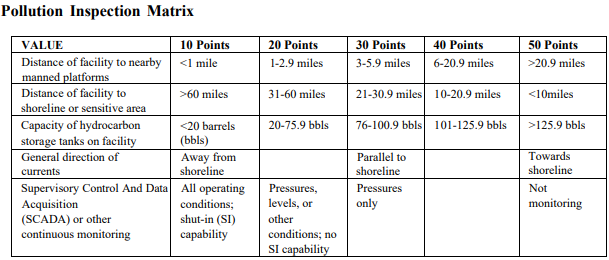
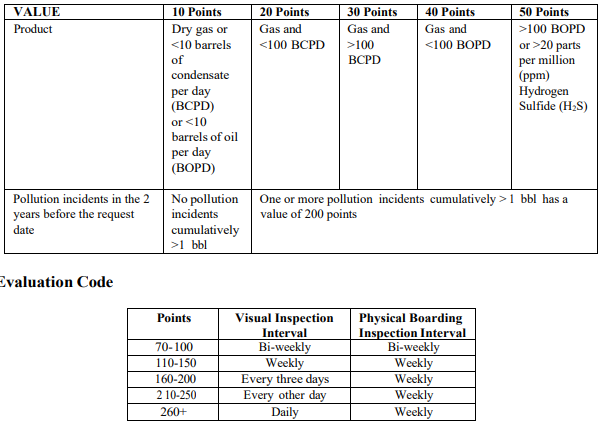
The attached BSEE document provides guidance for determining pollution inspection frequencies for unmanned facilities. Thoughts:

  • Reasonable risk-based approach
  • A minimum of bi-weekly visual and physical inspections for low risk platforms producing dry gas
  • Any platform with significant oil production and storage, and no real time monitoring system, will have to be visually inspected at least every 3 days (daily if other risk factors apply) and boarded weekly
  • Any platform that had spillage totaling > 1 bbl in the past 2 years will have to be visually inspected every other day and boarded weekly.
  • Provides for the application of technology (cameras, drones, innovative monitoring systems) to reduce inspection frequencies.

Read Full Post »

As expected, the Gulf of Mexico’s remarkable 7 month production consistency streak ended in September as a result of shut-ins associated with Tropical Storms Francine and Helene. Nonetheless, average daily production still amounted to 88% of the ~1.8 million bopd average that had been achieved for the previous 7 months. Rather impressive resiliency!

Read Full Post »

  • The Secretary of the Interior is the most important energy production position in the US govt, particularly for the offshore sector.
  • In recent years energy policy has been increasingly influenced (if not directed) by White House staff, most notably the White House Climate Office. Given that Burgum will also lead the new created National Energy Council, direction from White House staffers or other departments should not be an issue.
  • Burgum should work effectively with Dept. of Energy appointee Chris Wright, an engineer who understands energy production.
  • There is no apparent Republican dissent, so Burgum should have no problem being confirmed.
  • All of the offshore policy forecasts in the post-election post still stand.
  • Burgum is currently the Governor of North Dakota. Some energy production stats for the state:
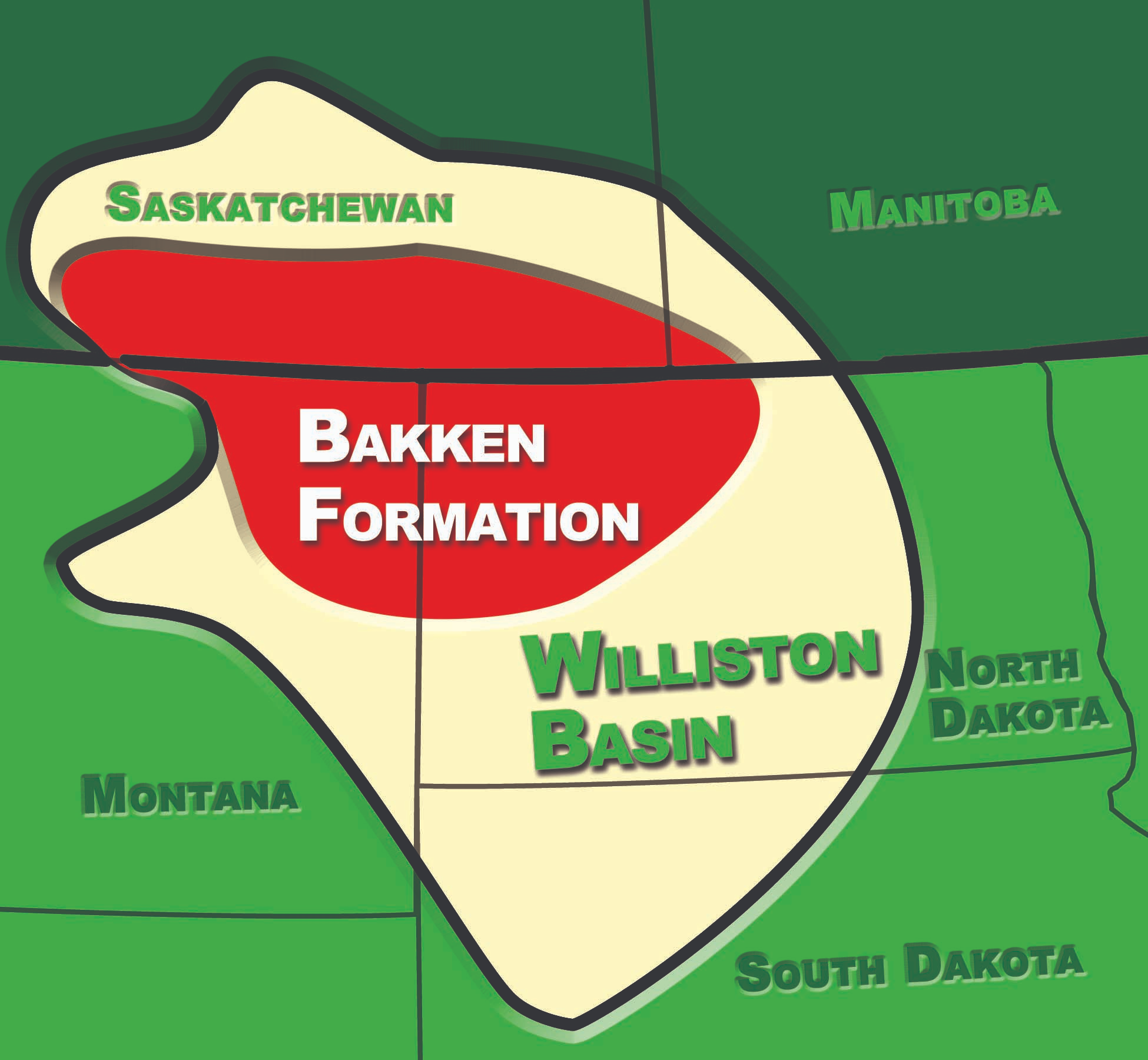
    • 2023 oil production: 435,080,323 bbls. ND is the 3rd leading oil production state behind TX and NM. Most ND production is from the Bakken formation (shale).
    • ND ranks 4th if the OCS, for which Bergum will soon be responsible, is included. The OCS ranked 2nd in oil production, behind only TX, despite seemingly being managed to fail.
    • 2023 gas production: 1.2 tcf. ND ranks 10th in natural gas production.
    • Current number of active drilling rigs: 39
    • Wind: In 2023, wind was the second-largest electricity generating source in ND behind coal. At the beginning of 2024, ND had about 4,000 megawatts of installed wind power generating capacity.
  • What about carbon sequestration (disposal)?
    • As Governor, Burgum supported CCS projects that could be lucrative for North Dakota.
    • As Interior Secretary and Energy Czar, he will have to consider the high Federal subsidy costs, efficacy, and net environmental benefits.
    • Companies looking to benefit from publicly financed CCS projects will lobby hard for Federal support. Budget hawks and most environmental activists will be strongly opposed. It will be interesting to see who prevails.
    • This blog has consistently opposed offshore carbon disposal.

Read Full Post »

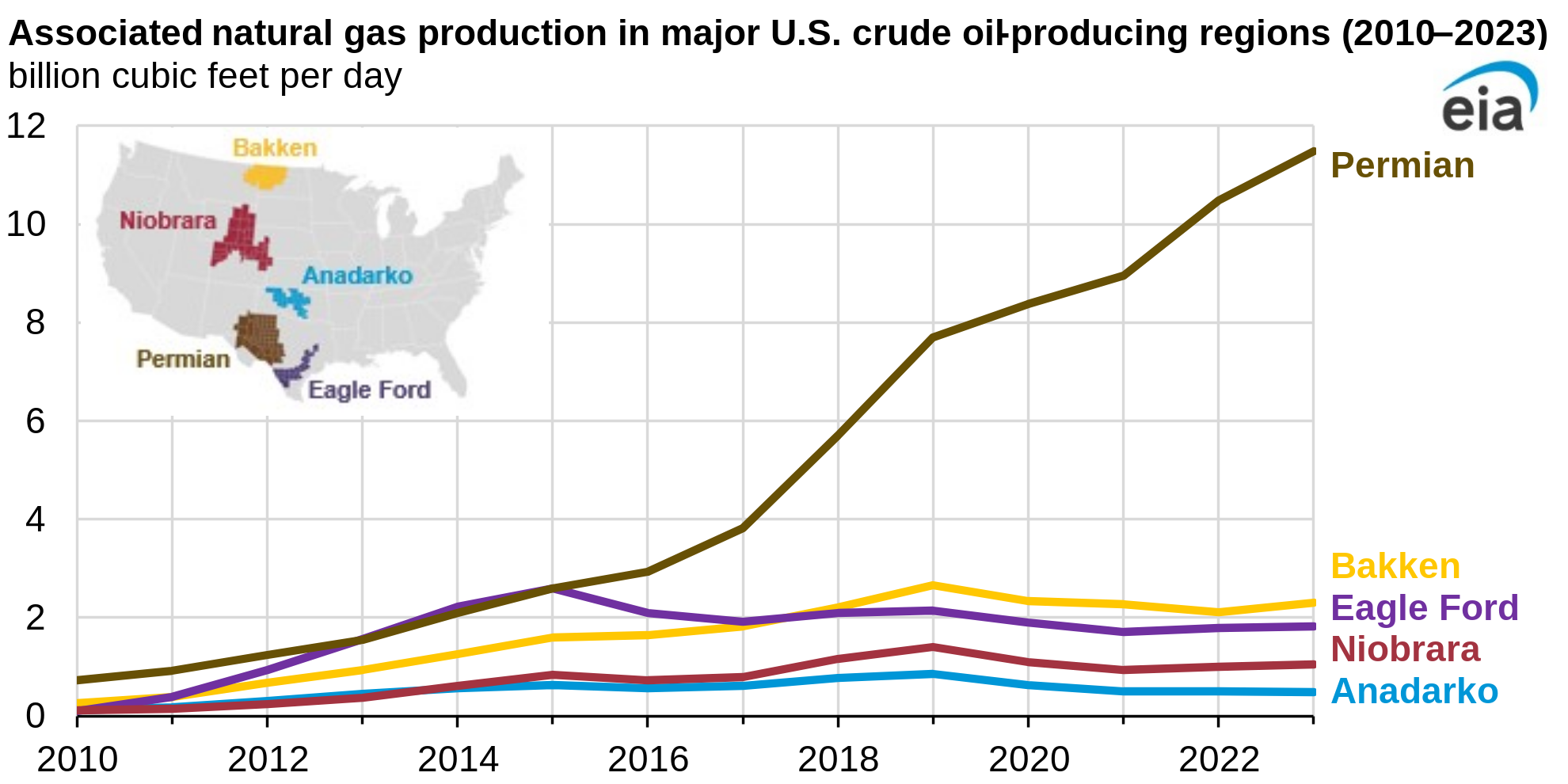
The EIA reports an 8% increase in 2023 US associated gas production as crude oil production rose to record levels.  The Permian Basin, the dominant US crude oil producer, is unsurprisingly the leading associated gas producer.

EIA’s analysis inexplicably ignores the Gulf of Mexico OCS. The Gulf produced an average of 1.64 bcf/d of casinghead (associated) gas in 2023, ranking the GoM just behind the Eagle Ford and significantly above the Niobrara and Anadarko regions (see chart above). It’s also noteworthy that most production from the regions on the EIA chart is from private land, and is not constrained by 5 year leasing plans and other restrictive Federal policies.

80% of GoM gas production is from deepwater leases. The % of associated gas produced on deepwater leases is even higher. The 2 leading GoM gas producers, Shell and bp, only operate deepwater leases. The % of their 2023 gas production that was associated gas was 93% for Shell and 100% for bp.

Read Full Post »

Older Posts »