Feeds:
Posts
Comments

Posts Tagged ‘bp’

Big Beautiful Gulf of America

Will the oil and gas lease sale boldly named Big Beautiful Gulf 1 (BBG1) live up to its grand name? Given the more favorable lease terms and the 2 year gap since the last sale, BBG1 should surpass the previous 3 sales (table below). Questions:

  • Which majors will be the most active bidders? Chevron? Shell? BP? Oxy/Anadarko?
  • Will former Gulf of Mexico stalwarts Exxon and Conoco Phillips participate for the first time in years? Probably not, but US super-majors should participate in the US offshore program.
  • How many companies will submit bids? Would like that to be a number >35.
  • How many tracts will receive bids? A number >300 would be very encouraging.
  • Will the total high bids exceed $400 million?
  • Will we see an increase in shelf interest?
  • Which independents will be the most active?
  • After the not-so-clever carbon disposal acquisitions in the last 3 sales, will the number of carbon disposal bids be zero? For the first time ever, the Federal government felt compelled to stipulate the obvious (see the proposed notice for OCS Sale 262) – that an Oil and Gas Lease Sale is only for oil and gas exploration and development.

See the summary data below for the last 3 Gulf lease sales. We’ll fill in the blanks next week.

Sale No.257259261BBG1
date11/17/20213/29/202312/20/202312/10/2025
companies
participating
333226
total bids223328423161
tracts receiving bids214324422751
sum of all bids
$millions
198.5309.8441.9
sum of high bids
($millions)
101.7263.8382.2
highest bid
company
block
$10,001,252.00
Anadarko
AC 259
$15,911,947
Chevron
KC 96
$25,500,085
Anadarko
MC 389
most high bids
company
sum ($millions)
46
bp
29.0
75
Chevron
108.0
65
Shell
69.0
sum of high bids ($millions)
company
47.1
Chevron
108
Chevron
88.3
Hess
most high bids by independent14-DG Expl.13-Beacon
13-Red Willow
22-Red Willow
1excludes 36 leases improperly acquired for carbon disposal purposes; 2excludes 69 leases improperly acquired for carbon disposal purposes; 3excludes 94 leases improperly acquired for carbon disposal purposes

Read Full Post »

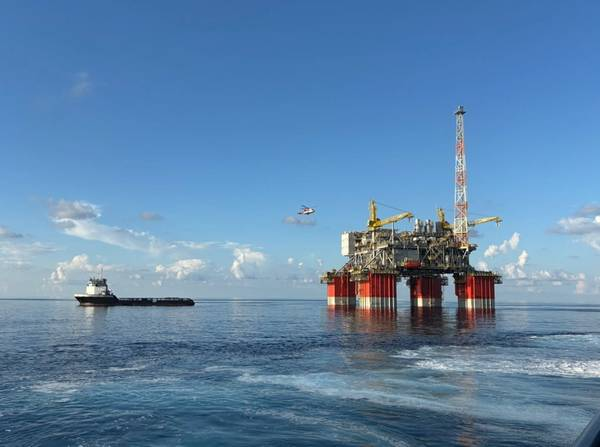
Salamanca FPU (Repsol photo)

Every deepwater platform installed since Feb. 2018, when Chevron installed its Big Foot tension leg platform (TLP), has been a Floating Production Unit (aka FPU or production semisubmersible). During that period, no new SPARs, FPSOs, or TLPs were installed.

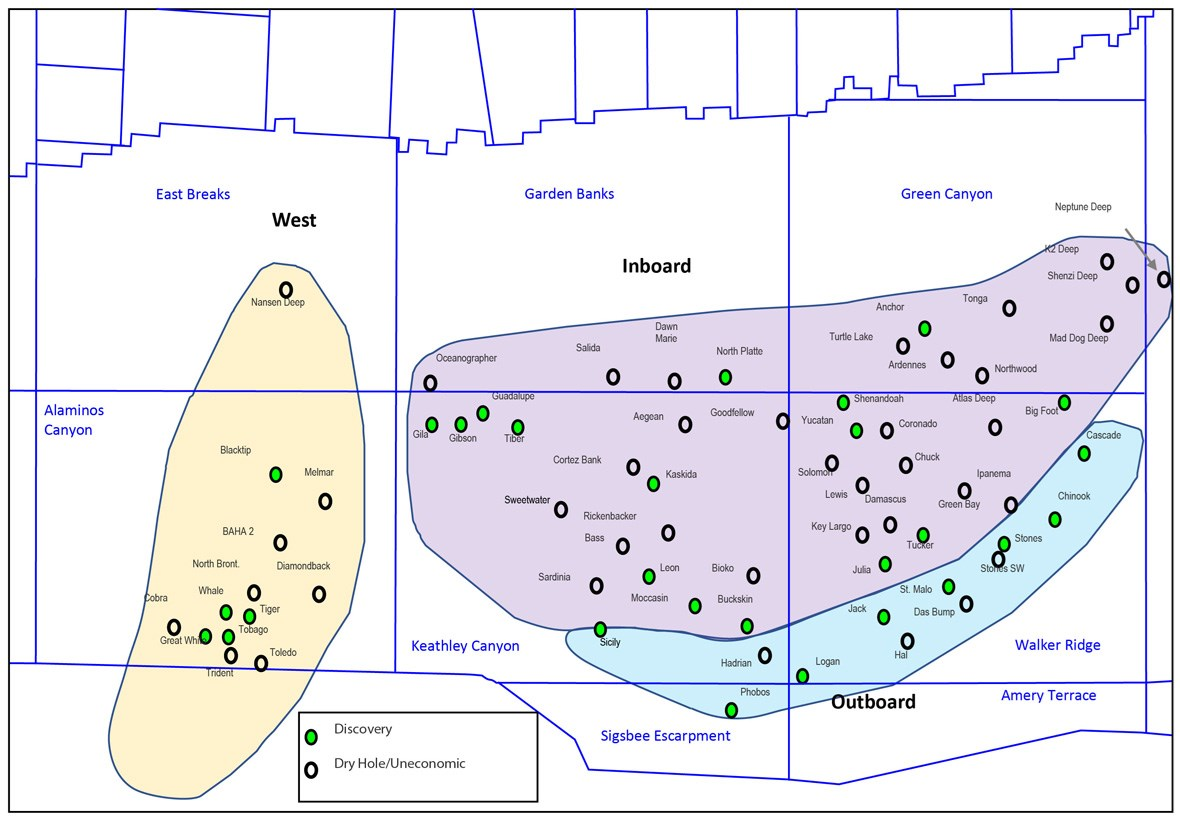
The list (below) of these simpler, safer, greener FPUs has grown by two with the initiation of production at Shenandoah and Salamanca. Note the water depth range from 3725 to 8600 ft.

platformoperatorwater depth (ft)first production
AppomattoxShell7400May 2019
King’s QuayMurphy3725April 2022
VitoShell4050Feb 2023
Argosbp4440April 2023
AnchorChevron4600Aug 2024
WhaleShell8600Jan 2025
ShenandoahBeacon5840July 2025
SalamancaLLOG6405Sept 2025

The efficiencies achieved with the simpler platform designs combined with the high pressure (>15,000 psi) technology developed over the past 2 decades is facilitatihg production from the highly prospective Paleogene (Wilcox) deepwater fans. (For those interested in learning more about the geology, see the excellent presentation by Dr. Mike Sweet, Univ. of Texas, that is embedded in this post.)

With bp’s commitment to Tiber, 3 new high-pressure projects, ala Chevron’s Anchor, are in the pipeline:

platformoperatorwater depth (ft)discovery datefirst production
Kaskidabp600020062029
SpartaShell470020122028
Tiberbp413020092030
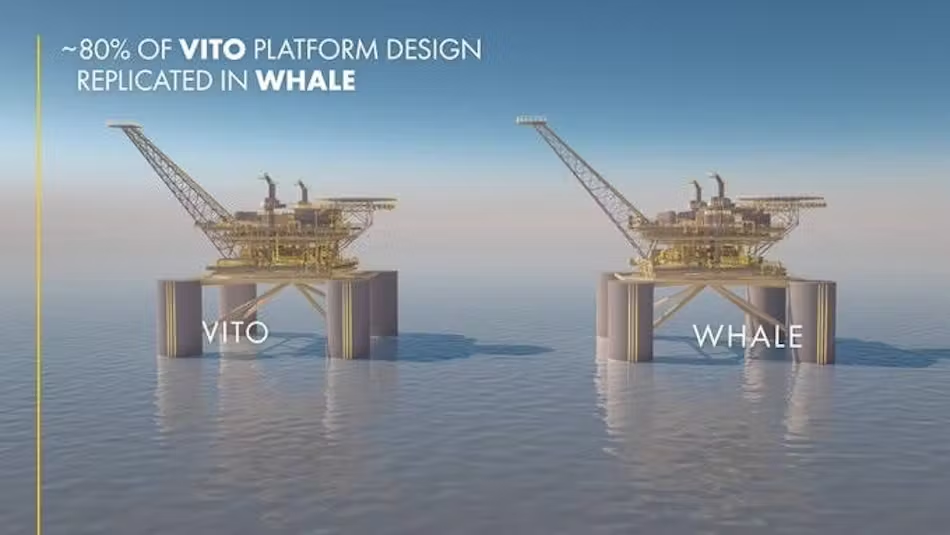
All of the operators note the cost-saving similarities in their FPU designs. For example, Vito and Whale are very much the same despite the 4550′ difference in water depth.

Read Full Post »

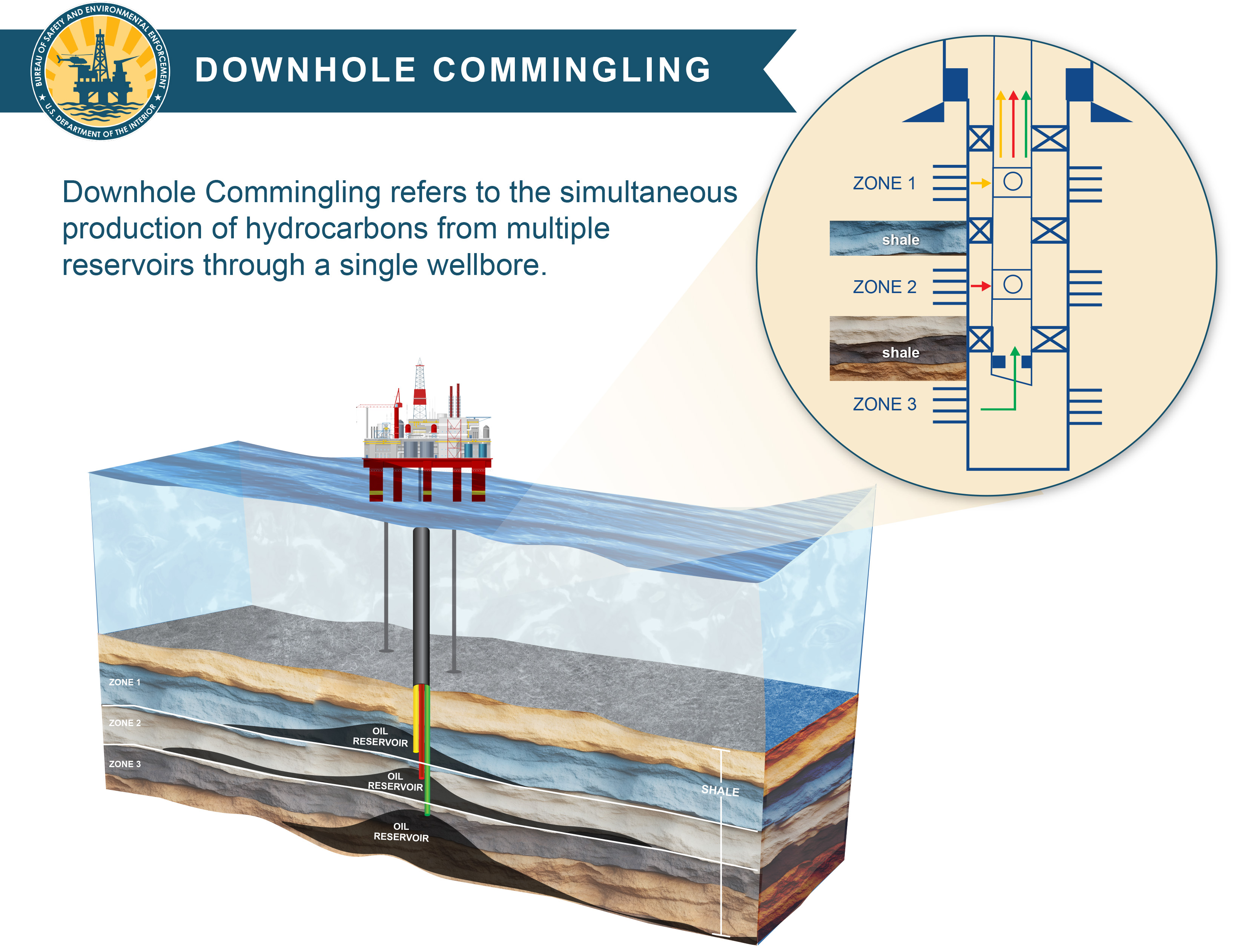
The table below captures the shorter public comments and provides links to the longer ones. They are listed in the order they were posted on Regulations.gov.

commentersummary/link
anonymousI recommend under no circumstance that we allow the onsite worker to approve the commingling of bore holes because there is extreme significant safety and environmental hazards that exist.
The best alternative is to have an environmental engineer and environmental scientist approve any commingling
Our Children’s Trust…your regulatory proposal is inconsistent with the federal law, the best available science on protecting the health and lives of children, and the legal mandate that agency decision-making does not deprive children of their fundamental constitutional rights…
E.P. DanenbergerSee BOE post
anonymousI support updating the regulations to align with the One Big Beautiful Bill Act, but I encourage BSEE to ensure that safety standards and environmental protections remain the highest priority in all commingling approvals. Clear guidance for industry compliance and transparent public reporting would also strengthen confidence in this rule.
Ananda FosterRegulations need to catch up with technology and we have not had a chance to do that yet. If you allow them on throttle access, they will destroy it. We all rely on the ocean, how can you do this to your own constituents?
APISupports direct final rule
bp AmericaSupports direct final rule

Legislatively dictating well construction, completion, or operational approvals is a redline for me, and I continue to strongly believe the downhole commingling rule should be published as a draft for public review and comment.

The only industry comments are from API and bp America. Both support the direct final rule, and I respect their position. My main quarrel is with the legislative action that put us in this position.

I have had many disagreements with API members over the years, but the dialogue has always been professional. Technical and policy disagreements are healthy for the OCS program, and I will continue to raise potential issues and concerns on this blog.

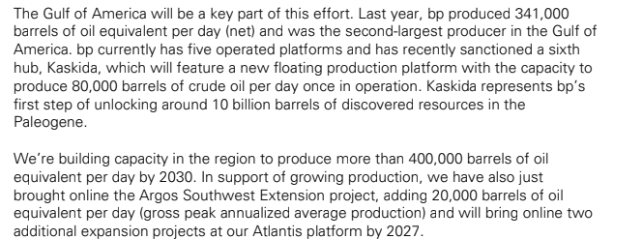
With regard to bp, I have been impressed by their commitment to the Gulf of America, as summarized in this excerpt from their comments:

Read Full Post »

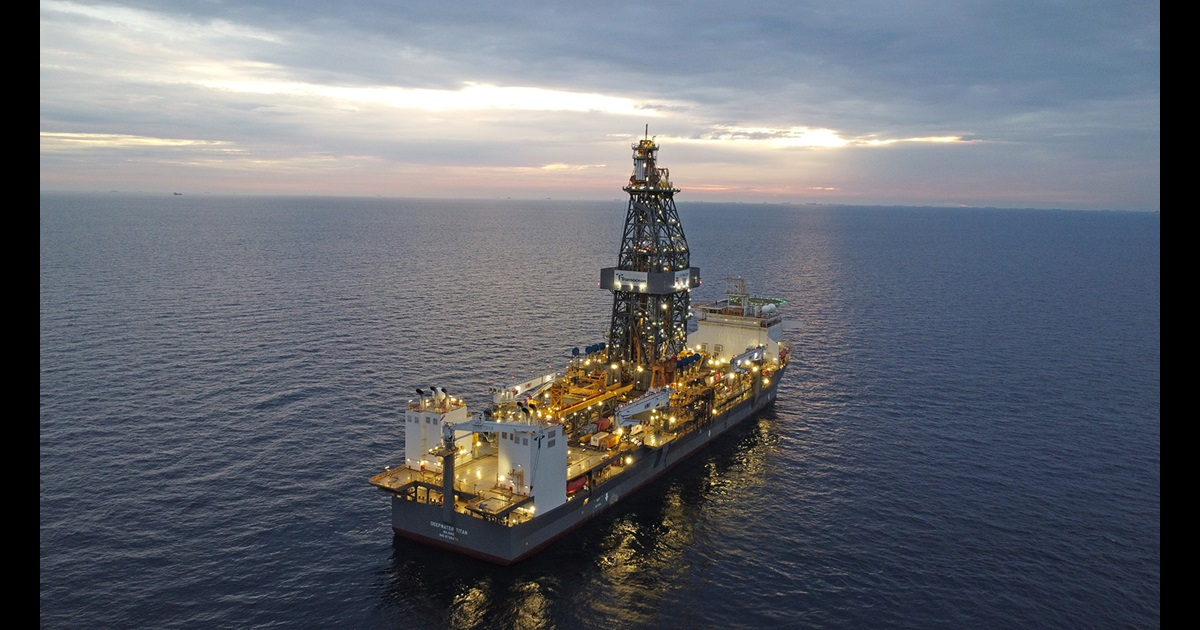
Deepwater Titan, Gulf of America

The latest Baker Hughes Rig Count Report shows only 10 rigs actively drilling in the Gulf. All are at deepwater locations – 7 in the Mississippi Canyon area, 2 in Green Canyon, and 1 in Alaminos Canyon. Per the BSEE borehole file, Shell accounts for most of the current MS Canyon wells and the Alaminous Canyon well. Beacon is also drilling in the MS Canyon, and the Green Canyon well appears to be a Chevron operation.

This current rig count, which has hovered between 9 and 12 all year, is troubling if you are concerned about long-term production. By comparison the Gulf rig count reached 22 last year and was 100+ during the 10 year period from 1994 to 2003.

Only Anadarko/Oxy, Beacon/BOE, BP, Chevron/Hess, Shell, and Talos have spudded deepwater exploratory wells in 2025 YTD. Arena and Cantium are the only shelf drillers – all development wells.

Technological advances and extensions of past discoveries have sustained Gulf production, but declines are certain over the longer term if drilling activity doesn’t increase. Oil price uncertainty is an issue, but that’s always the case. Semiannual lease sales are now legislatively required and the terms will be attractive, so those issues are off the table. Let’s see what the bidding looks like at the upcoming sale.

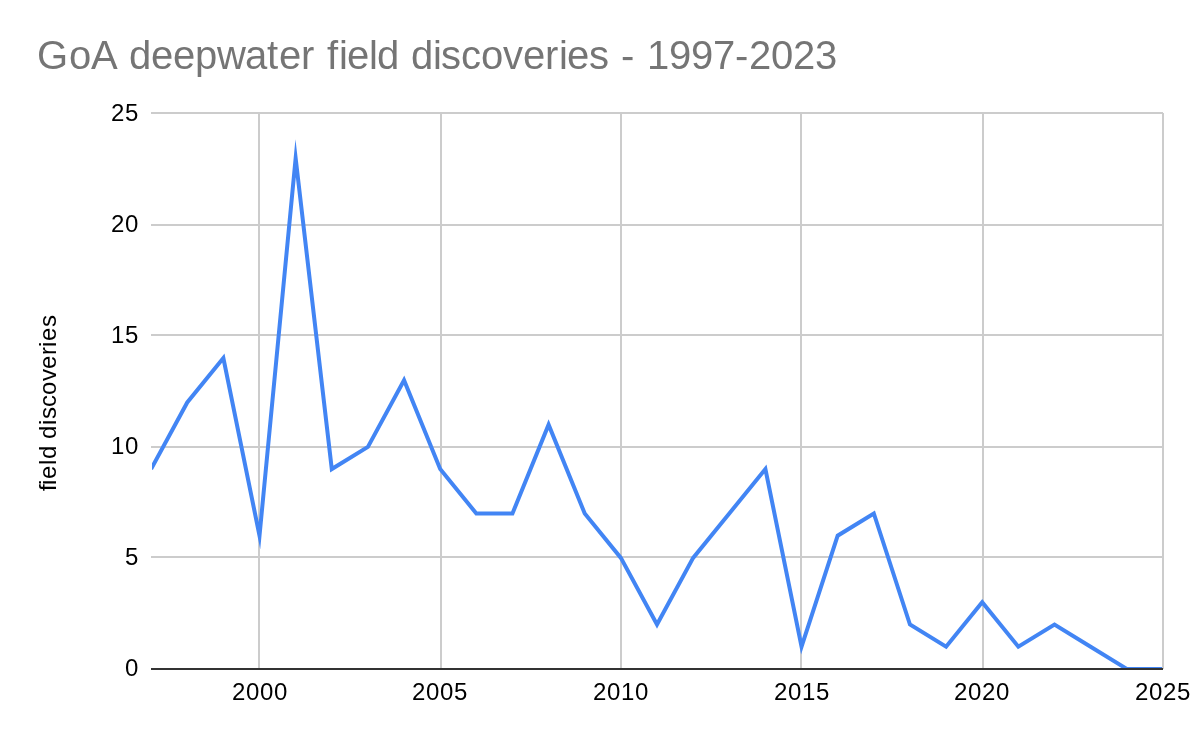
The decline in deepwater discoveries (BOEM data below) is particularly discouraging. Per BOEM, the last deepwater field discovery was in March 2023.

Read Full Post »

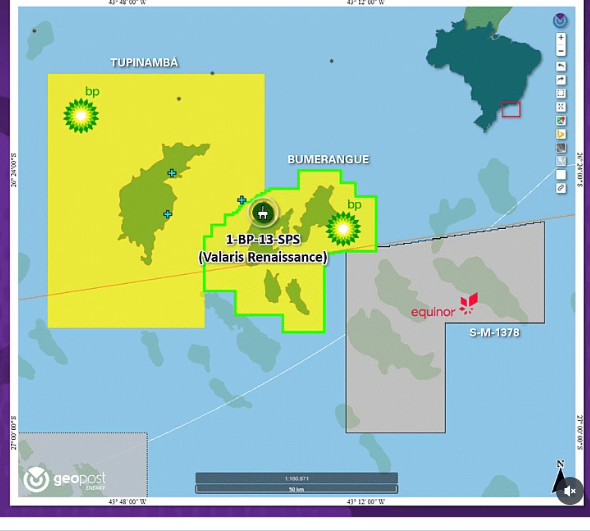
Per bp, the Bumerangue block well is located in the Santos Basin, 404 kilometres from Rio de Janeiro, in 2,372 metres of water. The well was drilled to a total depth of 5,855 metres.

Looks like the buzz may be warranted:

The well intersected the reservoir about 500 metres below the crest of the structure and penetrated an estimated 500 metre gross hydrocarbon column in high-quality pre-salt carbonate reservoir with an areal extent of greater than 300 square kilometres. 

Read Full Post »

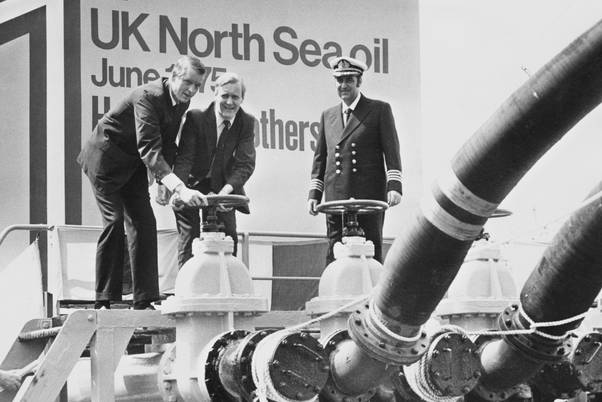
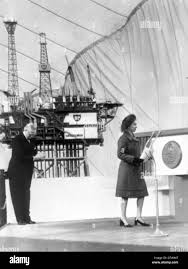
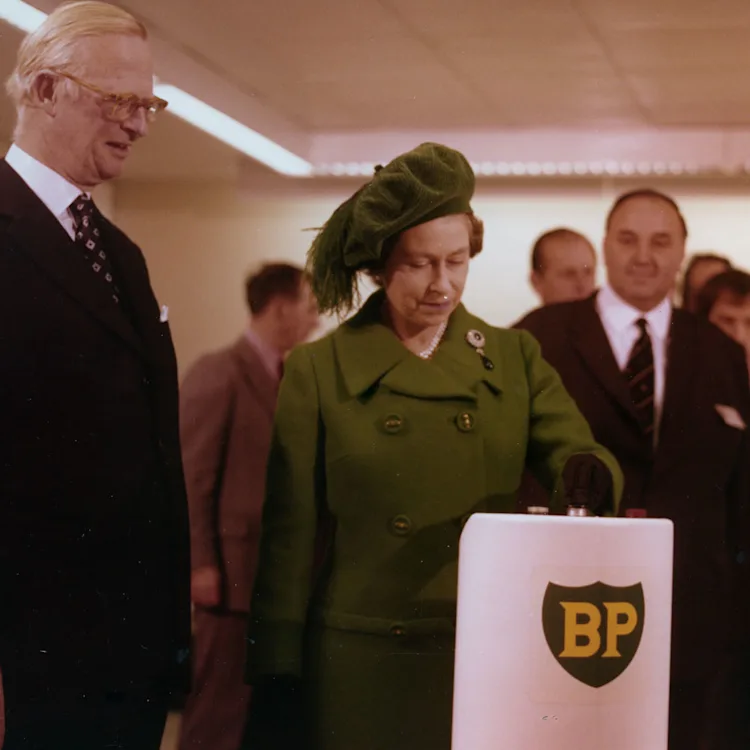
JL Daeschler recalls the inauguration of production at the Argyll field (18 June 1975) and Forties field (3 Nov 1975):

  • While some were bitter that Hamilton Brothers, a company owned by 2 brothers from Denver, was able to start production before British giant BP, there was never a race between the companies.
  • Instead there was a broad industry effort to initiate production during a financial crisis.
  • All operators exercized caution. We learned slowly with safety in mind. There was a great transfer of knowledge between operators small and big.
  • BP’s Forties field was a major achievement – designed for 400,000 bopd.  240 miles of 36″ pipeline were required (110 miles offshore and 130 miles onshore). The biggest delay was associated with the pipeline system, not the platform or wells.
  • The Hamilton Brothers Argyll field project (30,000 bopd) was not comparable in magnitude, requiring only a few wells and short infield flowlines.
  • The inauguration of Argyll  (photo above) was with the UK Energy Minister, Ferris and Fred Hamilton, and a  Greek tanker captain. There was minimal promotion and PR followup.
  • Contrast that with the Forties inauguration (photo above), a big event featuring Queen Elizabeth!

Read Full Post »

BP dropped the regrettable Beyond Petroleum campaign and has now cut their renewable energy investments to focus on oil and gas production. They are doing quite well in the Gulf of America where they are the no. 2 oil and gas producer.

The leading Gulf of America oil and gas producer, Shell, has also slowed its renewable investments and is no longer participating in any US offshore wind projects.

Only Equinor (formerly Statoil), which is 2/3 Norwegian government owned, remains committed to renewable projects, much to the chagrin of some private investors. Equinor’s Empire Wind misadventure may be matched in the Pacific where their floating wind project offshore California is a long way from reality.

Farther in the past, there were noteworthy failures (below) like Mobil’s acquisition of Montgomery Ward, Exxon’s investment in Reliance Electric, and Gulf’s real estate ventures.

Finally, don’t expect the carbon sequestration boom that some are forecasting. As wind investors have discovered, industries dependent on mandates and subsidies are risky.

Not much unites climate activists and skeptics, but they are largely aligned in their opposition to carbon sequestration (euphemism for disposal), as are fiscal conservatives. The word chutzpah comes to mind when companies seek public funds to dispose of emissions associated with the combustion of their products.

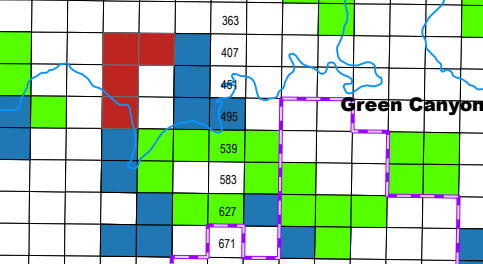
And how are those 199 wrongfully acquired carbon sequestration leases in the Gulf working out (graphic below)? Barring some legislative sleight of hand, those leases are worthless.

199 oil and gas leases were wrongfully acquired at Sales 257, 259, and 261 with the intent of developing these leases for carbon disposal purposes. Repsol was the sole bidder at Sale 261 for 36 nearshore Texas tracts in the Mustang Island and Matagorda Island areas (red blocks at the western end of the map above). Exxon acquired 163 nearshore Texas tracts (blue in map above) at Sales 257 (94) and 259 (69).

Read Full Post »

This image has an empty alt attribute; its file name is image-3.png

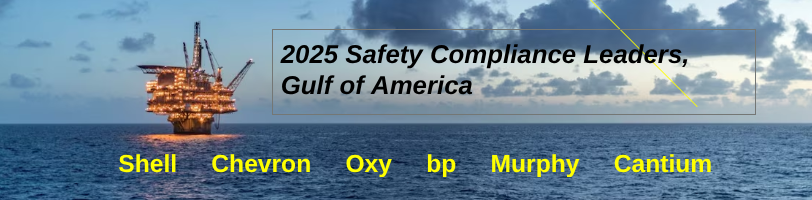
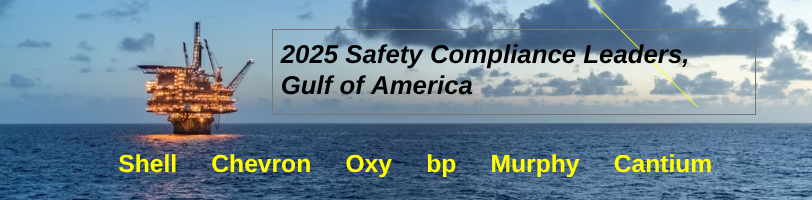
The 2024 Gulf of America Safety Compliance Leaders are ranked below according to the number of incidents of non-compliance (INCs) per facility inspection. To be ranked, a company must:

  • operate at least 2 production platforms
  • have drilled at least 2 wells during the year
  • average <1 INC for every 3 facility inspections (0.33 INCs/facility inspection)
  • average <1 INC for every 10 inspections (0.1 INCs/inspection). Note that each facility inspection may include multiple types of inspections (e.g. production, pipeline, pollution, Coast Guard, site security, etc). In 2024, there were on average 3.4 inspections for every facility inspection.

This ranking is based solely on BSEE’s published compliance data. The absence of timely public information on safety incidents (e.g. injuries, fires, pollution, gas releases, property damage) precludes inclusion of these data.

District investigation reports are more timely and provide additional insights into safety performance. Impressively, Hess had no incidents warranting a District investigation, and was the only ranked operator with this distinction. I will comment more on the District reports in a future post

Chevron’s 2024 compliance record was among the best in the history of the US OCS oil and gas program. Was it the absolute best? Were it not for the FSI INC at a Unocal (Chevron) facility, one could unequivocally assert that it was. Further evaluation of that INC would be helpful. However, details on specific INCs are not publicly available, so the significance of that violation cannot be evaluated.

operatorWCSIFSItotal INCsfacility inspINCs/
fac insp
inspINCs/
insp
Chevron10121170.023110.006
BP2305930.052510.02
Anadarko891181430.133440.05
Hess2305260.19670.07
Walter64111500.221610.07
Shell23175451990.234950.09
Cantium2480321230.265370.06
Murphy89118700.261910.09
Arena29283601890.328030.07
Gulf-wide957398109146431330.47106640.14
Notes: Numbers are from published BSEE data; INC=incident of non-compliance; W=warning INC; CSI=component shut-in INC; FSI=facility shut-in INC; INCs/fac insp= INCs issued per facility inspection; each facility-inspection may include multiple types of inspections (e.g. production, pipeline, pollution, Coast Guard, site security, etc), in 2024, there were on average 3.4 inspections for every facility inspection

Not meeting the production facilities requirement to be ranked among the top performers, but nonetheless noteworthy, was the compliance record of BOE Exploration & Production (no relation to the BOE blog 😀). See their impressive inspection results below:

WCSIFSItotal INCsfacility inspINCs/
fac insp
inspINCs/
insp
BOE1102210.1480.04

Transparency on inspections and incidents is important for a program that is dependent on public confidence. For independent observers to better evaluate industry-wide and company-specific safety performance, publication of the following information should be considered:

  • quarterly updates of the incident tables, as was once common practice
  • posting of violation summaries for inspections resulting in the issuance of one or more INCs
  • more timely publication of panel reports for more serious incidents
  • real time list of ongoing investigations including the reason for each investigation
  • status summary for civil penalties that have been proposed, including the violations and responsible parties

Read Full Post »

Beyond Petroleum “Back to Petroleum”

BP has announced it will cut its renewable energy investments and instead focus on increasing oil and gas production.

The energy giant revealed the shift in strategy on Wednesday following pressure from some investors unhappy its profits and share price have been lower than its rivals.

BP said it would increase its investments in oil and gas by about 20% to $10bn (£7.9bn) a year, while decreasing previously planned funding for renewables by more than $5bn (£3.9bn).

The future looks like this: BP Argos floating production unit, Gulf of Americasimpler, safer, greener

It’s more than okay to be an oil and gas producer – no need to apologize or pretend to be something else. Oil and gas are, and will continue to be, essential to economies worldwide. Companies should focus on safely and cleanly achieving production objectives.

If a company thinks other types of energy investments make good business sense, they should engage in those activities. However, they should not do so to curry favor with anti-oil factions who can never be placated. Attempts to do so will only weaken your company.

BP is doing well in the Gulf of America – no. 2 producer in 2024.

Read Full Post »

Platform Holly, California State waters in the Santa Barbara Channel, formerly operated by Venoco

Platform Holly sits immediately offshore from the Univ. of California at Santa Barbara, and UCSB scientists have studied the platform and surrounding ecology extensively. Multiple studies have shown that production from Holly reduced natural seepage and methane pollution from shallow formations beneath the Channel. Platform Holly was thus a “net negative” hydrocarbon polluter.

The natural seepage in the Santa Barbara Channel was important to the earliest inhabitants of the area. The Chumash used the tar for binding and sealing purposes, including caulking their canoes. Since Holly shut down in 2015 following the Refugio pipeline spill, offshore workers and supply boat crews have reported a considerable increase in gas seepage.

Earlier this month, it was reported that well plugging operations at Holly had now been completed, but decisions regarding the final decommissioning of the platform remain.

Venoco declared bankruptcy in 2015 and the State of California became the platform owner. According to the State Lands Commission, Exxon will pay the costs for decommissioning the platform. This is because Exxon acquisition Mobil operated the platform from 1993-1997 before Venoco became owner.

The most recent Holly development is that Venoco has settled its law suit with Plains, the company responsible for the 2015 Refugio pipeline spill that halted production from Holly. Terms of the settlement have not been disclosed.

Note: As an aside, I’m curious as to whether Mobil provided a decommissioning guarantee as part of the sale to Venoco or whether the State is simply holding ExxonMobil accountable as a legacy owner. If it’s the latter, why isn’t bp (bp acquisition Arco was Holly’s operator from 1966-1993) also liable? Is it a matter of Mobil being the more recent predecessor owner?

Read Full Post »

Older Posts »