Important and long overdue:
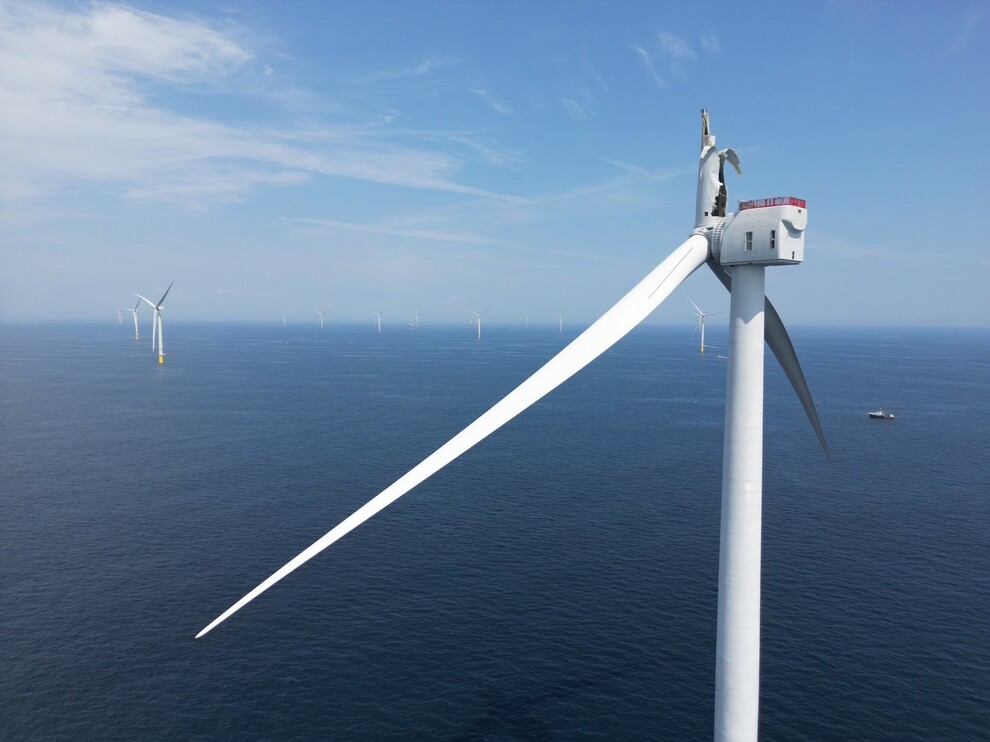
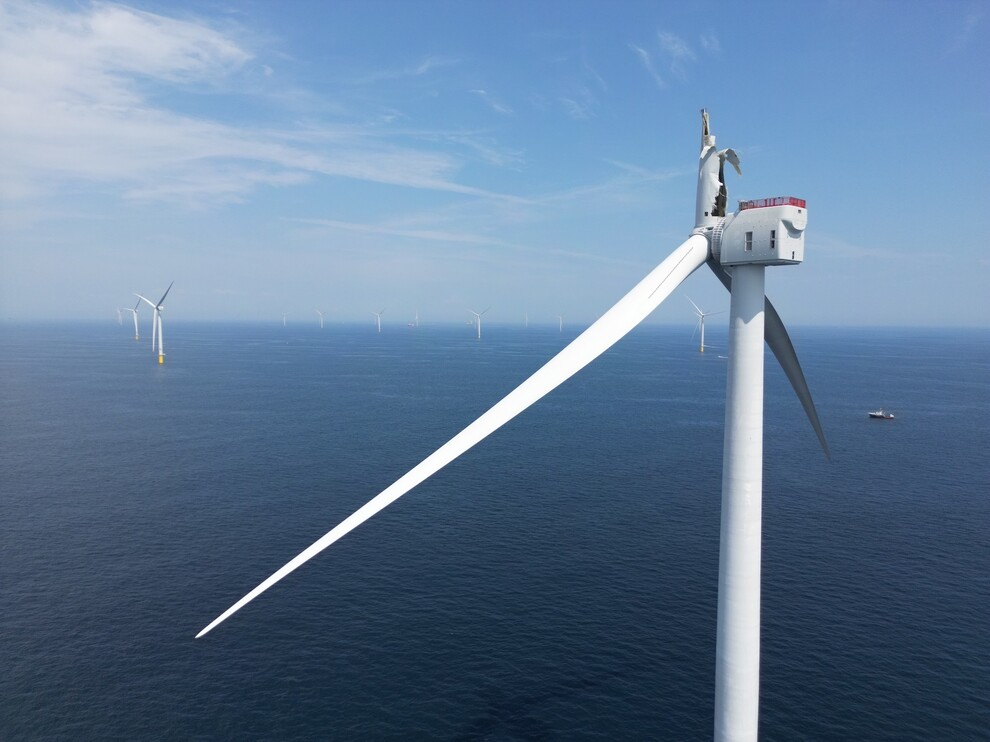
- BSEE investigation report on the 7/13/2024 Vineyard Wind turbine blade failure and subsequent lightning strike. Will we see the report before the 2nd anniversary of this economically and environmentally significant incident?
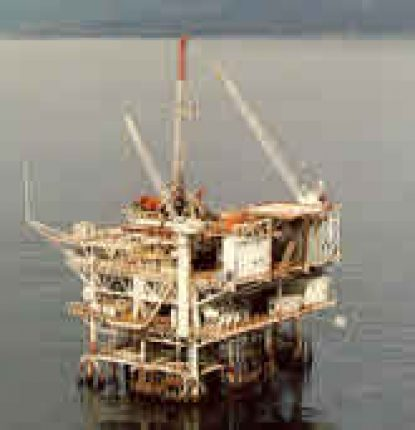
- Updated incident tables for OCS oil and gas operations. The most recent data are for 2023! Providing timely details on incidents is a fundamental responsibility of a safety regulator.
- A summary of incidents associated with the OCS wind program. From press reports, we know about the fatality during Empire Wind construction. What other incidents have occurred to date?
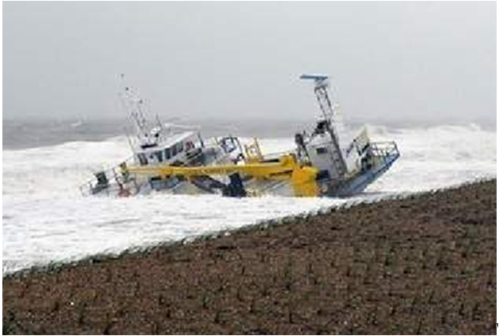
- Coast Guard report on the May 2008 Russell Peterson liftboat tragedy. A crew member died in what is believed to have been the first OCS wind program fatality. Some of us haven’t forgotten this horrible incident.
- Hogan and Houchin decommissioning update, most notably the financial responsibility aspects. Why hasn’t the 2020 Inspector General’s report been released?
- Updated DOI-DOT offshore pipeline regulations.
- Workable California decommissioning legislation.
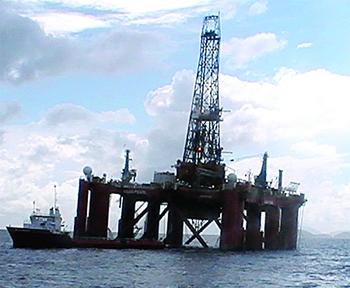
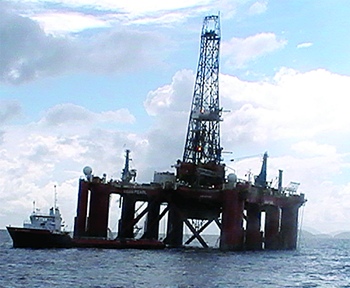
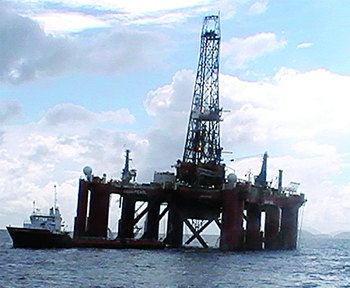
- Information on the mysterious sinking of the Aban Pearl semi-submersible in May 2010. An investigation was conducted, but the report was never shared. In the interest of offshore safety, the new regime in Venezuela should release this report.
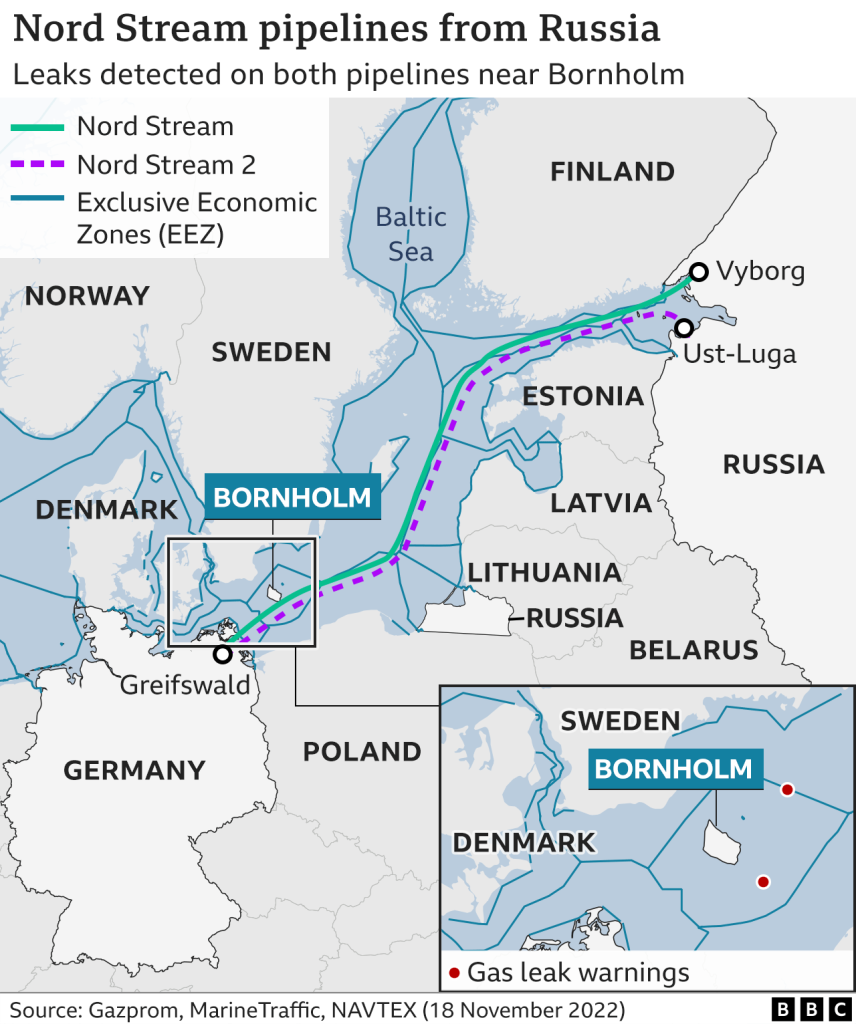
- Report on the 9/26/2022 Nord Stream sabotage. 3.5 years have now elapsed since the pipeline bombing. Sweden and Denmark have conveniently opted not to issue reports. Germany continues to investigate, but politically sensitive questions about the responsible party may never be answered.



 Bud's Offshore Energy (BOE)