
Queen Elizabeth inaugurated Forties field production.
Marking the Forties field’s half-century, the current operator Apache said it stood as a testament to Scottish grit, industrial excellence, and enduring human spirit.
In November 2024 Apache said it had suspended new drilling and would end all its operations in the North Sea by 2029. ☹
Bucks Fizz performed on a Forties field platform in the 1980s
Gas production, which is now overwhelmingly from oil wells, also ticked up. However, gas production remains at historically low levels. (See charts below.)
Time to take another look at ultradeep shelf gas? More on this in a later post.
A leaked Dept. of the Interior (DOI) document will likely have little in common with the Draft Proposed Program (DPP, step 2 above). The DPP decisions will be made by the President, not by DOI staffers or managers.
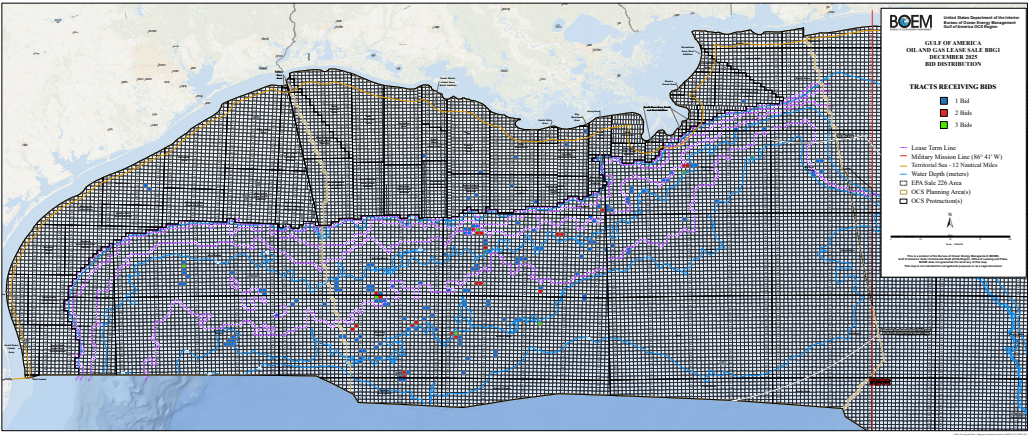
According to media reports, the leaked document includes lease sales offshore New England, the Carolina’s and California. Unless the President revokes his own 2020 withdrawals, the Carolina’s are off-limits until 2032. Ditto for the Eastern Gulf within 125 miles from Florida. (See the map below.)
Including North Atlantic and offshore California in the DPP would unleash a firestorm of opposition. In the case of the North Atlantic, the acreage may not be sufficiently prospective to justify the fight.
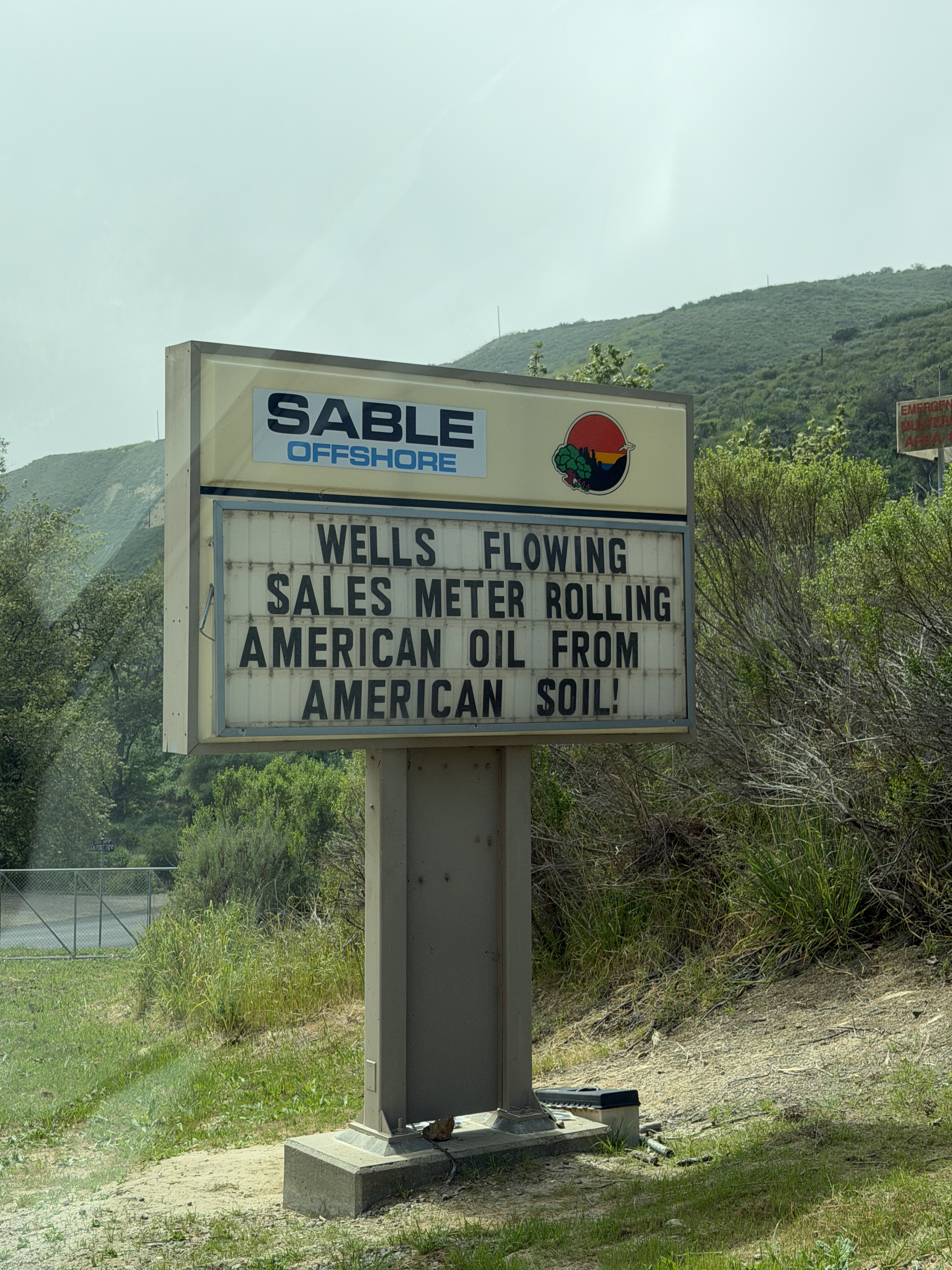
To the extent that marine sanctuary determinations do not preclude California offshore leasing, the litigation and legislative battles probably would. In the unlikely event that a sale could be held, who would bid? Who wants to be the next Sable?
The Beaufort Sea is the most likely frontier area to be included in the DPP given plans to open ANWR, operational history, resource potential, and State support.
Assuming the South Atlantic withdrawal could be partially lifted, a small, targeted lease sale would be of great interest to petroleum geologists and could have significant economic and national security implications. The late Paul Post, the foremost expert on the petroleum geology of the US Atlantic, saw great potential in the paleo deep- and ultra-deepwater areas. He advocated exploration concepts proven successful in analogous West African and South American settings where massive discoveries have been made. Samuel Epstein, another prominent petroleum geologist, also believes the deepwater Atlantic has great resource potential.
Finally, the extent of the Florida buffer needs to be considered given the high resource potential of the Eastern Gulf. Be it 75, 100, or 125 miles, leasing beyond that buffer should be a priority.
Excellerate Hull 3407, the company’s newest floating storage and regasification unit (FSRU), will be delivered to Iraq in 2026.
Why would a major oil and gas producer like Iraq be dependent on LNG imports?
Pipeline infrastructure limitations
High flaring rates: Iraq flared 625 bcf in 2023 which is almost equal to their total gas consumption (682 bcf). Iraq plans to eliminate routine flaring by 2028 (delayed from earlier targets).
Risks associated with gas imports from Iran.
And the Commonwealth of Massachusetts? Why would a state in the world’s no.1 gas producing country and not far removed from the massive Marcellus Shale reserves be importing LNG?
Firstly, Massachusetts is a wonderful place in many ways: beaches, mountains, islands, history, arts and culture, universities, charming villages, commercial fishing, recreational and professional sports, and more. I thoroughly enjoyed living on Cape Cod and was blessed to meet my wife there.
Pipeline restrictions have limited the flow of gas from Pennsylvania (Marcellus) and elsewhere.
Massachusetts is the only state with significant LNG imports.
Per EIA data, Massachusetts imported 13.2 bcf of LNG in 2023, accounting for about 87% of total U.S. LNG imports that year.
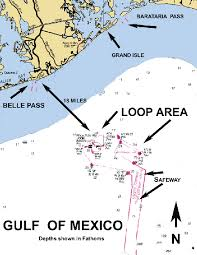
Most imports are through the Everett Marine Terminal near Boston. Imports through the offshore Northeast Gateway LNG terminal have been limited in recent years. (See map below).
Imports are seasonal, peaking in winter months, with most supply originating from Trinidad.
Recently, Governor Healy has made more encouraging statements regarding natural gas policy. She says she never stopped gas pipelines from entering the state and calls natural gas an “essential energy source.”
Attached is a court filing challenging Delaware’s approval of the Coastal Construction Plan for that project. Some interesting points from the filing:
Maryland local governments declined to allow the transmission lines from the Maryland Offshore Wind Project to come ashore in their jurisdictions.
The Governor of Delaware agreed to allow the transmission lines to make landfall at the Delaware Seashore State Park.
The transmission pipelines would then traverse the adjacent Delaware Bays, to an inland substation, from which the power would be sent to Maryland.
US Wind applied for a number of permits from the Delaware Department of Natural Resources (DNREC) specific to horizontal directional drilling, laying cable pipelines, and other coastal construction activity.
The approval process, including provisions for public input, was not consistent with State regulations.
The Secretary’s decision to issue the beach construction permit is supported virtually exclusively by documents which were submitted by US Wind after the close of public comment.
Decommissioning and financial assurance information, a favorite BOE topic for both wind and oil/gas, was submitted after the close of the public record.
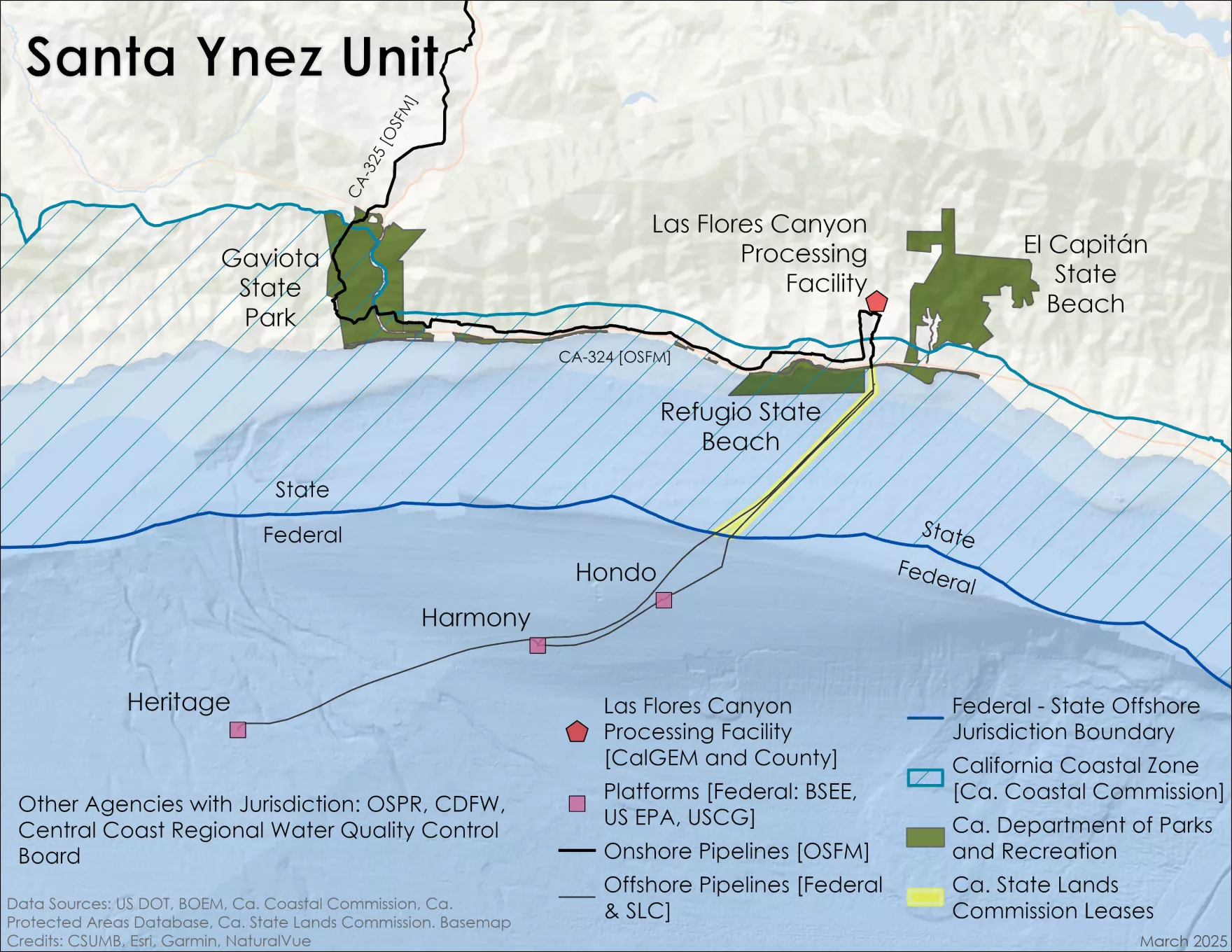
John notes that Exxon’s March 26 contractual deadline for Sable to have the SYU up and running is fast approaching. What will Exxon do in the likely event that Sable fails to meet that deadline? Does Exxon want to re-enter the SYU legal and regulatory quagmire?
The SYU’s 500+ million barrels of oil, 3 deepwater platforms, and onshore processing facilities are an enormous prize, but is that prize attainable?
Meanwhile, the latest skirmish between Sable and the Office of the State Fire Marshal (OFSM) pertains to metal loss anomalies and inspection tool tolerances. The dispute is summarized in the linked filing.
Sable contends that the Fire Marshal’s letter contradicts guidance from OSFM staff and provides examples. Sable goes a step further at the end of their response by calling for the FIre Marshal to coordinate better with the experts on his staff:
“We respectfully request that, given this background, you coordinate further with the expert team at OSFM and revisit the statements in your October 22nd letter.”
It’s not looking good for a quick resolution of these issues.
In essence, the 3 Supervisors from South County (Districts 1-3) voted to euthanize an industry that is largely in North County (Districts 4 and 5). Those 3 supervisors, not the marketplace, are terminating a historically important industry. See the maps below.
District BoundariesOil Wells
Supervisors Laura Capps of the Second District, Joan Hartmann of the Third District and Roy Lee of the First District voted for the ordinance.
Ah, but it’s the industry’s fault according to Supervisor Hartmann. She asserted that companies have known since the 1950s about the dangers of climate change, and could have led the way to be part of the solution. How dare they respond to market forces instead of climate ideologues!
Of course, this is the same three vote coalition that is aligned with the Coastal Commission in opposition to the restart of the Santa Ynez Unit, which would benefit the County significantly.
Finally, note that the three supervisors voting for the ordinance represent the districts with the highest income levels and lowest poverty rates. Those opposing the ordinance represent the districts that will be most affected, and have the lowest income levels and highest poverty rates. (See the table below; Information courtesy of Grok AI.)
District
Approx. Median Household Income (2022)
Key Areas Included
Notes
1
$120,000–$140,000
Carpinteria, Summerland, Montecito, parts of Santa Barbara
Affluent coastal communities; high home values (~$1.5M+ median)
2
$95,000–$115,000
Santa Barbara city, Goleta, Isla Vista
Mix of urban professionals, students, and tech; university influence lowers median slightly.
3
$80,000-$95,000
Santa Ynez Valley, Buellton, Solvang, Lompoc
Rural/agricultural with tourism; moderate incomes from wine industry and military base
4
$70,000–$85,000
Lompoc, Vandenberg area, parts of Santa Maria
industrial and defense-related; higher poverty rates (~15–20%).
5
$60,000–$75,000
Santa Maria, Guadalupe
Agricultural North County; majority Latino population; lowest incomes due to farm labor.
Poverty rates: ~8–10% in Districts 1–2 vs. 18–25% in Districts 4–5
Good: OCS oil and gas permitting and inspections appear not to be significantly affected by the govt shutdown to-date. 14 planning documents were approved on Oct. 21, and 37 drilling permits have been approved in Oct. (through 10/21).
Bad: This level of effort is not sustainable given limits on offsetting funds from fees, rentals, etc.
Ugly: The personnel who are performing these duties are not being paid during the shutdown. The longer the shutdown drags on, the greater the hardship on those individuals and their families. Shameful!
Warren Buffett’s proposal would stop deficit spending and address the root cause of shutdowns:
Buffett: “I could end the deficit in five minutes. You just pass a law that says that any time there’s a deficit of more than three percent of GDP, all sitting members of Congress are ineligible for re-election.“
Interesting case: Delaware litigation on approval of the Coastal Construction Permit for the Maryland Offshore Wind Project
October 29, 2025 by offshoreenergy
The Dept. of the Interior is currently reconsidering approval of the Construction and Operations Plan for the Maryland Offshore Wind Project (US Wind).
Attached is a court filing challenging Delaware’s approval of the Coastal Construction Plan for that project. Some interesting points from the filing:
Posted in decommissioning, energy policy, Offshore Wind, Regulation | Tagged Coastal Construction Plan, court filing, decommissioning, Delaware litigation, Maryland Offshore Wind, public comment, US Wind | Leave a Comment »