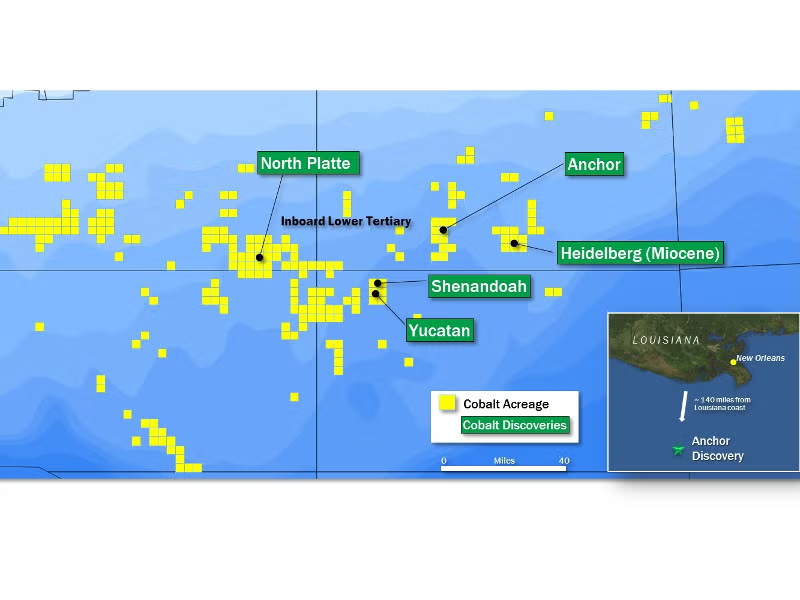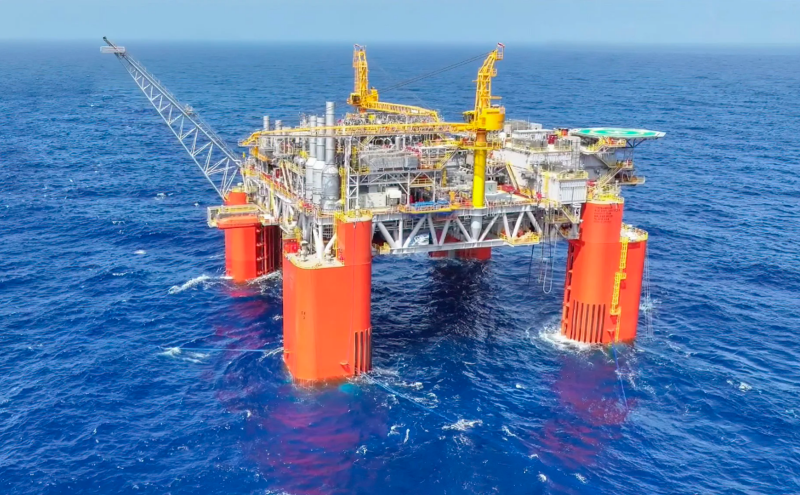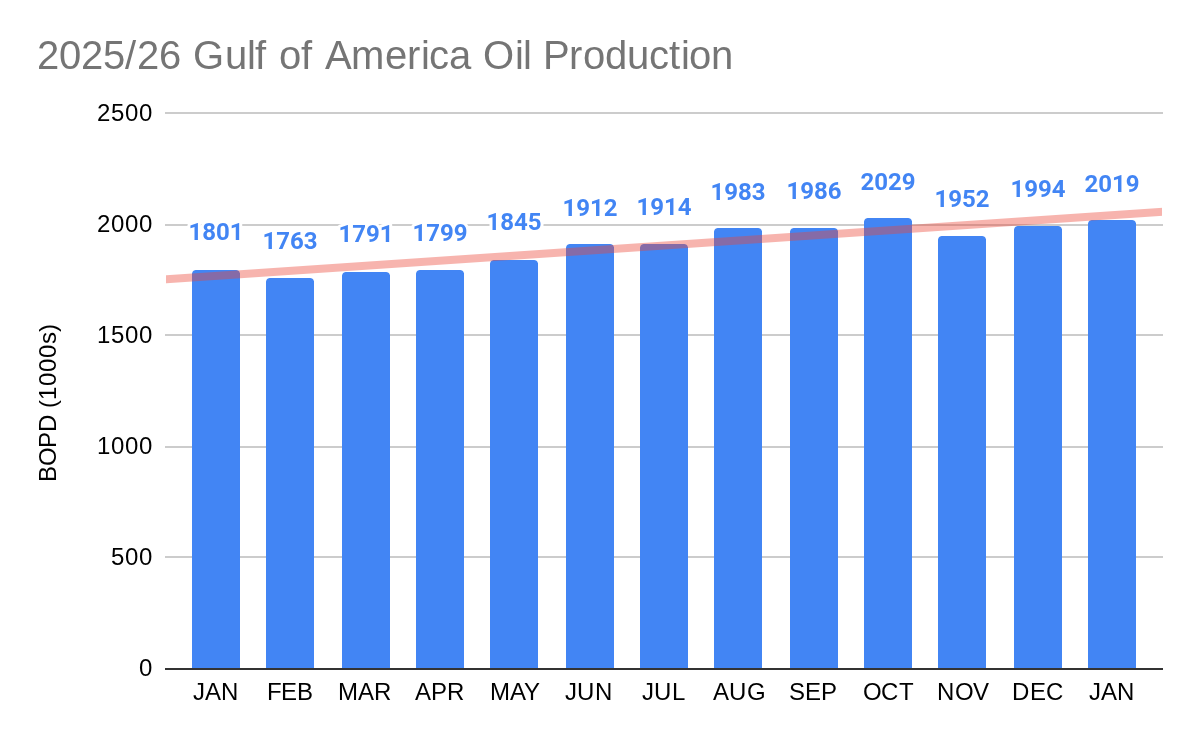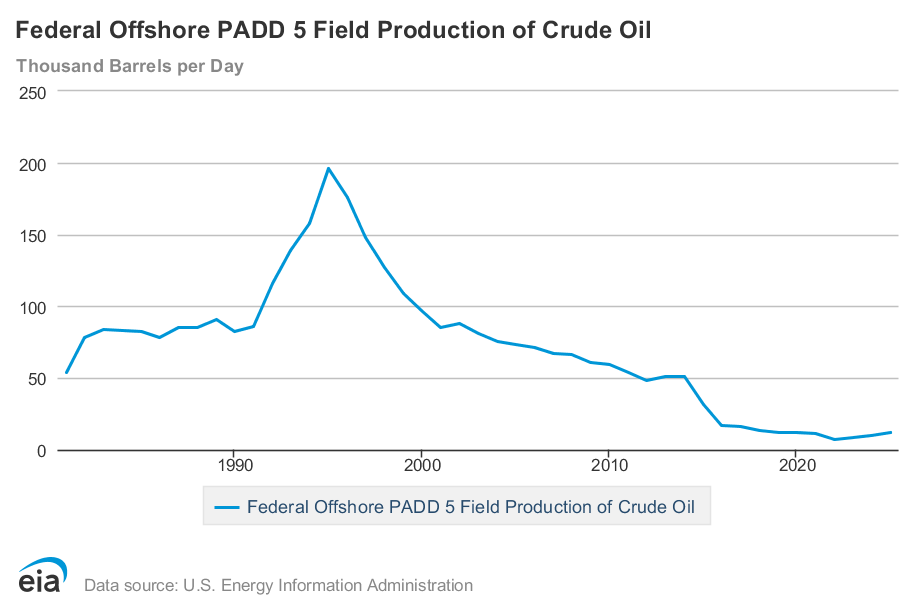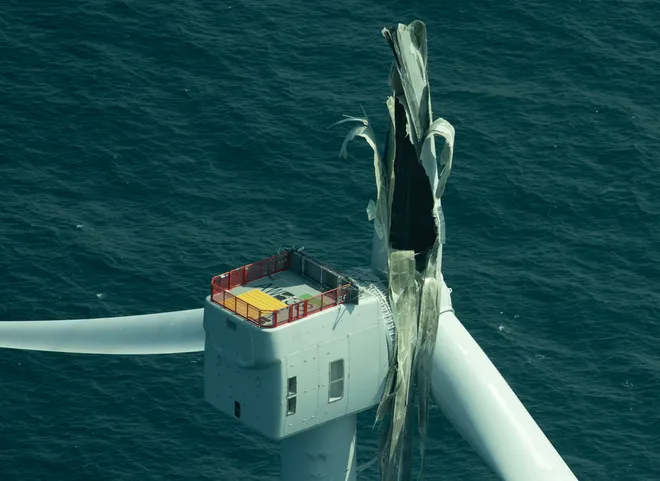
The first ever Gulf of America oil and gas lease sale 😉 will be held on Dec. 10, 2025. Instead of numbering the sale sequentially (i.e. Sale 262), the sale has been designated OCS Oil and Gas One Big Beautiful Bill Act Lease Sale 1 (BBG1). 🙄 This change is a bit too cute for some of us old-timers, but we’ll judge the sale by its results, not its name.
The Notice of Sale is attached. The terms are very attractive, with the lowest allowable royalty rate (1/8th) on all shelf and deepwater leases. Note the comparison of royalty rates in the table below. The 6.25% difference for deepwater leases is substantial when you consider their high production potential.
Gulf Sale No.
Date
% royalty: <200m water depth
% royalty: >200m water depth
256
11/18/2020
12.5
18.75
257
11/17/2021
12.5
18.75
258
12/30/2022
18.75
18.75
259
3/29/2023
18.75
18.75
261
12/20/2023
18.75
18.75
BBG1
12/10/2025
12.5
12.5
The rental rates for the BBG1 Sale are also very attractive compared to Sale 261:
Water Depth
Sale 261 rental rates ($/ac)
BBG1 Sale rental rates ($/ac)
0 to <200m
years 1-5: $10 year 6: $20 year 7: $30 year 8+: $40
years 1-5: $7 year 6: $14 year 7: $21 year 8+: $28
200 to <400m
years 1-5: $16 year 6: $32 year 7: $48 year 8+: $64
years 1-5: $11 year 6: $22 year 7: $33 year 8+: $44
400+ m
years 1-5: $16 year 6: $22 year 7: $22 year 8+: $22
years 1-5: $11 year 6: $16 year 7: $16 year 8+: $16
Will the bidding reflect the very favorable lease terms?
26 June 2025 – Festive inauguration: A festive ceremony is held in the Port of Amsterdam by Oceans of Energy to celebrate the successful assembly of the world’s first commercial offshore solar farm “Nymphaea Aurora”. The solar farm is 18.5 kilometers off the Dutch coast near Egmond aan Zee, and consists of 1,400 photovoltaic panels mounted on 196 flotation segments. It is larger than a football field with the expectation to scale up.
9 August 2025 – First fire: Soon after installation at sea Nymphaea Aurora is on fire.
5 September 2025 – Second fire: A second fire breaks out in Nymphaea Aurora. The Dutch Coast Guard extinguishes the fire. Both fires were caused by overheating due to strong solar radiation and faulty panel connectors. The developer calls it a kind of technical childhood disease that is typical for new technology. (Seriously?☹)
fire observed from shore; the solar farm is co-located with an existing wind farm
19 September 2025 – Debris from solar farm starts washing up on the beaches
burnt panel that washed up on beach
20 September 2025: Debris is found all over the beaches of Egmond, Bergen and Schoorl, varying from 20 to 30 cm sized pieces to tiny polystyrene foam fragments. Parts of Nymphaea Aurora wash up on Texel, an island further north on the Dutch coast (photo below).
4 October2025: Storm batters the Netherlands with wind speeds between 75 and 90 kilometers per hour hitting Noord-Holland. No news about Nymphaea Aurora.
7 November 2025: No news from the developer, Oceans of Energy, since since 27th June 2025 and no updates on LinekdIn since 21 September 2025. It has been very quiet from ‘The company that brought Offshore Solar in high waves from a (perceived) impossibility to a reality.’ It is probably no longer at sea.
International Bird Rescue photo: seabirds coated in oil off the Santa Barbara coast
Noozhawk: “A natural oil seep off the Santa Barbara coast has coated more than 100 seabirds in oil, leaving them in a life-threatening state, according to the nonprofit International Bird Rescue.”
For more about natural seeps, see “Slick Talk About Seeps.” The attached Oil Spill Fact Sheet (2002) by Cheryl Anderson, the world’s foremost authority on oil spill occurrence rates, and a 2012 update, may also be of interest.
To date, BSEE has used carryover funds and offsetting collections from inspection, rental, and cost recovery fees to continue their priority permitting and inspection programs during the govt shutdown. However, these funds are limited.
At some point, BSEE will have to stop issuing new permits. If the shutdown continues, the next step could be to curtail drilling and production operations. Needless to say, this would not be completely unacceptable.
In the meantime, BSEE employees continue to work without pay. Flying offshore everyday to inspect operations is no picnic and can be hazardous. I lost a colleague in a helicopter crash and others have been injured. It’s shameful that these people are not being paid while members of congress are!
Attached is John Smith’s comprehensive summary of lawsuits related to Sable Offshore’s attempts to restart Santa Ynez Unit production.
If you are keeping score, there are 10 separate cases including a class action lawsuit filed by investors. New legal battles are sure to follow given Sable’s OS&T strategy. Per John:
“The combined legal challenges, injunctions, and restraining orders have significantly delayed Sable’s restart plans and prompted the company to pursue an Offshore Storage and Treatment Vessel (OS&T) strategy, which was utilized to process SYU production in federal waters from 1981 – 1994, and transport oil to markets using tankers.“
Tyler Priest, the leading historian on US offshore oil and gas operations, has published another gem. His book, Offshore Oildom, is a fascinating account of the history of the technologically innovative and economically important, yet highly controversial, OCS Oil and Gas program. His bookis highly recommended.
Consider this recommendation by Daniel Yergin:
“Tyler Priest, a preeminent historian of energy and the environment, explores how a single well drilled off a pier near Santa Barbara in 1898 gave rise to a major American industry—offshore oil and gas. In spirited prose, Priest demonstrates how this U.S. industry was created not only by innovation, creative engineering, and complex execution; it was also the result of fierce political battles.” ~Daniel Yergin, Pulitzer Prize–winning author of The Prize: The Epic Quest for Oil, Money, and Power and The New Map: Energy, Climate, and the Clash of Nations
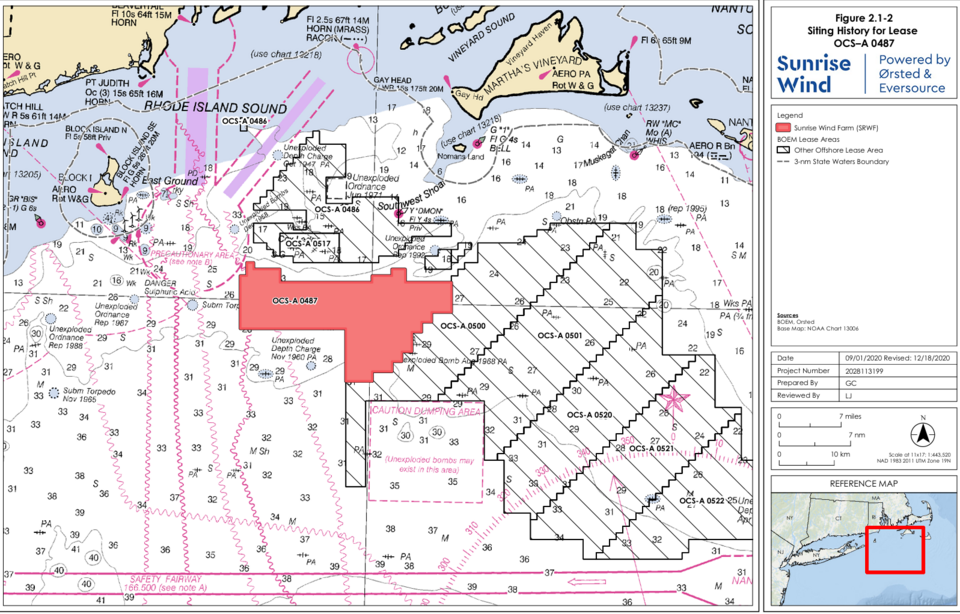
The Construction and Operations Plan (COP) for the SouthCoast Wind project was approved during the last week of the Biden Administration. That approval has been challenged by the Town and County of Nantucket. Ocean Wind, a joint venture of EDP Renewables (Portugal) and ENGIE (France), is the leaseholder.
It is ORDERED that the case be REMANDED to BOEM for reconsideration of its decision and that proceedings in this court are STAYED until further order of the court. It is further ORDERED that, on or before January 3, 2026, and every 60 days thereafter, the parties shall file a joint status report indicating the status of BOEM’s remand proceedings. It is further ORDERED that on or before 30 days following the issuance of a decision by BOEM, the parties shall file a joint status report informing the court if further proceedings are necessary and, if so, providing a proposed schedule for those proceedings.
The UK Met Office told Recharge that the historic trend of wind speeds in Britain was downwards. “The UK annual mean wind speed from 1969 to 2024 shows a downward trend, consistent with that observed globally. There have been fewer occurrences of maximum gust speeds exceeding 40/50/60 knots in the last two decades compared to the 1980s and 1990s.”
Citigroup informs that load factors for both onshore and offshore wind are falling behind capacity growth in Britain’s turbine fleet.
Per the Citigroup analysts, the increasing focus on wind wakes in UK waters has led to a ballooning number of disputes between developers.
In addition to wake losses, local turbulence in the wake regions creates significant unsteady fatigue loads on the downstream turbines, which shorten their working life.
A recent study shows that hydrodynamic conditions in the ocean altered by wind wakes can strongly influence marine primary production (phytoplankton).
The US National Academy of Sciences advised BOEM about the hydrodynamic effects of wind turbines and the potential implications for the endangered North Atlantic right whale (see figure below).
The attached legal petition from Save LBI and Green Oceans, asserts that BOEM improperly amended OCS wind leases at the end of the previous Administration.
The amended language makes it more difficult to cancel leases by stipulating that an OCS wind lease must be suspended for 5 years before it can be cancelled, and that in the event of cancellation, the lessees must be compensated.
The sentence of concern:
Any cancellations are subject to the limitations and protections contained in subsections 5(a)(2)(B) and (C) of the Act (43 U.S.C. § 1334 (a)(2)(B) and (C)). (Those subsections are pasted at the end of this post in their entirety.)
Compensation could be very costly to the Federal govt (taxpayer) given the wild (irrational?) bidding for some leases and subsequent planning and development costs.
See Section 8 of this lease for an example of the amended language. Note that the lease changes are not highlighted or otherwise identified; nor was there any public notice of this change.
The petitioners are requesting that the new lease language be rescinded and that cancellation language in the lease be aligned with the regulations.
(B) that such cancellation shall not occur unless and until operations under such lease or permit shall have been under suspension, or temporary prohibition, by the Secretary, with due extension of any lease or permit term continuously for a period of five years, or for a lesser period upon request of the lessee;
(C)that such cancellation shall entitle the lessee to receive such compensation as he shows to the Secretary as being equal to the lesser of (i) the fair value of the canceled rights as of the date of cancellation, taking account of both anticipated revenues from the lease and anticipated costs, including costs of compliance with all applicable regulations and operating orders, liability for cleanup costs or damages, or both, in the case of an oilspill, and all other costs reasonably anticipated on the lease, or (ii) the excess, if any, over the lessee’s revenues, from the lease (plus interest thereon from the date of receipt to date of reimbursement) of all consideration paid for the lease and all direct expenditures made by the lessee after the date of issuance ofsuch lease and in connection with exploration or development, or both, pursuant to the lease (plus interest on such consideration and such expenditures from date of payment to date of reimbursement), except that (I) with respect to leases issued before September 18, 1978, such compensation shall be equal to the amount specified in clause (i) of this subparagraph; and (II) in the case of joint leases which are canceled due to the failure of one or more partners to exercise due diligence, the innocent parties shall have the right to seek damages for such loss from the responsible party or parties and the right to acquire the interests of the negligent party or parties and be issued the lease in question;