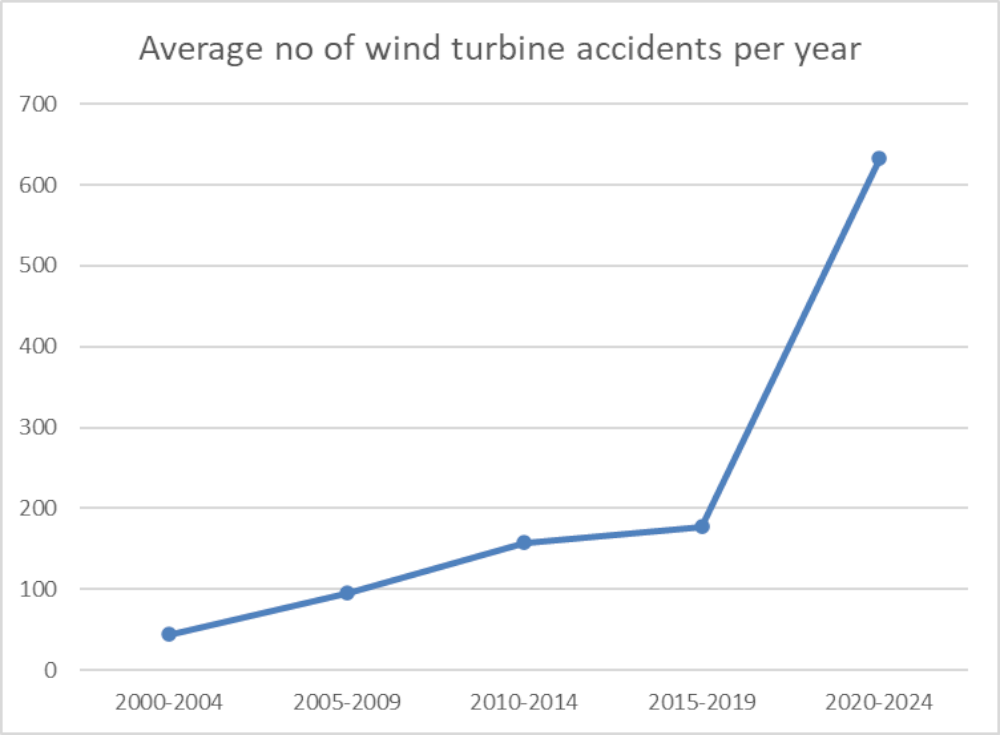
The SAS data indicate that the number of wind turbine incidents has risen sharply in recent years (see chart below). The increased number of turbines worldwide, and perhaps better news coverage of incidents, presumably contributed to the sharp increase. Nonetheless, the growing number of incidents is disconcerting, as is the absence of industry and government summaries and reports.
SAS acknowledges that their list, which is dependent on publicly available reports, is merely the “tip of the iceberg.” For example, the list does not include the June 2, 2025, Empire Wind project fatality.
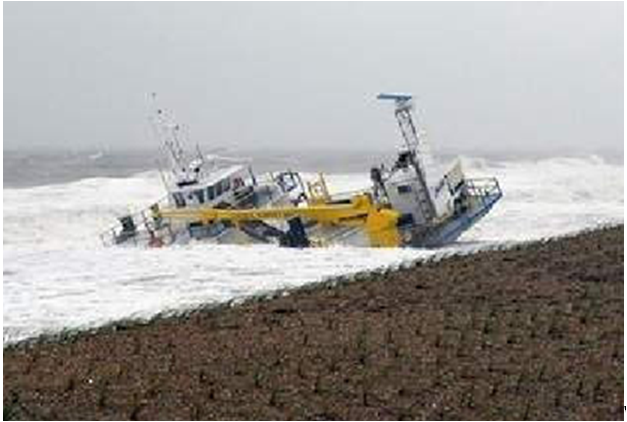
The SAS list does capture the 2018 collapse of the Russell Peterson liftboat, which was collecting data offshore Delaware for a wind project. One worker died and another was seriously endangered. The Coast Guard never issued a report on this tragic incident. Serious questions remain about the positioning of a liftboat in the Mid-Atlantic for several months beginning in March when major storms are likely, the liftboat’s failure mechanisms, the operator’s authority to be conducting this research, and the actions that were taken in preparation for storm conditions.
As the above discussion demonstrates, the issue before the Court is not whether the specific work conducted by Sable was or is ultimately necessary or appropriate for pipeline safety. The issue before the Court is whether the Commission abused its discretion in issuing the April 10 Orders under the standards for review by petition for administrative writ of mandate.
Based on the foregoing analysis and a review of all of the arguments of the parties and the AR, the Court finds the Commission’s factual findings are supported by substantial evidence and that Sable has not met its burden to show an abuse of discretion by the Commission in issuing the April 10 Orders.
Accordingly, the petition for administrative mandate as set forth in the first cause of action of Sable’s FAP will be denied.
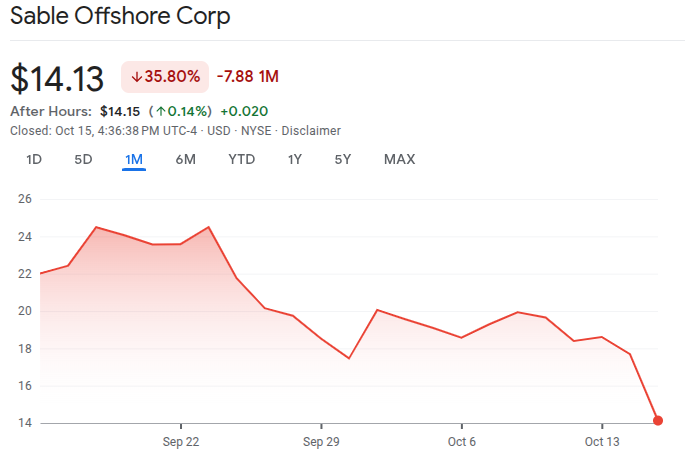
The road ahead for Sable continues to get rockier, and their share price took a major hit today.
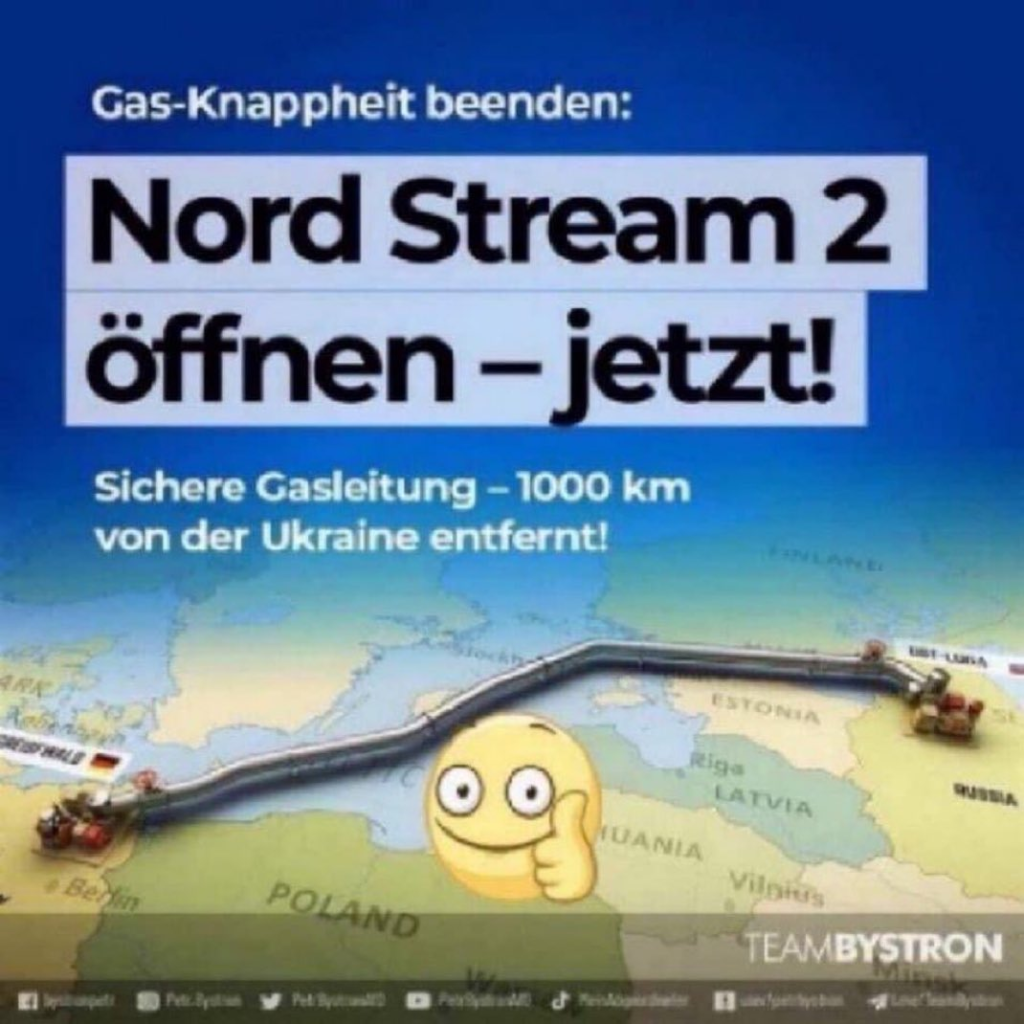
Sławomir Cenckiewicz, who leads Poland’s national security bureau and is a key adviser to President Karol Nawrocki, told the Financial Times in an interview that Germany should not continue the prosecutions if it wanted to align Russia policy with Poland and other Nato allies.
“From our point of view, this investigation doesn’t make sense, not only in terms of the interests of Poland but also the whole [Nato] alliance,” Cenckiewicz said, adding that prosecuting Nord Stream saboteurs might serve German justice, but also “Russian injustice.”
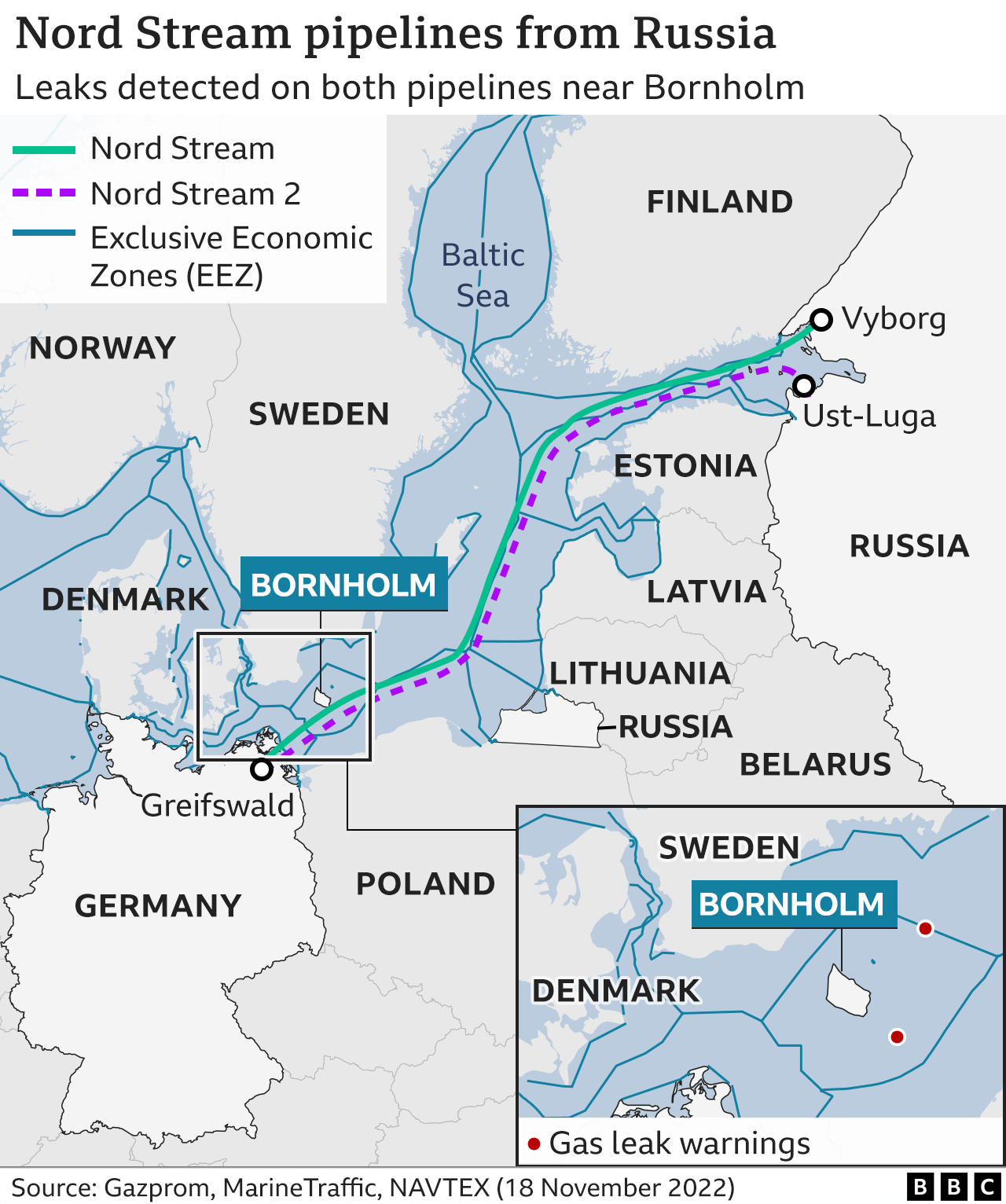
Whether or not the sabotage was justified, finding out who directed and executed the destruction of economically important energy infrastructure should have been a high priority for Sweden, Denmark, and Germany. Sweden and Denmark conveniently opted out after lengthy investigations, leaving only Germany to pursue what many believe to be a half-hearted inquiry.
The Snorre field is in 300-380m of water in the North Sea ~200 km west of Floro.
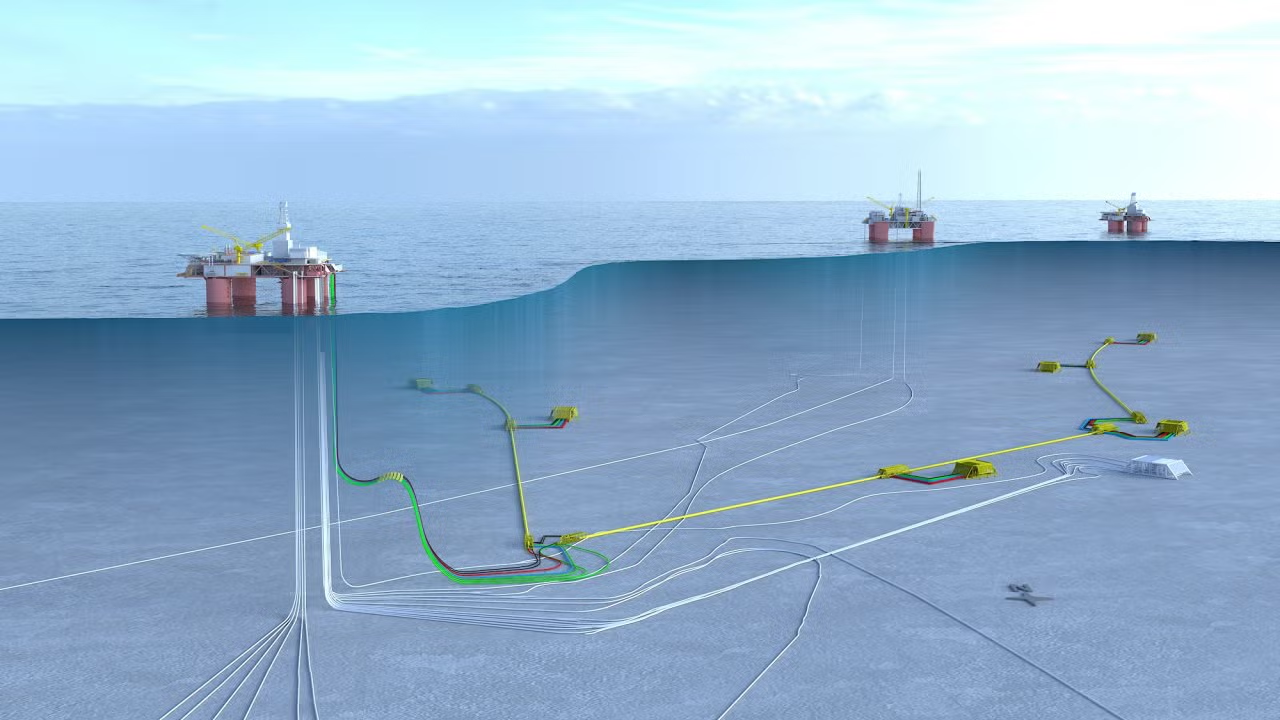
According to Reuters and others, Equinor will no longer pursue electrification of Snorre A and B, Heidrun, Aasgard B, and Kristin platforms, but still plans to proceed with projects at Grane and Balder fields.
A number of BOE posts since Jan. 2022 have questioned Norway’s electrification strategy for offshore platforms. Our reasons:
Most offshore platforms produce sufficient gas to support their power demands
Assuming gas that is not used to power a platform is marketed and consumed elsewhere, the net (global) reduction in CO2 emissions from electrifying offshore platforms is negligible. (Perhaps there is actually a small increase in net emissions given the power required to transport the gas to markets and the emissions associated with onshore power generation).
Offshore power demands are highly variable, especially when drilling operations are being conducted.
Gas turbines are reliable, and capable of responding to variable power demand. Excess generation capacity is typically provided.
Power from shore increases the cost of platform operations and could decrease ultimate recovery of oil and gas resources.
Per NPD, electrification of the shelf will increase electricity prices for onshore consumers and increase the need for onshore facility investment.
Gas turbines or diesel generators are still necessary to satisfy emergency power needs at the platforms.
Long power cables are vulnerable to damage (accidental or intentional), as are onshore power stations.
The reliability, cost, and cable vulnerability concerns have clearly been validated. The reality is that powering distant platforms from shore increases operating costs, safety risks, and onshore electricity prices with no net environmental benefit.
It also seems rather hypocritical for a major natural gas exporter to prevent offshore operators from powering their platforms with gas produced at their platforms.
In light of the fantastic Middle East news, planning for the redevelopment of Gaza is underway. The Gaza Marine Gas Field should be a high priority given the power generation and revenue potential.
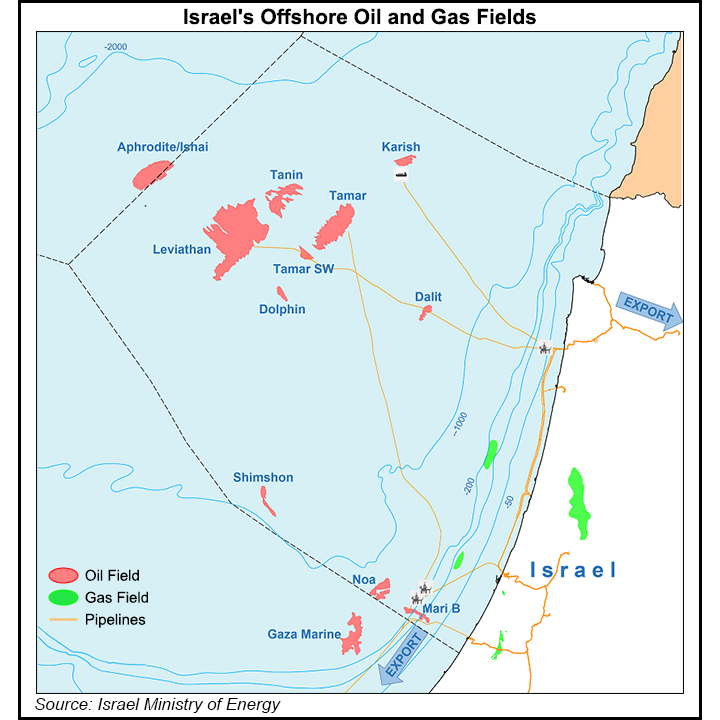
The field, which was discovered in 1999 by British Gas (now part of Shell), is located approximately 30-36 km off the coast of Gaza in the eastern Mediterranean and has estimated natural gas reserves of ~ 1 Tcf.
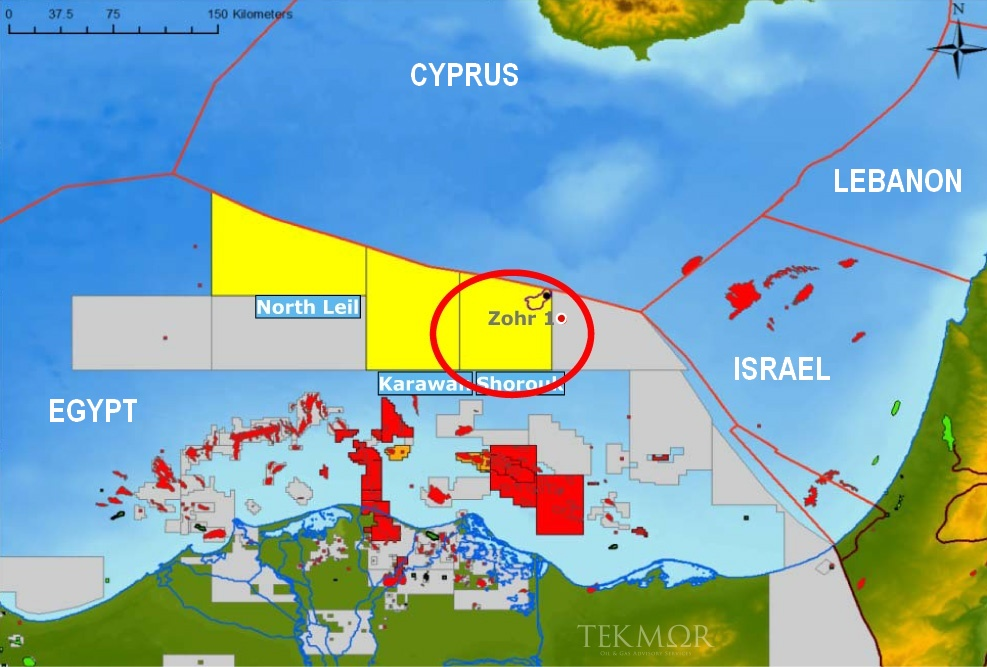
Who should be licensed to develop the field? In June 2023, there was a proposed agreement between the Palestinian Authority and an Egyptian consortium led by state-owned Egyptian Natural Gas Holding Company (EGAS). A resurrection of this arrangement may align with Palestinian interests. EGAS has experience in Mediterranean gas projects including the giant Zohr field (see map below).
Other candidates for developing the Gaza Marine field (pure speculation):
Chevron would be a logical choice given their extensive eastern Mediterranean experience as a result of their acquisition of Noble Energy. However, there might be concerns about undue US and Israeli control of this important resource.
Regional giants like Saudi Aramco, Qatar Energy, and Abu Dhabi National Oil Company (ADNOC) would be good candidates.
Another interesting possibility might be Equinor, which is 2/3 owned by the Norwegian govt. Equinor seems to sometimes make socially desirable investments that are less profitable.
Some combination of the above companies might also be a possibility. In any event, it’s critical to manage this resource in a manner that best benefits the recovery effort.
As a result, on Sept. 29 Sable Offshore filed a declaratory judgement action against the State of California in Kern County. Sable is asking the court to confirm that the objectionable permitting provisions of SB 237 do not apply to their Las Flores Pipeline System.
Also, on Oct. 6 Sable filed a motion increasing the monetary damages in its ongoing case against the California Coastal Commission to $347 million. Sable asserts that their pipeline repair program was authorized by existing permits issued by the County of Santa Barbara under its Local Coastal Program and delegated Coastal Act authority.
These seem like good tactical moves on the part of Sable.
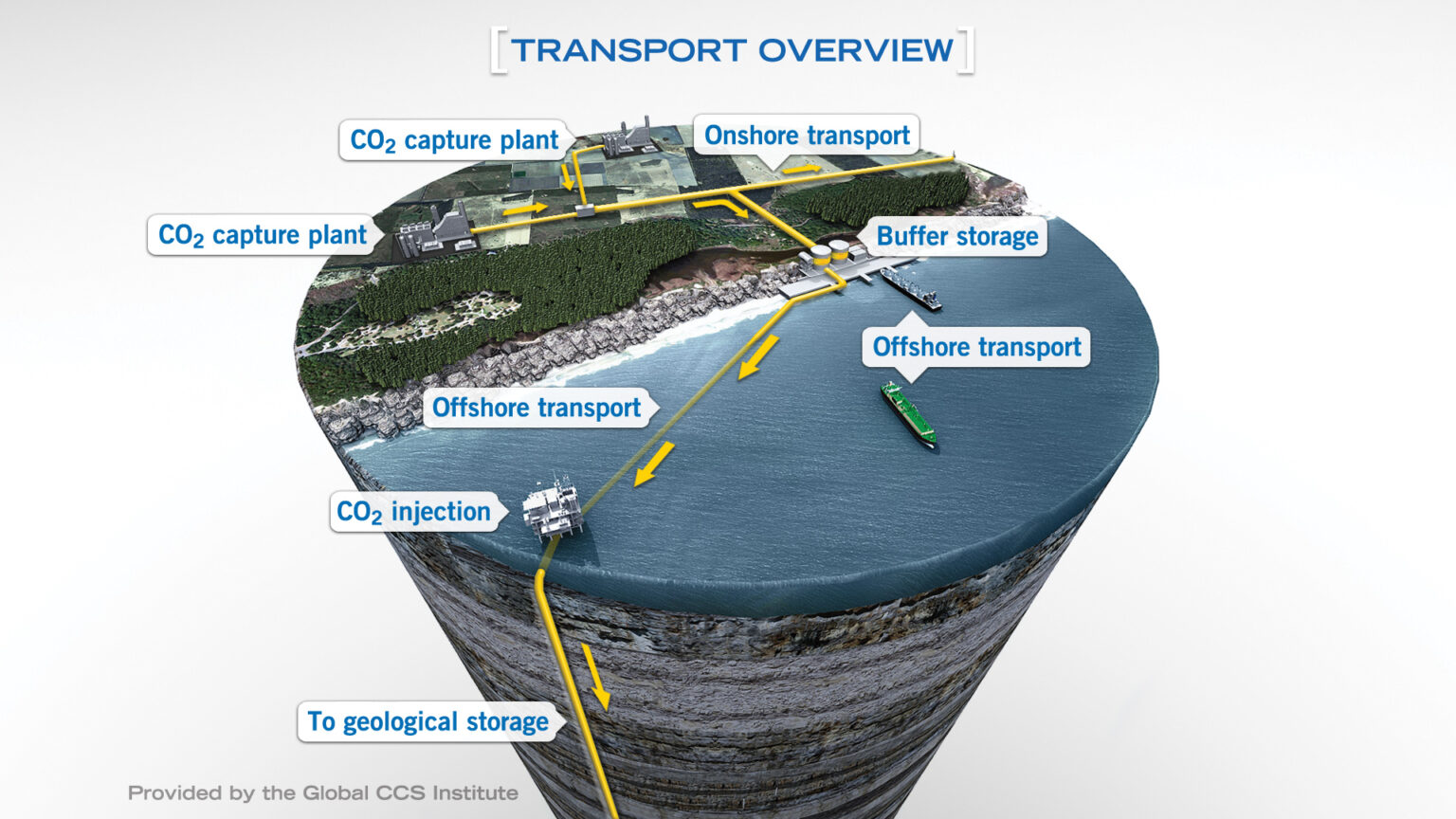
Unsurprisingly, the carbon capture and sequestration (CCS) hype is fading fast. No other carbon strategy is so strongly opposed by both climate change activists and skeptics.
Support for CCS seems to be limited to those seeking to profit from subsidies, mandates, and disposal fees. In 2022, Exxon projected a $4 trillion CCS market by 2050. Pipe dream?
“Highlights” of the Gulf of America OCS carbon disposal era:
amended the OCS Lands act to authorize “the injection of a carbon dioxide stream to sub-seabed geologic formations for the purpose of long-term carbon sequestration.”
exempted CO2 injection from the restrictions on ocean dumping by stipulating that such injection “shall not be considered to be material (as defined in section 3 of the Marine Protection, Research, and Sanctuaries Act of 1972.” Without this exemption, CO2 streams would clearly be “material,” as defined in 33 U.S.C. 1402, and would be subject to the stringent requirements of that act.
directed that “not later than 1 year after the date of enactment of this Act, the Secretary of the Interior shall promulgate regulations to carry out the amendments made by this section.” (This deadline is long past, which is not uncommon for such legislative directives.)
11/17/2021: Not coincidentally, two days after the enactment of this legislation, Exxon was the sole bidder on 94 nearshore tracts with very limited oil and gas production potential. This was an oil and gas lease sale and there were no provisions for carbon sequestration leasing. Nonetheless, Exxon was awarded leases for all 94 tracts. As a result of litigation delaying the issuance of Sale 257 leases until Oct.1, 2022, those 5 year leases will expire in 2027.
3/29/23: Exxon bid at Sale 259 on 69 nearshore tracts with little oil and gas potential. Once again, this was strictly an oil and gas lease sale and Exxon’s CCS intentions were clear. Nonetheless, the leases were awarded.
6/25/2025: For the first time ever, the Federal government felt compelled to stipulate the obvious (proposed lease sale notice for OCS Sale 262) – that an Oil and Gas Lease Sale is only for oil and gas exploration and development.
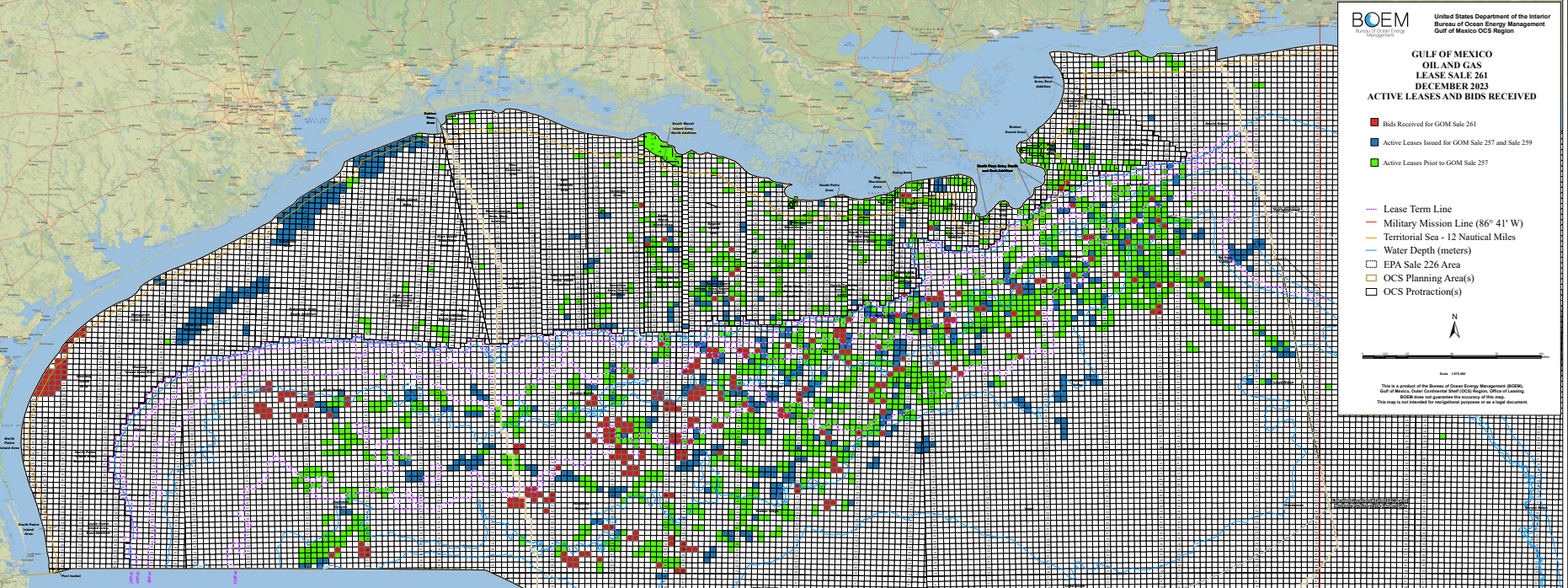
Gulf of America lease map: 199 oil and gas leases were wrongfully acquired for carbon disposal purposes. At Sale 261, Repsol acquired 36 nearshore Texas tracts in the Mustang Island and Matagorda Island areas (red blocks at the western end of the map above). Exxon had acquired 163 nearshore Texas tracts (blue in map above) at Sales 257 (94) and 259 (69).
Even those of us who are supporters of responsible offshore oil and gas production find it a bit unsavory that some companies are looking to cash in on (and virtue signal about) carbon collection and disposal at the public’s expense. Perhaps companies that believe oil and gas consumption is harmful to society should be seeking to reduce production rather than engaging in enterprises intended to sustain it.
Congratulations to Dr. Ned Mamula on his confirmation as Director of the US Geological Survey. I had the pleasure of working with Ned when he was a young geologist in the Conservation Division (CD) of USGS. At the time, CD was the safety and environmental regulator for OCS oil and gas operations. Ned is a great guy and a dedicated geologist!
Ned’s statement at his confirmation hearing is attached. “Map Baby Map!”
Quaise Energy: “Millimeter wave drilling is the most transformational drilling technology since the drill bit was introduced to the world in the 1930s. It’s the key that finally unlocks superhot geothermal energy worldwide, and we’re already getting started on our first power project in the western United States.
Millimeter wave drilling is what makes geothermal universal, not niche. It’s far more than just a new tool. It’s as consequential as peering into the atom, going into orbit, and mapping the human genome. And, it can open the door to terawatts of geothermal power for the entire world.“





 Bud's Offshore Energy (BOE)