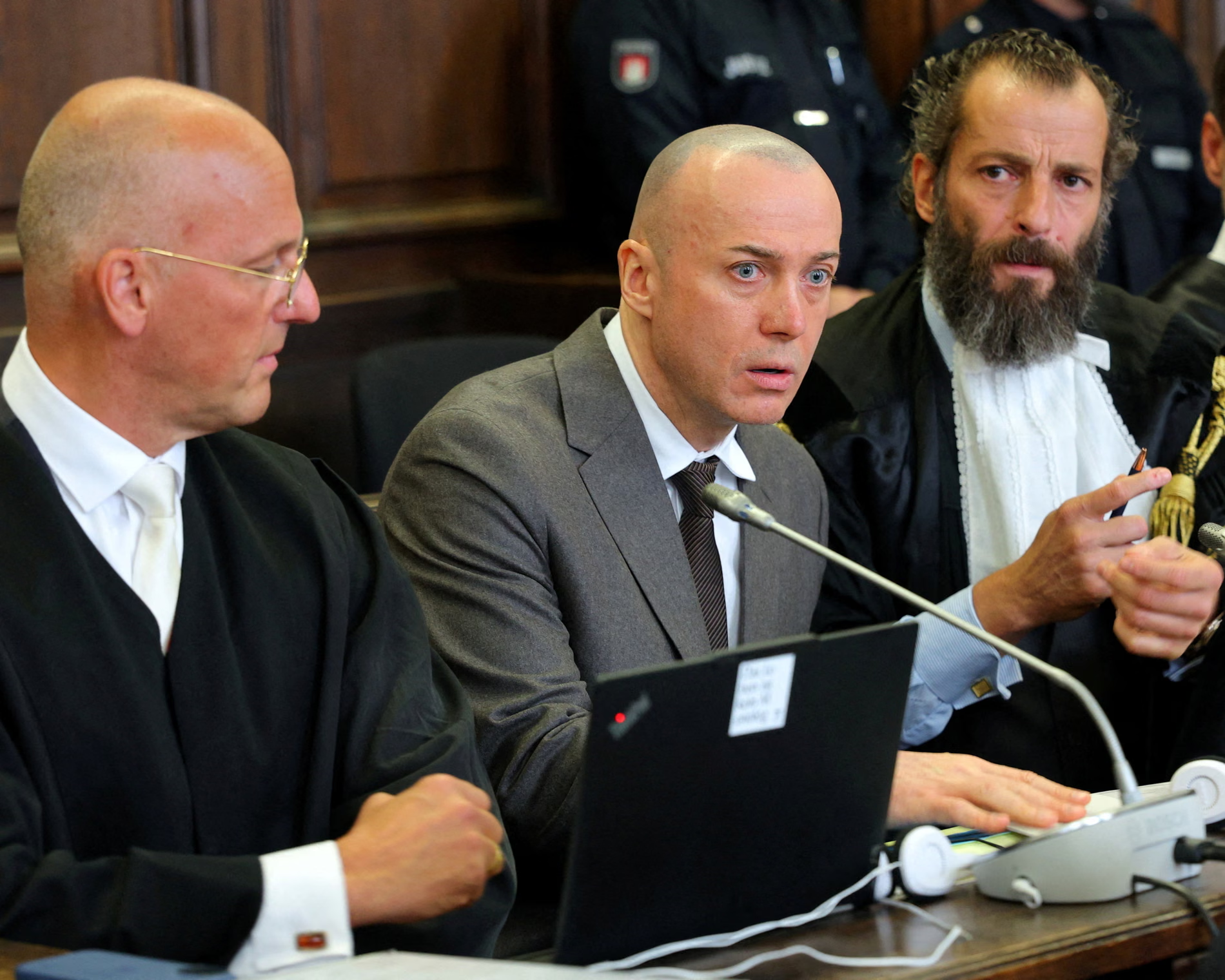
Serhii Kusnetzov (center), Ukrainian army officer, at his trial in Hamburg-Reuters photo
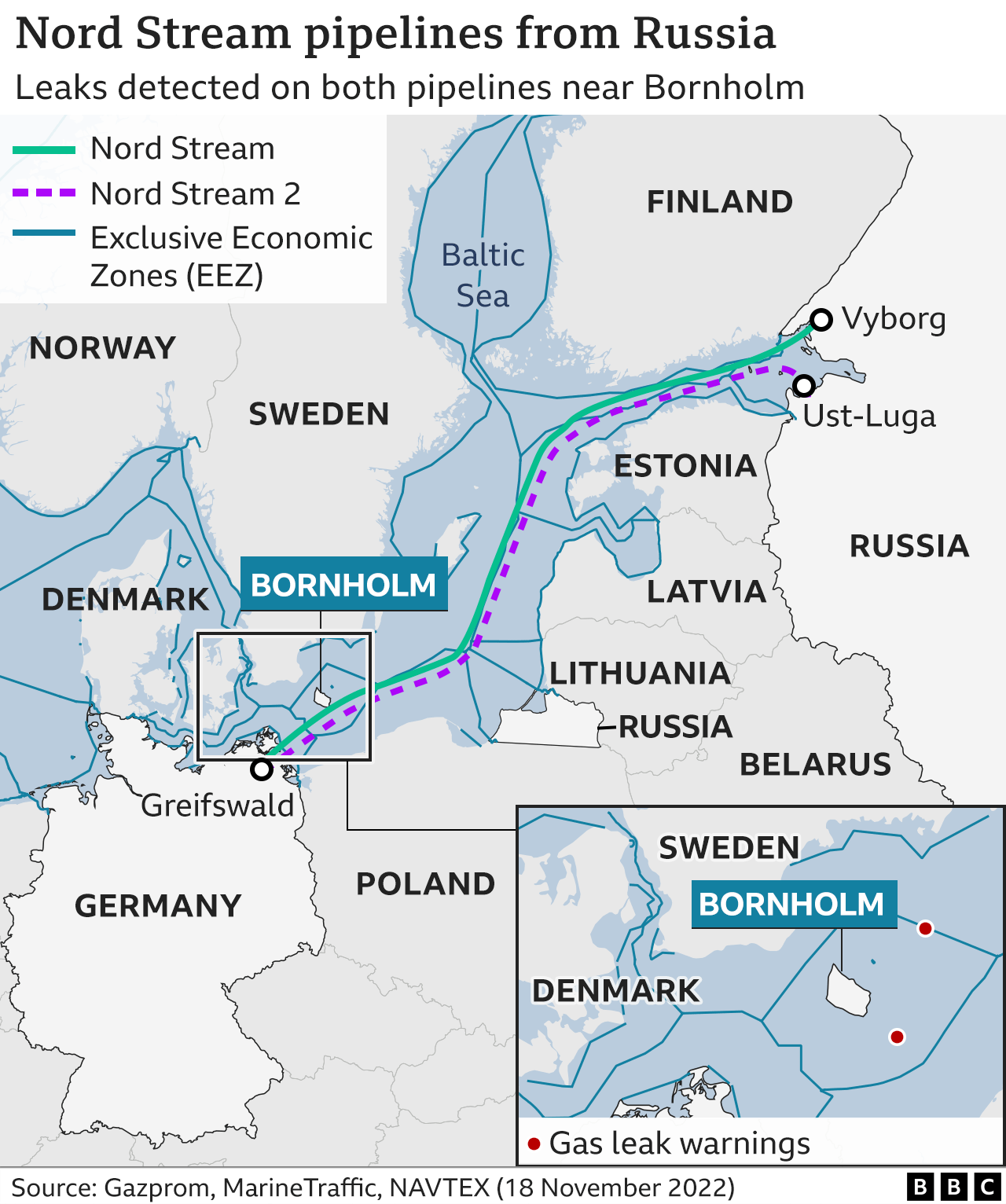
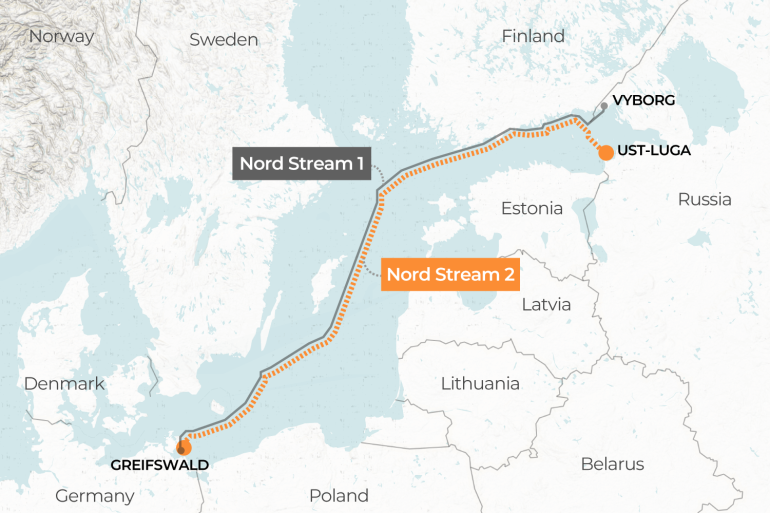
In July, German state prosecutors accused Ukrainian “state authorities” of ordering the attacks on the Nord Stream and Nord Stream 2 lines: “The aim was to permanently halt gas supplies via the pipelines and prevent Russia from using the revenue from natural gas trade to finance its war effort.”
Wednesday (10/14) was day one of the trial of Serhii Kuznetsov for leading the pipeline sabotage.
The trial will resume on 10/27.
Kuznetsov’s lawyers argued that the trial should not be taking place at all. They said the defendant had been held almost entirely in solitary confinement for 11 months, and that he was being treated “like a pawn on a chessboard.”
The attorneys argued that he could not defend himself in the conventional manner because he was an army officer, which forbade him from speaking.
The Alternative für Deutschland (AfD) party, which has soared in popularity and is currently leading in German polling:
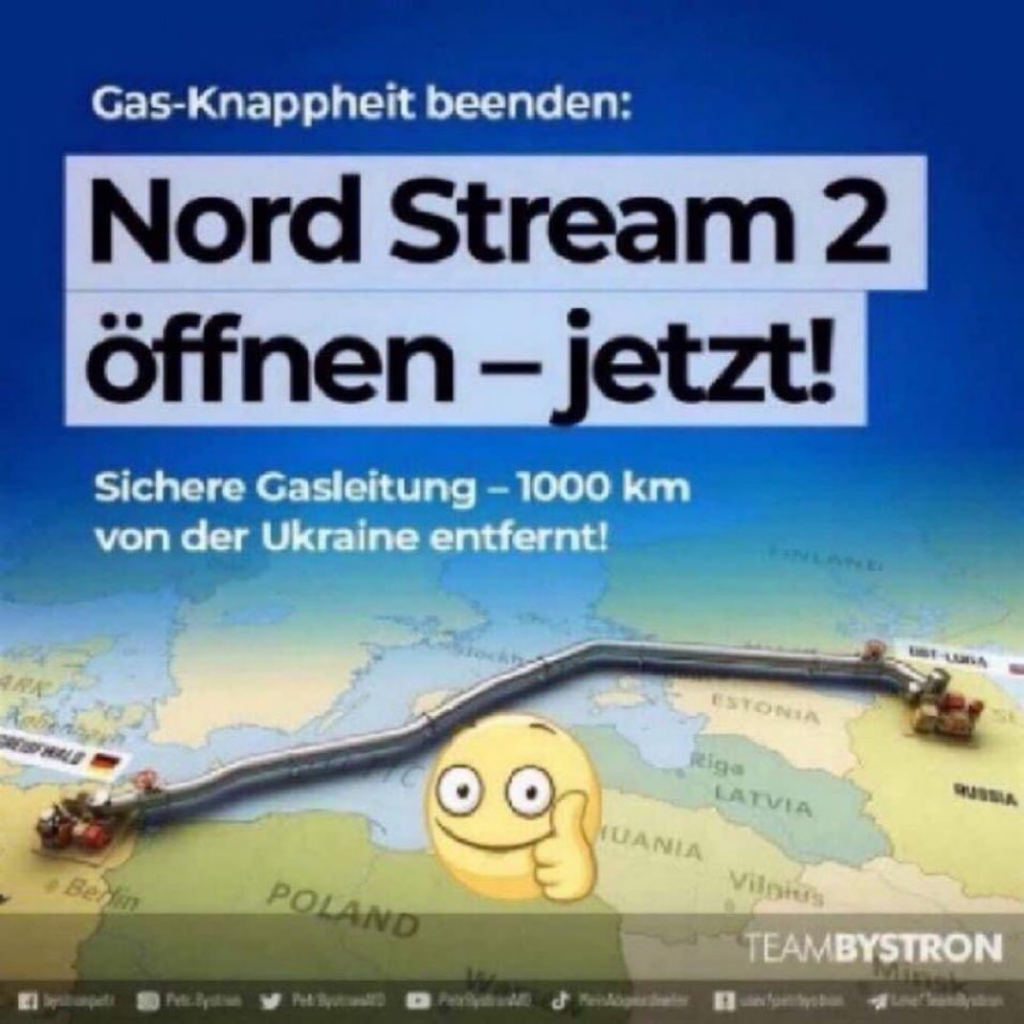
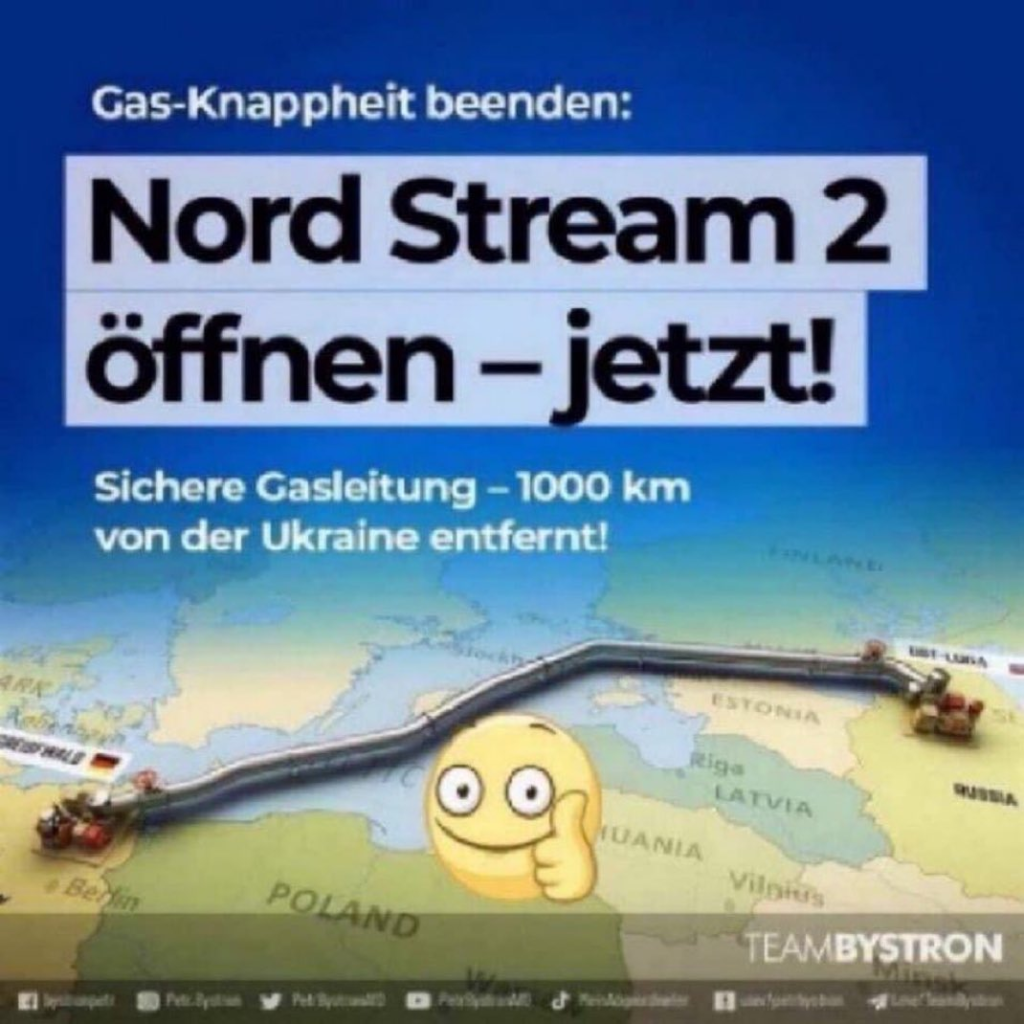
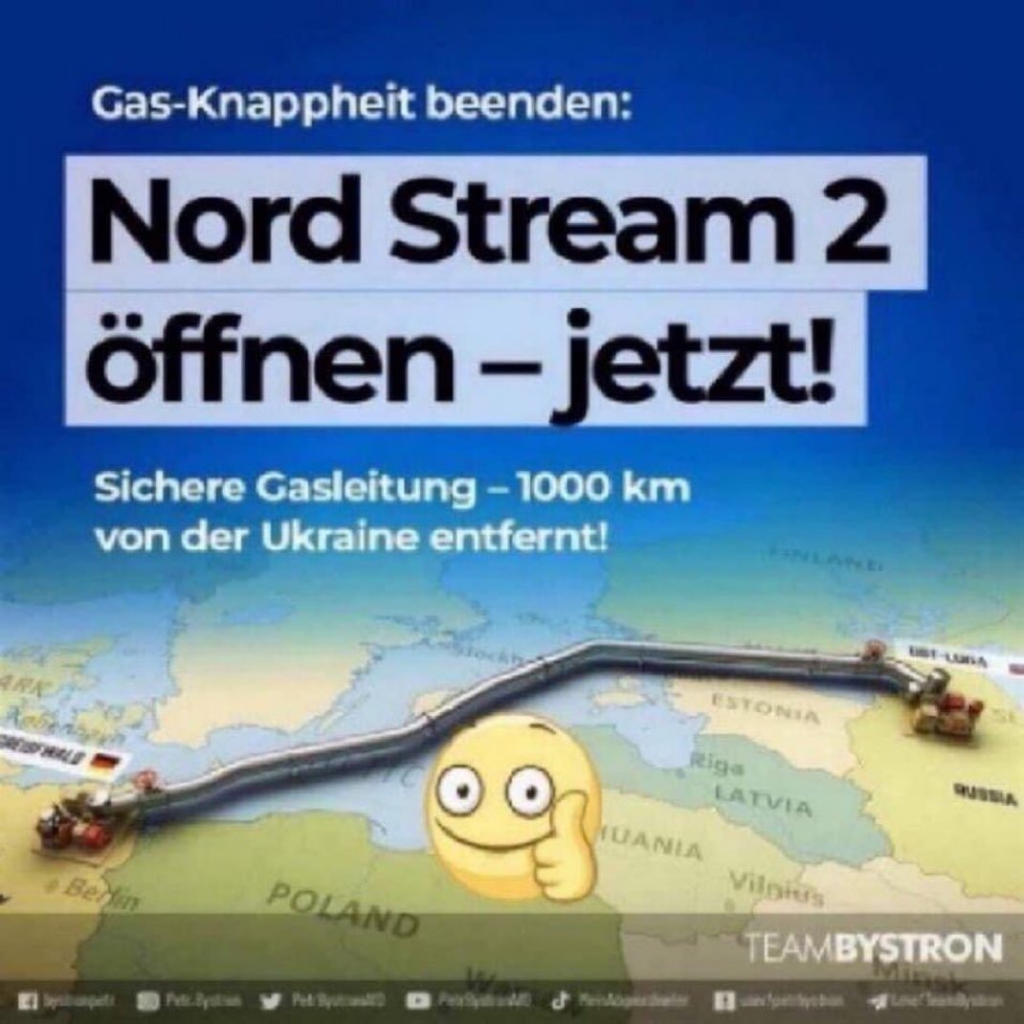
Argues that German aid for Ukraine must cease and the pipeline be reinstated.
Asks why Germany poured billions of euros into a political regime that deprived them of cheap energy.
Calls this an attack on German sovereignty.
Has requested the establishment of an investigative committee to clarify what the federal government knew and to what extent Ukrainian authorities were involved.
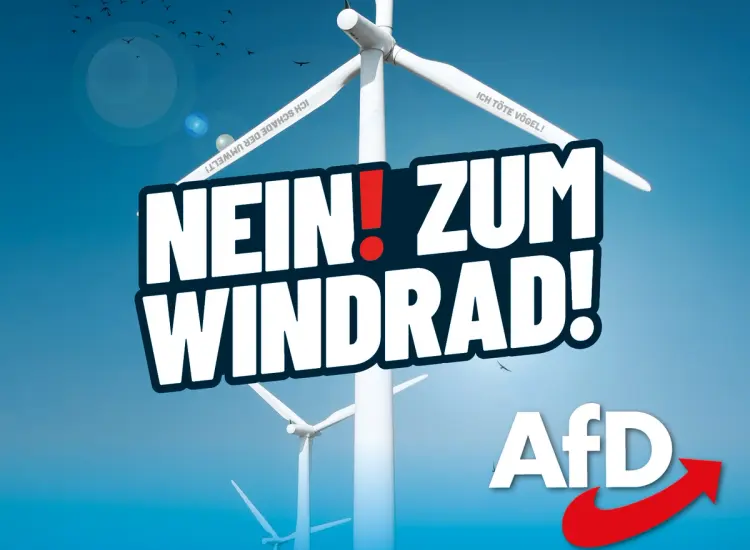
The AfD supports “Protection of the Environment”, but not the “German Climate Protection Policy” and plans for “decarbonization” and the “Transformation of Society”. They want to end the perception of CO² as an exclusively harmful substance and stop Germany’s maverick policy in the reduction of CO² emissions.
Because the average output is so variable, renewable energy generators are not viable replacements for conventional large power stations.
Renewable sources necessitate a massive expansion of the electric grid systems and jeopardize grid stability.
Fracking: Explore Opportunities and Risks, Involve Citizens
Nuclear Energy: Explore Alternatives, Grant Lifetime Extensions in the Interim
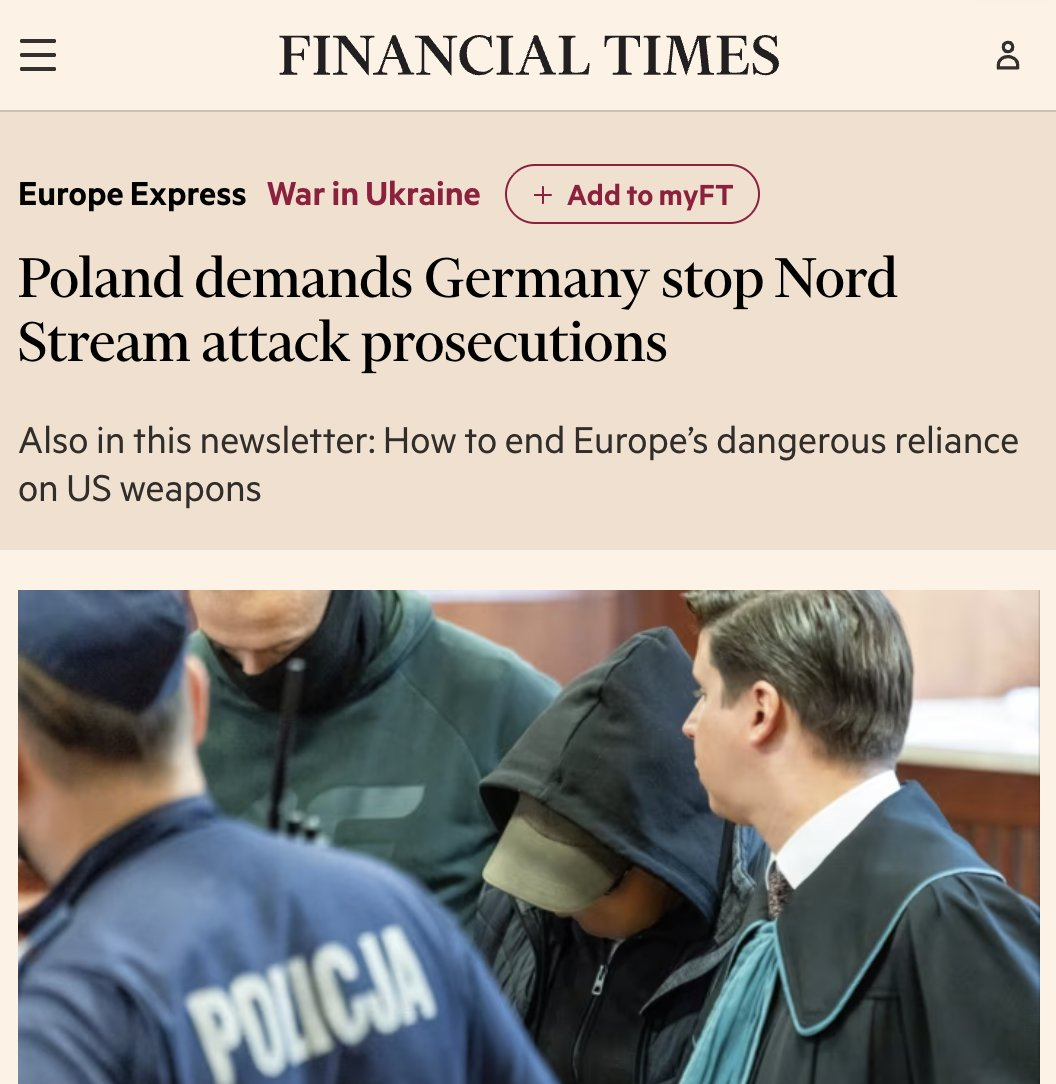
Sławomir Cenckiewicz, who leads Poland’s national security bureau and is a key adviser to President Karol Nawrocki, told the Financial Times in an interview that Germany should not continue the prosecutions if it wanted to align Russia policy with Poland and other Nato allies.
“From our point of view, this investigation doesn’t make sense, not only in terms of the interests of Poland but also the whole [Nato] alliance,” Cenckiewicz said, adding that prosecuting Nord Stream saboteurs might serve German justice, but also “Russian injustice.”
Whether or not the sabotage was justified, finding out who directed and executed the destruction of economically important energy infrastructure should have been a high priority for Sweden, Denmark, and Germany. Sweden and Denmark conveniently opted out after lengthy investigations, leaving only Germany to pursue what many believe to be a half-hearted inquiry.
Is Germany taking energy masochism to a new level?:
MSN: “Germany is exploring levers to prevent the resumption of Nord Stream 2. The pipeline may allegedly be restarted under an agreement between the US and Russia as part of the settlement of the war in Ukraine, Bild reports.“
“According to Bild and the Financial Times, secret talks have been going on between representatives of Russia and the United States for several weeks now about American investors buying the damaged Nord Stream 2 pipeline in the Baltic Sea.“
Good questions by Swedish engineer and independent Nord Stream investigator Erik Andersson:
“Wow! Why on earth would Germany stop gas through Nord Stream 2 if the war ends and USA approves it?“
“Richard Grenel who was involved in sanctioning NSP2 in 2019 is mentioned as a player in the article. After the explosions 2022, Grenel said the first Trump admin was against NS2 but not NS1 which was delivering an acceptable amount of gas without making Germany too dependent on Russia. I wonder if the current Trump admin still think that two out of the four Nord Stream pipelines could be opened without creating a dangerous dependency on Russia?“
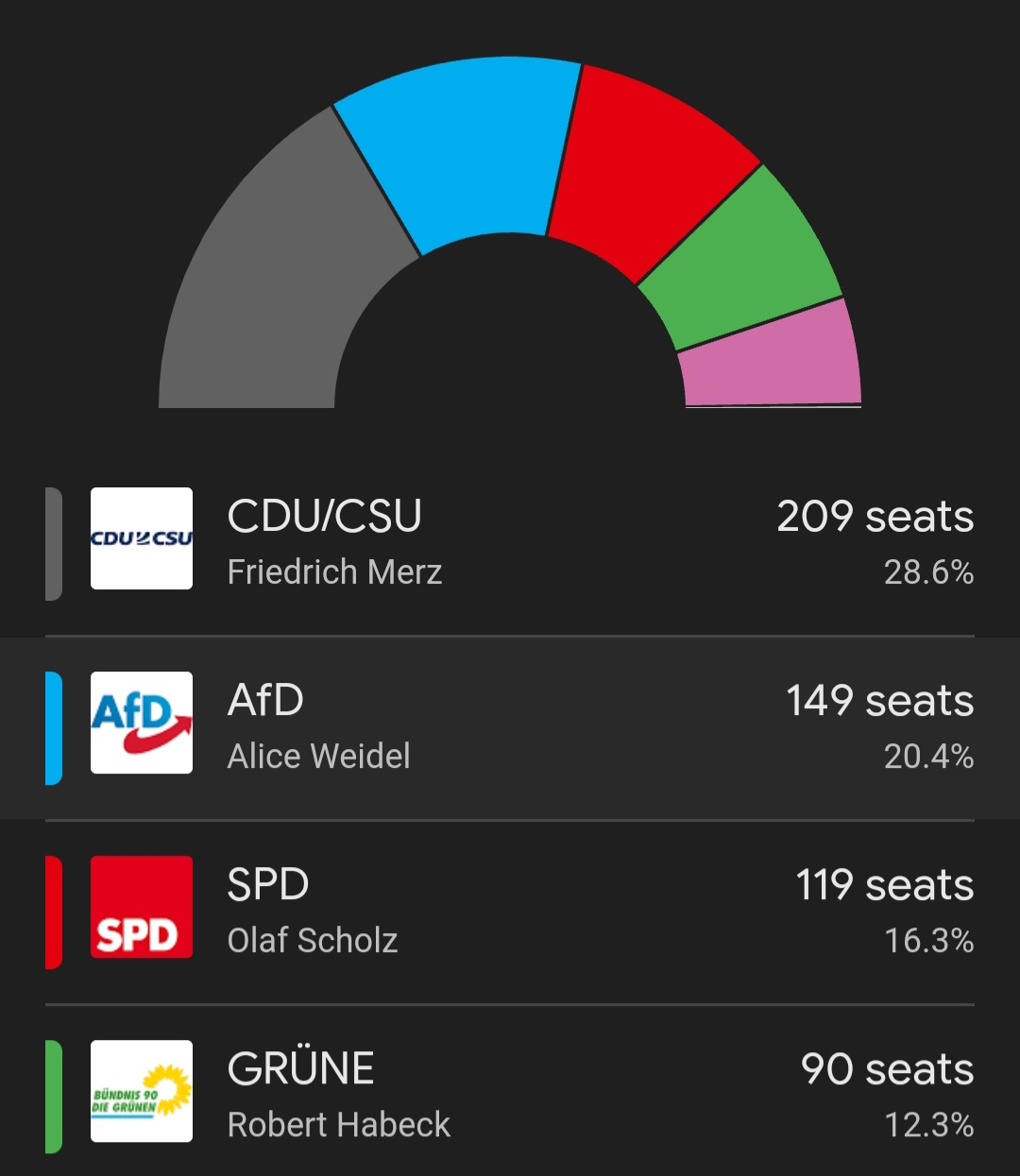
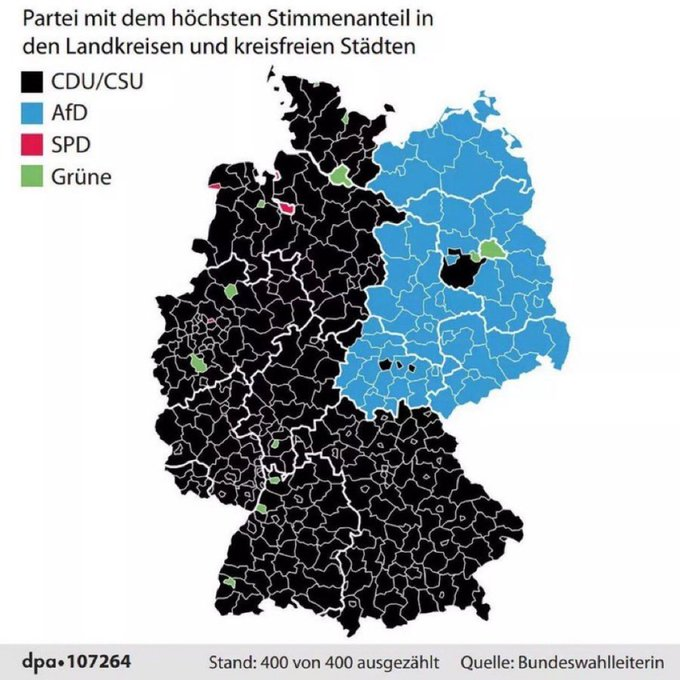
The Alternative für Deutschland (AfD) party, supports a Nord Stream restart. Despite the AfD’s strong second place finish in the recent national elections, the leading CDU party is trying to keep the AfD out of the governing coalition.
The nominally conservative CDU has vowed not to form a coalition with the “far-right” (actually conservative libertarian) AfD, and will thus have to join hands with the left-leaning SPD and Greens. This doesn’t bode well for the significant changes many believe are needed.
On the plus side for AfD supporters, the party’s growth in just 8 years has been most impressive:
2017: AfD – 0 seats (4%)
2021: AfD – 94 seats (12%)
2025: AfD – 150+ seats (20%)
AfD was dominant in the East which fears a return of the Marxism they experienced prior to the “Wende.”
AfD’s energy policy (p.77) seems pretty sensible given the supply and cost challenges facing Germany. A few highlights:
The AfD supports “Protection of the Environment”, but not the “German Climate Protection Policy” and plans for “decarbonization” and the “Transformation of Society”. They want to end the perception of CO² as an exclusively harmful substance and stop Germany’s maverick policy in the reduction of CO² emissions.
Because the average output is so variable, renewable energy generators are not viable replacements for conventional large power stations.
Renewable sources necessitate a massive expansion of the electric grid systems and jeopardize grid stability.
Fracking: Explore Opportunities and Risks, Involve Citizens
Nuclear Energy: Explore Alternatives, Grant Lifetime Extensions in the Interim
Germany’s national elections are on 23 FEB. The Alternative für Deutschland (AfD) party, which has gained strength in the polls, supports a Nord Stream restart.
–Denmark’s energy agency granted Nord Stream AG permission to conduct preservation work on the Nord Stream 2 gas pipeline in the Baltic Sea (Reuters). One of the two Nordstream 2 lines is undamaged.
-An Equinor executive stated on February 5, 2025, that the Nord Stream 1 pipeline is “permanently destroyed.”
-The Swiss canton of Zug extended the moratorium on debt restructuring for Nord Stream AG until May 9. The moratorium is seen as a way for the German government to preserve its influence over the future of the pipeline. If the company is liquidated, investors, including the German state-owned energy firm Uniper, would lose control over the pipeline and the considerable funds invested by German taxpayers in its construction.
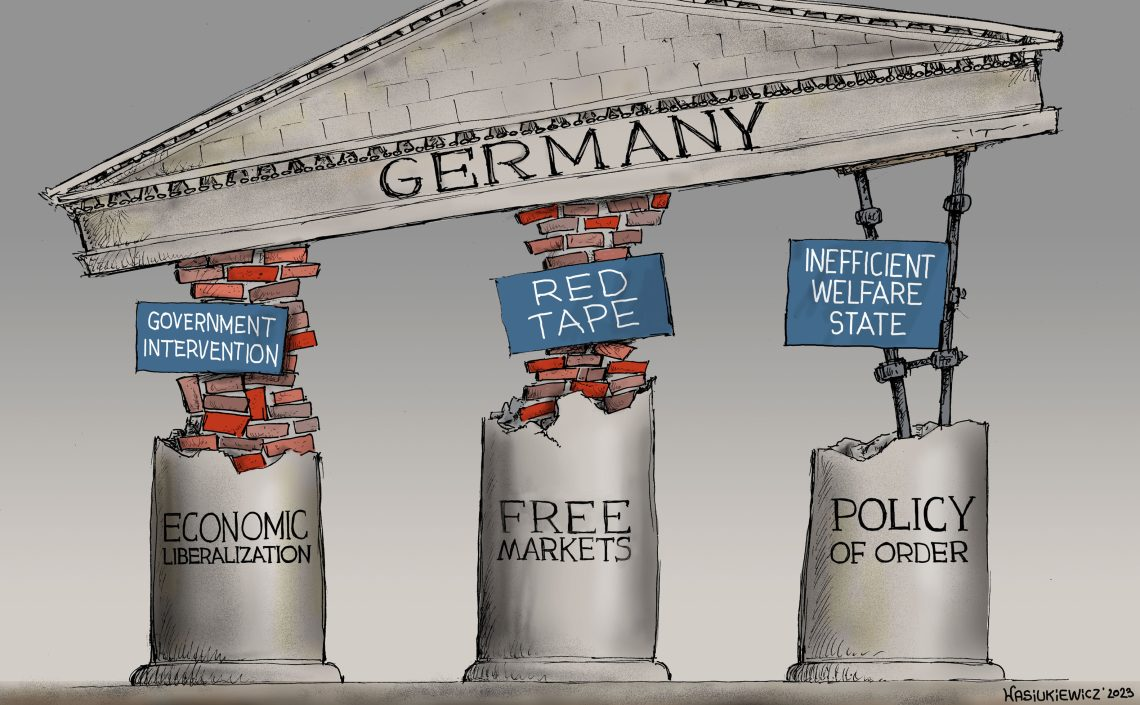
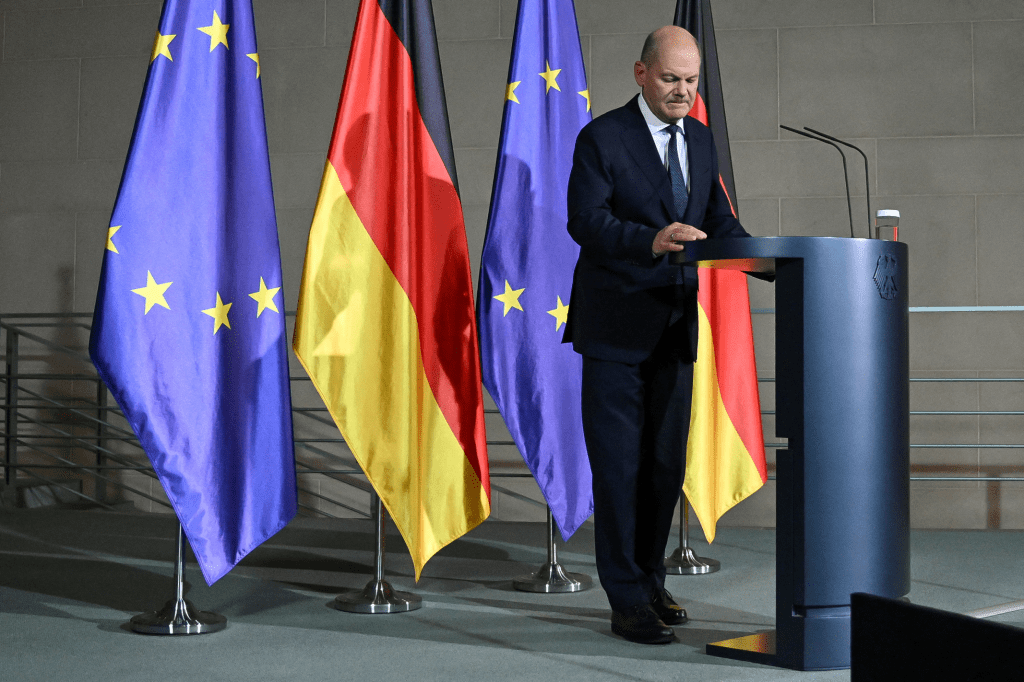
With the collapse of Bundeskanzler Scholz’s governing coalition, elections set for 23 Feb, and the Alternative für Deutschland (AfD) party gaining support, perhaps there is a chance for more rational German energy policy.