The biggest difference between the wind and the oil and gas programs may be the way the sales are conducted. For oil and gas leases, you submit a single sealed bid. Here is a simplified description of how a wind lease sale is conducted:
At the start of each round, BOEM will state an asking price for each Lease Area. A bid at the full asking price is referred to as a “live bid.”
If the bidder has qualified for a non-monetary credit, it will meet the asking price by submitting a multiple-factor bid—that is, a live bid that consists of a monetary (cash) element and a non-monetary credit.
To participate in the next round of the auction, a bidder is required to have submitted a live bid for one of the Lease Areas (or have a carried-forward bid) in each previous round.
As long as there are two or more live bids (including carried-forward bids) for at least one of the Lease Areas, the auction moves to the next round
If there was only one live bid (including carried-forward bids) or no live bids for a Lease Area in the previous round, the asking price would not be increased.
A live bid would automatically be carried forward if it was uncontested in the previous round, and the bidder who placed the uncontested bid would not be permitted to place any other bid in the current round of the auction.
Conversely, if a live bid was contested in the previous round, the bidder who placed the contested bid would be free to bid on any Lease Area in the auction in the next round, at the new asking price.
If a bidder decides to stop bidding before the final round of the auction, there are circumstances in which the bidder could nonetheless win a lease.
Between rounds, BOEM will disclose to all bidders that submitted bids: (1) the number of live bids (including carried-forward bids) for each Lease Area in the previous round of the auction.
In any round after the first round, a bidder may submit an “exit bid” only for the same Lease Area as the bidder’s contested live bid in the previous round. An exit bid is a bid that is greater than the previous round’s asking price, but less than the current round’s asking price.
The auction ends (finally) when a round occurs in which each of the Lease Areas in the auction receives one or zero live bids (including carried-forward bids), regardless of the number of exit bids on any Lease Area.
Perfectly clear? You can read the full description in the Sale Notice.
Is this the best way to award offshore wind leases?
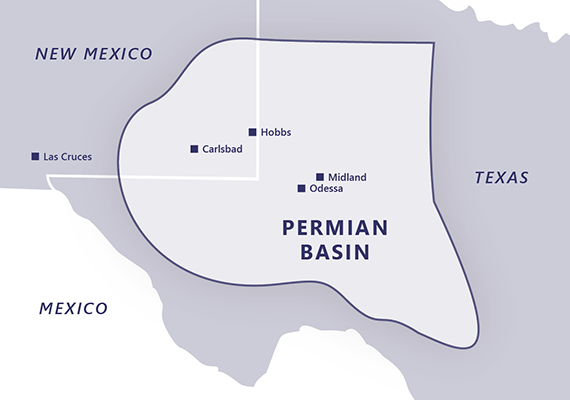
Like its salty neighbor to the east, the Permian Basin of west Texas and southeastern New Mexico has been proclaimed dead on many occasions. Such proclamations of their demise, however, are mere exaggerations as the Gulf of Mexico and the Permian Basin continue to thrive.
These historic oil and gas production powerhouses have delivered to global markets billions of barrels of oil and trillions of cubic feet of natural gas over the past century. Through the booms and the busts, the resiliency of each was made possible by the combination of ingenuity and perseverance and by advancements in techniques and technologies.
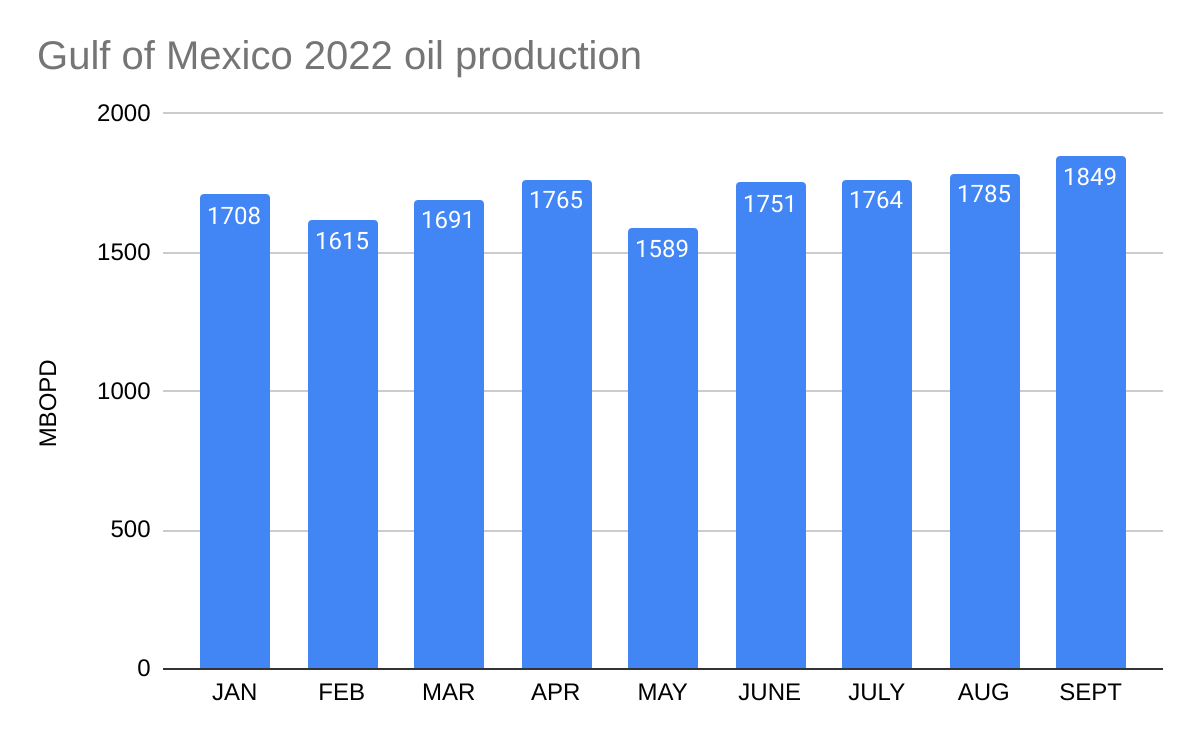
Thirty years ago the Gulf of Mexico was called “the Dead Sea” because of the decline in drilling and production activity. Deepwater technology reversed that trend and led to record Gulf of Mexico oil production averaging 1.9 million BOPD in 2019.
Similarly, horizontal drilling and hydraulic fracturing technology launched the shale revolution, and Permian oil production has risen impressively to 5.4 million BOPD.
Both the Permian and the GoM have the potential to sustain or increase production. The Permian Basin, much of which is privately owned, is more adaptable to market conditions and less exposed to political risks. The offshore program is dependent on effective long-term planning and supportive lease management policies. Unfortunately, the proposed 5 year leasing plan suggests a commitment to throttling offshore production rather than sustaining it. When will our energy policy pendulum swing back to a more balanced position?
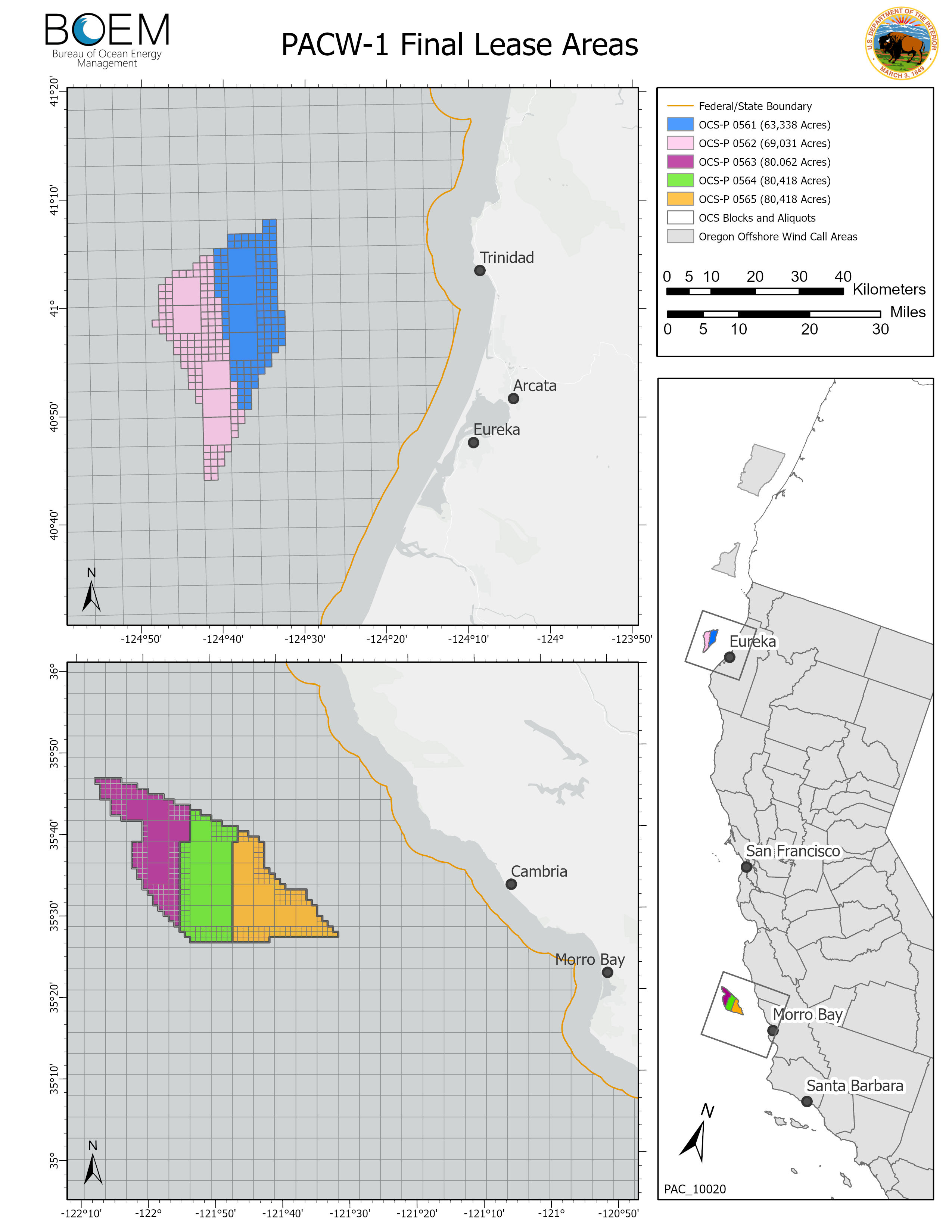
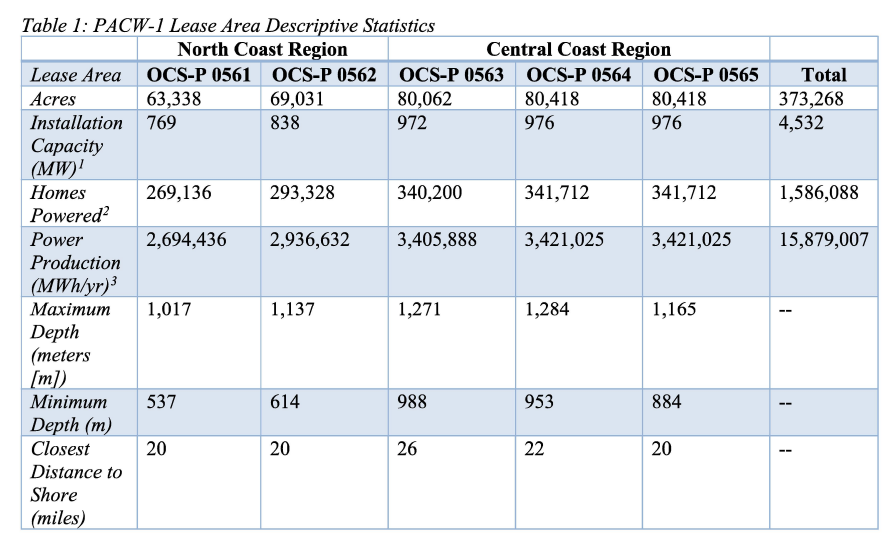
As a result of a provision in the Inflation Reduction Act, leases may be sold but not awarded. See the paragraph below that was inserted at the end of the sale notice. No wind leases may be issued until Sale 259 oil and gas leases are issued (presumably late next spring).
XV. Compliance With the Inflation Reduction Act (Pub. L. 117-169 (Aug. 16, 2022)(Hereinafter, the “IRA”):
Section 50265(b)(2) of the IRA provides that “[d]uring the 10-year period beginning on the date of enactment of this Act . . . the Secretary may not issue a lease for offshore wind development under section 8(p)(1)(C) of the Outer Continental Shelf Lands Act (43 U.S.C. 1337(p)(1)(C)) unless— (A) an offshore lease sale has been held during the 1-year period ending on the date of the issuance of the lease for offshore wind development; and (B) the sum total of acres offered for lease in offshore lease sales during the 1-year period ending on the date of the issuance of the lease for offshore wind development is not less than 60,000,000 acres.” Section 50264(d) of the IRA provides that “. . . not later than March 31, 2023, the Secretary shall conduct Lease Sale 259[.]” Conducting Lease Sale 259 is needed for BOEM to satisfy the requirements in section 50265(b)(2) of the IRA and issue the leases resulting from this lease sale. Notwithstanding the foregoing, nothing in the IRA prevents BOEM from holding this auction.
There are unconfirmed reports that Big Oil deliberately set off the volcano by setting up fracking operations nearby to shut down the famous atmospheric CO2 measuring site. /s#ClimateBrawl#ClimateCrisis#ClimateEmergency
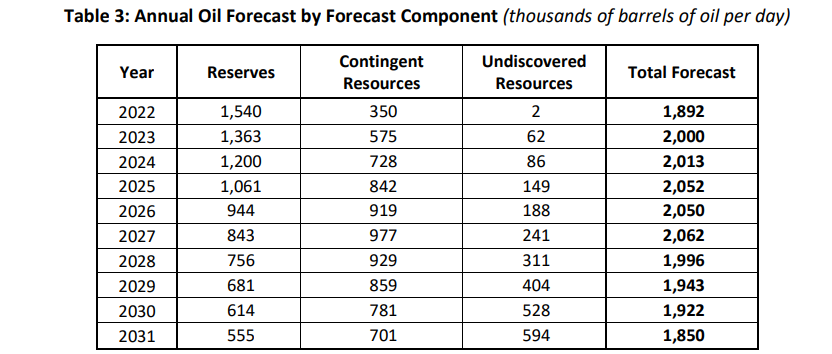
“BOEM’s short-term (20-year) production forecast for existing leases shows steady growth from 2022 through 2024 and declining thereafter (see Section 5.2.1). The long-term nature of OCS oil and gas development, such that production on a lease can continue for decades makes consideration of future climate pathways relevant to the Secretary’s determinations with respect to how the OCS leasing program best meets the Nation’s energy needs.“
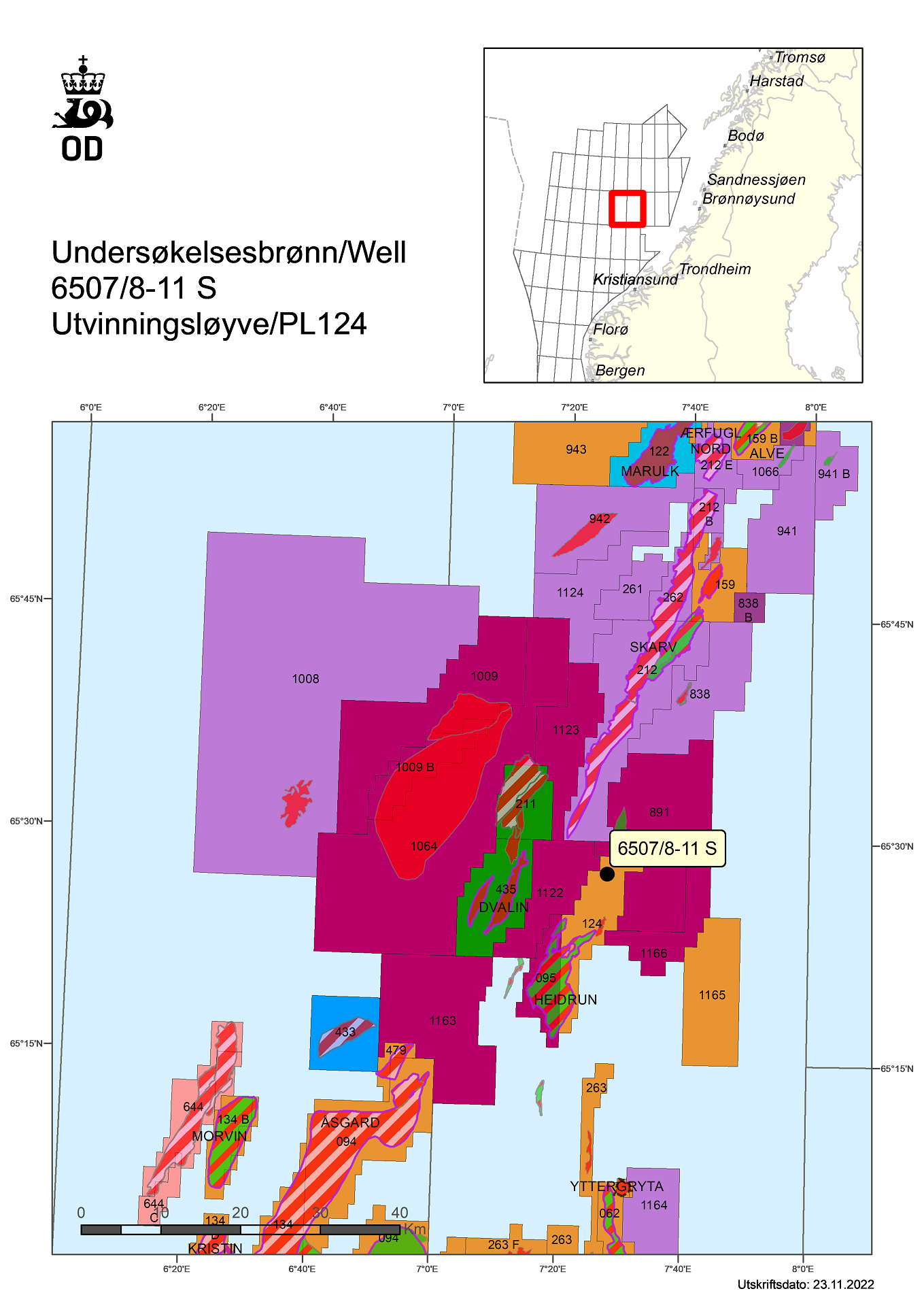
OSLO, Nov 29 (Reuters) – Norway will not issue licences for energy companies to explore for oil and gas in frontier areas during the life of the current parliament, which ends in 2025, its oil and energy minister told Reuters on Tuesday.
“SV (Socialist Left Party) has had this as a demand for this year and we went along with that. And have accepted that this can be held off for this parliamentary period,” (per Minister of Petroleum and Energy Minister Terje Aasland).
Aasland said there was “no drama” in the decision as authorities still issue licences to oil companies in a parallel licensing around called the APA round, in so-called mature areas that are already open to oil companies.
The comment (pasted below) by the trade associations asserts that BSEE ignored the requirements of the National Technology Transfer and Advancement Act (NTTAA).
Reaction:
BSEE and its predecessors (MMS and the Conservation Div. of USGS) have been incorporating industry standards since 1969, 27 years prior to the enactment of the NTTAA (1996).
The keystone of the BOP regulations, API Standard 53, is cited in 250.730, the very section of the rule that is under discussion. Seven other industry standards are cited in that section of the rule. Does this imply ignoring the NTTAA?
Regulators cannot cede their authority to standards development organizations. If a standard is outdated or deficient, the regulator must address the issues of concern.
Deviations between provisions in the regulations and API Standard 53 are expected and specifically provided for in 250.730 as follows: “If there is a conflict between API Standard 53 and the requirements of this subpart, you must follow the requirements of this subpart.“
For years, the production safety system regulations specified different leakage rates for surface and subsurface safety valves than those allowed in the API standards. An MMS research project addressed and helped resolve these differences.
While essential to safety and regulatory programs, standards are not a panacea; nor is the standards development process without weaknesses. One need only consider the case of the delayed cementing (zonal isolation) standard to appreciate both the importance of standards and the potential weaknesses in the development process.
Can we dedicate the victory to the Iranian “journalist” who aggressively questioned Tyler Adams yesterday (see clip below)? Great response from Tyler who is nothing but class on and off the field. A great captain.
Q Does the President think there’s some benefit to the climate to drill oil in Venezuela and not here?
MR. KIRBY:No, it has nothing to do with a benefit to the climate, Peter. Again, there are 9,000 unused permits here in the United States on federal land that oil and gas companies can and should take advantage of. Nine thousand. And we’re talking about one there in Venezuela.
Oh no, not the 9000 permits response yet again!
Can someone please help the White House staff understand the difference between leases and permits, and the process that is followed in exploring for and producing oil and gas? Perhaps this will help.



 Bud's Offshore Energy (BOE)
This Well Control Rule comment, endorsed by 7 trade associations, hit a nerve. Here’s why.
November 30, 2022 by offshoreenergy
The comment (pasted below) by the trade associations asserts that BSEE ignored the requirements of the National Technology Transfer and Advancement Act (NTTAA).
Reaction:
Posted in drilling, Offshore Energy - General, Regulation, well control incidents | Tagged BSEE, NTTAA, standards, standards vs. regulations, trade association comments, Well Control Rule | Leave a Comment »