Feeds:
Posts
Comments

Posts Tagged ‘hydraulic fracturing’

The attached order by Kern County Superior Court Judge Bernard C. Barmann Jr.:

  • Declares the California Geologic Energy Management Division (“CalGEM”) 2021-2024 policy of denying all well stimulation treatment (WST) permit applications invalid.
  • Declares the 2024 Rule (Cal. Code Regs., tit. 14, § 1780, subd. (d)) invalid because CalGEM’s determination that the categorical ban is reasonably necessary is not supported by substantial evidence and lacks a rational connection to the statute’s GHG-reduction purpose.
  • Directs CalGEM to set aside the 2024 Rule and the challenged permit denials; reconsider the denied applications; and consider the pending applications under section 3160 and applicable regulations, without reliance on the invalid underground policy or the invalidated Rule.
  • The Court does not direct issuance of any permit or impose additional denial-letter or deadline requirements.

The ruling could unlock oil resources in in Kern County’s diatomite formations estimated at up to a billion barrels.

Will this decision have any effect on the dispute related to the California Coastal Commission’s prohibition against the resumption of hydraulic well stimulation at Platform Gilda?
Read Full Post »

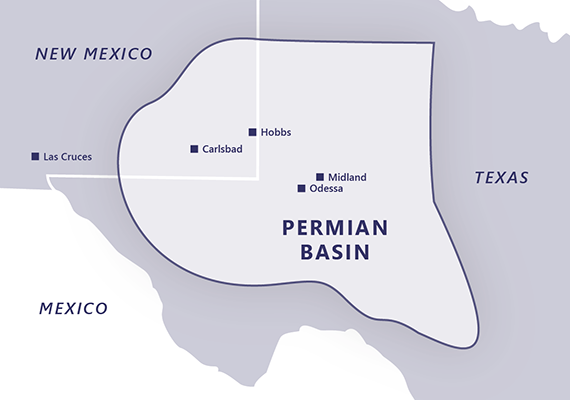
Like its salty neighbor to the east, the Permian Basin of west Texas and southeastern New Mexico has been proclaimed dead on many occasions. Such proclamations of their demise, however, are mere exaggerations as the Gulf of Mexico and the Permian Basin continue to thrive.

These historic oil and gas production powerhouses have delivered to global markets billions of barrels of oil and trillions of cubic feet of natural gas over the past century. Through the booms and the busts, the resiliency of each was made possible by the combination of ingenuity and perseverance and by advancements in techniques and technologies.

JPT

Thirty years ago the Gulf of Mexico was called “the Dead Sea” because of the decline in drilling and production activity. Deepwater technology reversed that trend and led to record Gulf of Mexico oil production averaging 1.9 million BOPD in 2019.

Similarly, horizontal drilling and hydraulic fracturing technology launched the shale revolution, and Permian oil production has risen impressively to 5.4 million BOPD.

Both the Permian and the GoM have the potential to sustain or increase production. The Permian Basin, much of which is privately owned, is more adaptable to market conditions and less exposed to political risks. The offshore program is dependent on effective long-term planning and supportive lease management policies. Unfortunately, the proposed 5 year leasing plan suggests a commitment to throttling offshore production rather than sustaining it. When will our energy policy pendulum swing back to a more balanced position?

Read Full Post »