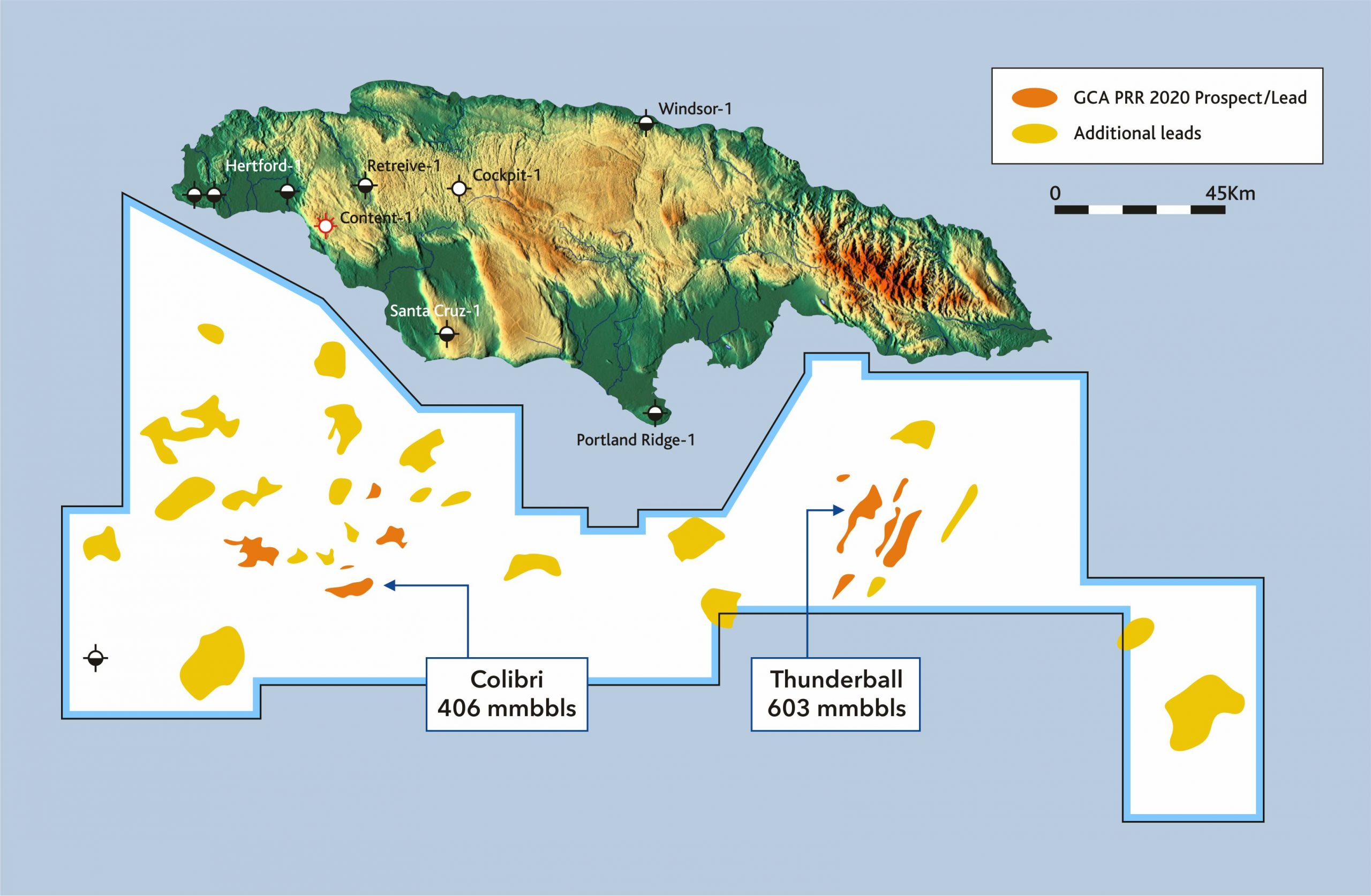
Note that the license covers 22,400 sq km, as compared to ~25 sq km for a typical US offshore lease block.
“In Jamaica, the farm-out of our high impact exploration licence with 2.4 billion barrels of unrisked mean prospective oil resource is picking up pace with a timetable for receipt of indicative offers due in Q2 2023.
In Jamaica, as part of the licence extension that was granted, technical studies that have provided additional positive support to the farm-out process have been completed
“Former U.S. Rep. David Rivera, a well-connected Florida Republican, has been arrested on federal charges that include failing to register as a foreign agent. The case centers on Rivera’s signing of a $50 million contract with Venezuela’s government in early 2017, and his subsequent attempts to thaw Venezuela’s icy relationship with the U.S.”
Perhaps Mr Rivera’s conduct at a 2012 hearing on Cuban offshore drilling was a hint of things to come. Mr. Rivera inappropriately pressed BSEE, represented by Lars Herbst, to find ways to “bleed” Repsol should there be an incident while they were drilling in Cuban waters.
“So, we need to figure out what we can do to inflict maximum pain, maximum punishment, to bleed Repsol of whatever resources they may have if there is a potential for a spill that will affect the U.S. coast. So, I hope you will look into that and verify that for us.”
For the first time in 71 weeks the Strategic Petroleum Reserve has not declined. DOE reports that the SPR was unchanged during the week ending 1/20/2023. The reserve remains at 371.6 million bbls, about 51% of capacity.
Bob McNally, founder and president of the consulting firm Rapidan Energy Group, said any effect on pump prices has been modest.
“Pump prices are largely driven by global crude oil prices,” McNally said in an email. “SPR releases have at most temporary and small impacts on global crude oil prices. Therefore the SPR is a bad tool for trying to manage pump prices.”
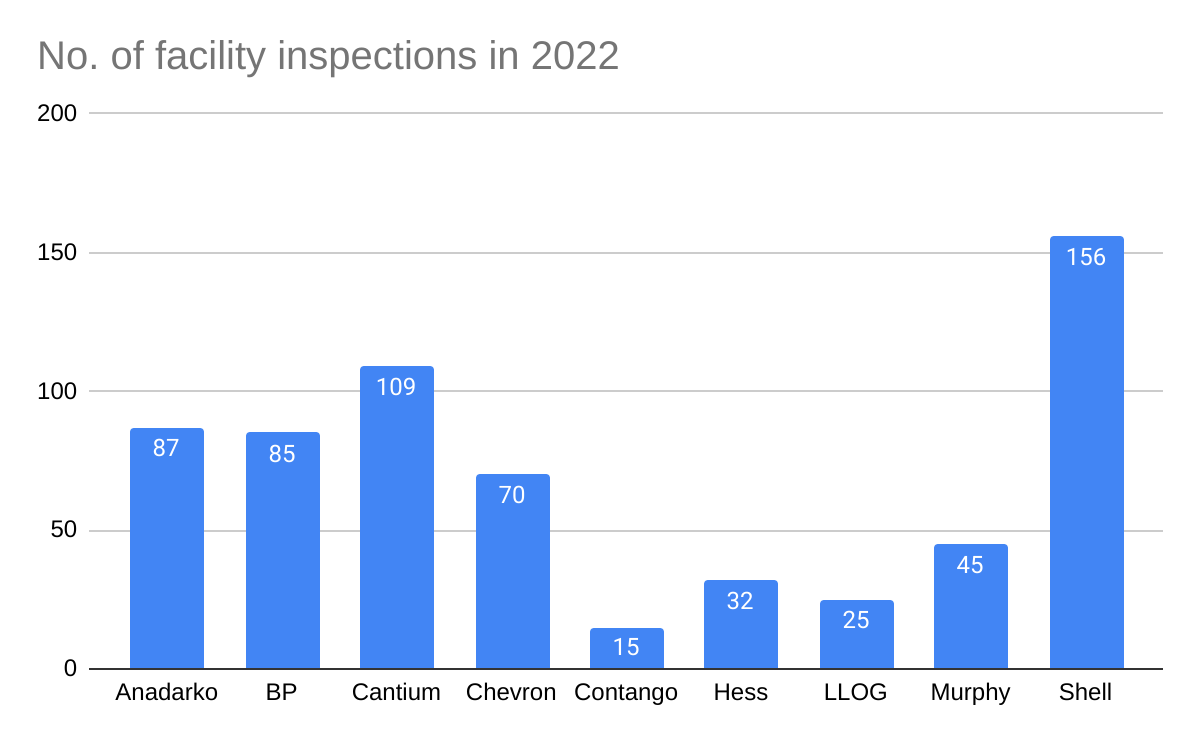
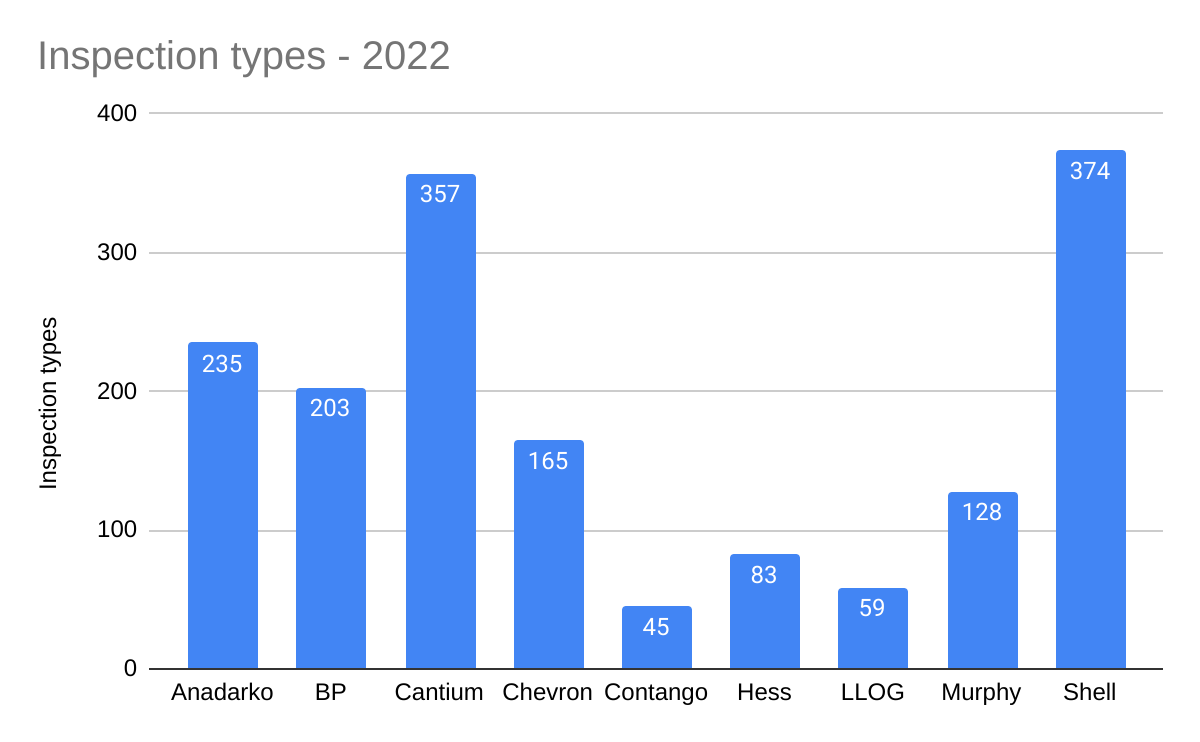
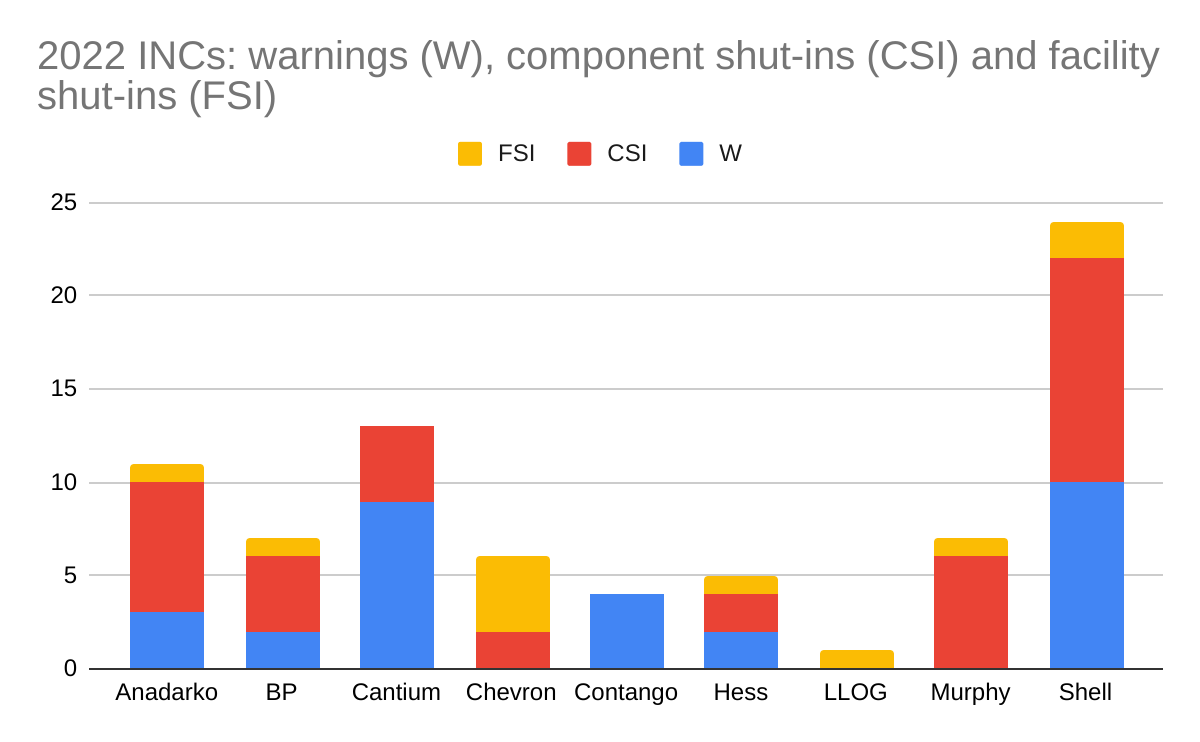
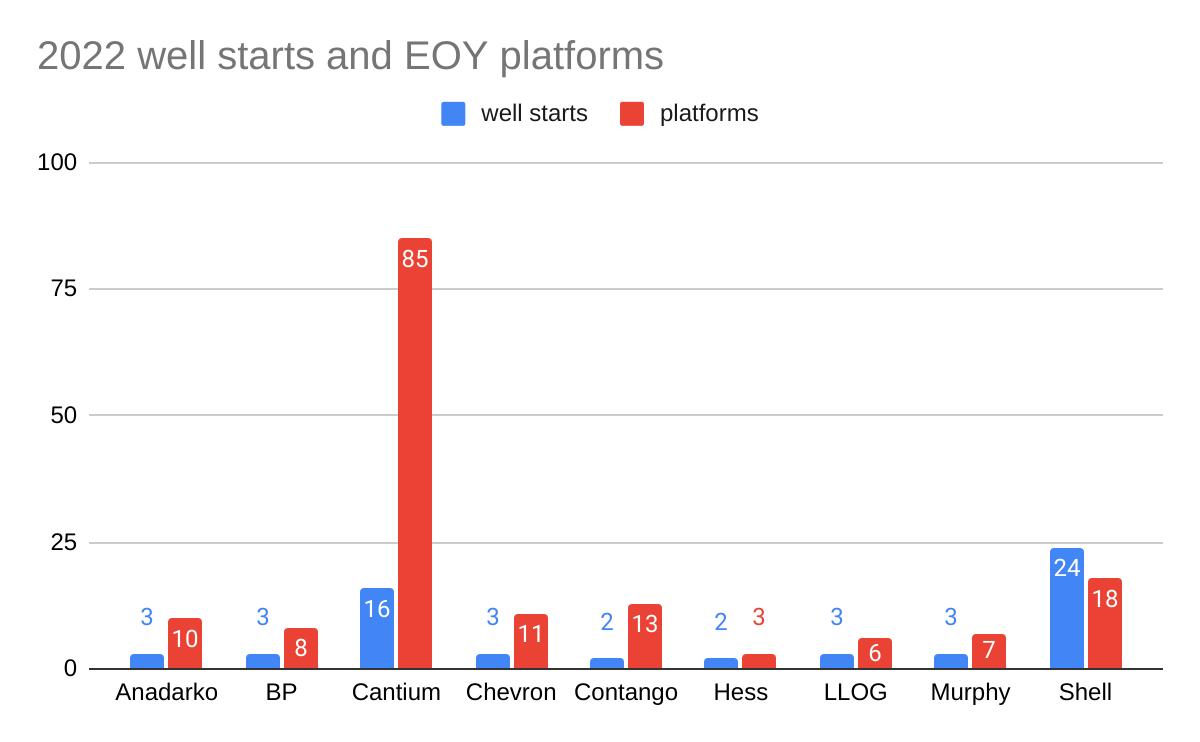
The Honor Roll companies for 2022 (listed alphabetically) are Anadarko (Oxy), bp, Cantium, Chevron, Contango, Hess, LLOG, Murphy, and Shell.
Our criteria:
Must average <0.3 incidents of noncompliance (INCs) per facility-inspection.
Must average <0.1 INCs per inspection-type. (Note that each facility-inspection may include multiple types of inspections (e.g. production, pipeline, pollution, Coast Guard, site security, etc). On average, each facility-inspection included 3.25 types of inspections in 2022. Here is a list of the types of inspections that may be performed.)
Must operate at least 3 production platforms and have drilled at least one well (i.e. you need operational activity to demonstrate compliance and safety achievement).
May not have a disqualifying event (e.g. fatal or life-threatening incident, significant fire, major oil spill). Due to the extreme lag in updates to BSEE’s incident tables, investigation and news reports are used to make this determination.
Pacific and Alaska operations will be considered separately.
A rare photo of a Big-Fin Squid, caught on camera on November 11th 2007 by a Shell Oil company ROV, at a depth of 2,386 meters (1.5 miles). This species of Squid dwell at extreme depths, and are characterised by their long, thin tentacles. They can reach almost 20ft long when fully grown.
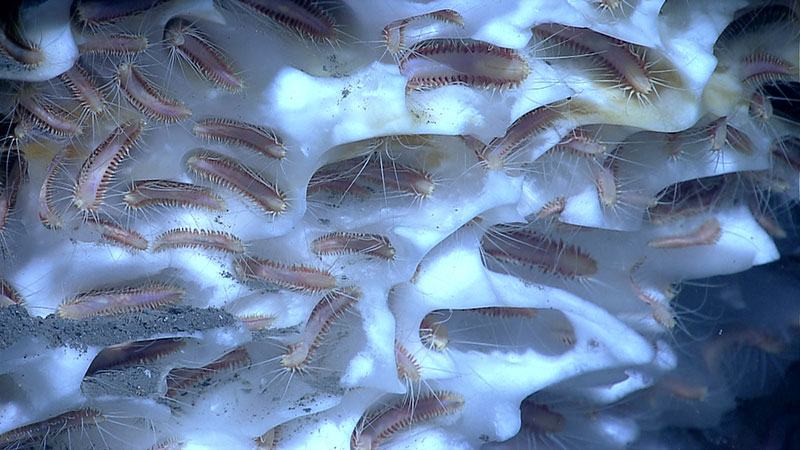
Of course, much of our knowledge about deepwater biology is attributable to oil and gas exploration and the associated environmental studies. This includes the discovery and study of chemosynthetic communities in the Gulf of Mexico:
Some of the same conditions responsible for petroleum deposits also provide the basis for biological communities that receive energy from chemicals through a process called chemosynthesis (in contrast to photosynthesis that provides energy to terrestrial and shallow-water communities through processes in which sunlight is the basic energy source).
This week’s loss was by a small margin, only 800,000 barrels (down to 371.58 million barrels total), suggesting that the record losing streak may end soon. EIA data
The attached NTSB report includes details on the timing of the accident, observations from personnel remaining on the platform, condition of the helipad, nature and location of the debris, and the recovery of the fuselage and separated tail boom. The engine control unit (ECU) was recovered and sent to an NTSB lab for data extraction.
Only 3 years after first oil, Guyana’s offshore production has soared to nearly 400,000 BOPD, and that rate should triple by 2027. If you want to see the production details, Guyana is doing a good job posting their oil and gas production data.
The startup and compressor issues that contributed to high gas flaring volumes seem to have been resolved, and the recent flaring record is exceptional. Over the month of November 2022, the volume flared averaged less than 0.2% of the gas produced, better than the 1.0-1.5% flaring/venting rate for oil-well gas in US GoM from 2015-2021. Using the World Bank’s flaring intensity metric (m3/bbl), the current flaring intensity for Guyana is a remarkable ~0.07 m3 flared per bbl of oil produced.
The next step is to use the associated offshore gas to power Guyana. The two videos embedded below, while promotional, provide good information on plans to use natural gas for onshore power generation, new industry, and other beneficial purposes. This step will only use 50 million cu ft/day, leas than 1/8 the volume that is currently being reinjected. Increased use of the associated gas resource will be dependent on expanded pipeline and power generation capabilities, and LNG facilities to provide for gas exports.





 Bud's Offshore Energy (BOE)