Feeds:
Posts
Comments

Now that the 2021 US OCS incident spreadsheet has been posted and I have commented on the fatalities, I’ll be looking at some incidents by category starting with losses of well control (LWCs). Incident summaries and links to investigation reports follow the bullet points.

  • 4 LWCs incidents in 2021
  • None posed a significant threat to worker safety or the environment
  • All were deepwater wells
  • 3 were during exploratory drilling and 1 was during completion operations
  • All 3 drilling incidents involved water flows after setting 22″ surface casing.
  • The completion LWC was the result of the inadvertent opening of fluid control devices. The report on this incident provides important information for well completion risk assessments.

Incident summaries

Spreadsheet incident 19: Well completion operation. Inadvertent shearing and opening of the fluid loss control devices were not adequately assessed during the planning and review phases of the completion. While displacing the wellbore from 14.8 ZnBr to 14.8 packer fluid, the downhole equivalent circulating density sheared the upper and lower fluid loss control devices. The rig immediately began to experience fluid losses of 600 bph. A 50 bbl fluid loss pill was spotted and losses slowed to 345 bph. A second fluid loss pill was pumped which significantly decreased the losses eventually resulting in zero losses. After losses stopped, the rig experienced approximately a 14 bbl gain on the trip tank. The well was shut in on the annular and circulated out using the driller’s method. Oil was observed in the returns. While waiting on additional fluids and materials, wellhead pressure was managed by bullheading 14.8 brine when required. The well was killed via bullheading down the annulus followed by bullheading down the workstring with 3 CaCo3 pills. investigation report

BOE comment: While the cause of this incident is classified as “human error,” the failure to properly assess and plan for risks associated with the inadvertent shearing and opening of the fluid loss control devices is an organizational/management issue.

Incident 186: Shallow water flow during exploration drilling. Lost well. A shallow water flow was observed from one of the ports in the 38″ wellhead housing following cementation of the 22″ riserless casing string at Caramel Keg (GB 962 #1). Additional wireline logging (casing bond log and temperature log) runs were performed to gain additional insights into the potential source/location of the flow, as well as the quality and presence of cement behind the 22″ casing string. Approval from BSEE Lafayette district was received on April 1st to proceed with running the riser/BOP and continue with subsequent planned operations. Flow from the wellhead was monitored and a general reduction trend in flow from wellhead port was observed. Approval was received from BSEE on April 19th to install and close ball valves on two wellhead ports to isolate flow from wellbore. On April 20th, the ball valves were closed and flow from the wellbore ceased approximately 23 days after initial observation. Approval to temporarily abandon the well was received from BSEE on April 25, along with a monitoring plan of the wellbore and the surrounding area. TA operations concluded on April 27th. The ongoing monitoring program has since identified no indications of flow/broaching at or near the GB 962 #1 wellbore as of May 7th. No personnel were injured or evacuated as a result of this subsurface shallow water flow. report

Comment: The BSEE incident investigation team determined that salt contamination probably caused the cement to go under-balanced triggering flow and channeling behind the 22-in casing.

Incident 478: Exploration well – 7188′ WD; exploration. The 22″ casing cement job went as planned with positive cement returns to the mudline from dye and pH meter. The rig observed post cementing flow. Flow was predominantly gas. The flow started with a single source from the seabed, about 20 ft away from the wellhead. Within the next 2-3 hours, two other flow sources developed, one immediately adjacent to the jetpipe while another flow source surfaced about 10ft away from the wellhead. The rig continued to monitor the post cementing flow and completed multiple ROV wagon wheel surveys. No new seafloor anomalies or active flow points were identified away from the wellhead. Minor flow of water and gas continued at the wellhead. No investigation report.

Incident 507: Post Cement Flow Summary: The 22″ casing was cemented in place at 2:30 AM on August 18, 2021. At approximately 5:45 AM, a minor post cementing flow was observed by the ROV. The flow was only observed from 1 cement port/ball valve connected to the 28″x22″ annulus. The flow composition was predominately cement and absent hydrocarbons. The ROV continued to monitor the flow. No investigation report.
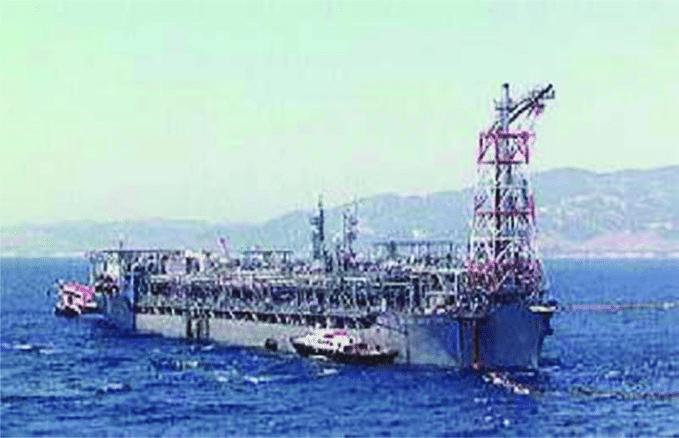
A.S. Bull and M.S. Love

When Exxon was unable to get approval for an onshore oil processing facility, the company installed this offshore storage and treatment (OS&T) vessel and single anchor leg mooring (SALM) 3.5 miles from shore, just seaward of the State-Federal boundary. The OS&T, a converted tanker, operated from 1981 to 1994. By 1994, the onshore gas processing facility in Las Flores Canyon had been expanded to process Santa Ynez crude, eliminating the need for the OS&T. While the OS&T had a very good performance record, the highly visible vessel was less than endearing to most Santa Barbara County residents, and there was no apparent sadness when the OS&T and SALM were decommissioned in 1995.

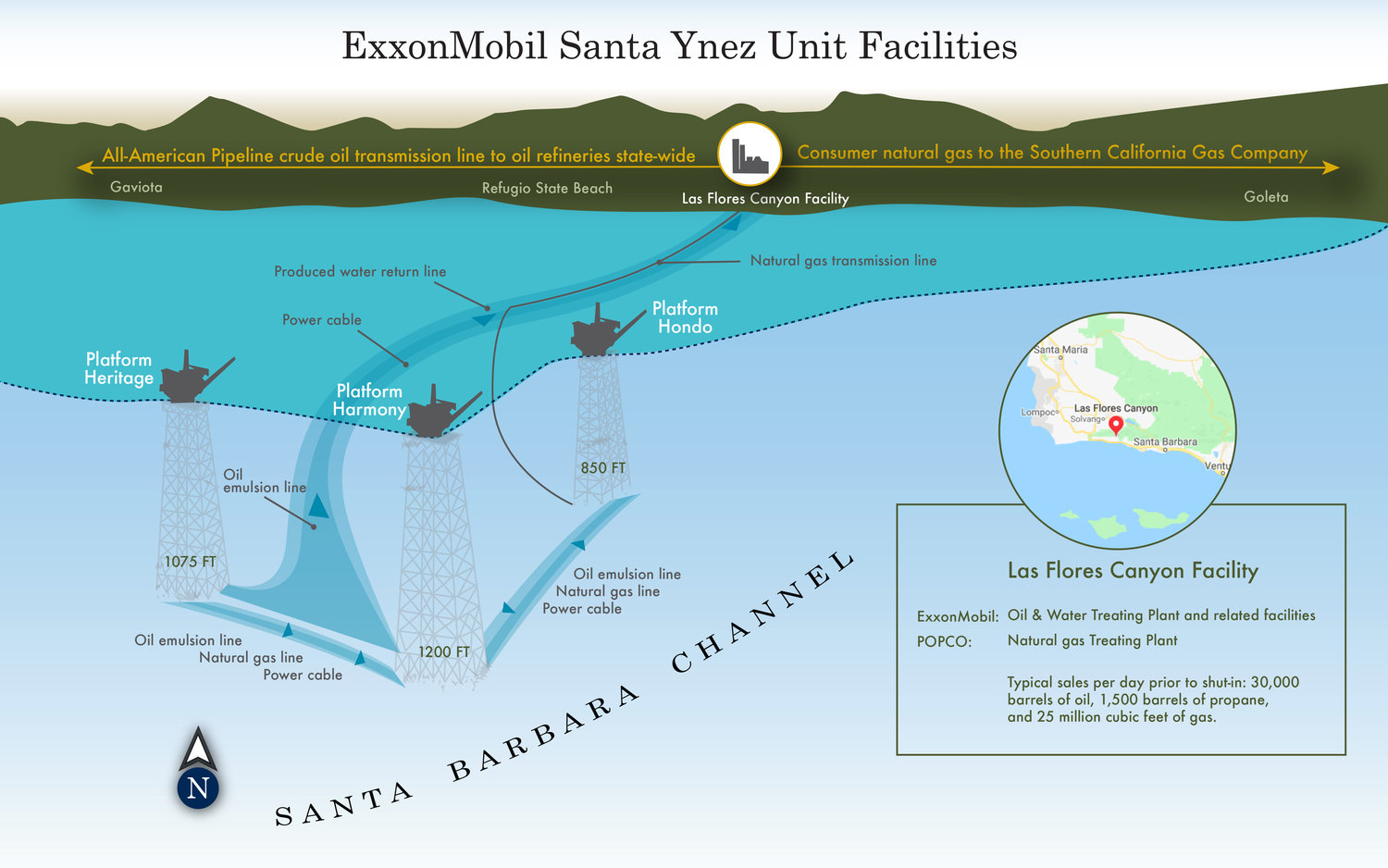
Current Santa Ynez Unit facilities:

Per our previous post on the complex status of the Santa Ynez Unit, Lars Herbst has brought this informative article to our attention. Here is the bottom line:

With this deal, Exxon is essentially lending Flame, Sable’s management team and PIPE investors the money to buy the facilities from itself. If they are able to get them back online, great, Exxon gets its $623 million loan paid back with 10% interest. If not, it presumably repossesses the facilities and their associated headaches.

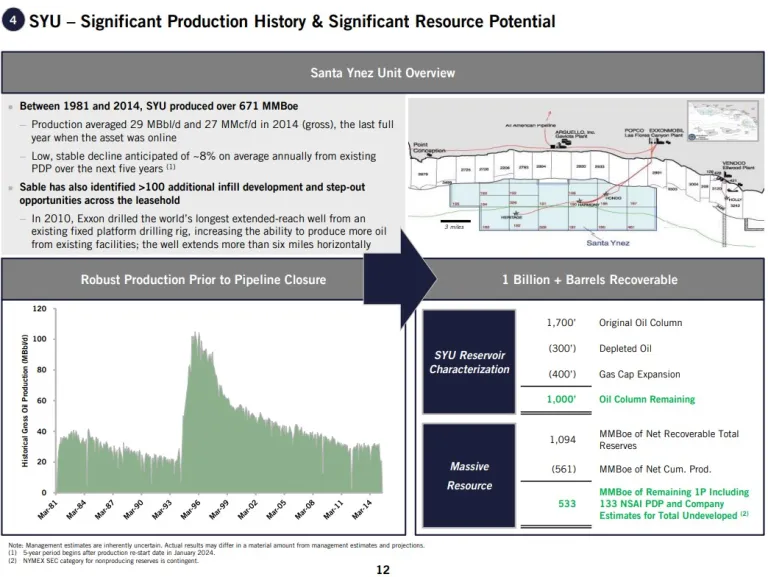
This is what has been produced and what remains:

I do not recall any other such incidents.

Victoria Nuland’s glee over the Nord Stream damage (video clip below) is particularly galling to those responsible for offshore production, worker safety, and environmental protection. Does she realize that the Gulf of Mexico has more than 13,000 miles of active offshore pipeline that could be similarly targeted, and that the US has 2.6 million miles of onshore pipelines?

Whether or not the US was involved in the Nord Stream sabotage, Ms. Nuland’s schadenfreude is disturbing given the economic and security implications of the attack.

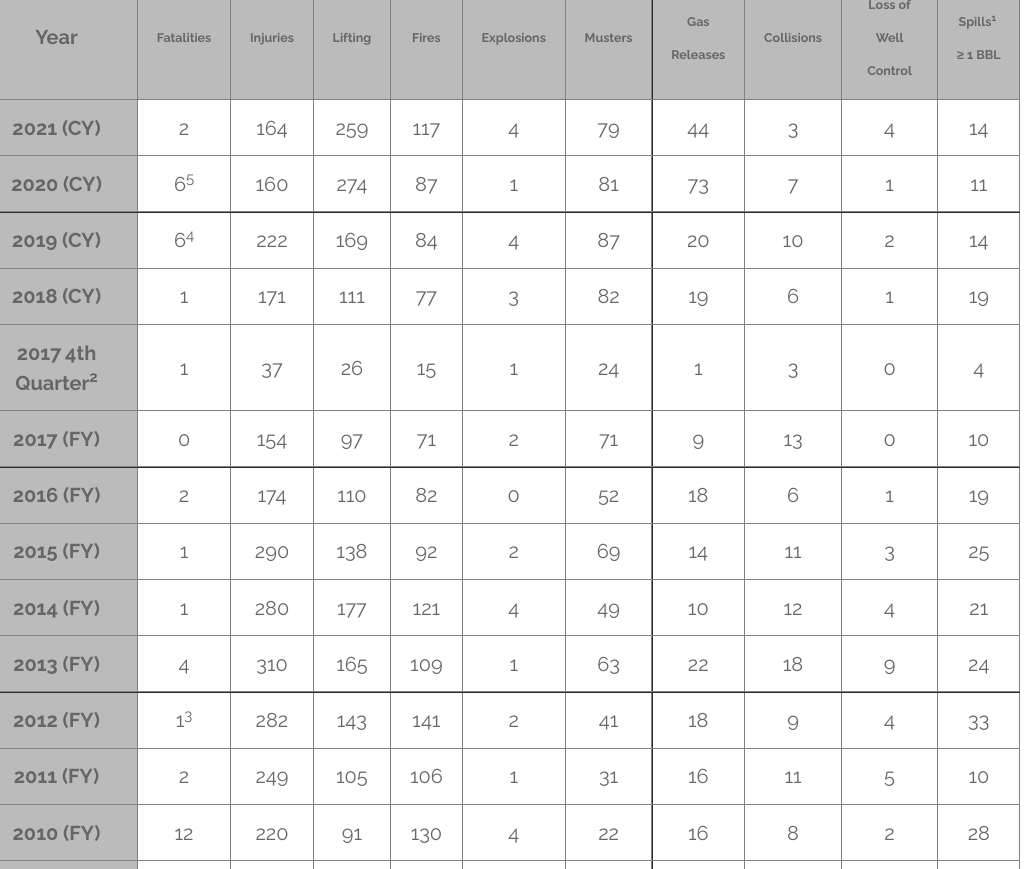
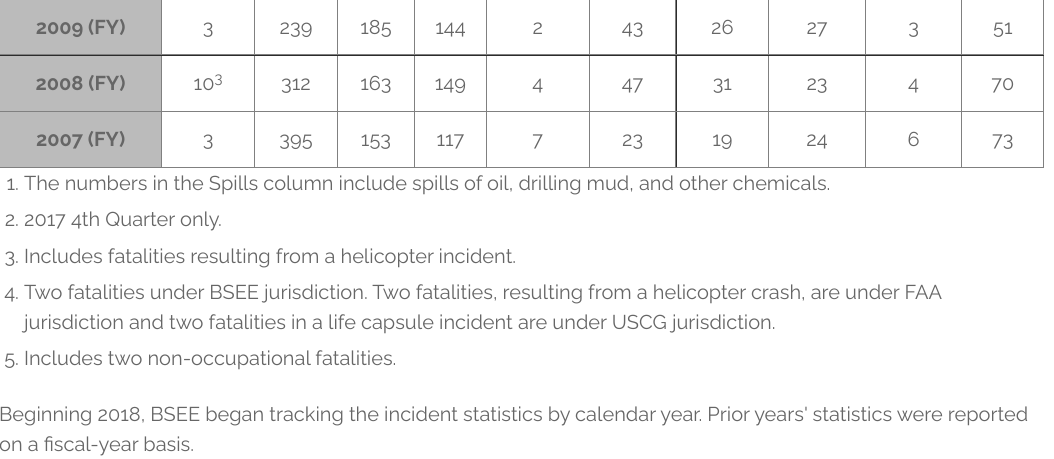
BSEE has posted the 2021 incident data for US OCS oil and gas operations. While the 13 month publishing lag is disappointing, the spreadsheet (below the table at this link and attached at the end of this post) appears to be comprehensive and complete.

Of the 8 fatalities in 2021, 6 are classified as “non-occupational” and are thus not included in the 2021 fatality count (see table below).

The 2 occupational fatalities are the result of falling metal plates on a drilling rig and the release of casing pressure on a production platform. These fatalities are still being investigated.

The 6 non-occupational fatalities on OCS facilities also merit further attention. While historical data on health-related OCS fatalities are not readily available, 6 such fatalities seems high relative to past experience, particularly given that the total number of hours worked has declined by more than 50% since 2011. Are these and other health related questions being considered?

  • Were covid or covid related health issues a factor?
  • Are health screening programs sufficient, particularly for contractors? Contractors are 80% of the workforce but accounted for 100% of the 2021 fatalities?
  • Are offshore medical care and evacuation capabilities sufficient?

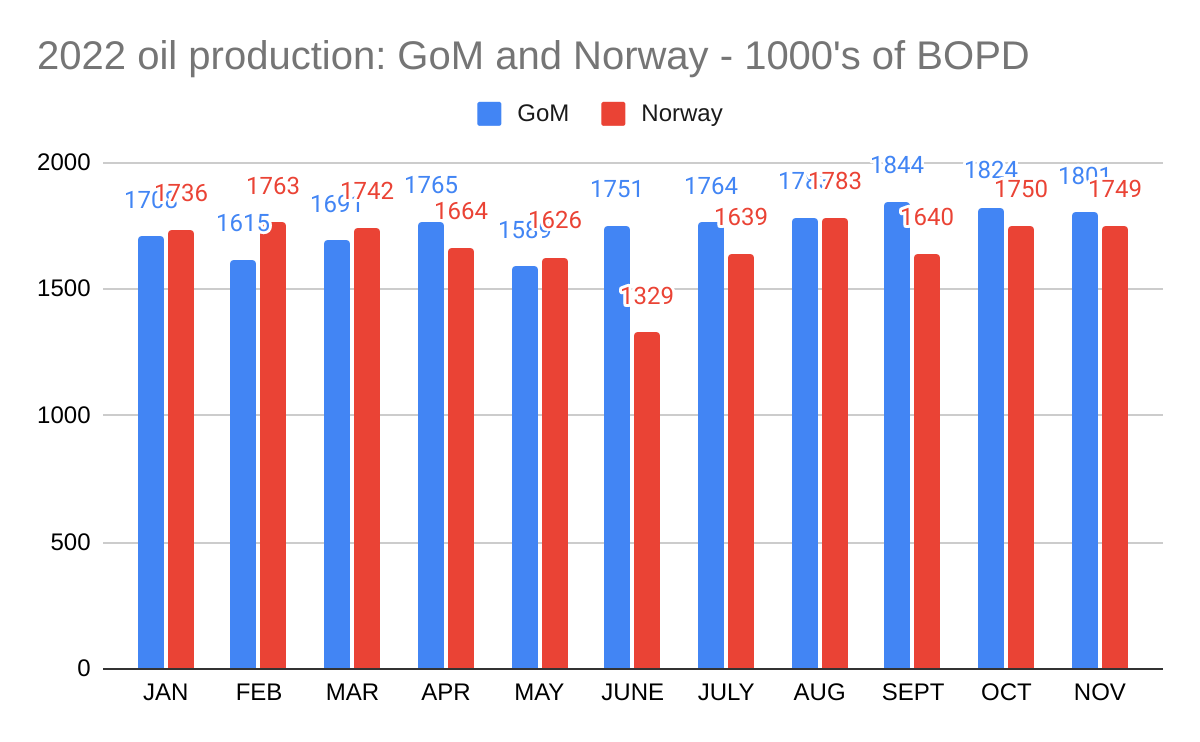
…and were in fact identical in August (1.763 million BOPD). GoM production should strengthen a bit in 2023 as new deepwater projects come online. Norwegian production should also increase. The longer term is more uncertain, particularly for the US OCS which is seemingly being managed to fail.

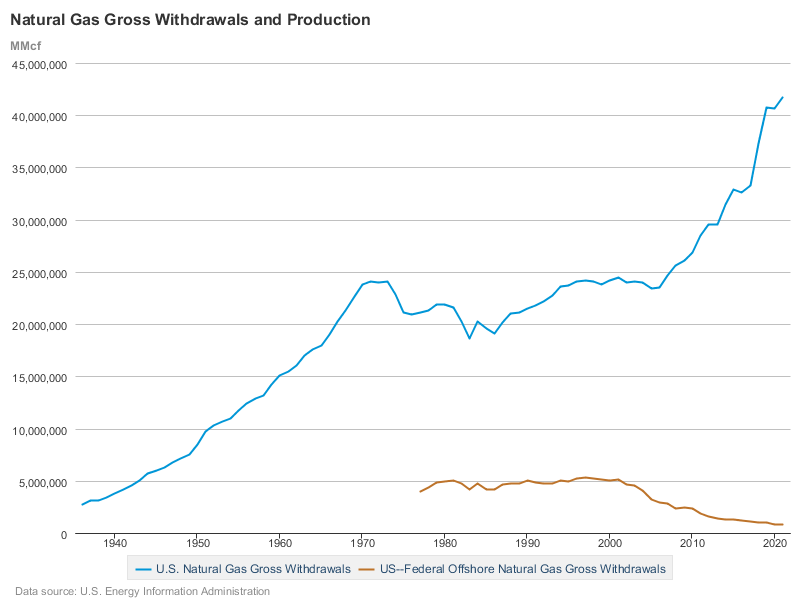
Natural gas production is a different story. Norway has been sustaining and growing offshore gas production, while Gulf of Mexico gas production has been in free-fall. Total US production has nonetheless grown sharply over the past 17 years thanks to the shale boom (see the chart below). In the 1980’s, the GoM accounted for 20-25% of US gas production. The GoM share is now only 2%, most of which is gas that is associated with deepwater oil production. Nonassociated offshore gas has important advantages that should not be ignored.

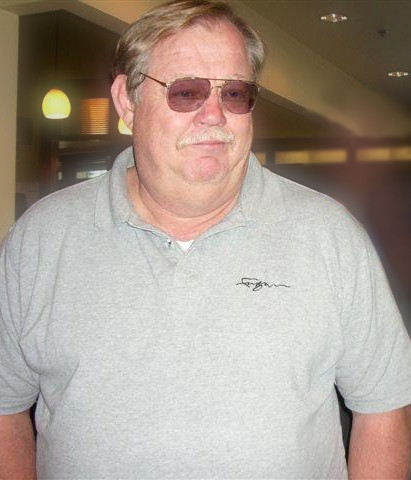
On January 20th, the offshore world lost a superstar when Gary Lore’s courageous battle with pancreatic cancer ended. Gary was the nation’s top expert on offshore oil and gas resources, an outstanding geologist, a natural leader, and a witty and supportive friend and colleague.

Gary grew up in Camden, NJ where he was an outstanding student and athlete at Woodrow Wilson high school. He joined the Dept. of the Interior’s offshore program after earning an M.S. in geology at Rensselaer Polytechnic Institute in 1974.  

During his 32 years with the US offshore program, Gary led resource evaluation units in the Pacific and Gulf of Mexico Regions, and was promoted to Chief of the Resource Evaluation Division at the Minerals Management Service headquarters office in Herndon, VA. A few of Gary’s many career highlights:

  • Authored numerous professional papers on US offshore oil and gas resources and exploration and evaluation models.
  • Advised congressional and cabinet officials on offshore resources and production potential.
  • Directed the use of the complex MONTE CARLO tract evaluation model and was among the few that actually understood it.
  • Participated on the prestigious US oil resources panel convened by DOE and the Univ. of Texas in 1992.
  • Contributed to many special energy assessments including Oil and Gas Technologies for the Arctic and Deepwater.
  • Led the pioneering OCS Connect “e-gov” project that automated governmental transactions with industry, improved timeliness and efficiency, and minimized redundant reporting.

Those of us who worked with him were most fortunate to have had that privilege. RIP Gary, you made a difference.

Gary with Bud and geologist-bagpiper Norm Weaver (This and the previous photo by Keith Good)
Gary and Janet at their wedding 49 years ago

This misleading headline was featured in Reuters’ “Power Up” newsletter (26 Jan 2023):

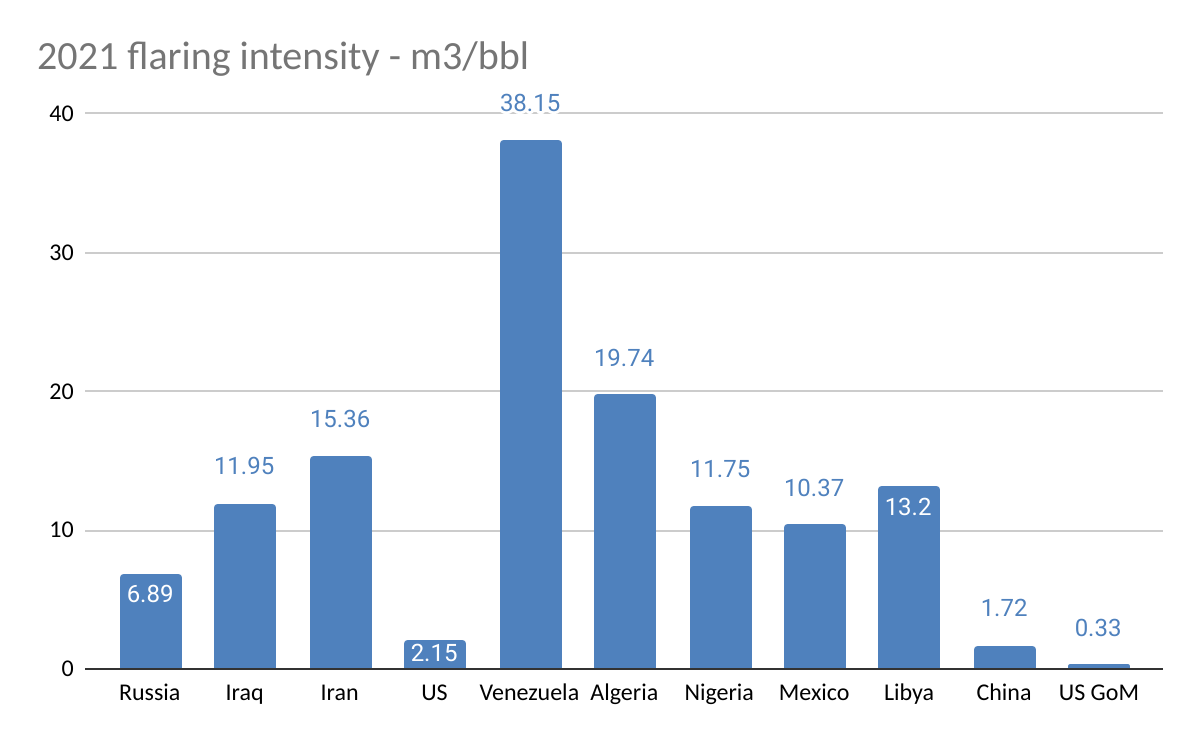
An objective flaring assessment would have also considered the volume of oil and gas produced. The World Bank uses flaring intensity (m3 flared per bbl of oil produced) to normalize their flaring data and provide perspective. The chart below is derived from World Bank flaring intensity data and Gulf of Mexico data from mandatory flaring and venting reports for the same year (2021). These normalized data sharply contradict the Reuters message.

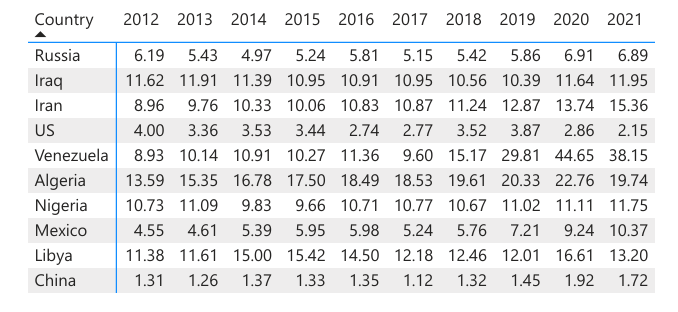
Reuters might also have noted (World Bank table below) that the US flaring intensity score declined by 46% between 2012 and 2021. Each of the other “top flaring” countries had flaring intensity increases during that period.

World Bank

Finally, while I applaud the World Bank’s efforts to monitor worldwide flaring, some issues with their methodology were identified in a prior BOE post.

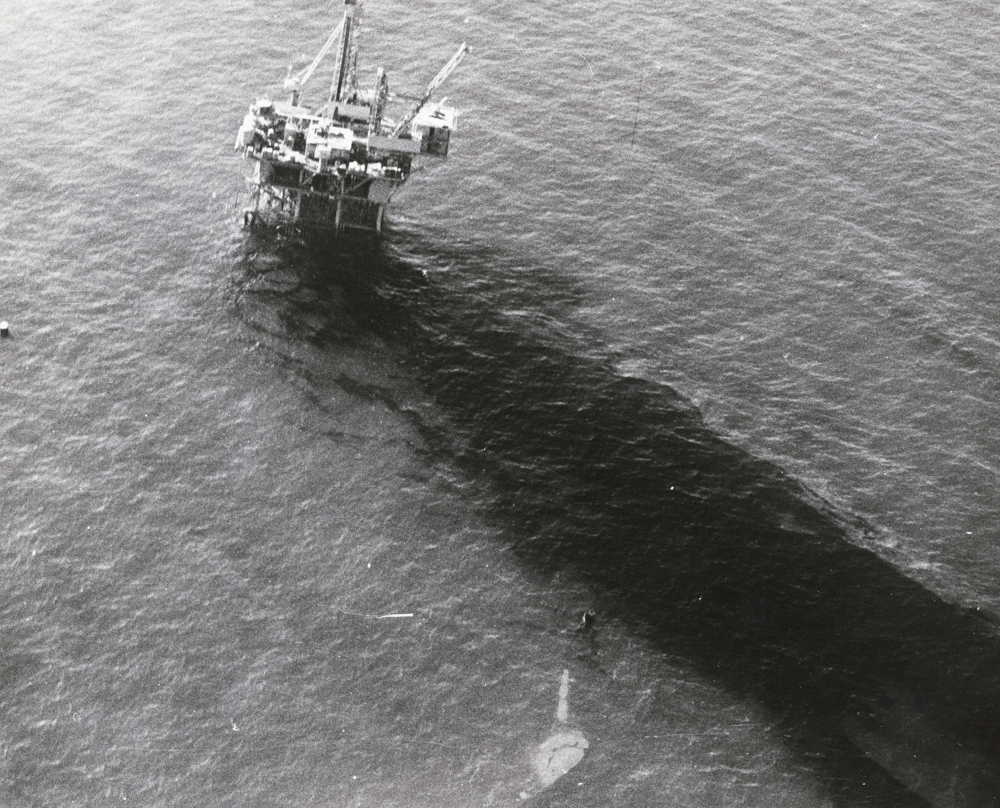
Details on the Santa Barbara blowout from last year’s BOE post.