John Smith informs me that today (6/6/2025), a Santa Barbara Superior Court issued an order preventing the restart of the Santa Ynez Unit’s onshore pipeline pending Court resolution of the dispute.
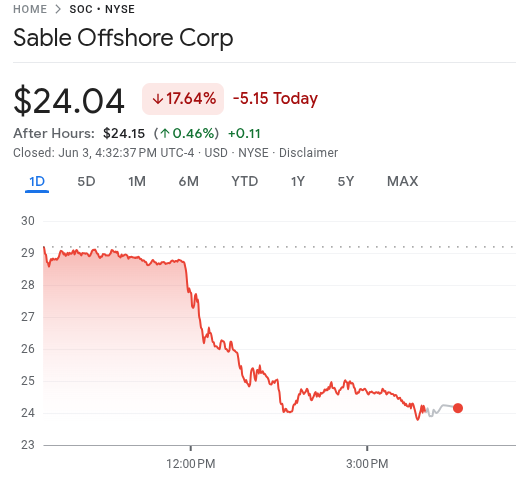
Sable’s shares plunged 18% in response to the news.
Posted in California, pipelines, Regulation, tagged judge bars pipeline restart, Sable Offshore, Santa Ynez Unit on June 3, 2025| Leave a Comment »
John Smith informs me that today (6/6/2025), a Santa Barbara Superior Court issued an order preventing the restart of the Santa Ynez Unit’s onshore pipeline pending Court resolution of the dispute.
Sable’s shares plunged 18% in response to the news.
Posted in energy policy, Offshore Wind, Regulation, tagged Ack for Whales, Aquinnah Wampanoag, BOEM, DOI, Green Oceans, lawsuit, New England Wind, NMFS on May 29, 2025| Leave a Comment »
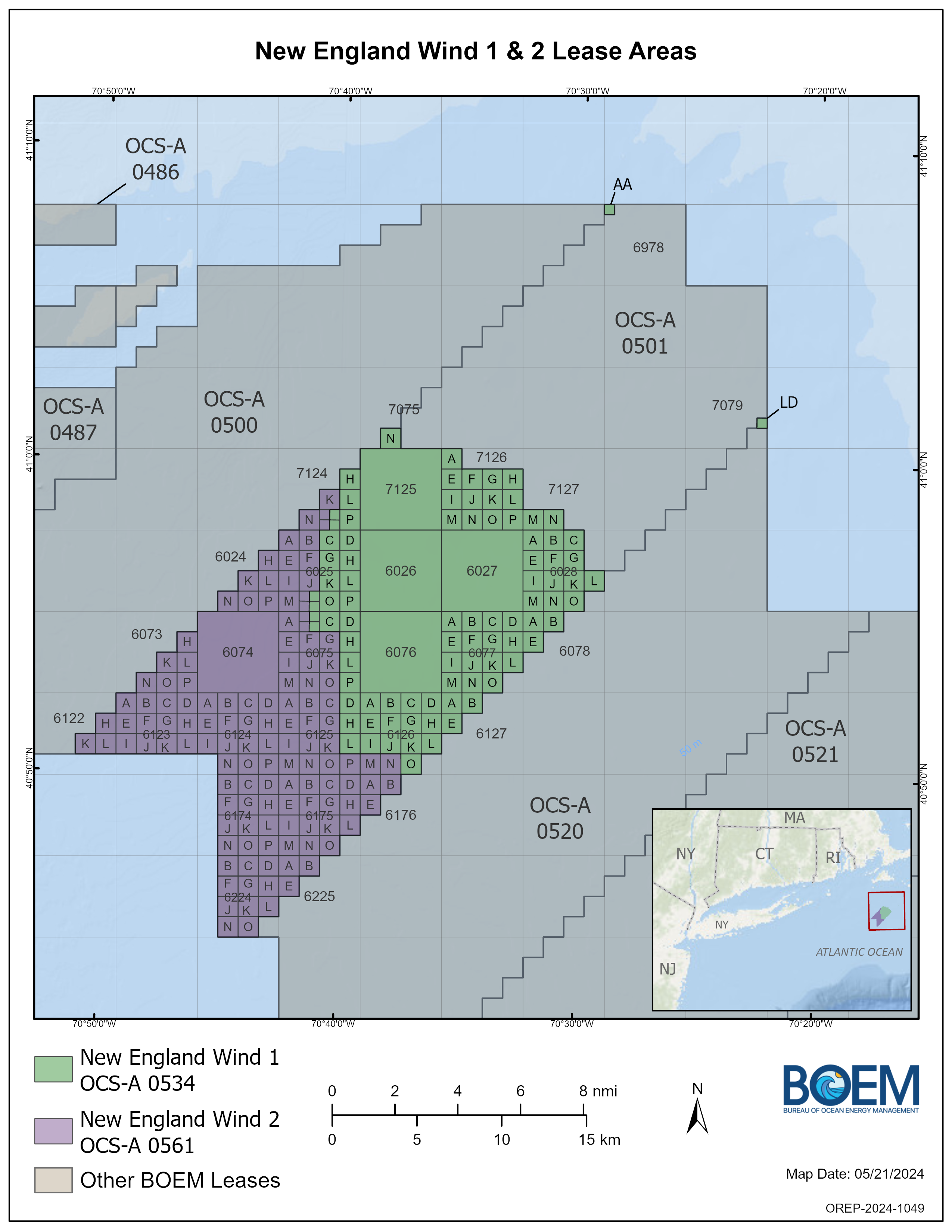
ACK For Whales, the Wampanoag Tribe of Gay Head / Aquinnah, Green Oceans, a coalition of charter fishing groups and seven individuals filed suit in federal court asserting that the Departments of Interior and Commerce violated the law when they approved the Record of Decision (ROD) for the New England Wind 1 and 2 projects.
Construction has not yet begun on the New England Wind 1 and 2 projects. The leases abut Vineyard Wind’s troubled lease 0501 (see above map), site of last summer’s turbine blade failure.
Per ACK for Whales President Vallorie Oliver:
“In offshore wind project after offshore wind project, from Revolution Wind, Vineyard Wind and New England Wind to the others, the government was so desperate to rush these projects that it cut corners and violated the law,” Oliver said. “The government didn’t care if it trampled on the Wampanoag sacred beliefs and rites, hurt the charter boat, fishing and lobster industries or wiped out the Right whales. The only thing that mattered was to get these environmentally destructive turbines built, costs to the rest of us be damned.”
| Plaintiff: | ACK FOR WHALES, INC., VALLORIE OLIVER, AMY DISIBIO, VERONICA BONNET, DOUGLAS LINDLEY, STEVEN AND SHARYL KOHLER, DANNY PRONK, WILLIAM VANDERHOOP, GREEN OCEANS, RHODE ISLAND PARTY AND CHARTER BOAT ASSOCIATION, CAPE COD CHARTER BOAT ASSOCIATION, INC., CONNECTICUT CHARTER AND PARTY BOAT ASSOCIATION, INC., MONTAUK BOATMEN AND CAPTAINS ASSOCIATION, INC. and WAMPANOAG TRIBE OF GAY HEAD AQUINNAH |
|---|---|
| Defendant: | UNITED STATES DEPARTMENT OF COMMERCE, NATIONAL MARINE FISHERIES SERVICE, BUREAU OF OCEAN ENERGY MANAGEMENT, UNITED STATES DEPARTMENT OF THE INTERIOR, DOUG BURGUM, in his official capacity as Secretary of the Interior, WALTER CRUICKSHANK, in his official capacity as the Director of the Bureau of Ocean Energy Management, HOWARD LUTNICK, in his official capacity as the Secretary of Commerce and EUGENIO PIEIRO SOLER, in his official capacity as the Assistant Administrator of the National Marine Fisheries Service |
| Case Number: | 1:2025cv01678 |
| Filed: | May 27, 2025 |
| Court: | U.S. District Court for the District of Columbia |
Posted in California, energy policy, pipelines, Regulation, tagged California Coastal Commission, halt to pipeline work, preliminary injunction, Sable Offshore, Santa Ynez Unit on May 28, 2025| Leave a Comment »
For the reasons set forth herein, the application of the California Coastal Commission for issuance of a preliminary injunction is granted. No bond is required. The Commission shall present a written order for entry by the court.
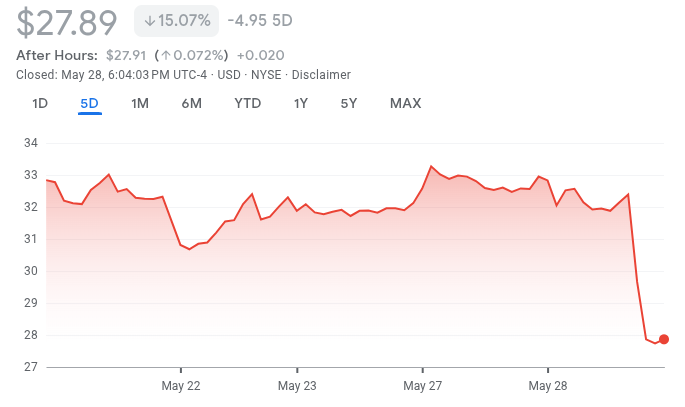
The roller coaster ride continues. Sable Offshore’s stock price plunged in response to the latest order.
Posted in deep sea mining, energy policy, Regulation, tagged American Samoa, BOEM, deepsea mining, Impossible Metals on May 28, 2025| Leave a Comment »
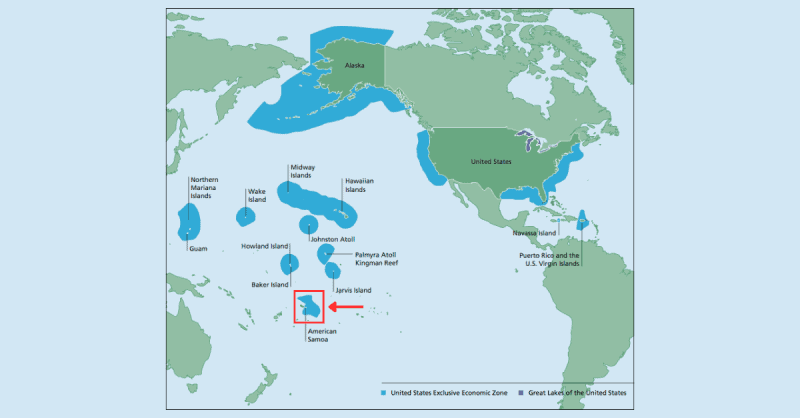
As a result of a formal request from the Impossible Metals company, BOEM will begin a multi-step process which could lead to a marine minerals lease sale offshore American Samoa.
The first step will be the publication of a request for information and Interest in the Federal Register. This notice will seek public input that will help inform BOEM’s assessment of geologic conditions, potential environmental and cultural impacts, and other uses of the area.
Impossible Metals has developed an autonomous underwater vehicle (AUV) for selective mineral harvesting. Their novel AUV uses advanced robotics, AI, and a buoyancy engine to hover above the seabed and minimize disruption to the habitat and native biodiversity. Impossible Metals believes this method will have the lowest environmental impact and cost among land and deep-sea mining approaches.
9 minute interview with the CEO of Impossible Metals:
Posted in climate, energy policy, Offshore Wind, pipelines, Regulation, tagged commercial fishing, Constitution pipeline, Empire Wind, Equinor, Green Oceans, Norway, offshore wind regulation, pause reversal, Wampanoag Tribe on May 27, 2025| Leave a Comment »

With victory in sight, the President pulled the ball away from his most ardent East Coast supporters.
Further thoughts on the reasons for the Empire Wind reversal:
Following the reversal of the Empire Wind decision, Green Oceans, ACK for Whales, Long Island Commercial Fishing Association, Protect Our Westport Waters, Save Greater Dowses Beach, Save Right Whales Coalition, and the Wampanoag Tribe of Gay Head/Aquinnah petitioned Secretary Burgum to halt all wind construction in New England coastal waters and begin a “complete reevaluation” of their permits under applicable federal laws. In addition to right whale and tribal cultural resources concerns, the letter cited:
Posted in Alaska, energy policy, Gulf of Mexico, Offshore Energy - General, Regulation, tagged Big Beautiful Bill, Cook Inlet, Gulf of America, litigation, offshore oil and gas leasing, royalty rates, sale requirements on May 23, 2025| Leave a Comment »
Part VIII, Offshore OIl and Gas Leasing, is a good read for those interested in OCS leasing policy. This cleverly crafted part of the bill specifies leasing schedules, streamlines the leasing process, and minimizes litigation risks. Highlights:
Posted in energy policy, Gulf of Mexico, Regulation, tagged API, Chevron, Endangered Species Act, Gulf of America, Louisiana, NMFS biological opinion, offshore oil and gas operations, Rice's whale on May 22, 2025| Leave a Comment »


Their filing is attached. I found the following points to be particularly compelling:
p.3: “Despite no evidence that an Oil and Gas Program vessel has ever struck a Rice’s whale, the 2025 BiOp projects that Oil and Gas Program vessels will lethally strike numerous Rice’s whales over the term of the 2025 BiOp. On that basis alone, the Service found that the Oil and Gas Program will jeopardize the continued existence of the Rice’s whale, and developed a multi-step reasonable and prudent alternative which it asserts will reduce projected vessel strikes to zero.“
p. 4: “The Rice’s whale is a rarely found animal that the Service first identified as a new species (separate from the non-endangered Bryde’s whale) in 2021. 86 Fed. Reg. 47,022 (Aug. 23, 2021). There is no evidence that an Oil and Gas Program vessel has ever struck a Rice’s whale (or a Bryde’s whale) despite continued operation in the Gulf over many decades.”
p. 5: “The 2025 BiOp disregards the Bureaus’ logical, fact-based conclusion. Instead, the Service’s 2025 BiOp engages in speculation and guess-work to surmise that Oil and Gas Program vessels could be striking and killing Rice’s whales on a regular basis. The Service ignores the best available data (i.e., showing no recorded observations of an oil and gas vessel striking a Rice’s whale) and instead presumes that forceable and lethal collisions between oil and gas service vessels and 60,000-pound whales are regularly occurring but somehow going unnoticed by the vessels and their crews and that the carcasses silently disappear into the water, never to be seen again.“
Posted in energy policy, Gulf of Mexico, Regulation, tagged Endangered Species Act, Gulf of America, NMFS biological opinion, reasonable and prudent alternative, Rice's whale on May 22, 2025| Leave a Comment »
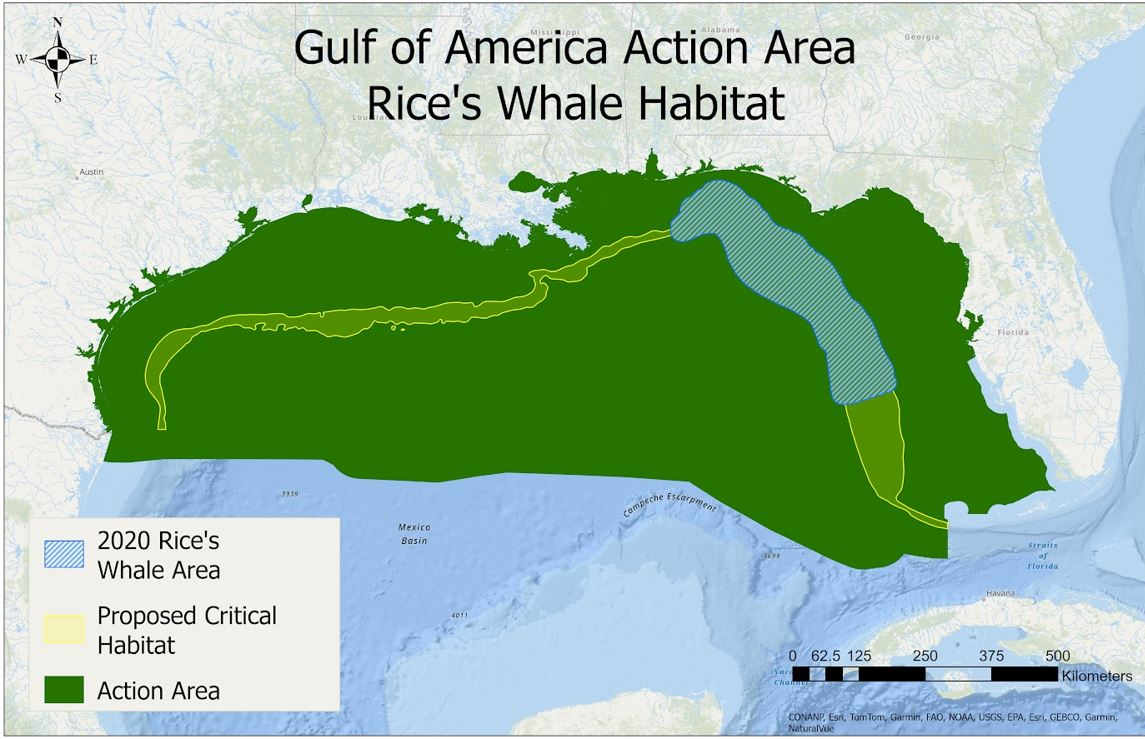
National Marine Fisheries Service (NMFS) biological opinion dated 5/20/2025
Background:
Key points in the biological opinion:
According to NMFS, the reasonable and prudent alternative (see below) reduces or avoids the primary threat to Rice’s whales, the risk of injurious and lethal vessel strike interaction. The impacts of other stressors are more limited in space and time, diffuse, or not likely to result in adverse effects to Rice’s whale.
The reasonable and prudent alternative (RPA) requires the following as it relates to vessel activity in the action area. More detail on p. 601:
Comment: Because the risk to the Rice’s whale in the central and northwestern GoA is highly speculative (see analysis by Darren Ireland), the RPA is arguably excessive. However, I like the RPA’s technological and management system focus.
Unsurprisingly, Earth Justice et al found the NMFS opinion inadequate and filed a suit (attached) in Maryland calling on the court to vacate the opinion and grant injunctive relief.
How can they sue in a Federal court in Maryland, far away from the Gulf? The venue was ostensibly chosen because NMFS headquarters are located in a Maryland suburb of DC. The Maryland court is also likely to favor the plaintiffs, which may have been a factor in the choice of venue. It’s a great country! 😉
Posted in California, Offshore Energy - General, Regulation, tagged Exxon, litigation, Sable Offshore, Santa Barbara County, Santa Ynez Unit, tie vote on May 13, 2025| Leave a Comment »
A good Nick Welsh, Santa Barbara Independent article has been brought to my attention by John Smith. Bonus points for the baseball analogy:

“In baseball, ties famously go to the baserunner, but in county government it’s forced a legal fight in the courts.”
“The oil company Sable Offshore is insisting that when the County Board of Supervisors voted 2-2 on whether or not to allow another oil company, Exxon, to transfer its permits to Sable, the tie goes to Sable.”
“Accordingly, Sable — much in the limelight recently — just filed a lawsuit against the Santa Barbara County Board of Supervisors in federal court to make that point. Joining Sable in this dispute is ExxonMobil, the oil giant that sold Sable its three offshore platforms, its 120-mile pipeline, and its onshore oil storage and processing facilities known as the Santa Ynez Unit two years ago.”
Because the Planning Commission had voted 3-1 to allow the transfer, Sable argues that the 2-2 Supervisors vote upholds the Planning Commission decision.
Never a dull moment in the Santa Ynez Unit restart doneybrook. More on the tie vote here and here.
Posted in Offshore Wind, Regulation, tagged EPA, HVDC cooling systems, Protect Our Coast NJ, Sunrise Wind on May 13, 2025| Leave a Comment »
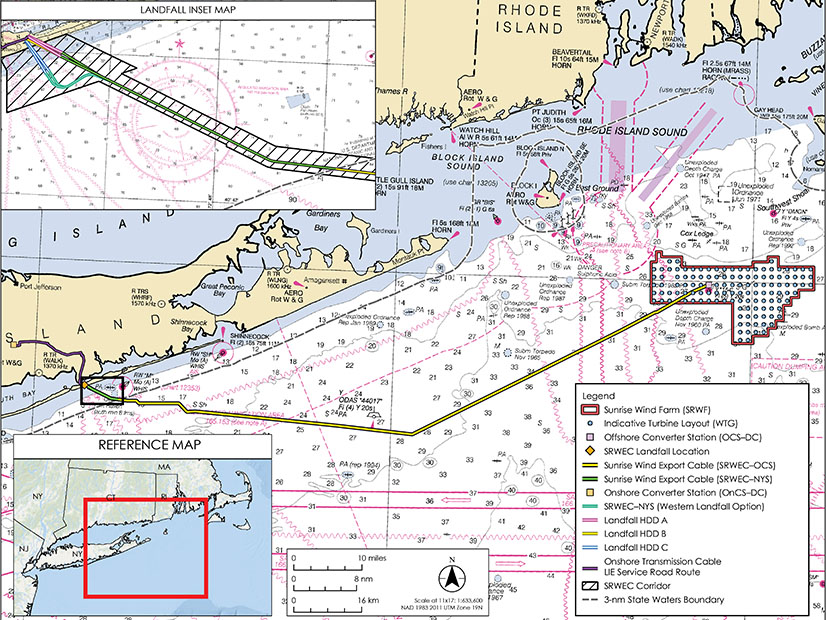
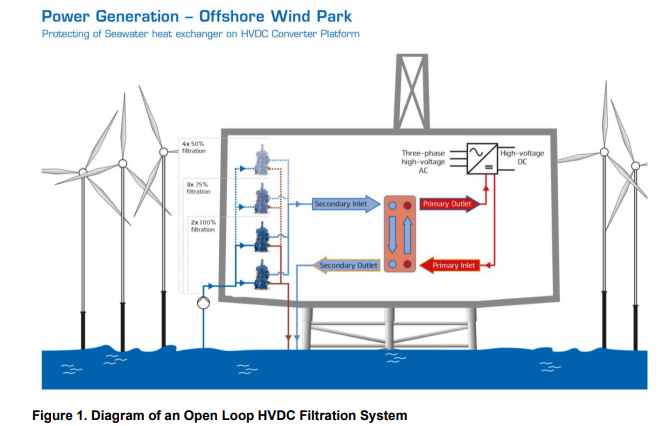
Protect Our Coast NJ submitted a petition (attached) on May 12, 2025 requesting EPA to withdraw a permit that would allow the Sunrise Wind to use an open loop cooling system. The gist of the filing:
“Sunrise Wind has obtained an EPA permit to pull nearly 8 million gallons per day (MGD) of seawater from the Atlantic Ocean and discharge it, after use in cooling and mixture with sodium hypochlorite (chlorine), back into the environment at elevated temperatures. This open-loop system was authorized by EPA Region 1 under NPDES Permit MA0004940. However, approval of this method ignores EPA’s Best Technology Available (BTA) requirement and no rigorous alternatives analysis was conducted to justify this method over a closed-cycle cooling system, despite the known and broad negative environmental impacts that will result, including harms to early life stages of marine species.
The facility lies within a biologically rich and economically vital region of southern New England and the New York Bight. NMFS and BOEM have acknowledged this area as essential fish habitat (EFH) for numerous federally managed species, including Atlantic cod, winter flounder, and longfin squid.“
 Bud's Offshore Energy (BOE)