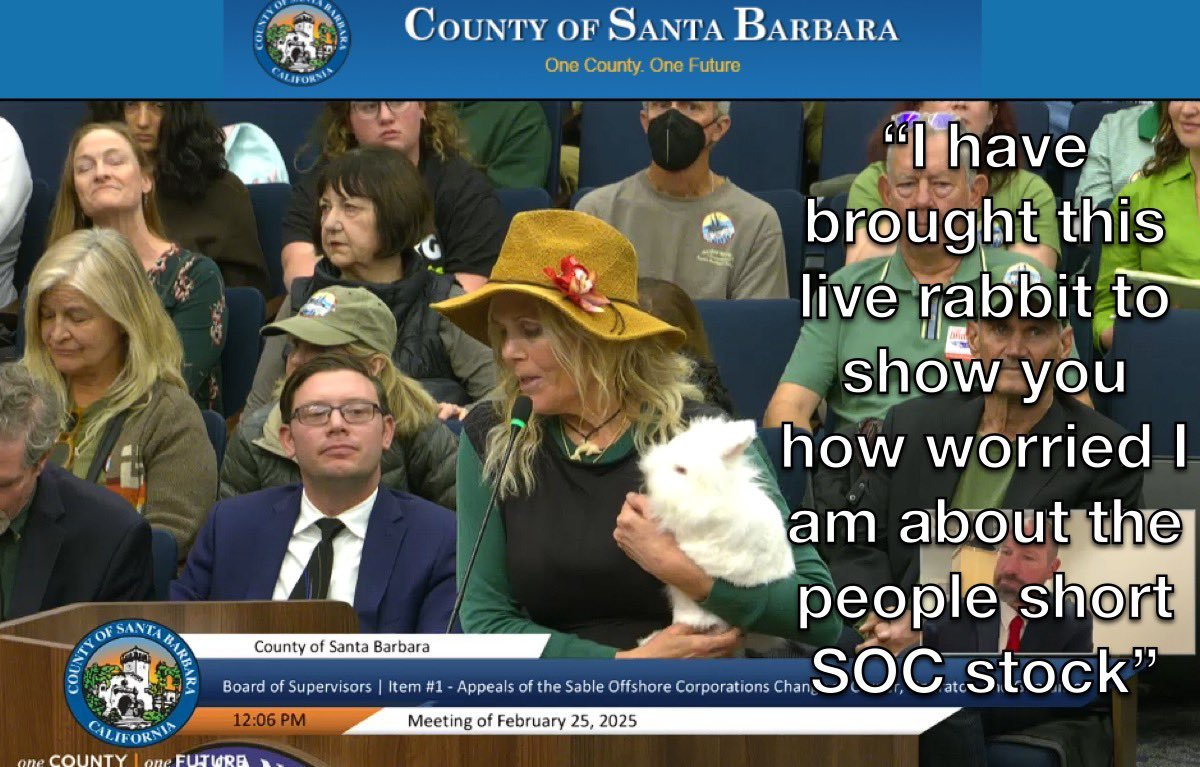
The Board voted 2-2 to uphold the approval of the transfer of permits from Exxon to Sable. The tie vote meant the appeal of the previous approval failed.
Interestingly, one of the Supervisors reportedly slammed the California Coastal Commission for being politically motivated and abusing the law.
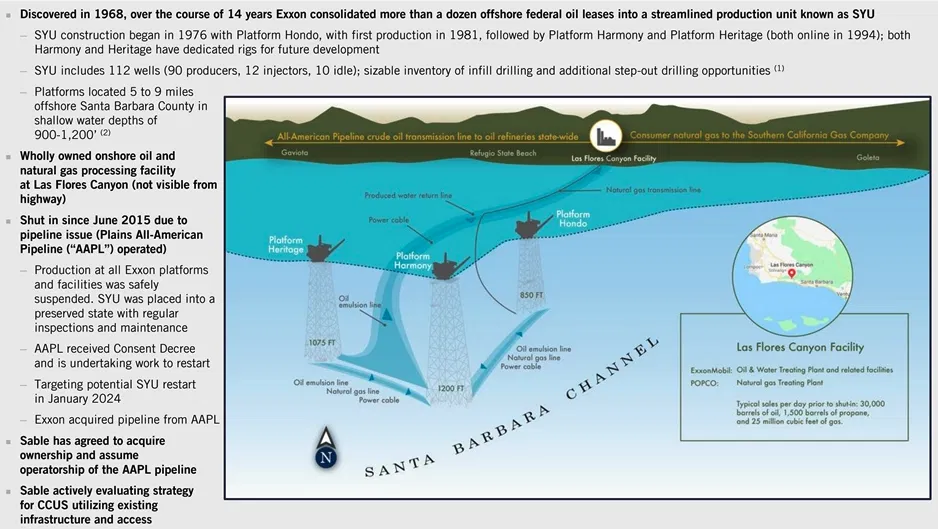
This will be the Board’s “first and last chance to have any influence over restarting the pipeline, and thus allowing the three offshore platforms to begin drilling again.” (Expect initial production to be from existing wells supplemented over time with new drilling, well workovers, and recompletions.)
The Board has limited authority in this matter: “The county’s legal advisors and energy planners have told the supervisors that there are no grounds to say no. It is not up to them to determine whether Sable’s liability insurance is enough to cover the costs of a reasonable worst-case oil-spill scenario; it’s only up to them to ascertain whether Sable has filed a certificate of insurance with the proper state agency.“
“All the essential questions regarding the pipeline’s safety measures are in the hands of California state agencies, headquartered in cities far away, with names so confusing that even people working there can’t tell you what the acronyms mean.” (see Regulatory fragmentation)
Interesting tidbits: “Danielson (the Sable representative) let me know that he would not be answering these questions. He was cordial, but he was not happy about a recent Independent story featuring attorney Linda Krop of the Environmental Defense Center perhaps Sable’s most implacable and formidable opponent, expounding in an unchallenged format on what a threat the pipeline still posed. Interviewing Krop was Victoria Riskin, herself a committed anti-oil advocate. Actress and Montecito resident Julia Louis-Dreyfus — of Seinfeld and Veep fame — apparently liked the article enough to send it to her social media followers.“
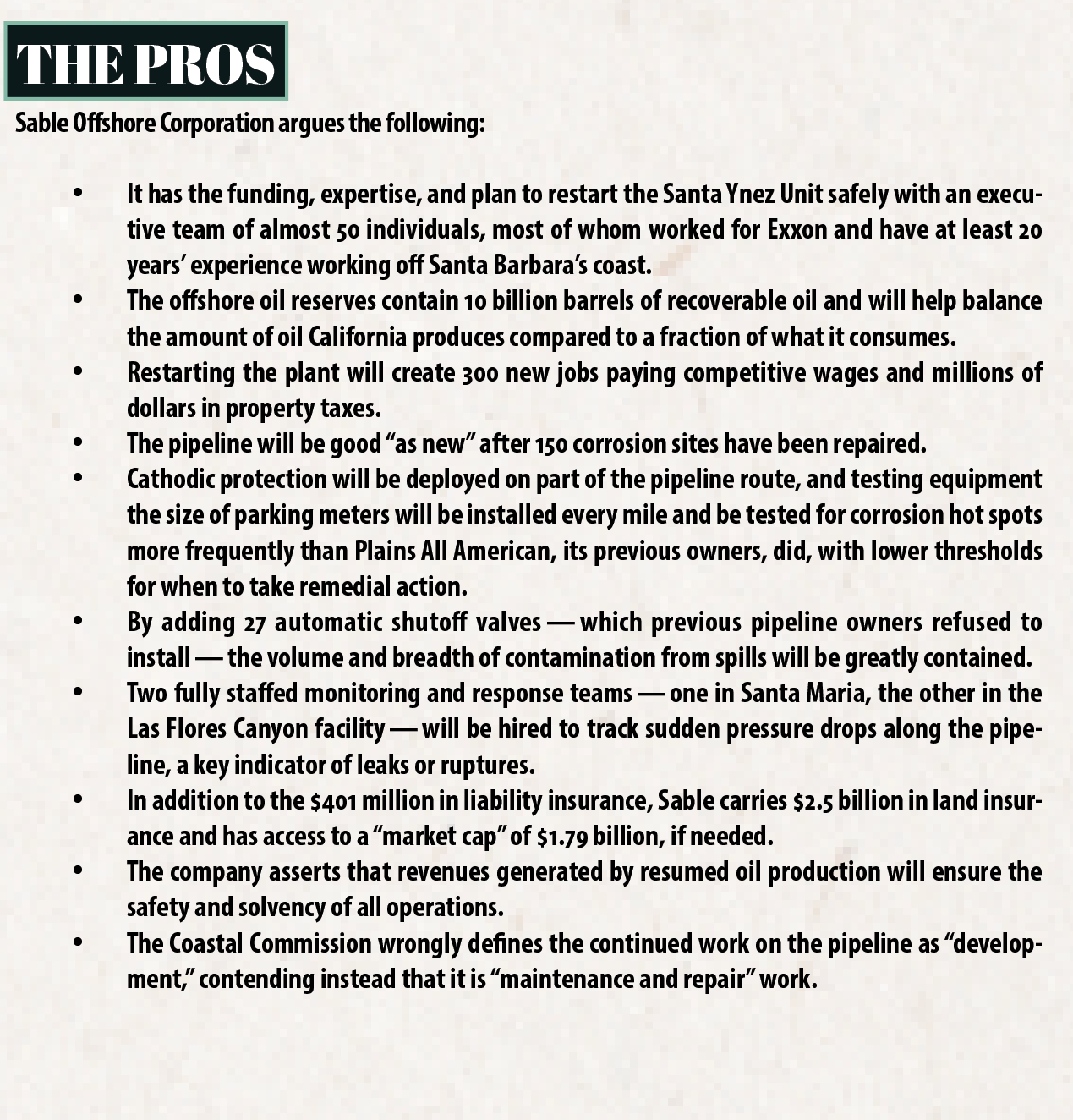
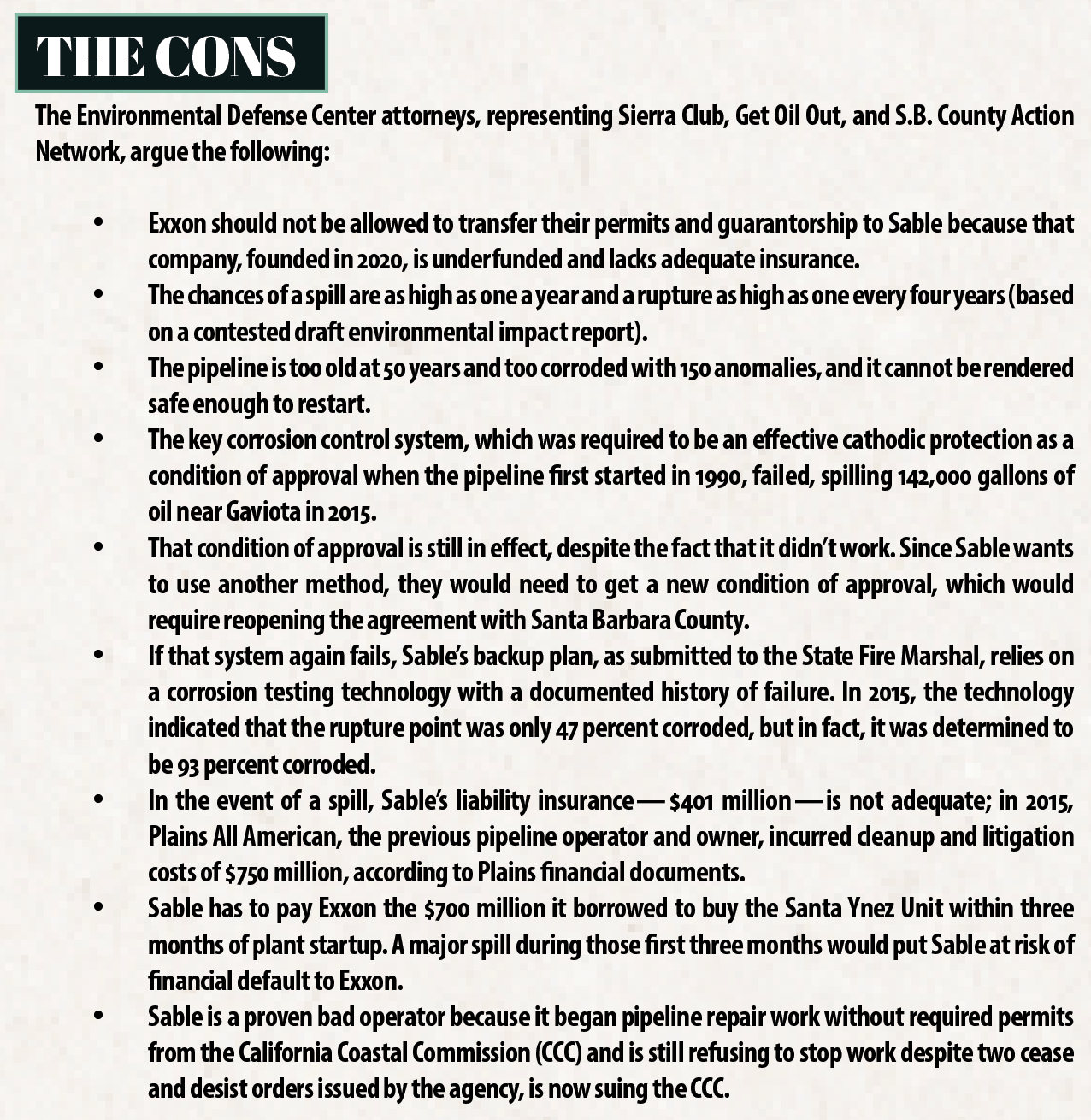
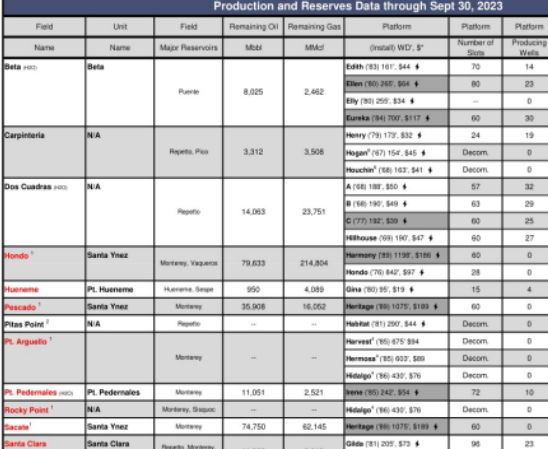
Below are the pros and cons of the SYU restart as cited by the Independent. (Clarification: The 10 billion bbl oil reserves number (“pros” slide) is at least an order of magnitude too high and is perhaps a typographical error. BSEE’s June 2023 data sheet (excerpt pasted at the end of this post) indicates remaining oil reserves of 190 million bbls for the 3 SYU fields. Adding the gas reserves ups the total to 243 million bbls of oil equivalent (boe). Additional reserves could likely be confirmed with new extended reach wells, but anything more than 1 billion bbls would be highly unlikely. Sable’s investor presentation (p.5) indicates 646 million bbl of Remaining Total Net Estimated Contingent Resources.)
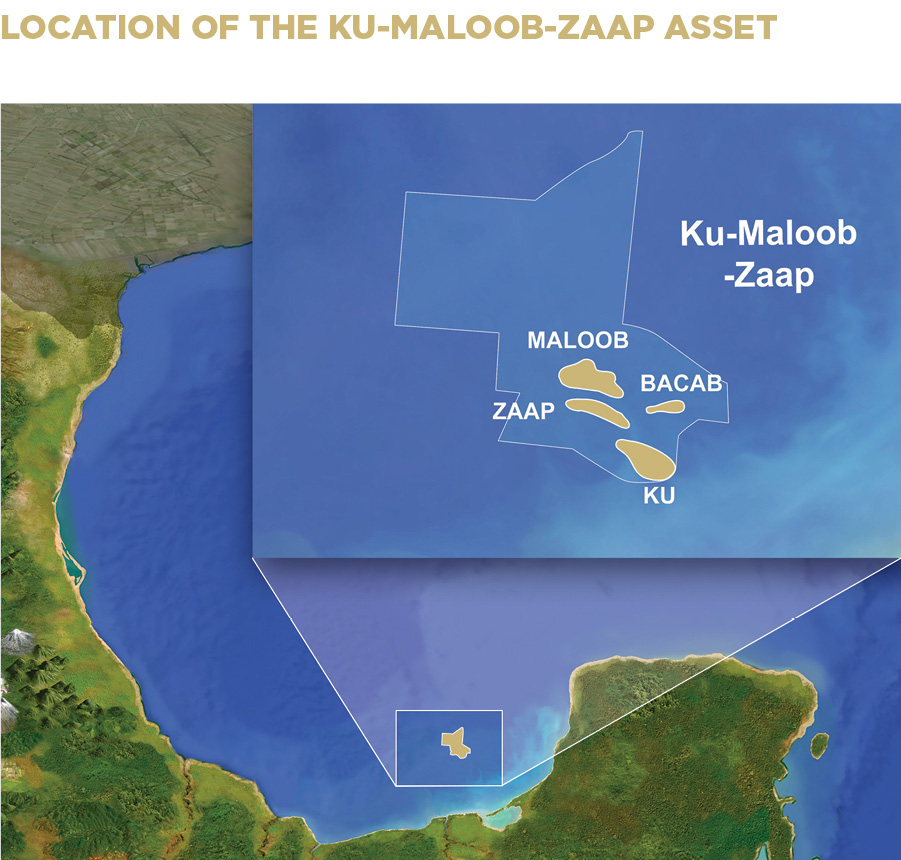
Mexico’s state-owned oil company, Pétroleos Mexicanos (Pemex), has confirmed an attack on a platform in the Ku-Maloob-Zaap (KMZ) oil complex located off the coast of Campeche state.
On the night of 13 February, eight unauthorised individuals boarded the Zaap-D platform in the KMZ.
The intruders stole radio equipment, various tools, and breathing apparatus.
No employees were physically harmed, although two workers were evacuated due to stress-related concerns.
In response, the company has strengthened security, deploying additional security personnel and coordinating with the navy ministry (Semar). (Question: What security measures were in place prior to the incidents?)
Mexican President Claudia Sheinbaum confirmed that the navy was “supporting Pemex in monitoring and responding to any assault on offshore platforms.” (Question: Did they apprehend the perpetrators?)
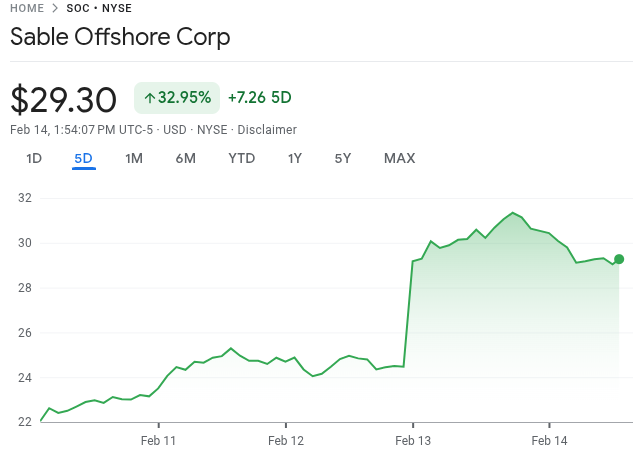
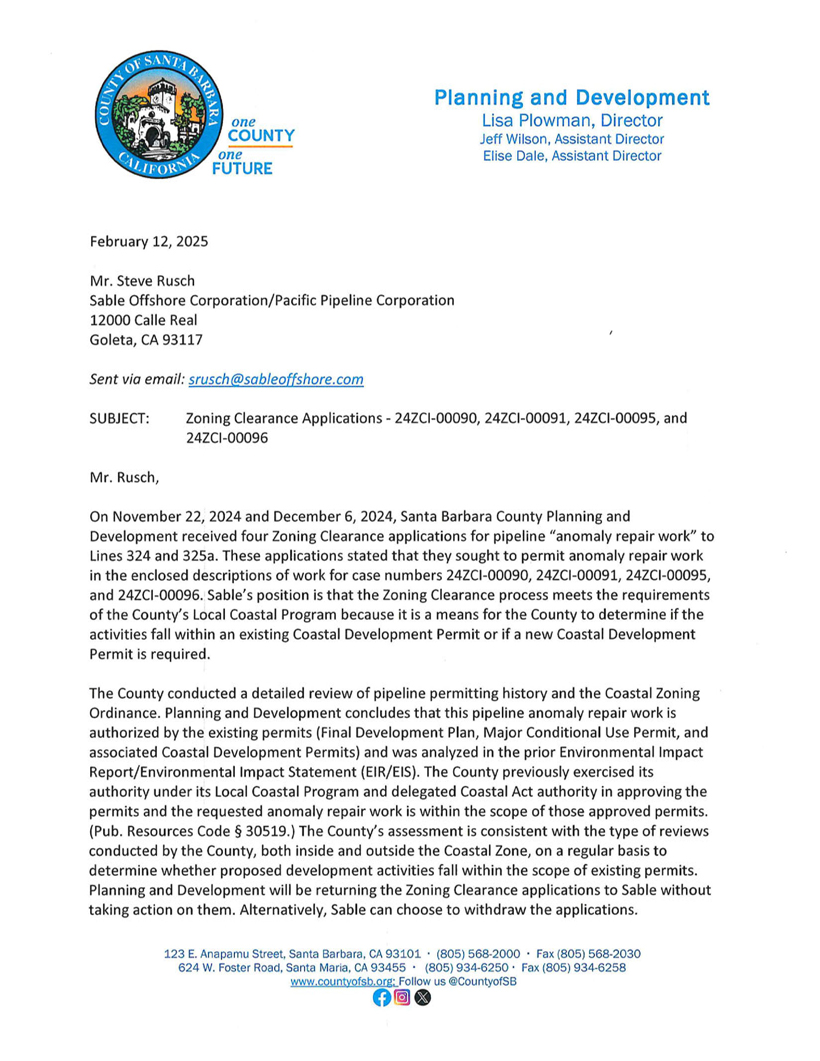
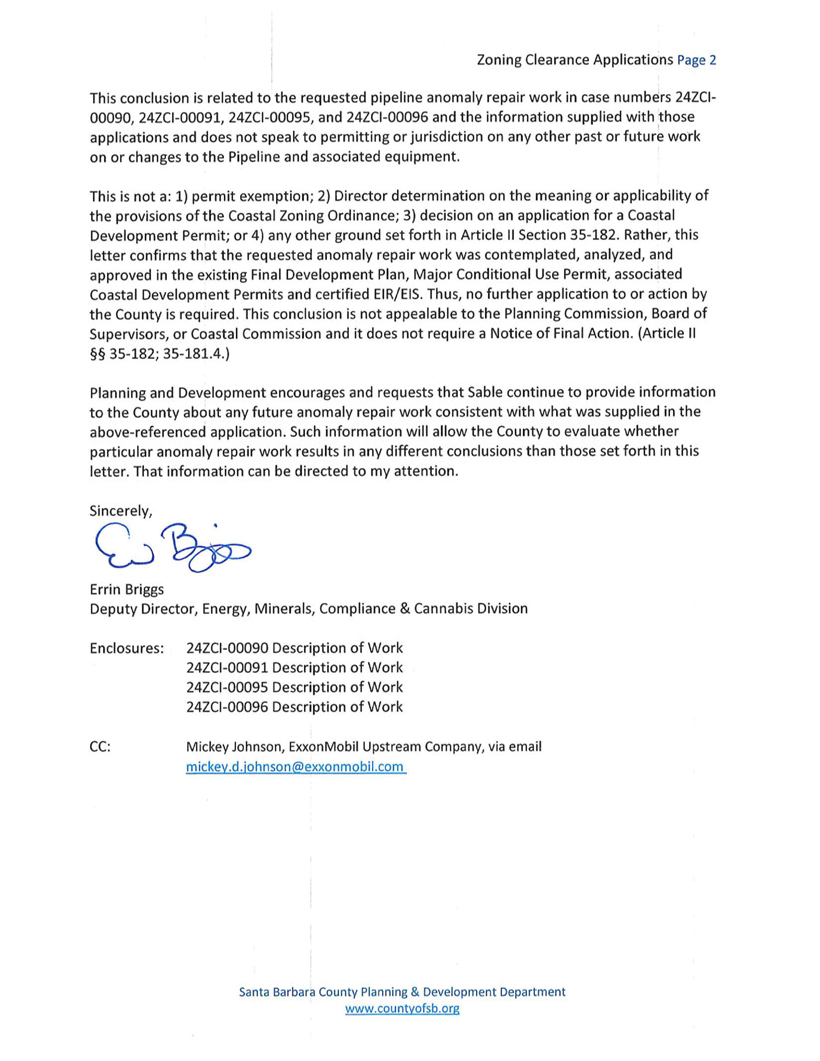
Sable’s stock soared on Thursday following a favorable Santa Barbara County decision (letter pasted below).
Sable’s path is still rocky. Decommissioning specialist John Smith notes that “Sable faces a number of permitting obstacles not to mention litigation by the Environmental Defense Center and others who are committed to trying to stop the SYU restart. The next hurdle will be a Feb 25 Santa Barbara County hearing on an appeal of the ownership transfer from XOM to Sable. And we should not overlook the OCS related litigation on ownership transfer, SYU Development and Production Plan updates, and Court ordered prohibition on fracking absent a Fracking EIS and consultation.”
The County’s letter is pasted below. Note the diverse responsibilities of this SBC division: Energy, Minerals, Compliance & Cannabis 😀
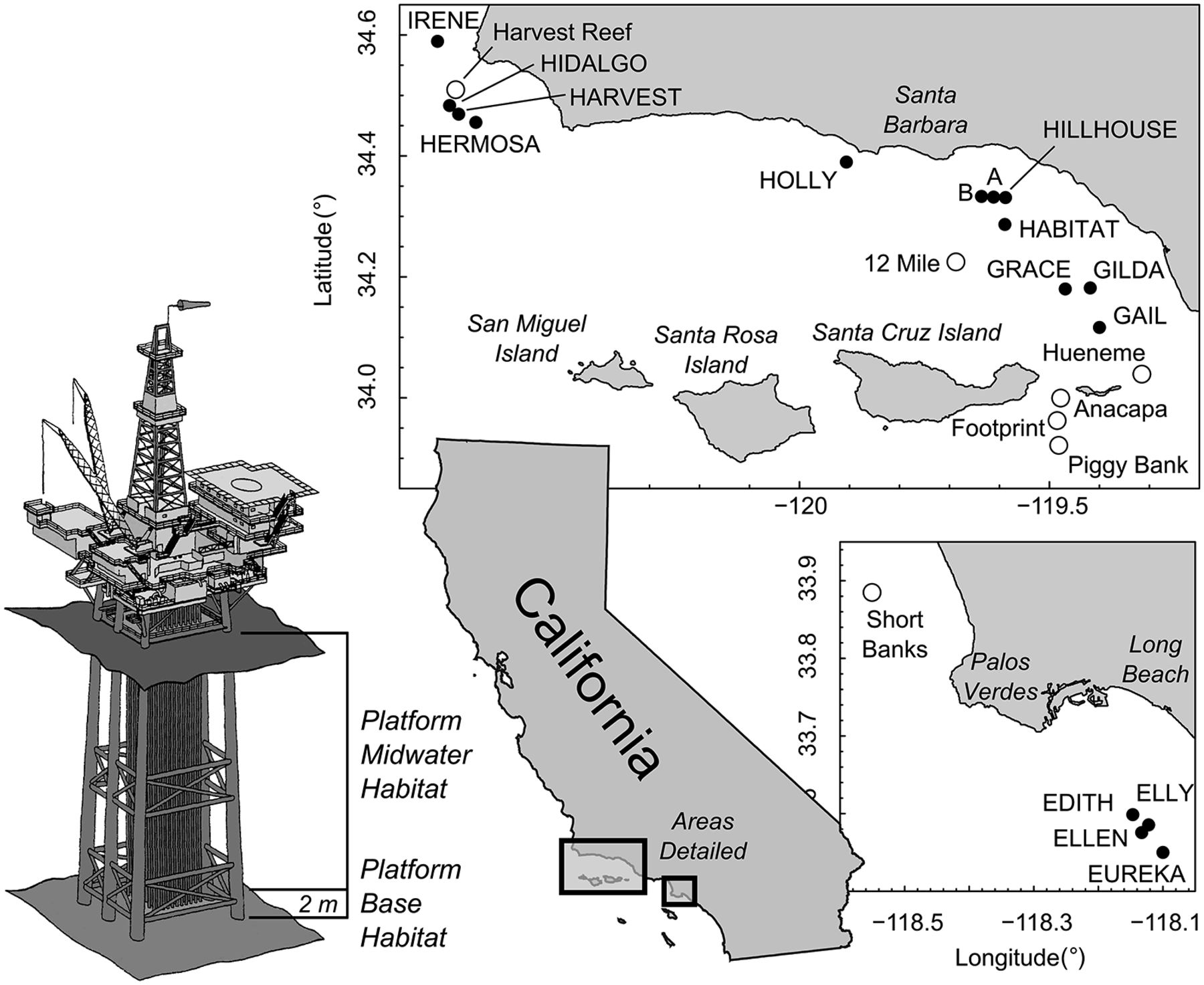
Inexplicably, BSEE’s ROD designates the most environmentally harmful, unsafe, and costly alternative as the “preferred alternative.” The decision is contrary to the opinions expressed by the leading experts on the ecology of California offshore platforms, most notablyDr. Milton Love of the University of California at Santa Barbara.
Why did BSEE select alternative 1 (complete removal) when their $1.6 million EIS acknowledges that alternative 2 (partial removal) is environmentally preferable? Was their decision influenced by activists who support the alternative that is most punitive to the industry they despise?
“On December 7, 2023, the Bureau of Safety and Environmental Enforcement (BSEE) issued a Record of Decision (ROD) recommending the full removal of California’s 23 offshore oil platforms in federal waters, following a Programmatic Environmental Impact Statement (PEIS) conducted to assess decommissioning options for platforms, pipelines, and other related infrastructure. However, upon close review, the PEIS and ROD appear to have reached misguided and detrimental conclusions due to critical oversights in their analyses.” Asher Radziner, Montecito Journal
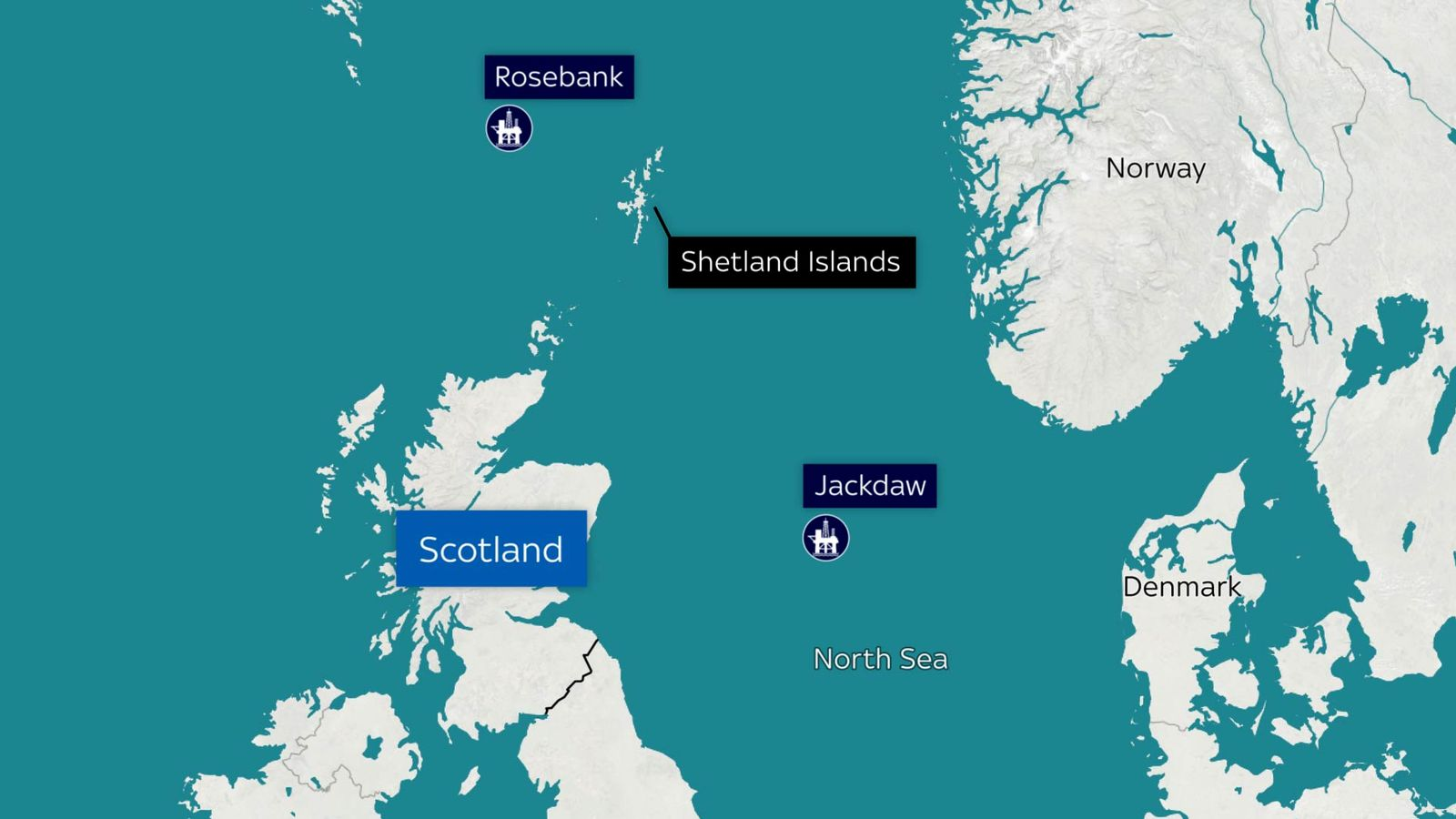
In the case of the Rosebank and Jackdaw fields, Lord Ericht ruled that the environmental assessment must take into account the climate effect of downstream emissions resulting from the consumption of oil and gas produced at those fields.
The Sale 257 decision was even more extreme in that Judge Contreras ruled that BOEM failed to consider the “positive” effect that higher prices (which might result from lower US offshore production) would have in reducing worldwide demand and the associated GHG emissions.
Regardless of one’s opinion on the extent to which GHGs affect the climate, halting UK and US projects will have virtually no effect on international oil and gas demand. That demand will be satisfied by other suppliers who will reap the economic benefits.
Presumably, revised environmental assessments, will allow the previously approved UK projects, for which some facilities have already been constructed and installed, to go forward. The UK government has been considering how to calculate downstream emissions. The model will no doubt yield outcomes that are highly uncertain.
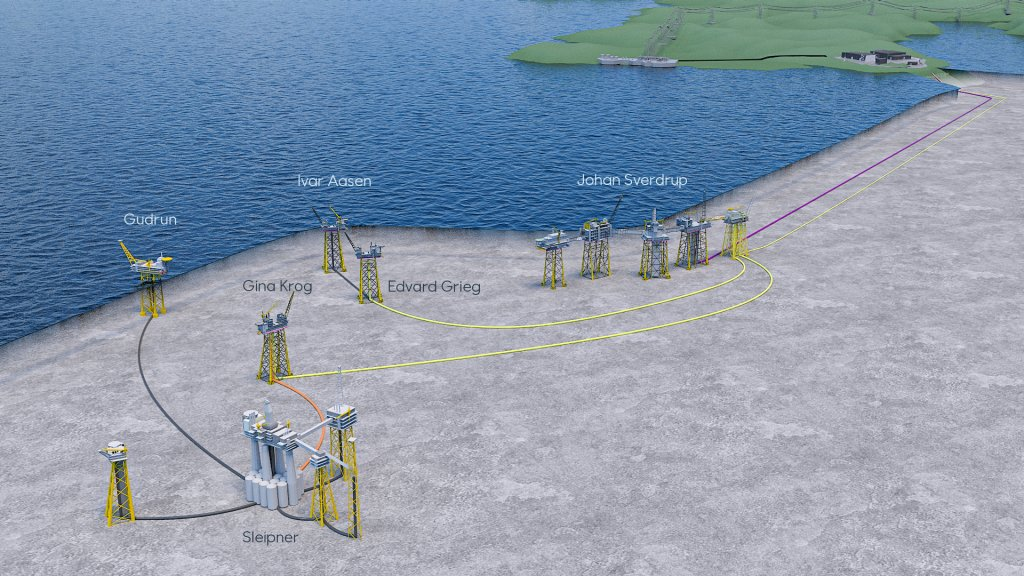
In the meantime, the UK sector of the North Sea, unlike its Norwegian counterpart, continues to flounder.
“We need more of it because even the most ardent supporters of renewable energy, the most vocal proponents of net zero, quietly admit oil and, especially, gas will be needed for a couple of decades at least. That obvious truth, that inarguable necessity, is not, apparently, enough for ministers to encourage UK production, however, or temper their rhetoric around renewables.“
“Allowing our rigs and refineries to power down and relying on other countries to keep the lights on still seems a little, well, counter-intuitive. We will import oil and gas but not produce it while happily exporting contracts, skills and jobs overseas? The practical impact of Labour’s refusal to grant new exploration licences in the North Sea might remain unclear but the message it sent was absolutely crystal.“
Of particular interest are mandated reviews of the:
RIsk Management and Financial Assurance Rule: Those who want to gut this rule should come to the table with proposals that better protect the taxpayer from decommissioning liabilities. Pretending that decommissioning financial risks don’t exist or that they are someone else’s (or the govt’s) problem is unacceptable.
5 Year leasing program – This review is urgently needed. See this and this!
BOP/Well Control Rule – This keystone safety rule has undergone multiple reviews in recent years. Because of the rule’s importance, further review for continuous improvement purposes may nonetheless be warranted. Here are the blog comments on the current version of the rule.
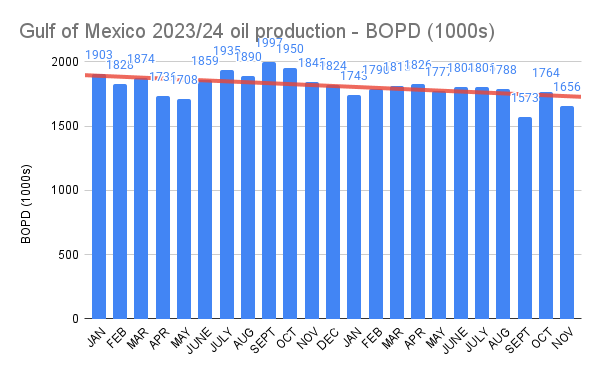
November 2024 Gulf of Mexico oil production was the lowest in the 2023/24 timeframe, with the exception of Sept. 2024 when production was reduced by Tropical Storms Francine and Helene.
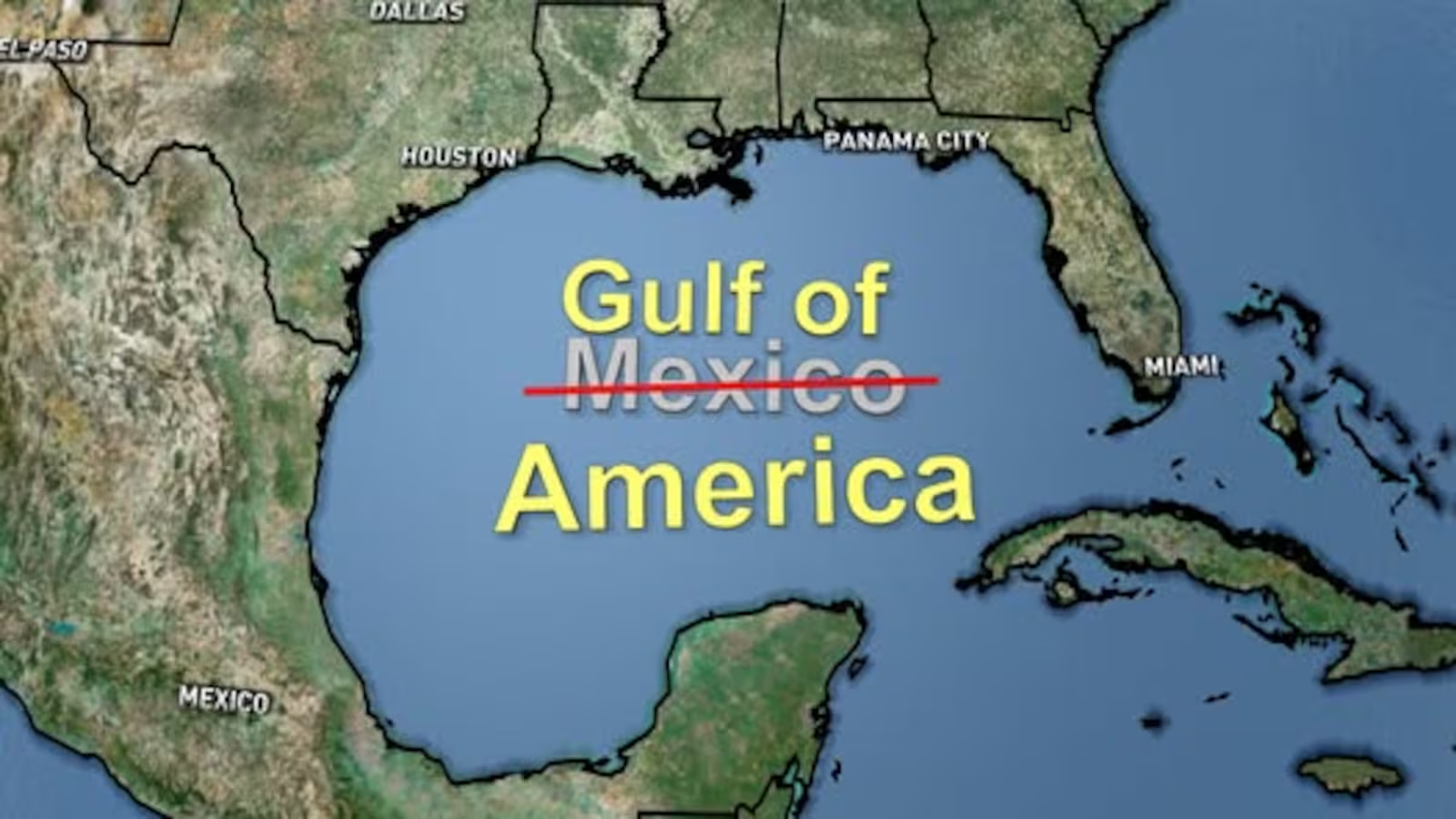
Look for production in the Gulf of America to soar! (eventually😉)

 Bud's Offshore Energy (BOE)