Feeds:
Posts
Comments

Archive for the ‘hurricanes’ Category

After devastating South Florida during August 25, 1992, Hurricane Andrew struck Gulf of Mexico facilities the following day. Sustained winds were 140 mph with gusts to 160 mph, and significant wave heights were 35-40 feet. About 700 platforms were exposed to hurricane force winds. 241 platforms and 83 pipeline segments incurred substantial damage.

All workers had been evacuated from the offshore facilities without incident. Surface and subsurface safety systems performed as intended, and there were no uncontrolled flows from production wells. According to respondents to a JP Kenny survey for MMS, 2698 valves were closed during the storm as follows:

valve typeactivatedfailed
subsurface safety valves7160
master surface safety valves7295
wing surface safety valves4600
pipeline shutdown valve4150
pipeline check valve3780

The five MSSV failures were at facilities directly in the path of the eye in an area where the storm damage was most severe.

The valve performance reporting was associated with a research project and was thus voluntary. It’s therefore important to give credit to the companies that participated (a number of which no longer exist): Amoco, Aquila Energy, BP, Chevron, Four Star O&G, Gulfstream, Houston Expl., Kerr-McGee, Mobil, Pennzoil, Samedan, Shell, Sonat, Stone, Tennessee Gas PL, Texaco, and Unocal.

Also, in reviewing the survey responses it’s clear that there was some confusion about what to report. Most facilities were completely shut-in well ahead of the storm’s arrival and the survey requests information on valves that were shut-in (presumably automatically) during the hurricane. Reporting was therefore inconsistent, and the total number of shut-in valves was under-reported.
Read Full Post »

In the past the thought was that we would be importing LNG, i.e. “Rigs-to-Regasification.” Now that we are exporting LNG, we are adding “Rigs-to-Refrigeration” to the alternative use list.

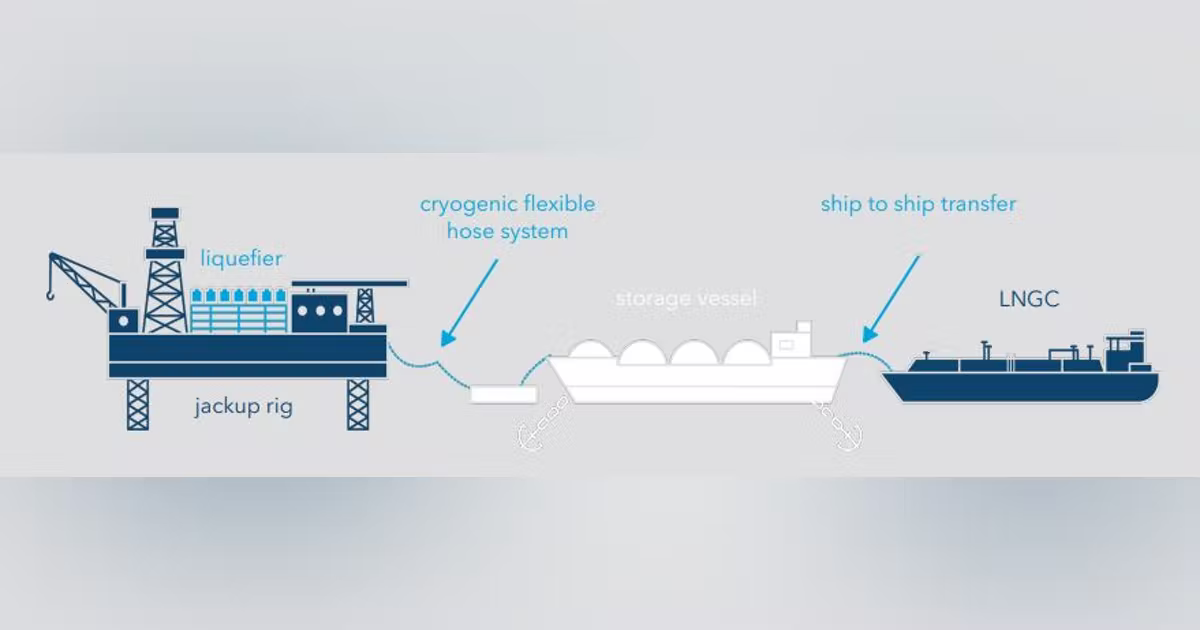
Per our previous post on this topic, New Fortress Energy is moving forward with fast-track LNG projects in the Gulf. Three converted jack-up rigs purchased from Maersk will make up the first “Fast LNG” liquefaction train.

New Fortress is planning to install its first two “Fast LNG” units in West Delta Lease Block 38, located about 16 nm off Grand Isle, Louisiana. The two independent liquefaction trains at this deepwater “port” would export about 1.4 million tonnes per annum (mtpa) of LNG each. Though small by shoreside standards, the plant design would offer a number of advantages, like low cost and speed to market – a critical factor at a time of high demand for LNG. The company says that it should be able to produce each facility on an 18-20 month timescale, from engineering through construction and commissioning. 

Maritime Executive

Given the challenges posed by tropical storms, particularly for jackup units, the design criteria for these “permanent” jack-up liquefaction facilities and the role of classification societies are of particular interest.

Read Full Post »

Read Full Post »

BOE was troubled by this incident and the contractor’s statements that followed.

BSEE has posted a strong safety alert.

The BSEE investigation concluded that the operator and contractor representatives failed to promptly start the Temporary Abandonment (TA) procedures.

BSEE’s investigation report provides complete details on the incident.

Globetrotter II

Read Full Post »

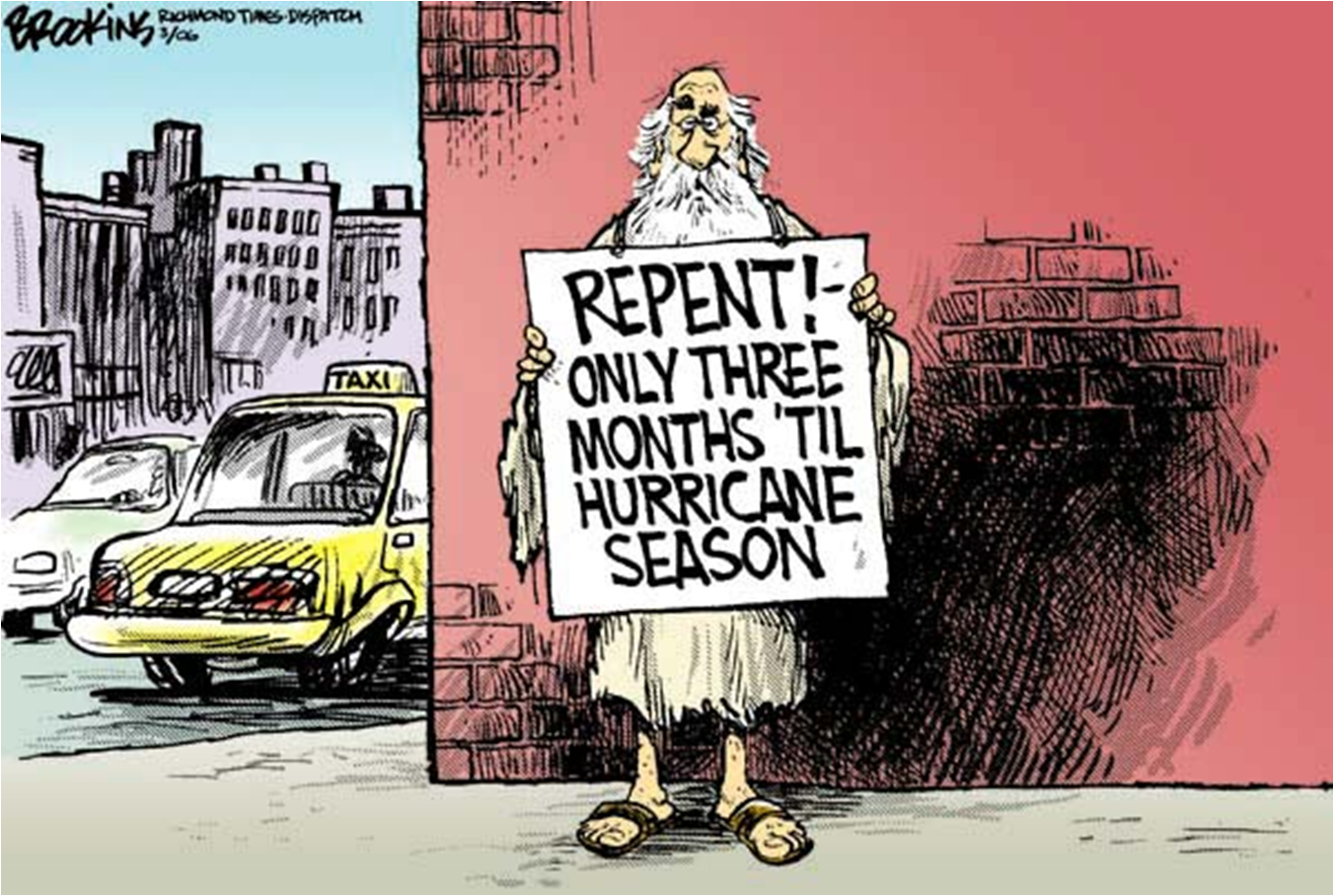
This is a great Gary Brookins cartoon from March 2006 that has been featured in some of my presentations. We now have only one month until the official start of the 2022 Atlantic hurricane season so my post is a bit late! However, the season peaks in mid-September, so you could also argue that I’m posting this too early!

Read Full Post »

Read Full Post »

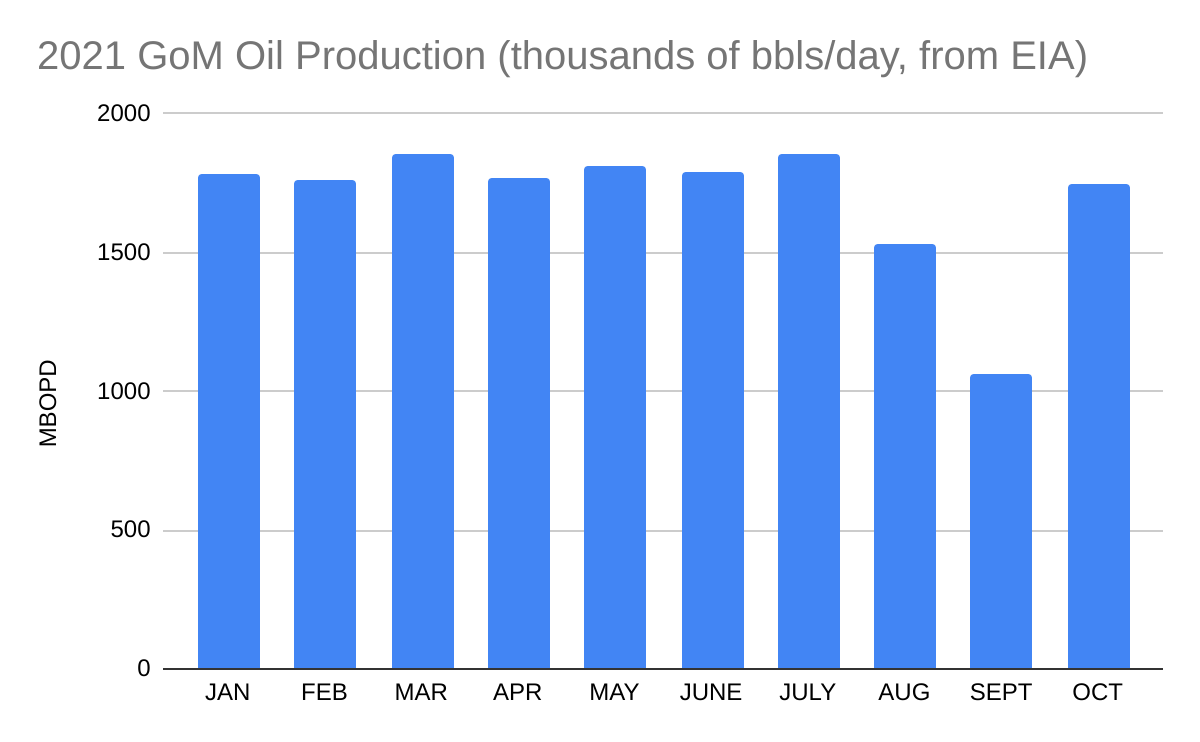
EIA data

October production rebounded to 1.744 million BOPD from the 2021 low of 1.064 million BOPD in September (Hurricane Ida). November and December production should exceed 1.8 million BOPD.

Read Full Post »

Data from EIA

More than half of GoM oil production was shut-in for 13 days in September and several hundred thousand BOPD were shut-in for the rest of the month. The result was a 42% reduction in production from pre-Ida (July) levels.

All production has now been restored so the December EIA figures should give us a good read on stablized post-Ida production.

Read Full Post »

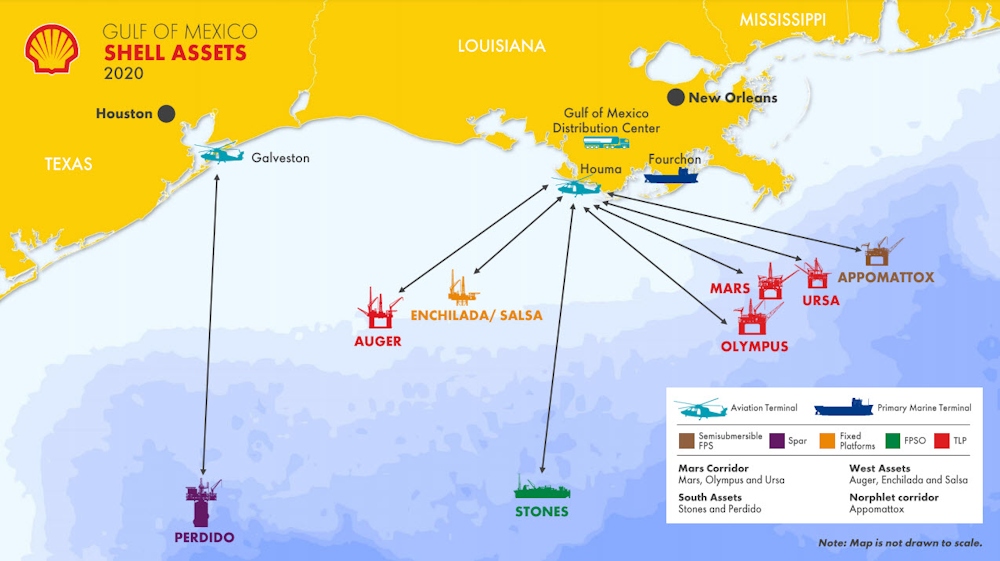
Per Shell, production at Mars and Ursa has restarted. Olympus was restarted on 10/1. The December production figures should give us a pretty good indication of stabilized GoM production post Ida.

210902 Shell Go M Asset Map

Read Full Post »

The 5th U.S. Circuit Court of Appeals granted an emergency stay of the requirement by the federal Occupational Safety and Health Administration that those workers be vaccinated by Jan. 4 or face mask requirements and weekly tests.

NPR

This court action was completely predictable from the outset. OSHA no doubt knew this but had no option but to dedicate substantial resources to the task. In all likelihood, the ETS/regulation will never be finalized.

Many (probably most) proposed regulations are never completed. Others never get beyond the concept stage. Establishing an OSHA rule takes an average of 7 years. That is not at all atypical for Federal regulators. There are much better ways to accomplish the regulatory objectives as was demonstrated after Hurricanes Katrina and Rita in 2005. Unfortunately our political system frowns on collaborative approaches so we do things the hard way – accomplishing much less in much more time and at a far greater cost.

Read Full Post »

« Newer Posts - Older Posts »