Feeds:
Posts
Comments

Archive for September, 2025

The table below captures the shorter public comments and provides links to the longer ones. They are listed in the order they were posted on Regulations.gov.

commentersummary/link
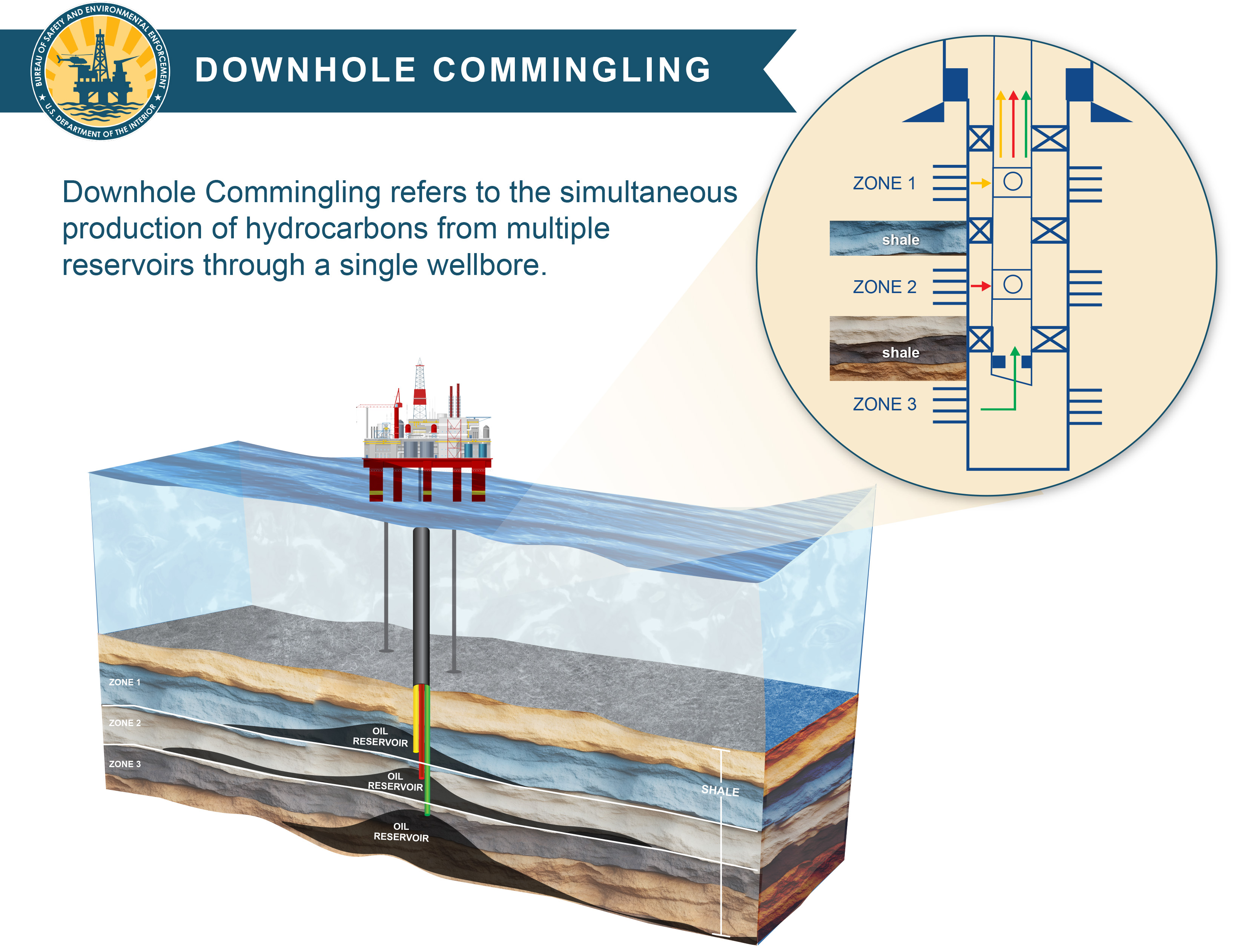
anonymousI recommend under no circumstance that we allow the onsite worker to approve the commingling of bore holes because there is extreme significant safety and environmental hazards that exist.
The best alternative is to have an environmental engineer and environmental scientist approve any commingling
Our Children’s Trust…your regulatory proposal is inconsistent with the federal law, the best available science on protecting the health and lives of children, and the legal mandate that agency decision-making does not deprive children of their fundamental constitutional rights…
E.P. DanenbergerSee BOE post
anonymousI support updating the regulations to align with the One Big Beautiful Bill Act, but I encourage BSEE to ensure that safety standards and environmental protections remain the highest priority in all commingling approvals. Clear guidance for industry compliance and transparent public reporting would also strengthen confidence in this rule.
Ananda FosterRegulations need to catch up with technology and we have not had a chance to do that yet. If you allow them on throttle access, they will destroy it. We all rely on the ocean, how can you do this to your own constituents?
APISupports direct final rule
bp AmericaSupports direct final rule

Legislatively dictating well construction, completion, or operational approvals is a redline for me, and I continue to strongly believe the downhole commingling rule should be published as a draft for public review and comment.

The only industry comments are from API and bp America. Both support the direct final rule, and I respect their position. My main quarrel is with the legislative action that put us in this position.

I have had many disagreements with API members over the years, but the dialogue has always been professional. Technical and policy disagreements are healthy for the OCS program, and I will continue to raise potential issues and concerns on this blog.

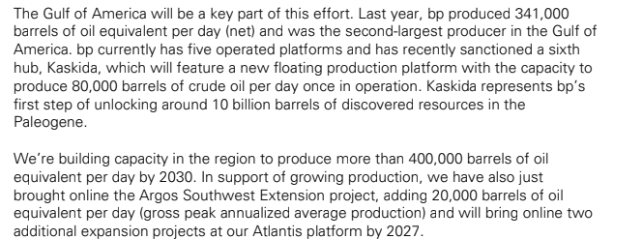
With regard to bp, I have been impressed by their commitment to the Gulf of America, as summarized in this excerpt from their comments:
Read Full Post »

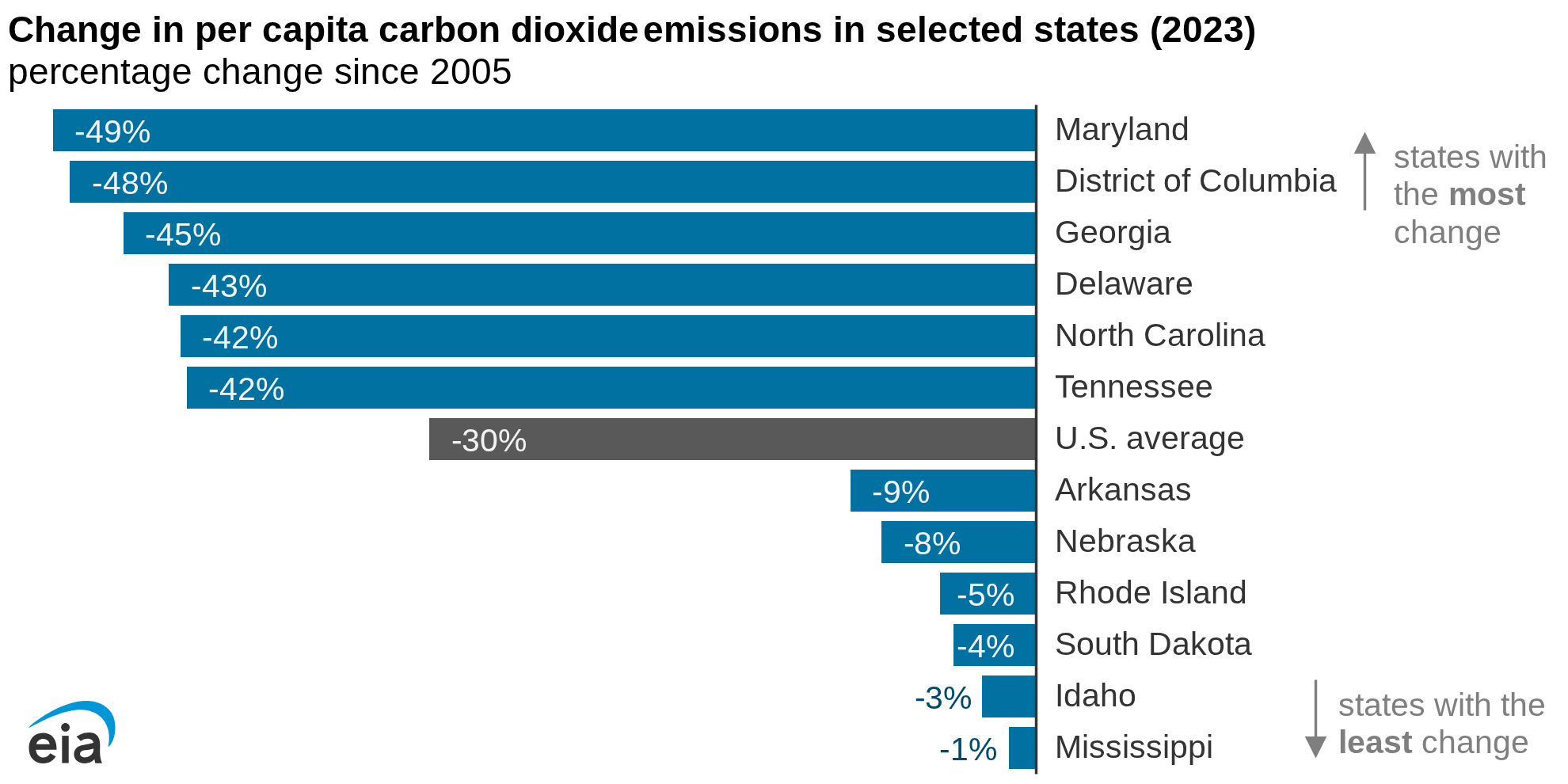
EIA: Per capita CO2 emissions from primary energy consumption decreased in every state from 2005 to 2023, according to recently released data in our State Energy Data SystemTotal energy-related CO2 emissions in the United States fell 20% over that time, and the population grew by 14%, leading to a 30% decrease in per capita CO2 emissions.

Read Full Post »

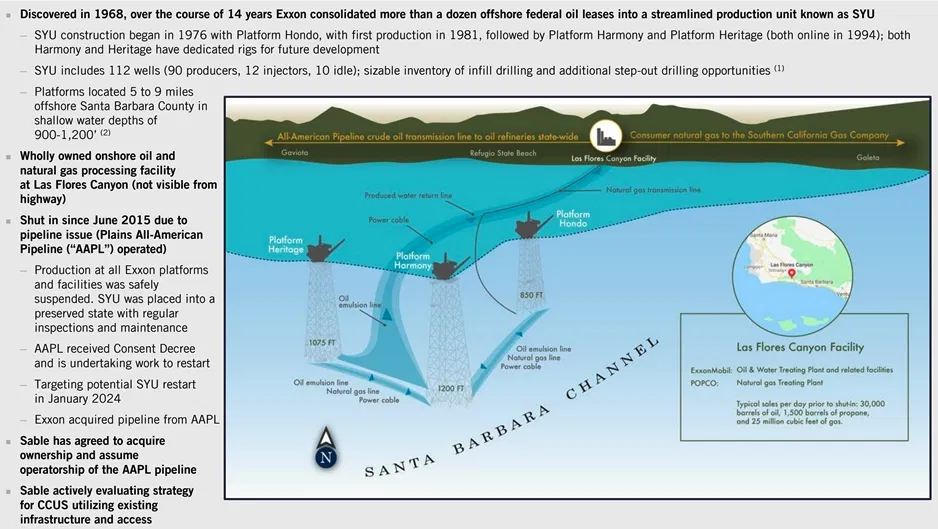
John Smith shared the attached letter from Senators Adam Schiff and Alex Padilla, and members of the California congressional delegation. The letter questions BSEE’s inexplicable announcement about the resumption of Santa Ynez Unit (SYU) production. That announcement boasted:

This is a significant achievement for the Interior Department and aligns with the Administration’s Energy Dominance initiative, as it successfully resumed production in just five months.

BSEE’s announcement, which has not been explained and is still featured on their homepage, served only to further complicate the resumption of production from the SYU, which has reserves in excess of 500 million barrels.

Read Full Post »

FPSO Almirante Tamandaré; Source: SBM Offshore

ANP (Agência Nacional do Petróleo, Gás Natural e Biocombustíveis) nicely organizes and presents Brazil’s production data. Their 30-page monthly bulletin includes field specific information. The US does not have an equivalent publication.

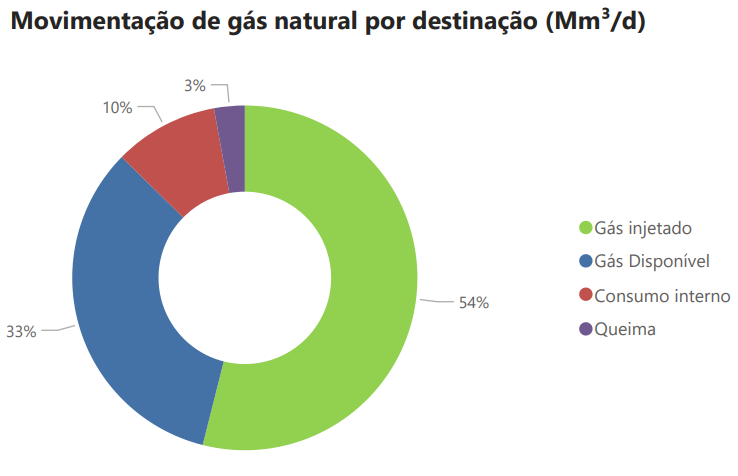
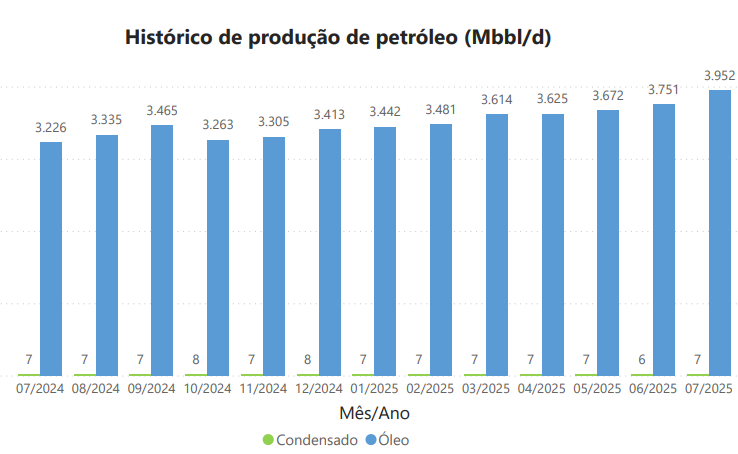
Brazil produced 5.16 million boe/day in July, 97.7% of which was from offshore fields. Oil production was 3.959 million bopd, making Brazil the no. 1 offshore producer. Brazil’s offshore oil production is approximately the equivalent of the combined offshore production of the US and Norway.

How important is Brazil’s offshore sector? Their offshore production is from 568 wells. Assuming all 568 wells were actively producing oil wells (no gas or service wells), the average production rate was ~7000 bopd plus associated gas. More than 10 times as many wells (6033) produced Brazil’s limited onshore production. So <10% of Brazil’s wells (all offshore) account for nearly 98% of their production.

How important is pre-salt exploration and production technology? Pre-salt production (only 169 wells) accounted for 79.1% of the national total of 5.16 million boe/d. This means that pre-salt wells averaged 24,000 boe/d.

Room for improvement? 2.9% of the produced gas was flared (queima) in July (first chart). Over the past year, Brazil’s flaring volumes ranged from 2.2 to 3.9% of gas production. The fact that nearly all of their gas production is from oil wells, the growth in production (2nd chart), and the higher upset potential (perhaps) for FPSOs, may help explain the relatively high flaring numbers. 1.3% of Gulf of America gas production was flared or vented in 2024 (still too high). <1% flaring rates should be the target for all offshore producers.


Read Full Post »

and should be an integral part of Job Safety Analyses!

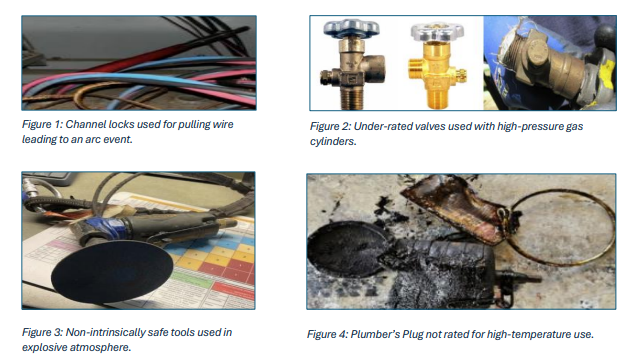
According to BSEE, there is a recurring trend of equipment misuse contributing to fire and explosion hazards during offshore oil and gas operations in the Gulf of America.

Workers have used tools not rated for electrical work on live circuits (Figure 1) and mismatched hydraulic or pneumatic tools for high-pressure systems (Figure 2). In several cases, non-intrinsically safe hand tools were used in explosive atmospheres, including mudrooms and drilling floors.

The Safety Alert is attached.

Read Full Post »

What’s next for Sable Offshore?

Read Full Post »

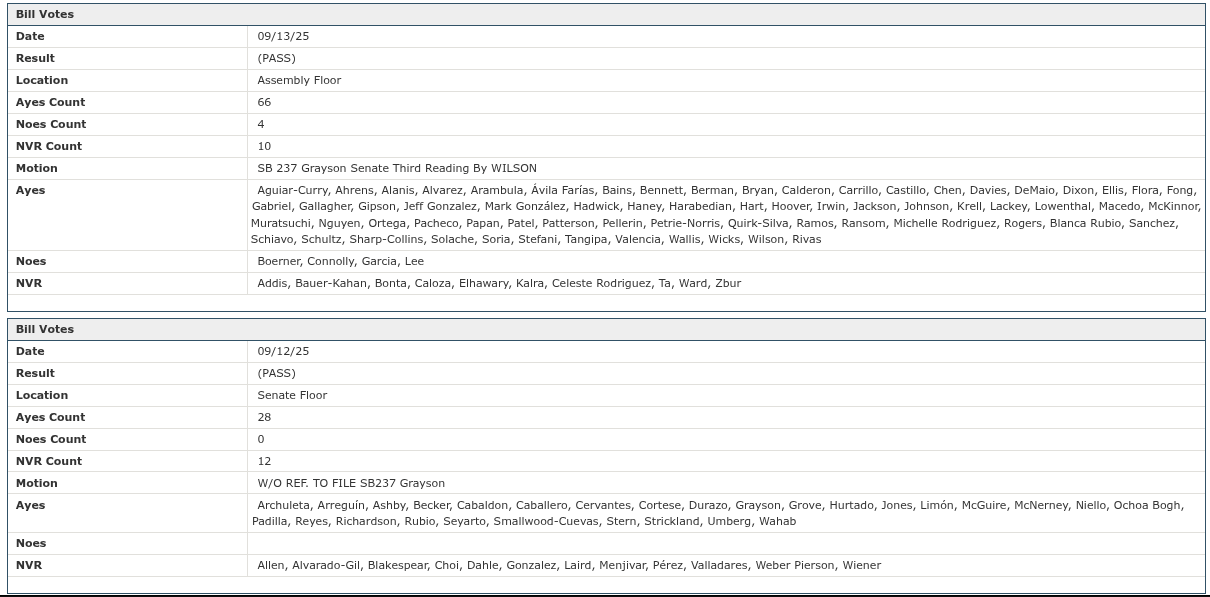
California Senate Bill 237, the compromise oil legislation supported by Gov. Newsom, Assembly Speaker Rivas, and Senate President McGuire, opens up Kern Co. drilling in exchange for pipeline safety measures that will doom the Santa Ynez Unit (SYU) if Sable fails to restart production by Jan. 1.

Particularly intriguing is the the list (below) of SB 237 supporters and opponents. The Western States Petroleum Assoc. (WSPA), is aligned with the unions for onshore drilling and against the SYU. Note that Exxon is a prominent WSPA members! Exxon assigned the SYU to Sable and is on the hook for massive decommissioning costs if production is not resumed. Perhaps Exxon has a backup plan for the SYU?

Also note that all of the environmental groups are aligned against SB 237. Compromise is not in their playbook.

John Smith’s highlighted summary of SB 237 is attached. Here is the provision that would seem to doom Sable:

Clarifies in the Coastal Act that development associated with the repair, reactivation, or maintenance of an oil pipeline that has been idled, inactive, or out of service for five years or more requires a new CDP, as provided.

REGISTERED SUPPORT / OPPOSITION:
Support
Associated Builders and Contractors of California
Berry Petroleum Company, LLC
California Conference of Carpenters
California Independent Petroleum Association
California Resources Corporation and Subsidiaries
California state Pipe Trades Council
California State Association of Electrical Workers
City of Bakersfield
Consumer Watchdog
County of Kern
State Building & Construction Trades Council of California
Western States Petroleum Association

Opposition
Asian Pacific Environmental Network Action
California Environmental Justice Alliance Action
California Environmental Voters
Campaign for a Safe and Healthy California

Center for Biological Diversity
Center on Race, Poverty & the Environment
Central California Environmental Justice Network
Clean Water Action
Climate First: Replacing Oil & Gas
Communities for a Better Environment
Earthjustice
Leadership Council for Justice and Accountability
Physicians for Social Responsibility Los Angeles

Read Full Post »

John Smith has highlighted the attached bill that could, if passed, further derail Sable’s plans to restart Santa Ynez Unit (SYU) production.

This provision appears to target Sable:

Section 3(b)(2): Repair, reactivation, and maintenance of an oil and gas facility facility, including an oil pipeline, that has been idled, inactive, or out of service for five years or more shall be considered a new or expanded development requiring a new coastal development permit consistent with this section.

The legislation would be effective on 1/1/2026 so perhaps Sable will already be producing. Sable may also explore the jurisdictional and interstate commerce issues touched on in this post.

This LA Times update adds to the confusion as to the implications for Sable.

Read Full Post »

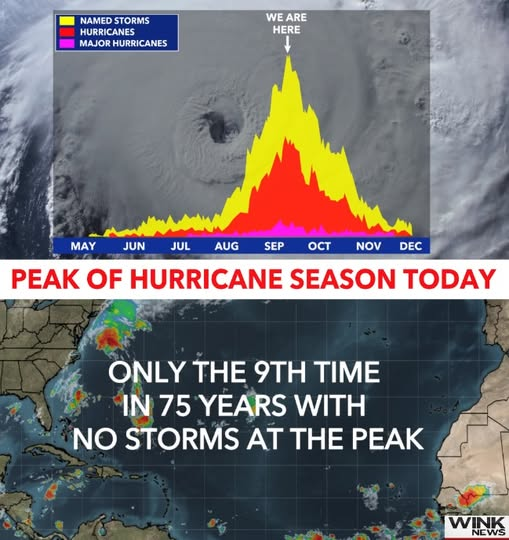
No words 😢

Read Full Post »

Read Full Post »

« Newer Posts - Older Posts »