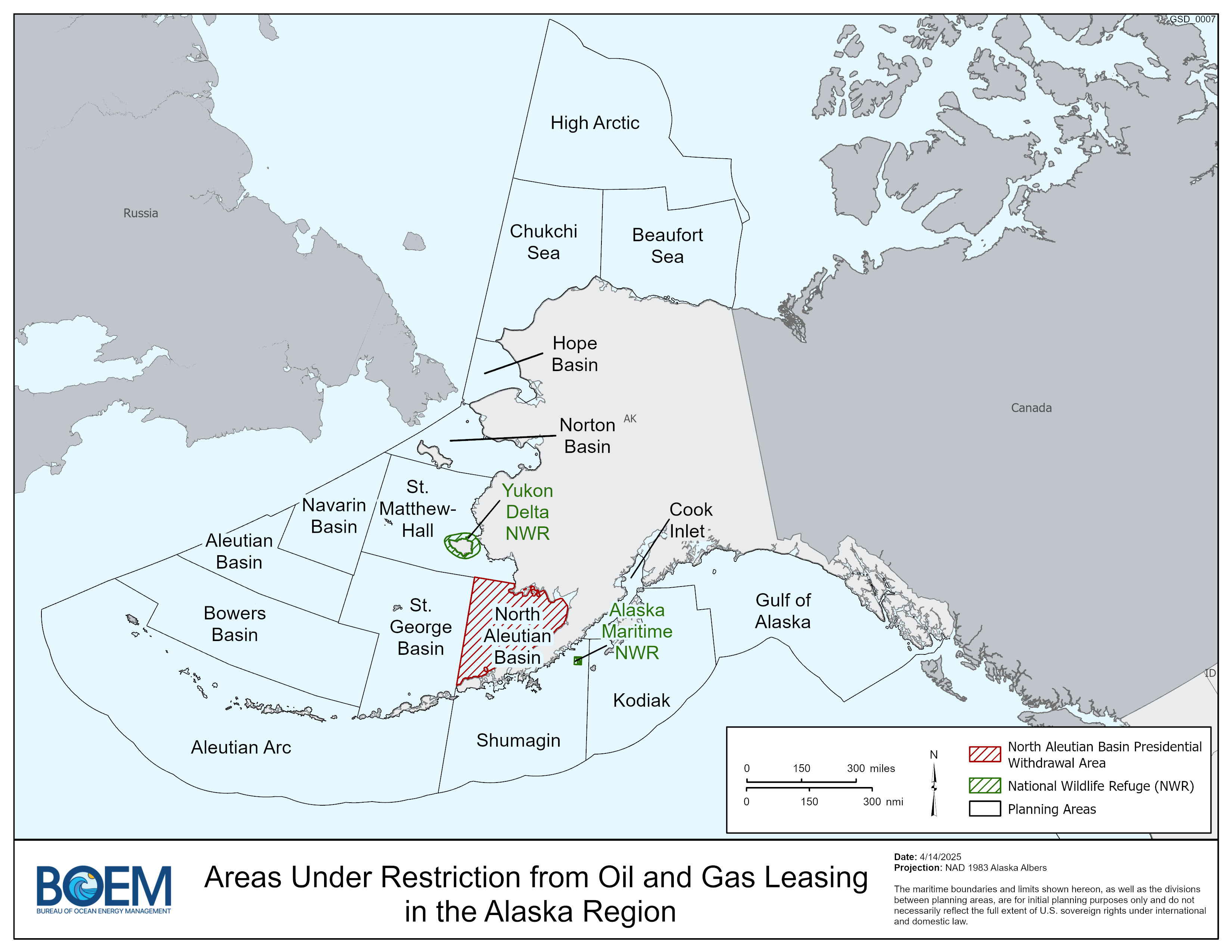
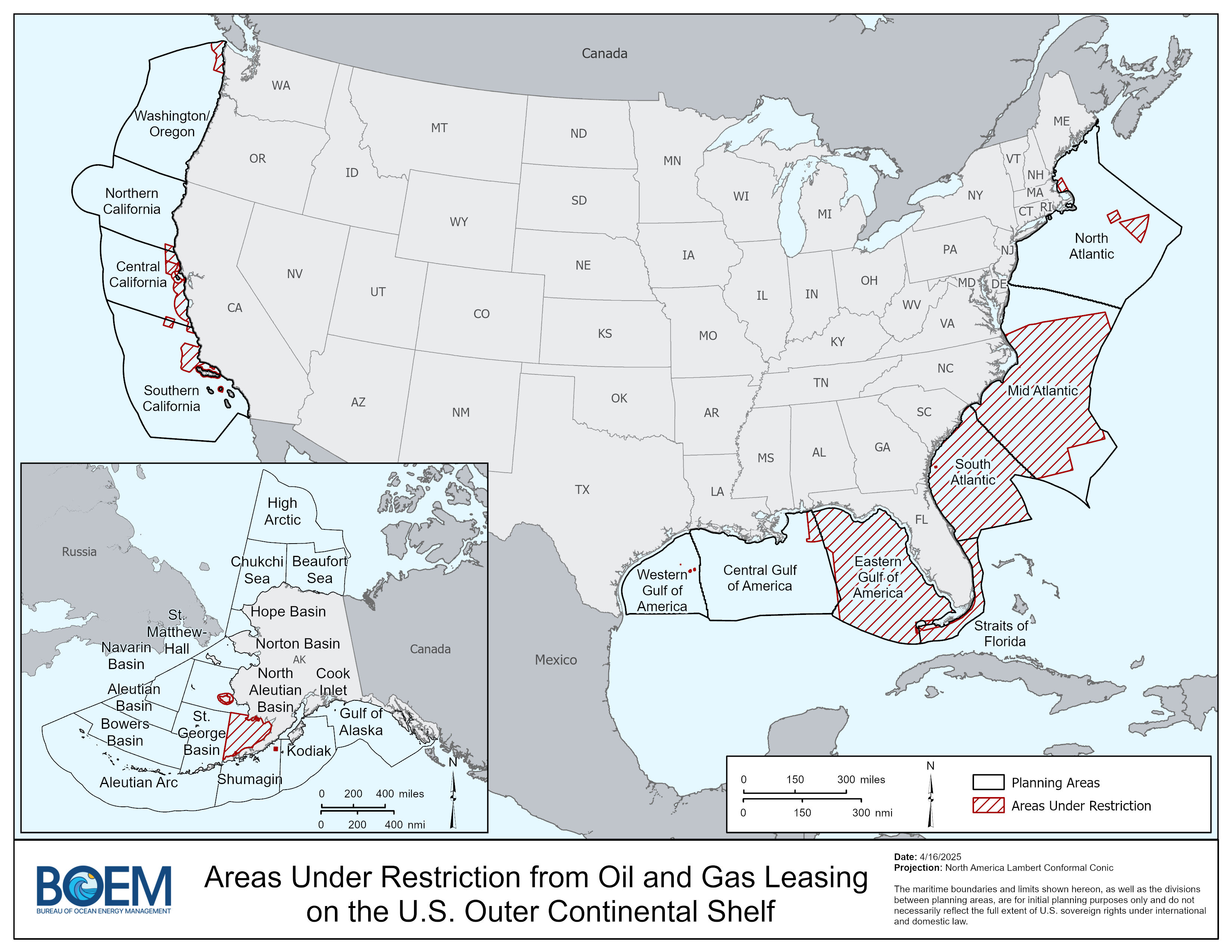
Notably, BOEM’s jurisdiction on the OCS has recently changed. A new planning area offshore Alaska—the High Arctic—is being established as the 27th OCS planning area. Additionally, boundaries of other existing planning areas are being updated to align with BOEM’s revised jurisdiction. Details on these changes will be included in a forthcoming Federal Register notice and posted to BOEM’s website.
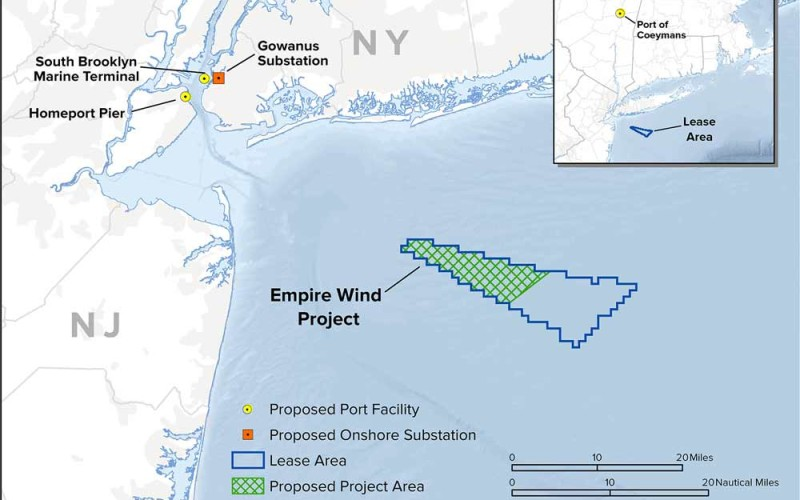
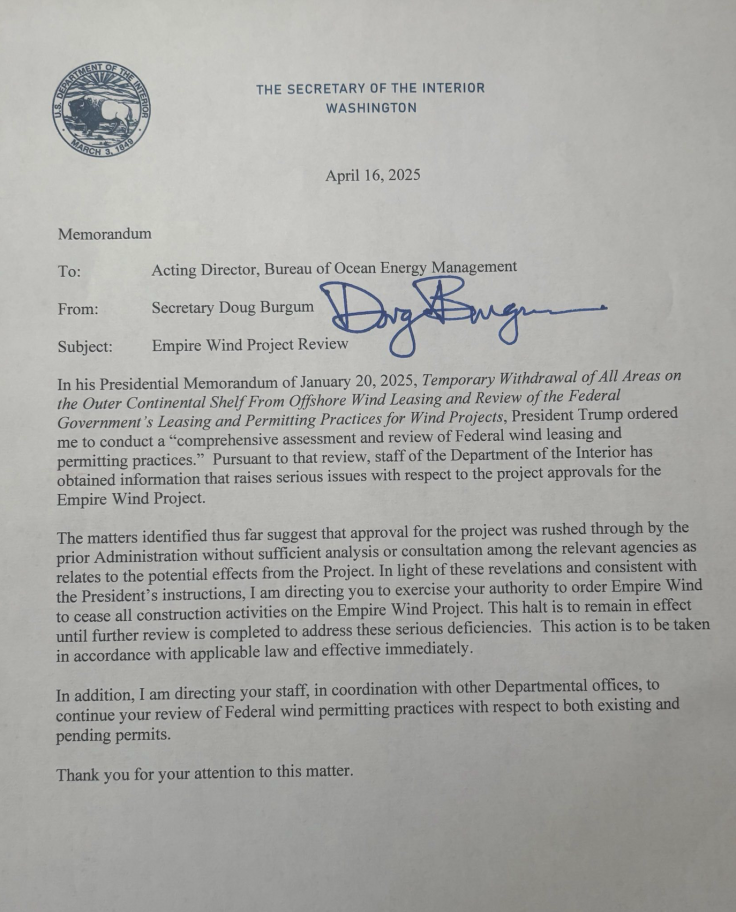
The Bureau of Ocean Energy Management (BOEM) is issuing this Director’s Order to Empire Offshore Wind LLC to halt all ongoing activities related to the Empire Wind Project on the outer continental shelf to allow time for it to address feedback it has received, including from the National Oceanic and Atmospheric Administration (NOAA), about the environmental analyses for that project. BOEM received this and other feedback regarding Empire Wind as an outgrowth of the review that the Department is engaged in related to offshore wind projects. See the President’s Memorandum of January 20, 2025. 90 Fed. Reg. 8363 (January 29, 2025).
I am again sharing this touching tribute to the 11 men who lost their lives on the Deepwater Horizon on April 20, 2010. The video is introduced by country singer Trace Atkins, a former Gulf of Mexico rig worker. The video and Trace’s song serve as a memorial to the 11 Deepwater Horizon workers and others who have died exploring for and producing oil and gas around the world. Please take a moment to watch.
The Santa Barbara Independent doesn’t pull any punches in this article about the once invincible California Coastal Commission. I recommend that you read the entire article, but here are some choice excerpts (emphasis added):
Lastly, it’s totally unprecedented for members of the commission to verbally eviscerate energy planners with Santa Barbara County at a public hearing for refusing to provide them requested planning documents having to do with Sable no fewer than seven times. While the county has denied this charge, no one from the county showed up for last week’s meeting to explain their actions. One commissioner termed this absence a “dereliction of duty.”
What actions and outcomes ultimately emerge from this rancor remain far from obvious. That’s in part because the political support enjoyed by the Coastal Commission — long regarded as one of California’s many “third rails” of state politics — has never been so uncertain. By “uncertain,” I mean rarely has any state agency been so reviled by such a wide swath of political players and stakeholder groups.
The question has become not so much who hates the Coastal Commission — it’s who doesn’t. Donald Trump has hated the commission since it objected to a 70-foot flagpole Trump planted on a beachfront golf course he owned back before he became president.
Elon Musk, Trump’s alter ego, sued the Coastal Commission — and lost — over the commission’s outspoken refusal to grant him the “consistency determination” he needed to increase the number of SpaceX rocket launches from Vandenberg Space Force Base from 35 to 50. Although a federal judge would rule in the commission’s favor, Governor Gavin Newsom, a noted Democrat, announced he was siding with Musk on this one.
So, what happens if Sable doesn’t pay the fine? Or keeps on working despite three cease-and-desist orders? The key question — still loudly unanswered — is what Attorney General Rob Bonta will do. Will Bonta throw his considerable heft behind the commission? He hasn’t yet. And it’s been several months. Does the governor want to pick his battles with the Trump-Musk White House for causes that enjoy more broad public support?
According to a Financial Times report, the White House is drafting an executive order that will facilitate the stockpiling of critical metals found in the Pacific. The Administration is intent on countering China’s rare earth supply chains and battery mineral dominance.
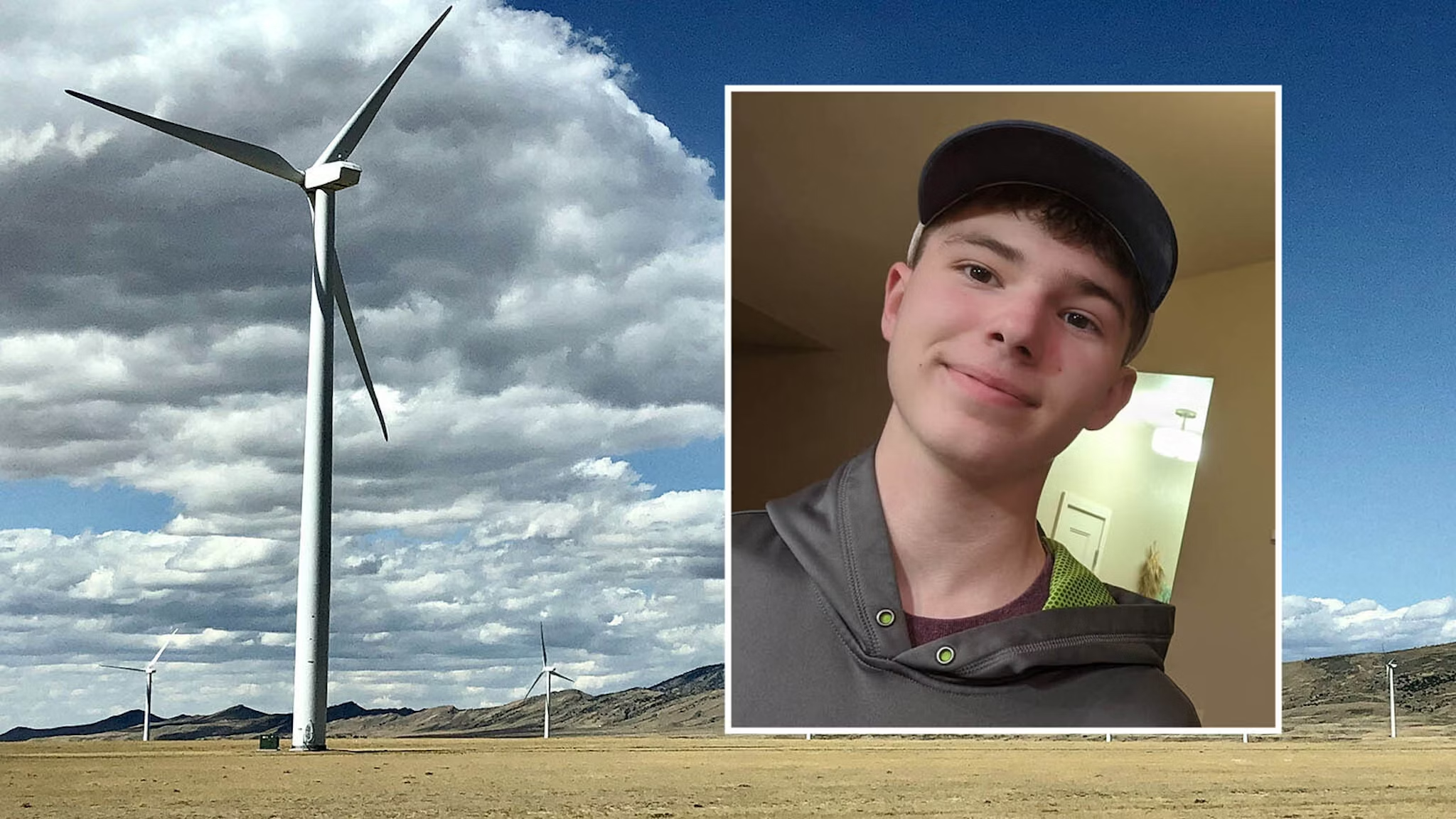
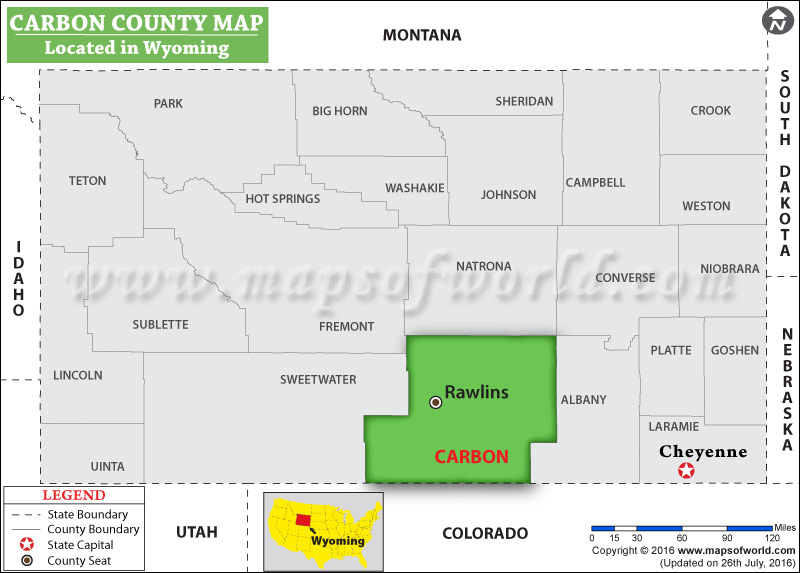
“Liam Cobb died Wednesday while working on a wind turbine near Medicine Bow in Carbon County. Anna Cobb said her nephew fell while working his job as a wind turbine technician.”
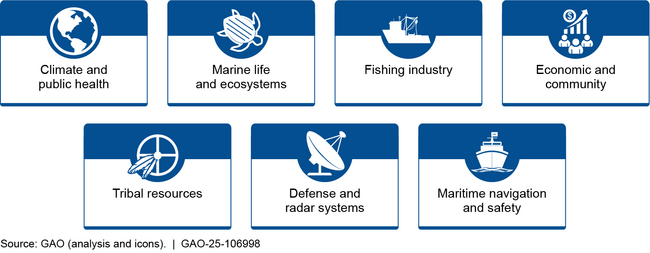
The Government Accountability Office report on Offshore Wind Energy (full report attached) does a good job of summarizing the potential impacts from offshore wind development. They are categorized in the report as follows:
Marine Life and Ecosystems (see table pasted below)
Fishing Industry and Fisheries Management
Economic Development and Community Impacts
Tribal Resources, Including Sacred Sites and Established Fishing Grounds
Defense and Radar Systems
Maritime Navigation and Safety
Unfortunately, GAO’s recommendations, which focus on consultation and staffing (perennial favorites), are rather meaningless. Does GAO really think more consultation will resolve the fundamental concerns of the tribes and fishing industry? Does GAO really think increasing BOEM/BSEE staff is a solution? Wind was the signature offshore energy program of the previous Administration, and it was well resourced.
When the legislation authorizing offshore wind energy development was drafted, we envisioned energy alternatives that could complement thermal energy sources like gas, coal, and nuclear plants. Natural gas plants are particularly important to intermittent energy sources, because their power can be readily dispatched on demand.
Never did we expect attempts to ban the dispatchable energy sources on which renewable energy goals were dependent. Policies that limit gas production, transportation, and consumption don’t boost offshore wind development, they doom it.
In a rush to achieve the Administration’s energy goals, the wind leasing program brushed aside important economic, safety, national security, and environmental issues. Coastal residents, tribes, fishing interests, power customers, and other affected parties have rebelled. Their concerns won’t be smoothed over by increasing consultation.
So now the wind program is in a dark and windless place (a regulatory dunkelflaute?). Five projects are under construction or in the early stages of operation. Construction has been authorized for 6 other projects. Five more projects are in various stages of permitting. What next?
Meanwhile, we still haven’t seen a report on the ugly and embarrassing Vineyard Wind blade failure offshore Nantucket last July. Shouldn’t that report be a precursor to further offshore wind development in the US Atlantic? Also of note, that same turbine was struck by lightning 2 months ago.
Should directed suspension orders be issued pending a complete review of the wind program? If so, for which leases and for how long? Suspension of projects still in the permitting phase would be relatively painless and maybe even attractive given the current state of the wind industry. However, financial impacts for projects in the construction phase would be significant. These important next-step decisions need to be made soon. Muddling along is not a strategy.
Construction and survey activities produce underwater noise that can disturb sensitive marine species. Offshore wind projects take measures to mitigate underwater noise, including the use of bubble curtains to dampen pile driving sound and pausing operations if protected species are sighted.
Changes to marine habitat
Installation of infrastructure, such as turbine foundations and transmission cables, introduces new structures and causes changes to the ocean floor that can alter marine habitat and affect the distribution, abundance, and composition of marine life in the area. These new structures can create artificial habitat that may benefit some species while displacing others and could affect bottom-dwelling species through disturbing the seabed. Artificial habitat effects of wind turbines are well documented, but research is ongoing to monitor and understand impacts on marine life.
Hydrodynamic effects
Operation of wind turbines can affect hydrodynamics and ocean processes such as currents and wind wakes, but little is known about regional effects of widescale deployment on ecosystems.
Vessel disturbance
Vessels can disturb some species and pose strike risks to large marine animals, but the increase in offshore wind vessels is projected to be small compared to the total volume of vessel traffic. Offshore wind vessels are required to take measures such as following speed restrictions and employing protected species observers.
Entanglement risk
Structures, such as mooring cables from floating wind turbines, could snag fishing gear and other marine debris and create entanglement risk to marine animals. Wind projects employ measures to minimize entanglement (e.g., mooring systems designed to detect entanglement), but there is uncertainty about the extent of the risk from floating turbines because of limited deployment.a
Collision risk to birds and bats
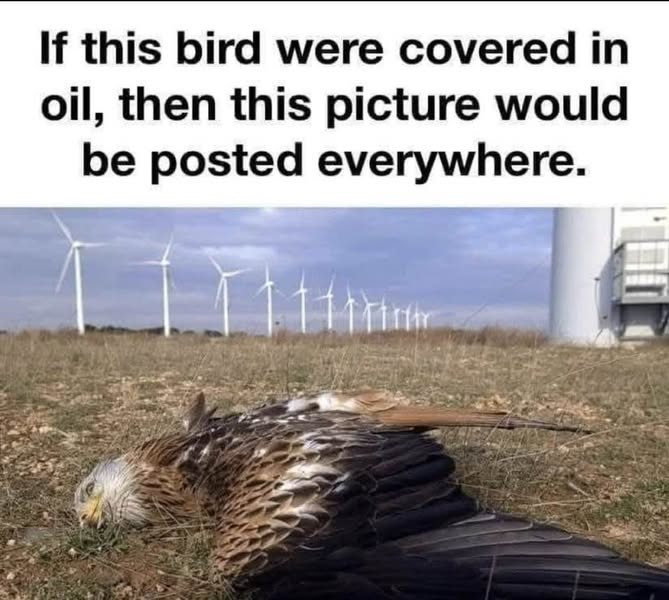
Turbine blades pose a collision risk to some sea birds, but little is known about offshore collision risk to bats. Research on collision risks and mitigation measures (e.g., lighting and curtailment) is ongoing.
The EO requires agencies to issue a rule, effective not later than September 30, 2025, that inserts a sunset date into each “covered regulation.” The sunset date must be 1 year after the effective date of the sunset rule, but may be extended multiple times for a total of up to 5 years.
From an offshore energy perspective, the confusion starts with the EO’s applicability. One section of the order exempts regulatory permitting regimes authorized by statute. Another section specifies that the order “applies to all regulations issued pursuant to the Outer Continental Shelf Act of 1953 and any amendments thereto.” This is a fundamental contradiction given that OCSLA is a statutory planning and permitting regime. Which regulations are subject to the EO?
Comments:
For some reason (too complicated?), EPA and the Army Corps of Engineers are given 30 days to provide a list of statutes that are subject to the EO. Perhaps all affected regulators should have been given 30 days to comment on the draft EO before it was finalized.
The EO is sure to create chaos as regulators, under the direction of managers keen on complying with the President’s directive, attempt to determine the EO’s applicability and establish implementation procedures.
The EO, which is intended to provide order and certainty, will do exactly the opposite. How does the regulated industry plan for future operations while this vague and controversial “zero based regulatory budgeting” exercise is ongoing? What are the chances of this directive being sustained?
Reducing the number of pages in the US Code, while desirable, is not regulatory reform.
The order assumes that most regulations are meaningless, which is not the case. What is the plan for filling the void after regulations are deleted?
The EO should embrace, rather than circumvent, the notice and comment requirements of the Administrative Procedures Act. The tedious and sometimes burdensome APA has protected the public and the energy industry from countless unjustified, unauthorized, and poorly considered regulatory initiatives.
Eliminating rules is not synonymous with establishing a regulatory framework that will improve efficiency and stimulate innovation.
Other factors are paramount in improving regulatory effectiveness and efficiency. These include regulatory fragmentation, effective goal setting, management systems, culture, data gathering, performance monitoring, continuous improvement, collaboration, and the adoption of industry standards.
Quality regulators are more important than quality regulations. Regulating with fewer rules requires skilled regulators.
Agencies should be directed to consider how they can best reduce the regulatory burden without compromising safety and environmental performance. Page reduction should be secondary.
If regulatory efficiency is the goal, this EO is likely to do more harm than good. Federal agencies are largely comprised of bright people with good intentions. Challenge them to propose innovative reforms that will simplify and improve their regulatory regimes.

 Bud's Offshore Energy (BOE)