Feeds:
Posts
Comments

Archive for April, 2023

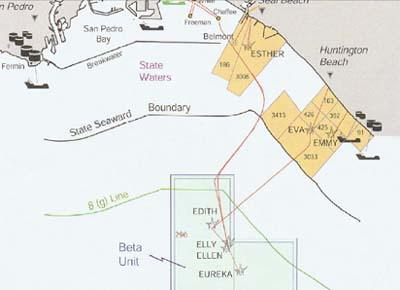
HOUSTON, April 10, 2023 (GLOBE NEWSWIRE) — Amplify Energy Corp. (“Amplify” or the “Company”) (NYSE: AMPY) today announced that it has received the required approvals from federal regulatory agencies to restart operations at the Beta Field. Initial steps to resume full operations will involve filling the San Pedro Bay Pipeline with production, a process which commenced over the past weekend and is expected to take approximately two weeks to complete. Following the line fill process, the pipeline will be operated in accordance with the restart procedures that were reviewed and approved by the Pipeline and Hazardous Materials Safety Administration (PHMSA).

Amplify Energy

Odd that the news release didn’t mention BSEE, the agency which would have had to approve the resumption of production.

18 months after the pipeline spill near Huntington Beach, settlements have been reached, fines have been paid, and production from the Beta Unit has resumed, but the Federal investigation report is still unavailable. Why?

Also, per our 10/6/2021 post:

One would hope that this spill will lead to an independent review of the regulatory regime for offshore pipelines. Consideration should be given to designating a single regulator that is responsible and accountable for offshore pipeline safety (a joint authority approach might also merit consideration) and developing a single set of clear and consistent regulations.


Read Full Post »

An interesting study published in the Proceedings of the National Academy of Sciences (PNAS) was brought to my attention by leading offshore energy historian Tyler Priest. The study used airborne observations and emissions reports to measure the carbon intensity (CI) of Gulf of Mexico oil and gas production. Their CI measure is grams of CO2 equivalent of greenhouse gas emissions per megajoule of energy produced.

The authors conclude that inventory emissions of CO2 (as reported to BOEM) “are generally consistent with observations from our aircraft survey, suggesting that combustion is well represented in the federal inventory.

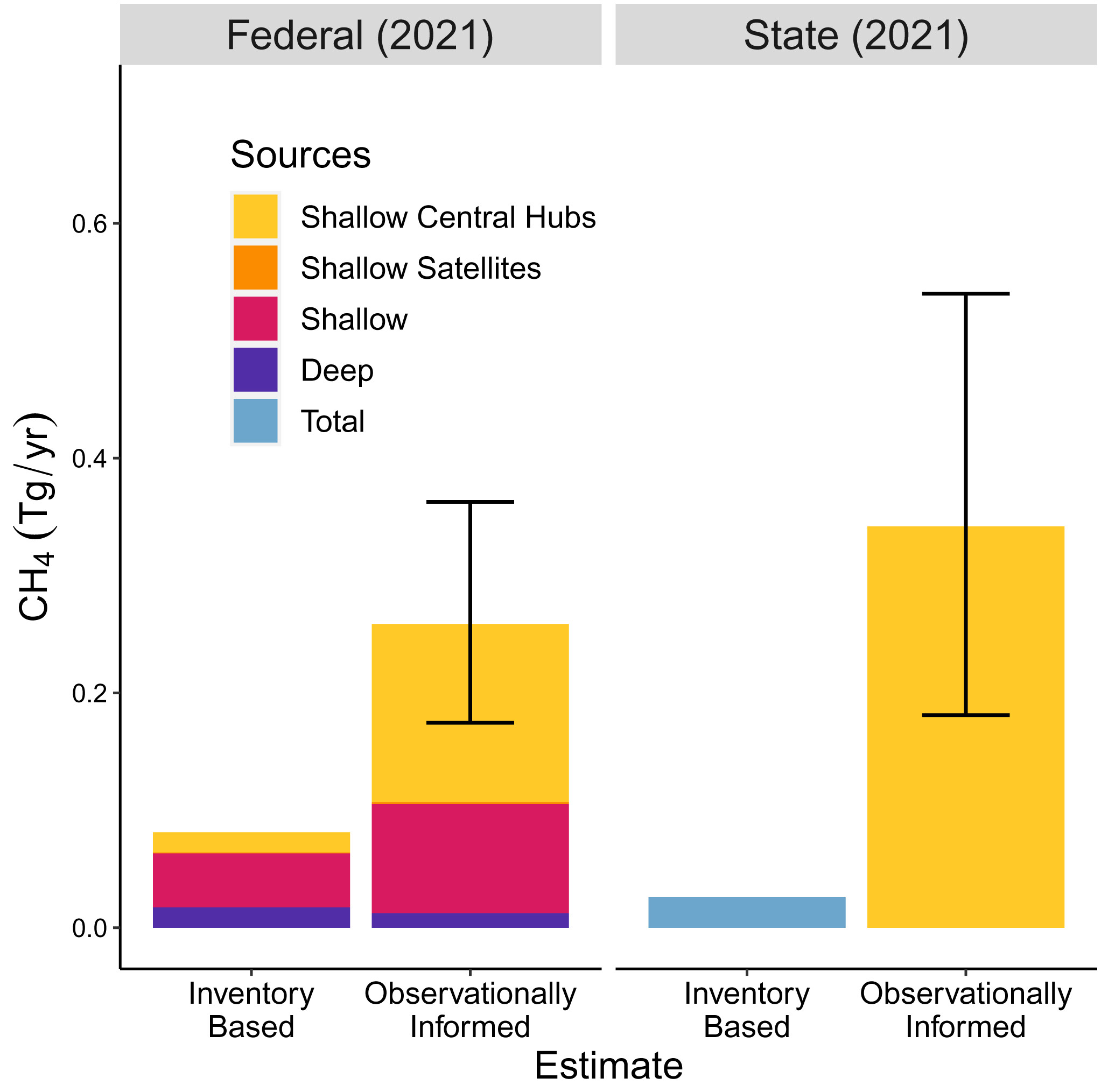
However, that is not the case for methane (CH4) emissions which are underestimated by the Federal inventories. As summarized in the chart below, deepwater facility methane emissions are consistent with the reported inventories, but shelf emissions in State and Federal waters differ significantly.

Comments:

  • As previously discussed, the lower CI for deepwater production is entirely consistent with expectations. When the most modern 5% (57) of GoM platforms are producing 93% of the oil and 76% of the gas, their CI should be impressive (which indeed it is).
  • As summarized using ONRR data, more gas-well gas was vented from 2015-2021 than was flared, which is not what you want from a GHG standpoint. Gas wells are predominantly at shallow water facilities, many of which are not equipped with flare booms.
  • Oil-well gas, most of which is produced at deepwater platforms, is flared rather than vented by a ratio of approximately 4 to 1.
  • About 15 years ago, the Federal government (MMS) considered requiring that older production platforms be retrofitted with flare booms, but safety, space limitations, and cost considerations precluded such a regulation. Instead, additional flaring/venting limits, and measurement and reporting requirements were imposed.
  • One bad actor may have been a major contributor to the shelf methane emissions observed during the study’s observational flights. That company entered into bankruptcy proceedings. Presumably those issues have been resolved and more rigorous monitoring and enforcement practices have been implemented. I’ll be looking at the 2022 ONRR flaring and venting data for evidence of such improvement. The remainder of the 2022 data should be available in May.
  • The subject study’s only observational measurements were in August 2020. Followup airborne measurements would be helpful.
  • The study only considered production emissions. Shelf facilities are primarily natural gas producers and would thus have a lower relative CI when consumed.
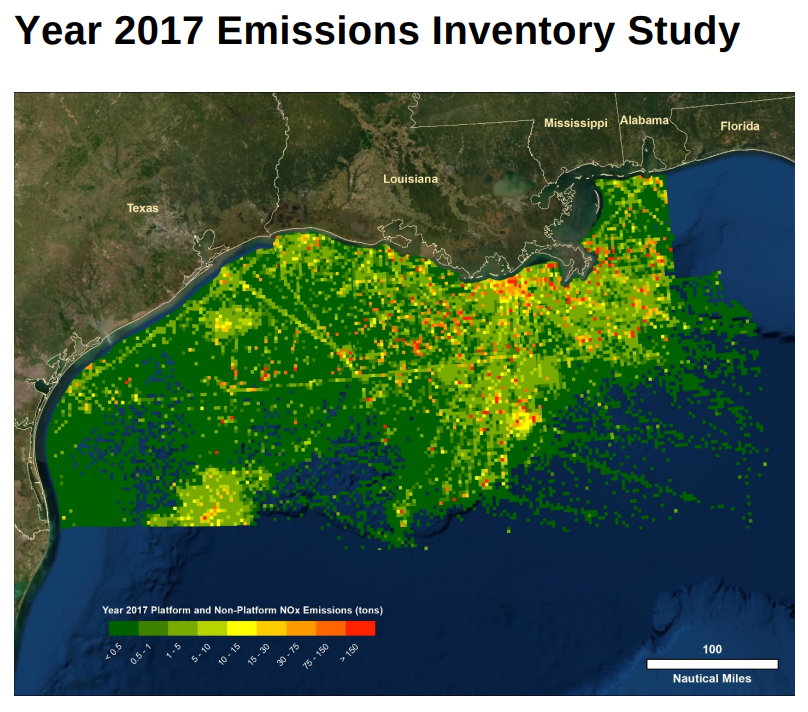
  • When will updated BOEM GOADS flaring and venting data be available? The latest data are for 2017 (cover below)? Are GOADS data being compared with ONRR and World Bank data?

Read Full Post »

The Nord Stream discussion begins at the 21 minute mark, but the entire interview is interesting.

Also, Swedish prosecutor Mats Ljungqvist, is apparently unconvinced by the improbable Nord Stream explanation that was fed to the NY Times.

“We don’t rule out anything, but that it is a state actor who is directly or at least indirectly behind this is of course our absolute main scenario, given all the circumstances.”

Mats Ljungqvist

Read Full Post »

  • Deepwater (>1000′) activity continues to dominate, accounting for 61% of the well starts.
  • Not a single company drilled both shelf and deepwater wells.
  • While shelf facilities currently account for only about 7% of GoM oil production, 1122 of the 1179 remaining platforms are on the shelf and they account for 24% of GoM gas production, most of which is environmentally favorable nonassociated gas.
  • Two companies, Arena and Cantium, accounted for 75% of the shelf well starts. Excluding the CCS bids, Arena and Cantium were the most active shelf bidders in Sale 279. Arena bid alone on 7 blocks. Cantium was the high bidder on 5 blocks. (Focus Exploration was high bidder on 4 shelf blocks and was “outbid” by Exxon for High Island 177.)
  • One company, Shell, accounted for 39% of the deepwater well starts
  • One of BP’s exploratory wells (drilled subsequent to Sale 257) was in Green Canyon 821, immediately south of GC 777, the block that BP/Talos bid $1.8 million for in Sale 257. That bid was rejected by BOEM. In sale 259, BP was the sole bidder for GC 777, and their bid was only $583,000, less than 1/3 of their Sale 257 bid. Perhaps the GC 821 exploratory well reduced the value of GC 777? Will this lower bid now be accepted?
DW explDW devshelf explshelf dev
Anadarko51
Arena22
BOE14
BP23
Byron2
Cantium20
Chevron3
Contango2
Cox2
Eni25
EnVen5
Greyhound2
Hess2
Kosmos1
LLOG31
Murphy4
QuarterNorth2
Shell259
Talos28
Walter1
Woodside31
Gulf of Mexico well starts during 2022 and the first quarter of 2023

Read Full Post »

Cheryl Anderson took oil spill data analysis to a level worthy of a world class offshore program. In my opinion, Cheryl was the top analyst in the history of the OCS program, a true Hall of Famer. Regardless of the politics of the day, she always stuck to the facts and resisted “spin,” and that was a trait her colleagues greatly admired.

Cheryl retired at the end of 2010 and her final update, with assistance from 2 other OCS program icons, Melinda Mayes and Bob LaBelle, was published in June 2012. That update is attached.

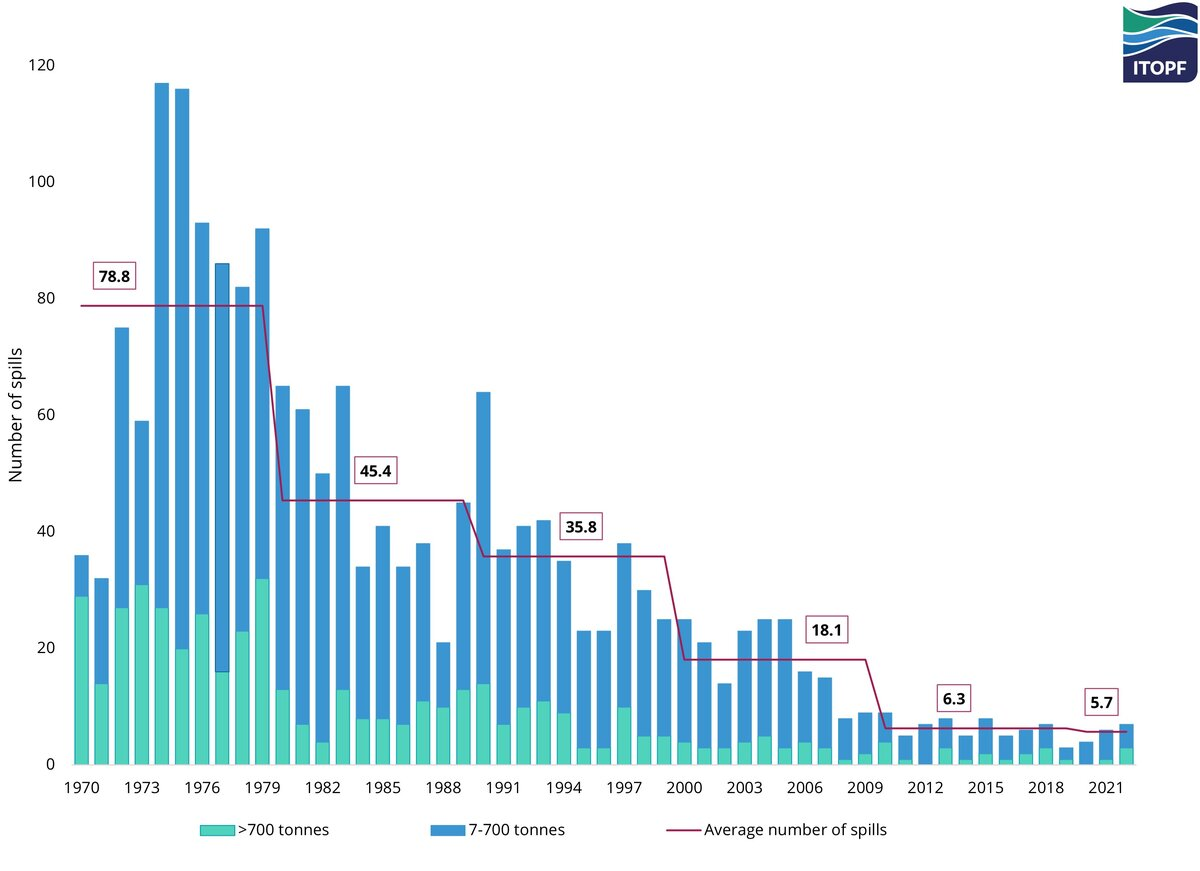
ITOPF also deserves mention for their comprehensive tanker spill data. A recent chart is pasted below. ITOPF’s data are nicely presented on their website. No such data are available for international offshore production.

Read Full Post »

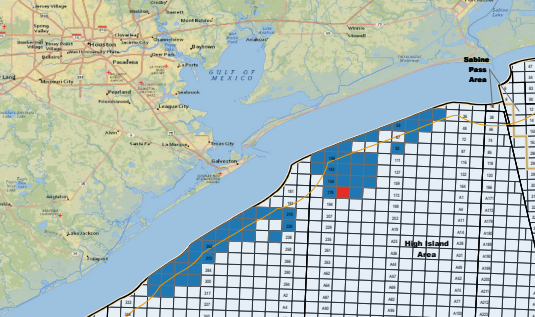
In addition to the 94 nearshore Texas leases Exxon acquired in Sale 257, the company was the sole Sale 259 bidder for all but one of 69 nearshore Texas blocks. The exception was High Island 177 (in red above). So who gets that lease?

  • the company (Exxon) that was the sole participant in a de facto CCS sale (bid of $182,750)
  • the company (Focus Exploration) that was participating in the announced oil and gas lease sale (bid of $145,177)

If Exxon is just acquiring these leases for evaluation purposes in preparation for a possible CCS sale in the future, their lease acquisitions may be okay. If they are planning on retaining these leases for actual sequestration operations, that is not okay, at least not until a competitive process has been established for awarding or reclassifying such leases. To date, no lease terms or bid evaluation procedures have been proposed for carbon sequestration leases; nor has an environmental review been conducted pursuant to NEPA.

Questions about Gulf of Mexico carbon sequestration

Read Full Post »

Jennifer Granholm

Energy Secretary Jennifer Granholm last month said it would be difficult for the U.S. to take advantage of low oil prices to replenish the Strategic Petroleum Reserve because of maintenance at two of the four sites.

The Financial Times reported, citing people familiar with Saudi Arabia’s thinking, that Riyadh was “irritated” by that comment. In any case, it came on top of stress in the financial sector that had dragged oil prices as low as $64 in March.

Market Watch

As previously posted, the SPR is easier to drain than fill. The reserve is still flat-lined at 371.6 million barrels or about half full.

Read Full Post »

In the past 2 years, at least 12 workers died suddenly at Gulf of Mexico facilities from “natural causes.” BSEE’s recent medical evacuation presentation provided information on 6 non-operational fatalities that occurred in 2022:

7/28: Employee (galley hand) was found in the bathroom non‐responsive with minimal electrical activity indicated on the EKG.

8/2 Advised of person down in the galley/T.V. area. Upon arrival in the area observed person on the floor being held by his supervisor. A white foam was coming out of his mouth and nose. Placed him on his side in order for the foam to drain. He was breathing and had a faint pulse. It was observed that he then appeared to stop breathing. Unable to find a radial or carotid pulse. CPR was started and AED was retrieved. AED instructions were followed. A shock was administered and CPR continued for approximately 50 minutes with no pulse or response.

8/18: Contract Personnel (CP) complained of not feeling well and went to his assigned room. It was noticed that CP did not come down for lunch and other personnel went to check on CP and CP was unresponsive.

9/7: CI was in galley of the M/V GO Triumph, waiting on weather, with co‐workers, when he made an exclamation and collapsed to the floor. Co‐workers and contract safety technician immediately ran to his aid. Breathing was sporadic for a minute then ceased and he was unresponsive.

9/23: At approximately 8:20 AM on September 23rd, platform personnel discovered an unresponsive employee (IP) face down on the deck. IP was rolled onto his back, evaluated, and CPR began. Other personnel were dispatched to retrieve AED and medical supplies, while one went to make notifications. Shortly after, personnel arrived with the AED, and it was applied to the IP. Personnel continued CPR while waiting for medical evacuation helicopter. At approximately 12:00 PM, IP was removed from facility by medical evacuation helicopter and subsequently, formally, pronounced dead.

10/21: Employee was assisting production personnel fueling the crane when he suddenly collapsed onto the platform deck and became unresponsive. Personnel on the platform quickly responded and immediately applied an AED to the Employee and began CPR. A medivac aircraft was dispatched for medical support assistance while platform personnel continued to resuscitate the
employee. Medivac personnel arrived on location and relieved personnel working on employee. Following an unsuccessful attempt to revive the employee, he was transported to Houma, La. and released to the Terrebonne Parish Coroner’s Office. Workers on the platform stated the employee was acting normal during breakfast time and during the morning safety meeting. The employee did not complain of any type of illness during the morning time prior to the event occurring.

Why are screened and presumably healthy offshore workers dying suddenly at what seems to be a historically high rate? Is this happening elsewhere in the offshore world? Is anyone investigating this disturbing trend? if not, why not?

As suggested in a previous post, further investigation should be a high priority for the Coast Guard and BSEE with appropriate medical assistance.

Read Full Post »
A new addition to our Rigs-to-Reefs+++ page courtesy of MaritimePhoto.

“Blue Marlin” – sea based X-Band radar on board a heavy lift and transport vessel
Photo: U.S. Navy / Journalist 2nd Class Ryan C. McGinley

Read Full Post »

« Newer Posts