Feeds:
Posts
Comments

Posts Tagged ‘permitting’

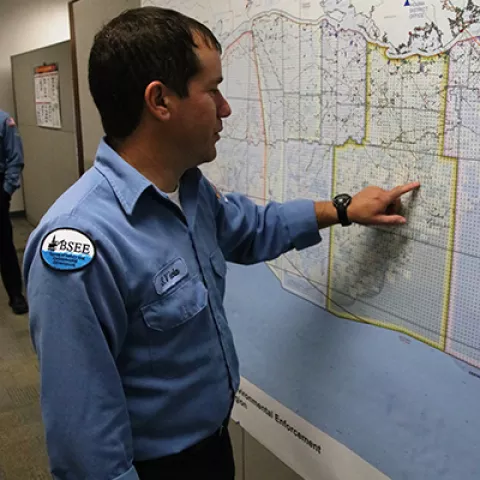
To date, BSEE has used carryover funds and offsetting collections from inspection, rental, and cost recovery fees to continue their priority permitting and inspection programs during the govt shutdown. However, these funds are limited.

At some point, BSEE will have to stop issuing new permits. If the shutdown continues, the next step could be to curtail drilling and production operations. Needless to say, this would not be completely unacceptable.

In the meantime, BSEE employees continue to work without pay. Flying offshore everyday to inspect operations is no picnic and can be hazardous. I lost a colleague in a helicopter crash and others have been injured. It’s shameful that these people are not being paid while members of congress are!

Read Full Post »

Good: OCS oil and gas permitting and inspections appear not to be significantly affected by the govt shutdown to-date. 14 planning documents were approved on Oct. 21, and 37 drilling permits have been approved in Oct. (through 10/21).

152 facility inspections were conducted from 10/1 through 10/19. Natural Resources Worldwide (NRW), which is currently the operator of just one Cox legacy platform, has the dubious distinction of being the Shutdown’s Shut-in Leader. 16 Incidents of Non-Compliance (9 warnings and 7 component shut-ins) were issued to NRW during a single facility inspection in October.

Bad: This level of effort is not sustainable given limits on offsetting funds from fees, rentals, etc.

Ugly: The personnel who are performing these duties are not being paid during the shutdown. The longer the shutdown drags on, the greater the hardship on those individuals and their families. Shameful!

Warren Buffett’s proposal would stop deficit spending and address the root cause of shutdowns:

Buffett: I could end the deficit in five minutes. You just pass a law that says that any time there’s a deficit of more than three percent of GDP, all sitting members of Congress are ineligible for re-election.

Read Full Post »

pictured:TMC pilot trials

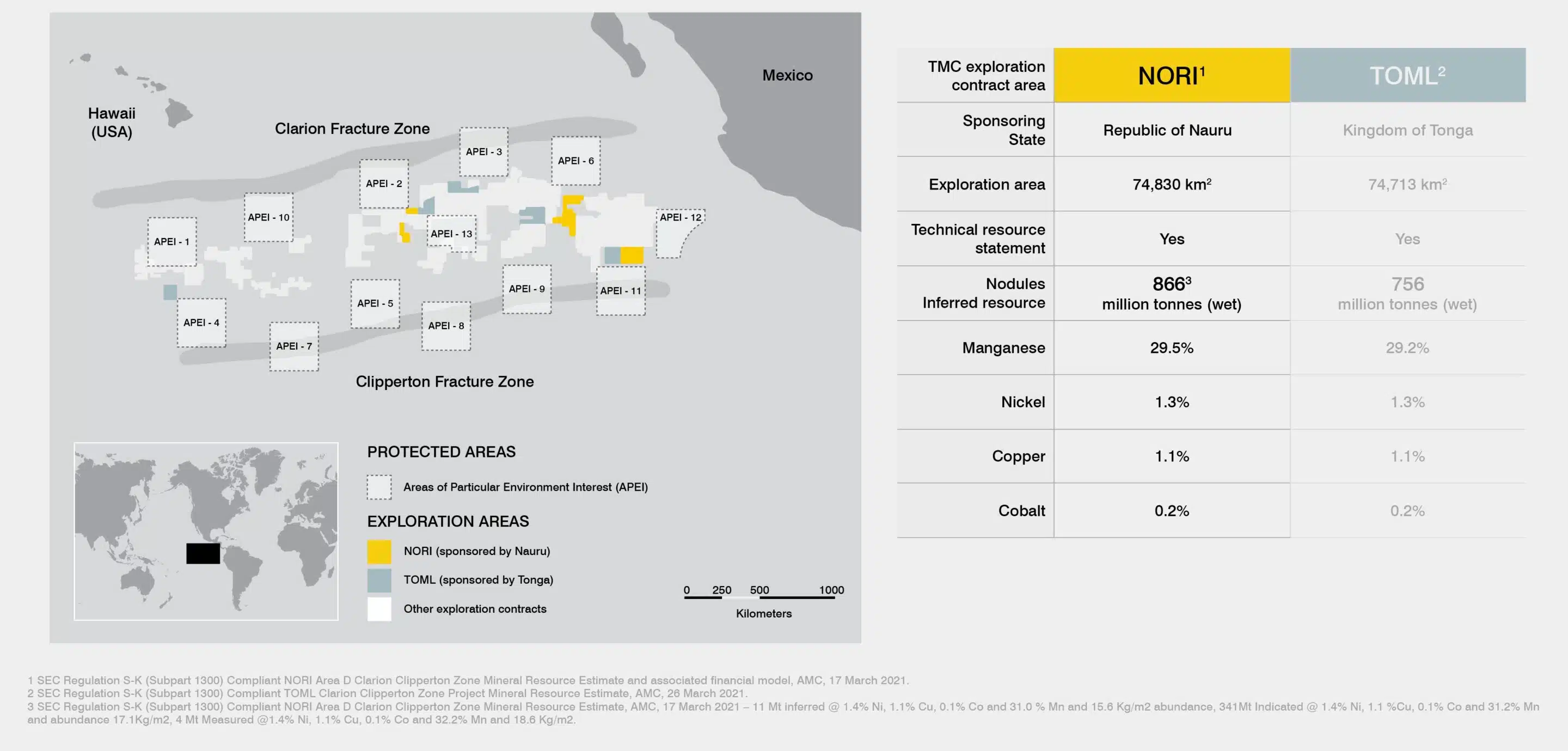
Highlights from TMC’s Q2 update:

  • On August 11, 2025, TMC USA received notice of full compliance from the National Oceanic and Atmospheric Administration (NOAA) on its exploration applications, and reconfirmation that TMC USA has priority right over both exploration areas
  • Both applications entered the certification stage in late July, which we expect to be approximately 100 days
  • In light of recent U.S. regulatory developments, TMC expects to commence commercial production from the NORI-D Area in the fourth quarter of 2027 if we receive a commercial permit before scaling to an average annual production rate of 10.8 million tonnes of wet nodules per annum (Mtpa) at steady state (2031 through 2043) production, with an expected 18-year life of mine (LOM);

Meanwhile, after missing deadlines in 2020 and 2023, the International Seabed Authority (ISA) again failed to deliver a Mining Code as communicated in their 2023 roadmap during the second part of their 30th session in July 2025. No new roadmap or new target date for adopting the final Mining Code has been agreed. The next ISA meeting is scheduled for March 2026. (Hence the importance of direct permitting through the US/NOAA.)

NORI area
polymetallic nodule

More posts about deep sea minerals

Read Full Post »

In the Independent, Nick Welsh aptly described the latest court decision in the long and winding road that Sable Offshore hopes will lead to Santa Ynez Unit production:

When Judge Donna Geck got through ruling on the latest showdown between Sable Offshore Oil and Santa Barbara’s environmental establishment last Friday morning, it wasn’t clear if the no-nonsense judge cut the proverbial baby in half or kicked the can down the proverbial road.” 

Bottom line: The judge will “continue to bar the Fire Marshal from taking any steps to process Sable’s restart application until 10 days after Sable had received all the necessary permits and approvals from the myriad of state, federal, and local agencies that enjoy some degree of regulatory oversight over the proposed project.” Does that mean any agency, even one with a minor or questionable role, can block the project?

As the author notes:

“As of this writing, it’s not entirely clear which of those agencies have yet to issue Sable the permits it needs to start the restart process and when they’re likely to do so, if at all. Even less clear is whether there’s any agreement among the dueling parties as to which agencies have standing to even weigh in.”

Read Full Post »

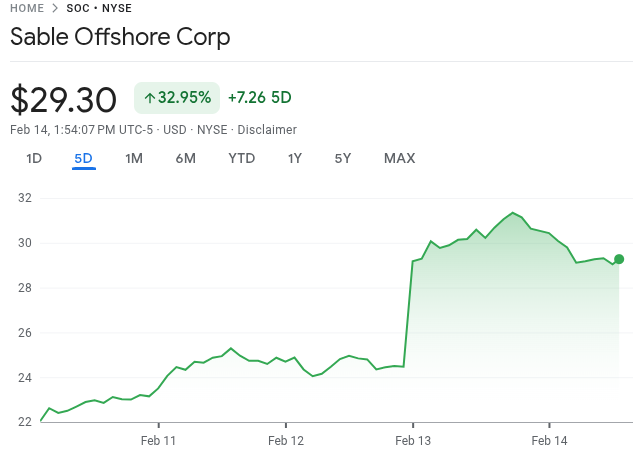
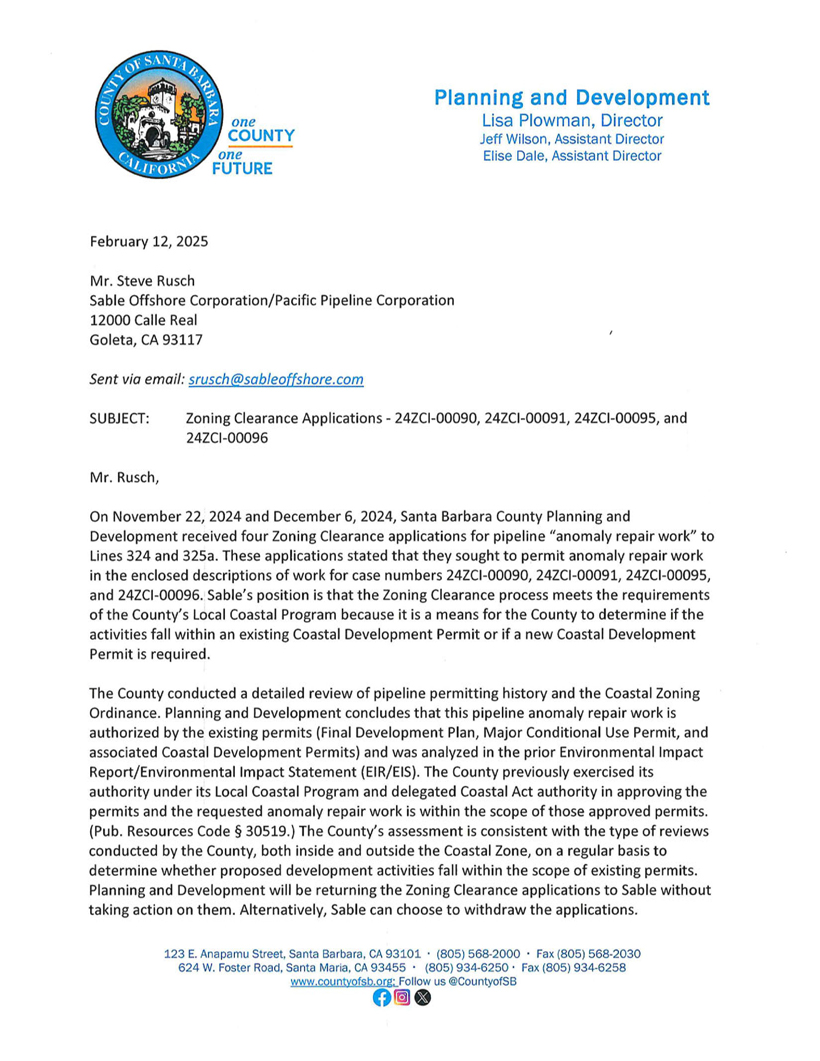
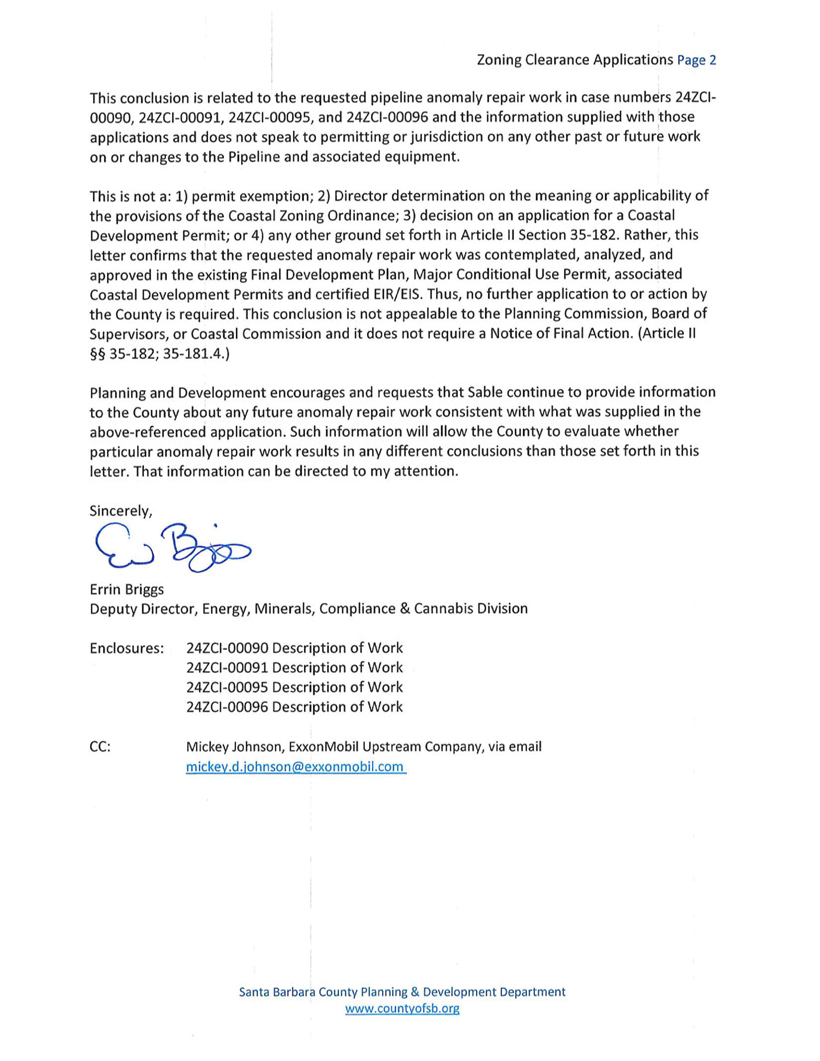
Sable’s stock soared on Thursday following a favorable Santa Barbara County decision (letter pasted below).

Sable’s path is still rocky. Decommissioning specialist John Smith notes that “Sable faces a number of permitting obstacles not to mention litigation by the Environmental Defense Center and others who are committed to trying to stop the SYU restart.  The next hurdle will be a Feb 25 Santa Barbara County hearing on an appeal of the ownership transfer from XOM to Sable.  And we should not overlook the OCS related litigation on ownership transfer, SYU Development and Production Plan updates, and Court ordered prohibition on fracking absent a Fracking EIS and consultation.”

The County’s letter is pasted below. Note the diverse responsibilities of this SBC division: Energy, Minerals, Compliance & Cannabis 😀

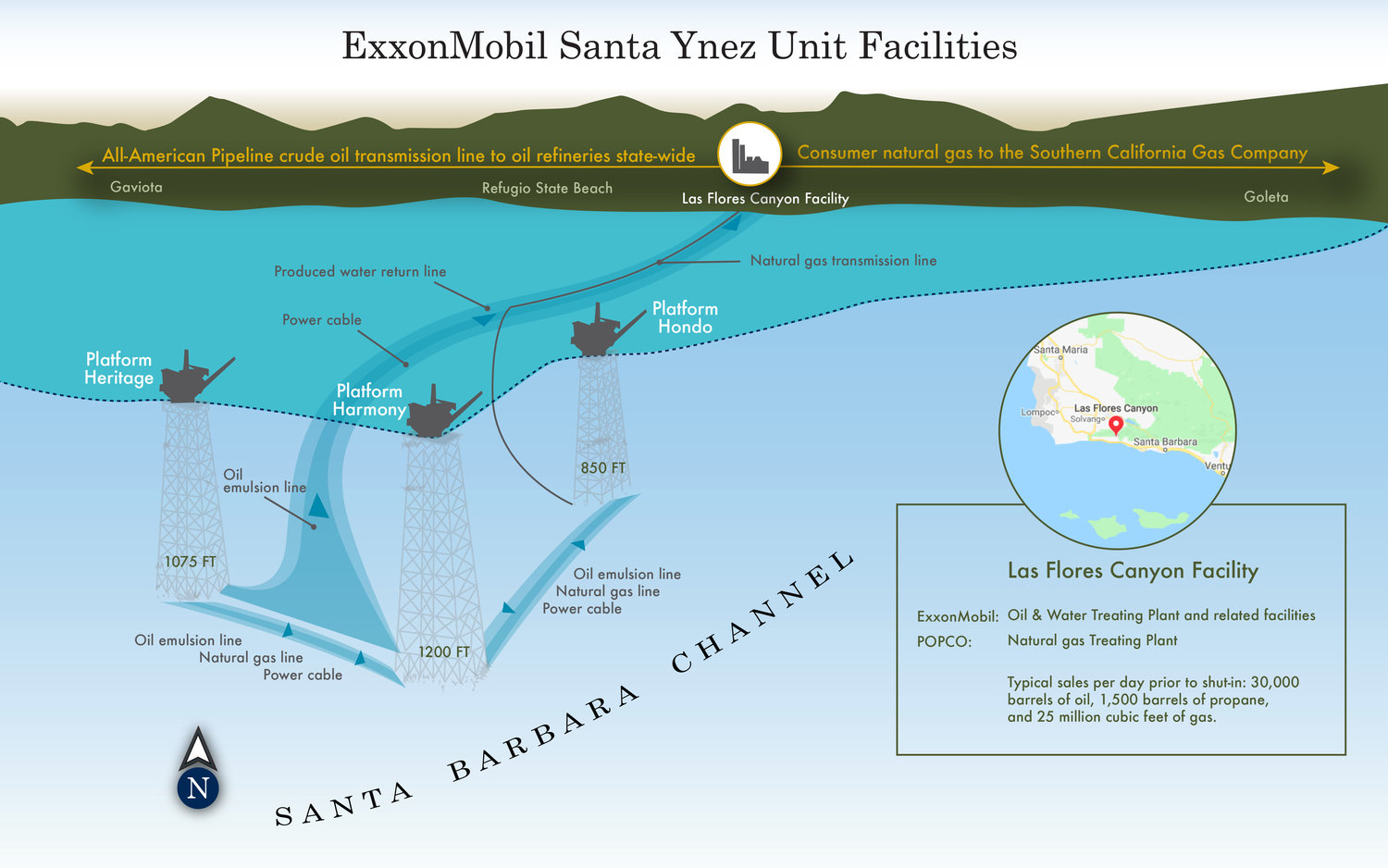
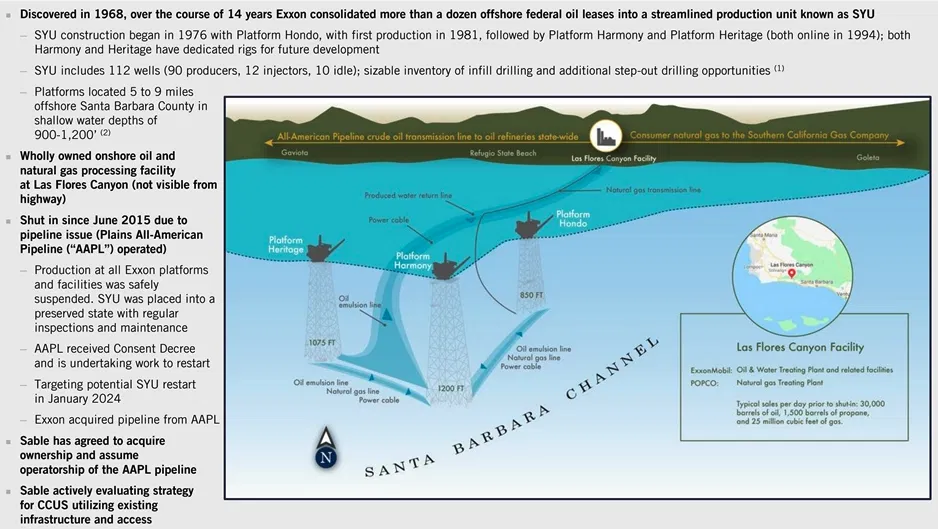
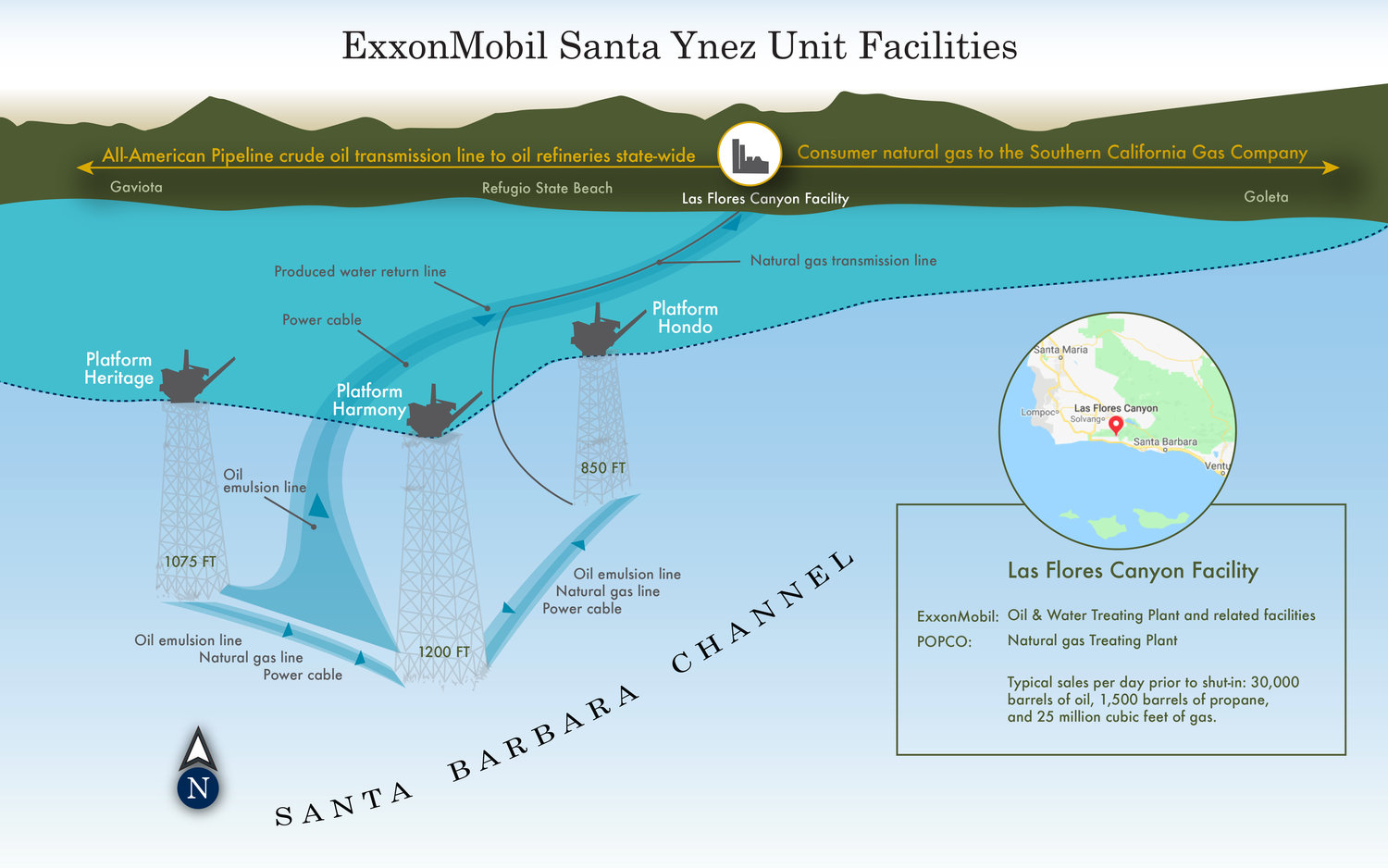
Background on the SYU

Santa Ynez Unit posts

Read Full Post »

Withdrawal from the Paris Climate Change Agreement:The US Ambassador to the UN shall immediately submit formal written notification of the US withdrawal from the Paris Agreement under the United Nations Framework Convention on Climate Change. 

Regulatory Freeze: Agencies may not propose or issue a rule until approved by a Presidential appointee. OMB may exempt emergency or urgent rules (déjà vu for regulators 😉).

Alaska: Withdraws a Secretarial Order intended to halt ANWR oil and gas leasing. Rescinds cancellation of ANWR leases.

Gulf of America: Renaming the Gulf of Mexico.

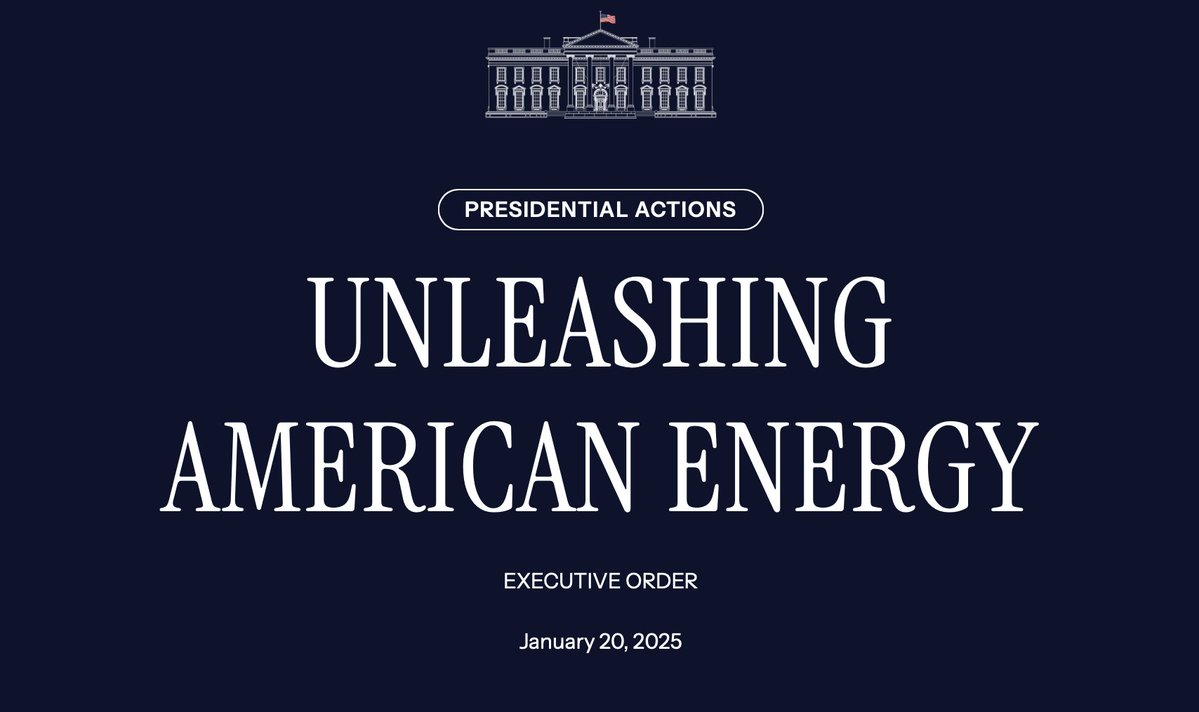
Unleashing American Energy (long, main items highlighted below):

  • Encourage energy exploration and production on Federal lands and waters, including on the Outer Continental Shelf.
  • Eliminate the electric vehicle (EV) mandate.
  • Requires immediate review of actions that could burden the development of energy resources.
  • Develop and begin implementing action plans to suspend, revise, or rescind all unduly burdensome agency actions.
  • Revoke climate change and “clean energy” EOs.
  • Terminate all activities, programs, and operations associated with the American Climate Corps (RIP 😉).
  • Expedite and simplify permitting processes.
  • Facilitate the permitting and construction of interstate energy transportation and other critical energy infrastructure, including pipelines.
  • Disband the Interagency Working Group on the Social Cost of Greenhouse Gases.
  • Terminate the Green New Deal.  All agencies must immediately pause the disbursement of funds appropriated through the Inflation Reduction Act of 2022 (Public Law 117-169) or the Infrastructure Investment and Jobs Act (Public Law 117-58).
  • The Secretary of Energy is directed to restart reviews of applications for LNG export projects as expeditiously as possible.

Offshore Wind

Read Full Post »

The Santa Barbara County Planning Commission has approved the transfer of the onshore pipeline from Exxon to Sable Offshore. Although the Environmental Defense Center (EDC) is appealing that decision to the Board of Supervisors, the Board’s vote will likely be a 2-2 tie. Supervisor Hartmann’s property is close to the pipeline and she has recused herself from votes on the matter. A 2-2 vote would be a win for Sable, because a tie vote means the planning commission decision stands.

As an investment, Sable is a “pure California permitting play,” which means the risks are high. The company’s chances for success are almost entirely dependent on receiving the necessary approvals from State and local agencies.

If Sable is able to navigate the permitting gauntlet, the company’s prospects are good. The Santa Ynez Unit, Sable’s only asset, has substantial oil and gas resources and well-maintained production facilities.

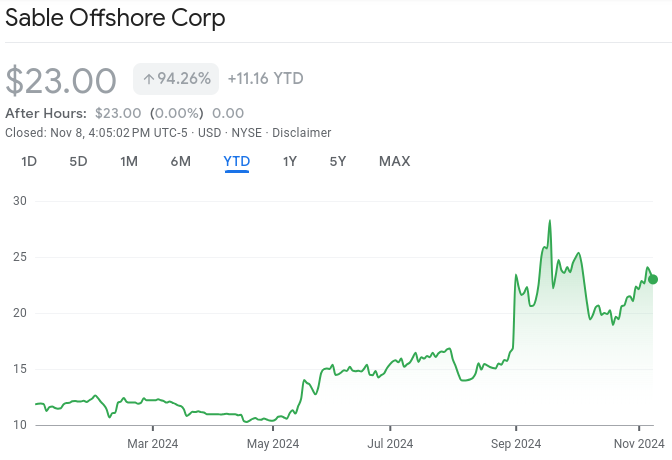
Sable’s share price soared to $23.43 on 9/3 after the company reached agreement with Santa Barbara on the installation of required pipeline valves. The price bounced further to $28.30 on 9/19 before falling sharply to $19.43 on 10/9 after being cited for failing to get California Coastal Commission approval to install the required valves. The price rebounded to $24 following the County Planning Commission’s approval of the transfer from Exxon to Sable before settling at $23 on Friday, the date of the EDC appeal.

Expect the financial and psychological roller coaster ride to continue.

Read Full Post »

  • Require that a Central Gulf of Mexico (GoM) oil and gas lease sale be held within 4 months of enactment, and that a second sale for that area be held within 12 months.
  • Require that a Western GoM sale be held within 8 months of enactment.
  • Stipulate that prior environmental reviews would satisfy NEPA requirements for the GoM sales.
  • Require that a Virginia offshore sale be conducted within 1 year of enactment. [Comment: While I support a sale offshore Virginia, I do not believe this can be accomplished in one year.]

HR 1231 would:

  • Require that specified volumes of oil and gas (per estimates made by MMS in 2006) be made available for leasing.
  • Set offshore production goals.
  • Give credits (for use in paying lease bonuses) to companies for costs associated with pre-sale seismic surveys.   [Comment:  If the legislation provides reasonable assurance that lease sales will be held, why are the seismic survey credits needed? The seismic data will have a high commercial value. Collection of these data should not have to be subsidized by the Federal government.]

HR 1229 would:

  • Require that DOI act on drilling applications within 60 days.
  • Extend the term leases where the approval of drilling applications was delayed following the Macondo blowout.
  • Make the 5th Circuit Court the venue for any civil actions involving GoM energy projects.
  • [Comment: The important question is not the number of days that the regulator should be given to review applications, but whether a complex permit review and approval process is the optimal regulatory approach. A lesson learned from virtually every major accident, from Santa Barbara through the Ocean Ranger, Alexander Kielland, Piper Alpha, and Macondo, is that command and control regulation is not in the best interest of offshore safety. Industry should not rely on government to manage its operations and government should focus on safety achievement, not directing the day-to-day activities of offshore companies. Over the long-term, the US would be better served if regulatory resources were dedicated to risk assessment, data analysis, assessment of operator and contractor management systems, targeted inspections and audits, participation in standards development and research, and safety leadership.]

Read Full Post »