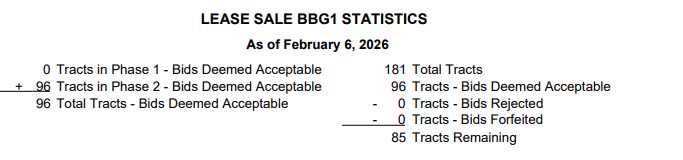
No bids were accepted during BBG1’s Phase 1 review. This means that none of the tracts receiving bids were determined to be nonviable as was the case for the 199 tracts that were improperly acquired for carbon disposal purposes in Sales 257, 259, and 261. (Unsurprisingly, neither of the acquiring companies has submitted an exploration plan for any of these CCS leases. The leases will likely expire without activity. Much to the dismay of the large and diverse group of opponents, the carbon disposal industry is focusing on onshore locations along the Gulf Coast.)
Unsurprisingly, the carbon capture and sequestration (CCS) hype is fading fast. No other carbon strategy is so strongly opposed by both climate change activists and skeptics.
Support for CCS seems to be limited to those seeking to profit from subsidies, mandates, and disposal fees. In 2022, Exxon projected a $4 trillion CCS market by 2050. Pipe dream?
“Highlights” of the Gulf of America OCS carbon disposal era:
amended the OCS Lands act to authorize “the injection of a carbon dioxide stream to sub-seabed geologic formations for the purpose of long-term carbon sequestration.”
exempted CO2 injection from the restrictions on ocean dumping by stipulating that such injection “shall not be considered to be material (as defined in section 3 of the Marine Protection, Research, and Sanctuaries Act of 1972.” Without this exemption, CO2 streams would clearly be “material,” as defined in 33 U.S.C. 1402, and would be subject to the stringent requirements of that act.
directed that “not later than 1 year after the date of enactment of this Act, the Secretary of the Interior shall promulgate regulations to carry out the amendments made by this section.” (This deadline is long past, which is not uncommon for such legislative directives.)
11/17/2021: Not coincidentally, two days after the enactment of this legislation, Exxon was the sole bidder on 94 nearshore tracts with very limited oil and gas production potential. This was an oil and gas lease sale and there were no provisions for carbon sequestration leasing. Nonetheless, Exxon was awarded leases for all 94 tracts. As a result of litigation delaying the issuance of Sale 257 leases until Oct.1, 2022, those 5 year leases will expire in 2027.
3/29/23: Exxon bid at Sale 259 on 69 nearshore tracts with little oil and gas potential. Once again, this was strictly an oil and gas lease sale and Exxon’s CCS intentions were clear. Nonetheless, the leases were awarded.
6/25/2025: For the first time ever, the Federal government felt compelled to stipulate the obvious (proposed lease sale notice for OCS Sale 262) – that an Oil and Gas Lease Sale is only for oil and gas exploration and development.
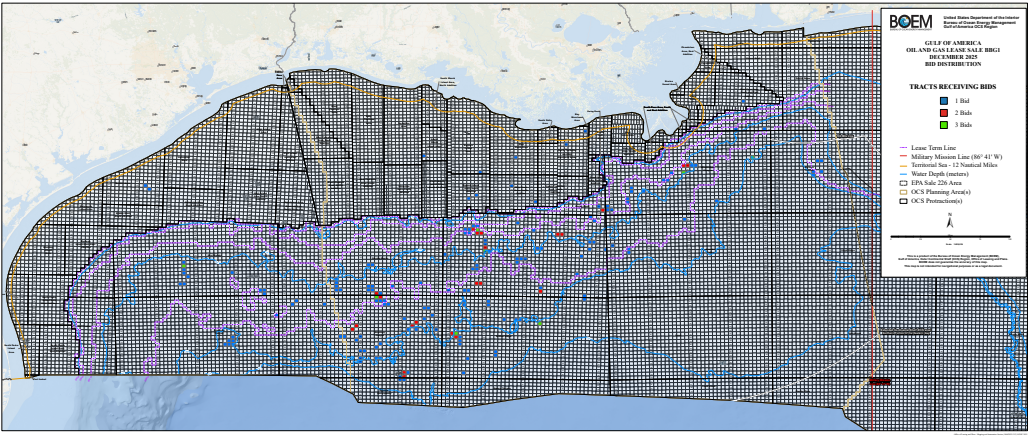
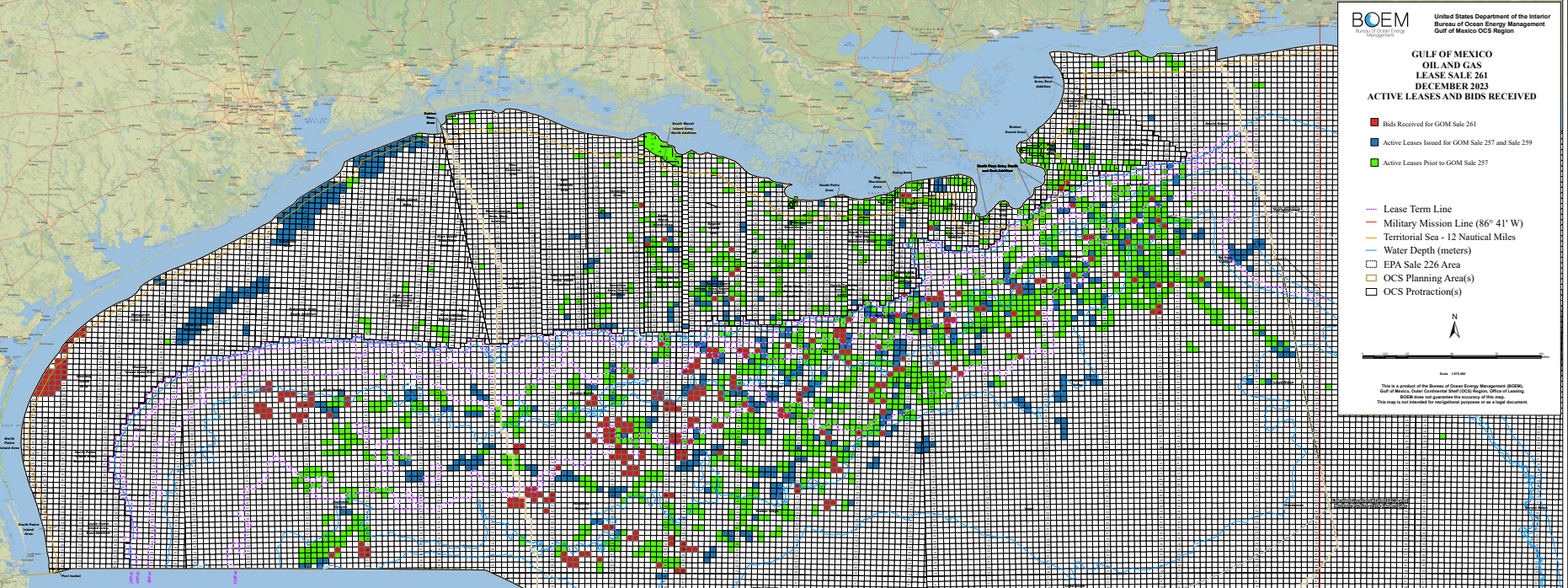
Gulf of America lease map: 199 oil and gas leases were wrongfully acquired for carbon disposal purposes. At Sale 261, Repsol acquired 36 nearshore Texas tracts in the Mustang Island and Matagorda Island areas (red blocks at the western end of the map above). Exxon had acquired 163 nearshore Texas tracts (blue in map above) at Sales 257 (94) and 259 (69).
Even those of us who are supporters of responsible offshore oil and gas production find it a bit unsavory that some companies are looking to cash in on (and virtue signal about) carbon collection and disposal at the public’s expense. Perhaps companies that believe oil and gas consumption is harmful to society should be seeking to reduce production rather than engaging in enterprises intended to sustain it.
Florida HB 1645 (attached) was signed by Gov. DeSantis on 5/15/2024. The bill boosts natural gas, prohibits offshore wind turbines, and deletes references to climate change and greenhouse gases in state law. Given the State’s support for traditional energy sources, is it time to renew the dialogue about exploration and production in the Eastern Gulf of Mexico (EGOM)?
HB 1645 prohibits offshore and coastal wind development (p. 30), acknowledges that natural gas is critical for power resiliency, prohibits zoning regulations that restrict gas storage facilities and gas appliances (p.8), and relaxes permitting requirements for pipelines <100 miles long.
Given Florida’s energy preferences as expressed in this legislation, the State could assist regional energy planners by better defining its position on oil and gas leasing in the EGOM. What limits, in terms of lease numbers and minimum distances from shore, would best improve Florida’s energy supply options while further minimizing environmental risks?
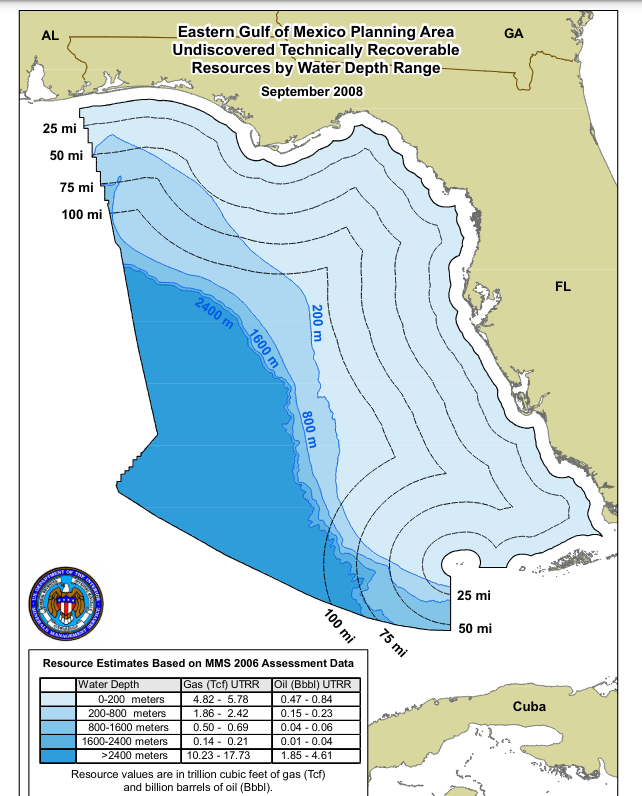
As illustrated on the map below, the petroleum geology of the EGOM and Florida’s preferences are likely aligned in that the best prospects for oil and gas production are in deep water and more than 100 miles from the State’s coast.Does Florida support a 100 mile buffer?
The 4/20/2010 Macondo blowout was a tragic failure that has been, and will continue to be, discussed at length on this blog. We should also acknowledge that prior to Macondo 25,000 wells were drilled on the US OCS over a 25 year period without a single well control fatality, an offshore safety record that was unprecedented in the U.S. and internationally. We should also applaud recent advances in well integrity and control, including the addition of capping stack capabilities that further reduce the risk of a sustained well blowout.
Florida’s independent thinking on energy policy is commendable. That independence is contingent on importing petroleum products and natural gas from elsewhere in the Gulf region. Securing that supply over the intermediate and longer term should be a priority for Florida. In that regard, EGOM production is an important consideration.
The Proposed Final Program includes a maximum of three potential oil and gas lease sales – the fewest oil and gas lease sales in history – in the Gulf of Mexico Program Area scheduled in 2025, 2027 and 2029.
Foremost energy experts like Daniel Yergin understand that oil and gas will be critical to our economy and security for decades, and that offshore production is an important component of our energy supply chain. Unfortunately, our massive outer continental shelf has, from an oil and gas standpoint, been effectively reduced to the central and western GoM.
Opportunities in the GoM are being seriously constrained by the extended pause in leasing. A lease sale has not been held for 615 days, the longest US offshore leasing gap since the 1950’s.
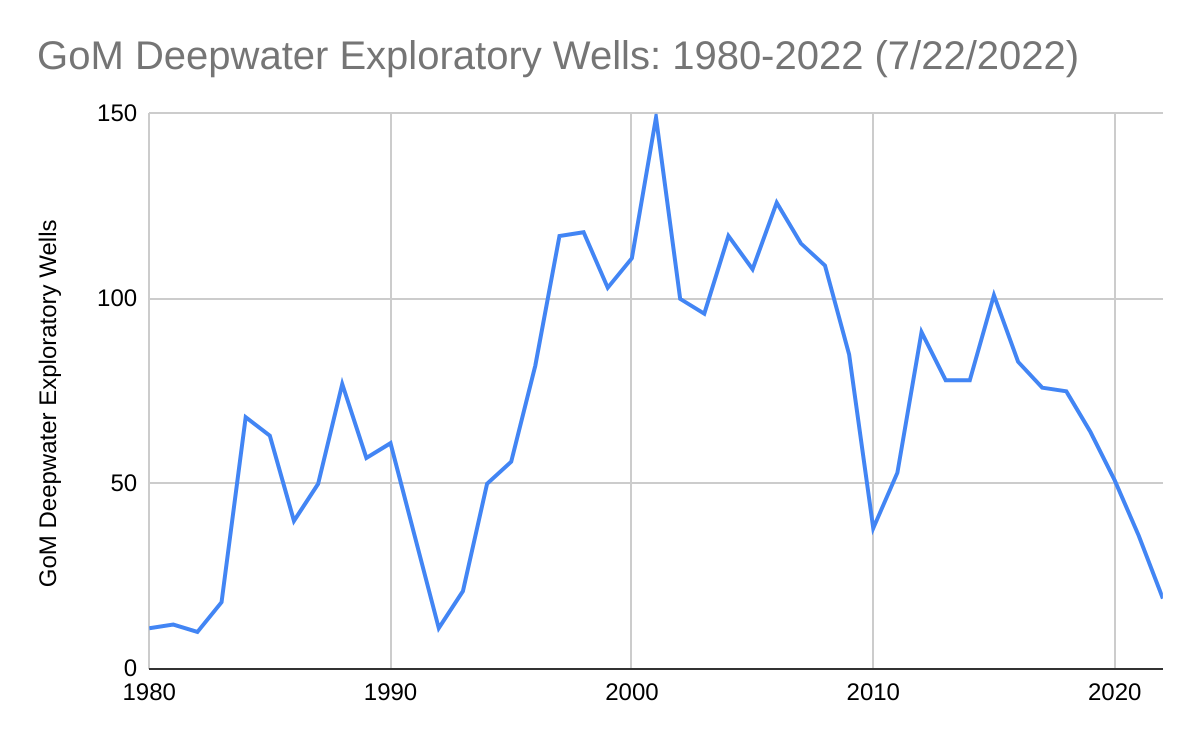
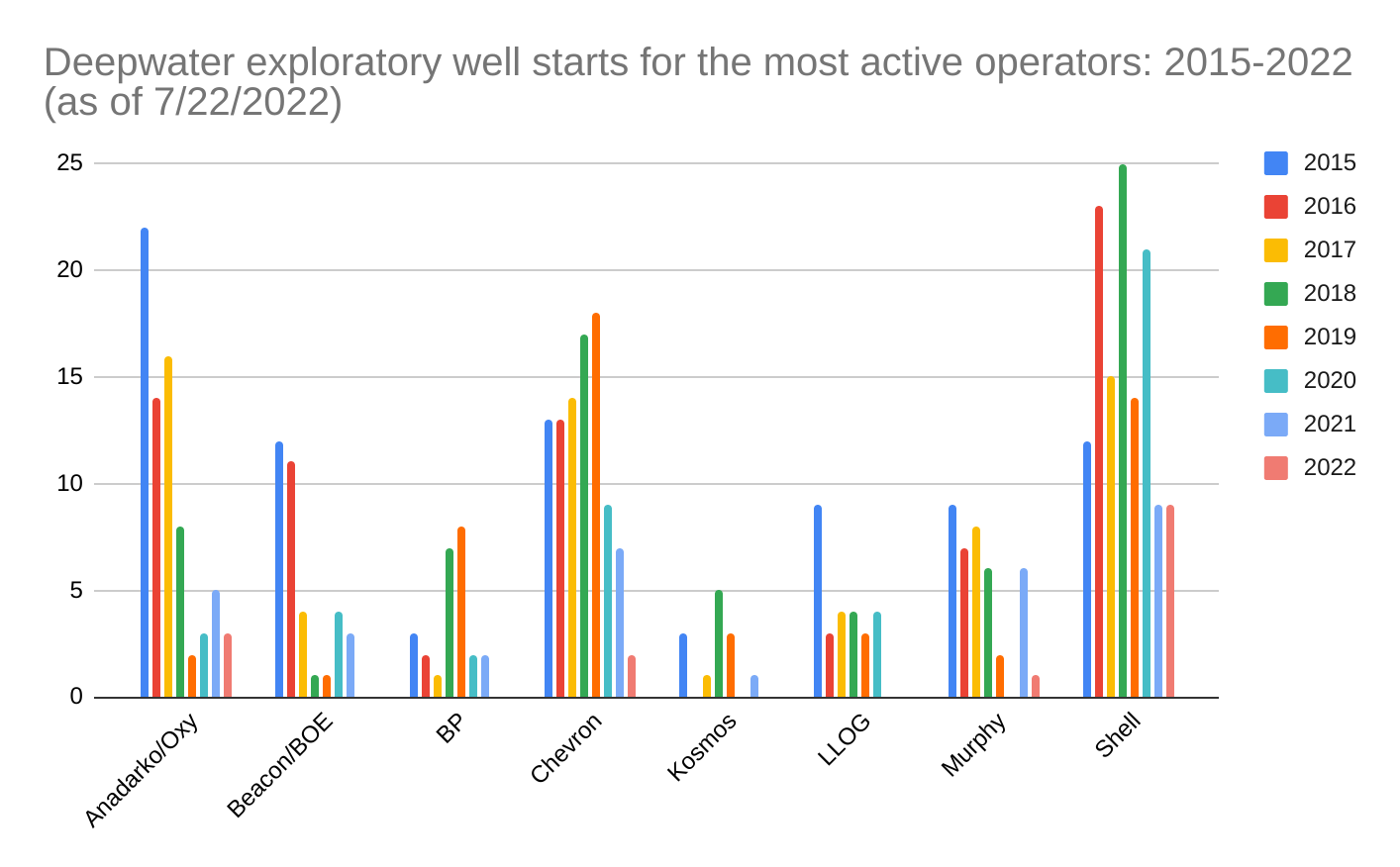
Reserve replacement and sustained production are dependent on exploration. The charts below illustrate the decline in GoM exploratory drilling and the reduced activity by some of the more important operating companies.
Per BSEE data, the number of exploratory well starts averaged only 3/month for the last 18 months (chart 2). This level of activity is the lowest since the early days of deepwater operations (chart 1). There was even more drilling during the post-Macondo moratorium (2010-2011).
ConocoPhillips and Exxon have not drilled a GoM exploratory well since 2016 and 2018 respectively. Activity by other operators has also declined significantly (chart 3). BP has not spudded an exploratory well since Sept. 2021.
The Department of the Interior (Interior) confirmed today that the Department of Justice (DOJ) has appealed the preliminary injunction entered by the district court in Louisiana v. Biden, which enjoined Interior from implementing the pause in new federal oil and gas leasing …
DOI argues that greenhouse gas (GHG) emissions must be curtailed, but reductions in domestic production would increase the demand for imports with higher GHG intensity. Reductions in deepwater Gulf of Mexico production, which has low GHG intensity and other environmental advantages (few dispersed facilities distant from shore), would be particularly detrimental. Of course, any public policies that discourage natural gas production would also have distinct air emissions costs.
If supply restrictions increase the price of oil, net reductions in oil consumption and GHGs could be achieved. However, as evidenced by the recent appeal for increased OPEC production, higher oil prices are not consistent with Administration policy.
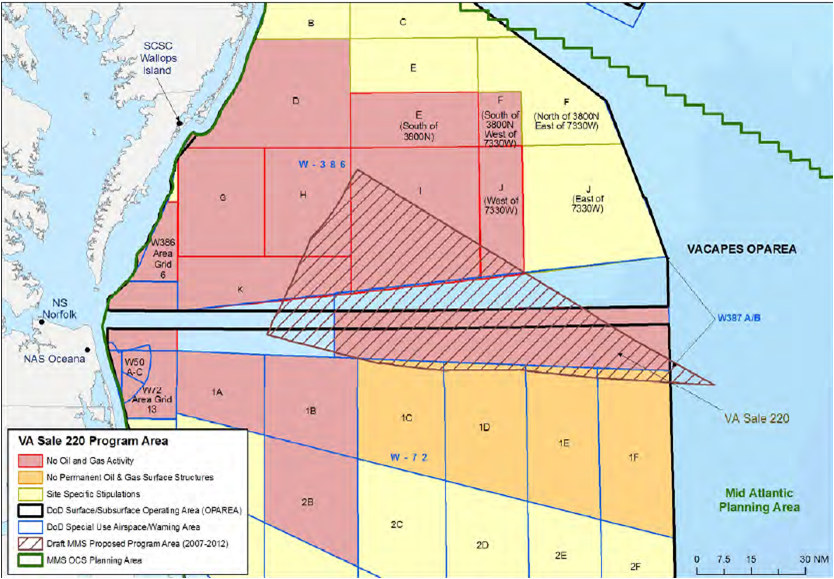
No matter what happens, Sale 220 isn’t much to get excited about, especially if the Department of Defense has its way. In light of world events and the fuel demands of our military, one would assume that DOD would be a leading advocate for offshore energy exploration and development. However, rightly or wrongly, preventing disruptions to military training and operations has always been a higher DOD priority than domestic energy production.
Oil is where you find it, not where you wish it was, where it is most convenient, or where you legislate it to be. Ditto for natural gas. We need an offshore oil and gas program that identifies the most prospective targets, provides for exploratory drilling to evaluate these targets, facilitates production, and effectively manages the safety and environmental risks. We can’t just explore the small slivers that remain after political and administrative reviews have eliminated the rest.
Like it or not, our Outer Continental Shelf lands belong to the entire nation. We need to manage these lands and the associated resources in a manner that is in the best interest of all Americans.
When you wake up after a long nap (in this case 25 years), you don’t just leap out of bed. You first squint at the light, yawn, flex an arm, stretch your legs, and prepare to rise and actually do something. The President’s decision to open a small slice of the Atlantic to exploration and consider new areas in the Atlantic and Eastern Gulf of Mexico in the new 5- Year Program may seem modest, but it demonstrates that the nation is waking up to the importance of our offshore energy resources. After 25 years of neglect, almost everyone agrees that US energy policy has been an economic and national security disaster. More and more Americans are also recognizing that denying access to offshore resources is not in the best interest of the environment – regionally, nationally, and globally.
Some political leaders remain in dreamland as evidenced by the large blue areas in the map below. When you have cried “wolf” about offshore drilling for your entire political career, you either believe what you have been preaching or are concerned about the political implications of changing your position. However, demonizing offshore energy development is no longer a smart political strategy, and the views of these anti-energy stalwarts may finally be challenged, even in their own states and districts.
We operations, safety, pollution prevention, and regulatory professionals have to hold up our end. Safety disasters or pollution spectaculars are not acceptable. We need to examine our programs, operations, and incidents openly and honestly, and anticipate what might go wrong. When an accident occurs, we need to learn what happened and why, and make sure it doesn’t happen again – anywhere in the world.



 Bud's Offshore Energy (BOE)