Havtil prioritizes risk assessment and publishes their comprehensive annual analysis of safety trends in a timely manner. The 2023 RNNP was posted in Norwegian earlier this year and the summary report is already available in English. RNNP reports are an important safety resource that should be reviewed and discussed wherever oil and gas operations are conducted.
As an example of the breadth of these reviews, the two sets of charts below convey data that are not typically documented by offshore safety regulators. The first set documents near-misses that did not result in injuries, but did expose workers to that risk.
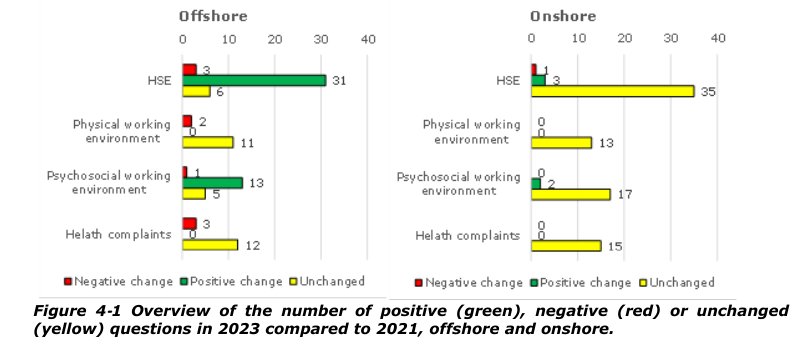
The second set of charts is a summary of worker responses to a survey, a means of assessing the safety culture. The big jump in favorable responses to the HSE questions is encouraging. In particular, the report notes (p. 14) that responses to a question about being pressured not to report incidents has moved in a positive direction in the last two surveys. Hopefully, this is an industry-wide trend.
I had the pleasure of working with Jason Mathews when he was a young MMS engineer. He truly cared about our safety mission and has taken that commitment to the next level at BSEE. Jason shared this important, heartfelt message on the anniversary of the Macondo blowout.
One of the greatest gifts I ever received in life is having a little girl and having the opportunity to go home every evening and spending time with her at cheer, softball, doing homework, etc. I have a great deal of respect for the men and women who work offshore and put their lives on hold for 14-28 days to deliver much needed OCS production to meet US demand. Undoubtedly, they are better / tougher people than me.
Over the last year, my team has seen multiple incidents that had a high potential severity that could have led to a fatal / serious injury or major incident in the GOM. Although we can sit and debate the causal factors for hours, one that jumps to the top of the discussion is the Human Factor – Complacency. Of all the things a leader should fear, complacency heads the list. There is no doubt success breeds complacency, and complacency breeds failure.
To this day, I am still shook by the mindset and complacency of many onboard the Deepwater Horizon prior to the incident. During testimony in the public hearings, John Guide, the BP well team leader for the Horizon, believed that the rig crew had become “too comfortable” because of its good track record for drilling difficult wells. Ross Skidmore, a BP contractor on the rig on April 20, testified that the crew became complacent after completing drilling because “when you get to that point, everybody goes to the mindset that weʹre through, this job is done.” To me, the complacency on the Deepwater Horizon could be attributable to the crew not having access to all of the well data (OptiCem reports – cement job risk) available to BP personnel onshore and the well site leaders on the rig. Our investigation concluded, the overall complacency of the Deepwater Horizon crew was a possible contributing cause of the kick detection failure.
As regulators, we have special roles in the GOM as it relates to safety:
Driving the avoidance of complacency and risk-free mindsets of the offshore employees
Understanding we can’t be selfish – Our success is not our individual personal growth / gains, but it is being unwavering in your promotion of offshore safety to ensure all offshore employees return home to their families safely
Holding each other (internally) and industry (externally) accountable when necessary
In order to achieve greatness offshore, we ,as a regulator, have to believe we can, and never sit still until we achieve it.
Everyone on this email has a very critical function and role. Never underestimate the value of what you do, have the proper mindset, and avoid complacency.
Do whatever it takes to ensure the people offshore are gifted the same gift we receive every day – going home to our families.
All In –
Jason P. Mathews, Petroleum Engineer, Field Operations – OSM
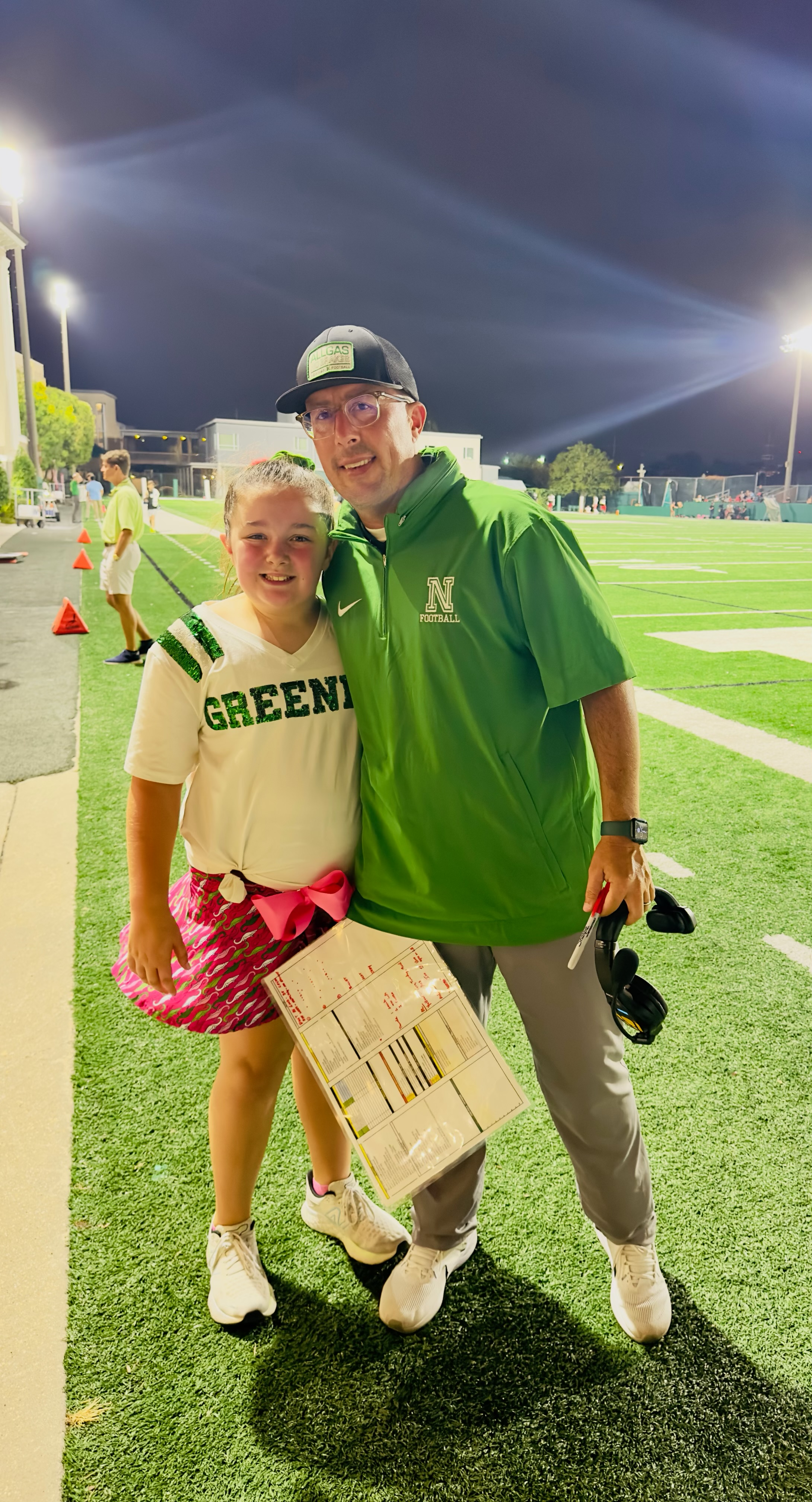
Friday Night LIghts: Coach Mathews and his daughter
PSA Norway, now Havtil, has long been a pacesetter in analyzing offshore incident and performance data, and publishing timely, comprehensive assessments. Their key findings for 2023 are pasted below (emphasis added):
Hydrocarbon leaks: four on the NCS in 2023 – the lowest figure since the RNNP survey began. None of them are considered particularly serious.
Well control incidents: 11 in 2023. The level is stable, with the figure unchanged from 2022, and all had a low potential.
Structural damage: three incidents were reported in 2023, a halving from the year before.
Total major accident indicator: the annual value is the lowest ever, and the average for the past three years declined. No particularly serious incidents occurred in 2023.
Personal injuries: no accidents resulting in fatalities occurred in the petroleum sector during 2023, while 25 serious personal injuries were reported. The serious injury frequency rose to 0.6 per million hours worked (back to the 2021 level), and lay within the expected range based on the 10 previous years.
Questionnaire survey: responses to this biennial poll showed an improvement from 2021 in most of the indices for the HSE climate and the psychosocial working environment. Furthermore, some challenges are seen with regard to language and parallel operations leading to hazardous conditions.
Havtil informs me that the complete “Trends in Risk Level (RNNP)” report for 2023 will be available in English later this month. A link to the report will be posted on this blog.
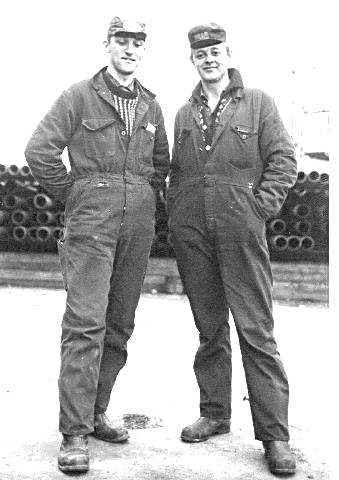
On a related note, JL Daeschler has brought The Norwegian Oil Pioneer Club’s website to my attention. Those interested in the history of North Sea exploration and production should take a look! A couple of pictures from the site are pasted below.
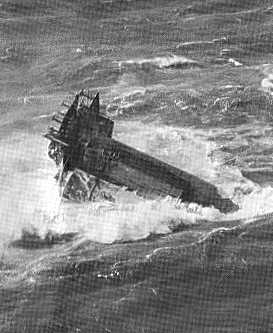
Svein and Axel, North Sea pioneers, 1966Sinking of the Ocean Prince, 1968
Offshore facility decommissioning is a frequent target of Federal auditors given the complex financial and regulatory challenges. Unfortunately, the reviews have done little to better protect the public interest. As have previous inquiries, the new GAO report (attached for your convenience) calls for improved regulations and enforcement practices. That, of course, has been the objective for decades, but the problems have only worsened.
While the GAO recommendations are unsurprising, the body of the report is informative. Most notably, GAO (p. 29) raises a significant inconsistency on a key provision in the proposed decommissioning financial assurance regulations published last year:
One of the five criteria BOEM would no longer use under the proposed rule is demonstrated reliability, as shown by record of compliance with laws, regulations, and lease terms, among other factors. BOEM’s June 2023 regulatory analysis concluded this criterion is not a good predictive indicator of default on decommissioning obligations. However, BOEM and BSEE officials we spoke with told us that poor compliance records—such as safety and maintenance issues or delayed decommissioning obligations—can be an indicator of potential decommissioning noncompliance or financial stress.
Why was there such a disconnect between the opinions of BOEM and BSEE officials (who are directly involved with decommissioning) and BOEM’s decision not to include a company’s compliance record among the factors to be considered in determining the need for supplemental financial assurance? As pointed out here and here, safety performance is arguably the most important predictor of financial failure and decommissioning noncompliance.
The GAO report correctly acknowledges the difficulties in disqualifying operating companies. However, the regulations at 30 CFR § 250.135 specifically provide for disqualification for poor performance. While the regulations could be tighter, enforcing disqualifications regulations is dependent on persistence and strong support from management and DOI attorneys. Given the political risks associated with disqualifying operators, that support is often lacking.
Disqualification difficulties make it imperative that BOEM carefully consider past performance before approving lease assignments or determining financial assurance amounts. Provisions in 30 CFR §585.408 and §585.107 could have been used to disapprove assignments to Signal Hill, Fieldwood, Cox, and other problem operators. The failure to do so has significantly delayed decommissioning and increased public exposure to financial risks.
In some cases, lease assignments to unqualified companies have not only been approved but they have been facilitated by BOEM/MMS. The case of Platforms Hogan and Houchin, in the Santa Barbara Channel, is a particularly good example. (Did GAO inquire about the Inspector General report on this matter or ask why that report has still not been released?)
Most operating companies are responsible about planning for and fulfilling their decommissioning obligations. The problem is the exceptions, and they are not difficult to identify if you look at compliance data and obtain input from BSEE inspection personnel.
Other important decommissioning questions that need to be considered:
Given that decommissioning responsibility is divided between BSEE and BOEM, is regulatory fragmentation limiting their efficiency and effectiveness? Is coordination between BSEE and BOEM delaying action on fitness to operate and disqualification matters?
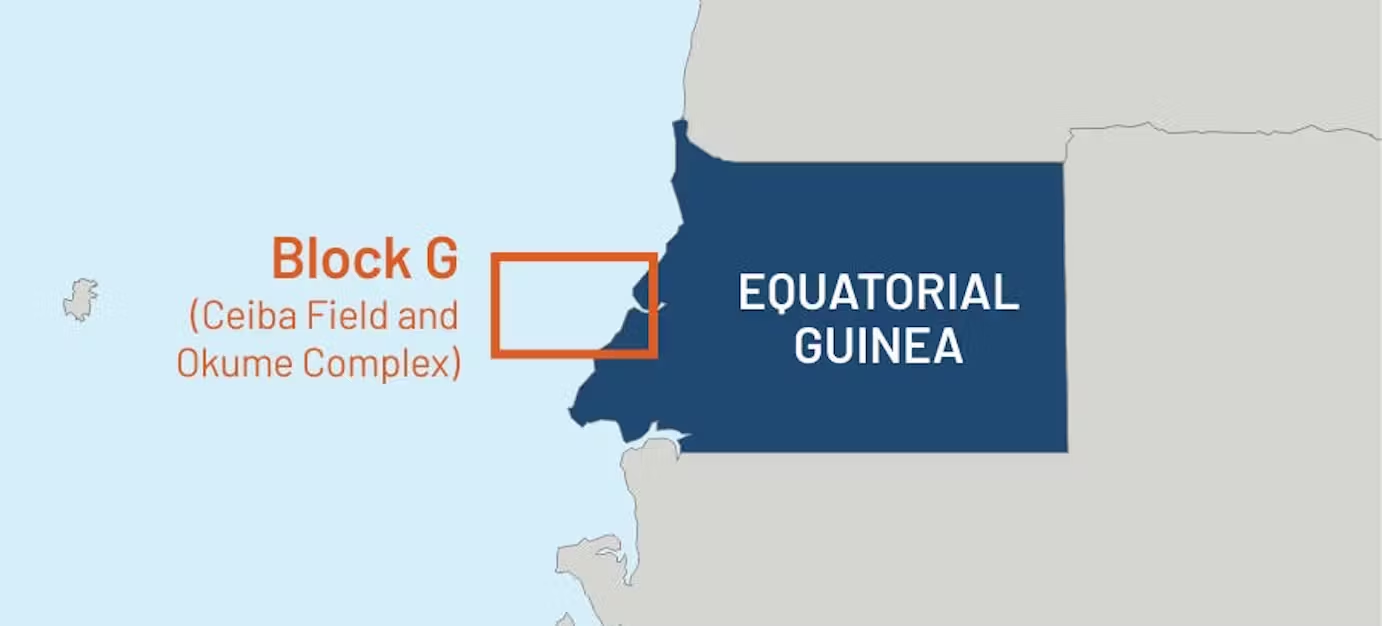
Last summer, Trident Energy exercised multiple options for the use of the Island Innovator semi-submersible (pictured above), extending the duration of the Equatorial Guinea contract to approximately 230 days.
The rig arrived in Equatorial Guinea in Nov. 2023.
On 7 Feb, a Trident team briefed Equatorial Guinea Minister of Mines and Hydrocarbons Antonio Oburu Ondo about problems with the Innovator’s BOP system. Apparently, Island Drilling, the rig owner, was not present at that meeting.
Mr. Ondo subsequently reported that the BOP had serious problems and failed to respond to control system commands.
Trident terminated the rig contract on safety grounds.
Island has publicly responded that (1) the Trident statements are inaccurate, (2) there have been no critical safety incidents, (3) the BOP has been checked and tested by the OEM representative on the rig and declared safe and ready for operations, and (4) they will challenge the contract termination.
Questions & comments:
Since the rig had just arrived on location, the BOP issues were presumably identified during onboard stump testing. Were corrective measures discussed? Why was contract termination deemed necessary?
Island’s statement indicates that the rig was tested with the OEM representative present. Presumably those tests were in accordance with API S53 or the ISO equivalent.
Had inspections and maintenance also been conducted in accordance with the standard? Did Trident inspect the rig and review maintenance and testing records before signing the contract?
Have other companies had similar issues with the Innovator? None have been identified in my web search.
Was a bridging document in place to address differences in Trident/Island management systems? If so, what does that document say about BOP inspection and oversight.
Why was the drilling contractor not present at the meeting with the Equatorial Guinea authorities? Was Island advised that the contract was being terminated prior to that meeting? Did the authorities speak with Island to hear their side of the story?
Does the contract provide for mandatory arbitration in the event of such disagreements?
Could other factors have influenced the cancellation decision? I was involved with an arbitration case involving an operator that used safety issues as the reason for terminating an expensive long-term rig contract. The arbitration panel ruled in favor of the drilling contractor resulting in a very large payment to the rig owner. Ironically, serious safety violations by the operating company (but not the drilling contractor) were identified during the arbitration process.
Island Drilling is a Norwegian Company with an experienced management team. The Innovator has conducted operations in the Norwegian and UK offshore sectors. These factors typically imply a strong commitment to safe operations.
Hopefully, we’ll be able to learn more about the specifics of this dispute in the near future.
The civil penalties provision in the 1978 OCS Lands Act (OCSLA) Amendments was flawed in that it stipulated that operators must be given time to take corrective action before a civil penalty could be assessed. The “time to take corrective action” requirement was confirmed by a 1983 Federal Court decision in Louisiana:
The Court agrees with Chevron’s construction of Section 24(b) and holds that civil penalties may only be imposed under Section 24(b) for violations which continue after the violator has been notified of the breach and has failed to correct it within a reasonable period allowed. This conclusion is based primarily upon a careful review of the pertinent statute. The first sentence sets forth the conditions of liability:
If any person fails to comply with any [provision of the Act] after notice of such failure and expiration of any reasonable period allowed for corrective action, such person shall be liable for a civil penalty of not more than $10,000 for each day of the continuance of such failure.
The court decision gutted the Minerals Management Service (MMS) civil penalties program. Civil penalties could no longer be assessed until the operators had been given time to correct their violations, even those that endangered workers and the environment.
Ironically, Congressman George Miller (D-CA), an ardent opponent of the offshore oil and gas program, proved to be an important MMS ally by adding language to the Oil Pollution Act of 1990 that amended the OCSLA civil penalties provision. The first draft of that language expanded the civil penalties authority to include violations that may constitute a threat of serious, irreparable, or immediate harm or damage to life, property, or the environment.
We were able to revise that draft by adding the words “or constituted” after “constitute” to cover situations where the threat was no longer present. For example, if an inspector found that a well had been drilled without required elements of the well control system in place, the threat may no longer be present at the time the violation was detected but it certainly was when the well was drilled.
The revived MMS civil penalties program was fair and effective, and BSEE seems to be administering the program in a similar manner. Civil penalties data for the past 4 years will be posted next week.
Slide 13: “In 2022, the rate of occupational fatalities, reported for activities on facilities where BSEE has primary investigation authority, decreased to being near the historical national average of approximately 0.9 fatalities per 25,000 full time equivalent workers per year. However, considering all offshore risk factors, including helicopter transportation, diving, marine transfer, and COVID-19 exposures, the occupational fatality rate for all OCS activities has remained high since 2019.“
Slide 15: “In 2022, the TRIR for both production and construction operations increased to the highest levels recorded since 2010 and remained high even after discounting the impact of COVID-19 illnesses. The TRIR for drilling and well operations, however, remained near their historical lows.“
Comments:
These charts and tables are helpful for assessing trends.
The data raise concerns that merit further analysis. Absent the specific incident summaries, which have yet to be updated for 2022, it’s difficult to assess the nature and extent of the issues.
The parsing of fatality data according to regulatory jurisdiction adds to previously expressed concerns about regulatory fragmentation and its implications for offshore safety.
The latest International Regulators’ Forum country performance data are for 2020. The absence of regular, timely updates makes international comparisons difficult and limits the value of what is arguably the most important IRF workstream.
IRF conferences present an excellent opportunity for dialogue among regulators, operators, trade organizations, contractors, academics, and other interested parties.
Some suggested agenda topics for the Perth conference:
Further categorizing incidents by the type of facility (e.g. MODU, fixed platform, floating platform, subsea production system, pipeline, etc.), and activity (e.g. well operations, production, diving, helicopter transit, etc.)
An international regulatory colleague brought this puzzling RigZone article to my attention. Quotes:
“From one perspective, one can look at the overall absence of risk – from this perspective, we can easily say that either the United Kingdom’s North Sea or Canada’s Nova Scotian continental shelfis the safest region for offshore oil and gas operations right now,” Robak told Rigzone.
“Canada’s offshore industry accounts for approximately one million barrels per day, and its geographic location along the Nova Scotian continental shelf has been a benefit in that there is little to no risk to its continued operation on a day-to-day basis,” Robak said.
Comments:
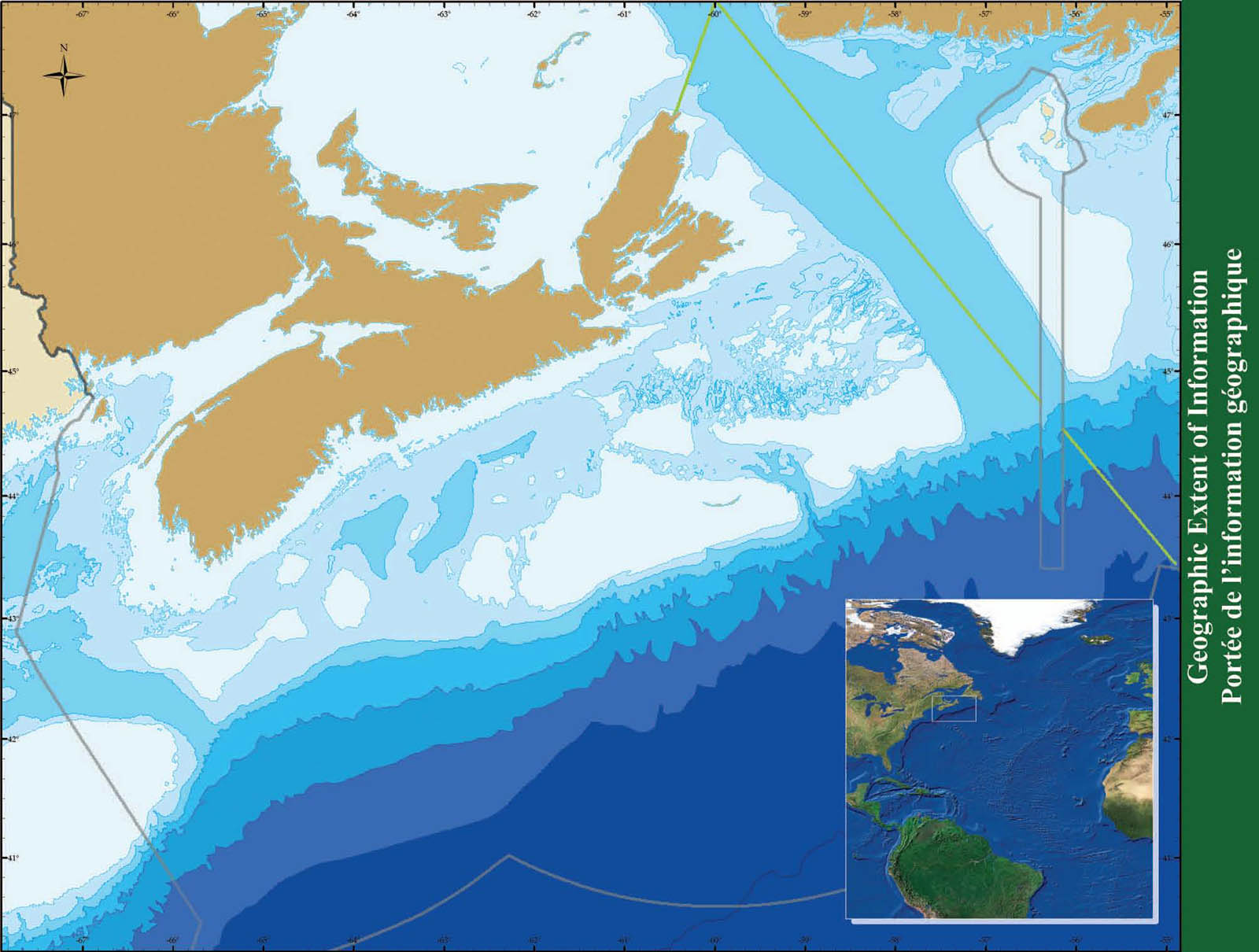
Scotian shelf production ceased in 2018. All facilities were fully abandoned and decommissioned by November 2020. So yes, Scotian shelf oil and gas operations are the safest in the world, along with operations in the US Atlantic and other regions where there is zero activity.
Victoria Nuland’s glee over the Nord Stream damage (video clip below) is particularly galling to those responsible for offshore production, worker safety, and environmental protection. Does she realize that the Gulf of Mexico has more than 13,000 miles of active offshore pipeline that could be similarly targeted, and that the US has 2.6 million miles of onshore pipelines?
Whether or not the US was involved in the Nord Stream sabotage, Ms. Nuland’s schadenfreude is disturbing given the economic and security implications of the attack.







 Bud's Offshore Energy (BOE)