How can AI and emerging technologies be used in risk management trending and operations?
Why are we not learning from accidents?
Breakthroughs in investigation techniques and sharing
The first IRF Conference was held 20 years ago in London followed by the 2007 conference at the Trump International Resort in Miami (little did we know 😀). More historical background.
The informed, diverse viewpoints about managing and regulating offshore operations sets these conferences apart from your typical professional events. The 2025 conference is highly recommended for those interested in offshore operations, risk mitigation, and regulatory policy.
The table below captures the shorter public comments and provides links to the longer ones. They are listed in the order they were posted on Regulations.gov.
commenter
summary/link
anonymous
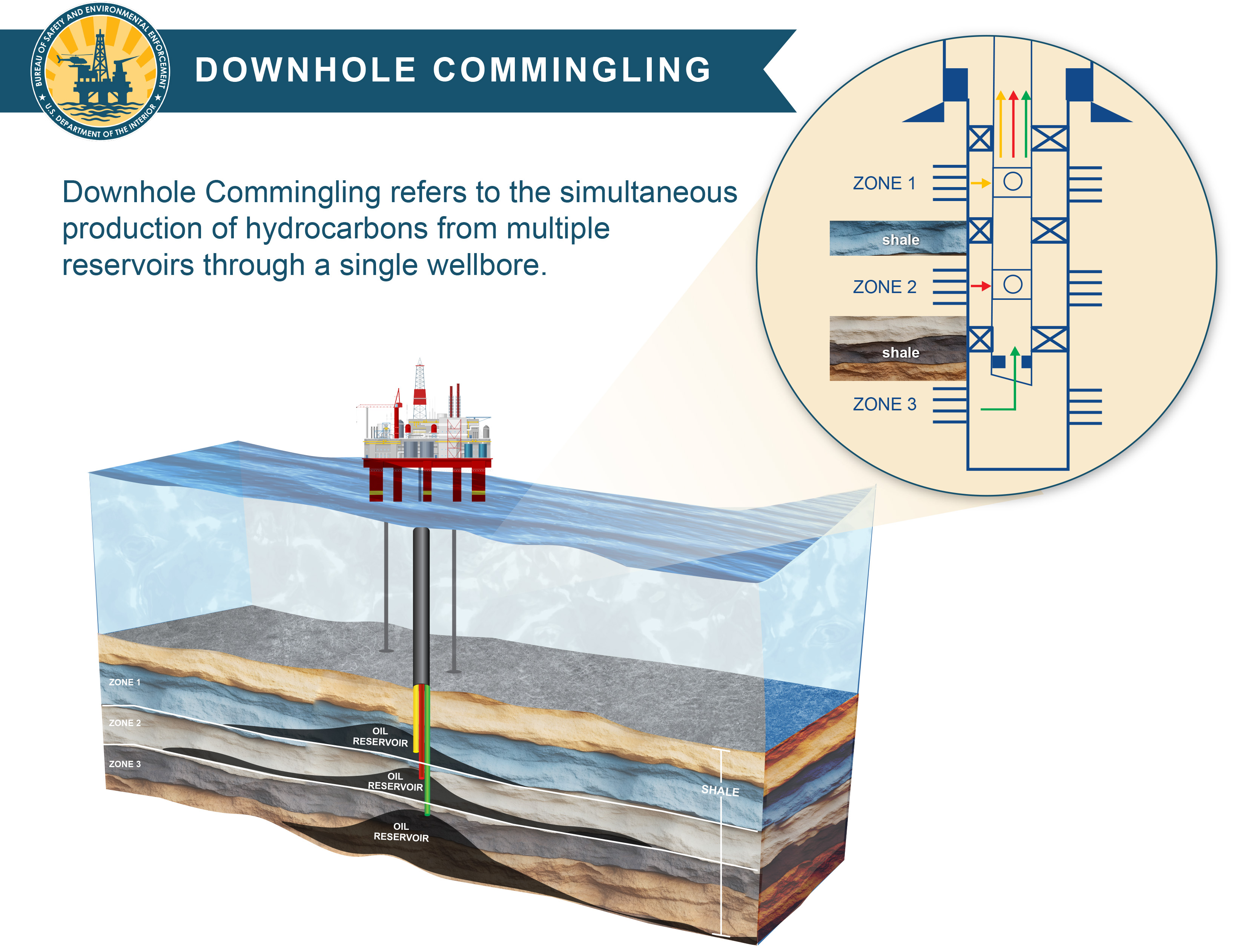
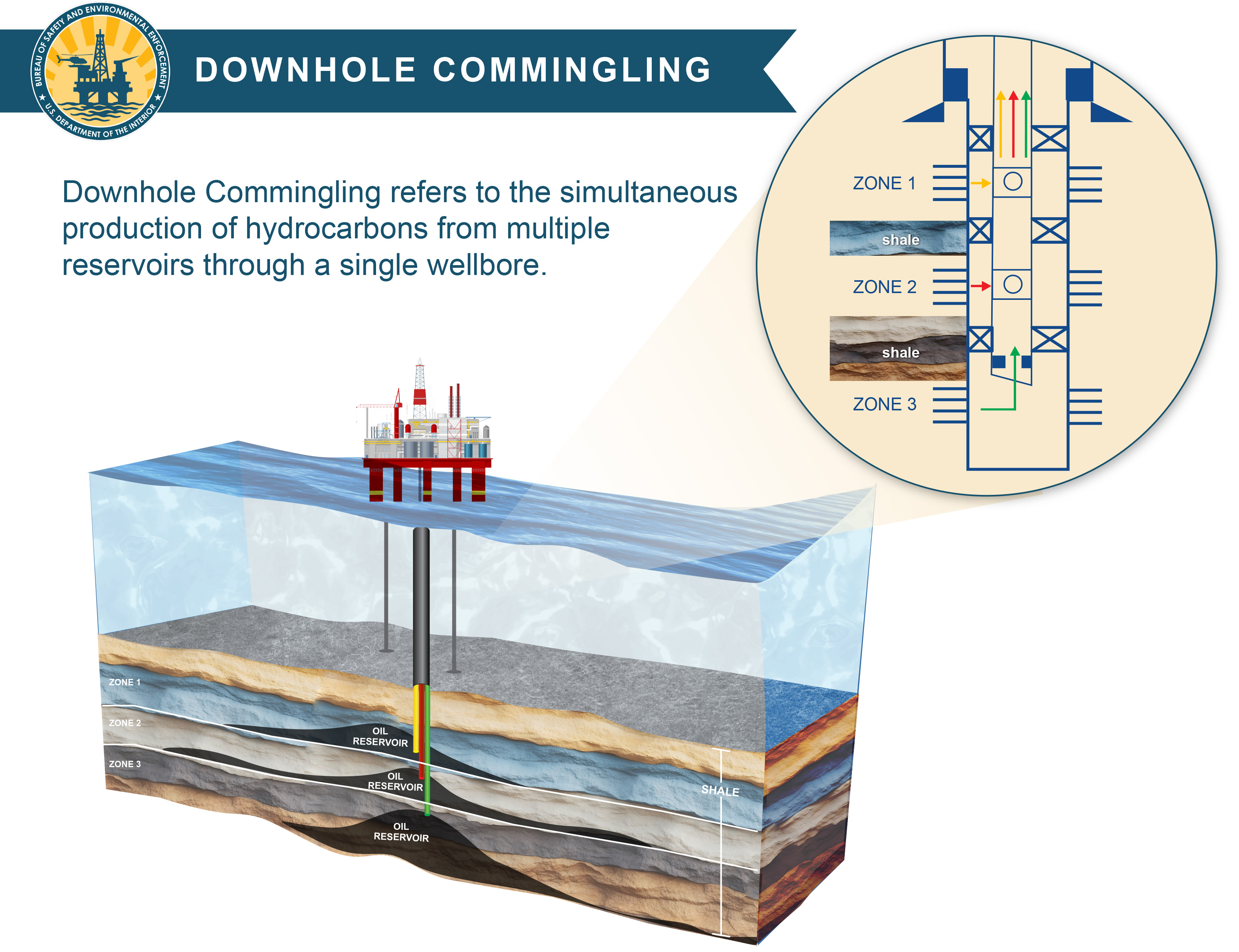
I recommend under no circumstance that we allow the onsite worker to approve the commingling of bore holes because there is extreme significant safety and environmental hazards that exist. The best alternative is to have an environmental engineer and environmental scientist approve any commingling
…your regulatory proposal is inconsistent with the federal law, the best available science on protecting the health and lives of children, and the legal mandate that agency decision-making does not deprive children of their fundamental constitutional rights…
I support updating the regulations to align with the One Big Beautiful Bill Act, but I encourage BSEE to ensure that safety standards and environmental protections remain the highest priority in all commingling approvals. Clear guidance for industry compliance and transparent public reporting would also strengthen confidence in this rule.
Ananda Foster
Regulations need to catch up with technology and we have not had a chance to do that yet. If you allow them on throttle access, they will destroy it. We all rely on the ocean, how can you do this to your own constituents?
Legislatively dictating well construction, completion, or operational approvals is a redline for me, and I continue to strongly believe the downhole commingling rule should be published as a draft for public review and comment.
The only industry comments are from API and bp America. Both support the direct final rule, and I respect their position. My main quarrel is with the legislative action that put us in this position.
I have had many disagreements with API members over the years, but the dialogue has always been professional. Technical and policy disagreements are healthy for the OCS program, and I will continue to raise potential issues and concerns on this blog.
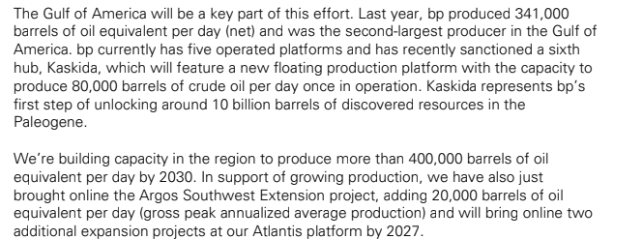
With regard to bp, I have been impressed by their commitment to the Gulf of America, as summarized in this excerpt from their comments:
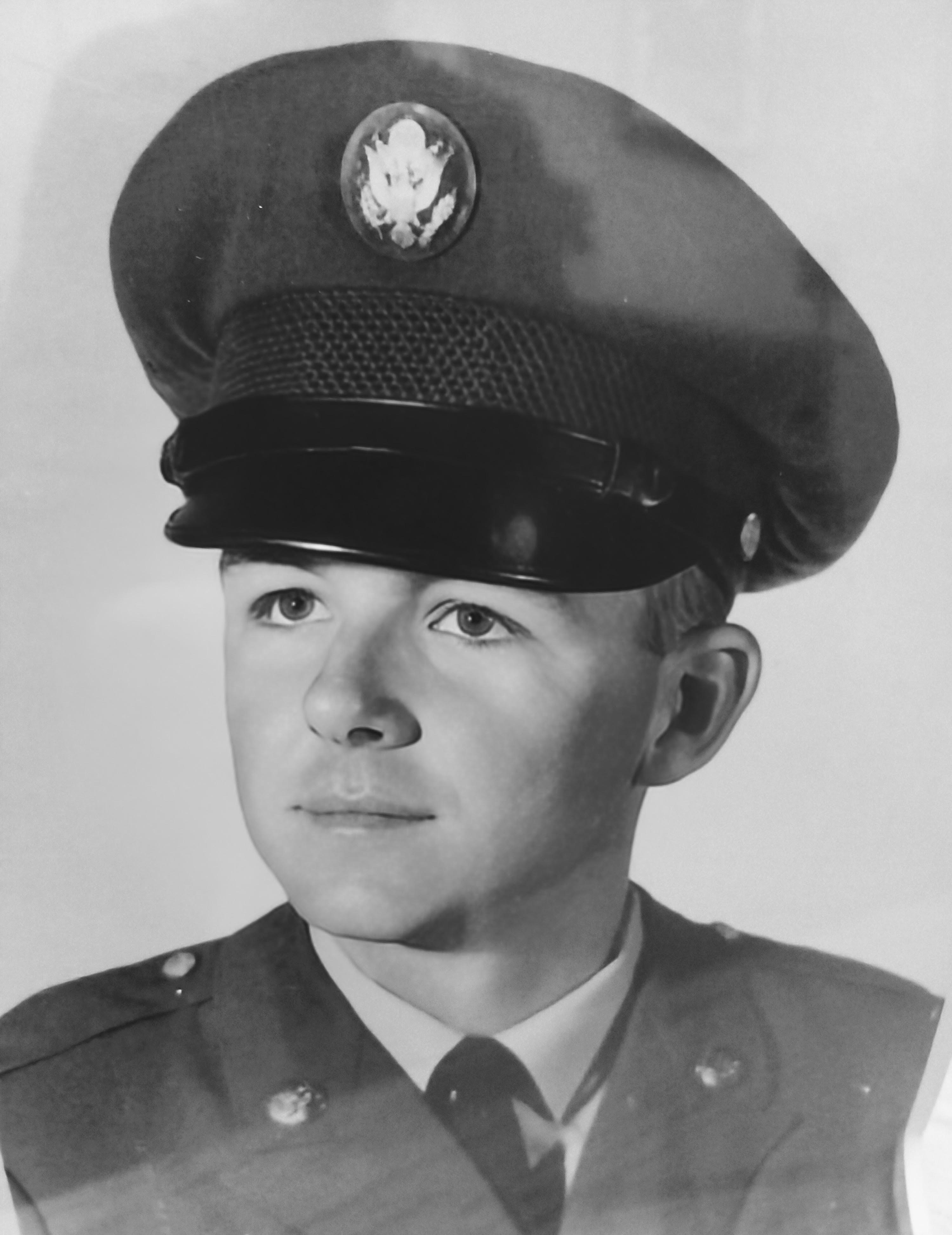
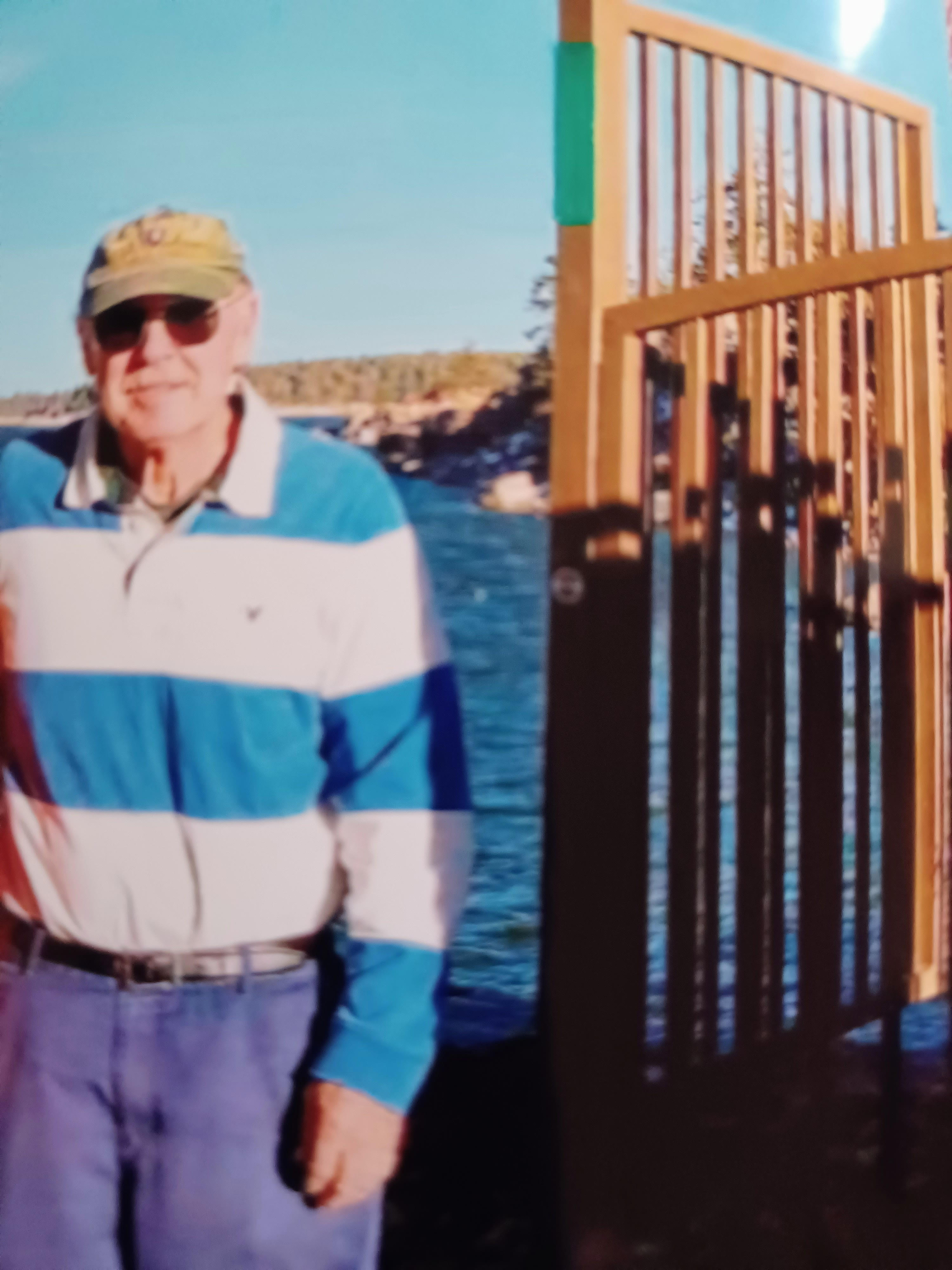
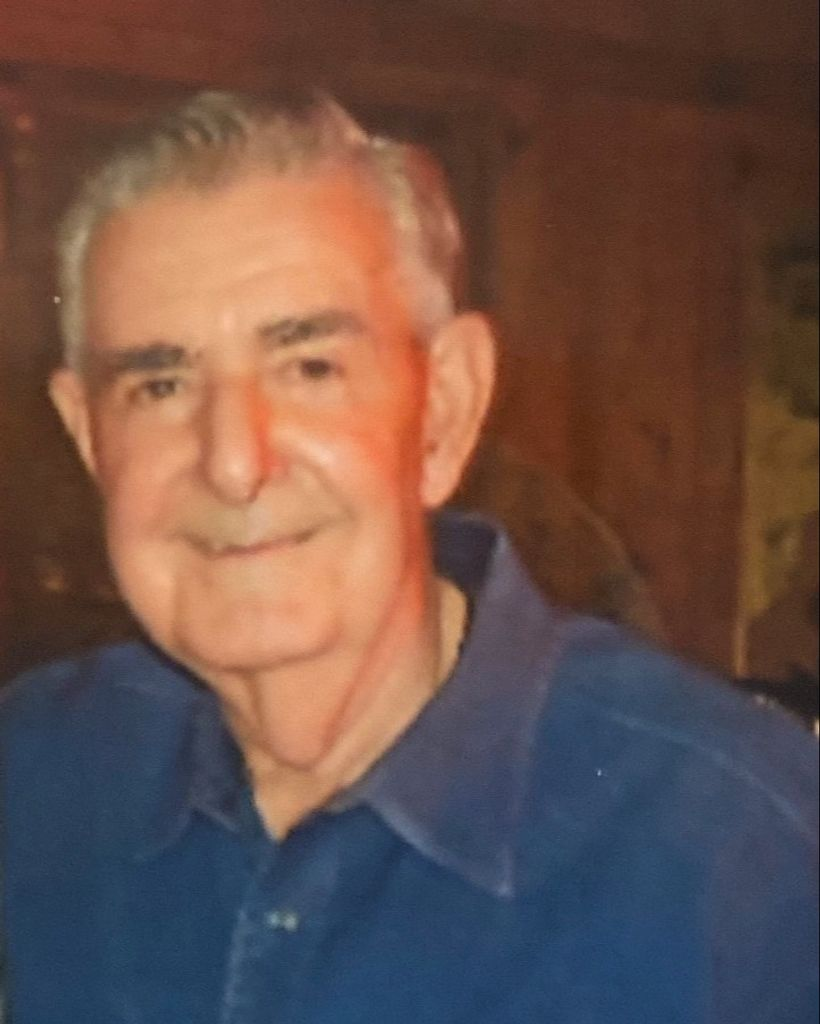
John Borne was an exceptional engineer and offshore safety leader in our OCS oil and gas program during the US Geological Survey (Conservation Div.) and Minerals Management Service (MMS) eras.
Some thoughts on John’s leadership followed by tributes from distinguished colleagues:
John’s Houma District office was a model for the rest of the OCS program. Houma was the program’s busiest district in terms of operational activity, and the most effective in meeting permitting, inspection, and investigation targets.
The few serious accidents that occurred in the District were carefully investigated and the findings were shared in a timely manner with the goal of preventing their recurrence. If John signed a report, you knew it was complete and accurate.
John was knowledgeable about the complex offshore oil and gas operations he regulated, and was an outstanding teacher and mentor.
John treated all companies the same from the super-majors to the small independents – no biases, no favors, and no ethics issues.
John expected companies to fully comply with the regulations. Any departures had to be clearly in the best interest of safety and the environment.
From Ken Arnold (ex-Shell engr, Paragon Engineering President, NAE): As part of the Shell Training program in 1964 I was assigned to trail John in East Bay for a week. One night I was talking to another trainee on a logging barge tied up to a posted barge rig in SP Blk 24. John was also on the barge. Without warning the barge started pulling away from the rig. The three of us jumped from the barge to the rig but I slipped and fell in the canal. I don’t think I was in the water long enough to get wet, when John and a rig hand fished me out. Unfortunately my glasses fell off and were in the mud. John got a scissors device and retrieved my glasses in a matter of minutes.
I greatly appreciated my week with John. What he took the time to teach me about field work was critical to my subsequent successful career in Shell and in Paragon. He was a gentleman and a first class teacher. I was lucky to have known him.
Jodie Connor (founder and retired President of J. Connor Consulting): John was an excellent representative of the MMS, always fair in his decision-making and approvals. I endearingly called him “By the Book Borne”. He enforced the regulations as they were written, which was fair to all operators. Always kind and willing to explain MMS policies.
Lars Herbst (retired MMS/BSEE Regional Director, Gulf of Mexico): What a legend at MMS! A testament to his leadership are the number of Regional leaders that came out of Houma District. Just to name a few: Mike Saucier, Bryan Domangue, Troy Trosclair, and even Jack Leezy! That work ethic that John instilled has continued even to the next generation of leadership! I was fortunate that John let me act as Drilling Engineer when Saucier went hunting each December. My career at MMS was never the same after that opportunity!
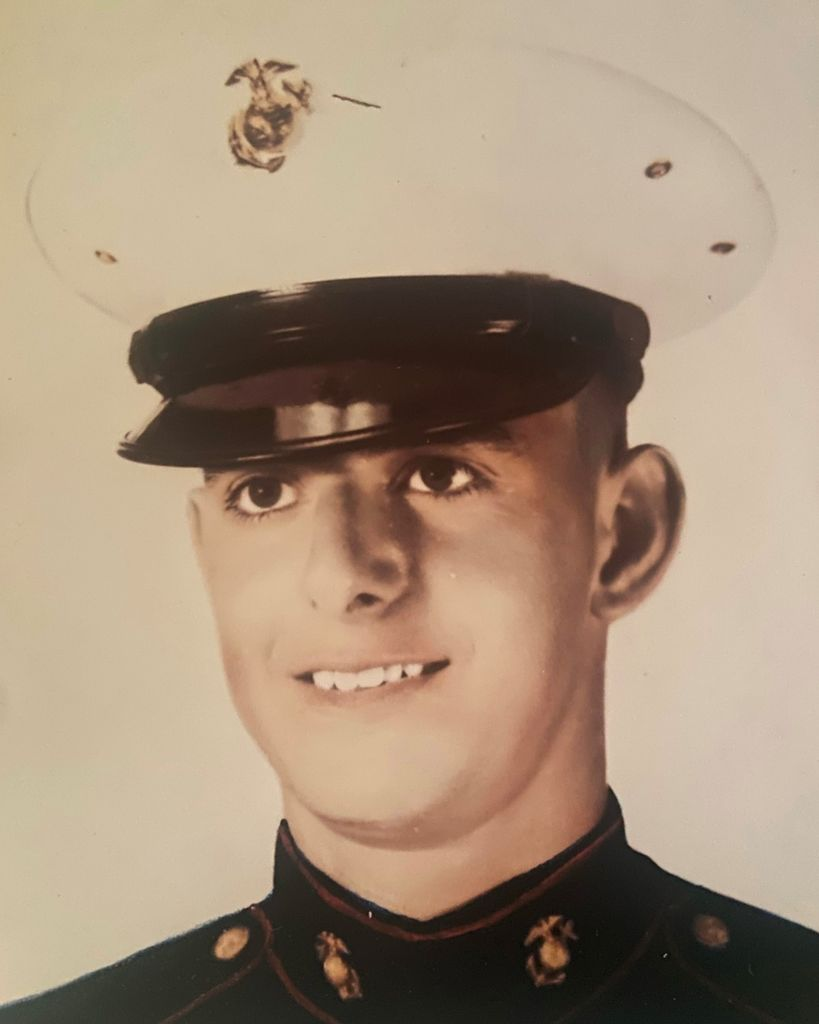
Jack Leezy: (President, Avenger Consulting, retired MMS): John served in the Marine Corp during the Korean war. Upon discharge from the Marine Corp John attend the University of Lafayette and earned a BS degree in Petroleum Engineering. John started his oilfield career when he went to work for Shell Oil in 1960 until 1970 as a Petroleum Engineer.
John joined U.S.G.S. In 1970 as a Petroleum Engineer in the Lafayette District. John accepted a promotion in 1972 in the Regional office and was selected as the first District Supervisor in the newly formed Houma District office in October1974. John remained as the District Supervisor until his retirement in 1995. John was instrumental in developing Bureau policies of which some are still in place as of today. John served on countless MMS and industry committees alike during his career. John was looked upon as professional and highly respected by MMS and industry alike. He performed is duties in such a way that even if you may not have liked his decision, you respected it. John’s demeanor never changed as he never lost his composure and worked evenly though all the trials and tribulations during his career at MMS. John even won MMS’s Engineer of the Year award. I owe a lot to John in helping me form my career at MMS as I tried to handle my supervisory duties in the same manner in which John did.
RIP John. You were a superstar! As an engineer, regulator, leader, teacher, and colleague, no one did it better!
The “One Big Beautiful Bill Act of 2025” (OBBB), Public Law 119-21, which was signed into law on July 4, 2025, includes a significant offshore production directive (section 50102) that has received little public attention:
“The Secretary of the Interior shall approve a request of an operator to commingle oil or gas production from multiple reservoirs within a single wellbore completed on the outer Continental Shelf in the Gulf of America Region unless the Secretary of the Interior determines that conclusive evidence establishes that the commingling—(1) could not be conducted by the operator in a safe manner; or (2) would result in an ultimate recovery from the applicable reservoirs to be reduced in comparison to the expected recovery of those reservoirs if they had not been commingled.”
This is, to the best of my knowledge, the first time in the history of the OCS oil and gas program that Congress has directed the safety regulator to approve well completion practices that could increase safety, environmental, and resource conservation risks.
Rather than calling for the operator to demonstrate that a downhole commingling plan is safe and optimizes resource recovery, the plan must be approved unless BSEE proves conclusively that the operation could not be conducted safely or that resource recovery would be reduced. This is the antithesis of the operator responsibility doctrine, a fundamental principle of the OCS regulatory program, and safety management principles that call for the operator to demonstrate that safety, environmental, and resource conservation risks have been effectively addressed.
Only 40 days after the OBBB was signed, BSEE published a direct final rule implementing the downhole commingling directive. This is warp speed for promulgating a Federal regulation! In keeping with the rush to finalize the rule, the preamble asserts that “notice and comment are unnecessary because this rule is noncontroversial; of a minor, technical nature; and is unlikely to receive any significant adverse comments.”
I intend to submit comments prior to the Sept. 12 deadline. These comments will assert that the rule does not qualify for an exemption from the Administrative Procedures Act’s public review and comment requirement. I will also recommend that BSEE consider hosting a public forum during the comment period to present their research on downhole commingling and discuss the risk mitigations.
Below are some of the issues/questions that should be considered during the public comment period:
BSEE’s own fact sheet acknowledges the well-known pressure differential, crossflow, and fluid compatibility risks associated with downhole commingling. The public should have the opportunity to provide input on the extent to which “intelligent completions” and other production technology are effective in mitigating these risks.
The industry-funded Univ. of Texas (UT) study, which led to a relaxation of downhole commingling restrictions, was specific to the “unique Paleogene Gulf of Mexico fields.” Does BSEE have evidence that supports the applicability of the study to other fields?
The authors of the UT study acknowledged that their findings were based on a “simple but reasonable geological base case model.” They also acknowledged the need for “a more comprehensive study using advanced geological models to explore additional geological features.” What are BSEE’s plans for additional research?
Should an independent assessment of Gulf of America downhole commingling safety and resource recovery risks be conducted before finalizing a rule that essentially mandates approval of all applications?
BSEE’s April 2025 policy change raised the allowable pressure differential for commingling production in Paleogene (Wilcox) reservoirs from 200 psi to 1500 psi. Unlike the policy update, the new rule includes no boundaries whatsoever.
What criteria will BSEE use in determining that there is “conclusive evidence” that a commingling request would be unsafe or would reduce ultimate resource recovery? Will BSEE disapprove any requests outside the parameters in the current policy guidance or subsequent updates?
There are many more issues that remain to be discussed, which is why the downhole commingling rule should be published in draft form, with a comment period of at least 90 days.
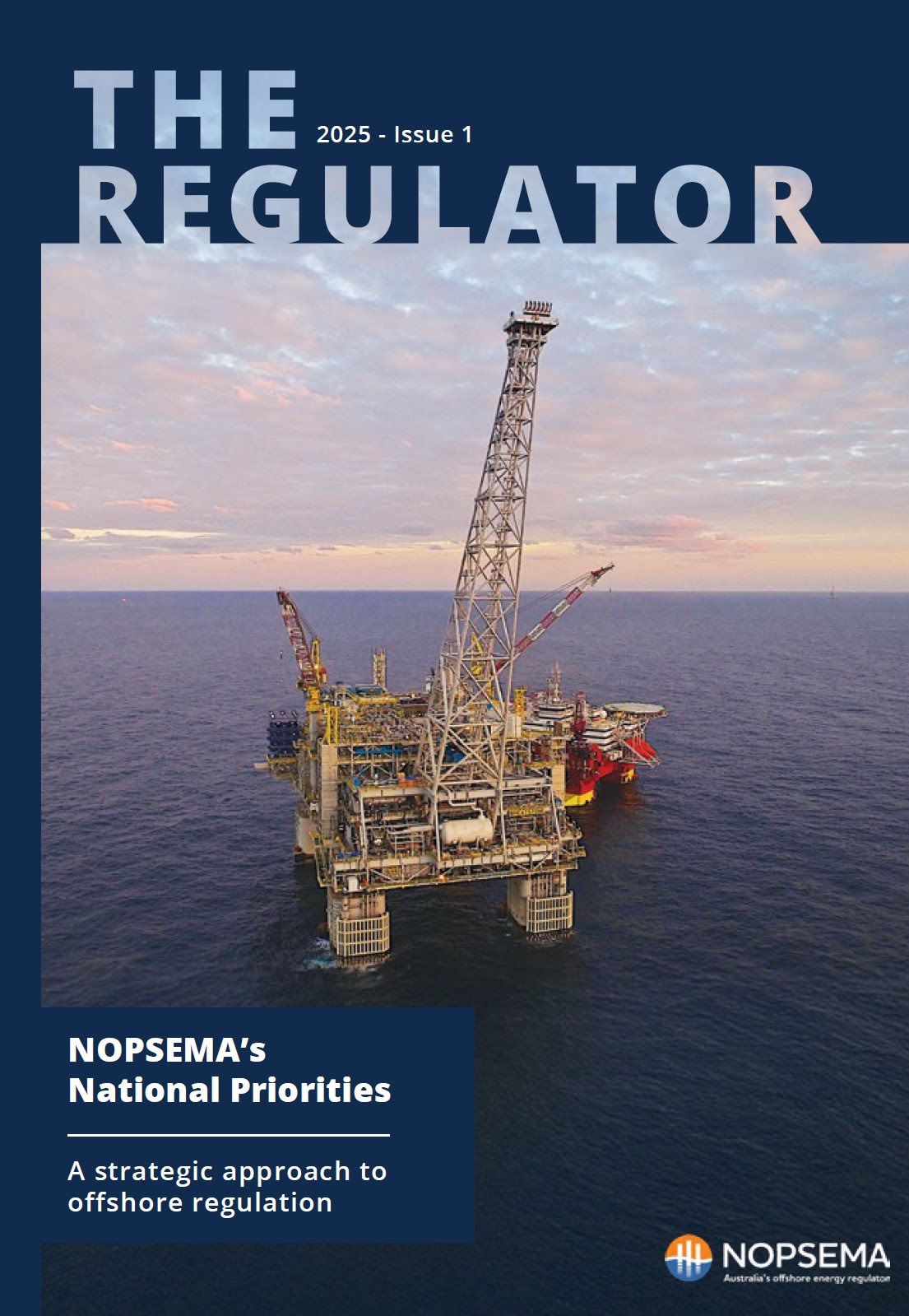
Firstly, BOE applauds NOPSEMA for being the only offshore safety regulator to publish a newsletter on a regular basis.
Their latest issue identifies and explains their five National Priorities. These priorities could apply worldwide:
Structural integrity – Ensuring offshore assets remain safe and well maintained.
Addressing redundant wells – Strengthening oversight to ensure wells are decommissioned responsibly.
Psychosocial health – Protection of worker mental health and well being.
Control of work – Promoting effective systems to ensure work is carried out safely and we learn from incidents to continually improve.
Leadership and management – Sharing how decision-making impacts safety and environmental outcomes on offshore facilities
I also strongly support their commitment to investigating non-work related fatalities at offshore facilities. These incidents should not simply be classified as non-occupational with no further explanation. NOPSEMA’s investigation of these fatalities involves the following steps:
Identify the circumstances of the reported death.
Assess the immediate response to the reported death.
Identify any work related causal factors present prior to the reported death.
Identify the cause of death as provided by the relevant Coroner or medical practitioner
Lastly, I like the name of their newsletter, which shows pride in being an offshore safety regulator. Safety regulators facilitate offshore energy development by identifying and mitigating safety and environmental risks. With few exceptions, they perform their legislatively mandated duties effectively and efficiently. I’m proud to have been an offshore safety regulator for many years.
The following message is from Jason Mathews – petroleum engineer, football coach, proud father, and outstanding offshore safety leader.
Happy Easter – BSEE Family and Friends
The explosion on the Deepwater Horizon oil rig occurred on April 20, 2010, at approximately 9:45 p.m. CDT. Shortly after the initial explosion, a series of further explosions and a firestorm engulfed the platform that forever changed our industry and eleven families.
This past week, I was in Orlando with my family attending an International Cheer event – All Star World Championship. As I was sitting there, I noticed a young athlete with a date written on her shoes, and she touched the date as she walked back with her team. My assumption was it was something to inspire her.
It quickly reminded me of a young man by the name of Shane Roshto. At only 22 years young, he was a victim of the Deepwater Horizon explosion, and he had written the date of his wedding and his son’s birthday on the inside of his hard hat. Those dates served as reminders of the important people and events in his life while working on the rig miles away from those who meant the most to him.
On Wednesday evening, they brought the top ten teams at the cheer competition onto the stage and called out each finalist on the stage until there were three left, and my daughter’s team was still remaining. While those girls were on stage, I thought back on the countless hours her coaches pushed her and always requested more from them because they had a collective goal to win Nationals and Worlds, and then they called the third-place finisher. It seemed like forever before they called the second-place finisher, but when they did, I got to witness athletes, coaches and families reach something they had put everything into since they began cheer. A date LA Spirit – Fame will never forget – April 16th, and only four days from a day we will never forget – April 20th.
At the conclusion of the day after taking everything in and calming down, I sent this message to the coaches of my daughter’s team – “Coaches thanks for “living your legacy” with our girls at LA Spirit. Every one of your goals, expectations, and coaching styles foster a meaningful life well beyond cheer that leaves a positive impact on our girls. All too often, our girls are told what they can and can’t do with their schedules, their abilities, or their choices. Y’all showed them they can do whatever they set their mind to if they want it bad enough and are willing to make sacrifices for it. As a parent, thank you for making positive memories and experiences that have a ripple effect and continue to inspire our girls for years to come.”
Although the two events have nothing in common (one being a tragedy and one being a highlight), they both drive individuals to live their legacies. At BSEE, all of us (not just inspectors and engineers) have an awesome responsibility to live our legacy in the oil and gas industry by actively shaping our life’s story and influence by focusing on our values, actions, and contributions to those around us (and those who work offshore).
Whether you have days like April 20th or April 16th, always “Live Your Legacy.”
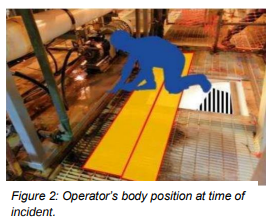
BSEE’s risk-based inspection and safety alert programs have effectively drawn attention to grating risks. Attached is a recent alert describing a grating incident that could have been fatal.
A worker installing a pump in a skid above unsafe grating was kneeling on scaffolding boards. The tip of his boot was on the corroded grating when it suddenly gave way. The worker was able to grab a nearby section of piping to support himself. The 36″ x 36″ piece of grating collapsed and fell into the water.
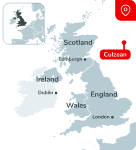
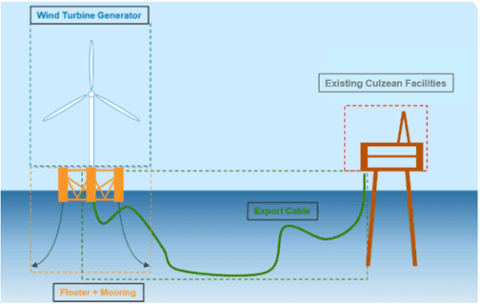
Total has announced plans to install a 3 MW floating wind turbine 2 km west of the Culzean platform, 220 km off the coast of Scotland. This turbine, expected to be fully operational by the end of 2025, will supply around 20% of Culzean’s power requirement. This project is interesting from an R&D standpoint, but makes little sense otherwise. Here’s why:
Culzean is a gas condensate field that is capable of meeting 5% of the UK’s gas demand. There is thus ample produced gas to reliably and economically power the platform.
Gas will be required to meet 80% of the power requirement even after the wind turbine is operating.
In light of installation, maintenance, and decommissioning costs for the floating turbine, the cost of the intermittent wind power will no doubt be much higher than the cost of the power generated by platform gas.
Some tax benefits may be associated with adding the wind turbine, but this won’t affect the real costs, other than to perhaps make them higher.
In addition to affecting profitability, higher operational costs could reduce the ultimate recovery of gas and condensate from the field.
Gas not consumed at the offshore facilities will be marketed and consumed onshore, so there is essentially no net reduction in global CO2 emissions.
As JL Daeschler reminds me, the floating turbine complicates operations and could create safety issues: obstruction for helicopters and supply boats to avoid, trenching and installing power cable in a spare “J” tube, and feeding power to an electrical distribution system in accordance with standards and platform specifications. As JL notes, “I think we have plenty to do offshore already!”
And what if there are mooring failures and the turbine drifts toward the platforms? Turbine blade failures?
Bottom line: adding costs and risks for no apparent benefit.
Havtil prioritizes risk assessment and publishes their comprehensive annual analysis of safety trends in a timely manner. The 2023 RNNP was posted in Norwegian earlier this year and the summary report is already available in English. RNNP reports are an important safety resource that should be reviewed and discussed wherever oil and gas operations are conducted.
As an example of the breadth of these reviews, the two sets of charts below convey data that are not typically documented by offshore safety regulators. The first set documents near-misses that did not result in injuries, but did expose workers to that risk.
The second set of charts is a summary of worker responses to a survey, a means of assessing the safety culture. The big jump in favorable responses to the HSE questions is encouraging. In particular, the report notes (p. 14) that responses to a question about being pressured not to report incidents has moved in a positive direction in the last two surveys. Hopefully, this is an industry-wide trend.
I had the pleasure of working with Jason Mathews when he was a young MMS engineer. He truly cared about our safety mission and has taken that commitment to the next level at BSEE. Jason shared this important, heartfelt message on the anniversary of the Macondo blowout.
One of the greatest gifts I ever received in life is having a little girl and having the opportunity to go home every evening and spending time with her at cheer, softball, doing homework, etc. I have a great deal of respect for the men and women who work offshore and put their lives on hold for 14-28 days to deliver much needed OCS production to meet US demand. Undoubtedly, they are better / tougher people than me.
Over the last year, my team has seen multiple incidents that had a high potential severity that could have led to a fatal / serious injury or major incident in the GOM. Although we can sit and debate the causal factors for hours, one that jumps to the top of the discussion is the Human Factor – Complacency. Of all the things a leader should fear, complacency heads the list. There is no doubt success breeds complacency, and complacency breeds failure.
To this day, I am still shook by the mindset and complacency of many onboard the Deepwater Horizon prior to the incident. During testimony in the public hearings, John Guide, the BP well team leader for the Horizon, believed that the rig crew had become “too comfortable” because of its good track record for drilling difficult wells. Ross Skidmore, a BP contractor on the rig on April 20, testified that the crew became complacent after completing drilling because “when you get to that point, everybody goes to the mindset that weʹre through, this job is done.” To me, the complacency on the Deepwater Horizon could be attributable to the crew not having access to all of the well data (OptiCem reports – cement job risk) available to BP personnel onshore and the well site leaders on the rig. Our investigation concluded, the overall complacency of the Deepwater Horizon crew was a possible contributing cause of the kick detection failure.
As regulators, we have special roles in the GOM as it relates to safety:
Driving the avoidance of complacency and risk-free mindsets of the offshore employees
Understanding we can’t be selfish – Our success is not our individual personal growth / gains, but it is being unwavering in your promotion of offshore safety to ensure all offshore employees return home to their families safely
Holding each other (internally) and industry (externally) accountable when necessary
In order to achieve greatness offshore, we ,as a regulator, have to believe we can, and never sit still until we achieve it.
Everyone on this email has a very critical function and role. Never underestimate the value of what you do, have the proper mindset, and avoid complacency.
Do whatever it takes to ensure the people offshore are gifted the same gift we receive every day – going home to our families.
All In –
Jason P. Mathews, Petroleum Engineer, Field Operations – OSM
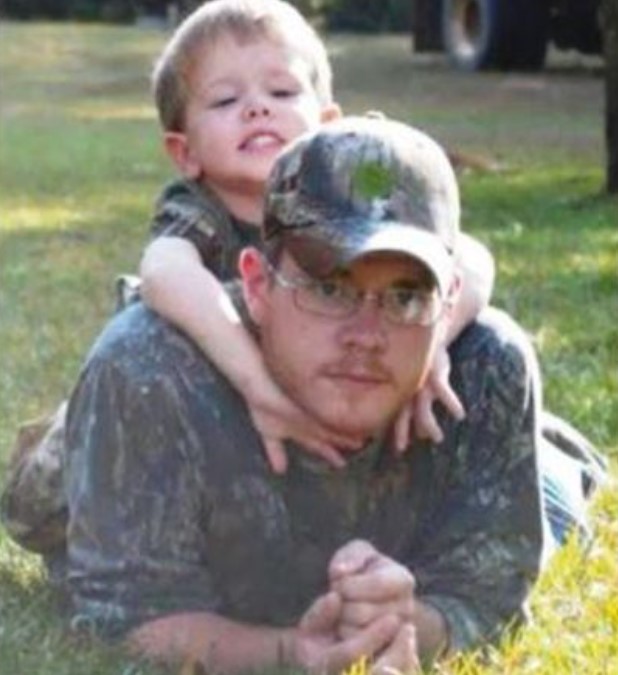
Friday Night LIghts: Coach Mathews and his daughter