A new report ranks eight key energy industry sectors based on their ability to meet the growing demand for affordable, reliable, and clean electric power generation.
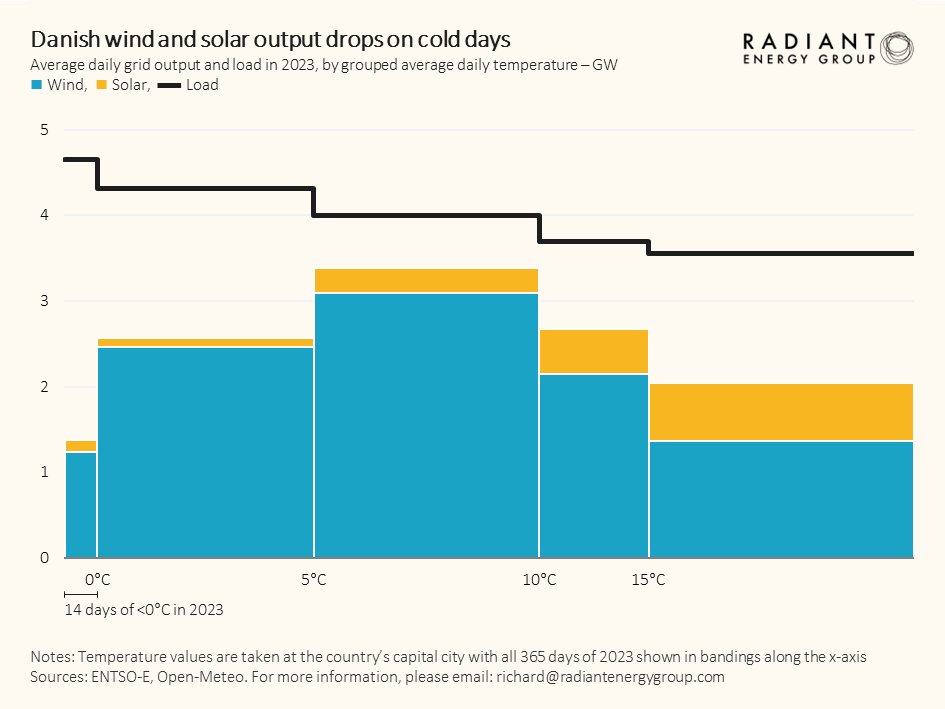
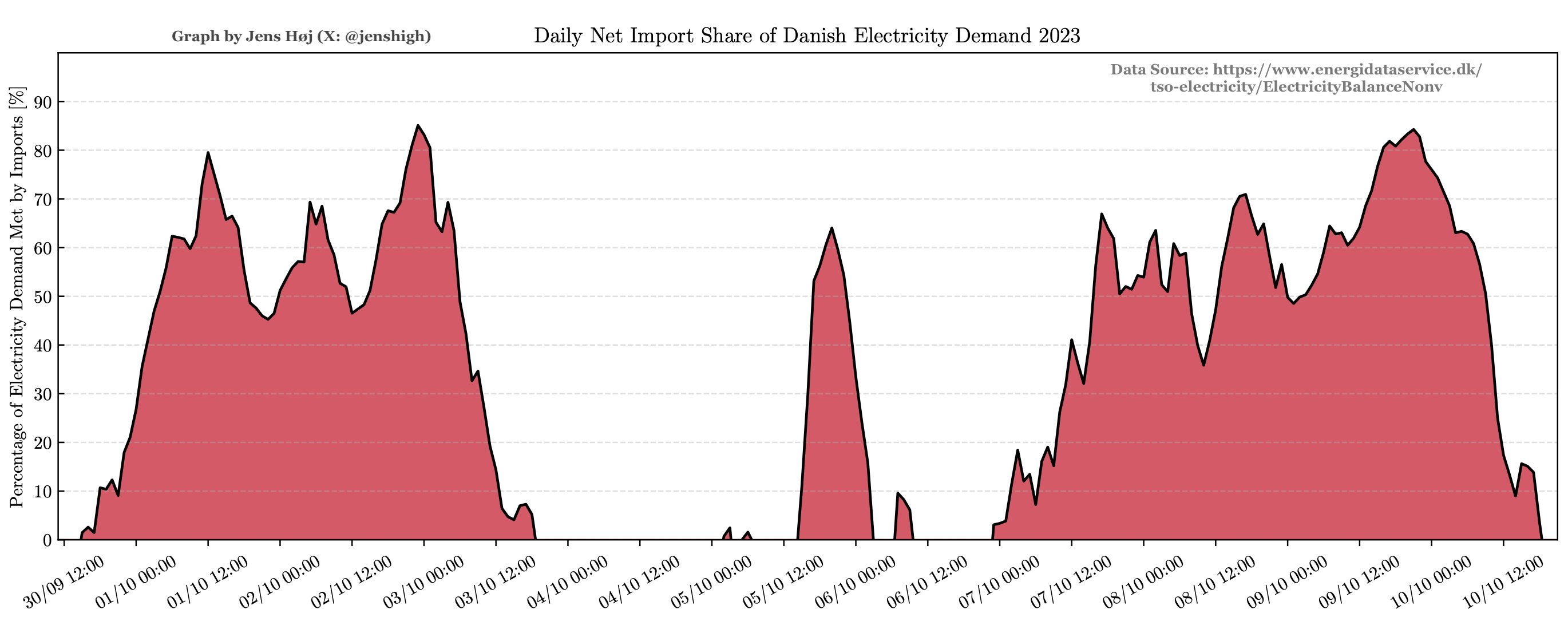
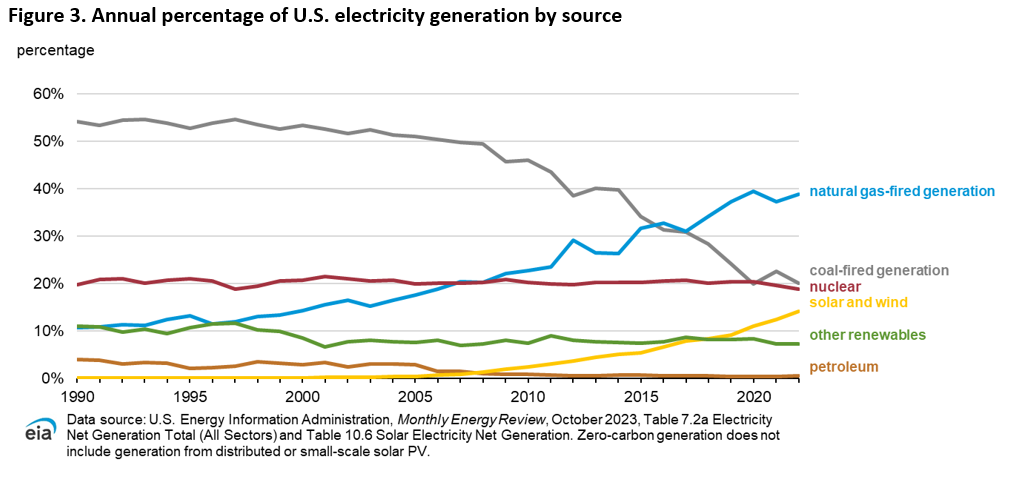
As governments around the nation attempt to impose a transition from traditional energy resources to energy sources open referred to as renewables, natural gas is the energy source that is best suited to integrate with the intermittency inherent in the use of wind and solar. Gas provides a reliable, affordable, and increasingly clean source of energy in both traditional and “carbon-constrained” applications.
Gas faces headwinds in the form of increasingly extreme net zero energy policies that will constrict supplies if implemented as proposed. Gas could also improve overall reliability if onsite storage was prioritized to help avoid supply disruptions that can occur in just-in-time pipeline deliveries during periods of extreme weather and demand.
Less attention has been given to natural gas’s other important air quality advantages – low NOx. SO2, and particulate emissions. These emissions have greater local significance from a human health standpoint. Those who have ridden a bike behind a natural gas powered bus have no doubt experienced the natural gas advantage firsthand.
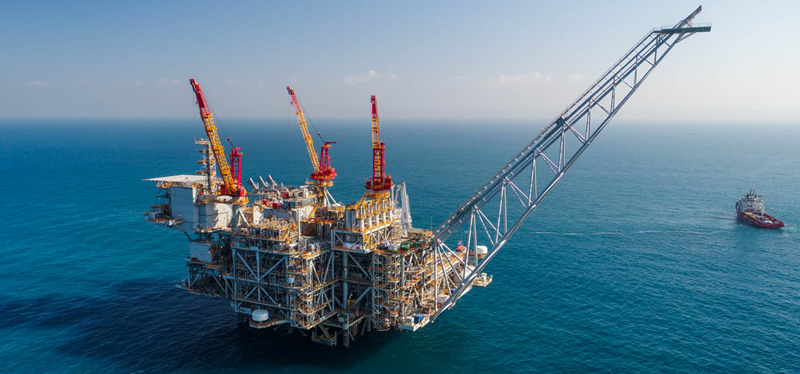
Production at Chevron’s Leviathan, a giant offshore gas field
This may come as a surprise to many, but Israel produced 752 billion cubic feet of gas in 2022, which is nearly equivalent to US offshore gas production (788 bcf in 2022).
Chevron is the main operator in Israel, having purchased Noble’s assets in 2020. Absent Noble’s bold and pioneering exploration in the Eastern Mediterranean, Israel would have continued to be an energy importer dependent on coal for power generation.
Presumably, the protection of these offshore assets is a high priority for the Israeli Navy.
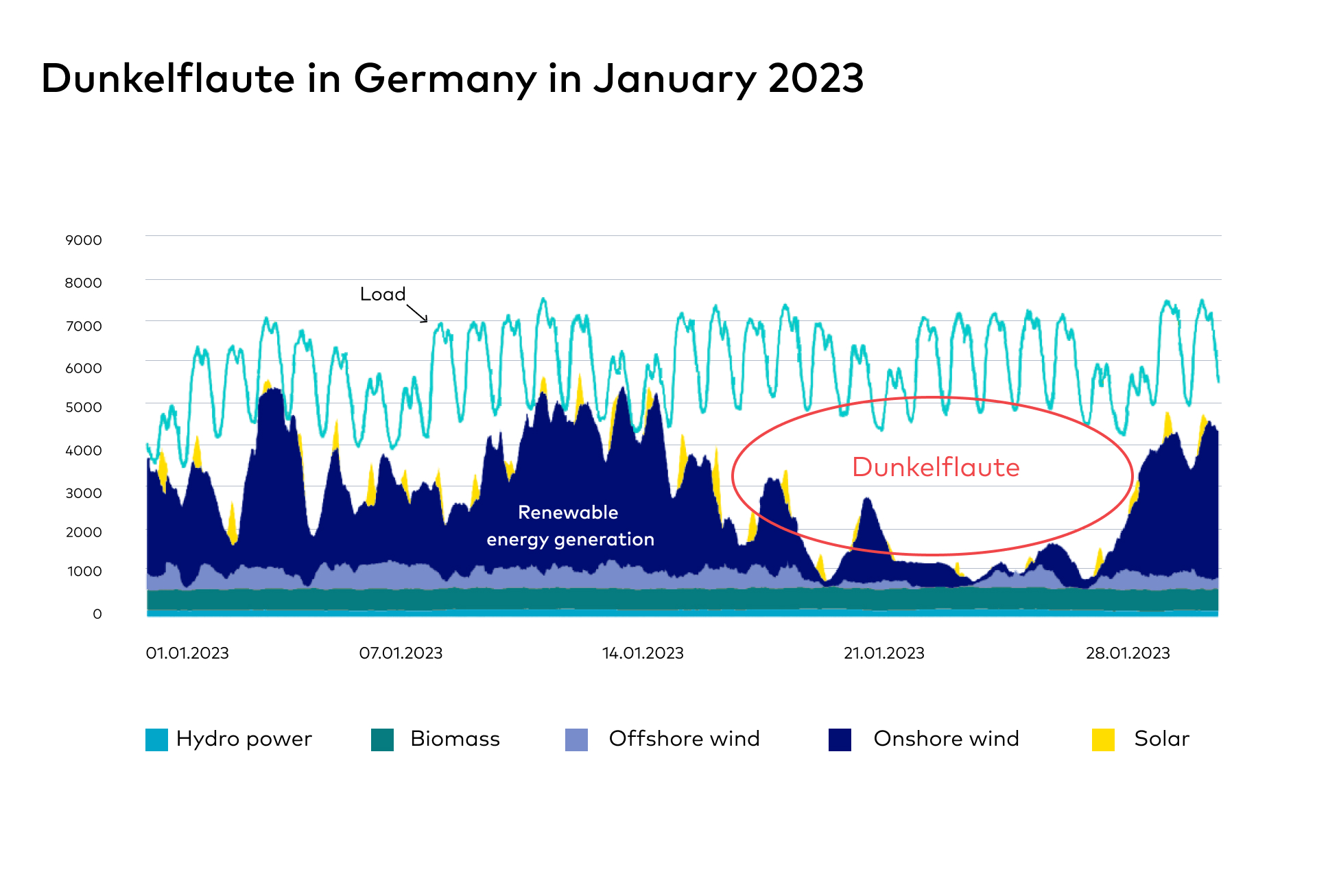
Something here does not remotely add up. If New York state succeeds by 2030 in closing its natural gas plants — the plants that account for 60% of the State’s generation capacity — that would bring our total installed capacity down from 37.5 GW to as little as 15 GW. But we need almost 60 GW to meet projected demand. And that’s 60 GW that can be called on any time as needed to meet peak usage. The 9 GW of projected offshore wind turbines wouldn’t make much of a dent even if they operated all the time and could be dispatched to meet peak demand, which they can’t. Instead, they will operate only about a third of the time, and at their own whim. At best they will provide about 3 GW on average, when what we need for this full electrification project is more like 45 GW of dispatchable power to add to our existing hydro and nuclear.
Offshore platforms: In some regions, there is a push to power platforms with renewable energy transported by electric cable. Currently, most platforms are efficiently powered by gas turbines which satisfy energy needs even when demand spikes during well operations like tripping out of the hole. The extent to which renewables can reliably support platform operations during these and other operations, when power interruptions are unacceptable from a safety standpoint, is a risk that must be assessed prior to committing to alternative energy sources.
The environmental benefits of powering platforms with renewable energy also have not been clearly documented. In most cases, offshore platforms produce sufficient gas to support their power demands. Should platforms be powered by imported electricity, gas that is not used for platform operations would presumably be marketed for consumption elsewhere or reinjected.
If the gas is marketed and consumed elsewhere, there is essentially no net (global) CO2 emissions reduction benefit. Gas that is reinjected is wasted unless there is an enhanced oil recovery benefit. So, the net environmental benefit from importing electric power seems questionable, and the operational risks could be significant.
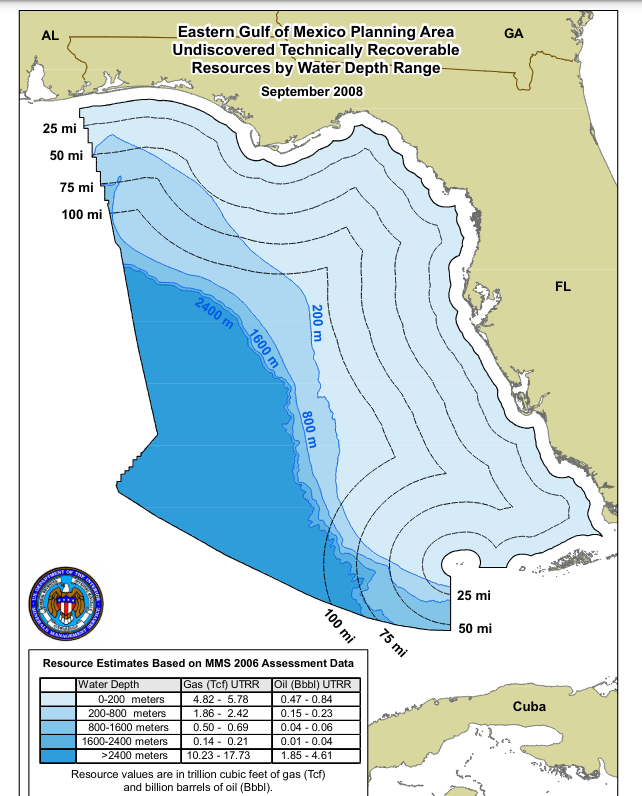
Offshore gas has important environmental advantages, particularly nonassociated gas-well gas (GWG). While the GoM production chart (below) is not pretty, there are signs that gas production may have bottomed and is slowly rising. This is largely due to growth in oil-well gas (OWG) associated with deepwater oil production.
A successful offshore program requires a mix of strategies, and it is encouraging that companies are still pursuing natural gas on the GoM shelf. The second chart (below), based on BOEM data, shows 2022 YTD (probably through Oct.) GWG production for the 11 companies that (1) produced more GWG than OWG and (2) produced more than 1 BCF of GWG.
Interestingly, 100% of the gas produced by Contango, Samchully, and Helis in 2022 was from gas wells. Contrast this with bp, the third largest GoM gas producer. None of bp’s gas production was from gas wells.
100+ tcf and the discoveries keep coming. Here’s the latest:
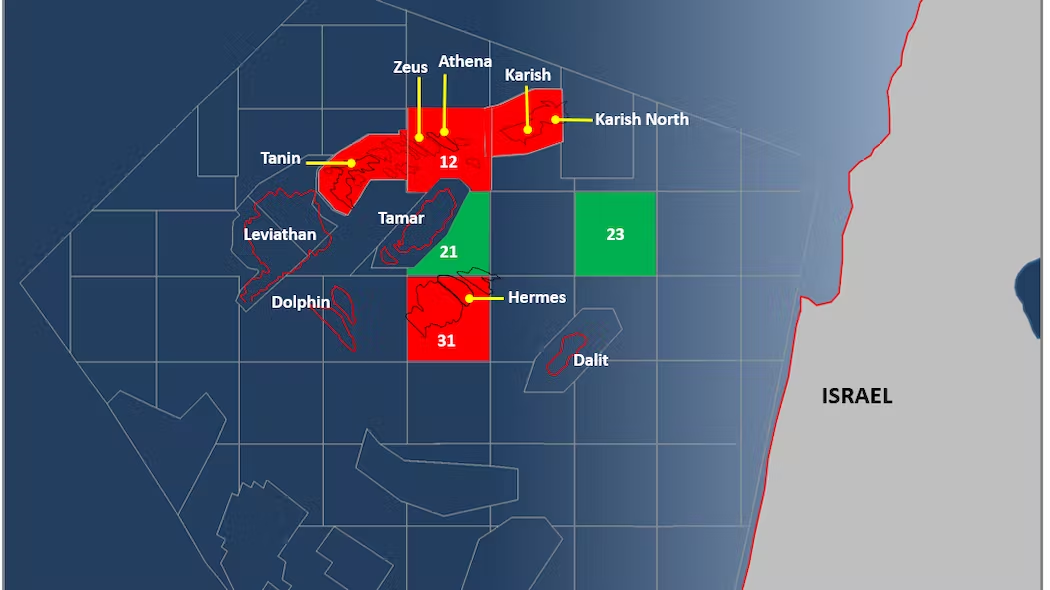
London, 7 November 2022 – Energean plc is pleased to announce that i) the Zeus 01 exploration well has made a commercial gas discovery of 13 bcm ii) contingent resources at Athena have been upgraded following post-well analysis; and iii) the Stena IceMax drilling rig has moved to block 23 to drill the Hercules structure, the final well in Energean’s 2022 drilling campaign.
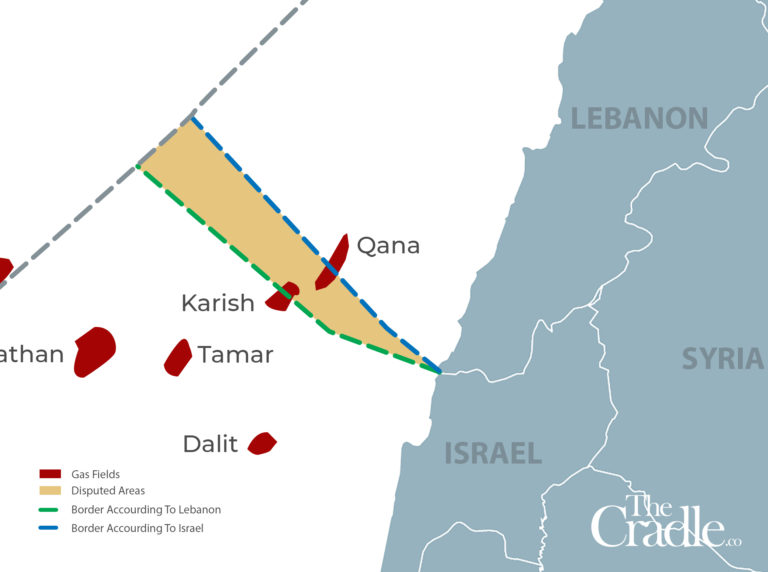
In a world where diplomacy seems to be lacking, it’s nice to learn that Israel and Lebanon have reached an agreement on their maritime boundary, and that both countries are satisfied. Based on press reports, it appears that the Qana gas field will fall under the control of Lebanon and that Israel will control the Karish field. Good for Lebanon, good for Israel, and good for energy!
Good article from our friends at the Petroleum Safety Authority of Norway. When old guys reminisce, people need to listen 😉
“Reagan feared that the world, and especially Europe, would become too dependent on Soviet gas, and saw Troll as an opportunity to create greater independence.”
“Lerøen sees parallels to the current situation, with Russia’s invasion of Ukraine, and the importance Norwegian gas has for the EU, which wants to become independent of Russian gas.”
The CEO of Italian power firm Enel has cast doubt on the continued benefit of using gas to produce electricity, telling CNBC it is“stupid” and that cheaper and better alternatives are now available.
“You can produce electricity better, cheaper, without using gas … Gas is a precious molecule and you should leave it for … applications where that is needed,” he added.
Gas is scarce and expensive in Europe because of bad foreign and energy policy decisions, most notably dependence on Russia and unrealistic expectations regarding renewables. Mr. Starace seems intent on doubling down on the latter. Of course, Enel is a large renewable energy generator and a natural gas purchaser and consumer (not a producer). His comments are thus rather self-serving.
I do agree with Enel on CCS:
Although the company could rely on carbon offsets or carbon capture to hit that target, Bernabei said the technology has failed to take off, despite receiving funding from the EU and national governments. He said there is no reason to expect that situation to change, especially since carbon capture and storage, or CCS, technology is not guaranteed to eliminate 100% of emissions.
“These are very big and complex projects. And at the end, they will not solve the problem,” Bernabei said. “We already tried CCS in the past and it didn’t lead to success. So why do it again?”