Feeds:
Posts
Comments

Posts Tagged ‘MMS’

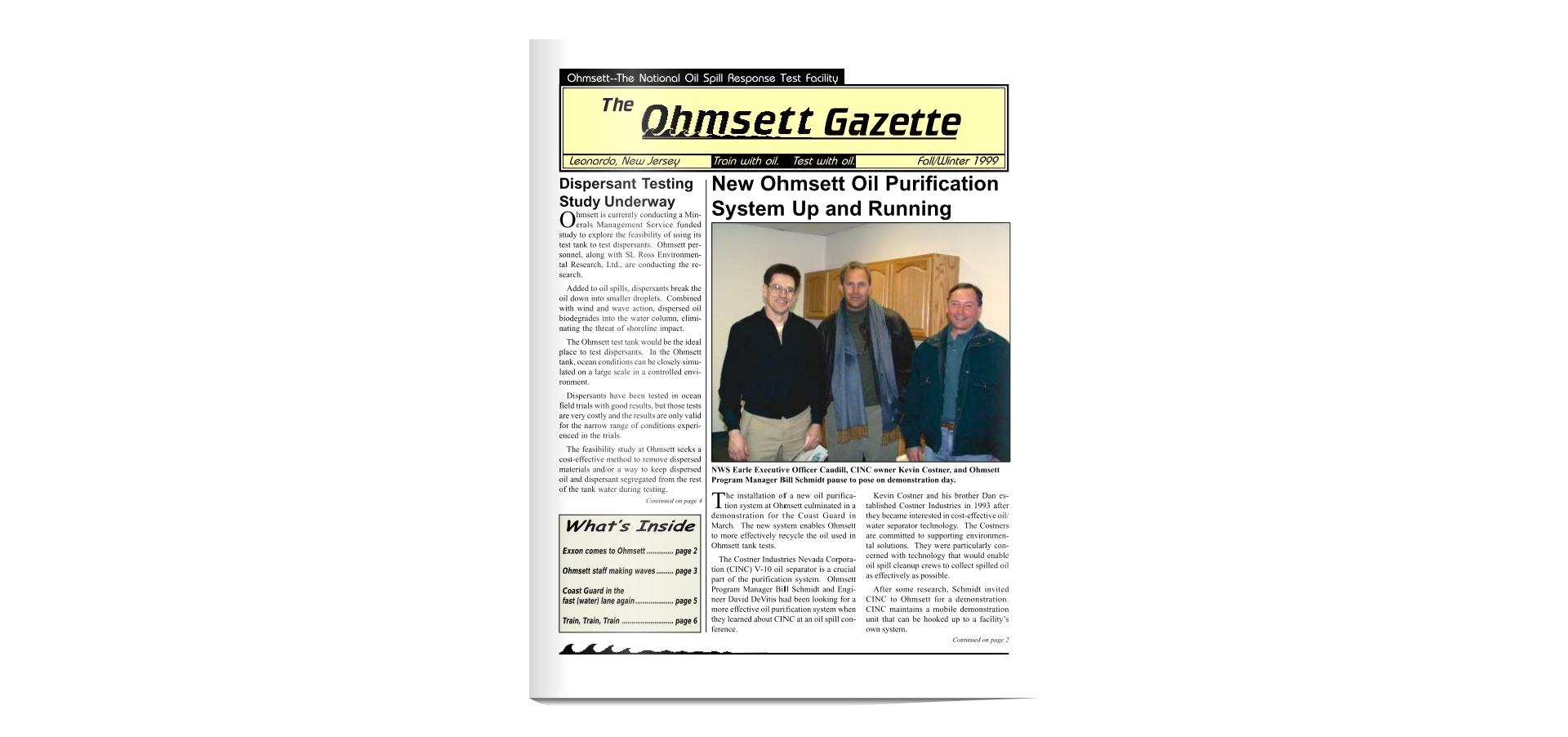
Watching Kevin Costner at the beginning of the “Field of Dreams” game in Iowa reminds me that Kevin visited the MMS Ohmsett facility in New Jersey in 1999. He and his brother had developed an oil purification system that was being tested at Ohmsett (“Tank of Dreams?”). In the picture below, Kevin is flanked by Ohmsett Manager Bill Schmidt and Engineer Dave DeVitis. Were it not for the heroic efforts of Ed Tennyson and other MMS employees, Ohmsett would have been abandoned in the 1980s. More on that in a later post.

Read Full Post »

Much ado about nothing courtesy of the Associated Press:

Copies of the forms submitted by more than 100 inspectors, engineers and permit reviewers in five Gulf coast offices were obtained by the AP under the Freedom of Information Act. Personal information, such as the names of the employees, their friends and their family members, was blacked out to protect privacy. But the companies with ties to government workers were disclosed, and they represent a who’s who of the offshore oil and gas industry, from majors like Chevron, Shell and BP to smaller companies such as W&T Offshore Inc., Ankor Energy LLC and Hilcorp Energy Co.

So yesterday we linked an article about proposed legislation that would, among other things, require that offshore inspectors have “at least three years experience in the oil and natural gas field.” Today, we read contradictory (and silly) comments like the one below in the AP piece that criticize such experience. How would you like to be an oil and gas inspector or prospective offshore regulator?

“It’s nearly impossible to determine where the oil industry ends and the government’s regulatory agency begins,” said Scott Amey of the Project on Government Oversight, after reviewing AP’s data. “These new instances indicate that BOEMRE staff are connected to individuals and oil companies, which raises concerns about lax oversight and the integrity of the agency. Without enhanced enforcement authority and independent oversight of these potential conflicts, I’m uncertain that BOEMRE can assure the public that it is truly watchdogging the offshore oil industry.”

Give these people a break. I have seen absolutely no evidence that improper government-industry relationships or compromised inspections had anything to do with the Macondo blowout or any other recent incident. Inspection and engineering personnel are under continuous scrutiny well beyond what most employees would accept, and recuse themselves from assignments if there could be even a perception of a conflict of interest.

The US offshore program, and every other safety regulator, needs people who understand the operations and technology that they regulate. These regulators need to communicate regularly with industry personnel on operational and regulatory issues. Too little interaction with their professional peers is a greater danger than too much. You don’t advance safety technology and procedures, and resolve concerns, without communication.

DOI offshore personnel have had and will continue to have more than enough oversight; time to move on to another cause.

Read Full Post »
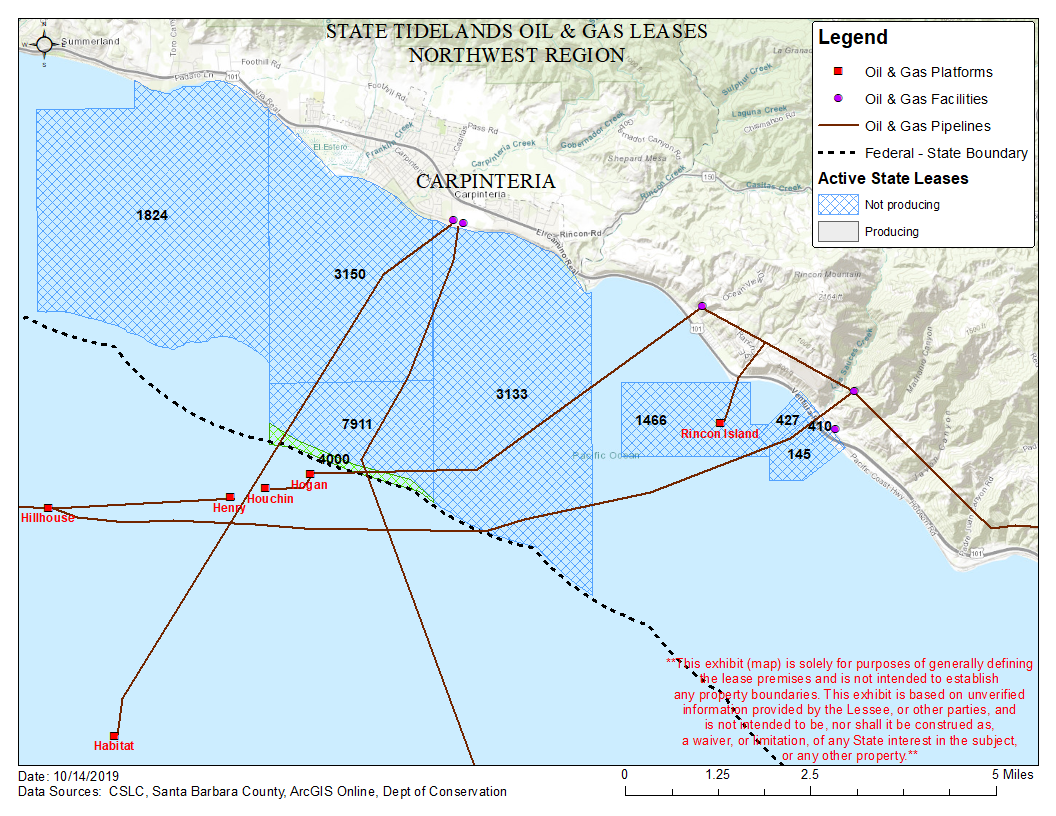
We now have yet another legislative proposal, this time from the House, that fails to address the fundamental offshore safety and regulatory policy issues.

Read Full Post »

Jan de Jong, Inspector General, State Supervision of Mines, the Netherlands

I want to thank Jan de Jong, Inspector General, State Supervision of Mines (SSM), the Netherlands, for the support he expressed for the former Minerals Management Service at yesterday’s Ministerial Forum in Washington. Jan spoke favorably about his experiences with MMS personnel and questioned the public criticism.

Last year, SSM celebrated its 200th anniversary. I encourage you to view an excellent anniversary video about this very effective regulator. Pay special attention to the description of their regulatory philosophy, which begins at about the 6 minute mark.

Read Full Post »

Ohmsett

The seemingly endless crowing about the absence of improvements in spill response capabilities is a story by itself. This topic warrants a full discussion when time permits, but for now I’ll offer a few comments and observations:

  • The Macondo offshore spill response was unprecedented and impressive, and the lessons learned will be applied to improve spill response preparedness around the world.
  • Those who claim that there has been no progress in spill preparedness either have no real interest in spill response or have not been paying attention.
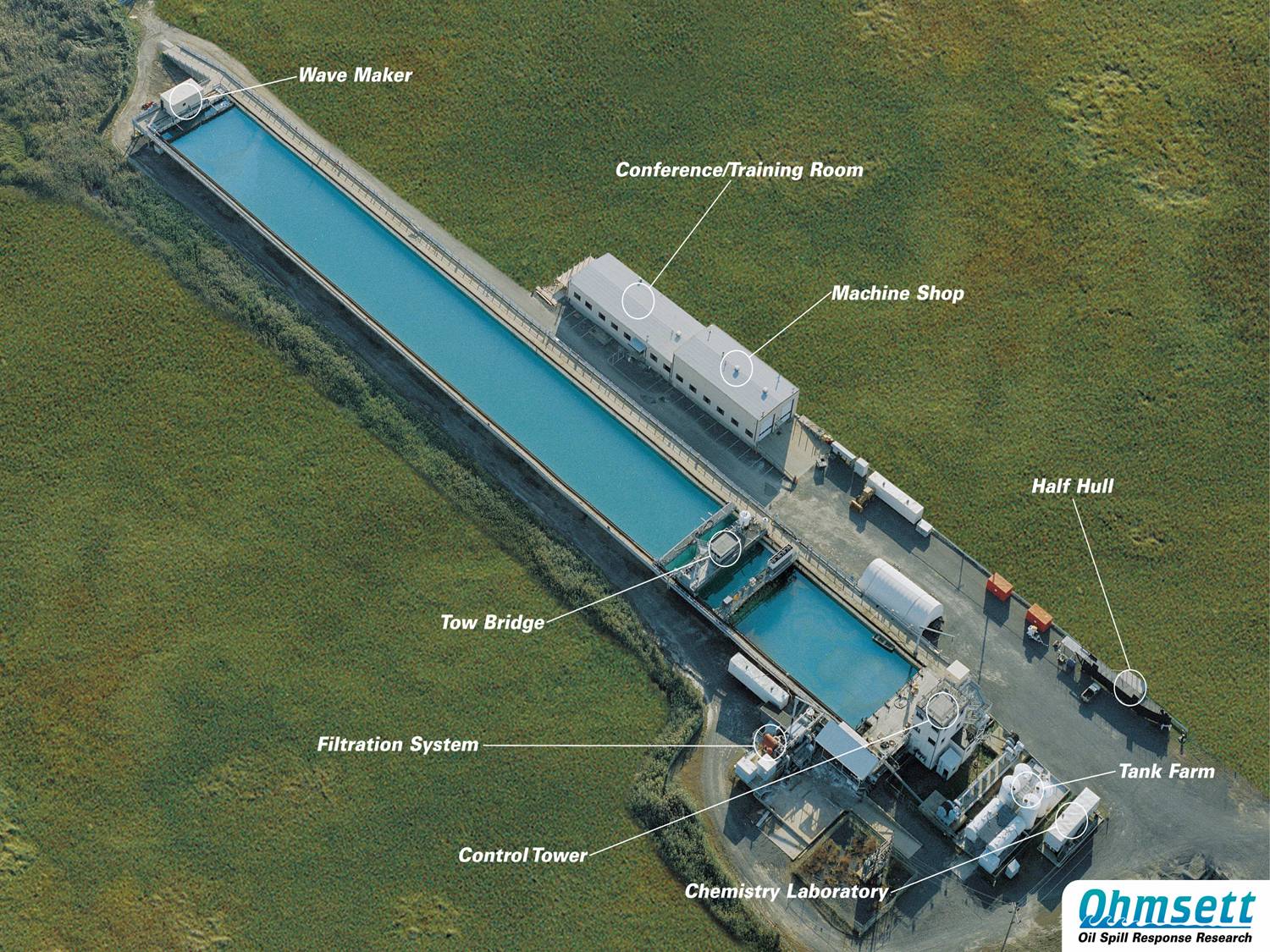
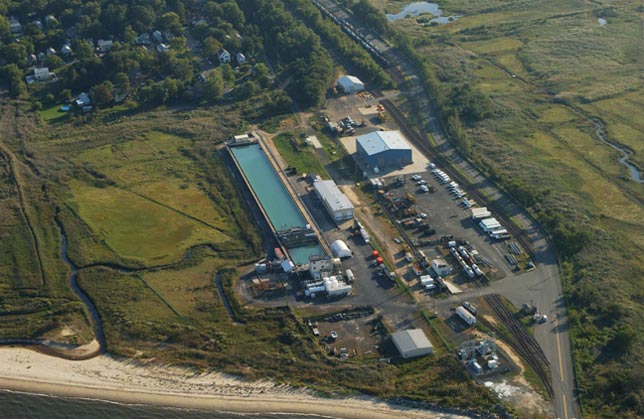
  • Even in the lean years following the Valdez oil spill research surge, the much-maligned MMS continued to conduct important burning, dispersant, remote sensing, and mechanical cleanup studies, while upgrading and expanding the use of the nation’s major oil spill response test facility – Ohmsett (pictured above).  This research was effectively applied during the Macondo spill and smaller, less publicized incidents. Click here for a nice summary of the program and here for the very extensive list of projects and links to the reports. Domestic and international partnerships, most notably with Norway and Canada, helped sustain this important research.
  • Despite periodic attempts to reprogram Ohmsett funding, MMS was able to continue to support this outstanding research facility.  Learn more about Ohmsett.
  • During the blowout, the networks featured the snake oil salesmen and hucksters who peddle super-sorbents and oil-consuming substances during every major spill.  That time should have been given to response experts and serious oil spill researchers.
  • Former industry executives with no real spill response experience trumpeted, without any documentation, claims of extraordinary recovery rates elsewhere (usually in places where no one gets to watch). Their favorite concept, supertanker response systems, received a lot of air time until the “Whale” tanker-skimmer flopped as predicted.
  • You would think that Kevin Costner’s very good separator (tested at Ohmsett in 1999!) was the only advance in response technology. Perhaps more movie and TV stars should get involved with spill response. Charlie (Oil) Sheen would no doubt attract interest to the cause. 🙂

NWS Earle Executive Officer Claudill, Kevin Costner, and Ohmsett Manager Bill Schmidt (1999 photo at Ohmsett)

Read Full Post »

In recent years various bodies have concluded that certain MMS offices and programs have violated ethical rules or guidelines. In the wake of the Deepwater Horizon disaster, some questioned whether ethical lapses played any role in causing the blowout. The Chief Counsel‘s team found no evidence of any such lapses.

National Commission on the BP Deepwater Horizon Oil Spill and Offshore Drilling, Chief Counsel’s Report, page 261

Read Full Post »

Some post-Macondo commentary has characterized MMS employees as regulatory Neanderthals who couldn’t see beyond their checklists, had no understanding of operating systems and the associated process-safety risks, and were dreadfully behind their industry and regulatory peers. The reality is quite different, as those who worked with or for the MMS know. Someone who did both, Doug Morris, an engineer and attorney with extensive industry and regulatory experience, shared this excerpt from an April 1988 Federal Register notice. The Notice publishes the outcome of a 5-year regulatory review that updated and consolidated all MMS operating requirements for offshore oil and gas operations. One of objectives was to establish performance standards for all types of operations to encourage innovation and discourage a “compliance mentality.” Keep in mind that this Notice was published before Piper Alpha, the Cullen report, and the worldwide wave of regulatory reform that followed.

The following summarizes the major changes from current rules:

(1) Performance Standards. Performance standards were added which describe the safety, environmental, property, and resource protection goals intended to be achieved by specified design and engineering requirements. These additions are intended to identify the purpose of the detailed requirements and thus provide a basis for approving an alternative method for achievement of the stated purpose. New, different, better, and more efficient techniques and practices are intended to be available to lessees on the basis of these performance standards.

(a) Performance Requirements. A “Performance requirements” section was added. This section clarifies that the specific detailed requirements of the rule do not preclude the approval for use of alternate or new techniques, procedures, equipment, or activities when the lessee satisfies MMS that the proposed alternate approach provides equal or greater protection than that provided by the requirements specified in the rule. The establishment of performance standards in addition to specific detailed requirements is intended to remove obstacles to innovation and ensure that MMS’s regulations are not unnecessarily prescriptive.

Read Full Post »

Link

Salazar and Bromwich also announced that they are establishing a permanent advisory body through which the nation’s leading scientific, engineering, and technical experts will provide input on improving offshore drilling safety, well containment, and spill response. Secretary Salazar has asked former Sandia National Laboratory Director Tom Hunter to lead the body, which will be called the Offshore Energy Safety Advisory Committee (Safety Committee).

The new Bureau of Ocean Energy Management (BOEM) will be responsible for managing development of the nation’s offshore resources in an environmentally and economically responsible way. Functions will include: Leasing, Plan Administration, Environmental Studies, National Environmental Policy Act (NEPA) Analysis, Resource Evaluation, Economic Analysis and the Renewable Energy Program.

The new Bureau of Safety and Environmental Enforcement (BSEE) will enforce safety and environmental regulations. Functions will include: All field operations including Permitting and Research, Inspections, Offshore Regulatory Programs, Oil Spill Response, and newly formed Training and Environmental Compliance functions.


Read Full Post »

Top 10 Twitter trends for 2010:

1. Gulf Oil Spill
2. FIFA World Cup
3. Inception
4. Haiti Earthquake
5. Vuvuzela
6. Apple iPad
7. Google Android
8. Justin Bieber
9. Harry Potter & the Deathly Hallows
10. Pulpo Paul

Pre-Macondo poll numbers I would like to have seen:

  • Percentage of adult Americans (outside of the Gulf Region) who knew there was offshore oil and gas production in the Gulf of Mexico.  Based on conversations I’ve had with people in the DC area, I’m guessing less than 50%. I know that sounds astounding, but that’s my guess.
  • Percentage of adult Americans who had heard of the Minerals Management Service (probably less than 2%) and knew that the MMS had regulatory responsibilities for offshore oil and gas operations (had to be less than 1%).

Read Full Post »


Hyannis Halloween - 1981


Note the sign (above) on our office at Barnstable Municipal Airport in Hyannis. Prior to 1982 when the Minerals Management Service was formed, the OCS regulatory program was part of the US Geological Survey (Conservation Division) and the leasing program was in the Bureau of Land Management. After a 28-year marriage, these functions are again being separated.

As one who worked in the OCS program for 10 years prior to the formation of MMS, I think the the pre-1982 framework is conceptually preferable. However, unless the separation is carefully executed, disruptive conflicts between the two organizations are guaranteed.  Such conflicts were common in the pre-MMS days, and the Department of the Interior had to set up a special office to coordinate activities and manage disputes.

In addition to being independent, the new regulatory authority must be fully responsible (without interference) for all regulatory actions from plan approval through abandonment.  Without such independence and authority, the separation will only add to the regulatory confusion that has handicapped the OCS program throughout its history.

Technical and scientific personnel in the OCS regulatory program must be freed from non-productive and time-consuming internal disputes and coordination responsibilities so they can concentrate on performance measurement, risk assessment, safety leadership, standards, and technical studies.

Read Full Post »

« Newer Posts - Older Posts »