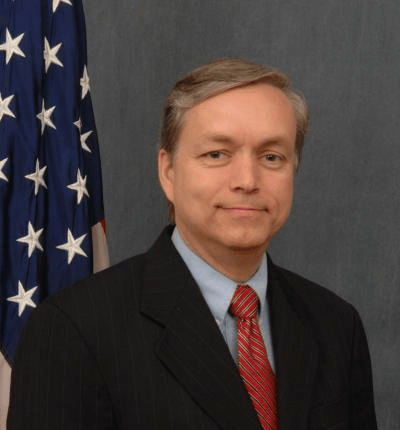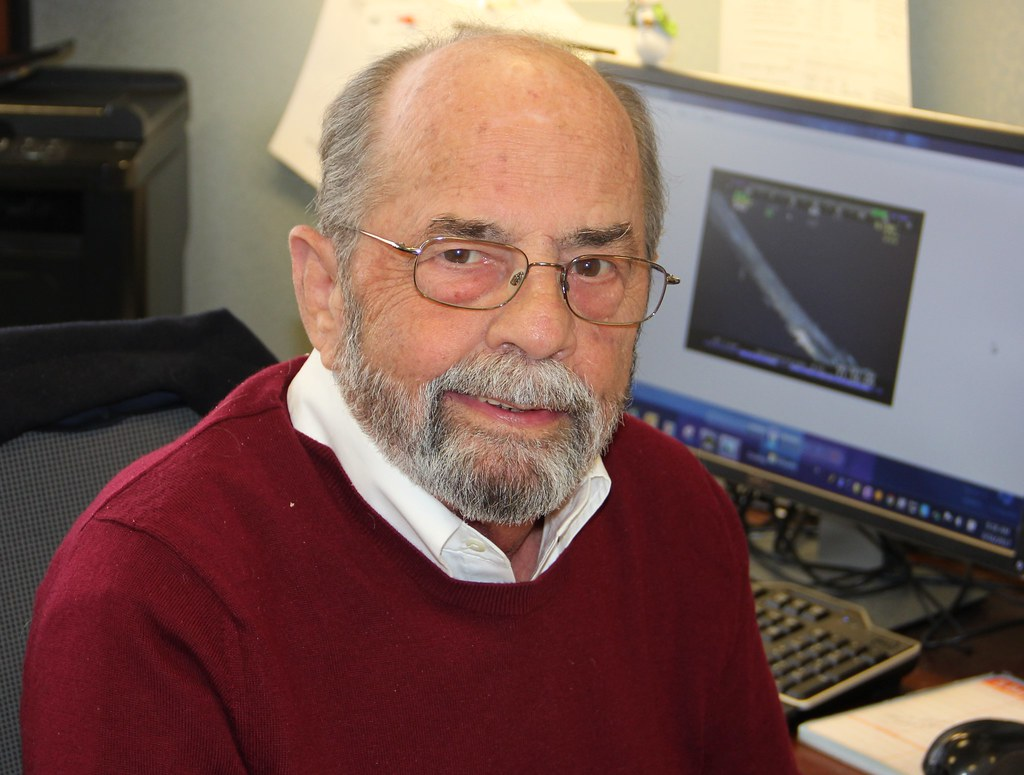
Career Minerals Management Service and BOEM stalwart Dr. Walter Cruickshank has been named Acting Secretary of the Interior pending the confirmation of Doug Burgum. Walter is a very bright guy with a balanced perspective on energy development. He has served capably on the senior management teams of both Democrat and Republican administrations. Bonus points for the Mineral Economics doctorate from Penn State and his keen interest in the Cape Cod Baseball League! 😉
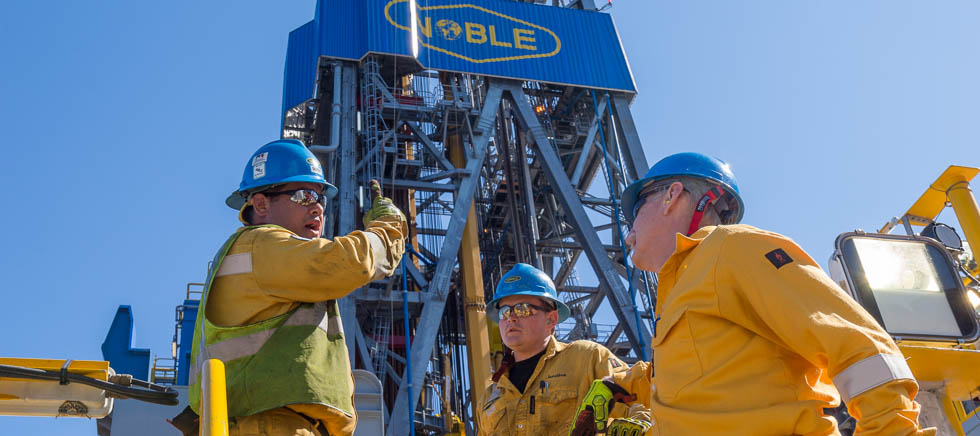
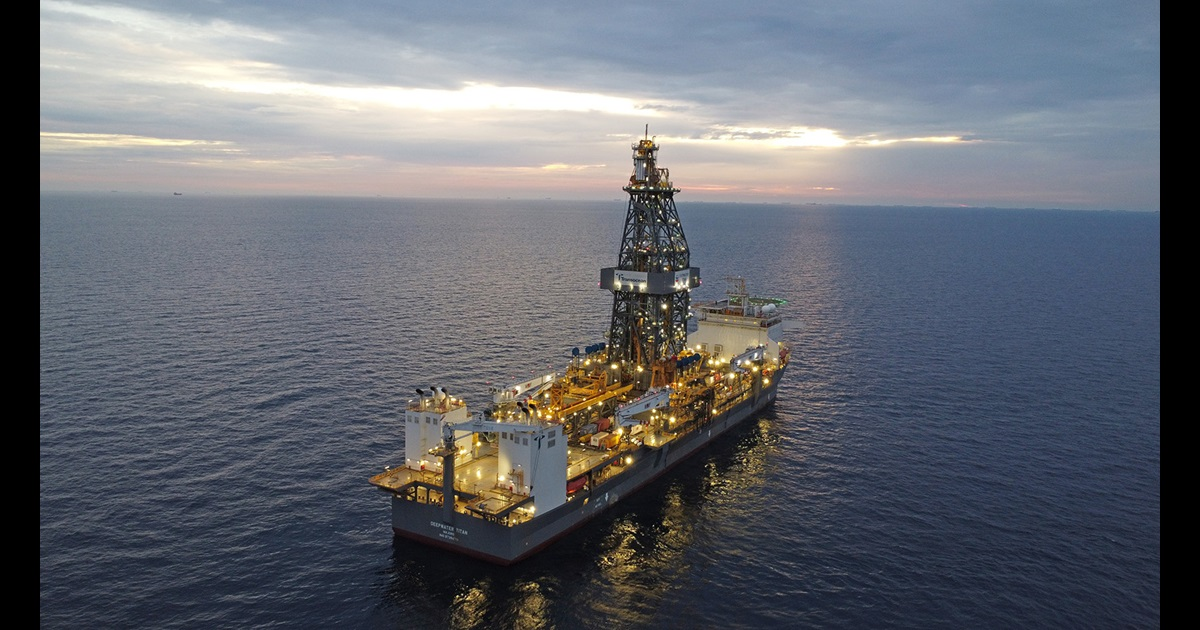
Noble’s acquisition of Diamond Offshore will unite two safety management pioneers and long-time offshore safety leaders. The press release stresses the importance of their “culture commonality around safety, operational excellence and service posture,” and their “shared commitment to these foundational principles is expected to be a driving force toward a successful and seamless integration.” While such statements are common in corporate merger announcements, Noble and Diamond “walked-the-walk” for decades, so their statement is more than corporate lip service.
I had the pleasure of working with Jason Mathews when he was a young MMS engineer. He truly cared about our safety mission and has taken that commitment to the next level at BSEE. Jason shared this important, heartfelt message on the anniversary of the Macondo blowout.
One of the greatest gifts I ever received in life is having a little girl and having the opportunity to go home every evening and spending time with her at cheer, softball, doing homework, etc. I have a great deal of respect for the men and women who work offshore and put their lives on hold for 14-28 days to deliver much needed OCS production to meet US demand. Undoubtedly, they are better / tougher people than me.
Over the last year, my team has seen multiple incidents that had a high potential severity that could have led to a fatal / serious injury or major incident in the GOM. Although we can sit and debate the causal factors for hours, one that jumps to the top of the discussion is the Human Factor – Complacency. Of all the things a leader should fear, complacency heads the list. There is no doubt success breeds complacency, and complacency breeds failure.
To this day, I am still shook by the mindset and complacency of many onboard the Deepwater Horizon prior to the incident. During testimony in the public hearings, John Guide, the BP well team leader for the Horizon, believed that the rig crew had become “too comfortable” because of its good track record for drilling difficult wells. Ross Skidmore, a BP contractor on the rig on April 20, testified that the crew became complacent after completing drilling because “when you get to that point, everybody goes to the mindset that weʹre through, this job is done.” To me, the complacency on the Deepwater Horizon could be attributable to the crew not having access to all of the well data (OptiCem reports – cement job risk) available to BP personnel onshore and the well site leaders on the rig. Our investigation concluded, the overall complacency of the Deepwater Horizon crew was a possible contributing cause of the kick detection failure.
As regulators, we have special roles in the GOM as it relates to safety:
Driving the avoidance of complacency and risk-free mindsets of the offshore employees
Understanding we can’t be selfish – Our success is not our individual personal growth / gains, but it is being unwavering in your promotion of offshore safety to ensure all offshore employees return home to their families safely
Holding each other (internally) and industry (externally) accountable when necessary
In order to achieve greatness offshore, we ,as a regulator, have to believe we can, and never sit still until we achieve it.
Everyone on this email has a very critical function and role. Never underestimate the value of what you do, have the proper mindset, and avoid complacency.
Do whatever it takes to ensure the people offshore are gifted the same gift we receive every day – going home to our families.
All In –
Jason P. Mathews, Petroleum Engineer, Field Operations – OSM
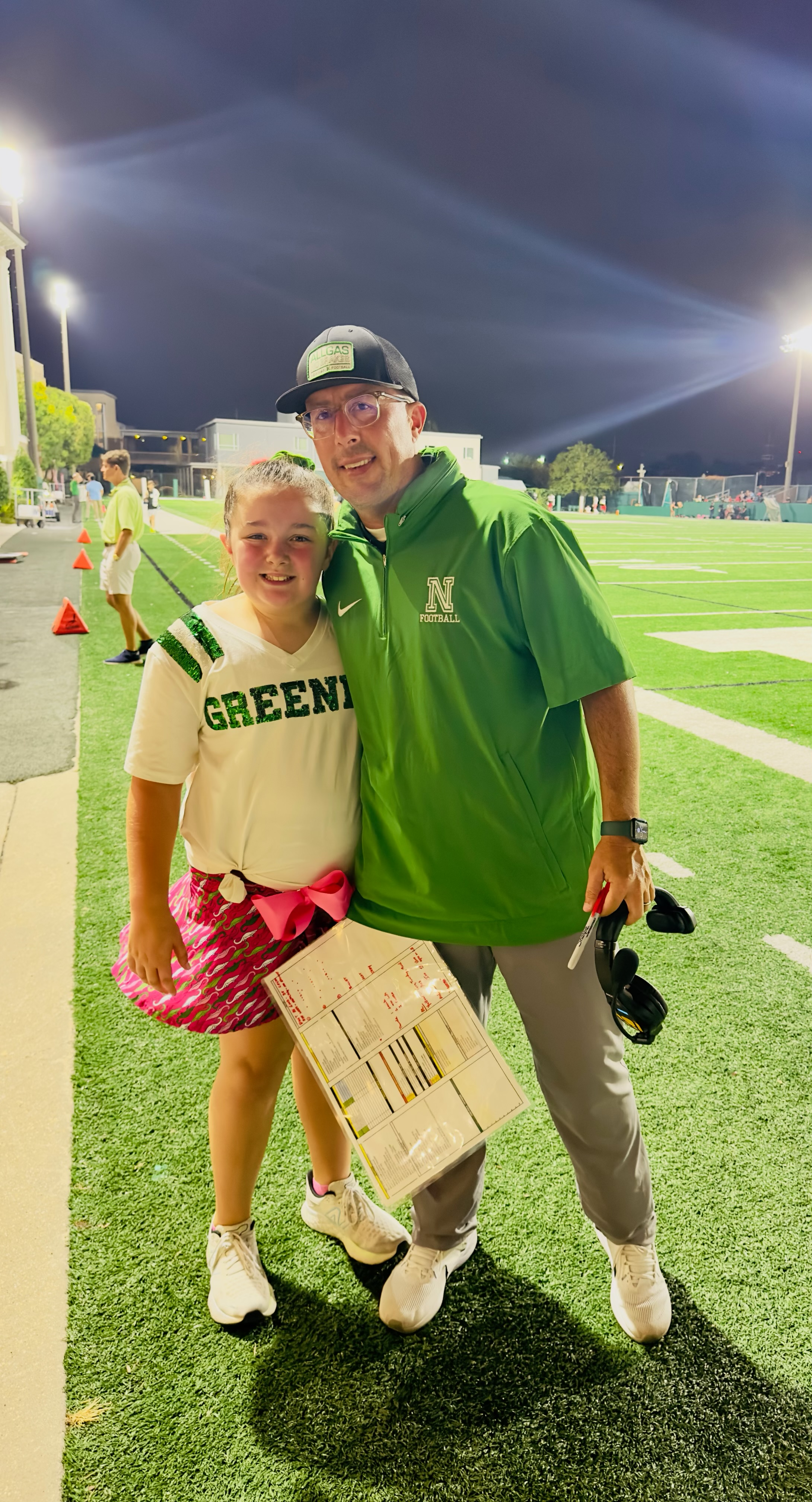
Friday Night LIghts: Coach Mathews and his daughter
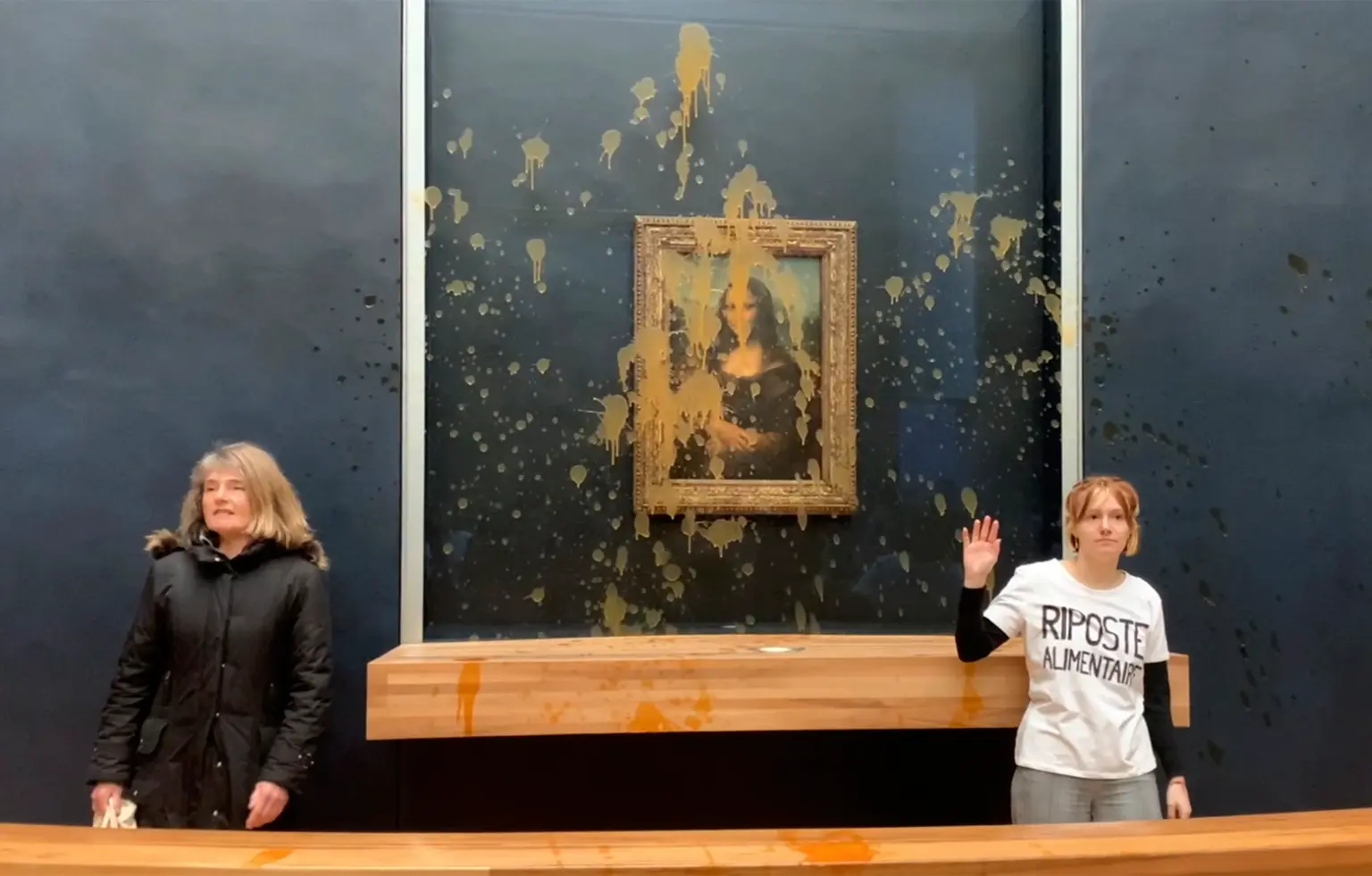
In light of the surge in art vandalism, admirers of “Rig at Sunset” have expressed concern about this priceless and symbolic masterpiece.😉
“Rig at Sunset”
Rest assured that “Rig at Sunset” is not being targeted. Climate activists believe the painting is disturbingly visionary and is thus socially important. Even those who are less appreciative of great artwork are reluctant to damage “Rig at Sunset,” fearing that their vandalism might actually improve its quality. So friends of this beloved masterpiece have nothing to fear! 😉
If you are unfamiliar with “Rig at Sunset,” here is a brief summary of the history:
“Rig at Sunset” was painted nearly 50 years ago by a US Geological Survey (USGS) employee who chose to remain anonymous. Initially, the masterpiece was presented to USGS (later MMS) engineers and scientists who had made important contributions to the offshore oil and gas program. Understandably, the intended recipients were so humbled by the magnificence of the painting that they could not accept it. As the painting grew in value and international prominence, framed copies were presented to retirees and the original painting was kept at a secure, undisclosed location.
As the Minerals Management Service’s liaison to the Marine Board of the National Academies and subsequently as a Marine Board member, I had the privilege of working with many outstanding engineers on matters related to offshore safety and environmental protection. Dr. Martha Grabowski was a clear standout because of her exceptional leadership and communications skills, modest ego, and willingness to assist.
Dr. Grabowski excels in analyzing and mitigating operational risks including those associated with human and organizational factors. As such, she was a great resource in our work on safety management and culture.
Dr. Maurice (Mo) Stewart, an outstanding petroleum engineer, author, and teacher, passed away over the holidays after a long battle with ALS. Mo worked in the Office of Field Operations in the Gulf of Mexico Region of the US Geological Survey (which became part of the Minerals Management Service in 1982) while earning a PhD in Petroleum Engineering from Tulane University.
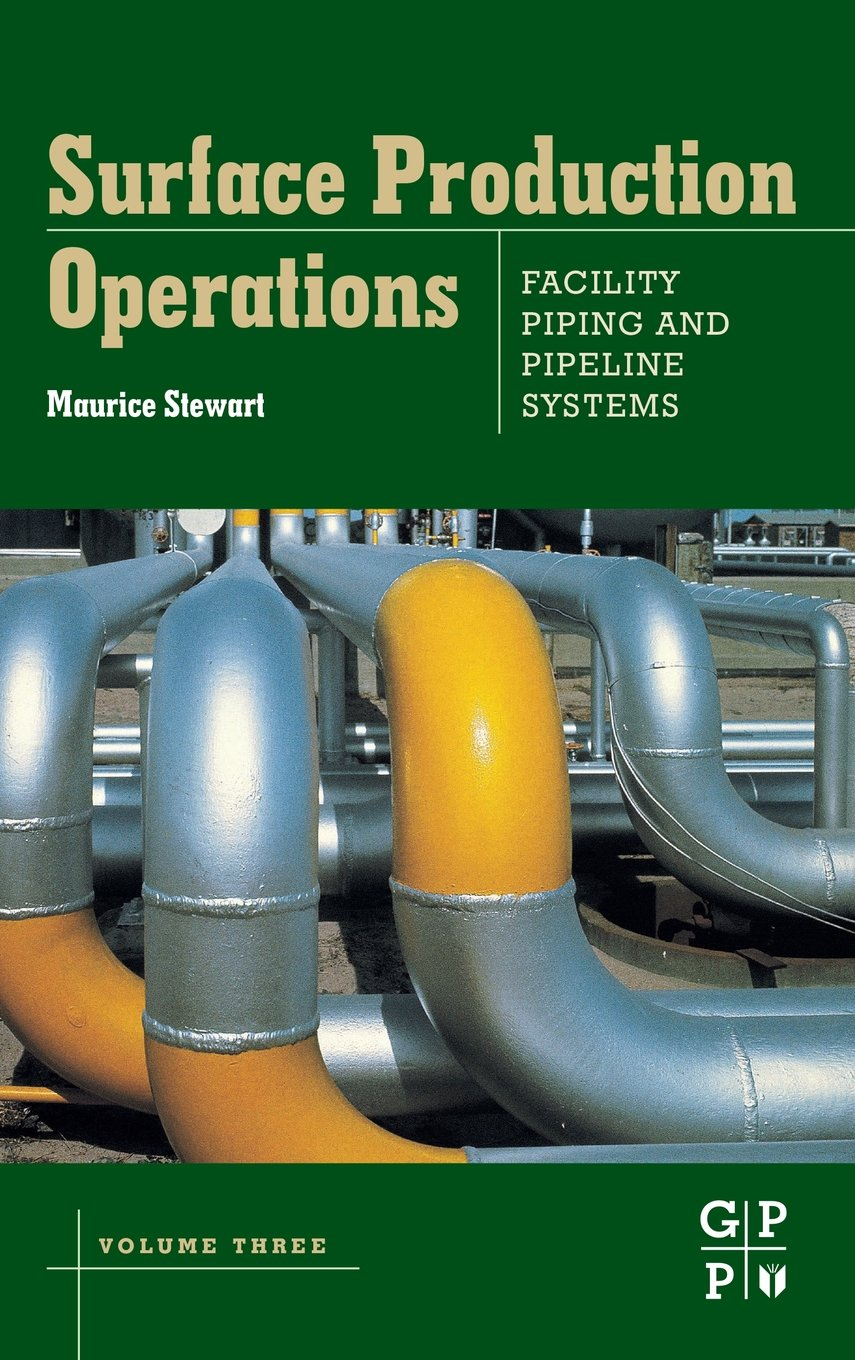
Mo specialized in production operations and the associated safety systems. He was the lead author of the production safety sections of the MMS operating regulations when they were completely revised in the 1980s. He authored or co-authored (with Ken Arnold) several textbooks and numerous technical papers on oil and gas processing. He was active on API technical committees and was a lecturer for the Society of Petroleum Engineers in the US and internationally.
Mo conducted training sessions for MMS staff at all levels of the organization. He was an outstanding speaker who spiced his presentations with anecdotes and slides from his many travels. His presentations were not just informative, they were highly entertaining!
After leaving MMS, Mo was an instructor and consultant in Indonesia, where he lived for some time, and throughout the world. His incredible life was brought to a sad end by an incurable disease. I’m grateful to have had the opportunity to work with such an outstanding engineer, dedicated safety professional, and all-around good guy. Bud
Last week I had the privilege of attending a retirement party for Jim Bennett. Jim spent most of his 43 year Federal career in the OCS program focusing on environmental reviews and offshore wind. Most recently he served as Chief of the Offshore Renewable Energy Program. Congratulations to Jim on a long and very successful career!
Gary grew up in Camden, NJ where he was an outstanding student and athlete at Woodrow Wilson high school. He joined the Dept. of the Interior’s offshore program after earning an M.S. in geology at Rensselaer Polytechnic Institute in 1974.
During his 32 years with the US offshore program, Gary led resource evaluation units in the Pacific and Gulf of Mexico Regions, and was promoted to Chief of the Resource Evaluation Division at the Minerals Management Service headquarters office in Herndon, VA. A few of Gary’s many career highlights:
Authored numerous professional papers on US offshore oil and gas resources and exploration and evaluation models.
Advised congressional and cabinet officials on offshore resources and production potential.
Led the pioneering OCS Connect “e-gov” project that automated governmental transactions with industry, improved timeliness and efficiency, and minimized redundant reporting.
Those of us who worked with him were most fortunate to have had that privilege. RIP Gary, you made a difference.
Gary with Bud and geologist-bagpiper Norm Weaver (This and the previous photo by Keith Good)Gary and Janet at their wedding 49 years ago
On Monday, the offshore world lost Mike Conner, an outstanding engineer and a major contributor to the success of the US offshore program.
Mike is the person most responsible for the Deepwater Operations Plan (DWOP), a pioneering safety-case approach to regulating deepwater oil and gas development. The DWOP program was initiated 30 years ago and facilitated deepwater production at a time when there were no deepwater-specific regulations or standards. Innovative tension leg platform, compliant tower, spar, production semisubmersible, and subsea projects would not have been possible without the DWOP program. 93% of Gulf of Mexico oil production and 76% of the gas is now attributable to deepwater production facilities. Thanks in large part to the DWOP program, these facilities have had a nearly flawless safety and environmental record.
While his obituary is no yet available, this link announces Mike’s well-deserved selection for the OTC Heritage Award in 2017, and provides good information on Mike and his career.
The Safety Award for Excellence (SAFE) program was initiated in 1983 by Lowell Hammons, a senior executive in the Minerals Management Service, the OCS safety regulator at the time. The objective was “to promote interest in and recognition of operational safety and environmental protection on the OCS.” In that regard, the program was highly effective.
Companies could not self-nominate or be nominated by other companies. District winners were selected by MMS district personnel based on compliance and incident data, and inspector evaluations. The national SAFE winner was selected using data and input from all districts. Companies rightfully took great pride in the recognition, and the SAFE program helped drive the development of safety management systems and safety culture initiatives.
Attached is a list of the award winners for 1983 and 1984. Also note the recognition for the Salenergy jackup crew members who rescued injured and endangered personnel from a distressed vessel. Such heroism was not uncommon.