This picture was posted on the “Rig Pigs” Facebook page by Huston Funk. Per Huston: “First crew photo from the Deepwater Horizon. Taken in the Indian Ocean after we had left Singapore.”
Commenters identified 3 Macondo victims in the photo: Jason Anderson, Don Clark, and Stephen Curtis 🙏
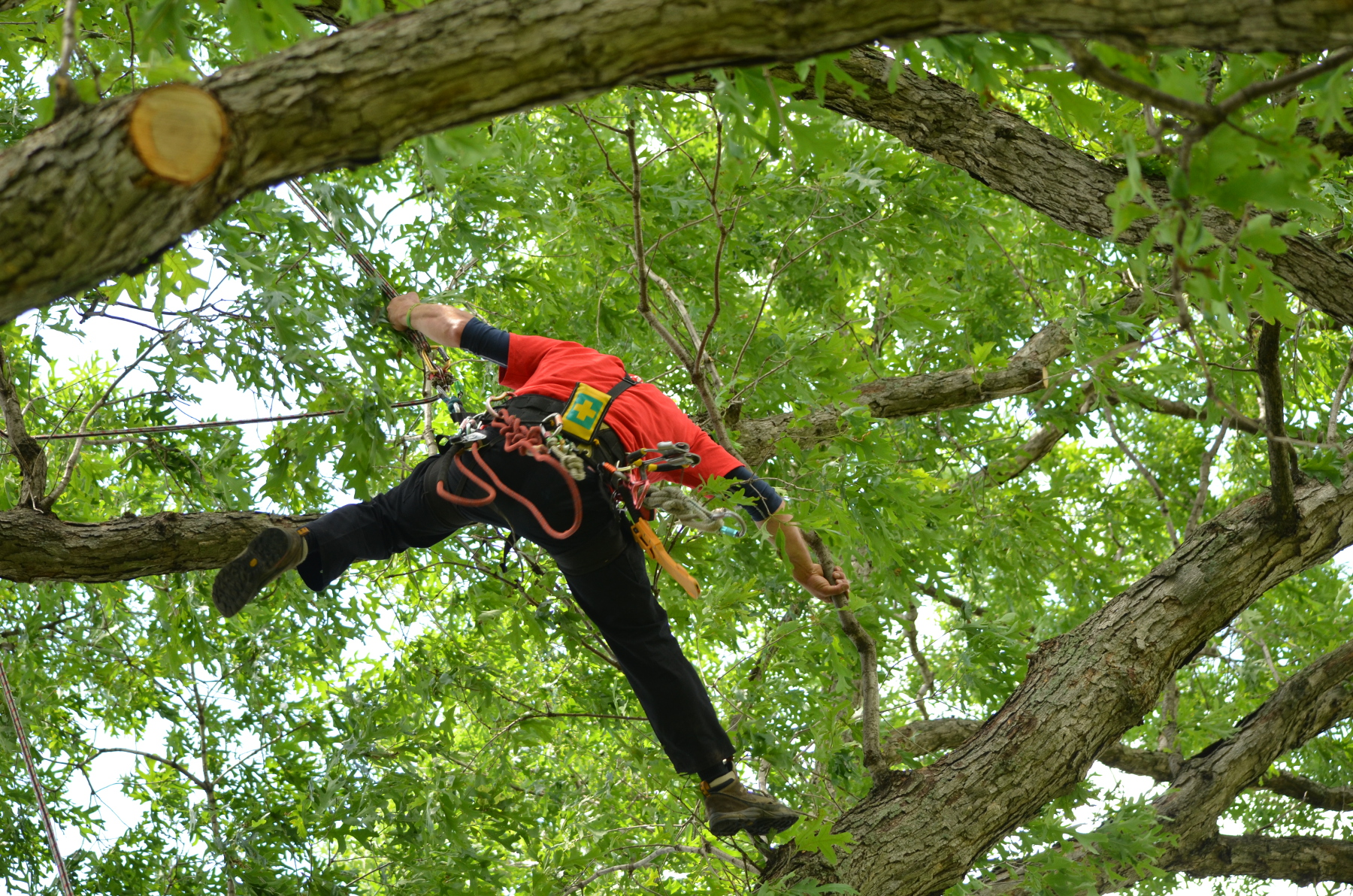
Earlier this week a tree service company was removing some large branches in our backyard. The 2 young workers stopped the job before they finished. They knocked on our door and told me that their foreman was off and they were uncomfortable tackling a large, high branch without him and a crane operator. They would come back with a full crew.
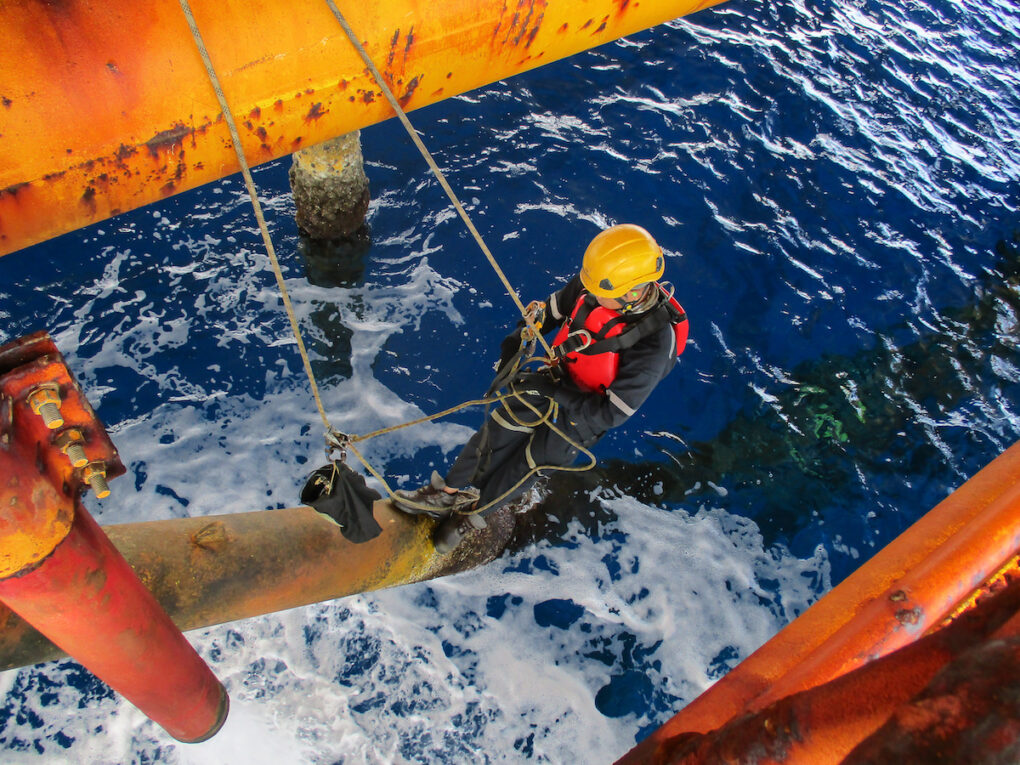
I congratulated them and told them they did exactly the right thing. I told them I was involved with offshore safety and many serious incidents would have been prevented if workers, with their employers encouragement, had been more assertive in stopping work. Developing that type of culture takes time and requires strong leadership and consistent, unambiguous messaging. Leadership matters, both at the site and in the office!
The Macondo well is a worst case example on many fronts, including the reluctance or inability of management and workers to stop taking actions that increased well control risks. Given the narrow pore pressure/fracture gradient, the prudent decision would have been to set a cement plug in the open hole and carefully assess next steps. However, delays and cost overruns were the overriding concerns, and well construction continued despite the long list of issues described here. Sadly, we know how that worked out.
Even after the well started to flow, the crew had time to actuate the emergency disconnect sequence and avert disaster. However, some combination of deficient training, uncertain authority, and fear of repercussions prevented that from happening.
Be it a small tree service company or a major oil company, safety culture development is a journey that has no end point and requires continuous leadership from everyone in the organization.
The following message is from Jason Mathews – petroleum engineer, football coach, proud father, and outstanding offshore safety leader.
Happy Easter – BSEE Family and Friends
The explosion on the Deepwater Horizon oil rig occurred on April 20, 2010, at approximately 9:45 p.m. CDT. Shortly after the initial explosion, a series of further explosions and a firestorm engulfed the platform that forever changed our industry and eleven families.
This past week, I was in Orlando with my family attending an International Cheer event – All Star World Championship. As I was sitting there, I noticed a young athlete with a date written on her shoes, and she touched the date as she walked back with her team. My assumption was it was something to inspire her.
It quickly reminded me of a young man by the name of Shane Roshto. At only 22 years young, he was a victim of the Deepwater Horizon explosion, and he had written the date of his wedding and his son’s birthday on the inside of his hard hat. Those dates served as reminders of the important people and events in his life while working on the rig miles away from those who meant the most to him.
On Wednesday evening, they brought the top ten teams at the cheer competition onto the stage and called out each finalist on the stage until there were three left, and my daughter’s team was still remaining. While those girls were on stage, I thought back on the countless hours her coaches pushed her and always requested more from them because they had a collective goal to win Nationals and Worlds, and then they called the third-place finisher. It seemed like forever before they called the second-place finisher, but when they did, I got to witness athletes, coaches and families reach something they had put everything into since they began cheer. A date LA Spirit – Fame will never forget – April 16th, and only four days from a day we will never forget – April 20th.
At the conclusion of the day after taking everything in and calming down, I sent this message to the coaches of my daughter’s team – “Coaches thanks for “living your legacy” with our girls at LA Spirit. Every one of your goals, expectations, and coaching styles foster a meaningful life well beyond cheer that leaves a positive impact on our girls. All too often, our girls are told what they can and can’t do with their schedules, their abilities, or their choices. Y’all showed them they can do whatever they set their mind to if they want it bad enough and are willing to make sacrifices for it. As a parent, thank you for making positive memories and experiences that have a ripple effect and continue to inspire our girls for years to come.”
Although the two events have nothing in common (one being a tragedy and one being a highlight), they both drive individuals to live their legacies. At BSEE, all of us (not just inspectors and engineers) have an awesome responsibility to live our legacy in the oil and gas industry by actively shaping our life’s story and influence by focusing on our values, actions, and contributions to those around us (and those who work offshore).
Whether you have days like April 20th or April 16th, always “Live Your Legacy.”
I am again sharing this touching tribute to the 11 men who lost their lives on the Deepwater Horizon on April 20, 2010. The video is introduced by country singer Trace Atkins, a former Gulf of Mexico rig worker. The video and Trace’s song serve as a memorial to the 11 Deepwater Horizon workers and others who have died exploring for and producing oil and gas around the world. Please take a moment to watch.
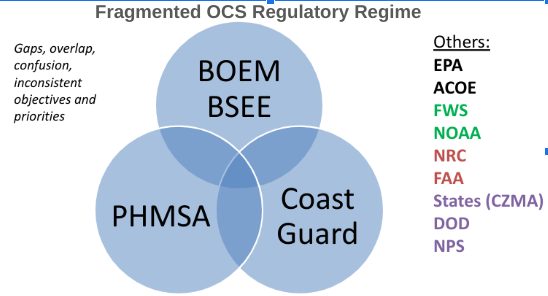
Addressing regulatory fragmentation will improve efficiency and lower costs for industry and government while reducing safety and environmental risks.
Unfortunately, the regulatory regime for US offshore oil and gas operations is noteworthy for redundancy, uncertainty, and complexity that divert industry and governmental attention from safety and environmental protection objectives to administrative processes, interpretations, and jurisdictional boundaries.
“Poster Child”for regulatory fragmentation?
The 12 Federal entities that have some OCS regulatory responsibilities are identified in the above chart. The organizations with core regulatory roles are included in the overlapping circles. The responsibilities of BOEM and BSEE are so inextricably intertwined that those bureaus occupy the same circle.
Coastal states also have OCS regulatory roles through authority granted in the Coastal Zone Management Act.
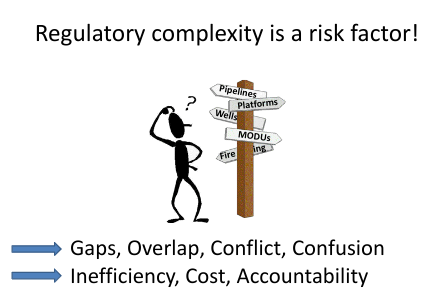
When multiple agencies have jurisdiction over a facility, system, or procedure, the redundancy inevitably results in inconsistency, ambiguity, and gaps in oversight. The focus of operating companies and contractors is diverted from safety and risk management to understanding and satisfying the regulators. The inevitable result is a compliance mentality that weakens the safety culture.
Interagency agreements in the form of MOUs and MOAs, which are ostensibly for the purpose of managing redundancy, are often unclear or inconclusive. They tend to be more for the benefit of the agencies than the regulated industry. The interests of the regulators and protecting turf are paramount.
Where legislation is not required (e.g. BOEM and BSEE), use executive orders to combine and streamline the regulatory functions.
Where agencies have separate legislative authority, establish a lead regulator by executive order pending corrective legislation. Under the EO, the agencies would function as a joint authority under the direction of the lead regulator.
A combined BOEM/BSEE would be the logical choice for leading the joint authority given that OCS energy is their sole focus and they are accountable for the success of OCS programs.
Use a management system regulatory approach that holistically considers all of the legislatively enacted regulatory objectives.
Increase the attention given to regulator and operator performance in terms of both outcomes and efficiency.
Reduce and simplify permitting requirements for operating companies that have demonstrated outstanding safety and environmental performance over a sustained period.
This is very true, but engineers may not have a choice when directed to optimize a flawed decision.
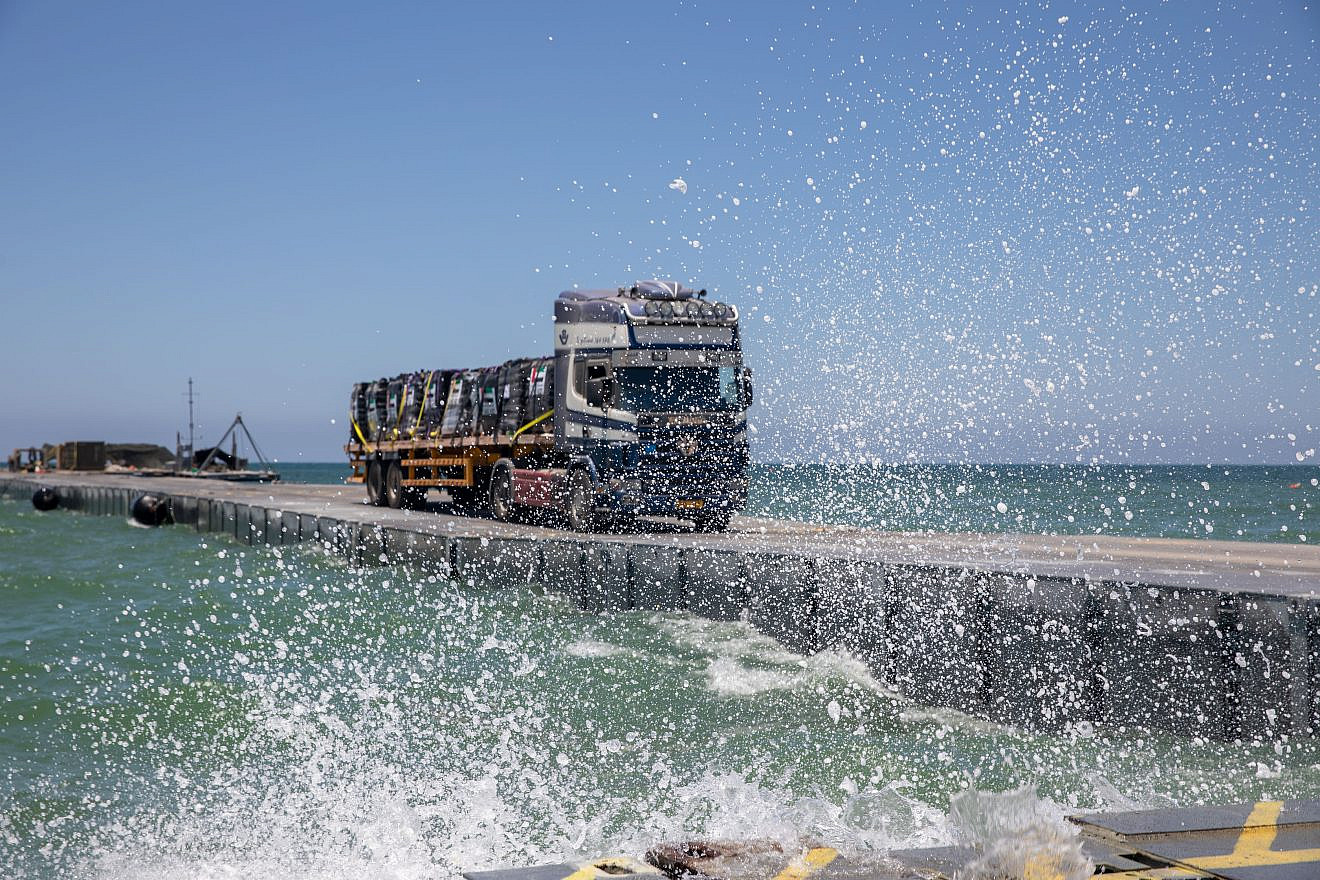
Gaza pier
For example, the installation of the Gaza pier was a political decision imposed on military engineers without assessing the operational risks. The $230 million pier was in operation for only 20 days, long enough for several serious injuries to result from the reckless decision.
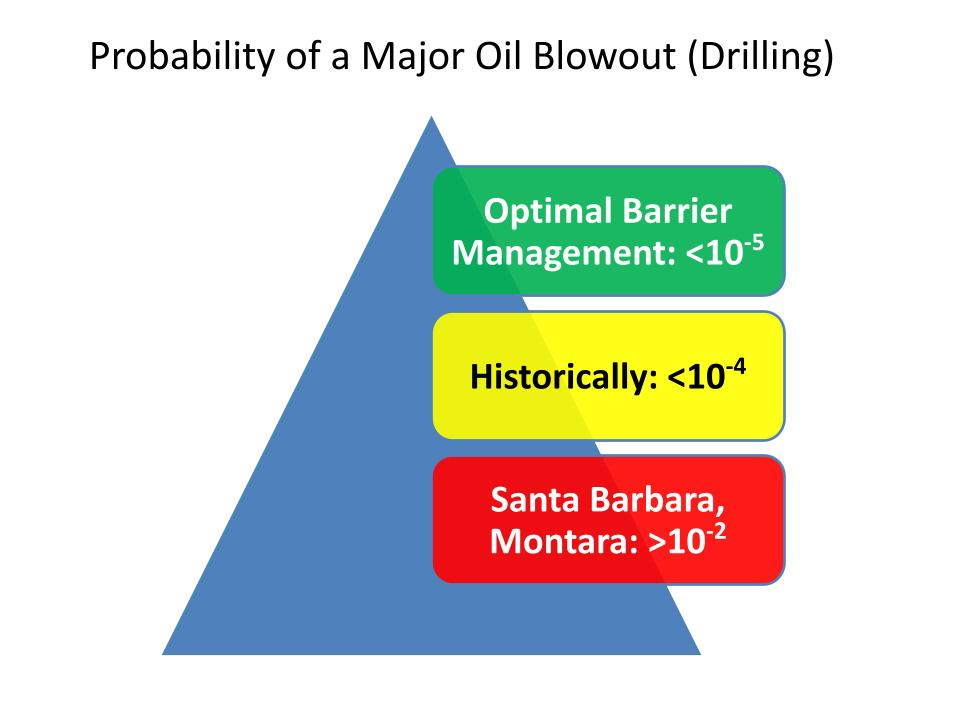
Some of the worst offshore drilling incidents were largely the result of culture or management driven attempts to save time and money. Modest cost savings were prioritized over verifying well integrity during both the Montara and Macondo well suspensions. The Santa Barbara blowout was the result of eliminating a casing string during development drilling, which virtually assured an uncontrolled flow in the event of a well kick.
Florida HB 1645 (attached) was signed by Gov. DeSantis on 5/15/2024. The bill boosts natural gas, prohibits offshore wind turbines, and deletes references to climate change and greenhouse gases in state law. Given the State’s support for traditional energy sources, is it time to renew the dialogue about exploration and production in the Eastern Gulf of Mexico (EGOM)?
HB 1645 prohibits offshore and coastal wind development (p. 30), acknowledges that natural gas is critical for power resiliency, prohibits zoning regulations that restrict gas storage facilities and gas appliances (p.8), and relaxes permitting requirements for pipelines <100 miles long.
Given Florida’s energy preferences as expressed in this legislation, the State could assist regional energy planners by better defining its position on oil and gas leasing in the EGOM. What limits, in terms of lease numbers and minimum distances from shore, would best improve Florida’s energy supply options while further minimizing environmental risks?
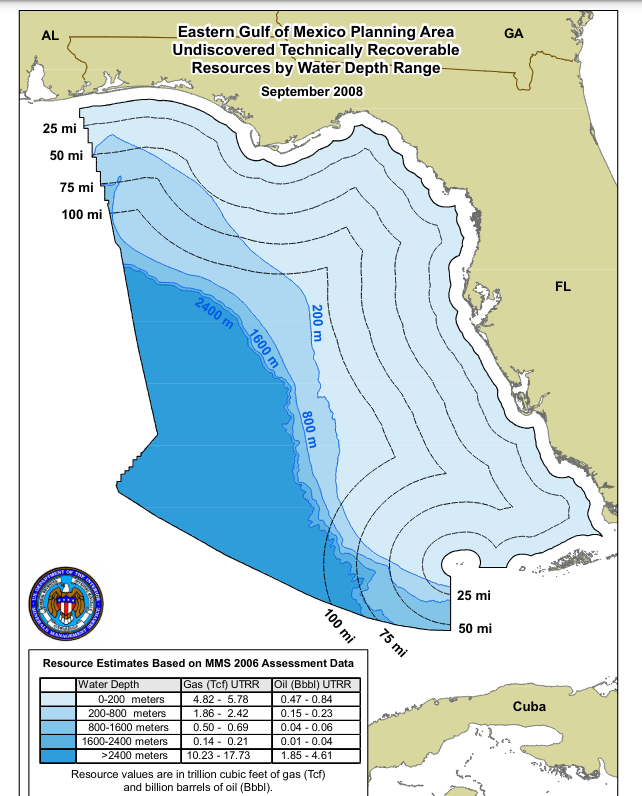
As illustrated on the map below, the petroleum geology of the EGOM and Florida’s preferences are likely aligned in that the best prospects for oil and gas production are in deep water and more than 100 miles from the State’s coast.Does Florida support a 100 mile buffer?
The 4/20/2010 Macondo blowout was a tragic failure that has been, and will continue to be, discussed at length on this blog. We should also acknowledge that prior to Macondo 25,000 wells were drilled on the US OCS over a 25 year period without a single well control fatality, an offshore safety record that was unprecedented in the U.S. and internationally. We should also applaud recent advances in well integrity and control, including the addition of capping stack capabilities that further reduce the risk of a sustained well blowout.
Florida’s independent thinking on energy policy is commendable. That independence is contingent on importing petroleum products and natural gas from elsewhere in the Gulf region. Securing that supply over the intermediate and longer term should be a priority for Florida. In that regard, EGOM production is an important consideration.
The government’s decision to require that a capping stack be located in Guyanais prudent. Although the need for a capping stack is dependent on multiple barrier failures and is thus extremely low, the environmental and economic consequences of a prolonged well blowout warrant timely access to this tertiary well control option.
A capping stack must be properly maintained and deployable without delay. In that regard, BSEE has a good program for testing Gulf of Mexico capping stack readiness. Capping stack drills are an important post-Macondo addition to the unannounced oil spill response program that dates back to 1981.
“Troy Naquin, BSEE New Orleans District, observes as a capping stack is carefully lowered onto the deck of ship to be transported more than 100 miles offshore for a drill designed to test industry’s ability to successfully deploy it in case of an emergency, May 8, 2023.” BSEE photo/Bobby Nash
I had the pleasure of working with Jason Mathews when he was a young MMS engineer. He truly cared about our safety mission and has taken that commitment to the next level at BSEE. Jason shared this important, heartfelt message on the anniversary of the Macondo blowout.
One of the greatest gifts I ever received in life is having a little girl and having the opportunity to go home every evening and spending time with her at cheer, softball, doing homework, etc. I have a great deal of respect for the men and women who work offshore and put their lives on hold for 14-28 days to deliver much needed OCS production to meet US demand. Undoubtedly, they are better / tougher people than me.
Over the last year, my team has seen multiple incidents that had a high potential severity that could have led to a fatal / serious injury or major incident in the GOM. Although we can sit and debate the causal factors for hours, one that jumps to the top of the discussion is the Human Factor – Complacency. Of all the things a leader should fear, complacency heads the list. There is no doubt success breeds complacency, and complacency breeds failure.
To this day, I am still shook by the mindset and complacency of many onboard the Deepwater Horizon prior to the incident. During testimony in the public hearings, John Guide, the BP well team leader for the Horizon, believed that the rig crew had become “too comfortable” because of its good track record for drilling difficult wells. Ross Skidmore, a BP contractor on the rig on April 20, testified that the crew became complacent after completing drilling because “when you get to that point, everybody goes to the mindset that weʹre through, this job is done.” To me, the complacency on the Deepwater Horizon could be attributable to the crew not having access to all of the well data (OptiCem reports – cement job risk) available to BP personnel onshore and the well site leaders on the rig. Our investigation concluded, the overall complacency of the Deepwater Horizon crew was a possible contributing cause of the kick detection failure.
As regulators, we have special roles in the GOM as it relates to safety:
Driving the avoidance of complacency and risk-free mindsets of the offshore employees
Understanding we can’t be selfish – Our success is not our individual personal growth / gains, but it is being unwavering in your promotion of offshore safety to ensure all offshore employees return home to their families safely
Holding each other (internally) and industry (externally) accountable when necessary
In order to achieve greatness offshore, we ,as a regulator, have to believe we can, and never sit still until we achieve it.
Everyone on this email has a very critical function and role. Never underestimate the value of what you do, have the proper mindset, and avoid complacency.
Do whatever it takes to ensure the people offshore are gifted the same gift we receive every day – going home to our families.
All In –
Jason P. Mathews, Petroleum Engineer, Field Operations – OSM
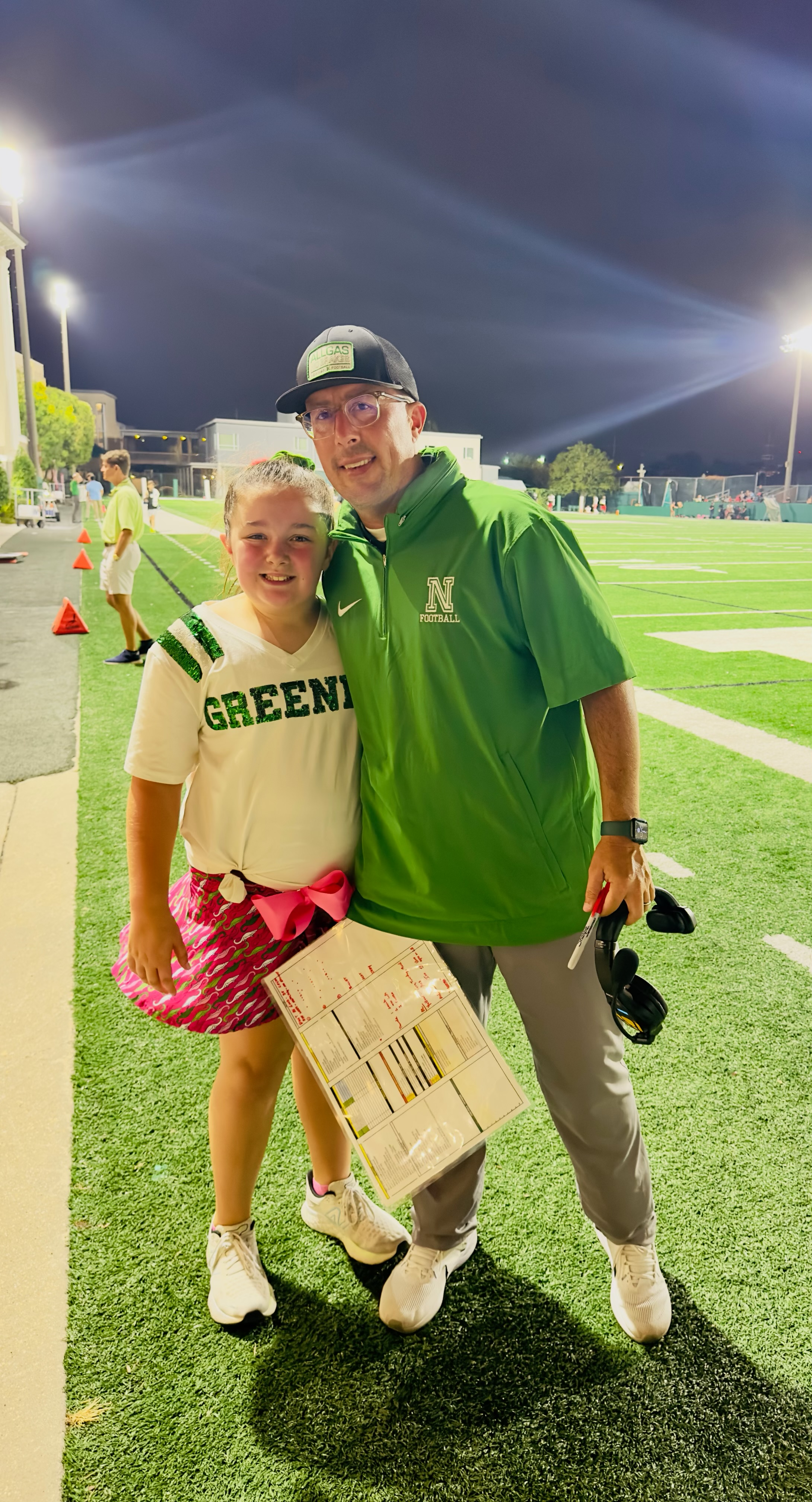
Friday Night LIghts: Coach Mathews and his daughter
The active rig count in the GoM in 2001 was 148 (AL-4, LA-119, TX-25), which is >8 times the current Baker Hughes rig count of 18. The 2001 rig count was not a one year blip; the number of rigs active in the GoM exceeded 100 for the ten year period from 1994-2003.
While the current rig count is anemic by comparison, the capabilities of the fleet are anything but. Below is a list derived from drilling contractor status reports of deepwater rigs now operating in the Gulf.
All of these rigs are dynamically positioned and are capable of drilling in 12,000′ of water. They have dual derricks and 15,000 psi rated BOP rams (one has a 20,000 psi stack, and another can be upgraded to 20,000 psi). The annular preventers are rated at 10,000 psi. All have impressive storage and hook load capacities, the latest tubular handling equipment, advanced control systems, and efficient power generation.
Note that most of the rigs fly the flag of the Marshall Islands. This “flag of convenience” registration is preferred for reasons related to taxation and operational freedom. For the record, the fact that the Deepwater Horizon was registered in the Marshall Islands had little to do with the Macondo blowout. The DWH was subject to all Coast Guard and MMS regulations under the OCS Lands Act.
The main cause of the Macondo blowout was the poorly planned and executed well suspension operation. Certain equipment capability, maintenance, and employee training issues were contributing factors. However, with that said, the Marshall Islands report on the blowout candidly acknowledges that “the complexity of and interdependence between the drilling and marine systems and personnel suggests a need for increased communication and coordination between the flag State and coastal State drilling regulators.” Hopefully, that coordination is being achieved and the risks associated with the fragmented regulationof mobile drilling units are being effectively managed.
Contractor
Rig
Operator
Est. end date
Flag
Transocean
Deepwater Titan
Chevron
3/2028
Marshall Islands
Transocean
Deepwater Atlas
Beacon
4/2025
Marshall Islands
Transocean
Deepwater Poseidon
Shell
4/2028
Marshall Islands
Transocean
Deepwater Pontus
Shell
10/2027
Marshall Islands
Transocean
Deepwater Conqueror
Chevron
3/2025
Marshall Islands
Transocean
Deepwater Proteus
Shell
5/2026
Marshall Islands
Transocean
Deepwater Thalassa
Shell
2/2026
Marshall Islands
Transocean
Deepwater Asgard
Hess
4/2024
Marshall Islands
Stena
Evolution
Shell
4/2029
Marshall Islands
Noble
Stanley Lafosse
???
11/2024
Liberia
Noble
Valiant
LLOG
2/2025
Marshall Islands
Noble
Globetrotter I
Shell
5/2024
Liberia
Noble
Globetrotter II
Shell
5/2024
Liberia
Valaris
DS-18
Chevron
8/2025
Marshall Islands
Valaris
DS-16
Oxy
6/2026
Marshall Islands
Diamond Offshore
BlackHawk
Oxy
10/2024
Marshall Islands
Diamond Offshore
BlackHornet
bp
3/2027
Marshall Islands
Diamond Offshore
BlackLion
bp
9/2026
Marshall Islands
Short video about the Stena Evolution, the newest entry to the Gulf of Mexico fleet:




 Bud's Offshore Energy (BOE)