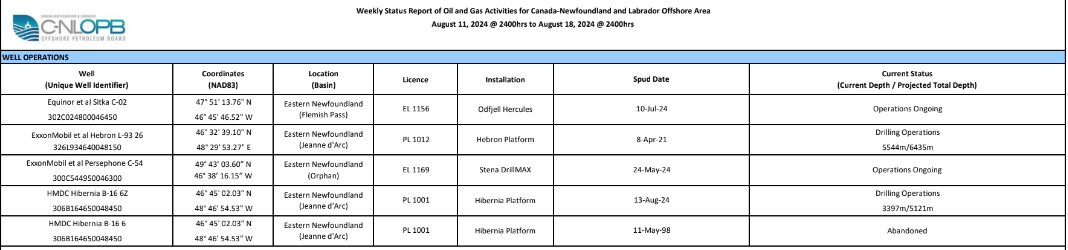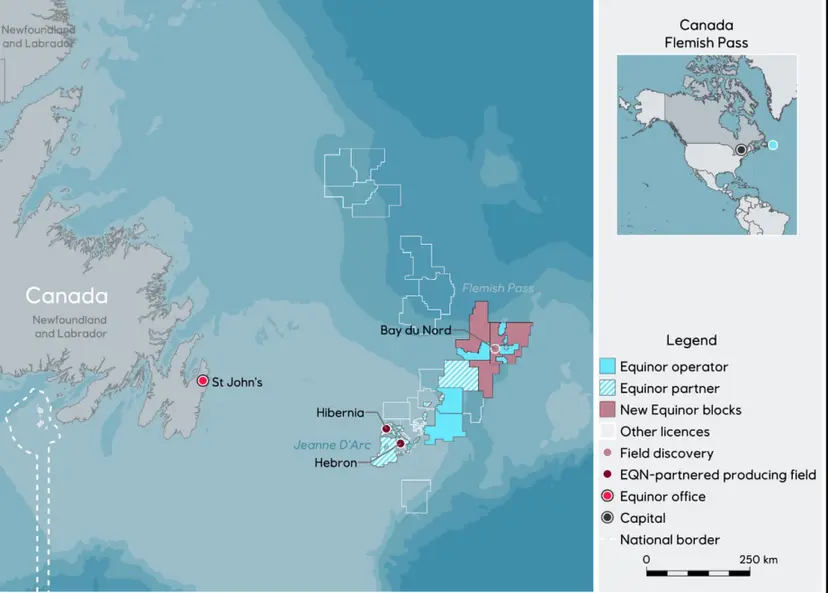
Per the CNLOPB weekly activities report, Equinor spudded the important Sitka C-02 well in the Flemish Pass area on July 10, 2024. This well will help clarify the resource potential in the Bay du Nord project area with the goal of better defining development plans.
Meanwhile, operations on Exxon’s important Persephone well in the Orphan Basin have now been ongoing for 2 months. Some type of announcement by Exxon is expected after operations are completed and the well has been plugged.
Earlier this month we awarded a Chutzpah Award to groups that helped block every attempt to resume production in the Santa Ynez Unit and are now suing to terminate the leases for non-production.
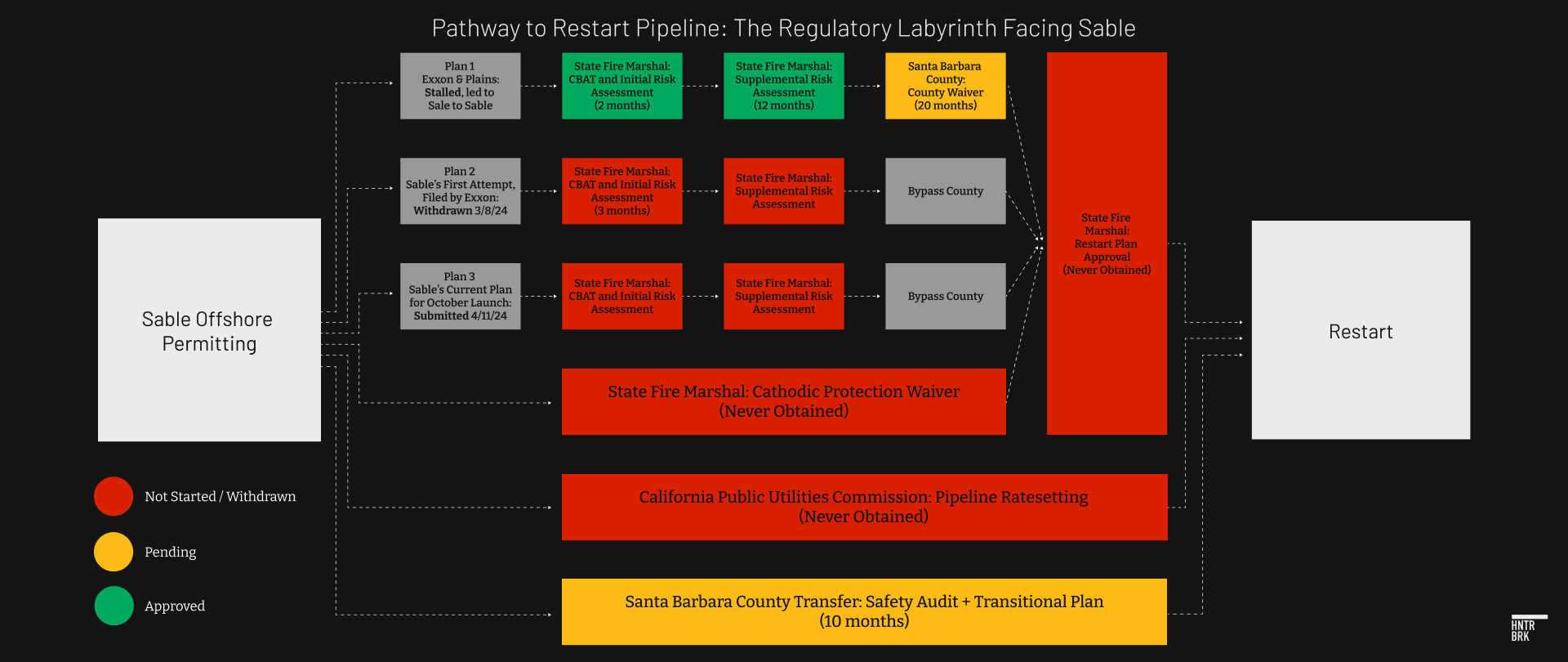
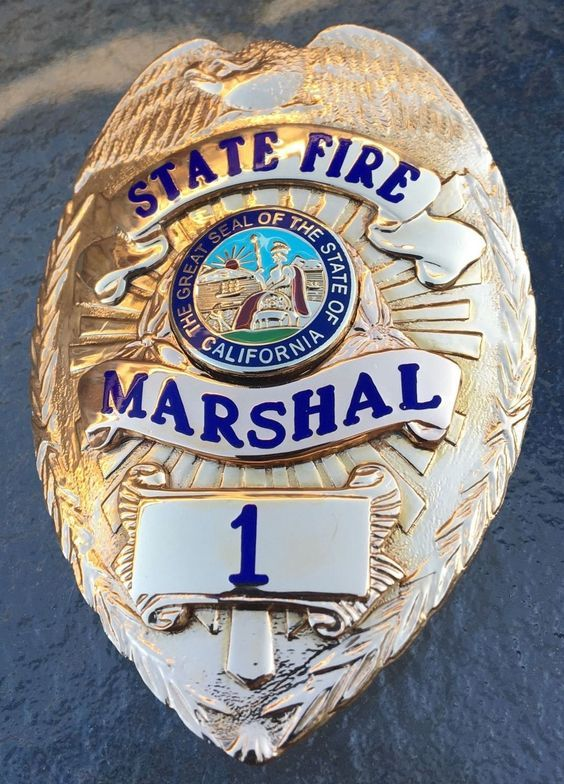
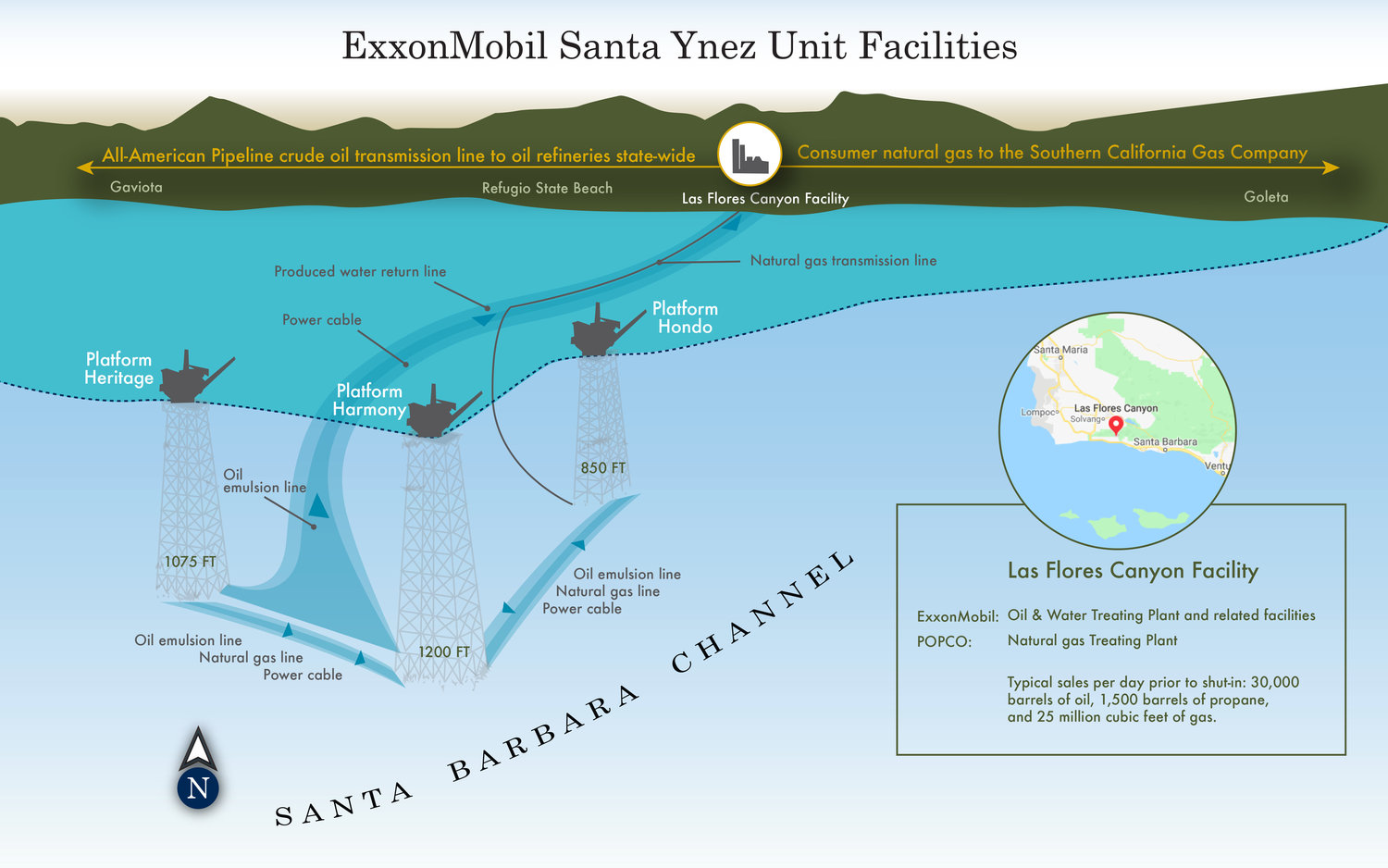
We now learn that the State Fire Marshall has rejected the resumption of production because Sable, the current operator, is not installing automatic shutdown valves on the oil pipeline. The catch is that Sable was denied permits needed to install the valves. So, on the one hand the Fire Marshall is requiring shutdown valves (a reasonable requirement), and on the other hand the County is prohibiting the installation of those valves!
According to the Fire Marshall’s office, this is the first time a company has been denied permits to install valves mandated by the State – yet another dubious distinction for the Santa Ynez Unit.
Followers of the US OCS oil and gas program have observed some impressive chutzpah over the years, but a new law suit challenging the extension of Santa Ynez Unit leases raises the bar.
Groups that helped block every attempt to resume production in the Santa Ynez Unit are now suing to terminate the leases for non-production.Brilliant!🥇
“Without these extensions, each of the leases would have expired and ExxonMobil would have been required to permanently cease its oil and gas operations, plug its wells, and decommission its other infrastructure.”See the full text of the law suit.
California State Lands Commission decision on the pipeline right of ways (ROWs) in state waters. (Those ROWs had expired.)
Transfer of leases to Sable – Environmental groups, the California Coastal Commission and/or other parties could file suit challenging the transfer of the leases to Sable.
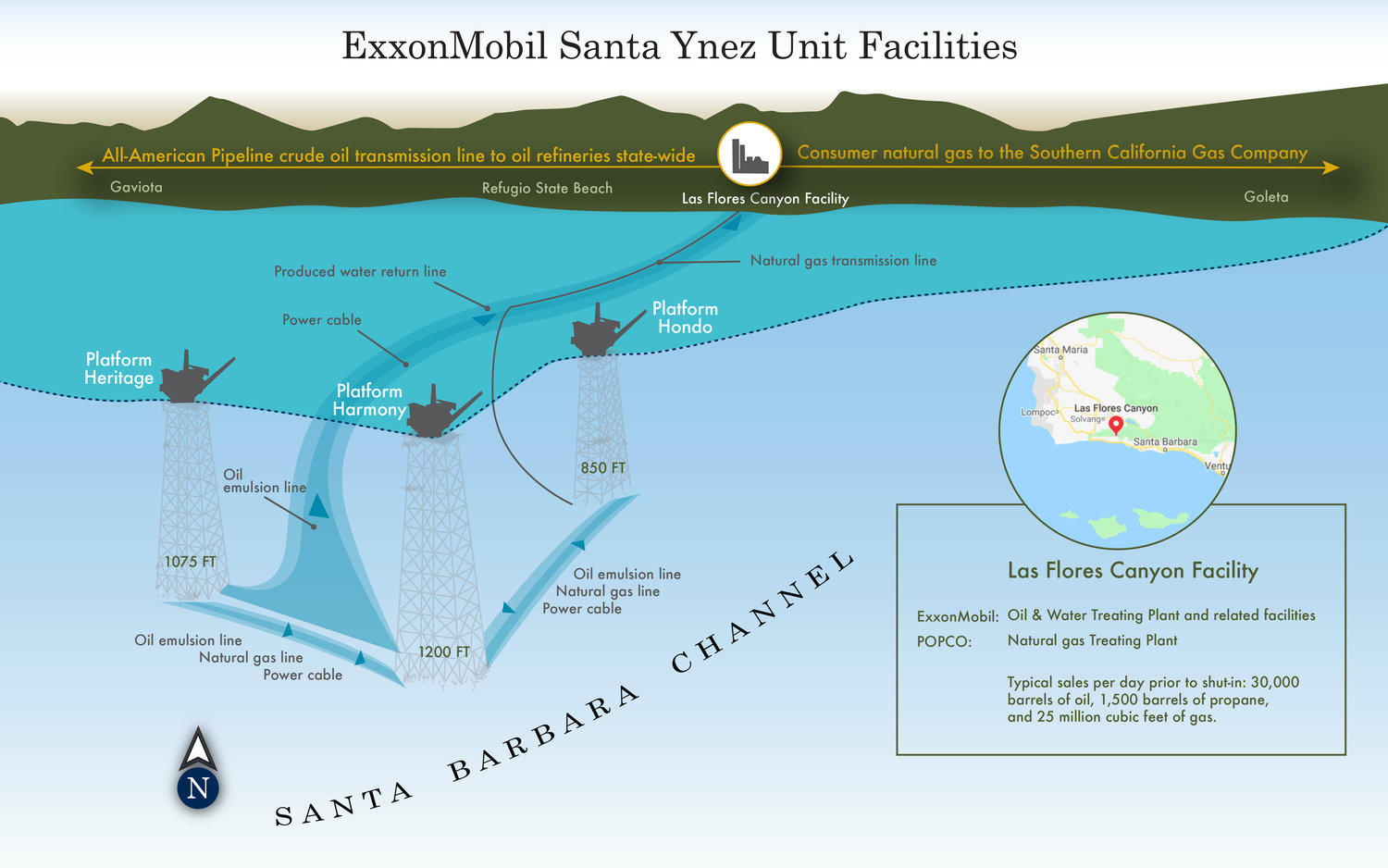
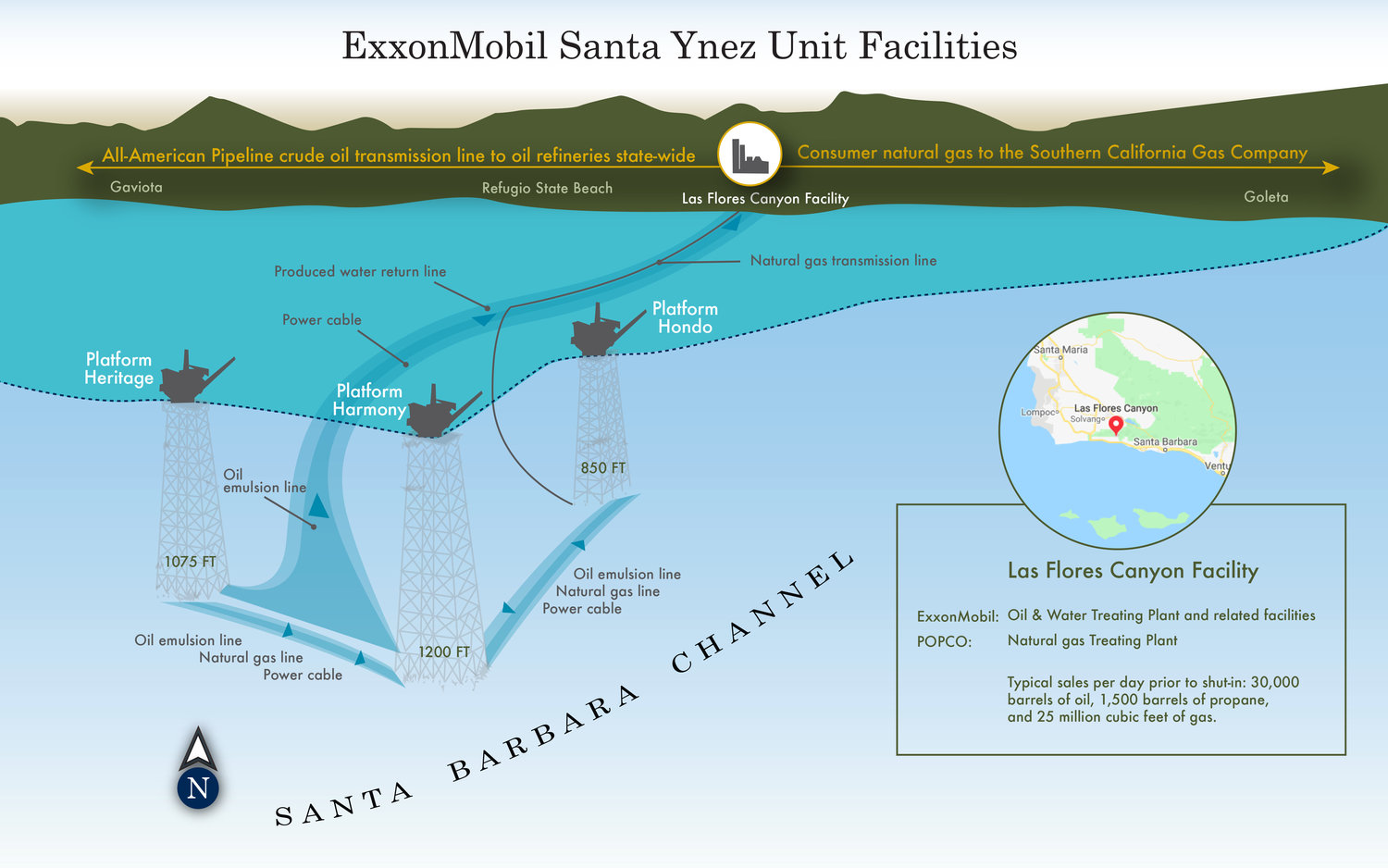
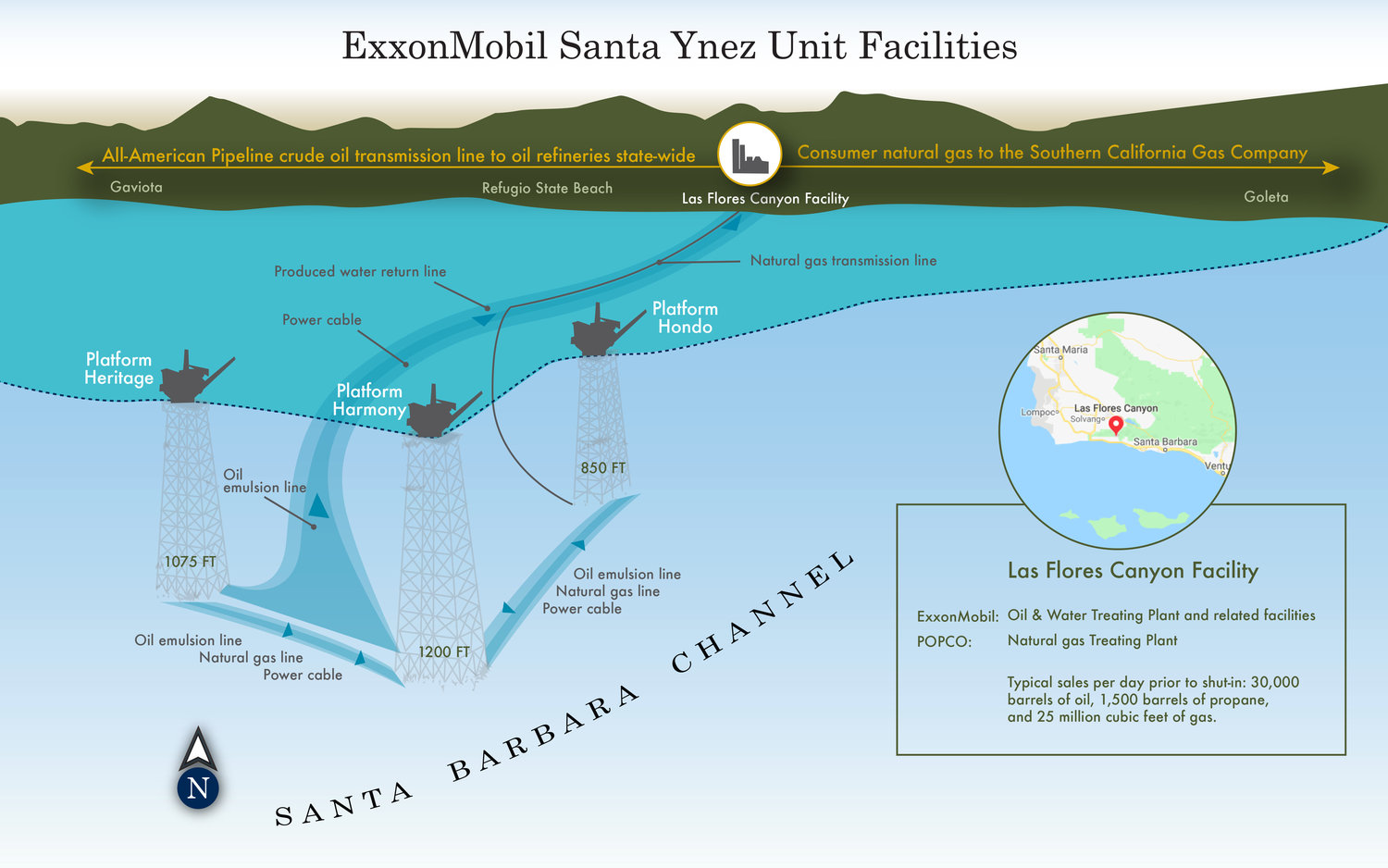
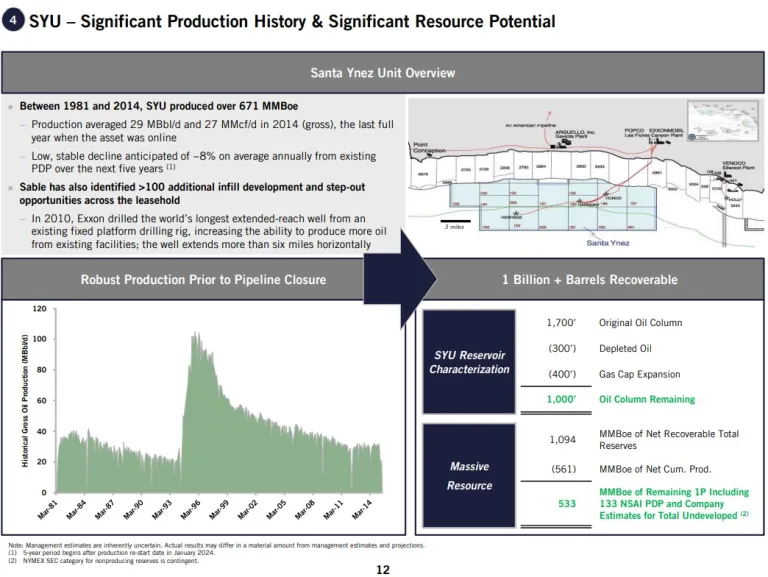
According to John, the question is not whether production will resume in 2024, but whether it will ever resume. And John reminds us that as of 1/1/2026, the SYU and all of the headaches revert to Exxon. See the SYU overview below:
At Sale 261, Repsol was the sole bidder for 36 nearshore Texas tracts in the Mustang Island and Matagorda Island areas (red blocks at the western end of the map above). Exxon acquired 163 nearshore Texas tracts (blue in map above) at Sales 257 (94) and 259 (69).
The 199 oil and gas leases that were wrongfully acquired for carbon disposal purposes remain idle with the government collecting rental payments at the rate of $10/acre/yr ($7 for Sale 257 leases). Collectively, this amounts to approximately $10 million/yr.
Presumably, the lessees cannot claim CCS tax credits for their bonus and rental payments.
The primary term for these leases is only 5 years, and the clock is ticking. The 94 oil and gas leases acquired by Exxon at Sale 257 for carbon disposal purposes are approaching the end of their second year. They would be almost a year older if litigation hadn’t delayed the issuance of Sale 257 leases (break for Exxon?).
No exploration plans have been filed for any of these leases. Presumably Exxon and Repsol do not intend to drill any wells unless the leases are converted to authorize carbon disposal.
The “Infrastructure Bill,” signed 2 days before Sale 257, required the Secretary of the Interior to promulgate regulations not later than one year after the date of enactment (11/15/2021). That deadline has long passed.
The delay in the regulations is understandable given the complex lease management, operational, and environmental issues.
Like the practices and operations they are intended to enable, the regulations are certain to be divisive. Neither the offshore industry nor the environmental community are of one mind on these issues, particularly with regard to the acquisition of oil and gas leases for carbon disposal purposes.
Energy Intelligence suggests that final carbon disposal regulations will be promulgated this year. This is highly unlikely, given that a proposed rule must first be published for public comment.
Publication of a proposed rule prior to the election is unlikely – too controversial.
Presumably, the regulations will establish a competitive process for the conversion of any oil and gas leases.
The leases that were wrongfully acquired at Sales 257, 259, and 261 should not be extended for any period of time, even if their expiration date approaches before a competitive process is established.
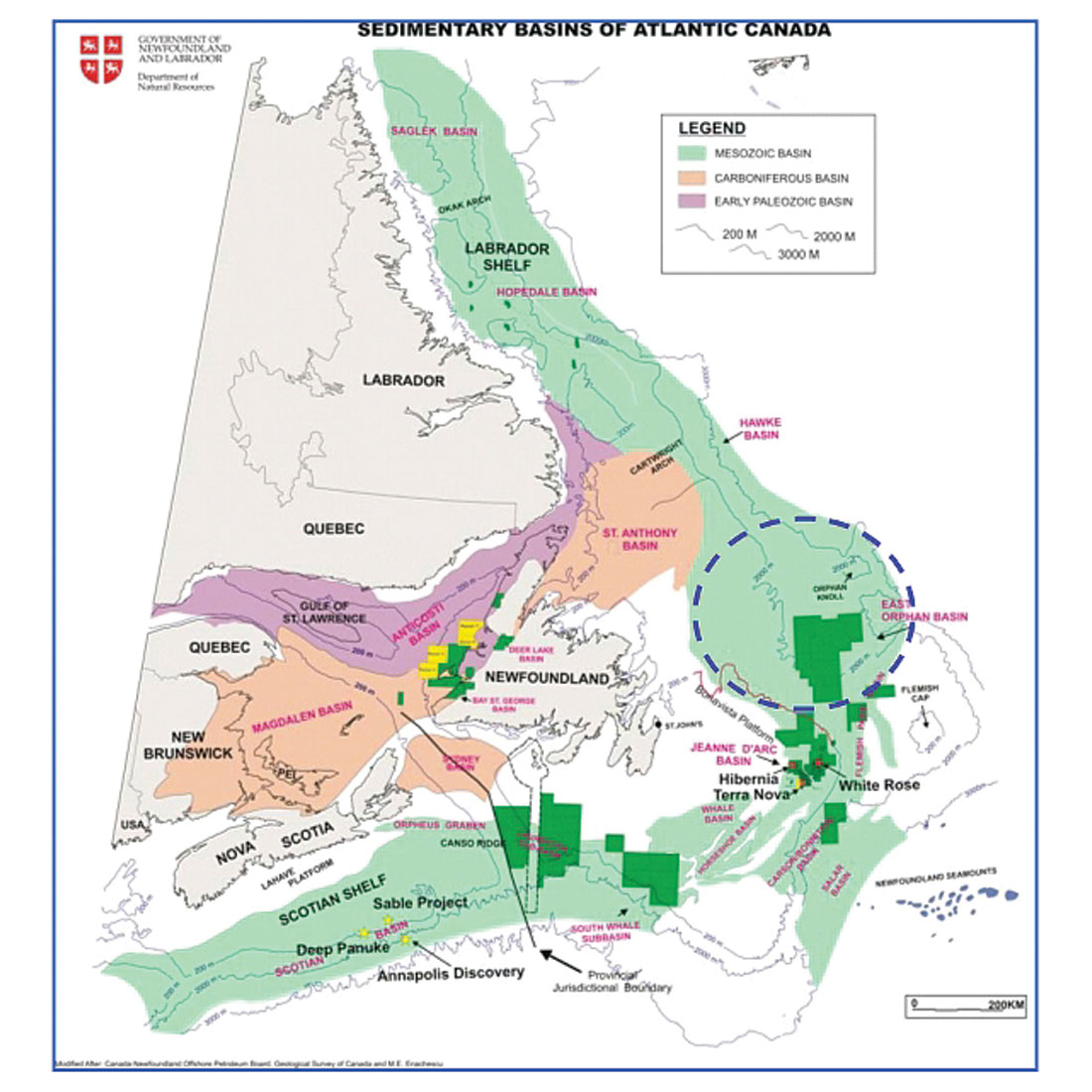
Per rig tracker data, the Stena DrillMAX has been on location at Exxon’s Orphan Basin wellsite since Sunday (19 May). The site is 317 miles (510 km) NE of St. John’s in Block 1169 (~3000 m water depth).
Per this very good resource assessment report for the Govt. of Newfoundland and Labrador, “the Orphan Basin area demonstrates a potentially prolific petroleum system with four main plays (reservoirs and associated seals) sourced by various source rocks (Upper Jurassic, Cretaceous, and Paleogene).“
Unrisked resource estimates (theoretical pending confirmation by drilling) at the 90, 50, and 10% probability levels for the Orphan Basin blocks offered for licensing in Nov. 2022:
Taking into account the risks of the geologic model not accurately reflecting the reservoir, seal, charging, and trap components of the petroleum system, the probability of finding 13.5 billion drops to 16% (see plot below). This is still a high probability for a massive wildcat discovery.
This is why you move a state-of-the-art drillship thousands of miles to drill a single exploratory well at a remote location in the North Atlantic. The most likely outcome is negative or inconclusive findings, but the potential for such a major discovery justifies the investment.
The PGOS curve quantifies the probability of success in finding the identified volume of resources in the new Orphan Basin blocks (e.g. there is a 34% chance of finding 4.7 billion BOE and a 16% chance of finding 13.5 billion BOE).
The DrillMAX has exited Bulls Bay and is en route to the Orphan Basin, where Exxon will drill a high potential exploratory well. As of this morning at ~1000 GMT, the drillship was headed north at 7.7 kts (see map).
“Exxon Mobil has led a persistent and apparently successful lobbying campaign behind the scenes to push the US federal government to adopt rules that would allow the conversion of existing oil and gas leases in the Gulf of Mexico into offshore carbon capture and storage (CCS) acreage, according to documents seen by Energy Intelligence and numerous interviews with industry players.”Energy Intelligence
The Energy Intelligence article documents the ongoing carbon disposal lobbying by Exxon and others. Those meetings are okay prior to publishing a Notice of Proposed Rulemaking (NPRM) for public comment. However, the article implies that the next step is a final rule: “Whether or not Exxon succeeds will become fully clear when the US issues final rules guiding CCS leasing, expected sometime this year.”
A final rule this year is unlikely, because an NPRM has to be published first for public comment. The only exception would be if BOEM was able to establish “good cause” criteria for a direct final or interim final rule in accordance with the Administrative Procedures Act. Such an attempt at corner cutting seems unlikely, especially in an election year when all regulatory actions are subject to additional scrutiny.
Exxon must have thought they had a clear path forward after 11th hour additions to the “Infrastructure Bill” authorized carbon disposal on the OCS, exempted such disposal from the Ocean Dumping Act, and provided $billions for CCS projects. Keep in mind that the Infrastructure Bill was signed just two days before OCS Oil and Gas Lease Sale 257, at which Exxon acquired 94 leases for carbon disposal purposes.
What the Infrastructure Bill did not provide is authority to acquire carbon disposal leases at an oil and gas lease sale. Now the lobbyists are apparently scrambling to overcome that obstacle administratively.
A single company or small group of companies should not be dictating the path forward for the Gulf of Mexico. Super-major Exxon is a relative minnow in the Gulf of Mexico OCS. They have not drilled an exploratory well since 2018, not drilled a development well since 2019, operate only one platform (Hoover, installed in 2000), ranked 11th in 2023 oil production, and ranked 29th in 2023 gas production.
Lastly, and most importantly, public comment on the myriad of technical, financial, and policy issues associated with GoM carbon disposal is imperative. That input is essential before final regulations are promulgated.
At Sale 261, Repsol was the sole bidder for 36 nearshore Texas tracts in the Mustang Island and Matagorda Island areas (red blocks at the western end of the map above). Exxon acquired 163 nearshore Texas tracts (blue in map above) at Sales 257 and 259.