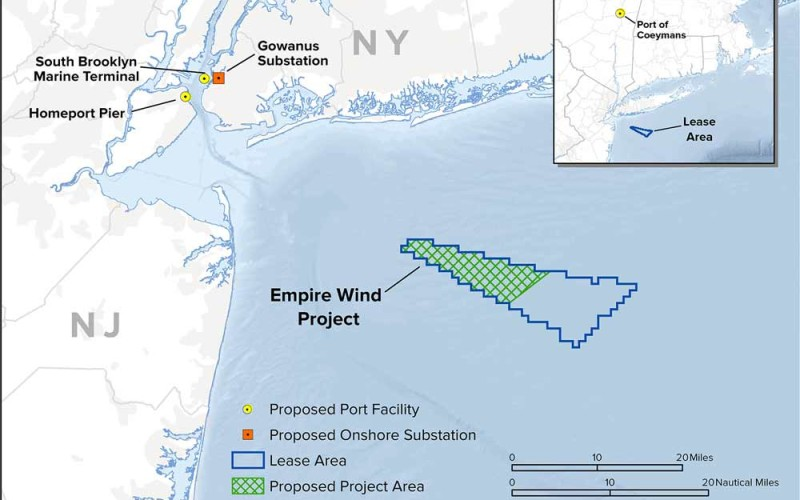
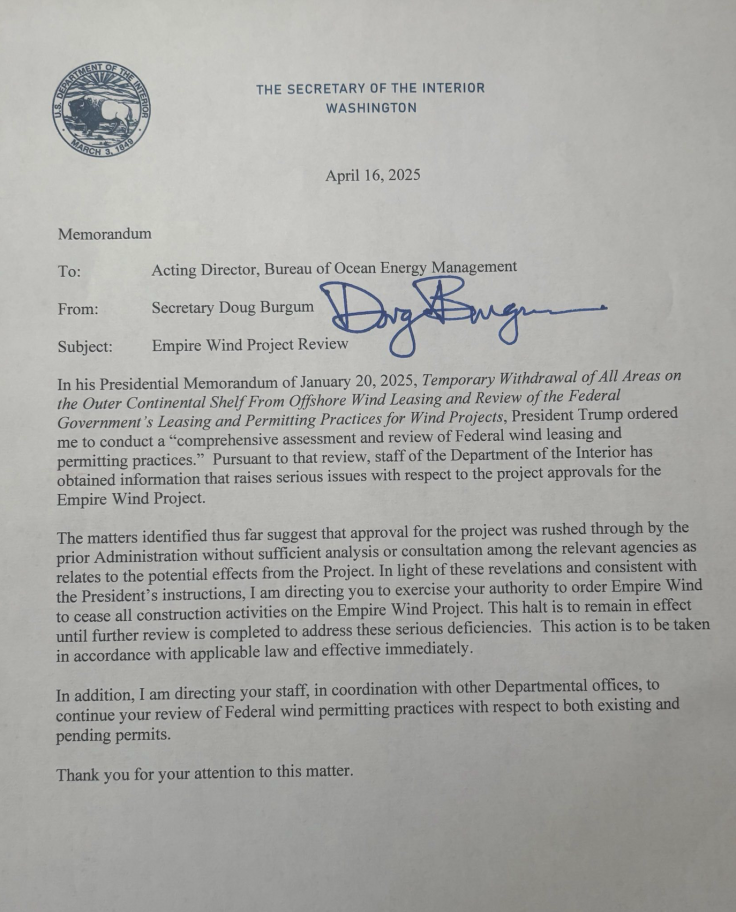
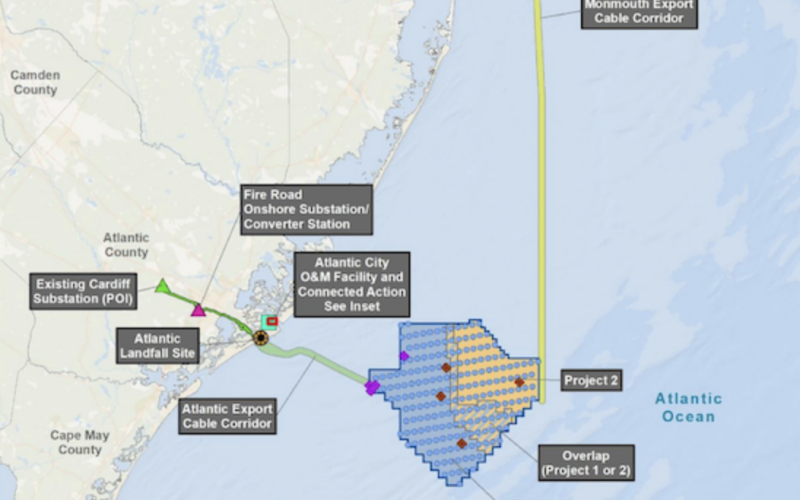
The Bureau of Ocean Energy Management (BOEM) is issuing this Director’s Order to Empire Offshore Wind LLC to halt all ongoing activities related to the Empire Wind Project on the outer continental shelf to allow time for it to address feedback it has received, including from the National Oceanic and Atmospheric Administration (NOAA), about the environmental analyses for that project. BOEM received this and other feedback regarding Empire Wind as an outgrowth of the review that the Department is engaged in related to offshore wind projects. See the President’s Memorandum of January 20, 2025. 90 Fed. Reg. 8363 (January 29, 2025).
A letter from Congressman Chris Smith (NJ) to Sec. Burgum is attached. Excerpt:
I am writing to advise you that Equinor, a Norwegian Energy multinational is planning to move forward with construction of its Empire Wind 1 project off the coast of New Jersey and New York as early as this April. This is an alarming development and should not be allowed before the comprehensive review of offshore wind ordered by President Trump’s January 20th executive order is completed. The executive order states that the assessment is needed to review the many shortcomings of the Federal wind leasing process including, “potential inadequacies in various environmental reviews required by the National Environmental Policy Act.”
Based on the respective financial performance of oil producers, I think it’s fair to say that investors aren’t attracted to those companies because of their wind projects.
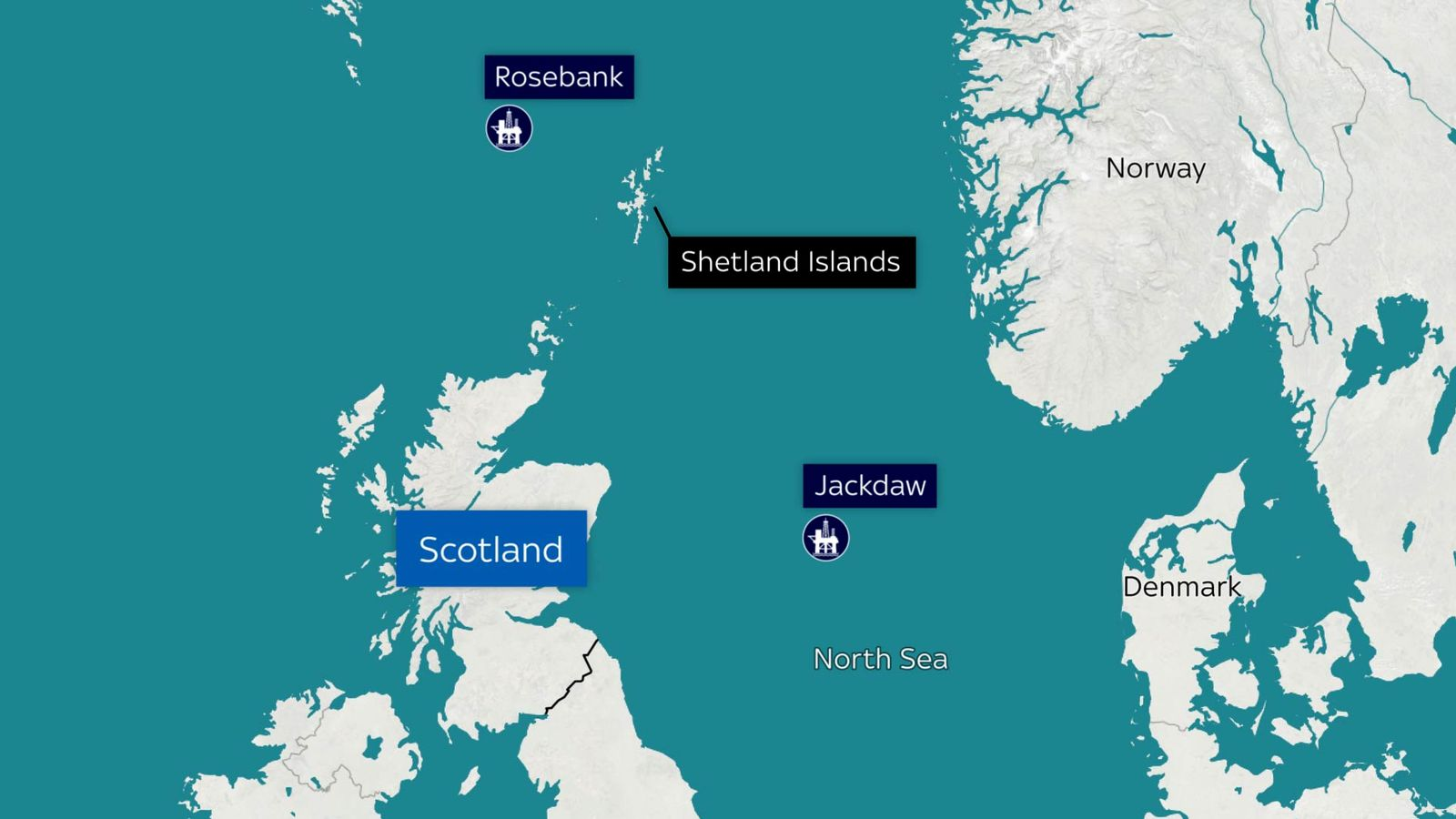
In the case of the Rosebank and Jackdaw fields, Lord Ericht ruled that the environmental assessment must take into account the climate effect of downstream emissions resulting from the consumption of oil and gas produced at those fields.
The Sale 257 decision was even more extreme in that Judge Contreras ruled that BOEM failed to consider the “positive” effect that higher prices (which might result from lower US offshore production) would have in reducing worldwide demand and the associated GHG emissions.
Regardless of one’s opinion on the extent to which GHGs affect the climate, halting UK and US projects will have virtually no effect on international oil and gas demand. That demand will be satisfied by other suppliers who will reap the economic benefits.
Presumably, revised environmental assessments, will allow the previously approved UK projects, for which some facilities have already been constructed and installed, to go forward. The UK government has been considering how to calculate downstream emissions. The model will no doubt yield outcomes that are highly uncertain.
In the meantime, the UK sector of the North Sea, unlike its Norwegian counterpart, continues to flounder.
“We need more of it because even the most ardent supporters of renewable energy, the most vocal proponents of net zero, quietly admit oil and, especially, gas will be needed for a couple of decades at least. That obvious truth, that inarguable necessity, is not, apparently, enough for ministers to encourage UK production, however, or temper their rhetoric around renewables.“
“Allowing our rigs and refineries to power down and relying on other countries to keep the lights on still seems a little, well, counter-intuitive. We will import oil and gas but not produce it while happily exporting contracts, skills and jobs overseas? The practical impact of Labour’s refusal to grant new exploration licences in the North Sea might remain unclear but the message it sent was absolutely crystal.“
In their quarterly earnings report released on Jan. 30, Shell disclosed a $996 million impairment associated with their withdraw from the controversialAtlantic Shores wind project offshore New Jersey.
Shell is no longer a participant in any US offshore wind projects. This leaves Equinor (2/3 Norwegian govt ownership) as the only major oil company pursuing US offshore wind development.
Those Atlantic states that have linked their economic future to offshore wind better be reassessing their energy strategy.
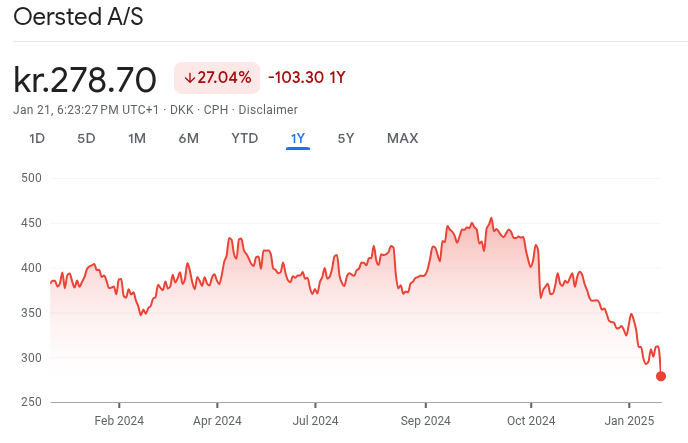
Equinor’s investment of over 26 billion kroner in the Danish wind power company Ørsted has so far been a financial disaster – and now it’s going from bad to worse.
“We are very negative about the whole green initiative, as the return on the investments they make is far too low. When they also buy minority stakes in other green companies that we cannot count on, such as Ørsted, it means that we would rather own other oil companies.” Gaute Eie, Eika Kapitalforvaltning
The market has long been concerned that Equinor will throw money at renewable projects with low or no profitability.
In a recent note, Pareto analysts Tom Erik Kristiansen and Olav Haugerud point out that the Ørsted writedown does not bode well for Equinor’s own US projects either. They foresee a writedown of up to $1.1 billion, given that Equinor faces the same type of challenges as Ørsted.
Eie believes there is no reason why Equinor in particular should have a green initiative:
Aker BP is not doing green, Vår Energi is not doing green, and all the big oil companies are going back on this. Then we’ll see if Equinor has the guts to buy even more Ørsted shares, because now it’s 35 percent cheaper. If they do, we’ll have even fewer Equinor shares.
Sissener believes Equinor should rather focus on dividends and concentrate on oil and gas projects.
– We generally stay away from companies where the state is a major owner, because there you have to be so politically correct all the time. What we need are shareholder-friendly board representatives who know how to run a business and maintain control. In a broader perspective, this helps to destroy trust in Norwegian business.
The two ruling parties in Norway want to cut the two power inter-connectors that link the country with Denmark when they come up for renewal in 2026. The smaller coalition party, the Center Party, wants to revisit similar energy links with the UK and Europe.
A related matter is Norway’s push to power offshore platforms with electricity from shore. This policy makes neither economic nor environmental sense, and introduces new safety and operational risks.
This BOE post cites the obvious (per NPD): “The power from shore projects will lead to an increase in electricity prices in Norway.” The post also presents seven other reasons why powering those facilities from shore is not a good idea.
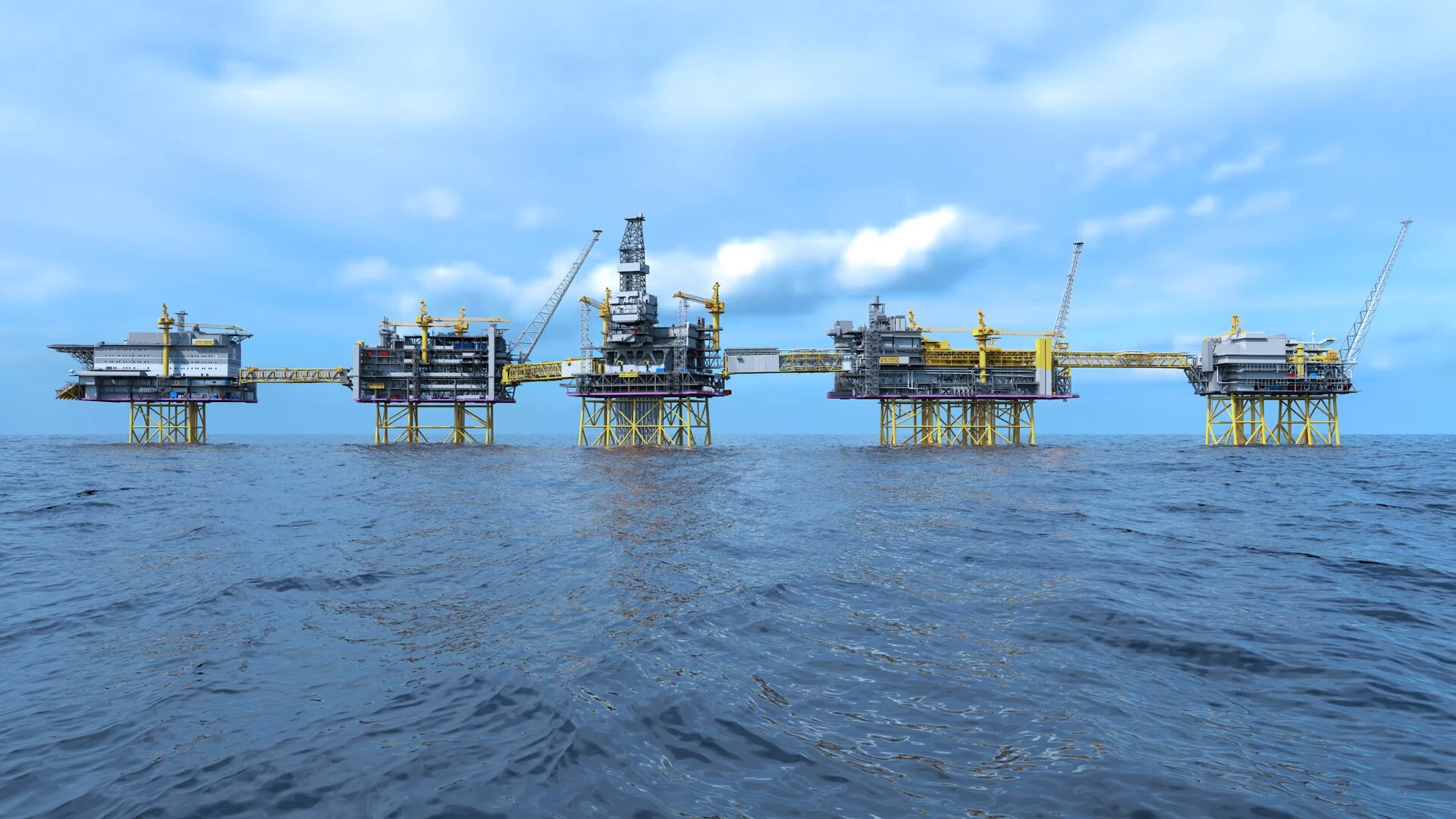
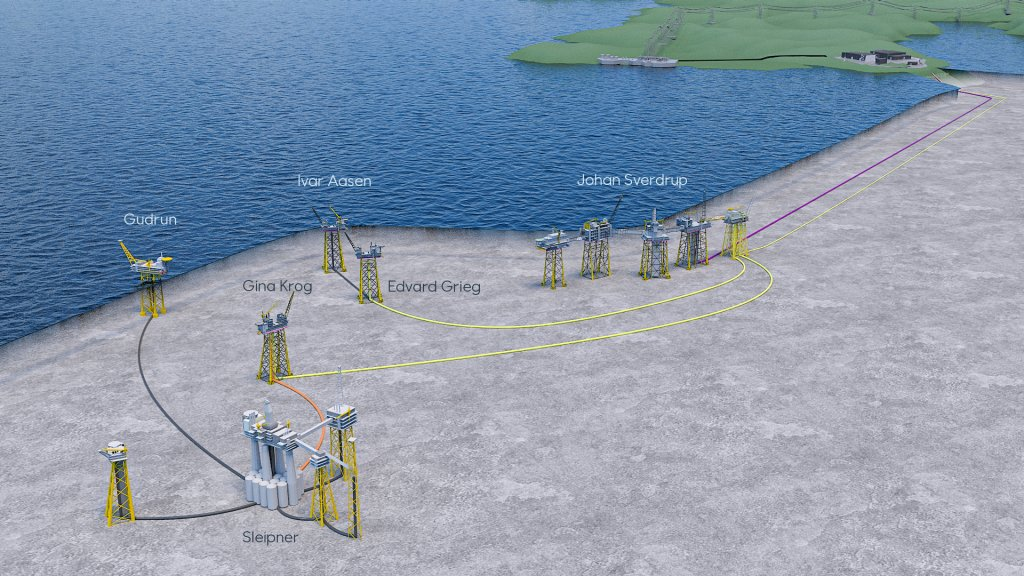
Production from Equinor’s important Johan Sverdrup field, which accounts for 755,000 bopd (36% of Norway’s oil production), was shut-in on Monday as a result of a power outage. Production was in the process of being restored on Tuesday.
According to Equinor, the outage was caused by overheating at an electric converter station onshore.
A 2022 BOE post questioned Norway’s push to power offshore platforms with electricity transmitted from shore. This incident reinforces those concerns. Summary:
Most offshore platforms produce sufficient gas to support their power demands
Assuming gas that is not used to power a platform is marketed and consumed elsewhere, the net (global) reduction in CO2 emissions from electrifying offshore platforms is negligible. (Perhaps there is actually a small increase in net emissions given the power required to transport the gas to markets and the emissions associated with onshore power generation).
Offshore power demands are highly variable, especially when drilling operations are being conducted.
Gas turbines are reliable, and capable of responding to variable power demand. Excess generation capacity is typically provided.
Power from shore increases the cost of platform operations and could decrease ultimate recovery of oil and gas resources.
Per NPD, electrification of the shelf will increase electricity prices for onshore consumers and increase the need for onshore facility investment.
Gas turbines or diesel generators are still necessary to satisfy emergency power needs at the platforms.
Long power cables are vulnerable to damage (accidental or intentional), as are onshore power stations.
I hope the investigation of this incident considers some of these broader electrification policy issues.
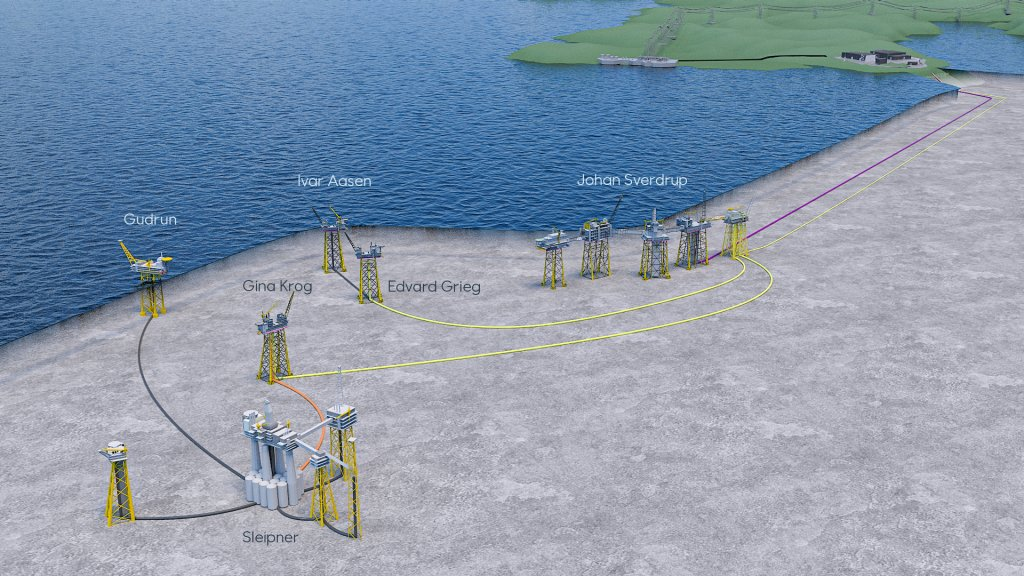
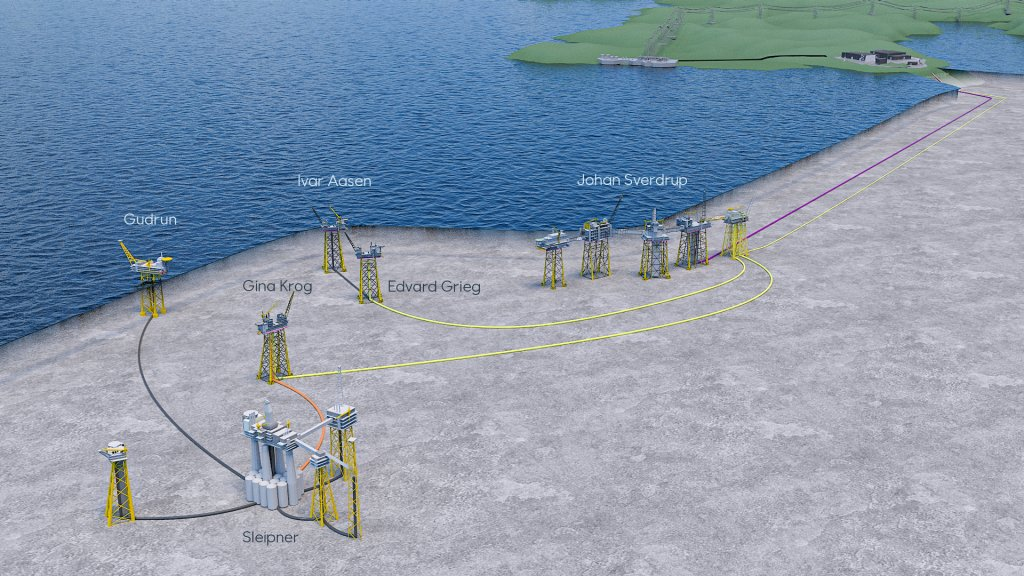
Equinor diagram: The purple cable shows power from shore to Johan Sverdrup phase 1, established in 2018. The yellow power cable shows power from shore to Johan Sverdrup phase 2 and the Utsira High area solution, from 2022. The orange cable shows power from shore to the Sleipner field centre and connected fields from late 2022. Black cable shows existing power cables at Sleipner field centre and to the Gudrun installation.
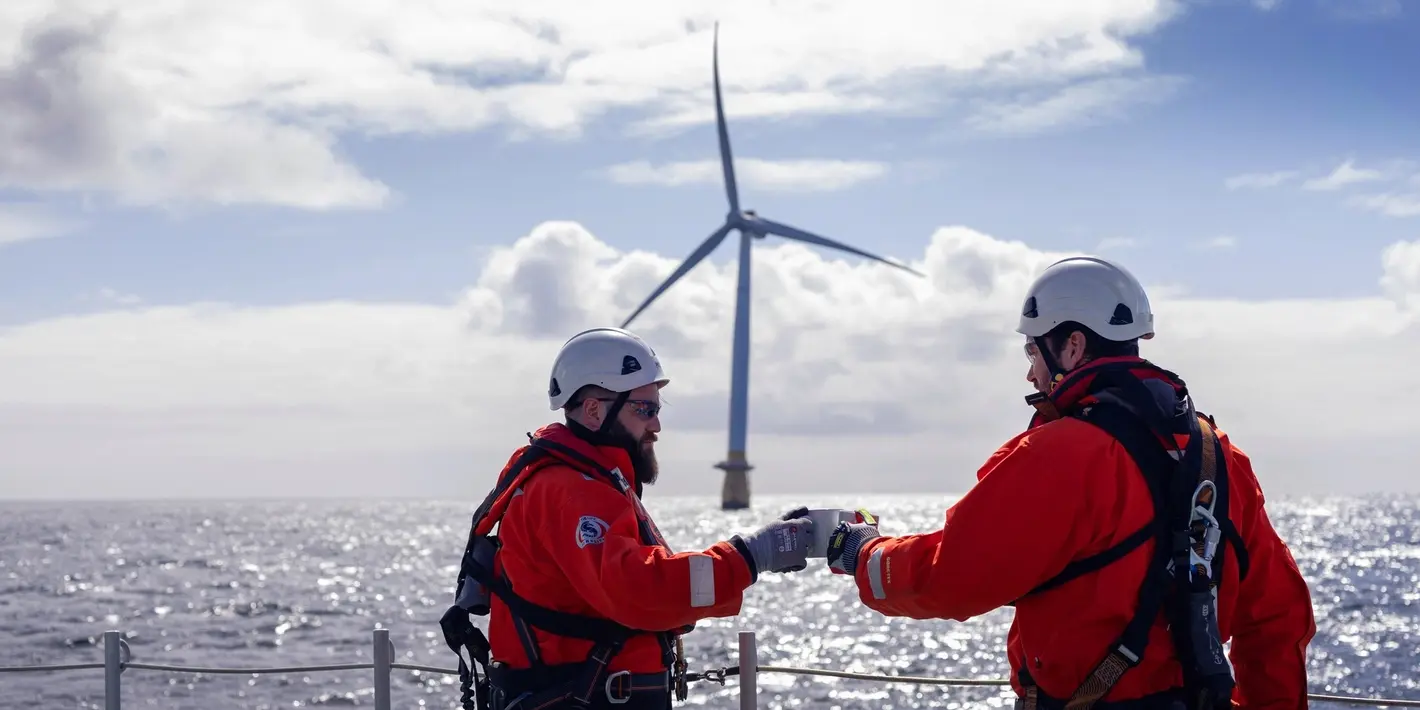
Equinor reports that all 5 Hywind turbines have been returned to service after being towed to Norway as part of a 4-month maintenance campaign.
Even though the turbines had only been in operation since 2017, Equinor puts a positive spin on the 4-month maintenance outage, declaring total victory:
“The successful completion of the maintenance campaign on Hywind Scotland is a testament to the collaborative efforts of our teams and partners. As the world’s first floating offshore wind farm, Hywind Scotland has demonstrated the immense potential of floating wind. Through this maintenance campaign, we’ve gained valuable insights that will help us refine maintenance practices and optimise this technology for the future. By sharing our learnings, we aim to contribute to the growth and development of the floating wind industry.”
Some of the folks in Scotland have a different take as evidenced in this video:
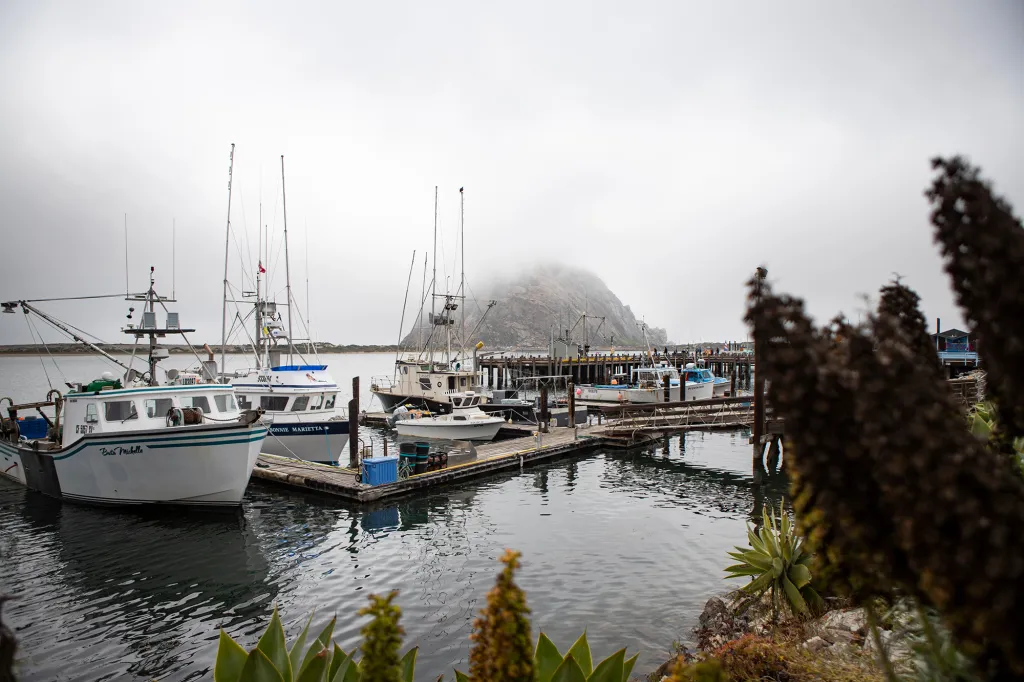
Meanwhile, the turbines planned for offshore Central California will also have to be towed to shore for major maintenance. Nearby harbor areas like Morro Bay (pictured below) would be overwhelmed by the large structures and the maintenance and repair operations. Central Coast residents are not enamored with “another attempt to industrialize the coast.” Towing the towers to LA/Long Beach, albeit rather distant from the leases, would seem to be the preferred option for such work.
Looking forward, the first power generation from floating wind turbines on the Central Coast is forecast for 2034. Betters may want to take the over!
 Bud's Offshore Energy (BOE)