Feeds:
Posts
Comments

Posts Tagged ‘Rosebank field’

North Sea pioneer JL Daeschler is among those lamenting the sad state of UK exploration and development, commenting that he is “green” with envy of Norway’s long term management of their oil and gas resources.

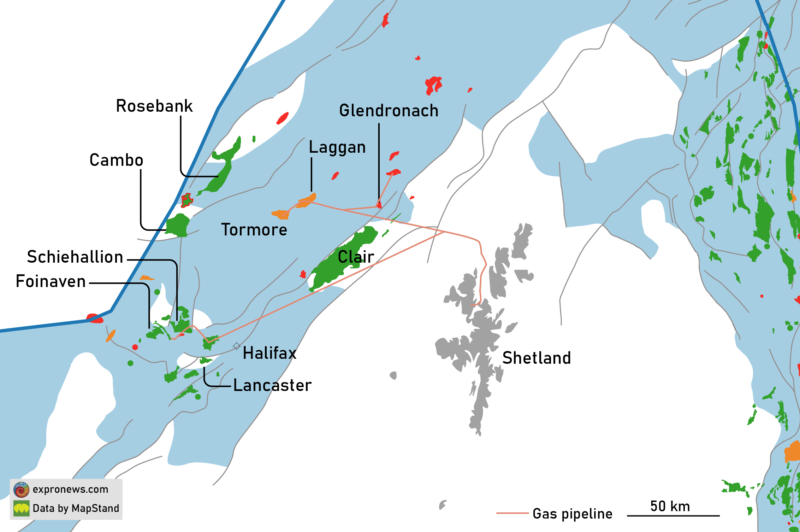
Researchers at the University of Aberdeen may be showing the way for exploitation of the West of Shetland area’s estimated 4.7 billion bbls of oil equivalent (boe). They are advocating a tailored management regime for this challenging area. Per the researchers:

“West of Shetland is not a depleted frontier – it is a technically demanding but strategically important energy province,” said Nick Schofield, Professor of Igneous & Petroleum Geology at the University of Aberdeen. “Our study highlights the remaining oil and gas potential in the area, which could extend the life of the UK’s oil and gas sector.”

John Underhill, Aberdeen University’s Director for Energy Transition said: “Failing to develop these domestic resources risks increasing the UK’s dependence on imports, with implications for emissions, costs, jobs, tax revenues and energy security.” 

The researchers argue that a “one-size-fits-all” approach to UKCS taxation fails to reflect the unique risks and costs associated with West of Shetland exploration, appraisal and development. As a result, they say projects that are technically viable may remain economically marginal under current conditions.

The University of Aberdeen paper (linked) advocates a tailored regime that would:

  • Recognize higher exploration and development costs
  • Account for increased geological and operational risk
  • Encourage investment in challenging projects
  • Enable tie-backs to existing infrastructure that would provide energy security, tax revenues, retain jobs and be better for the global climate than importing liquified natural gas (LNG), which carries a higher carbon footprint.
  • Support the development of already identified prospects within licensed areas

Rosebank update:

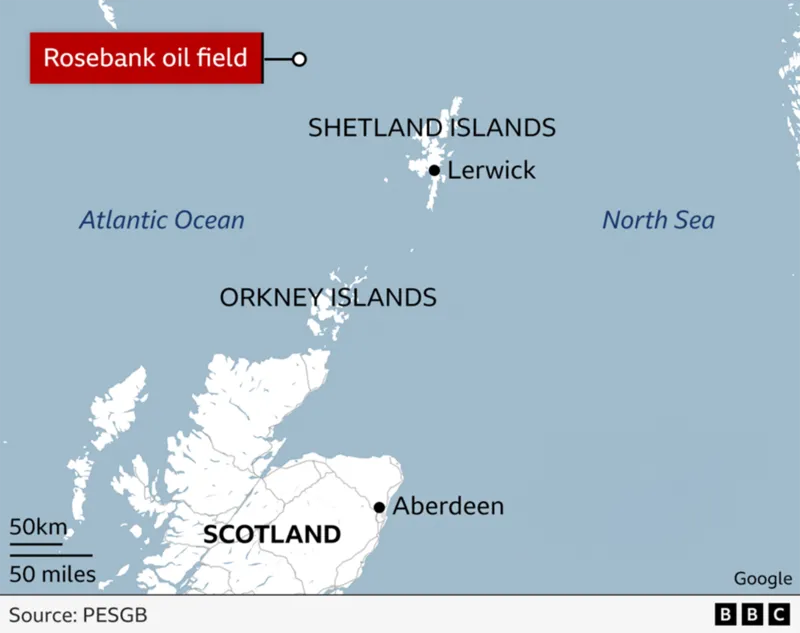
The West of Shetland area includes the controversial Rosebank project (map above), which has yet to receive environmental consent from the UK govt. Following a court ruling, Equinor (operator) was given permission to proceed with the project, including preparatory engineering and construction work, but no production is allowed pending final govt approval.

The PetoJarl Rosebank Floating Production Storage and Offloading (PFSO) vessel recently left its dry dock in Norway and has arrived in the West of Shetland basin. The vessel will undergo commissioning to be ready for production by the end of the year.
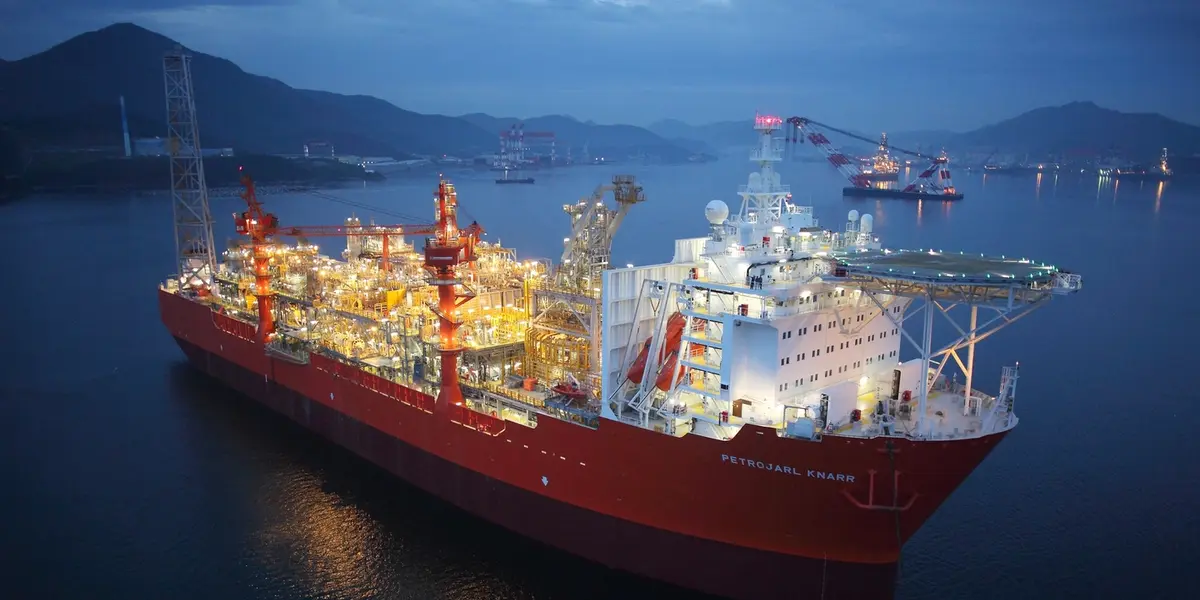

PetroJari Rosebank FPSO

Read Full Post »

Is this a new low for the UK’s anti-oil mob? See this BBC article shared by JL Daeschler.

Campaigners against Rosebank, Britain’s largest untapped oil field, have told the UK government that approving the project would risk breaching international law.

They say profits would flow in part to the Israeli oil and gas company Delek Group, which the UN human rights commissioner accuses of “supporting the maintenance and existence” of illegal settlements in the West Bank.

Note that Delek is not a Rosebank partner, but is the majority shareholder in a 20% Rosebank partner, Ithaca Energy. The 80% owner and project operator is Equinor, which is 2/3 owned by the Norwegian govt. Apparently, neither Equinor nor Norway are troubled by Ithaca Energy’s 20% Rosebank share. (There is no indication that the BBC contacted Equinor prior to publishing the article.)

The most sensible quote in the article is from the govt of Israel which dismissed the accusations as “absurd and distorted.”

Which do left-wing activists hate more – oil or Israel?

Read Full Post »

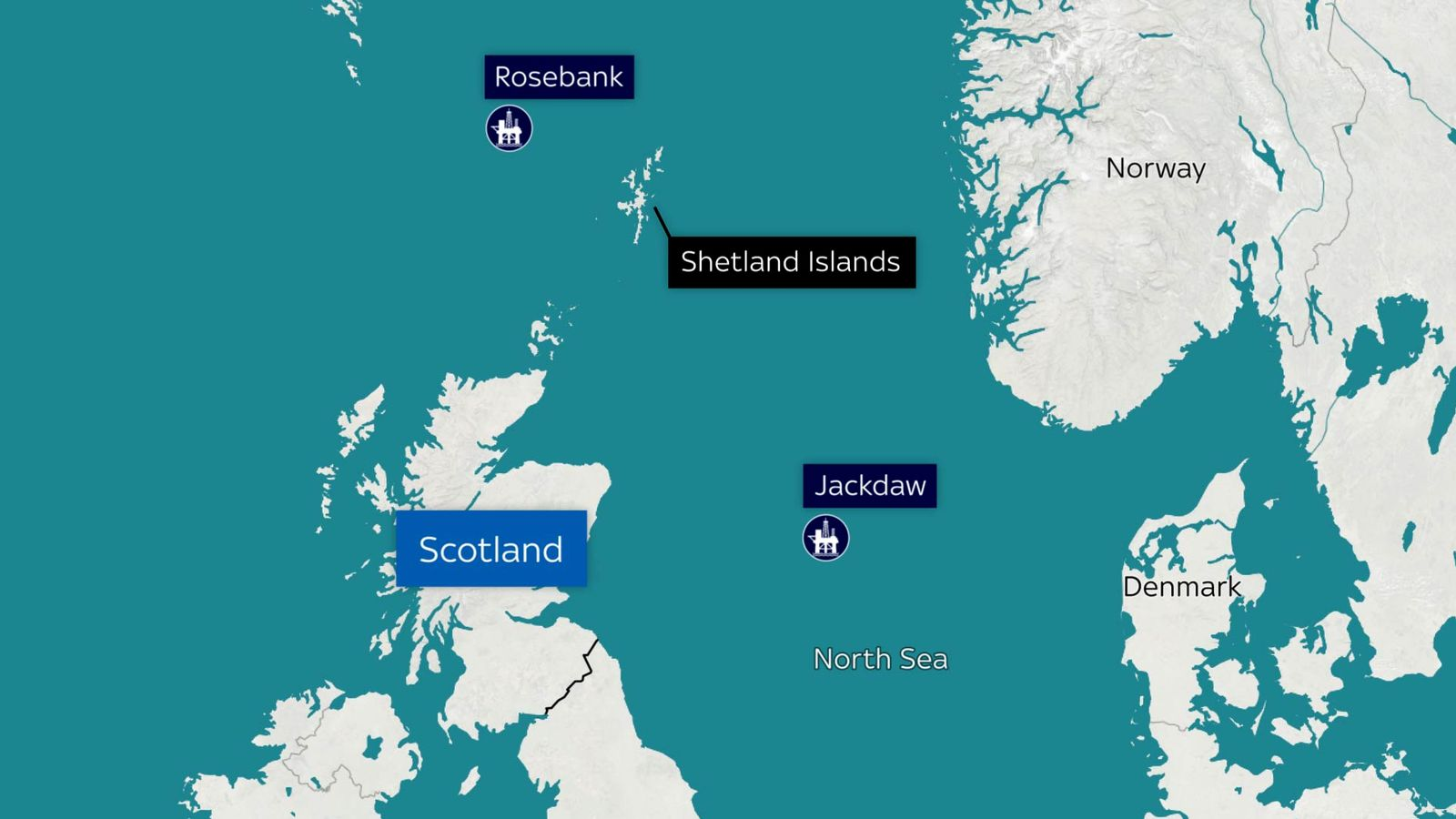
The recent Rosebank and Jackdaw decision in the UK is similar to the OCS Sale 257 fiasco in the US. In both cases, the court ruled that downstream GHG emissions weren’t adequately considered in the environmental reviews.

In the case of the Rosebank and Jackdaw fields, Lord Ericht ruled that the environmental assessment must take into account the climate effect of downstream emissions resulting from the consumption of oil and gas produced at those fields.

The Sale 257 decision was even more extreme in that Judge Contreras ruled that BOEM failed to consider the “positive” effect that higher prices (which might result from lower US offshore production) would have in reducing worldwide demand and the associated GHG emissions.

Regardless of one’s opinion on the extent to which GHGs affect the climate, halting UK and US projects will have virtually no effect on international oil and gas demand. That demand will be satisfied by other suppliers who will reap the economic benefits.

The Sale 257 decision was overturned by legislative action.

Presumably, revised environmental assessments, will allow the previously approved UK projects, for which some facilities have already been constructed and installed, to go forward. The UK government has been considering how to calculate downstream emissions. The model will no doubt yield outcomes that are highly uncertain.

In the meantime, the UK sector of the North Sea, unlike its Norwegian counterpart, continues to flounder.

Wisdom from the Scotsman regarding UK offshore production:

We need more of it because even the most ardent supporters of renewable energy, the most vocal proponents of net zero, quietly admit oil and, especially, gas will be needed for a couple of decades at least. That obvious truth, that inarguable necessity, is not, apparently, enough for ministers to encourage UK production, however, or temper their rhetoric around renewables.

Allowing our rigs and refineries to power down and relying on other countries to keep the lights on still seems a little, well, counter-intuitive. We will import oil and gas but not produce it while happily exporting contracts, skills and jobs overseas? The practical impact of Labour’s refusal to grant new exploration licences in the North Sea might remain unclear but the message it sent was absolutely crystal.

Read Full Post »