2023 vs. 2025: Not so subtle changes
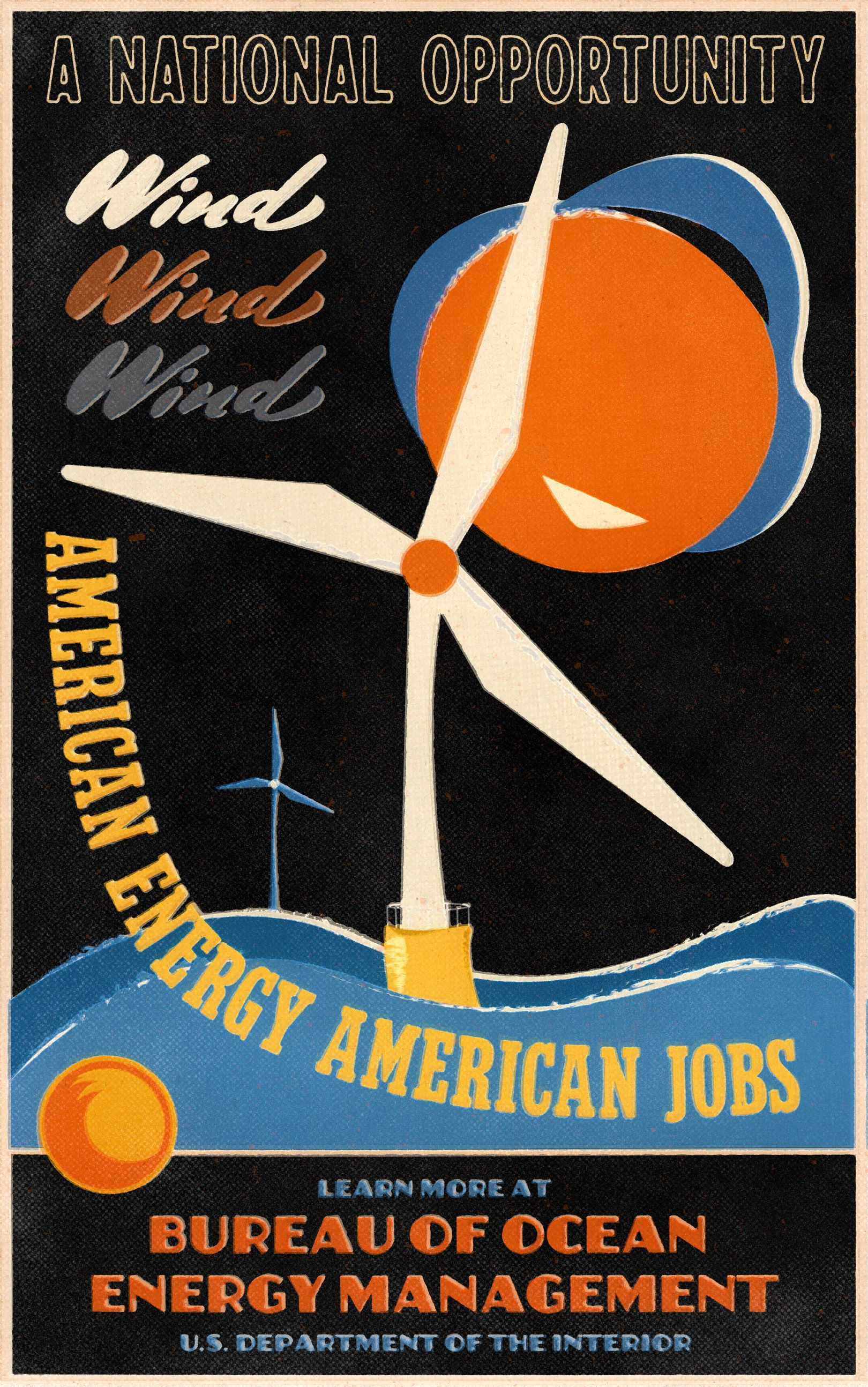
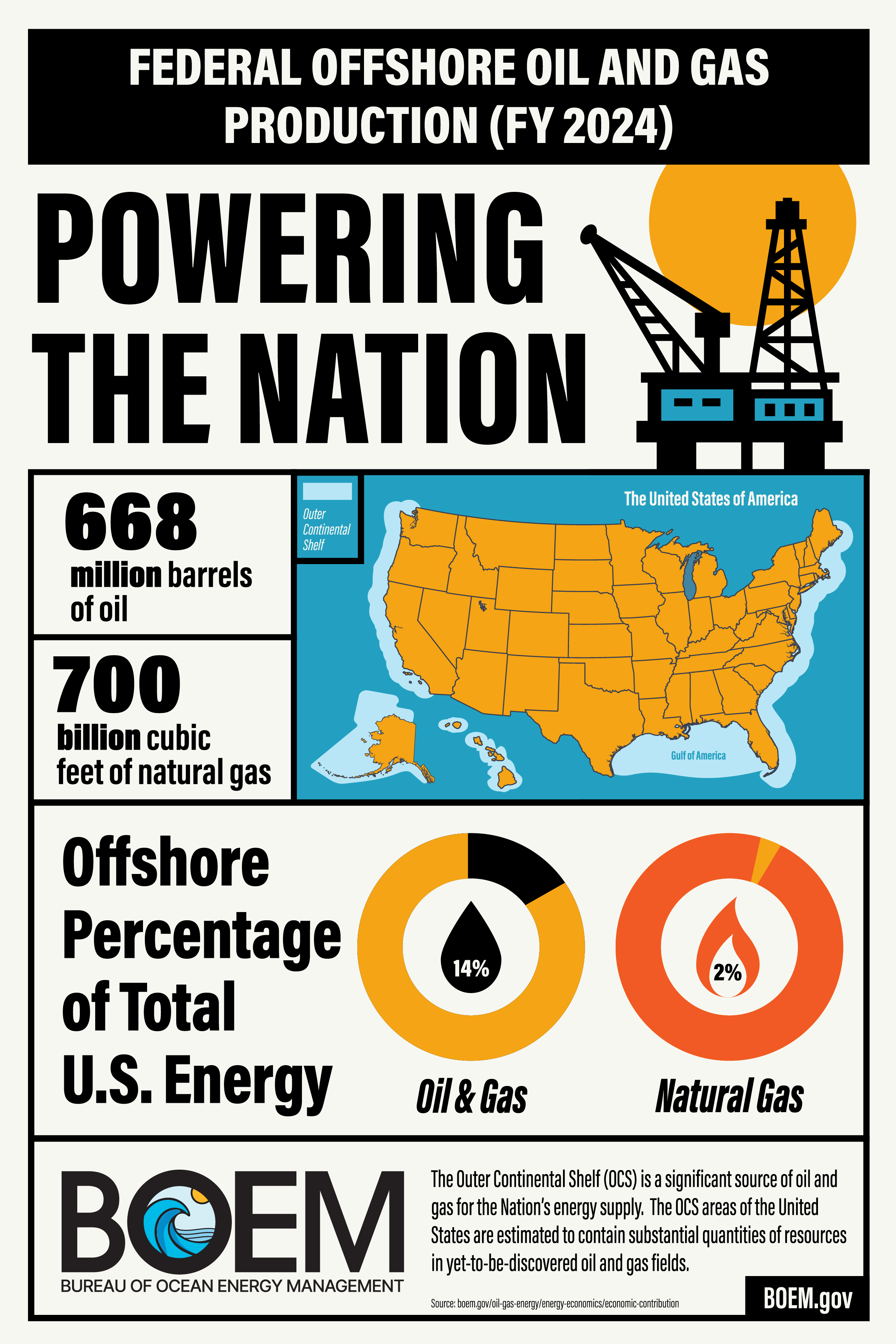
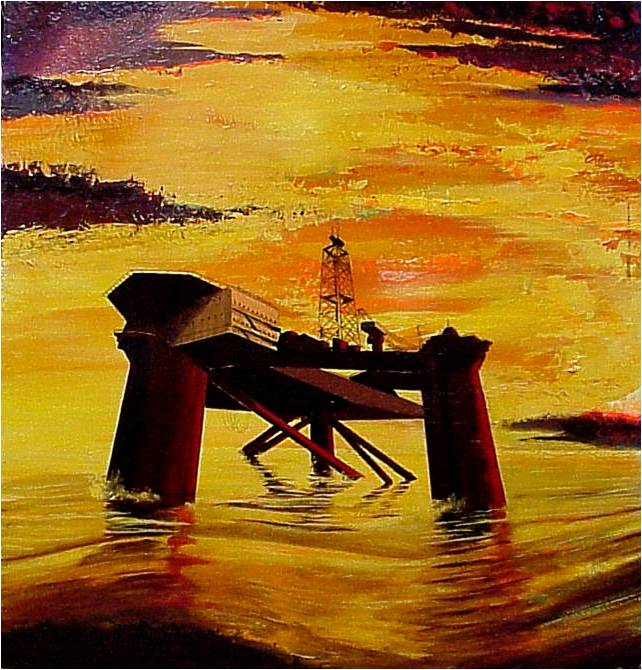
BTW, the new BSEE logo appears to have been influenced by the masterpiece Rig at Sunset 👍 😉
Posted in energy policy, Offshore Energy - General, Offshore Wind, Uncategorized, tagged BOEM, BSEE, OCS energy, policy changes, wind vs. oil and gas on August 8, 2025| Leave a Comment »
2023 vs. 2025: Not so subtle changes
BTW, the new BSEE logo appears to have been influenced by the masterpiece Rig at Sunset 👍 😉
Posted in California, Offshore Energy - General, pipelines, Regulation, tagged BSEE, investors lawsuit, press release, production restart, Sable Offshore, Santa Ynez Unit on July 31, 2025| Leave a Comment »
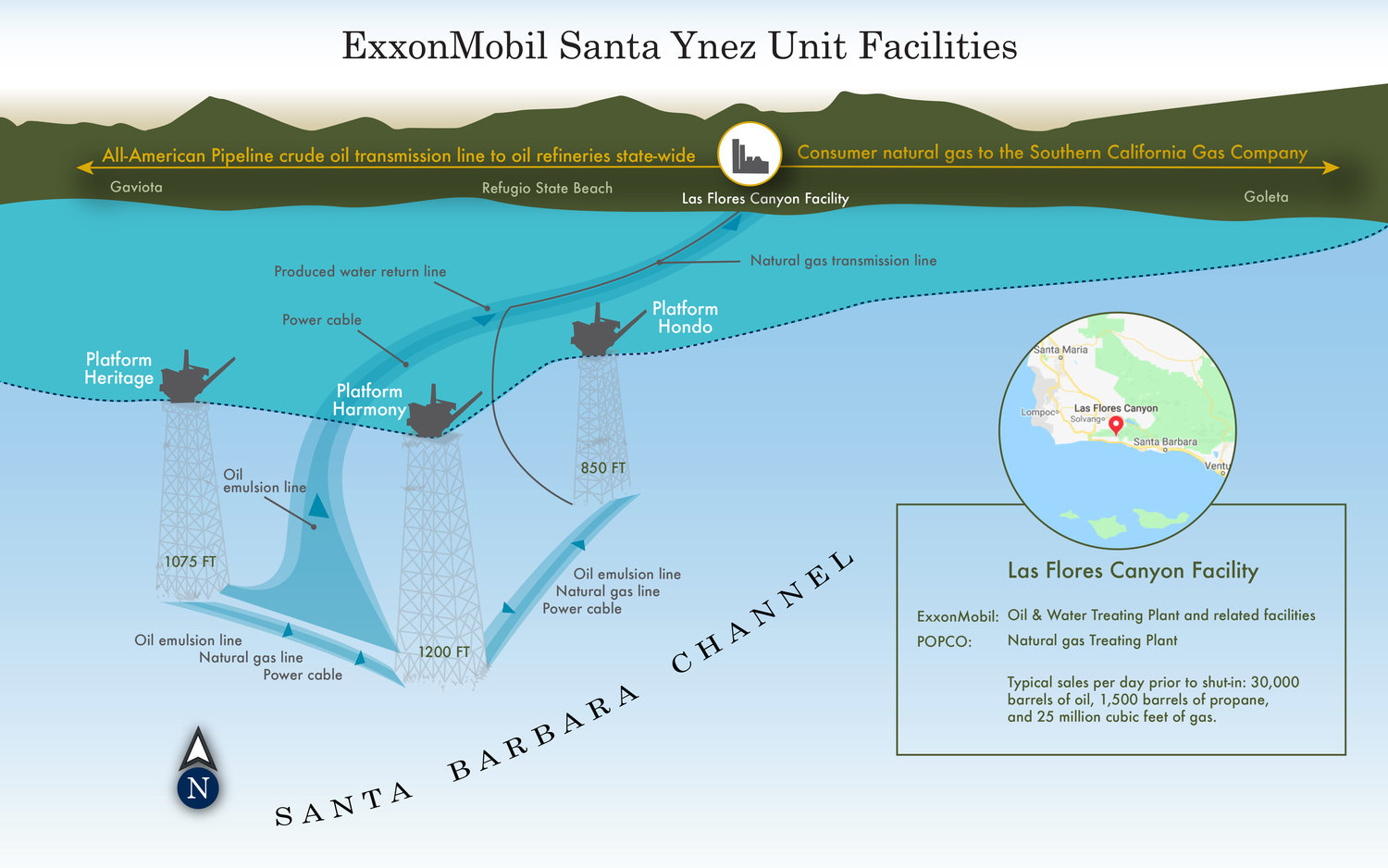
On July 25, 2025, more than 2 months after Sable’s brief production restart and 7 weeks after a court decision halted further production, BSEE surprisingly announced the resumption of Santa Ynez Unit (SYU) production boasting:
“This is a significant achievement for the Interior Department and aligns with the Administration’s Energy Dominance initiative, as it successfully resumed production in just five months.“
Were the authors of the press release unaware that the SYU production, which was largely from well tests, was halted by court order shortly after it began? More philosophically, is such cheerleading appropriate for the principal safety regulator, particularly given that BSEE is engaged in litigation over its practices in facilitating SYU production?
Ironically, just 3 days after BSEE hailed the resumption of production, the attached lawsuit was filed on behalf of investors who purchased Sable Offshore securities between May 19, 2025 and June 3, 2025. BOE contributor John Smith shared the filing.
The plaintiffs allege misleading statements regarding the resumption of production. Some of the key points cited in the filing:
Posted in accidents, Offshore Wind, tagged anniversary, blade failure, BSEE, debris, departures, environmental assessment, investigation report, quality control, Vineyard Wind on July 11, 2025| Leave a Comment »
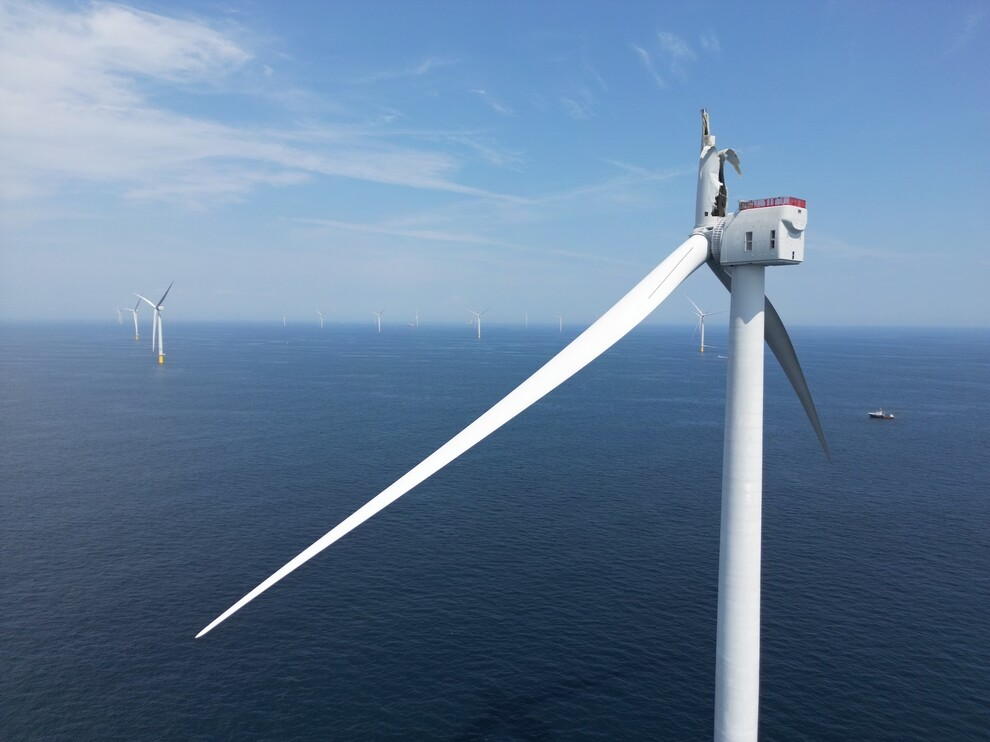
Why has the BSEE investigation report still not been issued?
Construction on the Vineyard Wind project continues yet important questions about quality control, regulatory departures, debris recovery, and environmental impacts remain.
Given the investigation’s significance, not only for Vineyard Wind, but for other offshore wind projects planned or under construction, how is the delay in issuing the report acceptable?
Keep in mind that the lengthy and complex National Commission, BOEMRE, Chief Counsel, and NAE reports on the Macondo blowout were published 6 to to 17 months after the well was shut-in.
Posted in accidents, Gulf of Mexico, Offshore Energy - General, Regulation, tagged BSEE, fires, gas detection, gas starters, Gulf of America, injuries, mechanical integrity, pipeline pumps, proper venting on June 23, 2025| Leave a Comment »
The Safety Alert is attached. Per BSEE, the fires resulted from an accumulation of gas caused by improperly installed or disconnected exhaust vent piping on gas starters.
Incident 1: Two workers sustained burns to the hands, arms, and face. BSEE investigators discovered that the engine’s air intake hose was disconnected, which may have allowed gas-enriched air to be drawn into the carburetor causing the backfire.
Incident 2: While attempting to start the gas engine of a pipeline pump, the lead mechanic sprayed ether into the engine’s carburetor. The exhaust vent piping for the starter had not been installed. The combination of the gas-rich atmosphere and ether caused the engine to backfire and ignited the
accumulated gas. The lead mechanic, sustained burns to his face, arms, and hands.
The Alert includes important recommendations for proper venting, mechanical integrity awareness training, maintenance, and the use of gas detectors and a temporary fire watch during engine startup.
Posted in energy policy, Gulf of Mexico, Offshore Energy - General, Regulation, tagged BSEE, deepwater Paleogene fields, differential reservoir pressure, downhole commingling, increased oil recovery, Univ. of Texas on April 28, 2025| Leave a Comment »
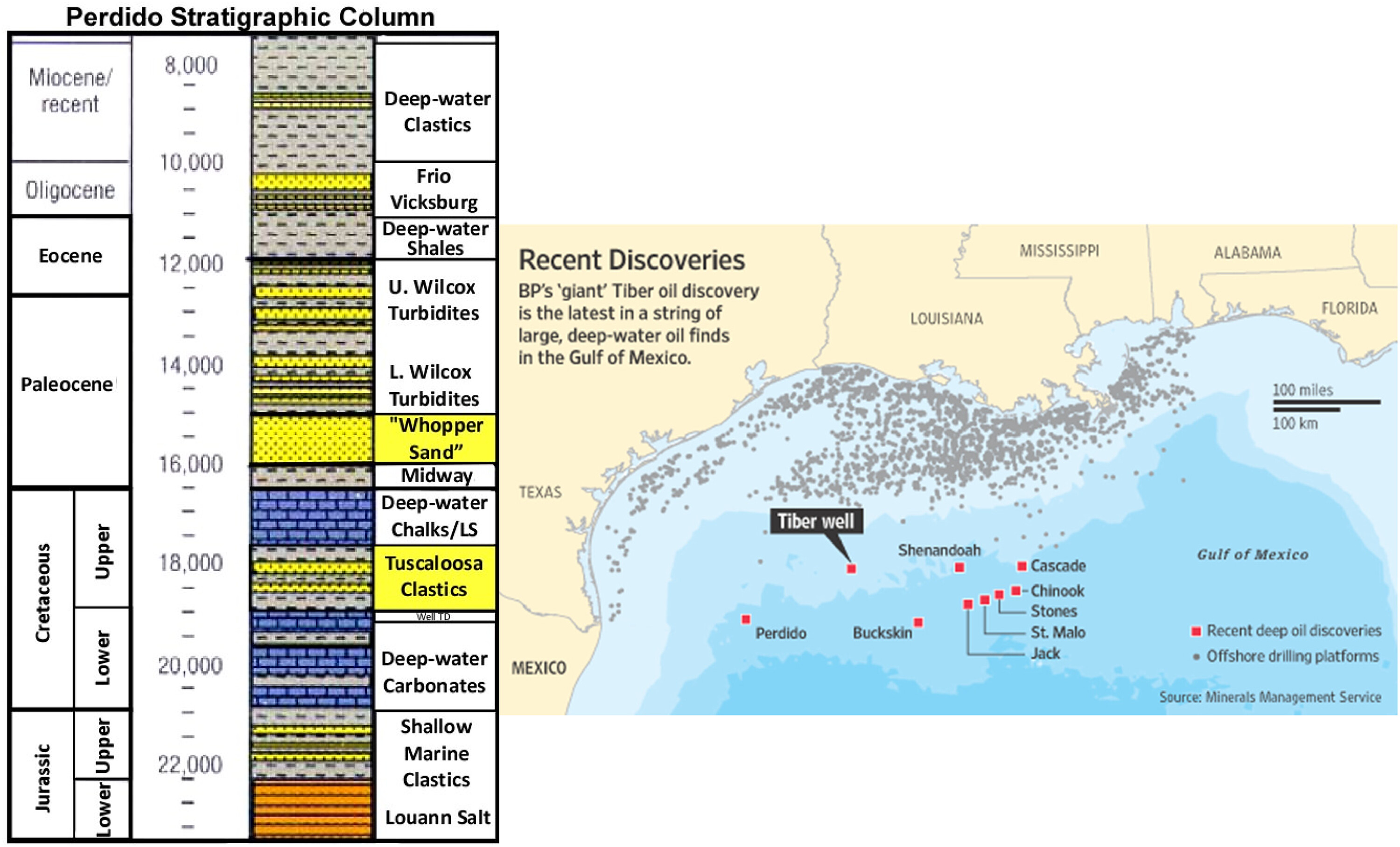
BSEE’s decision to revise downhole commingling policy by increasing the allowable pressure differential between reservoirs is sound and supported by an impressive University of Texas (UT) Petroleum Engineering study. Although the announcement hype is a bit much, this is the way regulation is supposed to work.
The main benefit of commingling (vs. sequential production) is the accelerated return on investment, which is fine as long as other risks are not introduced and ultimate oil recovery is not sacrificed. The UT study of Paleogene (Wilcox) reservoirs found that downhole commingling actually maximizes per-well oil production compared to sequential schemes. Over 30 and 50 years, commingling yields 61% and 21% more oil respectively.
The UT study analyzed 3 cases with 19 variables (Table 2 in their report). The reservoir pressure differentials were 500, 1000, and 1500 psi. Interestingly, pressure differential had essentially no impact on cumulative production in either the commingled or sequential scenarios.
Figure 13. Cumulative production over 50 years for commingled (left) and sequential (right) production scheme. The most significant variables are shown in the first four pairs of plots. The last pair of plots shows the least important parameter which is pressure difference between reservoir units.
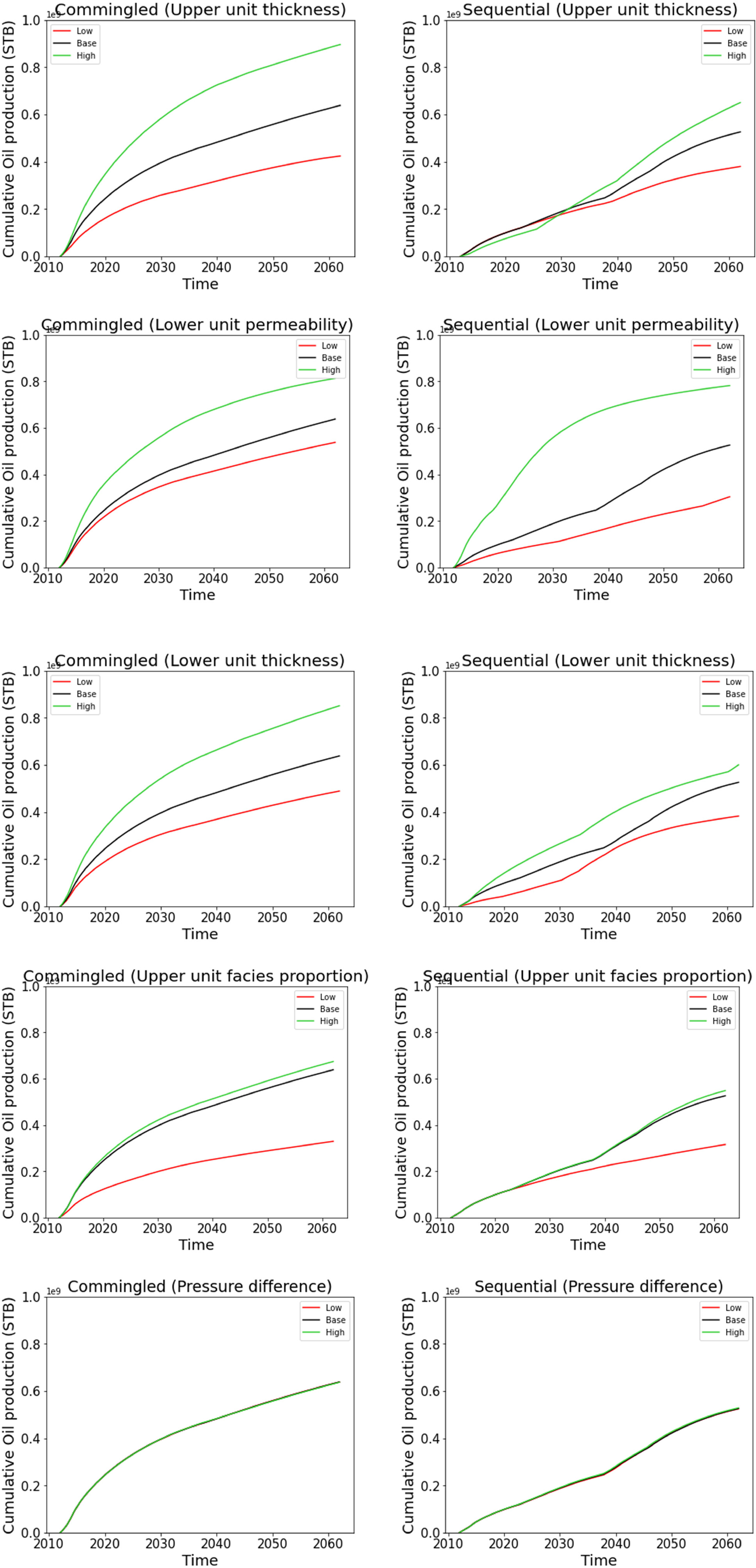
Also note that (fig. 13):
Posted in climate, energy policy, natural gas, Offshore Energy - General, Offshore Wind, Regulation, tagged BOEM, BSEE, consultation, development impacts, dispatchable power, fishing industry, GAO, Offshore Wind, staffing, tribes on April 16, 2025| Leave a Comment »
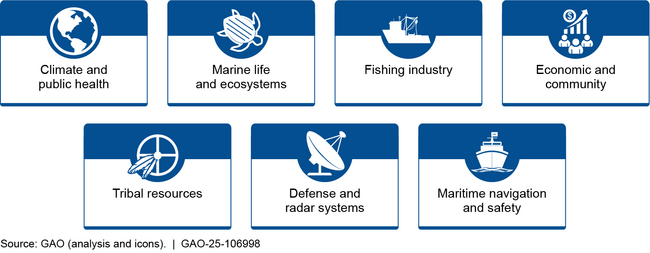
The Government Accountability Office report on Offshore Wind Energy (full report attached) does a good job of summarizing the potential impacts from offshore wind development. They are categorized in the report as follows:
Unfortunately, GAO’s recommendations, which focus on consultation and staffing (perennial favorites), are rather meaningless. Does GAO really think more consultation will resolve the fundamental concerns of the tribes and fishing industry? Does GAO really think increasing BOEM/BSEE staff is a solution? Wind was the signature offshore energy program of the previous Administration, and it was well resourced.
When the legislation authorizing offshore wind energy development was drafted, we envisioned energy alternatives that could complement thermal energy sources like gas, coal, and nuclear plants. Natural gas plants are particularly important to intermittent energy sources, because their power can be readily dispatched on demand.
Never did we expect attempts to ban the dispatchable energy sources on which renewable energy goals were dependent. Policies that limit gas production, transportation, and consumption don’t boost offshore wind development, they doom it.
In a rush to achieve the Administration’s energy goals, the wind leasing program brushed aside important economic, safety, national security, and environmental issues. Coastal residents, tribes, fishing interests, power customers, and other affected parties have rebelled. Their concerns won’t be smoothed over by increasing consultation.
So now the wind program is in a dark and windless place (a regulatory dunkelflaute?). Five projects are under construction or in the early stages of operation. Construction has been authorized for 6 other projects. Five more projects are in various stages of permitting. What next?
Meanwhile, we still haven’t seen a report on the ugly and embarrassing Vineyard Wind blade failure offshore Nantucket last July. Shouldn’t that report be a precursor to further offshore wind development in the US Atlantic? Also of note, that same turbine was struck by lightning 2 months ago.
Should directed suspension orders be issued pending a complete review of the wind program? If so, for which leases and for how long? Suspension of projects still in the permitting phase would be relatively painless and maybe even attractive given the current state of the wind industry. However, financial impacts for projects in the construction phase would be significant. These important next-step decisions need to be made soon. Muddling along is not a strategy.
Table 2: Examples of Potential Impacts of Offshore Wind Development to Marine Life and Ecosystems
| Impact | Description |
| Acoustic disturbance | Construction and survey activities produce underwater noise that can disturb sensitive marine species. Offshore wind projects take measures to mitigate underwater noise, including the use of bubble curtains to dampen pile driving sound and pausing operations if protected species are sighted. |
| Changes to marine habitat | Installation of infrastructure, such as turbine foundations and transmission cables, introduces new structures and causes changes to the ocean floor that can alter marine habitat and affect the distribution, abundance, and composition of marine life in the area. These new structures can create artificial habitat that may benefit some species while displacing others and could affect bottom-dwelling species through disturbing the seabed. Artificial habitat effects of wind turbines are well documented, but research is ongoing to monitor and understand impacts on marine life. |
| Hydrodynamic effects | Operation of wind turbines can affect hydrodynamics and ocean processes such as currents and wind wakes, but little is known about regional effects of widescale deployment on ecosystems. |
| Vessel disturbance | Vessels can disturb some species and pose strike risks to large marine animals, but the increase in offshore wind vessels is projected to be small compared to the total volume of vessel traffic. Offshore wind vessels are required to take measures such as following speed restrictions and employing protected species observers. |
| Entanglement risk | Structures, such as mooring cables from floating wind turbines, could snag fishing gear and other marine debris and create entanglement risk to marine animals. Wind projects employ measures to minimize entanglement (e.g., mooring systems designed to detect entanglement), but there is uncertainty about the extent of the risk from floating turbines because of limited deployment.a |
| Collision risk to birds and bats | Turbine blades pose a collision risk to some sea birds, but little is known about offshore collision risk to bats. Research on collision risks and mitigation measures (e.g., lighting and curtailment) is ongoing. |
Posted in California, CCS, climate, energy policy, natural gas, Offshore Energy - General, Uncategorized, tagged BOEM, BSEE, California Coastal Commission, carbon capture, Doug Burgum, Grok climate crisis, Santa Ynez Unit, shale gas on April 7, 2025| Leave a Comment »
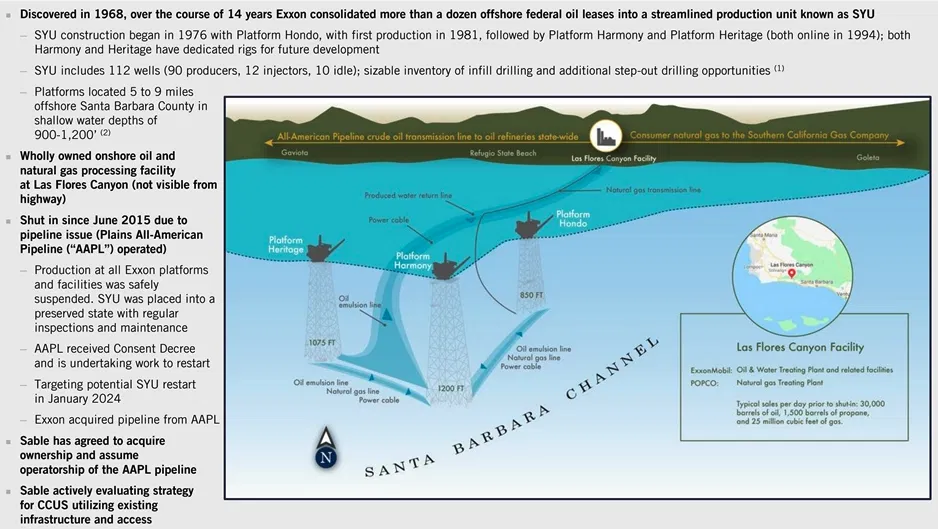
Santa Ynez Unit items (thanks to John Smith for the links):
Cuts in carbon capture spending coming? These are cuts that both climate activists and skeptics can support.
In a peer reviewed paper, AI (Grok-3) debunks the man-made climate crisis narrative.
Doug Burgum: Hydraulic fracturing technology is “one of the reasons why the U.S. shale revolution is a miracle. But that miracle keeps on getting better and better. It’s the thing that has literally turned around the economy.” Posted here 15 years ago: Natural Gas Bonanza – Why Aren’t We Celebrating?
Posted in California, Offshore Energy - General, pipelines, Regulation, tagged BSEE, California Coastal Commission, California Fire Marshall, Center for Biological Diversity, lease extensions, Sable Offshore, Santa Ynez Unit on April 3, 2025| Leave a Comment »
It’s starting to look that way.
“The State Fire Marshal stated on February 25 — during a packed-house meeting at La Cumbre Junior High School — that he would not issue Sable authorization to restart production at the Santa Ynez Unit until all outstanding permit issues between Sable and the eight state agencies with oversight authority are resolved.“
Although Sable has a good defense against the Coastal Commission’s accusations, that statement by the Fire Marshal is ominous.
More bad news for Sable: The Center for Biological Diversity suit challenging the Federal government’s extension of the 16 Santa Ynez Unit leases is not going well. The government requested a voluntary remand of BSEE’s 2023 approval because “BSEE plans to reconsider its decision in light of Plaintiffs’ claims and conduct additional analysis, as warranted, under OCSLA and NEPA.”
In the attached decision, shared by John Smith, the judge denied the Federal government’s request. This does not bode well for the Federal government’s case going forward.
Posted in accidents, Gulf of Mexico, Offshore Energy - General, Regulation, tagged BSEE, falls, Gulf of America, near miss, offshore safety, Safety Alert, unsafe grating on March 10, 2025| Leave a Comment »
Historically, falls are the most common cause of offshore injuries and fatalities, and hazardous grating is a leading contributing factor to these incidents.
BSEE’s risk-based inspection and safety alert programs have effectively drawn attention to grating risks. Attached is a recent alert describing a grating incident that could have been fatal.
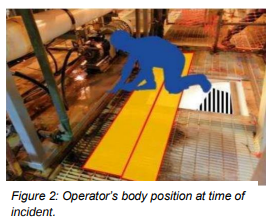
A worker installing a pump in a skid above unsafe grating was kneeling on scaffolding boards. The tip of his boot was on the corroded grating when it suddenly gave way. The worker was able to grab a nearby section of piping to support himself. The 36″ x 36″ piece of grating collapsed and fell into the water.
Posted in accidents, Offshore Wind, tagged blade failure, BSEE, lightning protection, lightning strike, Vineyard Wind, wind turbine on March 5, 2025| Leave a Comment »
BSEE statement:
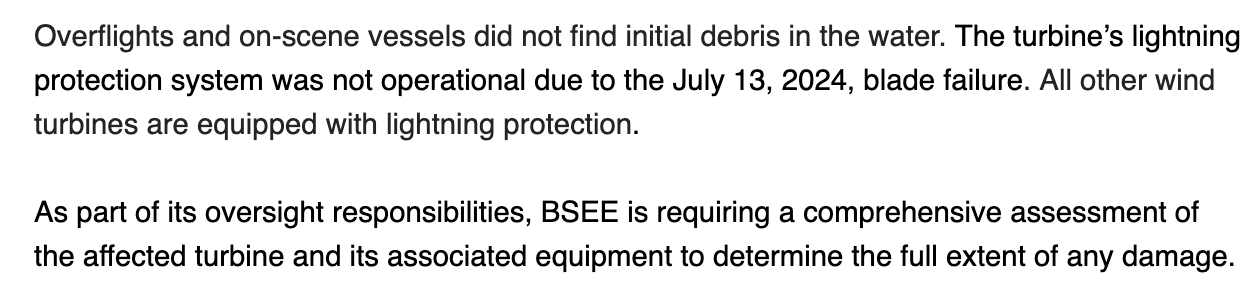
BSEE’s report on the initial (7/13/2024) blade failure has still not been released.
 Bud's Offshore Energy (BOE)