An important figure in the history of the US offshore program passed away last week. Gerry Rhodes was a petroleum engineer with an attorney’s gift for understanding laws and regulations. Among other leadership roles in the offshore regulatory program, Gerry was Chief of the Minerals Management Service’s Branch of Rules, Orders, and Standards in the 1990’s.
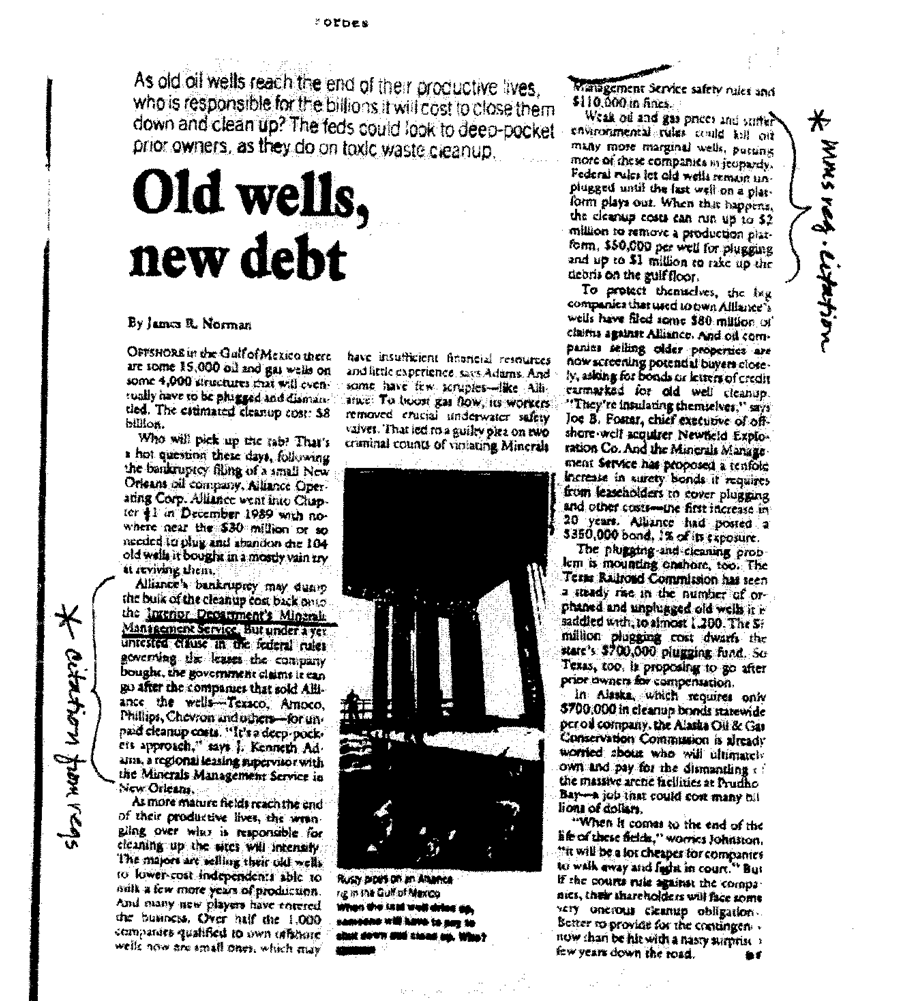
Gerry was among the first in the Federal government to fully understand the financial responsibility risks associated with the decommissioning of offshore facilities and the urgent need to update requirements for the plugging of wells and removal of platforms. The enormity of this challenge is described in the 1991 Forbes article pasted below. Despite sharp divisions within the offshore industry and the resulting political pressure, Gerry succeeded in finalizing regulations (including this 1995 rule) that are the basis for the current financial responsibility programs in BOEM and BSEE. Without Gerry’s resolve, subsequent financial assurance challenges and government outlays would have been far greater.
RIP Gerry. You were a true gentleman, a dedicated father and grandfather, and a diligent and highly accomplished colleague.
More positively, the court chose not to vacate the sales or the EIS:
Moreover, vacatur would be highly disruptive for the lessees. They have paid millions of dollars to obtain their leases and have acted for some four years in reliance on them—including by investing substantial additional sums and by executing contracts with third parties. Moreover, any redo of the lease sales “would be tainted by prior publication of [the] lessees’ proprietary valuation of the leases” following the original sales.
Comments:
How many GAO reports on BSEE or MMS have not been critical of some processes or procedures? None that I can recall.
It’s unreasonable to expect BOEM to consider every GAO or other external criticism of the regulatory program in their EIS’s.
All of the GAO recommendations in the subject report were process related and were closed (implemented) several years ago.
The court exercised good judgement in declining to vacate the sale. Per the decision, the case will be remanded to BOEM for further consideration of the GAO report.
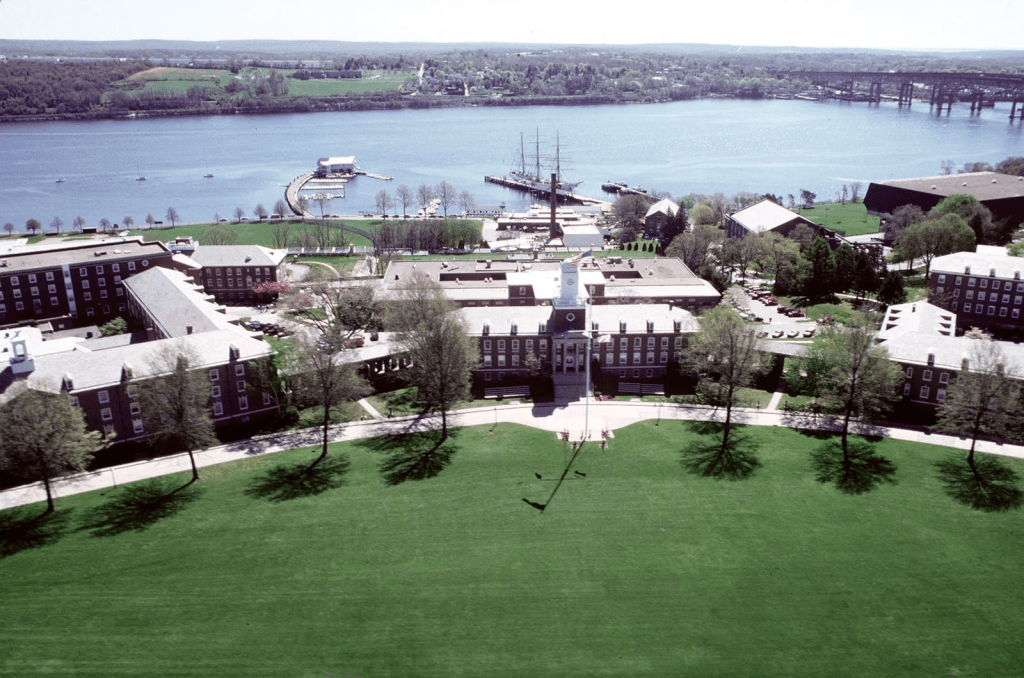
Even those of us who are fully vaxed acknowledge the vaccines’ uncertain efficacy and risks, and the many issues with the CDC guidance and Covid protocols. Military personnel must comply with orders, but questionable orders should be revised as new information becomes available.
Regulators know that regulations, policies, and practices cannot be static. As we learn, we update and improve. Enforcing outdated guidance is just a power play, and demonstrates rigidity not competence. The Coast Guard understands all of this, so their decision to evict the cadets is especially disappointing.
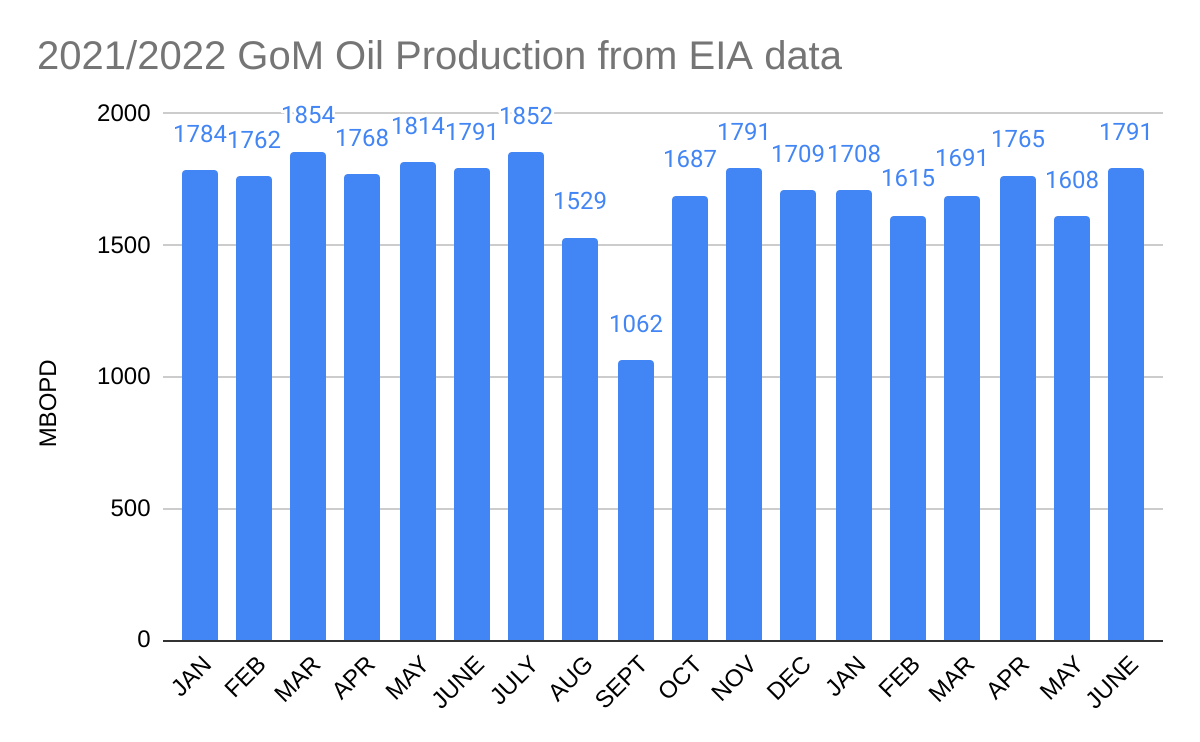
“BOEM’s short-term (20-year) production forecast for existing leases shows steady growth from 2022 through 2024 and declining thereafter (see Section 5.2.1). The long-term nature of OCS oil and gas development, such that production on a lease can continue for decades makes consideration of future climate pathways relevant to the Secretary’s determinations with respect to how the OCS leasing program best meets the Nation’s energy needs.“
It’s disappointing that this statement was even necessary. Under the circumstances, the need for new UK offshore licenses would seem to be obvious and undeniable.
“The European energy sector right now is cracking at the seams. Without the contribution of UK oil and gas resources, that crack would be a gaping hole.”
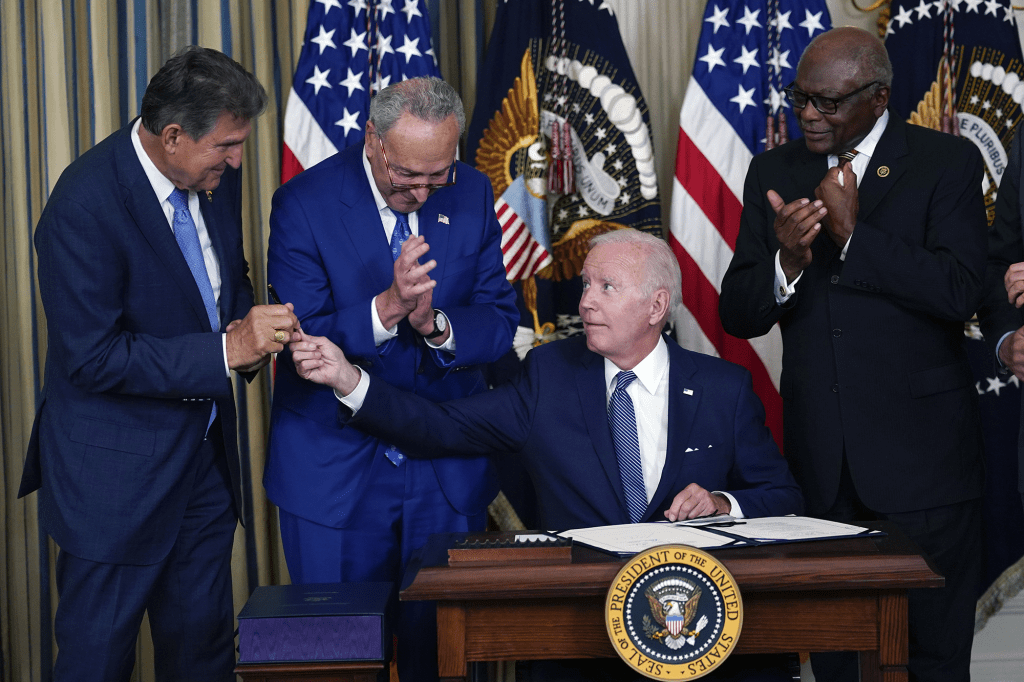
Per legislation signed by the President on Aug. 16, 2022:
(b) LEASE SALE 257 REINSTATEMENT.— (1) ACCEPTANCE OF BIDS.—Not later 30 days after the date of enactment of this Act, the Secretary shall, without modification or delay— (A) accept the highest valid bid for each tract or bidding unit of Lease Sale 257 for which a valid bid was received on November 17, 2021; and (B) provide the appropriate lease form to the winning bidder to execute and return.
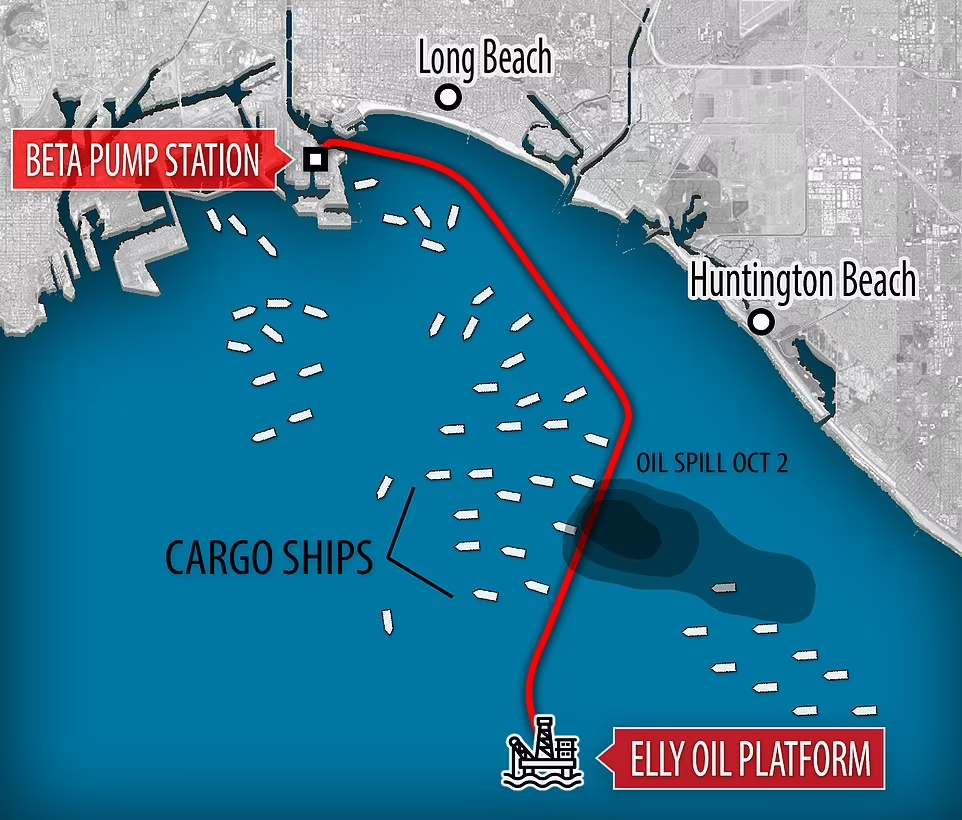
In addition to the penalty and reimbursement elements of the plea agreement, there are two Amplify commitments that may be of particular interest to BOE readers:
New leak detection system for the pipeline: More information on the leak detection improvements for this low pressure oil pipeline would be helpful.
Notification to regulators of all leak detection alarms:
Which regulators? DOT? BSEE? State? All?
Real time reporting or periodic compilations? With real time reporting for every alarm, the distinction between the pipeline operator and regulator(s) would be blurred and new organizational and competence risks would be added. The probability of communications errors and delayed decisions would increase, and the operator would no longer be accountable for bad decisions.
Also, given that the investigating agencies have still not issued their report on the October 2021 spill and no action has yet been taken against the shipping companies that caused the pipeline rupture, the congratulatory Coast Guard, EPA, FBI, and DOT quotes in the announcement seem rather premature and self-serving.
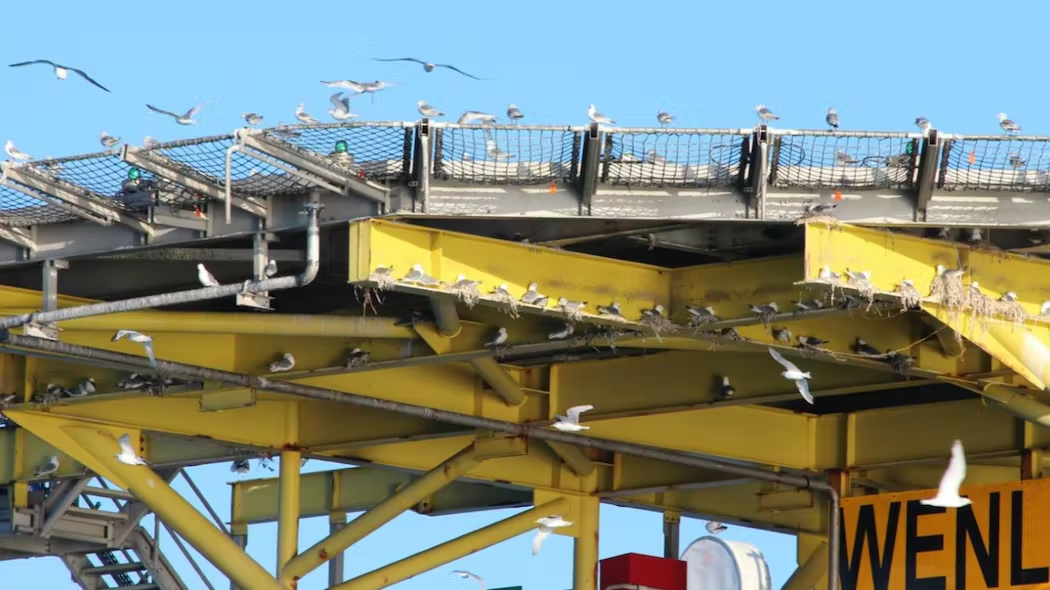
GUILDFORD, UK — Alpha Petroleum Resources, Energean UK and Orsted Hornsea Project Four will consider repurposing the Wenlock gas platform in the UK southern North Sea, which is nearing the end of its productive life.
One possibility is to reuse the facility as an artificial nesting site to offset the impact on certain bird species of offshore wind developments in the area.
Black-legged kittiwakes have set up nests on various North Sea platforms, according to Orsted’s recent surveys. Repurposing an existing platform as an artificial nesting structure is seen as an alternative to building a new artificial nesting structure to support the local development of the Hornsea Four offshore wind farm.
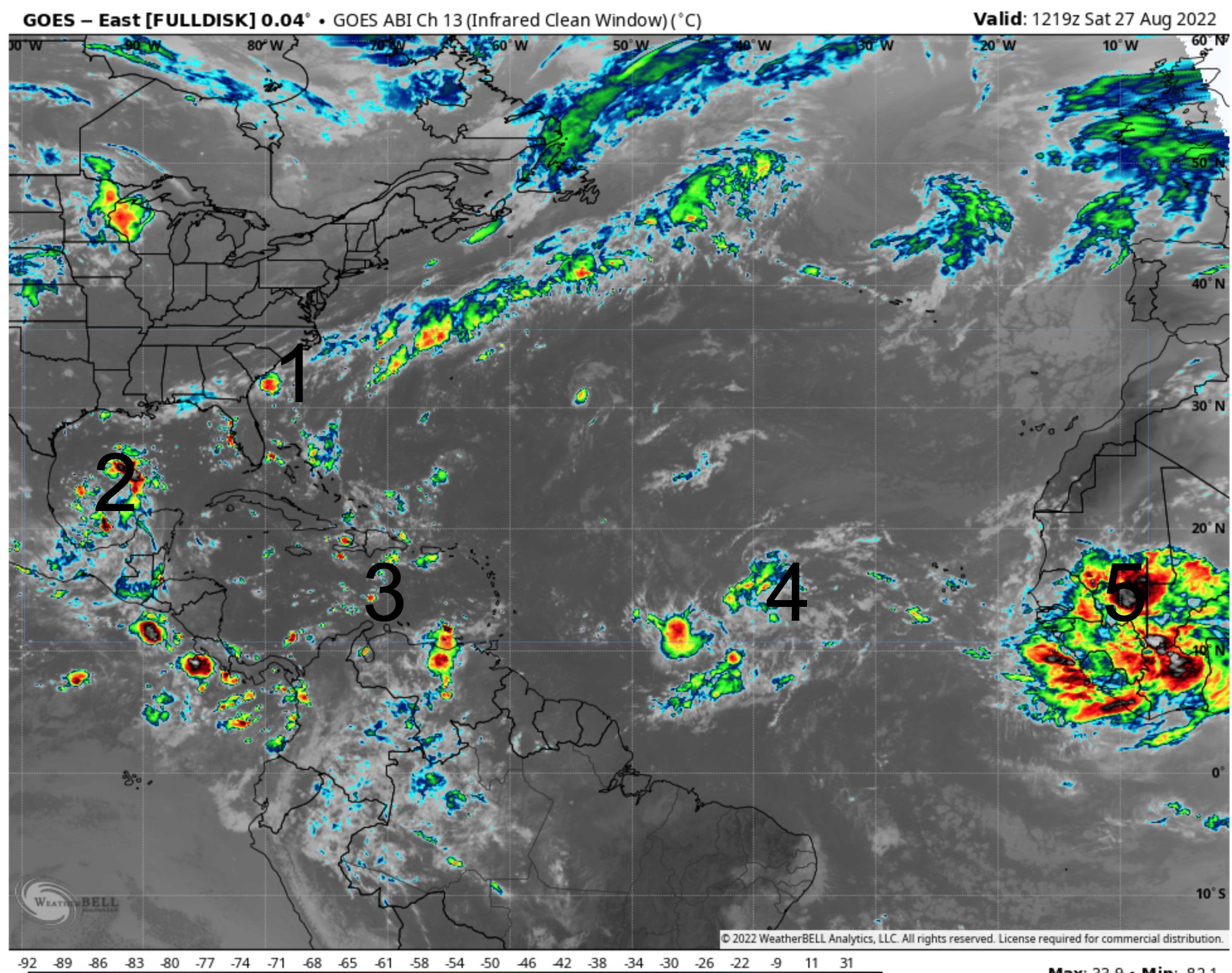
I fully expect feature number 4 to be a TC by Wednesday and Hurricane by Friday as it threatens the NE Caribbean first. Eventual track toward Bahamas SE US in 10-15 day period. Feature in Africa develops, stays way out. 1,2,3 weaker right now
Martyn Willsher, Amplify’s President and Chief Executive Officer, commented, “We are pleased to have reached an agreement in principle regarding the civil litigation resulting from the Southern California Pipeline Incident last October. Although we are unable to provide additional detail at this time, we negotiated in good faith and believe we have come to a reasonable and fair resolution. We will continue to vigorously pursue our substantial claims for damages against the ships that struck our pipeline, and the Marine Exchange of Southern California that failed to notify us of the anchor strikes.”

 Bud's Offshore Energy (BOE)